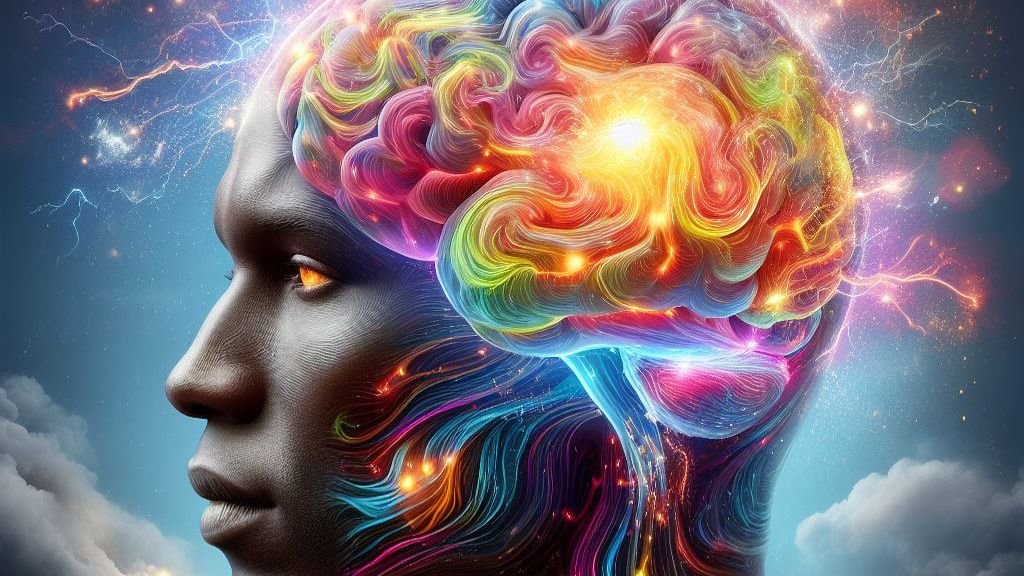

Imagine reading this sentence and automatically seeing splashes of color around each letter, or tasting a hint of mint every time you hear a violin. For people with synesthesia, this kind of blended sensory world is completely normal, and often lifelong. It’s not a hallucination, not a fantasy, but a stable and reliable way their brains process information.
Synesthesia has shifted from a curious oddity to a serious topic in neuroscience, psychology, and even art. Researchers now see it as a powerful window into how the brain builds perception, links ideas, and creates meaning. And the deeper scientists look, the more synesthesia challenges simple ideas about what a “normal” brain even is.
What Exactly Is Synesthesia?
Synesthesia is a condition where stimulation of one sense automatically and consistently triggers an experience in another sense or cognitive pathway. A common example is seeing specific colors when you see or think about numbers or letters, like always seeing the number five as deep red or the letter A as bright yellow. These pairings are stable over years; they don’t change day to day the way a mood or random association might.
It’s not just about colors and numbers, though. Some people feel physical touches when they see someone else being touched, or taste flavors when they hear certain words. Importantly, synesthetic experiences are involuntary and automatic; they happen without effort, and many people only realize their experience is unusual when they discover others don’t perceive the world this way.
How Common Is Synesthesia, Really?

For a long time, synesthesia was thought to be extremely rare, almost like a neurological curiosity you might encounter once in a lifetime. But better awareness and more systematic surveys have changed that picture dramatically. Some studies suggest that at least a small but noticeable portion of the population has some form of synesthesia, especially if you include milder or less obvious types.
One reason estimates vary so much is that many people with synesthesia never bring it up, assuming everyone else sees Thursday as dark green or the song on the radio as smooth and blue. Others dismiss their experiences as imagination, not realizing how consistent and automatic they really are. So the more we ask the right questions, the more synesthetes we actually find hiding in plain sight.
Different Flavors of a Blended World

When people think of synesthesia, they often picture colored letters and numbers, which is called grapheme-color synesthesia. But there are many types: some people experience sounds as moving shapes, others feel textures when they hear voices, and some map months, days, and years into fixed spatial layouts around their bodies. These “mental calendars” can feel so real that a person might mentally rotate their view around a year like they’re walking around a sculpture.
There are also forms known as lexical-gustatory synesthesia, where words trigger tastes, and mirror-touch synesthesia, where seeing someone touched can create a matching physical sensation on your own body. The variety of forms suggests that synesthesia isn’t one single thing but a category of related phenomena, all built on unusual but structured connections between different brain systems.
The Brain Behind the Blend: What Neuroscience Shows
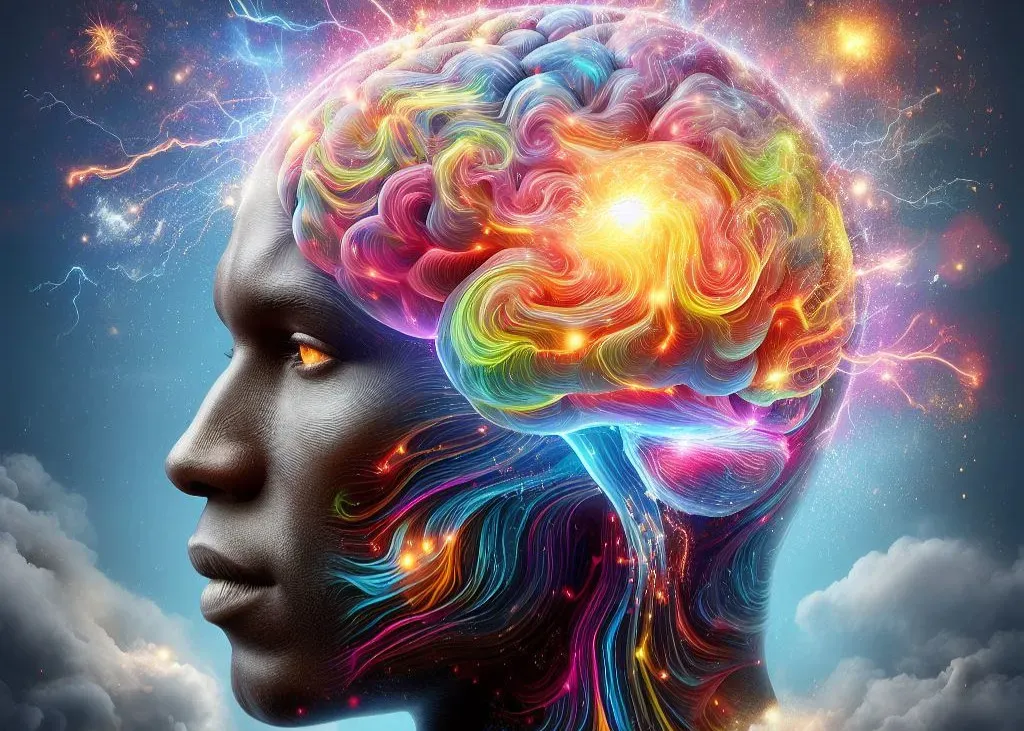
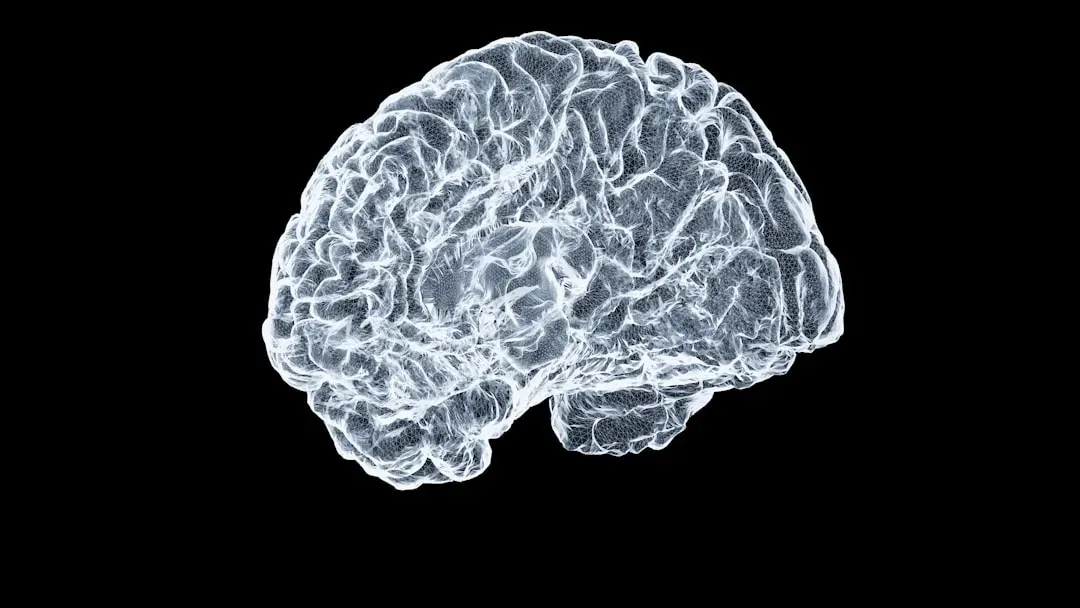
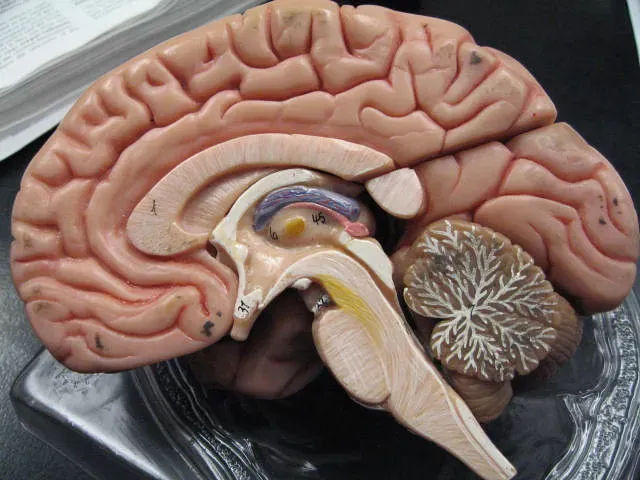
Brain imaging has given researchers a front-row seat to what might be happening in synesthesia. When a person with grapheme-color synesthesia looks at black letters, the brain regions normally involved in color perception can become active, even though there’s no color on the page. It’s as if the brain’s color area is being triggered internally rather than by the eyes alone.
One leading idea is that synesthesia involves extra communication between brain areas that usually stay a bit more separate, especially in regions that process different types of sensory or symbolic information. Another possibility is that all brains may have these cross-connections early in development, but in most people they get pruned back as the brain matures. In synesthetes, that pruning might be less aggressive, allowing these unusual links to remain and shape conscious experience.
Is Synesthesia a Superpower, a Quirk, or Something in Between?

Synesthesia is usually not a disorder; many people describe it as neutral or even positive, something they would never want to lose. Some synesthetes say their experiences help them remember things more easily, like phone numbers, names, or historical dates, because they come with vivid colors, positions in space, or textures. Certain forms of synesthesia have been tied to stronger memory performance in controlled tests, though this isn’t true for every person or every type.
On the other hand, it’s not all magical and effortless. The additional sensory load can sometimes feel distracting, especially in hectic environments packed with sounds, words, and numbers. And having a perception that nobody else shares can feel isolating or hard to describe. So synesthesia tends to land in a gray area: often helpful, sometimes inconvenient, always unusual, and fundamentally just another way a human brain can be wired.
Synesthesia, Creativity, and the Arts

Synesthesia has a strong cultural reputation for being linked to creativity, and that connection shows up often in music, visual art, and literature. Some artists and musicians who have described synesthetic experiences say that their inner color-sound or shape-sound pairings influence the way they compose or design. For them, choosing a chord progression can feel a bit like choosing a palette of colors, or arranging shapes in motion.
Scientific studies trying to measure this link have found hints that people with synesthesia may be more drawn to creative fields or score higher on certain creativity tests, but the relationship isn’t simple. You can absolutely be highly creative without any trace of synesthesia, and you can have synesthesia and not be particularly artistic. Still, the idea that your senses could naturally collaborate instead of staying in their own lanes gives a fresh angle on how imagination might work in all of us.
What Synesthesia Teaches Us About All Brains
Synesthesia forces scientists to question the assumption that senses are supposed to stay neatly separated. In reality, even people without synesthesia show subtle cross-sensory effects: we tend to match high-pitched sounds with lighter colors or smaller shapes, and lower sounds with darker or bigger ones. These tendencies hint that our brains are wired to blend information more than we consciously realize.
Studying synesthesia also helps researchers think about language, memory, and abstract thought. If a simple symbol like the number four can reliably trigger a color, what does that say about how the brain links concepts to sensory experiences in general? Some scientists suspect that the roots of metaphors like “sharp cheese” or “warm color” might come from these natural cross-connections in the brain. Seen that way, synesthesia isn’t just a rare curiosity; it’s an exaggerated version of something that might exist quietly in everyone.
The Future of Synesthesia Research and Why It Matters
Modern research on synesthesia is expanding in several directions at once, from genetics and development to artificial intelligence and education. There is growing interest in whether certain genes make people more likely to develop synesthesia, and why it commonly runs in families but can show up in different forms within the same family. Long-term studies are also looking at whether synesthesia changes with age, and how the brain adapts to this unusual way of processing information over a lifetime.
At the same time, technologists are exploring whether we can deliberately create synesthesia-like experiences using virtual reality, wearables, or sensory substitution devices that turn sound into patterns of touch or color. Educators are curious about whether harnessing cross-sensory imagery could make learning languages, math, or music easier for everyone. The more we uncover about synesthesia, the clearer it becomes that the boundaries between our senses are far less rigid than they first appear, and that the human brain is more flexible and surprising than we often give it credit for.