
Imagine waking up tomorrow and realizing no one is coming. No messages, no footsteps in the hallway, no background noise from the street. Just you and your thoughts, stretching into an endless, echoing silence. It sounds peaceful for a while, maybe even tempting, until you remember that human brains didn’t evolve to live this way.
Scientists have been quietly fascinated by extreme isolation for decades, not because it’s poetic, but because it exposes what we’re really made of. From polar research stations to space simulations and rare real-world cases of people cut off from others, isolation experiments have become a stark window into our biology, our minds, and what actually holds us together. The surprising part is how fast things start to change once we’re truly alone.
The Brain on Isolation: How Solitude Reshapes Our Wiring
One of the most striking findings about isolation is that the brain doesn’t just sit there doing nothing; it actively reorganizes itself. When people spend long stretches alone, brain scans often show changes in regions tied to emotion, reward, and social processing. It’s like the brain slowly rewrites its own manual when social feedback disappears, sometimes becoming more sensitive, sometimes shutting down parts that aren’t being “used” anymore.
In studies of people in remote research stations or simulated space missions, researchers have seen shifts in the structure and connectivity of areas like the prefrontal cortex and the hippocampus, which are crucial for planning, memory, and emotional balance. These changes can translate into trouble concentrating, feeling detached, or struggling to interpret subtle emotional signals when contact finally resumes. The brain adapts to isolation, but the new version of “normal” isn’t always kind to us when we reenter the social world.
The Emotional Crash: Loneliness, Depression, and Anxiety
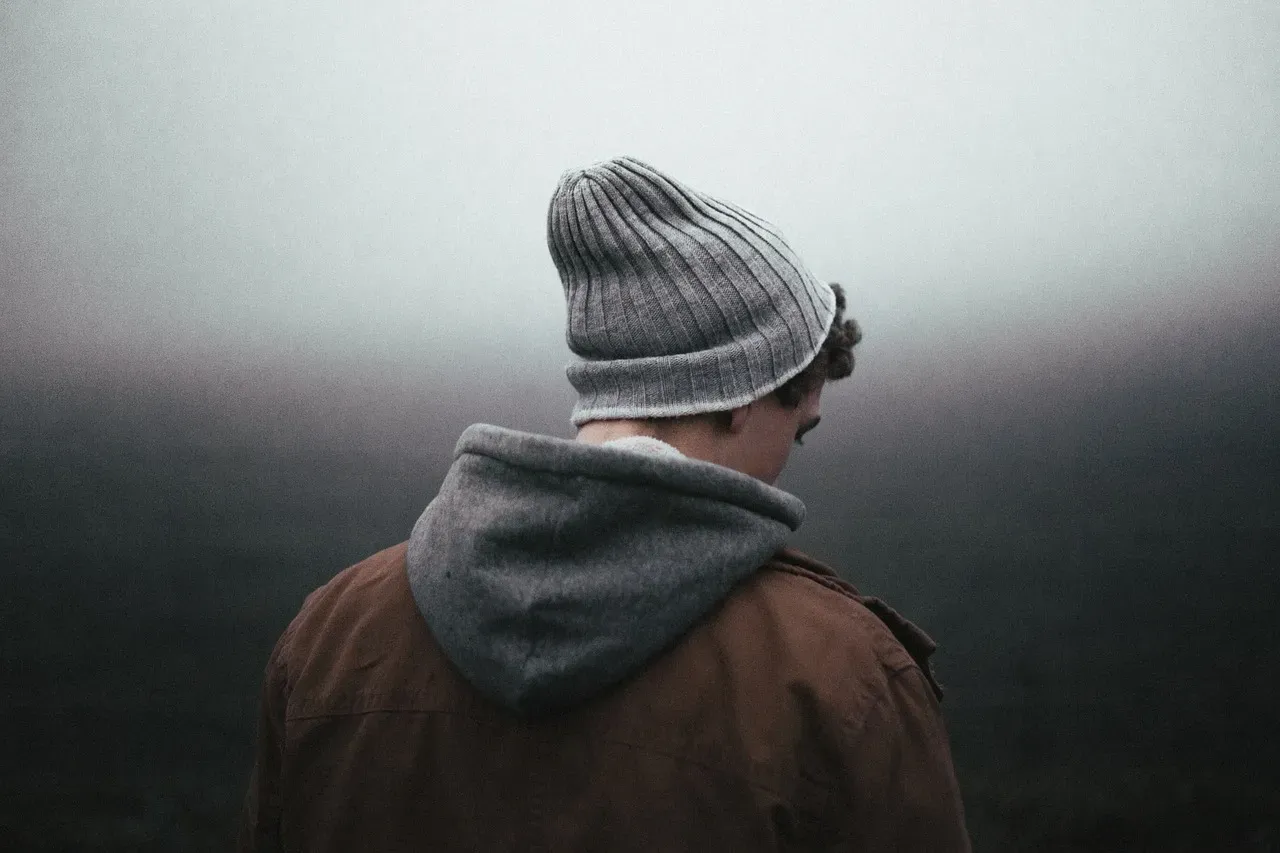
Short bursts of alone time can feel like a deep breath; total isolation feels more like having the air slowly sucked out of the room. Emotionally, extended isolation is strongly associated with spikes in loneliness, anxiety, and depression. Without the everyday micro-interactions – a nod, a shared laugh, a quick complaint about the weather – our sense of being seen and valued starts to erode, and that hits harder than most people expect.
Over time, this emotional strain can spiral into a heavy, dragging state where hope and motivation shrink. People report feeling emotionally numb, then suddenly overwhelmed by waves of sadness or fear for no clear reason. It’s as if the mind, starved of normal emotional input, amplifies everything that’s left. Some research suggests that prolonged social isolation can even increase the risk of self-harm and suicidal thinking, underlining that loneliness is not just unpleasant; it’s genuinely dangerous.
Time, Sleep, and the Body’s Broken Internal Clock
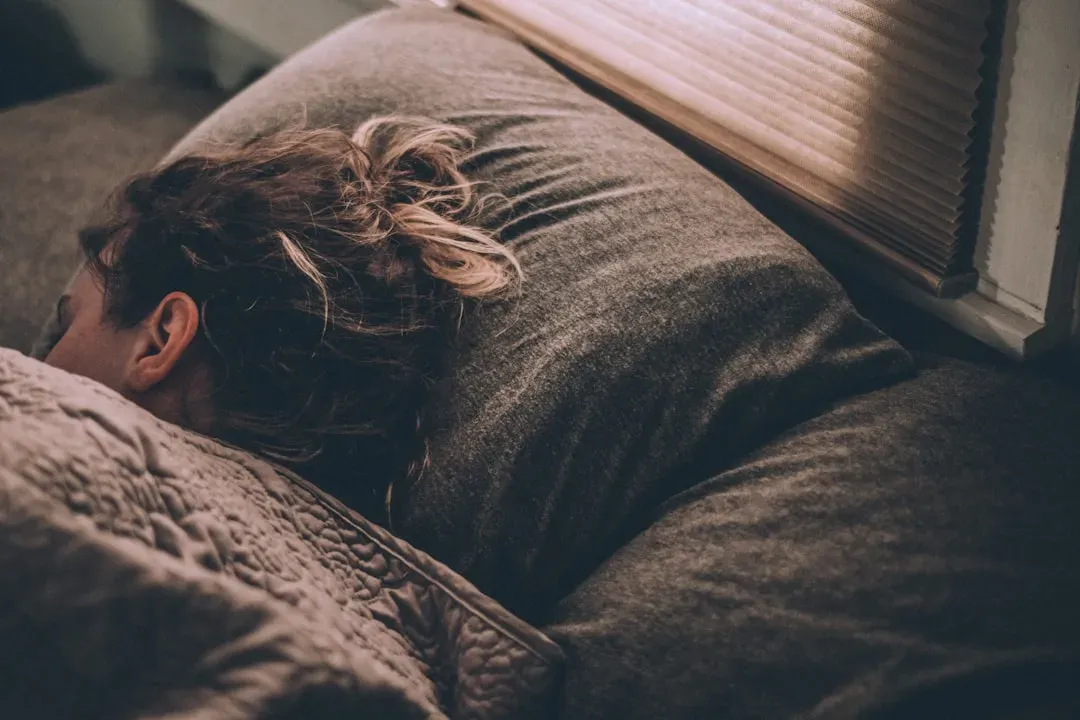
One of the strangest effects of complete isolation is what happens to our sense of time. Without social cues, natural light cycles, or regular routines, people often lose track of days and even hours. In classic underground isolation experiments, participants would drift into longer “days,” going to sleep and waking up on cycles that stretched beyond twenty-four hours without realizing it. Their bodies were basically trying to invent their own version of time.
As this internal clock drifts, sleep becomes fragmented, lighter, and less restorative. People may sleep for what feels like a full night but still wake up exhausted, wired, or oddly out of sync. Poor sleep then feeds into emotional instability, memory problems, and irritability, creating a feedback loop that’s hard to escape. Over weeks or months, the body’s hormonal rhythms also shift, affecting appetite, temperature regulation, and even immune function in subtle but significant ways.
Hallucinations, Perception Shifts, and the Edge of Reality
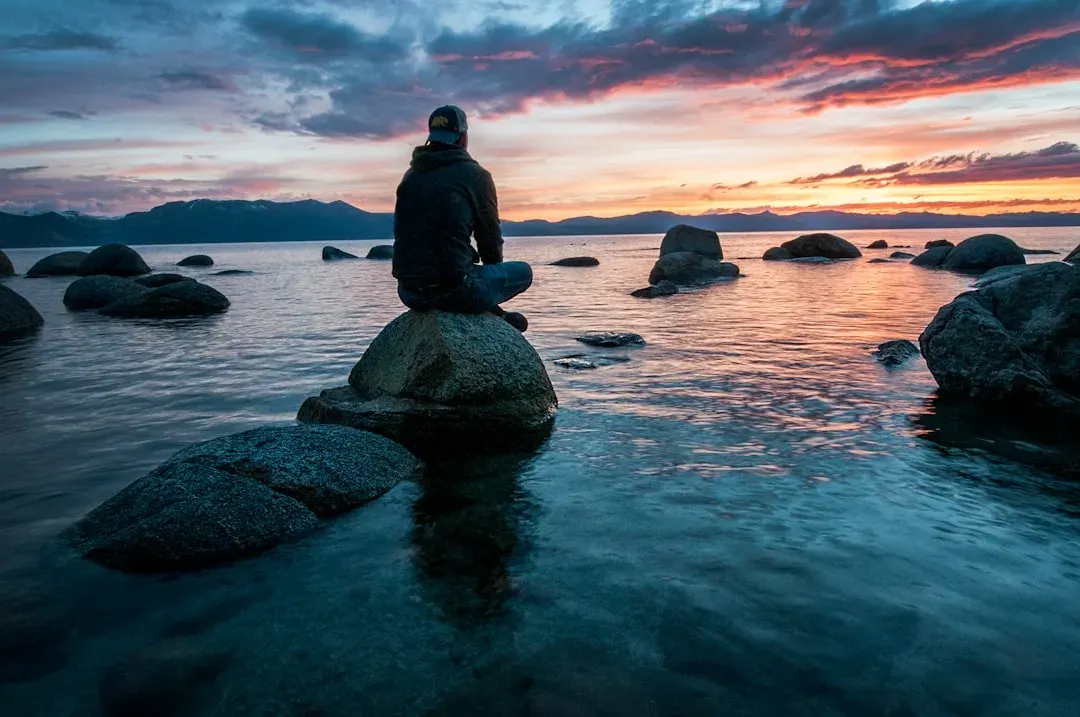
When sensory input drops, the brain sometimes starts to fill in the gaps with its own material. In extreme isolation, especially when combined with monotony or low stimulation, people have reported hearing voices, footsteps, or music that isn’t there. Others see fleeting shapes in the corner of their eye or feel like someone is standing just behind them. It’s not necessarily a sign of permanent mental illness; it’s often the brain trying too hard to find patterns in silence.
These experiences can range from mildly unsettling to outright terrifying, especially for someone who believes they’re “going crazy.” What’s fascinating is that this can happen even to otherwise mentally healthy people placed in isolated conditions, like solo sailors, cavers, or some polar workers. Perception bends under pressure: time stretches, distances feel distorted, and the line between imagination and reality gets smudged. The longer the isolation, the more likely the mind is to start improvising its own private reality show.
The Body Under Siege: Physical Health in a Social Vacuum
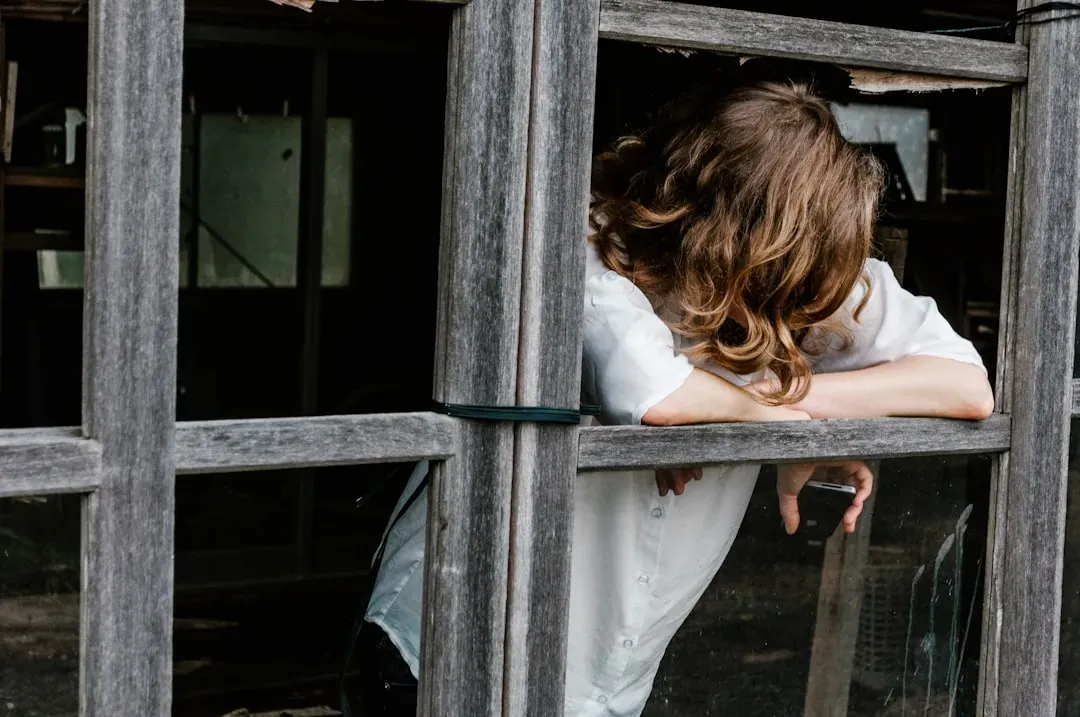
Isolation doesn’t just hurt your feelings; it hits your body like a slow, invisible sickness. Research has linked chronic social isolation and loneliness to higher risks of heart disease, stroke, and earlier death. It seems to raise stress hormones, nudge blood pressure upward, and worsen inflammation in the body. Over long periods, this chronic stress load wears down organs and systems the same way constant background noise can eventually crack glass.
People living in sustained solitude may also move less, eat irregularly, and neglect small but crucial health habits simply because no one is around to notice or nudge them. The basic checks and balances that come from having others in your life – someone commenting on how exhausted you look, or asking if you’ve seen a doctor yet – just disappear. Even the immune system appears to suffer, making the body less effective at fighting infections and recovering from illness. Solitude may feel still and quiet, but on a biological level, it can be a storm.
When Solitude Helps: The Difference Between Chosen and Forced Isolation
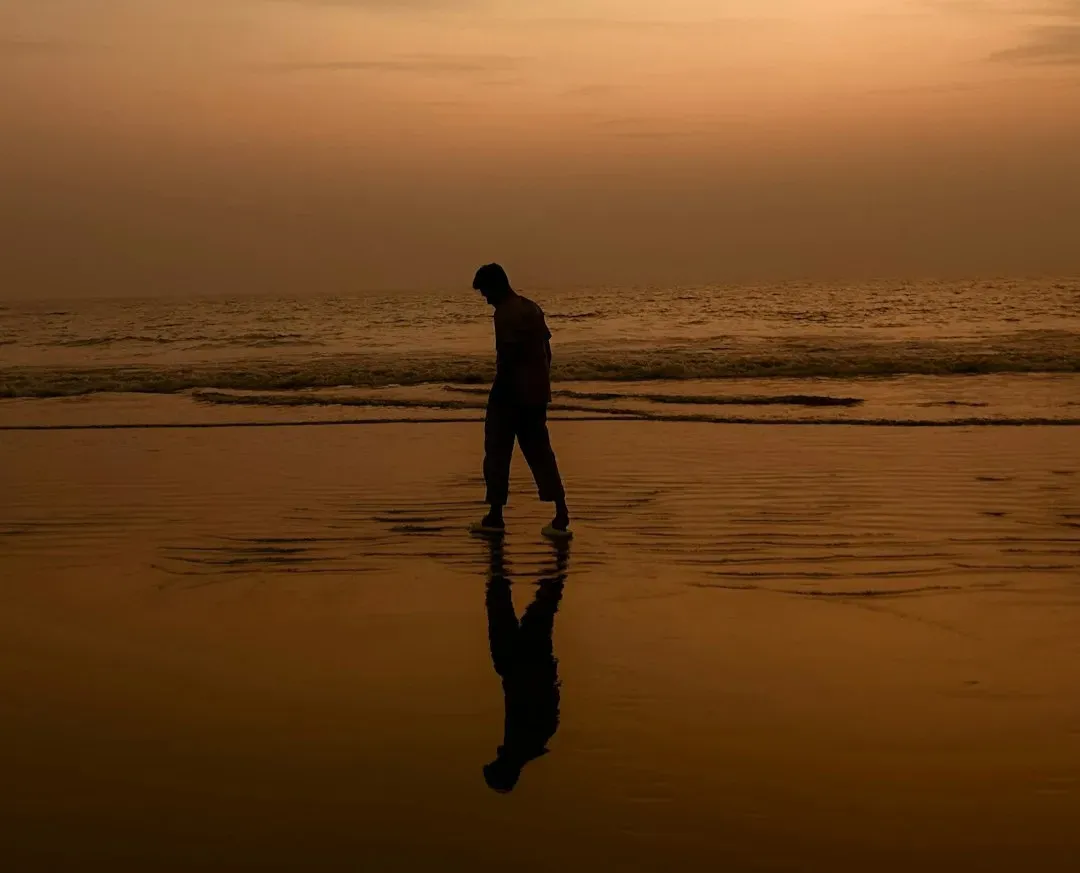
Here’s the twist: not all solitude is harmful. Chosen, meaningful alone time can be deeply healing and creatively powerful. When you know you can reconnect whenever you want, being alone can turn into a kind of mental reset button, helping you reflect, plan, or create without constant interruption. Many artists, scientists, and writers seek out periods of solitude specifically because it lets them think more clearly and hear their own ideas.
The danger shows up when solitude stops being a choice and becomes a trap. Forced isolation – whether due to illness, geography, discrimination, imprisonment, or extreme work conditions – strips away the sense of control that makes alone time feel safe. The brain and body respond very differently when they feel cornered rather than free. I’ve noticed, even on a tiny scale, that a weekend alone feels totally different when I’m choosing it, compared to the suffocating feeling of being stuck somewhere with no way out. That sense of choice is one of the thin lines that separates restorative solitude from destructive isolation.
Life After Isolation: Reentry, Relationships, and Recovery
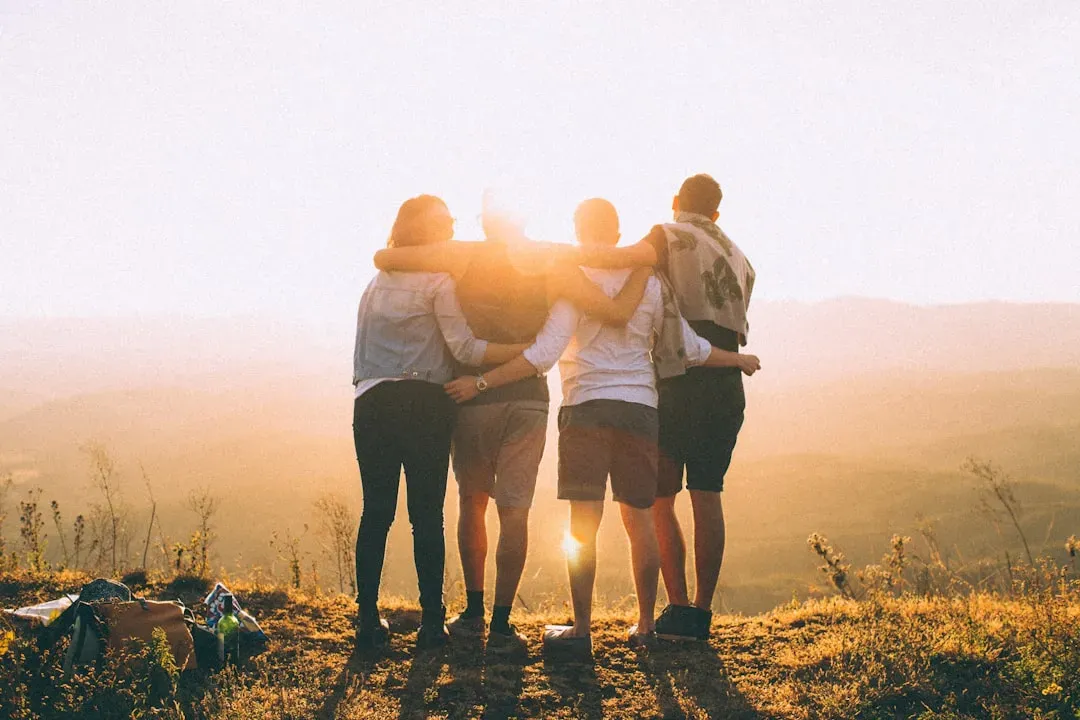
Coming back from deep isolation is its own strange journey. People who’ve spent months in remote stations, on long solo missions, or in strict confinement often describe reentry as overwhelming and awkward. Everyday social situations can suddenly feel noisy, chaotic, or emotionally confusing, like being dropped into a party where everyone is speaking half a language you used to know but now struggle to follow. It takes time to re-learn the rhythm of small talk, eye contact, and unspoken social rules.
The hopeful part is that the brain and body can recover, especially when support is in place. Gentle reintroduction to social contact, mental health care, consistent routines, daylight exposure, and movement can all help rebuild stability. Relationships may feel rusty at first, but many people eventually come out with a sharper appreciation of connection and a clearer understanding of what they need from others. In a world that often glorifies independence, the science of isolation quietly reminds us that being human was never meant to be a solo project.