
If you’ve ever dragged yourself through a workday after a bad night’s sleep, you already know sleep is powerful. But the science behind what happens in your brain and body while you’re out cold is far more dramatic than most people realize. Sleep isn’t a luxury or a nice-to-have; it’s a basic biological need, as essential as food, water, and air.
In my twenties, I used to brag about getting by on just a few hours of sleep, like it was a badge of honor. Now it feels a bit like bragging about never changing the oil in your car and being surprised when the engine fails. Once you understand what sleep actually does for you – and what really breaks when you don’t get enough – it stops being something you squeeze into the gaps of your day and becomes something you protect like your life depends on it. Because in a very real way, it does.
The Hidden Brain Work That Only Happens While You Sleep

Here’s a wild thought: your brain is doing some of its most important work when you’re completely unaware of it. During sleep, especially deep and REM sleep, your brain sifts through the noise of the day, deciding which memories to keep and which to throw away. It strengthens important connections, weakens unneeded ones, and essentially “reorganizes the hard drive” so you wake up with a brain that runs more smoothly.
Researchers have also found that while you sleep, your brain’s waste-clearance system becomes more active, flushing out metabolic byproducts that build up while you’re awake. Some of these waste products are linked with neurodegenerative diseases when they accumulate over years. So sleep isn’t just about feeling mentally sharp tomorrow; it’s one of the ways your brain quietly protects itself for the long term.
How Sleep Keeps Your Body Alive, Balanced, and Repairing Itself

While you’re asleep, your body is running repair protocols that just don’t happen the same way when you’re awake. Muscle tissue is rebuilt, tiny cellular damages are fixed, and your immune system recalibrates and strengthens its defenses. Hormones linked to growth, stress, and appetite are also regulated during the night, keeping your internal systems in something like a delicate truce.
When sleep is consistently cut short, that repair work falls behind. In the long run, this increases the risk of issues like high blood pressure, weight gain, insulin resistance, and inflammation. It’s similar to skipping routine maintenance on a house: the leaks and cracks don’t always show up tomorrow, but they accumulate, and one day you’re wondering why everything feels like it’s falling apart at once.
What Actually Happens in Your Brain When You Don’t Sleep Enough

Lack of sleep doesn’t just make you “a bit tired”; it changes how your brain functions in measurable ways. Regions responsible for attention and decision-making start to misfire, which is why tasks that felt easy yesterday can suddenly feel confusing or overwhelming. Reaction times slow down, which is especially dangerous when driving or operating anything that requires quick responses.
On top of that, the emotional centers of the brain become more reactive when you’re sleep-deprived, while the parts that help with control and perspective lose power. That’s why everything feels more dramatic, irritating, or hopeless when you’re exhausted. You’re not being overly sensitive; your brain is literally less able to regulate your emotions, like trying to drive with your steering wheel half-disconnected.
The Emotional Roller Coaster: Sleep and Your Mood

There’s a strong, two-way connection between sleep and mental health. Poor sleep can make anxiety, irritability, and low mood worse, and those same mental health struggles can, in turn, disrupt sleep. Over time, this loop can pull people into a kind of emotional quicksand, where every night and every day start feeding into each other in unhelpful ways.
People who don’t sleep enough often describe feeling fragile, like their emotional “buffer” is gone. Small setbacks feel enormous, and things that would normally be easy to shrug off suddenly sting. Good sleep doesn’t magically fix life’s problems, but it gives your brain the stability and resilience to deal with them without feeling completely overrun.
Sleep Deprivation and Your Long-Term Health Risks

Consistently cutting sleep short is like slowly turning up the risk dial on a long list of health problems. Studies have linked chronic sleep deprivation to higher risks of heart disease, stroke, type 2 diabetes, and obesity. Your body’s ability to regulate blood sugar, blood pressure, and appetite all take a hit when sleep isn’t adequate.
There’s also growing evidence that long-term poor sleep may be connected to a higher risk of cognitive decline later in life. When your brain doesn’t get regular deep and restorative sleep, the systems that clear waste and maintain neural health don’t run properly. It’s not that one bad week of sleep dooms you; it’s the years of disregarding sleep that quietly stack the odds against you.
Why You Feel Hungrier and Less in Control After a Bad Night

If you’ve ever noticed you crave junk food after a short night, that’s not just a lack of willpower. Sleep helps regulate hormones that control hunger and fullness, and when you’re sleep-deprived, the signals telling your brain “I’m full” go quiet, while the signals shouting “I want more” get louder. Your brain also becomes more responsive to rewarding, high-calorie foods, making that extra pastry or late-night snack feel almost irresistible.
On top of that, you’re more likely to feel too drained to move your body much when you haven’t slept well. That combination – stronger cravings, weaker self-control, and lower energy – sets up the perfect trap for weight gain over time. It’s not about blaming yourself; it’s acknowledging that your biology is nudging you in a particular direction when sleep is missing.
How Much Sleep We Really Need (And Why “I’m Just a Short Sleeper” Is Usually a Myth)

Most healthy adults function best with roughly about seven to nine hours of sleep per night, even if they insist they’re fine with much less. There are very rare people with a genuine genetic trait that lets them feel and function well with significantly less sleep, but for the vast majority, thinking “I’m just built different” is more wishful thinking than reality. The tricky part is that people can get used to feeling subpar and start calling that their normal.
One sign you’re not getting enough sleep is needing an alarm to wake up most days and feeling like you’re fighting your own body every morning. Another clue is how quickly you drift off when you finally sit still; if you’re out the moment your head hits the pillow or you’re dozing off in meetings, your body is likely playing catch-up. Your real “sleep need” is defined less by what your calendar allows and more by how you feel when you’re consistently well-rested.
Practical Ways to Sleep Better Without Turning Your Life Upside Down

Improving sleep doesn’t always mean a dramatic lifestyle overhaul; sometimes it’s a series of small shifts that add up. Going to bed and waking up at roughly the same time every day can anchor your body clock, even on weekends. Dimming lights and screens an hour before bed helps your brain recognize that it’s time to wind down instead of staying revved up by bright, blue-heavy light.
Creating a simple pre-sleep routine – like reading a physical book, stretching gently, or taking a warm shower – can act like a signal flare to your brain that it’s safe to power down. Keeping the bedroom cool, quiet, and as dark as possible supports deeper, less fragmented sleep. It’s not about chasing perfection, but about giving your body a fair chance to do what it already knows how to do when you finally let it rest.
Treating Sleep as a Non-Negotiable, Not an Afterthought
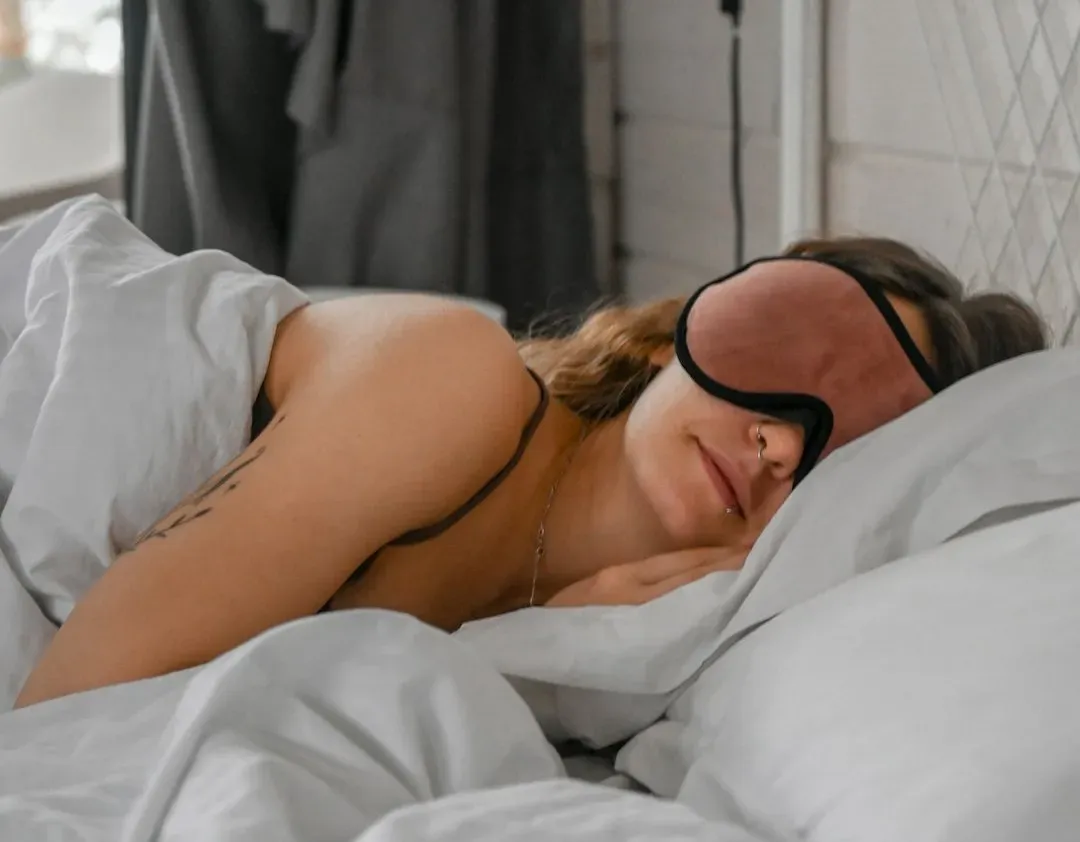
Sleep is not wasted time or a sign of laziness; it’s the operating system update your brain and body need to keep everything else working. When you protect your sleep, you’re not being selfish – you’re giving yourself the mental clarity, emotional stability, and physical resilience that make everything in your life easier to handle. Ignoring sleep, on the other hand, quietly taxes your health, your mood, your relationships, and your ability to think clearly.
Reframing sleep as a basic form of self-respect can change how you plan your days and nights. The next time you’re tempted to stay up late for something that doesn’t truly matter, it’s worth asking what the tradeoff will be tomorrow, next week, or ten years from now. If sleep is one of the most powerful tools you have for a better life, how are you going to use it?