

Every night, as city lights glow and phone screens dim, a quiet experiment unfolds inside our skulls. We lie down, lose consciousness, and somehow wake up able to think clearly, remember yesterday, and face tomorrow. When sleep goes wrong, though, everything frays: moods sour, focus splinters, and even the body’s basic systems start to misfire. Scientists used to see sleep as a passive shutdown, a kind of nightly power-saving mode. Now they’re uncovering something far stranger and more urgent: sleep is an active, highly orchestrated process that keeps the brain from slowly breaking down. To understand why we need rest to thrive, we have to follow the brain into the dark and watch what it does when we are supposedly “doing nothing.”
The Hidden Clues: What Happens to a Sleep-Deprived Brain
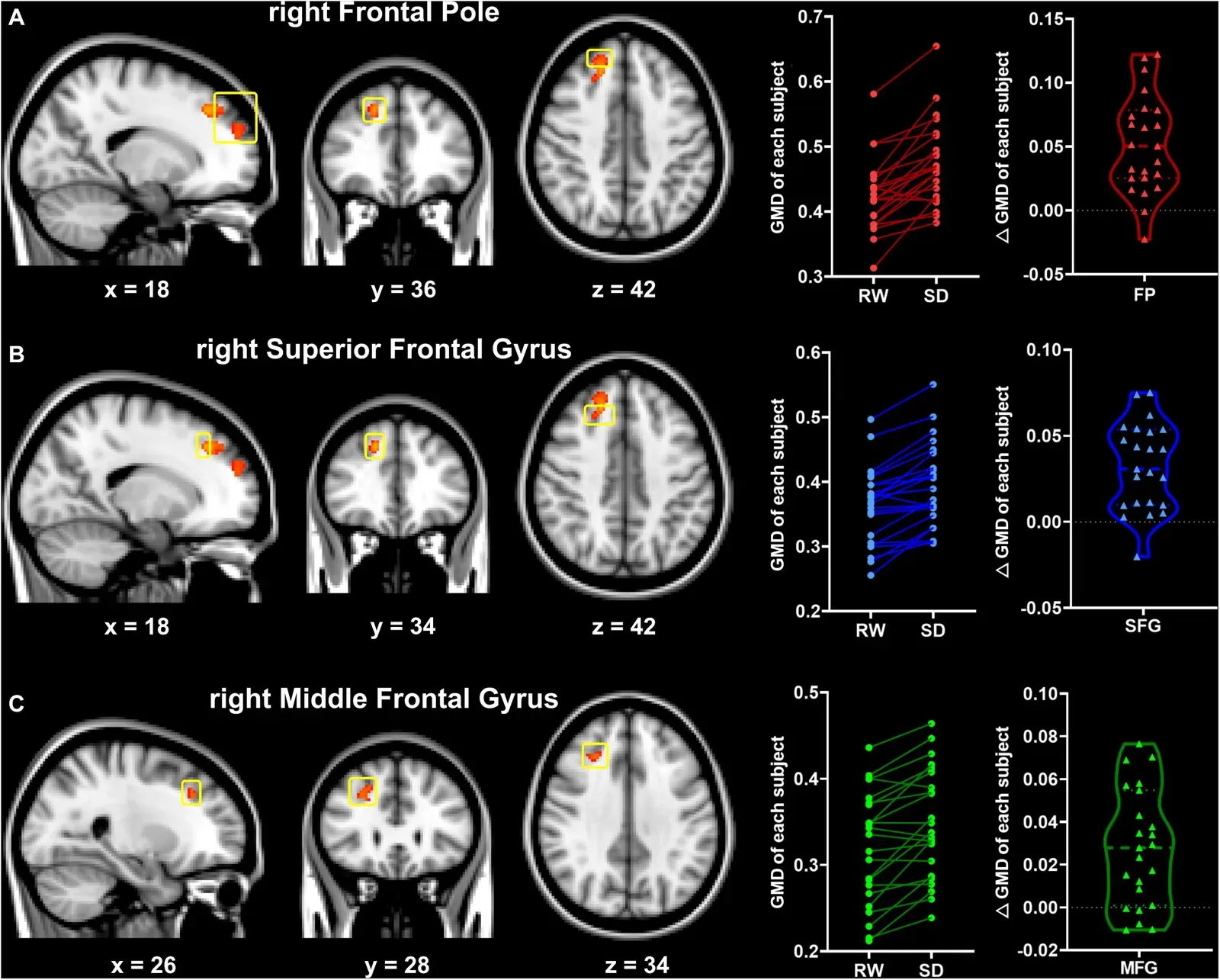
Ask anyone who has pulled an all-nighter, and they’ll tell you that the world feels slightly tilted the next day. Colors seem washed out, small problems feel enormous, and basic tasks suddenly require heroic effort. Laboratory studies back up these everyday experiences: even a single night of short sleep can blunt attention, slow reaction times, and nudge us toward impulsive decisions. In driving simulators, people who are badly sleep deprived can perform as poorly as those who are over the legal alcohol limit. That eerie mental fuzziness is not just “being tired”; it’s a brain struggling to function without its normal overnight tune-up.
The longer sleep is cut short, the stranger the symptoms become. After several nights of restricted rest, people are more likely to misread neutral faces as hostile, which helps explain why small arguments can explode when everyone is exhausted. Mood disorders often flare when sleep falls apart, and chronic sleep loss has been linked with higher risks of anxiety and depression. In extreme cases, the brain can even slip into brief, uncontrolled “microsleeps” during the day, shutting off for a second or two without warning. Those tiny lapses are like warning lights on a dashboard, signaling that the system is running beyond its safe limits.
From Ancient Theories to Modern Sleep Labs
Humans have been confused about sleep for as long as we’ve been conscious enough to wonder about it. Ancient cultures leaned on myth and metaphor, imagining sleep as a visit from gods or spirits, or as a small rehearsal for death. For centuries, even as medicine advanced, sleep was treated as a backdrop rather than a main character in health. It wasn’t until the mid-twentieth century, with the rise of electroencephalography, that scientists could actually watch electrical activity in the sleeping brain instead of guessing. What they saw overturned the idea that sleep is simply the absence of wakefulness.
Modern sleep labs look a bit like high-tech hotel rooms, with cameras, sensors, and clusters of wires instead of chocolates on the pillow. Researchers place electrodes on the scalp to record brain waves, sensors near the eyes to track rapid movements, and bands around the chest to measure breathing. Patterns in this data revealed distinct sleep stages, including deep slow-wave sleep and rapid eye movement, or REM, when most vivid dreaming occurs. Rather than drifting through a single, flat state, the brain cycles through these stages several times each night, like a carefully choreographed performance. Each phase appears to handle different jobs, from reinforcing memories to recalibrating emotional circuits.
Inside the Night Shift: How Sleep Rewires and Cleans the Brain
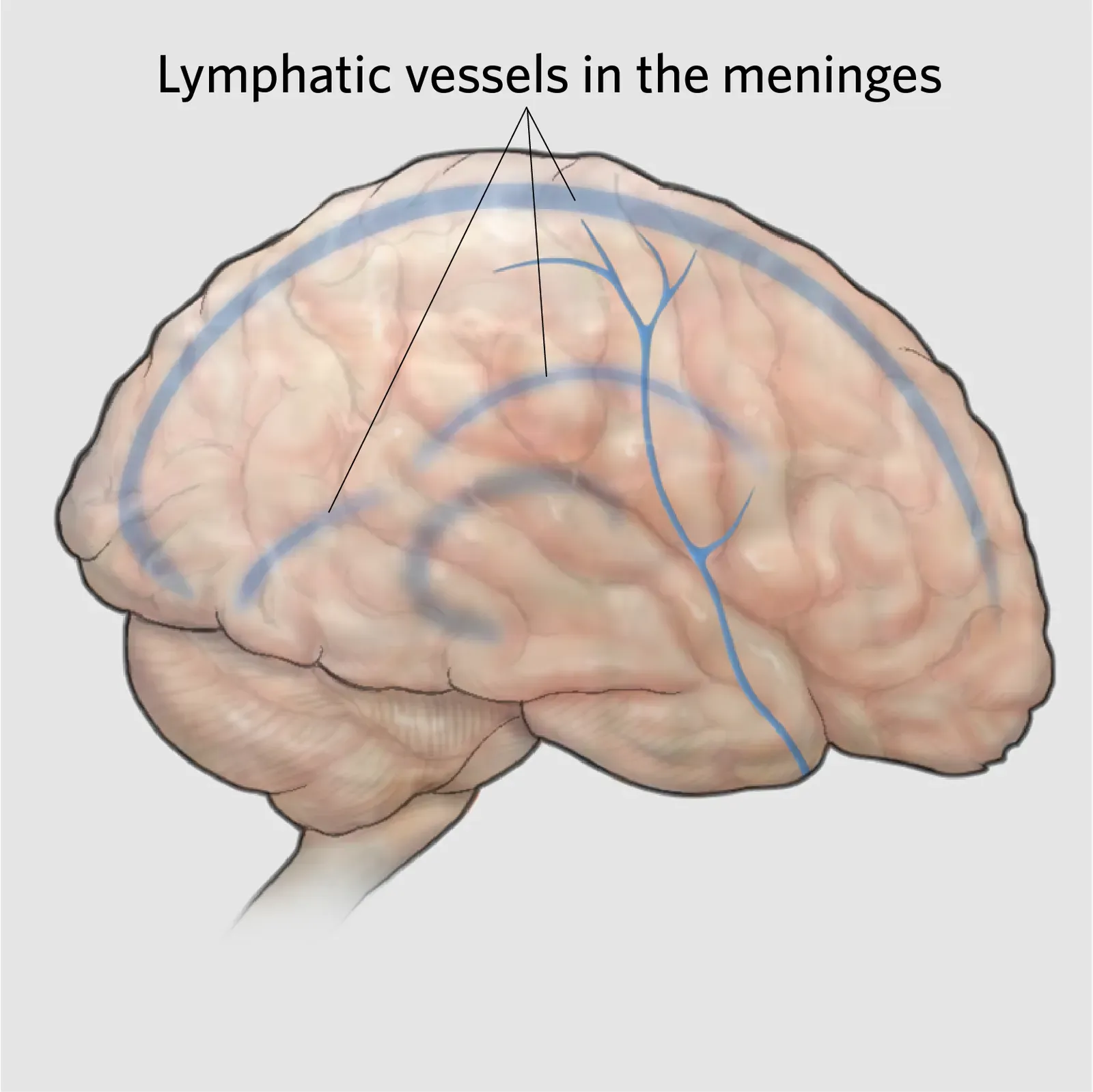
One of the most surprising discoveries of the past decade is that sleep is when the brain literally takes out the trash. During deep sleep, channels between brain cells seem to widen, allowing cerebrospinal fluid to wash through and carry away metabolic waste. Some of that waste includes proteins that, when they accumulate, are associated with neurodegenerative diseases. It is as if the brain operates in a two-mode system: by day it’s a crowded, buzzing office; by night the cleaners move in, but only if the workers actually go home. Skipping sleep means the cleaners keep getting pushed back, and the mess slowly builds.
At the same time, the brain’s connections are being subtly rewritten. During the day, learning and experience strengthen a vast number of synapses, the tiny junctions between neurons. Sleep, especially certain phases of non-REM, appears to help scale back and fine-tune these connections, preserving the most important ones and pruning the rest. This keeps the brain flexible instead of overloaded, like editing a draft instead of saving every messy version. Memory studies show that people who sleep after learning tend to remember more and make fewer errors than those who stay awake. The brain, in other words, uses sleep to decide what to keep, what to discard, and how to make room for tomorrow’s experiences.
Why It Matters: Sleep as a Foundation, Not a Luxury
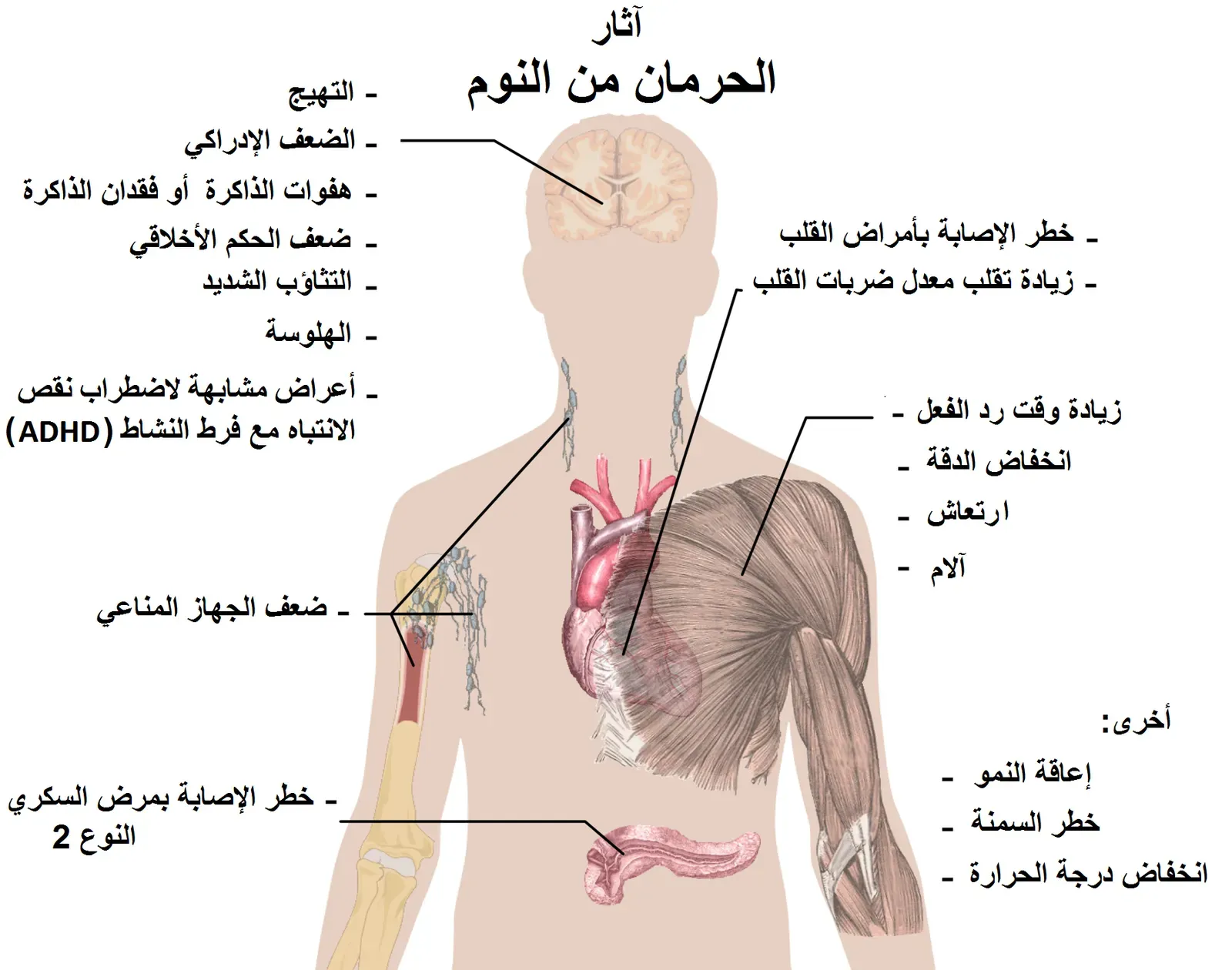
For a long time, our culture treated sleep as negotiable, something you could borrow against and pay back later with a lazy weekend. The science tells a harsher story: chronic sleep loss reshapes the brain and body in ways that are hard to undo. People who routinely sleep too little show higher risks of heart disease, diabetes, weight gain, and stroke, and the brain is no exception. Long-term lack of sleep has been associated with memory decline, increased risk of dementia, and difficulty regulating emotions. Setting sleep aside is less like skipping a single gym session and more like choosing to drive without ever changing the oil.
Compared with traditional health advice that focuses on diet and exercise alone, the new view of sleep is uncomfortably blunt. You cannot fully “hack” your way around it with caffeine, clever schedules, or productivity apps. Medications and stimulants may temporarily prop up performance, but they don’t deliver the complex, stage-dependent repairs that real sleep provides. For scientists, this has elevated sleep from background noise to a central pillar of brain health, on par with what we eat and how we move. For the rest of us, it means that going to bed on time is less a sign of weakness and more an act of long-term self-preservation.
The Brain’s Nightly Balancing Act: Hormones, Emotions, and Immune Defenses
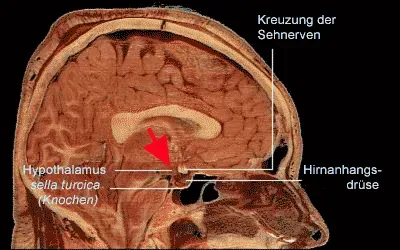
While we sleep, the brain is busy managing a delicate hormonal balancing act. Levels of cortisol, often called the stress hormone, typically drop at night, giving the body a chance to recover from daily strains. Meanwhile, other hormones linked to growth, appetite, and blood sugar regulation pulse in carefully timed waves. When sleep is disrupted or shortened, these rhythms are thrown off, nudging us toward cravings, irritability, and metabolic trouble. It’s not just that we feel worse the next day; the body’s internal orchestra is literally playing out of tune.
Sleep also seems to act as a kind of emotional reset. Imaging studies show that well-rested brains have stronger connections between the prefrontal cortex, responsible for rational thinking, and deeper emotional centers like the amygdala. After poor sleep, that connection weakens, and the amygdala tends to react more dramatically to negative stimuli. This may be one reason people feel more anxious, pessimistic, or easily overwhelmed after a run of bad nights. On top of that, the immune system relies on sleep to coordinate the production of cells and proteins that fight infection. When researchers track people who are exposed to cold viruses, those who report shorter sleep are significantly more likely to get sick, a stark reminder that rest is a frontline defense rather than a luxury add-on.
Global Sleep Deficit: A Modern Problem with Ancient Brains
Our brains evolved under cycles of natural light and dark, but our modern environment has torn up that script. Artificial lighting, glowing screens, and twenty-four-hour work cultures encourage us to stretch the waking day far beyond what our biology expects. Surveys suggest that in many industrialized countries, roughly about one third of adults regularly get less sleep than experts recommend. Night-shift workers, in particular, live on schedules that constantly clash with their internal body clocks, increasing risks of cognitive lapses and long-term health issues. It’s a mismatch between ancient hardware and modern demands.
Globally, the pattern is uneven but worrying. Urban centers tend to report shorter and more fragmented sleep, while rural communities sometimes hold more closely to natural light patterns. Economic pressures can push people into multiple jobs, long commutes, or irregular shifts that carve sleep into unpredictable fragments. Children and teenagers are also caught in this global sleep squeeze, with early school start times colliding with their naturally later body rhythms. The result is a worldwide experiment in chronic partial sleep deprivation, and the data are beginning to show its costs in productivity, mental health, and even accident rates on roads and in workplaces.
Measuring the Night: From Sleep Trackers to Brain Scans

For most of history, you could only guess how well you slept based on how you felt. Today, consumer gadgets promise to turn every night into a data set, with wristbands and smartwatches estimating sleep stages and quality. These devices use movement, heart rate, and sometimes temperature as stand-ins for what is really going on in the brain. While they are far from as precise as a full lab polysomnography, they have nudged millions of people to pay closer attention to their sleep habits. That shift alone is a quiet revolution in public awareness.
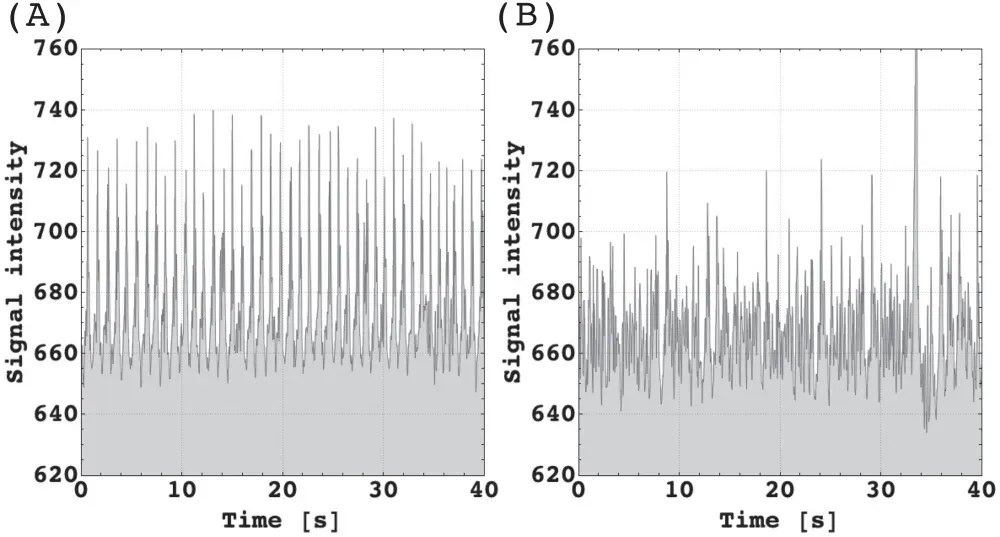
In research settings, tools are much more precise. Functional brain imaging lets scientists see which networks light up or quiet down across different sleep stages, revealing how the brain reorganizes itself overnight. Advanced EEG techniques track subtle patterns that may signal vulnerability to disorders like insomnia or narcolepsy. Researchers are also using machine learning to sift through mountains of sleep data, searching for patterns linked to neurodegenerative diseases long before symptoms appear. Together, these tools are transforming sleep from a subjective experience into a measurable, analyzable window into brain health.
The Future Landscape: Can We Safely Tinker with Sleep?
As scientists uncover how deeply sleep shapes brain health, a tempting question keeps surfacing: could we one day compress or even partially replace it? Some labs are experimenting with targeted brain stimulation during sleep, using gentle electrical or sound pulses to enhance beneficial slow waves. Early results hint that this might boost memory consolidation in certain tasks, like learning new word pairs or navigating virtual spaces. Others are exploring medications that alter specific sleep stages, aiming to reduce nightmares, treat insomnia, or support people with irregular work patterns. The idea of custom-tailored sleep, designed for specific needs, is shifting from science fiction to early prototype.
But these possibilities come with hard questions. Sleep is not a single process that can be turned up or down like a volume knob; it is a complex, multi-phase dance, and scientists still do not fully understand how each part interacts. Shortcutting one element might accidentally disrupt another, with long-term consequences that show up only years later. There is also a social risk: in a world already obsessed with productivity, tools that promise “more waking hours” could pressure people to sleep even less. The future of sleep science may depend not just on what we can do to sleep, but on what we choose not to do in the name of squeezing more out of the day.
Everyday Actions: How to Give Your Brain the Sleep It Needs
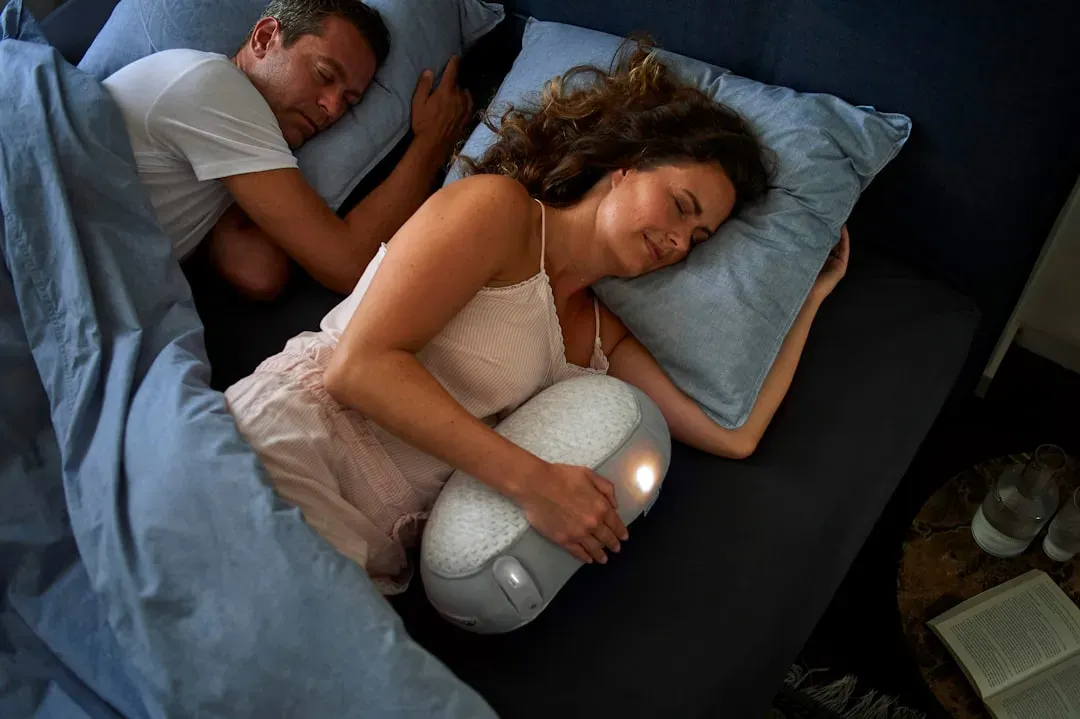
For all the cutting-edge scans and futuristic gadgets, some of the most powerful tools for better sleep are surprisingly ordinary. Keeping a consistent sleep and wake time, even on weekends, helps anchor the body’s internal clock. Dimming lights and stepping away from bright screens in the hour before bed signal to the brain that night has truly arrived. Creating a cool, quiet, and dark bedroom may sound basic, but it stacks the deck in favor of deeper, more restorative sleep. Small changes like limiting caffeine late in the day or having a lighter evening meal can also make a noticeable difference over time.
- Aim for roughly seven to nine hours of sleep most nights, adjusting slightly based on how you feel over several weeks.
- Reserve your bed for sleep and rest, not for scrolling, working, or watching intense shows.
- Step outside for natural daylight in the morning to strengthen your body clock.
- If you lie awake worrying, try writing down concerns earlier in the evening to clear mental space.
- Seek professional help if snoring, gasping, or persistent insomnia are part of your nights.
These steps will not turn every night into perfect, movie-style slumber, and that’s not the goal. Instead, they give your brain a more reliable window to do its nightly work: cleaning, rewiring, and resetting the systems that keep you thinking and feeling like yourself. In a world that constantly nudges us to stay up a little later, treating sleep as non-negotiable may be one of the quietest but most powerful acts of self-care. The next time you feel tempted to sacrifice a night’s rest for one more task, it’s worth asking what, exactly, you are asking your brain to give up in return.
Suhail Ahmed is a passionate digital professional and nature enthusiast with over 8 years of experience in content strategy, SEO, web development, and digital operations. Alongside his freelance journey, Suhail actively contributes to nature and wildlife platforms like Discover Wildlife, where he channels his curiosity for the planet into engaging, educational storytelling.
With a strong background in managing digital ecosystems — from ecommerce stores and WordPress websites to social media and automation — Suhail merges technical precision with creative insight. His content reflects a rare balance: SEO-friendly yet deeply human, data-informed yet emotionally resonant.
Driven by a love for discovery and storytelling, Suhail believes in using digital platforms to amplify causes that matter — especially those protecting Earth’s biodiversity and inspiring sustainable living. Whether he’s managing online projects or crafting wildlife content, his goal remains the same: to inform, inspire, and leave a positive digital footprint.