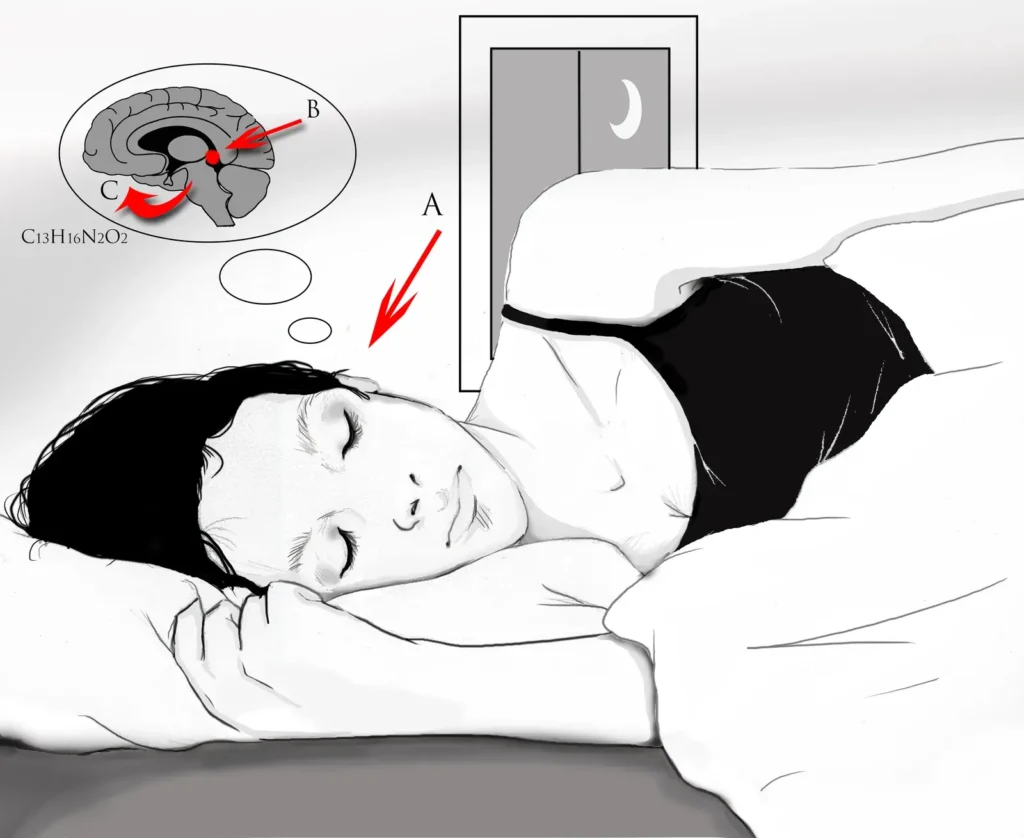

Most people think of sleep as a simple off switch. You close your eyes, the world disappears, and several hours later you wake up. Simple, right? Honestly, nothing could be further from the truth. What unfolds inside your brain each night is one of the most spectacular and complex biological performances known to science, a deeply orchestrated series of events that shapes your thinking, your memories, your emotional health, and even your resistance to disease.
Sleep touches virtually every corner of your biology, yet for centuries it remained one of nature’s greatest unsolved mysteries. Today, in 2026, neuroscientists are finally beginning to pull back the curtain on what the sleeping brain actually does. The discoveries are nothing short of mind-blowing. Let’s dive in.
Your Brain Is Never Actually “Off”: The Myth of Sleep Passivity

Here’s the thing – the idea that your brain simply shuts down when you sleep is one of the most widespread misconceptions in popular science. Sleep is an extremely complicated process that consists of far more than simply closing your eyes and counting sheep. It is an active state of unconsciousness produced by the body where the brain remains in a relative state of rest and is reactive primarily to internal stimulus. Think of it less like powering off a computer and more like running a sophisticated background maintenance program.
The misconception that the brain is “silent” during sleep is based on a fundamental misunderstanding of what happens neurologically. Researchers are starting to comprehend the potential impact sleep may have on cognition in people with developmental and cognitive deficits. It is widely believed that the brain is engaged in active patterns of memory reactivation and reintegration when you sleep. So when your head hits the pillow, your neurons are far from taking a break.
The Architecture of Sleep: Understanding Your Nightly Stages

Your body cycles through two phases of sleep: rapid eye movement (REM) and non-rapid eye movement (NREM) sleep, which is further divided into three stages known as N1 to N3. Each phase and stage includes distinct variations in muscle tone, brain wave patterns, and eye movements. Your body cycles through all stages approximately four to six times each night, averaging roughly 90 minutes per complete cycle. Picture it as a nightly musical composition, with movements that repeat but never quite identically.
NREM sleep accounts for approximately three-quarters to four-fifths of your total sleep, with REM making up the remaining portion. This progression through the stages repeats throughout the night for varying lengths of time. The initial cycle lasts 70 to 100 minutes to complete fully, while the remaining cycles last 90 to 120 minutes each. What’s particularly fascinating is that the balance shifts as the night progresses. The amount of REM in each cycle starts minimal at sleep onset but eventually reaches up to 30 percent of the cycle later in the night, with a total of four to five cycles through this progression being typical.
The Deep Dive: What Happens During NREM and REM Sleep

Stage 1, also called N1, occurs when you first fall asleep and usually lasts one to seven minutes. During N1, your body hasn’t fully relaxed, though body and brain activities start to slow with periods of brief movements. It’s that strange twilight zone where you might feel like you’re falling and jerk awake. Perfectly normal, and extremely brief.
During REM sleep, your brain activity picks up to levels nearing those seen when you’re fully awake. At the same time, your body experiences atonia, a temporary paralysis of the muscles, with two exceptions: the eyes and the muscles that control breathing. Even though they’re closed, the eyes move rapidly, which is how this stage gets its name. It’s a remarkable paradox, a brain that’s essentially wide awake inside a body that’s temporarily frozen in place.
Memory Consolidation: How Sleep Rewrites Your Mental Hard Drive
During sleep phases like REM and slow-wave sleep, the brain actively processes and stabilizes newly acquired information, effectively transferring it from short-term to long-term memory stores. Think of it like moving files from a temporary desktop folder into permanent cloud storage. Skip that process, and your daily learning essentially evaporates. A healthy amount of sleep is vital for “brain plasticity,” the brain’s ability to adapt to input. If you sleep too little, you become unable to process what you’ve learned during the day and you have more trouble remembering it in the future.
Research identifies the repeated replay of neuronal firing patterns as a basic mechanism triggering memory consolidation during sleep. During sleep, memory replay occurs during slow-wave sleep in hippocampal assemblies together with ripples, thalamic spindles, and neocortical slow oscillations. This hippocampal replay likely favors the transformation of hippocampus-dependent episodic memory into schema-like neocortical memory. It’s not random. Your brain is literally selecting, rehearsing, and filing the most important information from your day.
Dreaming and the Brain: A Neurological Cinematic Experience

Dreams are most prominent and vivid during REM sleep, a unique phase characterized by increased brain activity, rapid eye movements, and temporary muscle paralysis. REM sleep can show neural activity that often exceeds levels seen during wakefulness. I think that last part genuinely stuns people when they first encounter it. Your dreaming brain isn’t quieter than your waking brain, it’s potentially even more electrically active in certain regions.
Dreams incorporate recent experiences, and memory-related brain activity is reactivated during sleep, suggesting that dreaming, memory consolidation, and reactivation are tightly linked. Recent research has pushed this even further. Brain activity during REM sleep, particularly in the beta frequency range, carries information about experiences encountered before sleep. Global beta power during REM sleep has been associated with better memory performance. Your dreams are not random noise. They are, in a real sense, your brain doing important editorial work.
The Glymphatic System: Your Brain’s Nocturnal Cleaning Crew
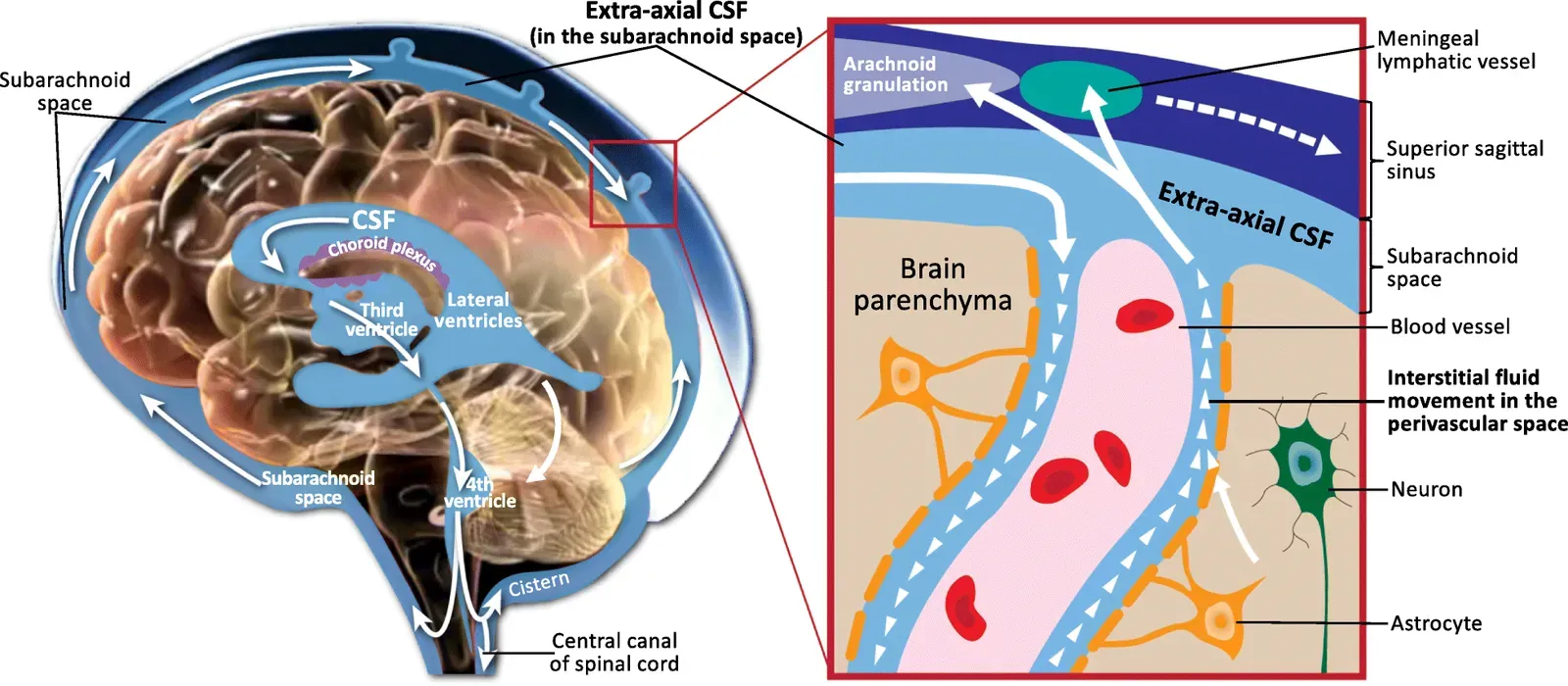
This is arguably the most jaw-dropping discovery in sleep science of the past decade, and it deserves your full attention. The glymphatic system is a highly organized, brain-wide network responsible for the transport of cerebrospinal fluid (CSF), which is crucial for the removal of protein waste, including amyloid and tau. These are the very same proteins whose accumulation is linked to Alzheimer’s disease. Sleep, it turns out, is when your brain scrubs itself clean.
Sleep has been postulated to play an important role in the removal of potentially neurotoxic molecules, such as amyloid-beta, from the brain via the glymphatic system. Disturbed sleep may contribute to the accumulation of neurotoxins in brain tissue, eventually leading to neuronal death. A bidirectional relationship has been proposed between impaired sleep and neurodegenerative processes, which start years before the onset of clinical symptoms associated with conditions like Alzheimer’s and Parkinson’s diseases. This is a sobering thought. Chronic poor sleep isn’t just tiredness. It could be laying the groundwork for serious neurological disease decades down the line.
The Role of Melatonin and Circadian Rhythms in Orchestrating Sleep
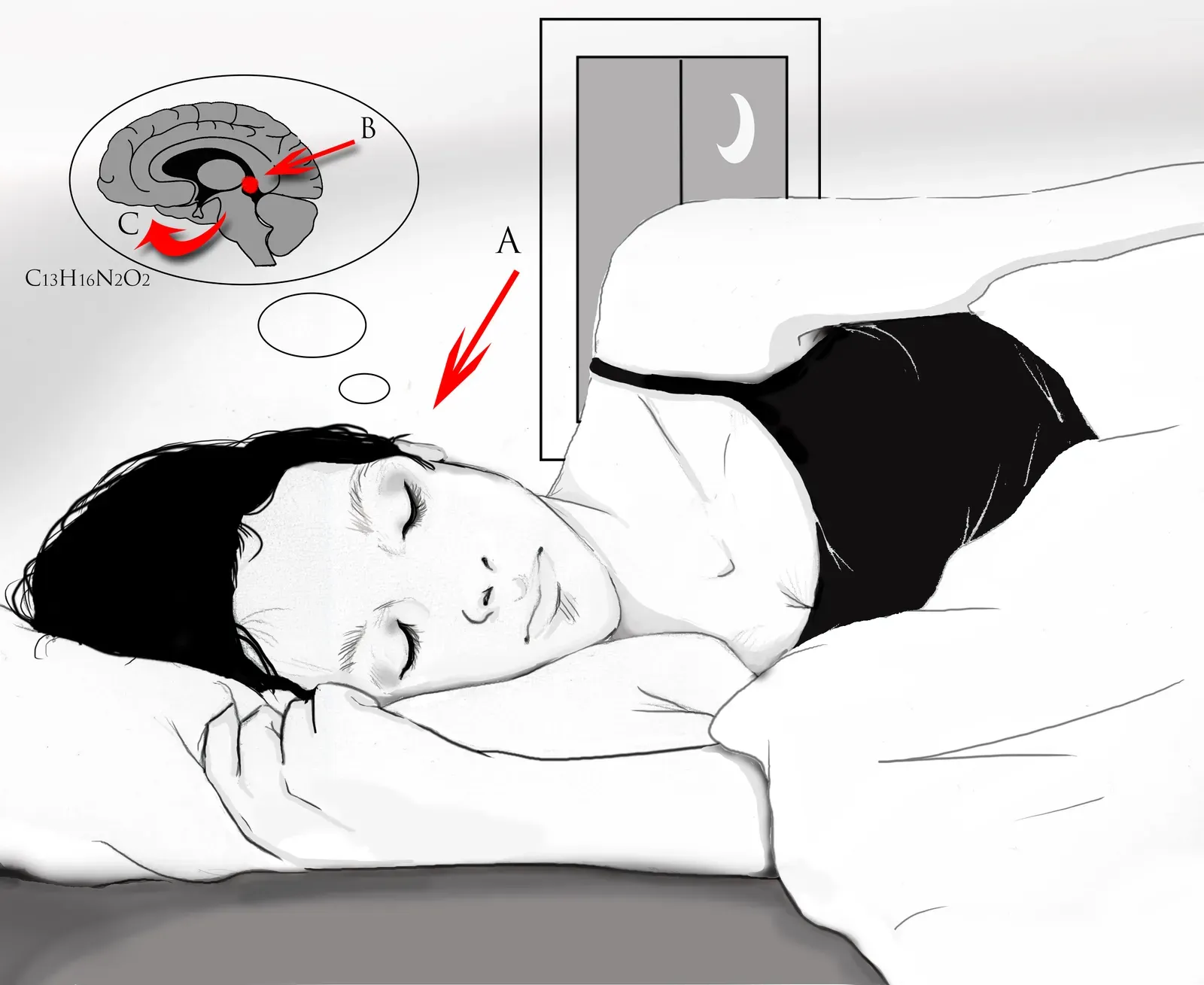
The rhythm of your brain between wakefulness and sleep is called the circadian rhythm, which is mainly controlled by melatonin and the pineal gland. An imbalance of this rhythm can lead to devastating effects on health. Your circadian rhythm is less like a gentle suggestion and more like a deeply embedded biological law. Break it regularly, and your body pays a steep price. In humans, melatonin is secreted at night with a robust circadian rhythm, with maximum plasma levels occurring around 3 to 4 AM. The daily rise of melatonin secretion correlates with a subsequent increase in sleep propensity about two hours before a person’s regular bedtime.
The sleep cycle is regulated by the circadian rhythm, which is driven by the suprachiasmatic nucleus (SCN). The circadian rhythm also controls the nocturnal release of key hormones including adrenocorticotropic hormone, prolactin, melatonin, and norepinephrine. It’s hard to say for sure just how many people underestimate this hormonal symphony, but the evidence is unambiguous: timing your sleep to align with your natural circadian rhythm produces vastly better outcomes than irregular sleep patterns, no matter how many total hours you accumulate.
The Real Cost of Skipping Sleep: What Your Brain Loses

Insufficient sleep can lead to considerable declines in cognitive abilities, affecting not only academic achievements but also broader aspects of life, such as emotional regulation and social interactions. Chronic sleep deprivation has been shown to increase irritability, impair emotional stability, and diminish the capacity for empathetic social engagement. Let’s be real: most of us have experienced this first-hand. After a terrible night’s sleep, even a minor inconvenience can feel catastrophic. That’s not weakness, that’s simple neuroscience.
When you don’t get enough sleep, your health risks rise across the board. Symptoms of depression, seizures, high blood pressure, and migraines worsen. Your immunity is compromised, increasing the likelihood of illness and infection. Sleep also plays a role in metabolism: even one night of missed sleep can create a prediabetic state in an otherwise healthy person. One night. Not weeks of chronic deprivation, just a single night of poor sleep can push your metabolic state toward something resembling pre-diabetes. That alone should be reason enough to take your sleep seriously.
Conclusion: The Night Shift Your Brain Can’t Afford to Cancel

Sleep, it turns out, is not the passive downtime most of us assume it to be. It is a precisely choreographed biological event, one that consolidates your memories, cleanses your brain of toxic proteins, regulates your hormones, and emotionally recalibrates you for the day ahead. Every single stage has a purpose. Every cycle matters.
The science is no longer ambiguous. Cutting corners on sleep is not a productivity hack. It’s a tax paid by your brain, your immune system, your emotional health, and potentially your long-term cognitive future. If you’ve ever worn sleep deprivation as a badge of honor, science would gently but firmly ask you to reconsider.
Your brain’s nocturnal activities are extraordinary. The real question now is simply whether you’ll give them the time they need to do their job. What would you change about your sleep habits if you truly understood what your brain was doing while you rested?