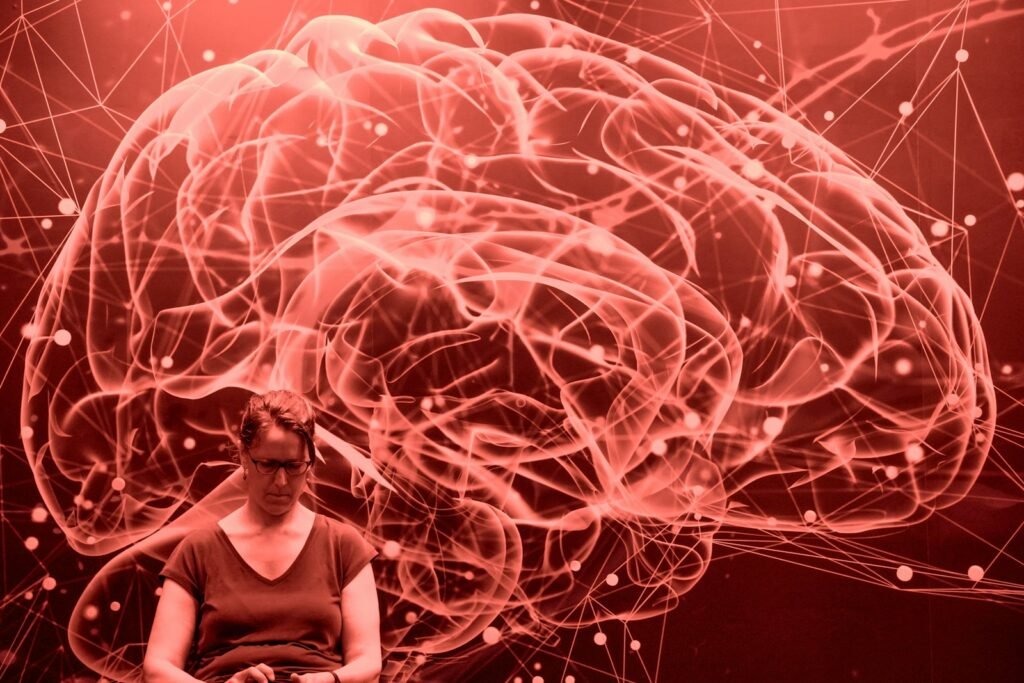

You probably remember where you were on one life-changing day, yet routinely forget why you walked into the kitchen. That gap between what sticks and what slips away has fascinated scientists for more than a century, and in the last few decades brain research has finally started to crack the code. Memory is not a simple filing cabinet in the head but a restless, living process that rewires your brain from moment to moment. And as researchers probe deeper, they’re uncovering both hopeful insights for strengthening memory and sobering truths about why it fails. Understanding those forces is not just an academic puzzle – it shapes how we learn, how we age, and who we believe ourselves to be.
The Hidden Clues Inside the Forgetting Machine
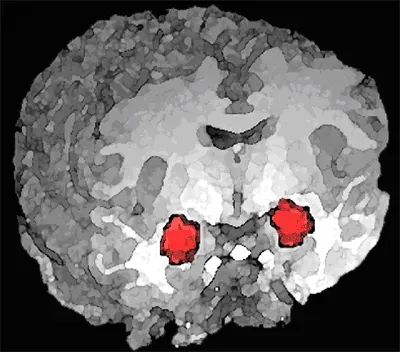
Here’s the unsettling part: forgetting is not a bug in the system, it is the system. Your brain is bombarded every second with sounds, sights, smells, and thoughts, yet only a tiny fraction is transformed into lasting memories. Neurons in regions like the hippocampus and prefrontal cortex act like ruthless editors, cutting most of the raw footage before it ever becomes part of your life story. That is why you can clearly recall your first car accident but not the dozens of uneventful drives before it. Emotion, surprise, and meaning operate like highlighters, increasing the odds that a particular moment will get saved instead of deleted.
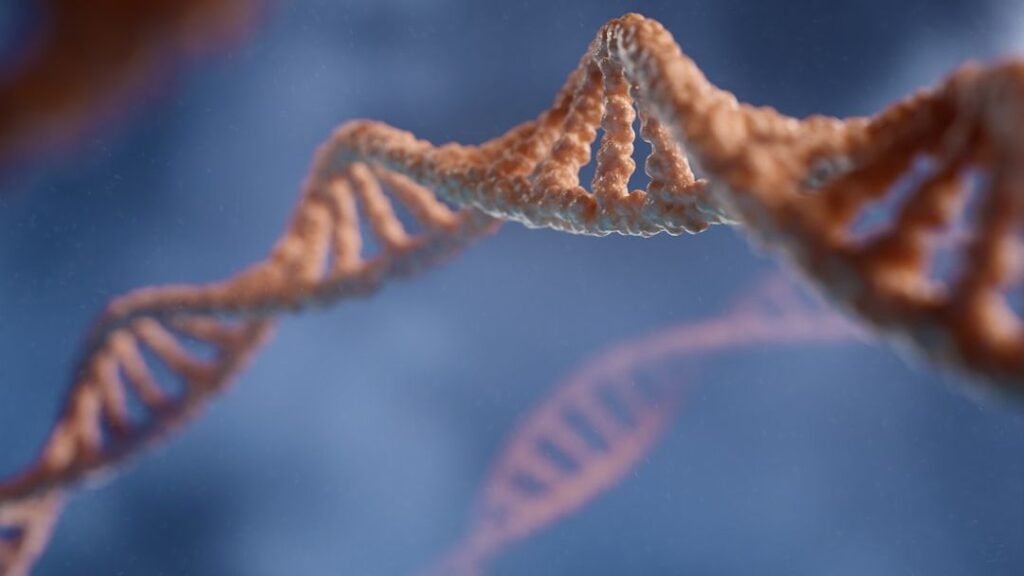
Although it feels as if memories are either “there” or “gone,” the biology is messier and more interesting. At the microscopic level, memory traces are built from strengthened connections – synapses – between neurons, a process known as synaptic plasticity. These physical changes consume energy and molecular resources, so the brain is selective by necessity, prioritizing information that seems relevant for survival or future decisions. Routine, low-stakes details decay quickly, while emotionally intense or frequently revisited experiences are rehearsed and reinforced. The hidden clue behind what you remember, then, is not how hard you try in the moment, but how strongly your brain’s survival algorithms judge the information to matter later.
From Ancient Theories to Modern Brain Scans
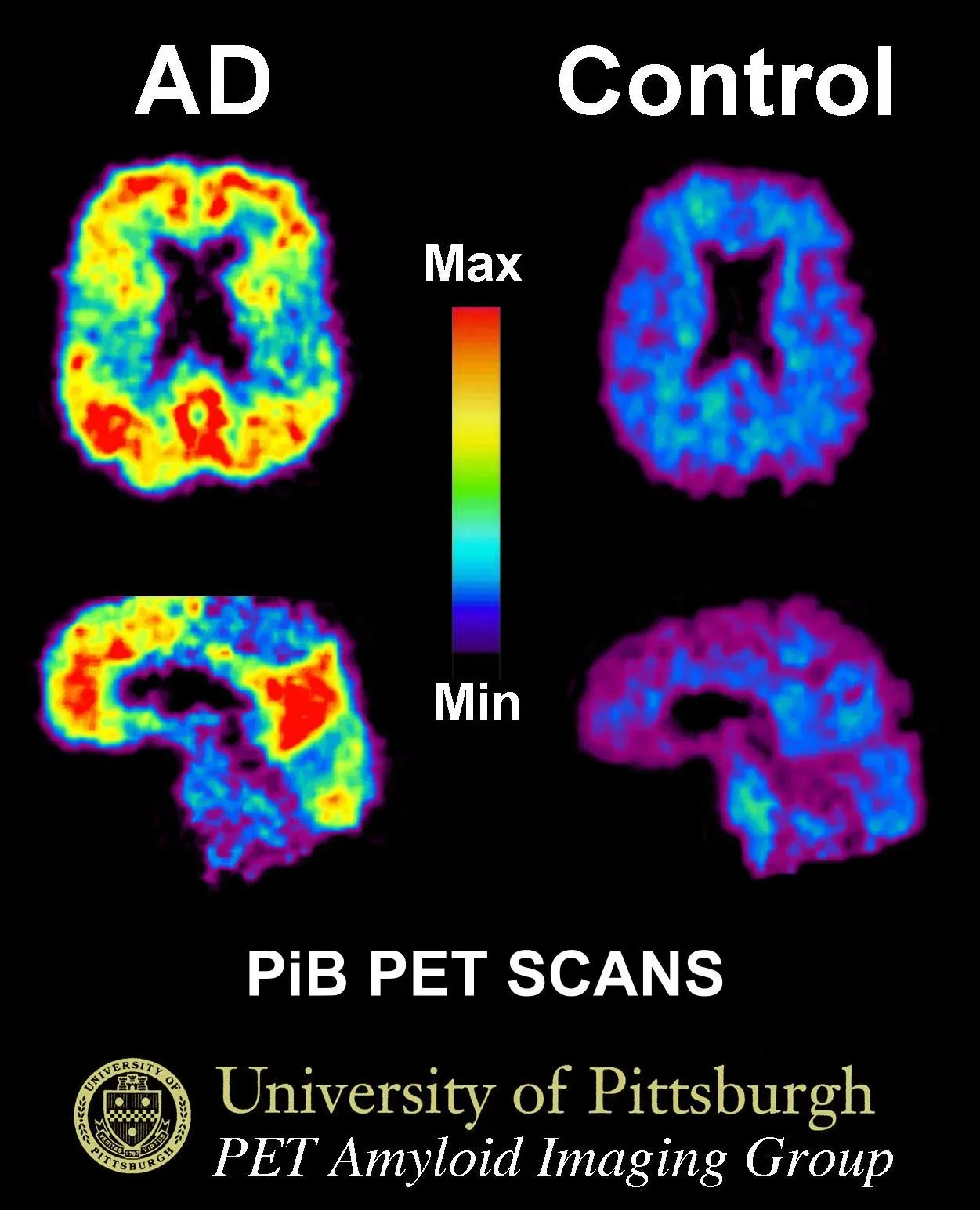
Humans have puzzled over memory for thousands of years, long before anyone dreamed of a brain scan. Ancient philosophers pictured memory as wax tablets, engraved impressions, or libraries of stored scrolls – static metaphors that lingered well into the early days of psychology. In the nineteenth and early twentieth centuries, researchers started to treat memory as something that could be measured, timing how quickly people forgot nonsense syllables or how many words they could remember from a list. Those early experiments gave us foundational ideas like the “forgetting curve,” showing that we lose new information rapidly at first and then more slowly over time. Even without any knowledge of neurons, scientists could already see that memory was dynamic, shaped by repetition and meaning.
The real revolution came with tools that let us watch the living brain in action. Technologies like functional MRI revealed that no single “memory center” exists; instead, networks distributed across the brain come online depending on what you are trying to remember. Visual scenes, spoken words, and emotional reactions each recruit slightly different circuits, even when they refer to the same event. Meanwhile, advances in cellular and molecular neuroscience have linked learning to specific changes in synapses and gene activity, especially in the hippocampus. The story shifted from “Where is memory stored?” to “How does the brain constantly reconstruct memory from many moving parts?”
How the Body, Not Just the Brain, Shapes What Sticks
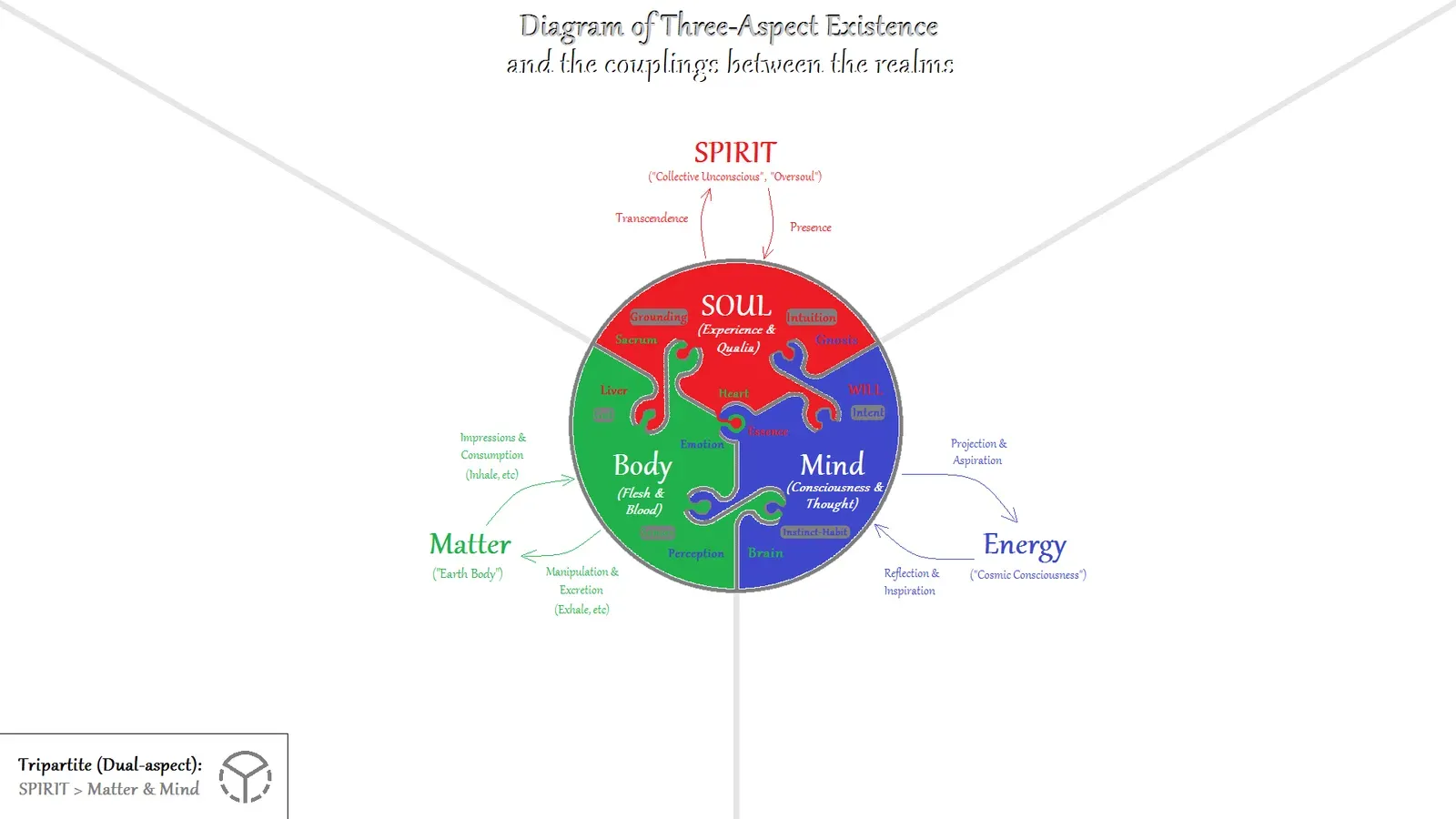
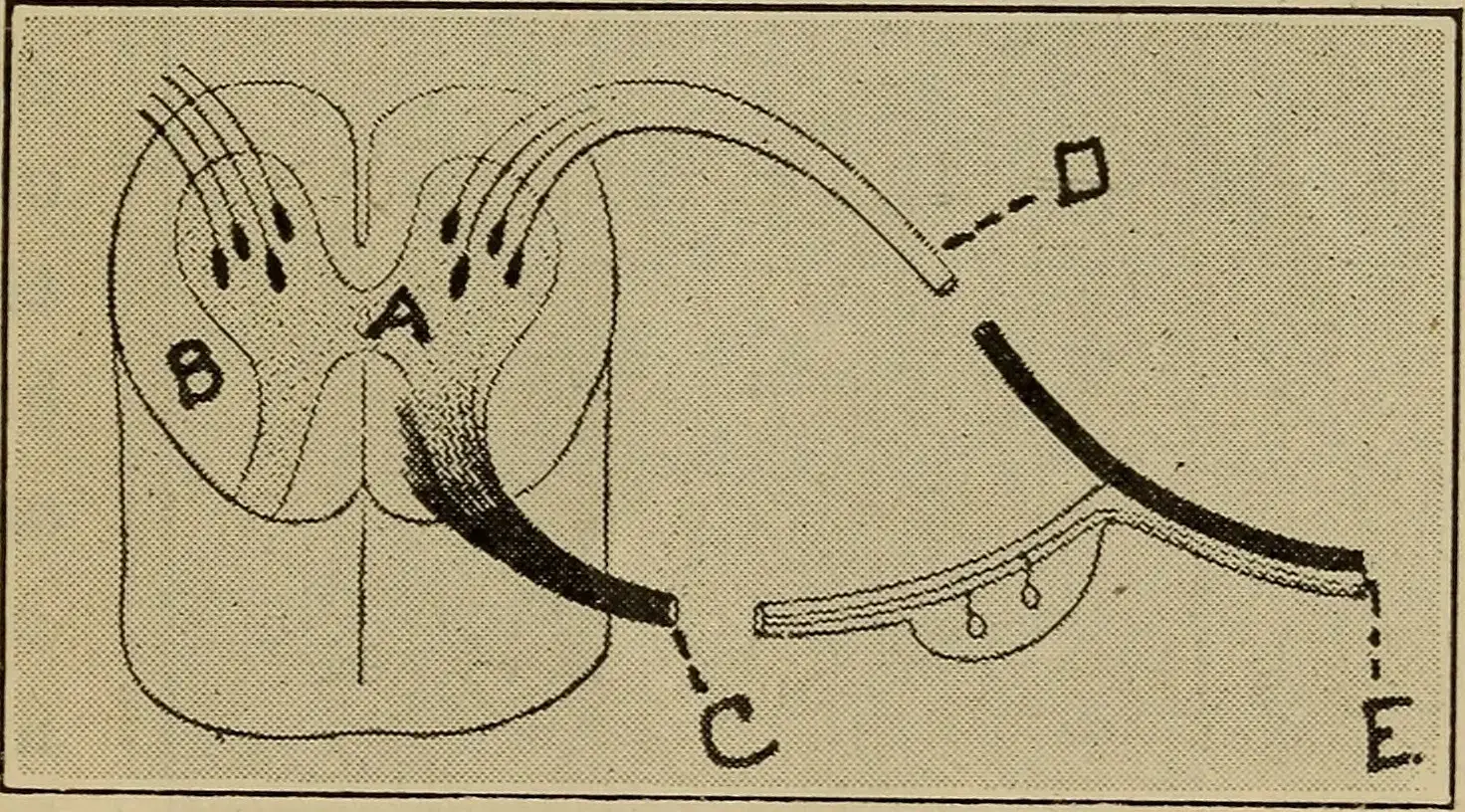
We tend to treat memory as a purely mental act, but your whole body is in on the decision of what to keep. Hormones like adrenaline and cortisol, released during stress or excitement, feed back into the brain and can make moments feel seared into awareness. That is one reason people so often remember where they were during a frightening accident or a big public event, while ordinary days blur together. Heart rate, breathing, and even gut sensations send signals along nerve pathways that influence brain regions involved in attention and memory. When your body flags something as important or dangerous, your brain listens.
Sleep is another surprisingly physical gatekeeper for memory. During deep and dream sleep, especially, the brain replays activity patterns from the day in fast-forward, a process researchers believe helps shift fragile new memories into more stable long-term form. Skimping on sleep interrupts this nightly consolidation, which is why pulling an all-nighter often leaves you feeling like your brain has a slow leak. On the flip side, movement and exercise boost blood flow and growth factors that support healthy brain circuits, which can improve the odds that learning will last. The body is not merely the carrier of the brain; it is an active partner in deciding which moments get a permanent spot in your personal archive.
The Tug-of-War Between Attention and Distraction
If you want to know why you remember random song lyrics but not the name of the person you just met, look at how scattered your attention has become. Modern life constantly fractures focus with notifications, multitasking, and background noise, and memory pays the price. When you only half-listen or glance at something while thinking about three other things, the brain never gets a clean, strong signal to encode. That weak encoding is like scribbling with a dull pencil on smudged paper: technically something is there, but it is hard to read back later. Many “memory problems” in everyday life are actually attention problems wearing a clever disguise.
Some studies have found that when people divide their attention between a primary task and distractions, their ability to recall details can drop dramatically – sometimes to roughly about half of what it would be under focused conditions. Yet our devices lure us into believing we can outsmart biology and multitask our way through everything from lectures to conversations. The irony is that trying to do more at once often leaves us with weaker memories of all of it. In contrast, even short bursts of truly focused attention – looking someone in the eye, repeating their name in your head, connecting it to something you already know – can give the brain the clear signal it needs. The difference between forgetting and remembering often comes down to a handful of focused seconds.
The Strange Strength of Emotion and Story
Think about the memories that come rushing back easily: a childhood embarrassment, a first kiss, a confusing moment at a hospital. They are rarely neutral. Emotion acts like a volume knob on memory, turning up certain experiences so they echo louder and longer in the brain. Areas that process feeling, such as the amygdala, interact tightly with the hippocampus, nudging it to tag emotional events as high priority. That is why even subtle emotional tones – joy, shame, awe – can make a moment more memorable than a dry list of facts.
Story structure has a similar power, weaving details into a coherent arc that our brains love to hold onto. When information is embedded in a narrative with characters, conflict, and resolution, it becomes easier to encode and retrieve. You might struggle to recall a list of disconnected numbers, but you can remember a complex movie plot years later because it is hooked into meaning and emotion. Educators and communicators have started to lean into this, using stories and real-world examples to help knowledge stick. In a sense, your brain is less a hard drive and more an eager storyteller, keeping what fits into a meaningful tale and letting the rest drift away.
Why It Matters: Memory, Identity, and Everyday Choices

It can be tempting to treat memory quirks as amusing glitches – lost keys, forgotten birthdays, misplaced phones – but the stakes are much higher. Memory underpins your sense of self: who you think you are is built from the stories you can still access about your past. When memory is distorted or erodes, as in some psychiatric conditions or neurodegenerative diseases, people can feel as though pieces of their identity are slipping away. Compared with the older view of memory as a passive record, today’s science paints a picture of a constantly edited autobiography, shaped by attention, emotion, and biological limits. That realization forces us to be more intentional about what we feed into the system.
There is also a practical side that touches education, work, and public life. When we design schools, we can lean on what we now know about spacing out practice, using active retrieval, and connecting new ideas to prior knowledge rather than relying on cramming. In workplaces, understanding that nonstop context-switching erodes memory can support policies that protect uninterrupted focus. On a broader scale, awareness of how easily memory can be biased or reshaped helps us interpret everything from eyewitness testimony to viral misinformation with more caution. Seeing memory as a living, fallible process does not make it less important; it makes it more urgent to understand and protect.
The Future Landscape: Editing, Enhancing, and Preserving Memory

As neuroscience races ahead, we are entering an era where memory is not just studied but potentially engineered. Experimental drugs and brain stimulation techniques are being tested to support memory in conditions like Alzheimer’s disease, aiming to strengthen fragile circuits or boost plasticity. Researchers are also exploring noninvasive methods such as targeted electrical pulses during sleep to gently nudge the brain’s natural replay and consolidation processes. If these approaches pan out, they could offer new tools to extend cognitive health, especially as populations age and more people live longer with memory-related disorders. But they also raise complicated questions about what it means to intervene so directly in the mechanisms that shape who we are.
Technology is already changing how we externalize memory, from smartphone photo streams to wearable devices that track behavior automatically. Some scientists and ethicists worry that offloading so much to digital tools may weaken internal memory habits, while others argue it frees mental space for creativity and problem-solving. On the horizon are more advanced brain-computer interfaces that might one day help restore lost memories or create assistive “mnemonic prosthetics” for those with injury or disease. At the same time, there are growing concerns about privacy and consent, especially if brain data or memory-like records can be stored, shared, or hacked. The future of memory science will be defined not just by what is technologically possible, but by what societies decide is acceptable and wise.
How You Can Work With Your Memory, Not Against It
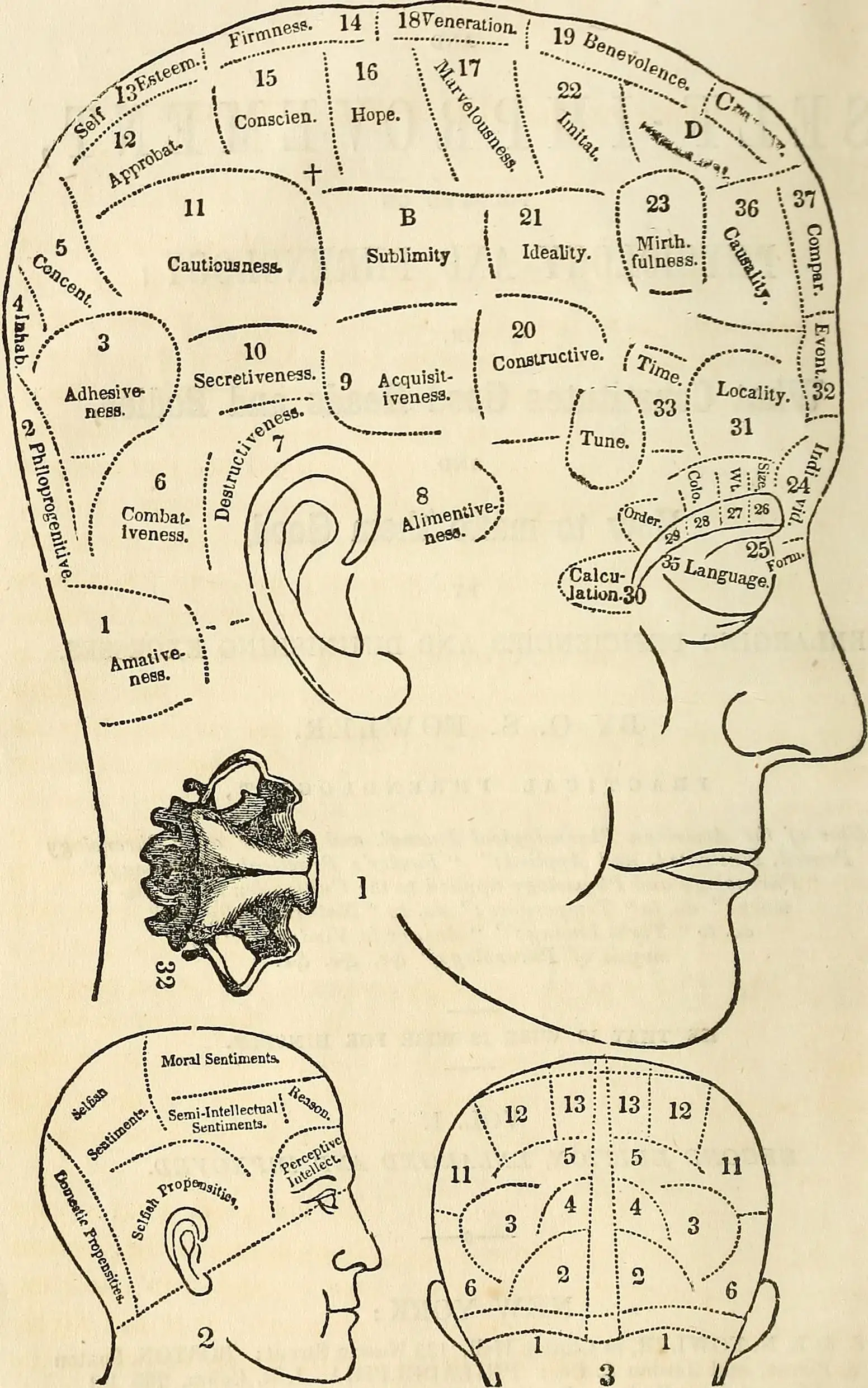
Even without futuristic gadgets, there are simple ways to align daily life with how memory actually works. Spacing out learning, testing yourself instead of just rereading, and tying new information to vivid images or personal stories all help strengthen synaptic changes. Protecting regular sleep, moving your body, and carving out small windows of focused, distraction-free attention give your brain the conditions it needs to consolidate. It can feel old-fashioned compared with slick apps, but habits like repeating someone’s name, summarizing what you just heard, or teaching a concept to a friend are remarkably effective. They harness the brain’s built-in rules instead of fighting them.
If you want to go a step further, you can think of your environment as a memory ally rather than a test. Use external supports – lists, calendars, reminders – not as evidence of weakness but as scaffolding that lets your biological memory focus on what matters most. When something truly feels important, give it a spotlight moment: pause, notice your surroundings, and let yourself feel the significance so your whole body signals “remember this.” Supporting research efforts into brain health and neurodegenerative disease, whether through donations, participation in studies, or simply staying informed, also helps move the science forward. The mystery of why some moments cling while others vanish may never be fully solved, but understanding the forces at play gives you a say in which memories are more likely to stay.
Suhail Ahmed is a passionate digital professional and nature enthusiast with over 8 years of experience in content strategy, SEO, web development, and digital operations. Alongside his freelance journey, Suhail actively contributes to nature and wildlife platforms like Discover Wildlife, where he channels his curiosity for the planet into engaging, educational storytelling.
With a strong background in managing digital ecosystems — from ecommerce stores and WordPress websites to social media and automation — Suhail merges technical precision with creative insight. His content reflects a rare balance: SEO-friendly yet deeply human, data-informed yet emotionally resonant.
Driven by a love for discovery and storytelling, Suhail believes in using digital platforms to amplify causes that matter — especially those protecting Earth’s biodiversity and inspiring sustainable living. Whether he’s managing online projects or crafting wildlife content, his goal remains the same: to inform, inspire, and leave a positive digital footprint.