
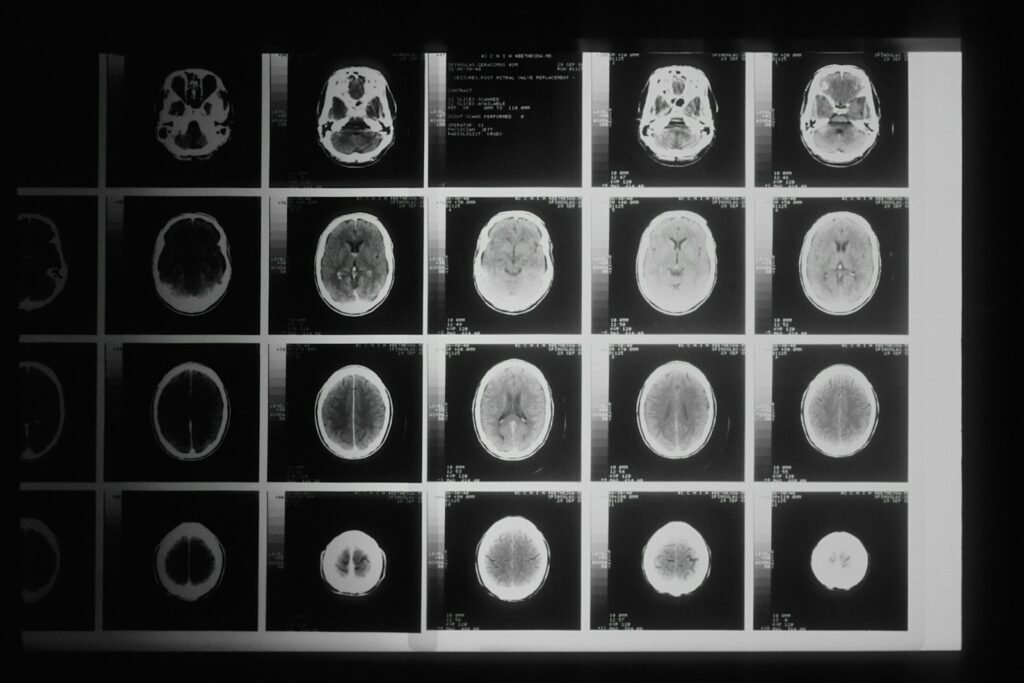

We have all felt it: the urge to change lanes just before a car swerves, the inexplicable unease when someone seems charming but “off,” the sudden knowing that a choice is right long before we can say why. For centuries, intuition has been framed as mystical, feminine, or flaky – something to be distrusted in serious science. Yet neuroscientists, psychologists, and data scientists are now dissecting gut feelings with the same rigor once reserved for vision or memory. What they are finding is not magic, but a fast, pattern-hungry brain that quietly crunches experience into rapid judgments. The mystery is beginning to look less like a ghost in the machine and more like a hidden operating system running beneath conscious thought.
The Hidden Clues Your Brain Is Always Catching
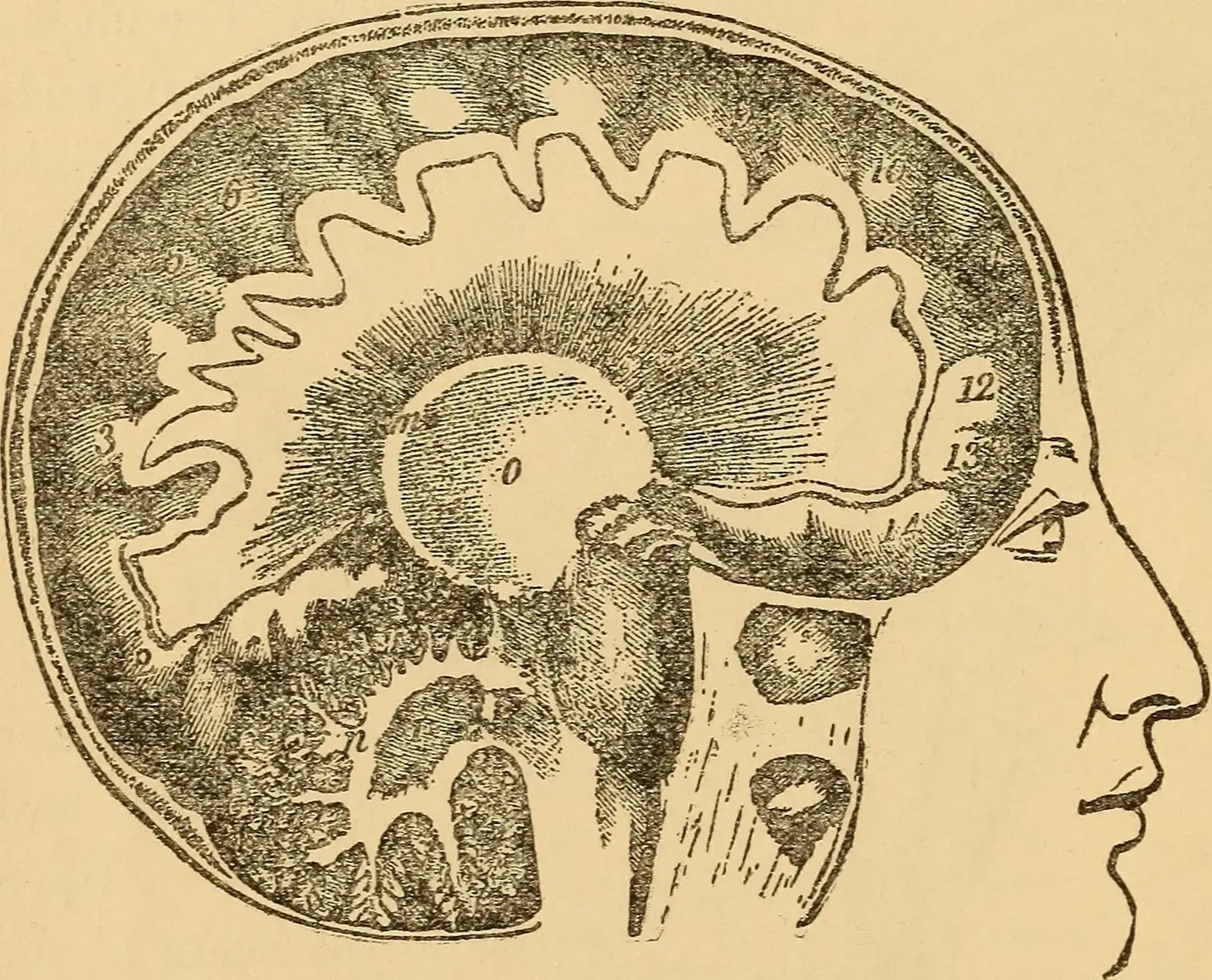
Imagine walking into a room and instantly sensing tension, even before anyone speaks; your heart rate edges up, your shoulders tighten, and you just know something is wrong. That flicker of knowing is not supernatural – it is your brain reading micro-expressions, posture shifts, and tone changes too subtle for your conscious mind to name. Researchers studying thin-slice judgments have found that people can form surprisingly accurate impressions of others from just a few seconds of interaction. In these moments, intuition works like a high-speed filter, skimming vast sensory input and surfacing a simple message: safe, unsafe, trustworthy, risky. You feel it as a hunch, but under the hood, it is pattern recognition fueled by years of lived experience.
Physiologists have even traced some of this early warning system to the body itself, including what scientists sometimes call the “second brain” in the gut. Networks of neurons in the digestive tract communicate constantly with the central nervous system, influencing mood, stress response, and that twisting sensation of dread or excitement. Subtle shifts in heart rate variability, skin conductance, and gut motility occur before we become consciously aware of danger or opportunity. In other words, your body often reacts first, and your conscious story scrambles to catch up afterward. When people say they have a gut feeling, they are often describing this cascade of fast, embodied signals that tip them off before logic fully arrives.
From Ancient Oracles to fMRI Scanners
Long before neuroscientists pointed scanners at the brain, cultures around the world treated intuition as a legitimate form of knowing. Hunters relied on a sense of when the weather was turning; sailors trusted instincts about when to leave harbor; healers read the slightest changes in a patient’s face or voice. Philosophers from East and West wrestled with this internal compass, debating whether it came from divine inspiration, hidden knowledge, or some mixture of both. Only in the past few decades has modern science caught up to these old intuitions about intuition, reframing gut feelings as a normal part of how a complex brain operates under uncertainty. The language has changed, but the experience is recognizably the same.
Today, brain-imaging studies show that intuitive decisions tend to recruit different networks than slow, step-by-step reasoning. Regions such as the ventromedial prefrontal cortex and insula light up when people make rapid value judgments based on incomplete information. These areas integrate emotional signals, memory, and bodily states, blending them into what feels like an immediate sense of yes or no. When researchers disrupt these networks, people often lose that subtle sense of what “feels right,” even though their raw intelligence remains intact. Ironically, the more we learn about intuition, the more it looks like a sophisticated, experience-based computation rather than some mysterious force beyond science.
How Gut Feelings Really Form: Patterns, Prediction, and the Subconscious

Underneath every sudden hunch lies a long history of pattern learning that mostly unfolds outside awareness. The brain is constantly building internal models of the world, predicting what should happen next and adjusting when reality deviates from expectation. Over time, these models become so refined that tiny mismatches – a forced smile, a hesitation in a voice, a strange quiet in a familiar street – trigger alarm bells before you can articulate why. Intuition, in this sense, is prediction compressed into a feeling. You are not seeing the future, but you are sensing that your mental map and the current moment are out of alignment.
Experiments in expertise make this process easier to see. Chess grandmasters can glance at a board for just a second or two and know the best move or sense deep trouble, even if they cannot immediately explain every step of the analysis. Firefighters have described similar moments of wordless knowing, stepping back from a seemingly manageable blaze just before a floor collapses. What looks like magic is often the brain’s ability to match present patterns against thousands of stored scenarios. Over years, repeated exposure and feedback tune the intuitive system to be faster and, in specific domains, remarkably accurate.
When Intuition Helps – and When It Leads Us Astray
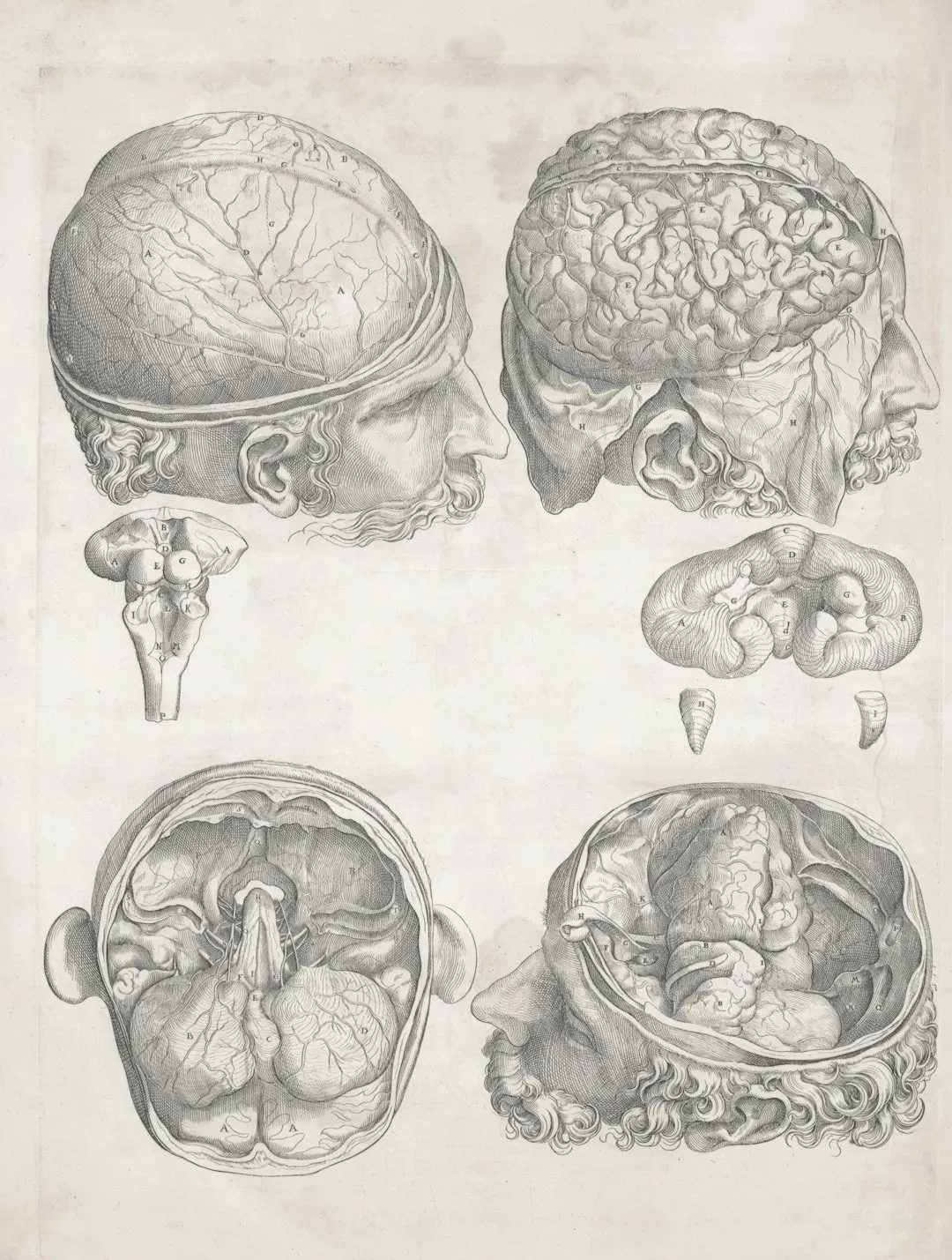
It is tempting to romanticize gut feelings as always wise, but research shows a messier reality. Intuition shines in environments where feedback is frequent and relatively clear, such as sports, surgery, or hands-on trades, because the brain can calibrate its internal models over time. In these settings, experienced professionals often make better snap judgments than novices armed with elaborate checklists. However, intuition fares poorly where feedback is rare, delayed, or noisy – think stock picking, hiring decisions, or predicting geopolitical events. In those domains, what feels like a solid hunch is often little more than overconfident guesswork.
Cognitive biases also hitch a ride on intuitive processes, quietly warping gut feelings in predictable ways. We are more likely to trust familiar faces, confirm what we already believe, and misread randomness as meaningful patterns. Psychologists have shown that people can feel sure about choices that are, by objective standards, obviously flawed once all the information is laid out. That does not mean we should throw intuition away, but it does suggest a need for guardrails. Pairing gut instincts with structured tools – like checklists, data analyses, or outside opinions – can harness the speed of intuition without handing it the steering wheel entirely. Used consciously, intuition becomes a powerful co-pilot rather than an unreliable driver.
Why It Matters: Intuition in Medicine, Business, and Everyday Life
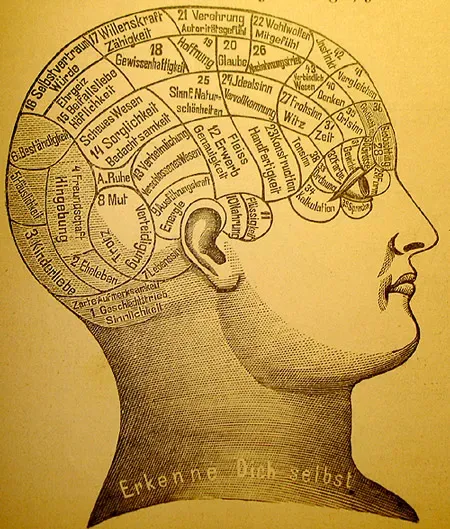
The stakes of understanding intuition are not abstract; they show up in hospital wards, boardrooms, and our own daily choices. In emergency medicine, clinicians often report an early, uneasy sense that a patient is sicker than their numbers suggest, prompting extra tests or monitoring. Studies of diagnostic accuracy hint that these hunches can sometimes catch subtle patterns no guideline has yet codified, especially in experienced practitioners. Yet history is also full of cases where intuitive certainty led to missed diagnoses or biased treatment, especially across gender, racial, or cultural lines. The challenge is figuring out when to lean into that inner nudge and when to slow down and double-check the data.
In business and policy, the romantic image of the visionary leader who “trusts their gut” still holds cultural power. But as organizations wrestle with complex, high-impact decisions – on climate strategy, public health, or emerging technologies – overreliance on one person’s intuition becomes a serious liability. Comparing outcomes, analysts often find that mixed approaches work best: let intuitive judgments generate bold hypotheses, then pressure-test them with transparent data and diverse perspectives. On a personal level, recognizing when your gut is speaking from deep experience versus fear, prejudice, or wishful thinking can change everything from who you date to how you vote. In that sense, learning the science of intuition is a quiet form of civic and emotional education.
The Brain–Body Loop: Why Your Stomach Knots Before Your Mind Decides
One of the more surprising discoveries of recent decades is how tightly intuition is tangled with the body’s physiological state. The same brain regions that support rapid, intuitive evaluation also monitor interoception, the sensing of internal bodily signals like heartbeat and breathing. People who are more accurate at tracking their own heartbeats without touching their pulse often show stronger or more reliable intuitive judgments in lab tasks. This suggests that being tuned in to subtle physical cues can sharpen that inner compass, like turning up the contrast on a dim image. Your hunch is not just “in your head”; it is in your chest, your lungs, your gut.
The gut–brain axis adds another layer of complexity. Microbial communities in the digestive system influence neurotransmitter production, immune responses, and inflammatory processes that affect mood and cognition. Early research hints that disruptions in this ecosystem may alter not only anxiety or depression levels but also how people weigh risk and reward. While scientists are cautious about grand claims, the direction is clear: our so-called gut feelings are literally shaped by what lives inside our gut and how our nervous system listens to it. It reframes ancient metaphors about “having the stomach for something” or “feeling butterflies” as surprisingly literal descriptions of a body-driven data stream feeding into our choices.
The Future Landscape: Intuition in the Age of Algorithms

As artificial intelligence systems grow more powerful, they are encroaching on one of the last bastions humans once thought uniquely theirs: the ability to spot subtle patterns and make fast, fuzzy judgments. Machine-learning models already outperform people in certain diagnostic scans, fraud detection, and complex strategy games, raising an unsettling question about the role of human intuition. Rather than rendering gut feelings obsolete, many researchers see a new division of labor emerging. Algorithms excel at scanning massive data sets and flagging statistical anomalies, while humans bring contextual understanding, ethical judgment, and that embodied sense of when something feels off despite clean numbers.
The future may hinge on how well we design systems that respect and refine human intuition instead of quietly sidelining it. Decision-support tools in fields like aviation, medicine, and cybersecurity can either blunt intuitive skills by encouraging blind trust in dashboards or sharpen them by offering transparent reasoning and feedback. There are also looming risks: biased training data can bake flawed intuitions into automated systems at a scale no single person could match. In that world, cultivating more reflective intuition – where we ask ourselves why a choice feels right or wrong – becomes a critical counterweight. The gut and the algorithm will likely coexist, each challenging and checking the other.
Trusting Your Gut, Training Your Mind: A Practical Call to Action

For all its mystery, intuition is not an untouchable gift; it is a skill that can be shaped, questioned, and refined. One starting point is simply to notice when a strong gut feeling arises and to pause long enough to ask what might be fueling it. Are you reacting to real patterns you have seen many times before, or to fear, stereotypes, or the emotional weather of the day? Keeping a simple decision journal – jotting down big choices, what your gut said at the time, and how things turned out – can, over months, reveal where your intuition is sharp and where it misfires. In a sense, you are giving your inner system better feedback, helping it recalibrate.
There are also broader ways to support the science and culture of better intuition. Supporting research into brain–body interactions, mental health, and decision science helps turn vague ideas into usable knowledge. In workplaces and schools, encouraging people to pair fast impressions with explicit reasoning can normalize a healthier blend of instinct and analysis. Even small habits – like learning basic statistics, practicing mindfulness to tune in to bodily cues, or exposing yourself to diverse perspectives – can sand down the rough edges of biased gut reactions. Intuition will probably never be perfectly reliable, but it does not need to be mystical or wild to be meaningful. The real question is not whether you have gut feelings, but how you choose to listen, test, and learn from them.
Suhail Ahmed is a passionate digital professional and nature enthusiast with over 8 years of experience in content strategy, SEO, web development, and digital operations. Alongside his freelance journey, Suhail actively contributes to nature and wildlife platforms like Discover Wildlife, where he channels his curiosity for the planet into engaging, educational storytelling.
With a strong background in managing digital ecosystems — from ecommerce stores and WordPress websites to social media and automation — Suhail merges technical precision with creative insight. His content reflects a rare balance: SEO-friendly yet deeply human, data-informed yet emotionally resonant.
Driven by a love for discovery and storytelling, Suhail believes in using digital platforms to amplify causes that matter — especially those protecting Earth’s biodiversity and inspiring sustainable living. Whether he’s managing online projects or crafting wildlife content, his goal remains the same: to inform, inspire, and leave a positive digital footprint.


