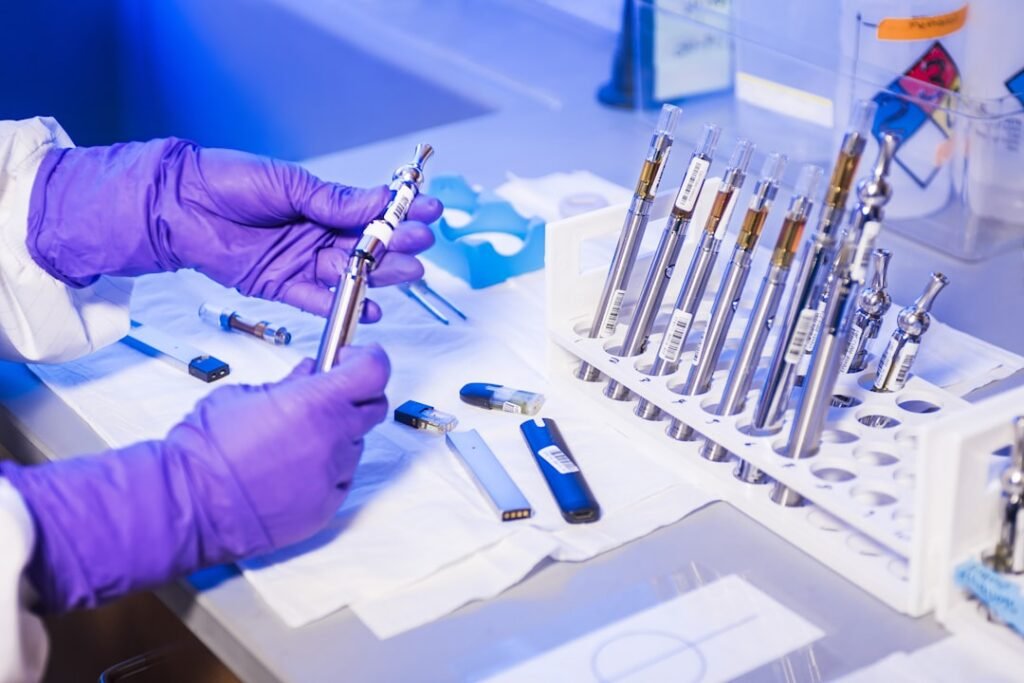

You’ve probably thought about it before, lying awake at night. What if you could live not just to 80 or 90, but to 150, 200, or even beyond? It sounds like something straight out of a science fiction novel. Yet right now, in laboratories scattered around the globe, scientists are unraveling the biological mechanisms that make us age, and they’re discovering that the aging process is far more flexible than we ever imagined.
Think about where we are in 2025. We’ve seen remarkable advances in medicine, technology, and our understanding of human biology. What once seemed like fantasy is becoming a legitimate field of scientific inquiry. The audacious notion that humans could one day extend their lives indefinitely is no longer confined to comic books or Hollywood scripts. It’s happening in clinical trials, research labs, and cutting-edge biotech facilities, driven by an ambitious community of researchers who believe aging itself can be treated, slowed, or even reversed. So let’s dive into the remarkable science that’s reshaping our understanding of human longevity.
The Race to Reach 150 Years

Some researchers are so confident about a major longevity breakthrough that they’ve wagered real money on it, betting the first person to reach 150 is already alive. Here’s the thing: not everyone agrees. Some longevity researchers counter this optimistic view, foreseeing payouts for future descendants rather than current generations.
Yet the optimism persists for good reason. Industry leaders predict it will become commonplace to live well to 120, with both extended lifespan and improved healthspan. This isn’t just about tacking on extra years at the end of life spent in a nursing home; it’s about maintaining vitality, independence, and good health well into what we currently consider old age.
Science is moving fast on this front. The tools we have today would have been unimaginable just two decades ago. From gene editing techniques to cellular reprogramming, the arsenal available to longevity scientists is expanding at an exponential rate.
Cellular Senescence: The Zombie Cells Within Us
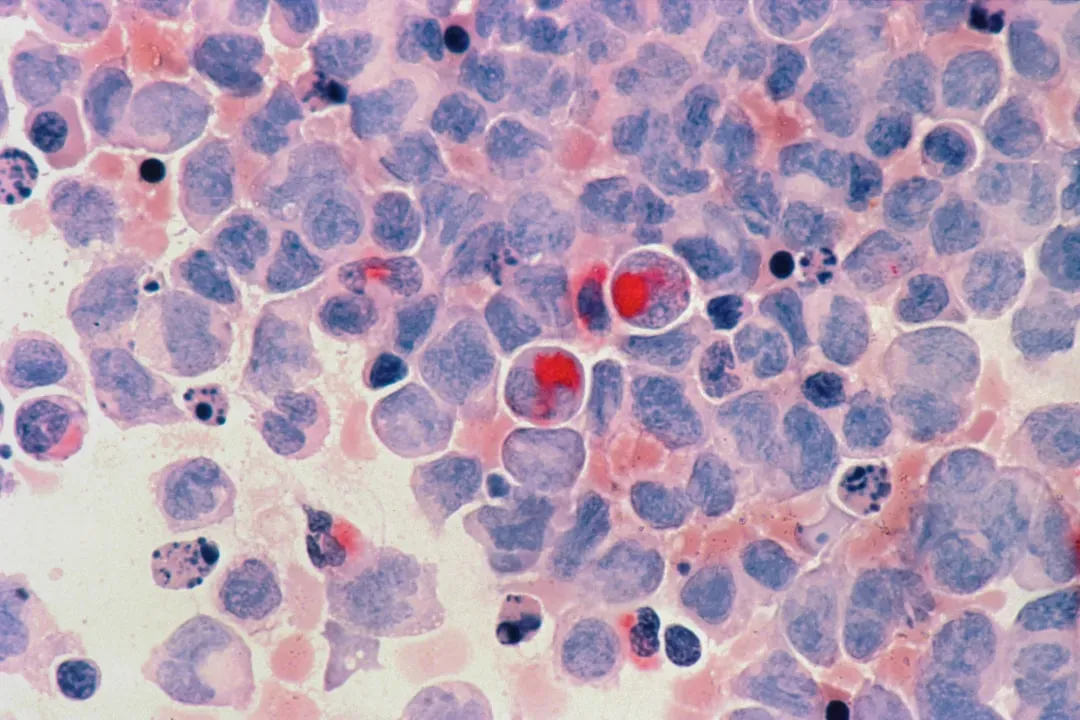
Let’s talk about something that sounds straight out of a horror movie: zombie cells. Cellular senescence is a hallmark of aging where cells permanently exit their division cycle in response to damage and stress, developing a pathogenic secretory phenotype that disrupts tissue function.
These senescent cells accumulate in your body as you age. They degrade surrounding tissue by secreting harmful molecules, basically poisoning their neighbors. Imagine cells that refuse to die but also refuse to do their job properly, just sitting there causing inflammation and damage. Not exactly the picture of graceful aging.
Scientists have developed senolytic drugs like a combination of dasatinib and quercetin that function to clear out senescent cells. In animal studies, the results have been astounding. Older mice given this treatment had a notably longer average lifespan than untreated peers. What’s more remarkable is how much better they functioned. These treated mice were faster, stronger, and more agile than control groups, with positive effects lasting until their final months.
Recent discoveries show CD4 T immune cells transform into assassins that destroy harmful senescent tissues when biological aging is detected. Your immune system, it turns out, already has some tricks up its sleeve to fight aging at the cellular level.
Telomeres: The Biological Clock at Chromosome Ends
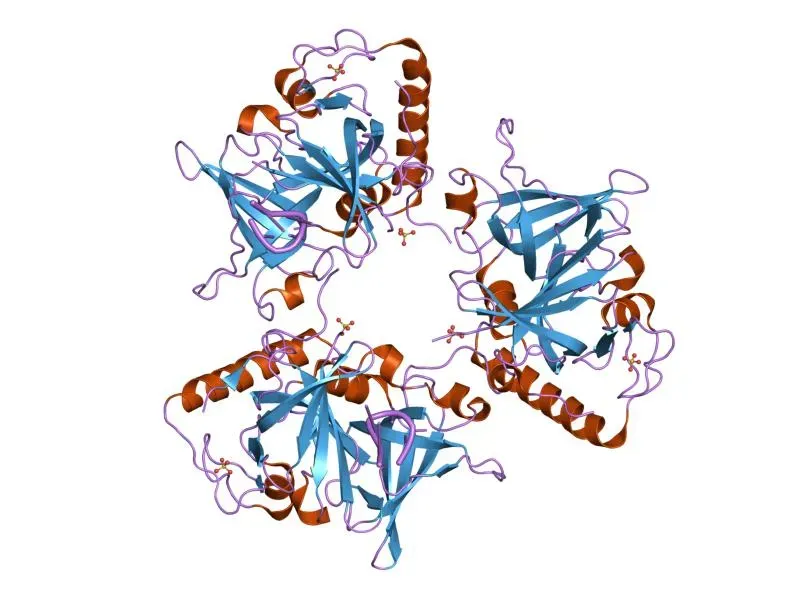
Think of telomeres as the plastic tips on shoelaces. These stretches of DNA protect genetic data and make cell division possible, preventing chromosome ends from fraying and sticking to each other. Each time a cell divides, telomeres get a bit shorter. When they become too short, cells can no longer divide and become inactive or die, a process associated with aging, cancer, and increased mortality risk.
The enzyme telomerase offsets cellular aging by lengthening telomeres, adding back lost DNA repeats and effectively extending cell lifespan. It’s like having a molecular fountain of youth inside your cells. The problem? Most adult cells don’t produce enough telomerase to keep up with the damage.
Here’s where things get interesting. Researchers at Stanford University developed a procedure to lengthen telomeres in chromosomes, effectively increasing the number of times cells can divide and turning back the clock on cellular aging. Compared to untreated cells, skin cells with lengthened telomeres divided around 28 more times, while muscle cells divided about three more times.
Studies found people with longer telomeres live an average of five years longer than those with shorter telomeres. That’s not a small difference. That’s potentially more time with grandchildren, more adventures, more life.
Reprogramming Cells to a Younger State
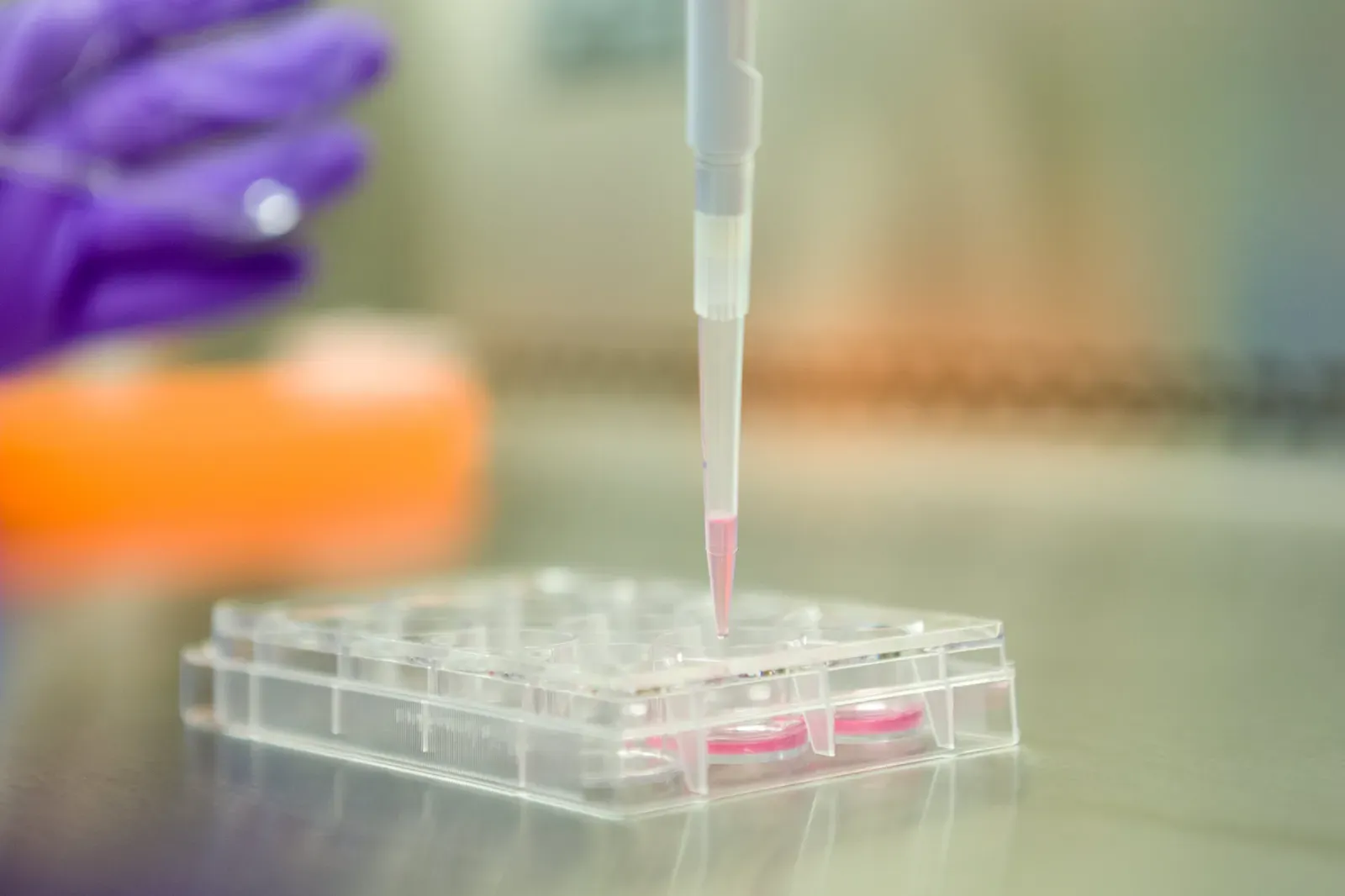
This is where things start to sound truly futuristic. Scientists have demonstrated that gene therapy activating Yamanaka factors can reverse signs of aging such as vision loss in mice, and have even reversed glaucoma-related blindness through partial cellular reprogramming. In other words, they’ve made old cells young again.
Leading researchers predict age-reversing pills targeting specific genes will be available within the next 10 years. Let that sink in. Pills that reverse aging could be in your medicine cabinet before 2035. The rapid pace of aging research is making researchers’ heads spin, with developments happening faster than anticipated.
Recent breakthroughs show reawakening the cell’s own cleanup machinery improved lysosome function, boosted removal of aging proteins, and reduced signs of cellular aging including DNA damage and loss of vitality. Your cells have built-in recycling systems that naturally combat aging. We’re just learning how to turn them back on.
The IL-11 Discovery: A Single Protein That Controls Multiple Aging Processes
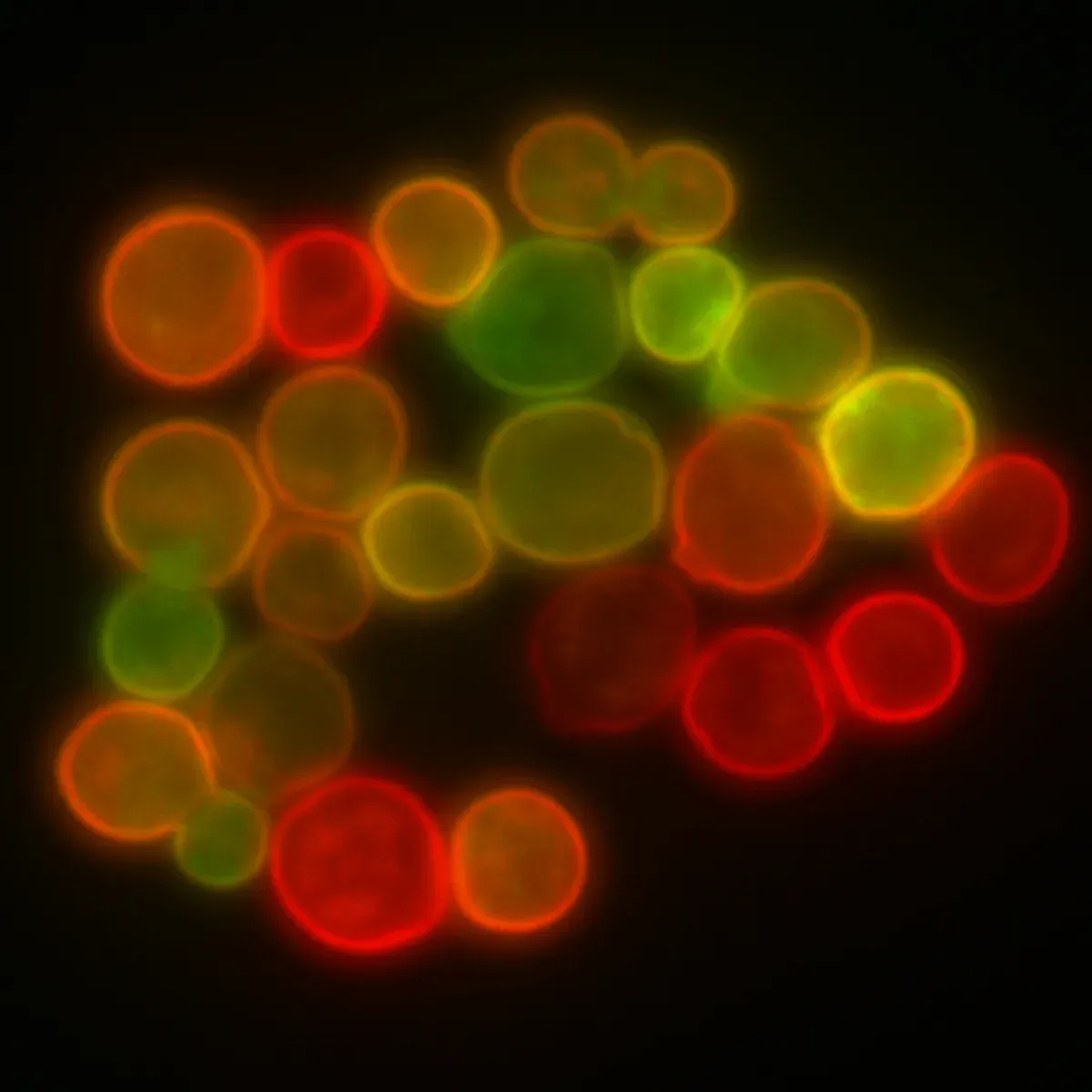
Sometimes science delivers an unexpected gift. Researchers discovered that IL-11 levels increase in organs of old rats, and treating animals with an antibody blocking IL-11 extended lifespan by up to 25 percent in mice. One protein, multiple age-related improvements across every organ examined.
The benefits of anti-IL-11 treatment were apparent in every organ examined, with researchers suspecting it’s an evolutionary appendage with no beneficial function in modern humans. Evolution sometimes leaves us with biological baggage we no longer need. This could be one of those cases.
Clinical trials of IL-11 inhibitors have already begun, with a major licensing deal struck in June 2025 for one such blocker. This isn’t distant future speculation. It’s happening right now, moving from laboratory benches into human testing.
NAD+ Boosters: Restoring the Cellular Energy Currency
Your cells run on energy, and cellular NAD+ decline is a feature of aging that plays a pivotal role in metabolism and serves as a co-substrate for enzymes modifying aging. As you age, NAD+ levels drop, and with them, your cellular vitality fades. It’s like your cells are running out of fuel.
Nicotinamide riboside, nicotinamide mononucleotide, and related compounds have been studied in healthy adults and patient populations, proving safe and tolerable while increasing NAD+ abundance in multiple tissues. You can actually replenish this critical molecule through supplementation.
A 2022 multi-center clinical trial showed that NMN supplementation significantly improved muscle insulin sensitivity by roughly a quarter in overweight women with prediabetes. That’s not a trivial improvement. That’s potentially life-changing for metabolic health.
A novel supplement using a systems-based approach increased NAD+ concentration in whole blood, reduced pro-inflammatory cytokines, and shifted immune markers toward a younger biological age. We’re not just slowing aging; we’re potentially reversing biological age markers.
The Drug Cocktails Extending Mouse Lifespans by 30 Percent

What if I told you scientists have already found drug combinations that extend lifespan by nearly a third? Researchers tested rapamycin and trametinib in mice and found the combination extended lifespans by around 30 percent, with animals staying healthier for longer. That’s not adding years of frailty; that’s adding years of health.
Median lifespans increased dramatically in both female and male mice, with maximum lifespans also extending significantly. The combo treatment delayed tumor growth, reduced age-related inflammation across multiple organs, and mice remained more active at advanced ages with slower heart function decline.
Rapamycin remains the most effective compound tested in longevity programs, inhibiting mTOR protein which integrates nutrient and hormone signals to regulate whether cells prioritize growth or repair. We’re learning that too much emphasis on cellular growth comes at the expense of maintenance and repair mechanisms.
Gene therapy elevating Klotho protein levels in mice extended their lifespan significantly and enhanced both physical and cognitive function as they aged. Multiple pathways, multiple interventions, all converging on the same goal: longer, healthier lives.
The Complex Reality: Why Forever Might Not Be Simple

Here’s where we need to pump the brakes a bit. While NAD+ supplements and therapy are often touted to support longevity, there is currently no evidence that it actually does so. The wellness industry has a tendency to run ahead of the science, making claims that haven’t been rigorously proven in humans.
Drug candidates tested in humans to date, including anti-inflammatory drugs, sirtuin activators, and others, have not yet been shown to slow aging or delay age-related diseases. The FDA doesn’t recognize aging as a disease indication and has no regulatory pathway for anti-aging interventions, so clinical studies are currently framed around specific age-related diseases.
Extending telomeres can increase the risk of uncontrolled cell growth and cancer development, and research challenges the idea that long telomeres simply prevent aging, as they may help cells with mutations last longer, preparing conditions for various cancers. Every intervention carries risks. Immortality through cancer isn’t exactly what we’re aiming for.
Researchers adamantly underscore the gap between mice and humans, urging people not to take senolytics or similar supplements outside clinical trials, noting that anything sounding too good to be true in animal models usually is, and requiring many more long-term human studies. Science takes time. Shortcuts can be dangerous.
Where We Stand: Hope Grounded in Reality
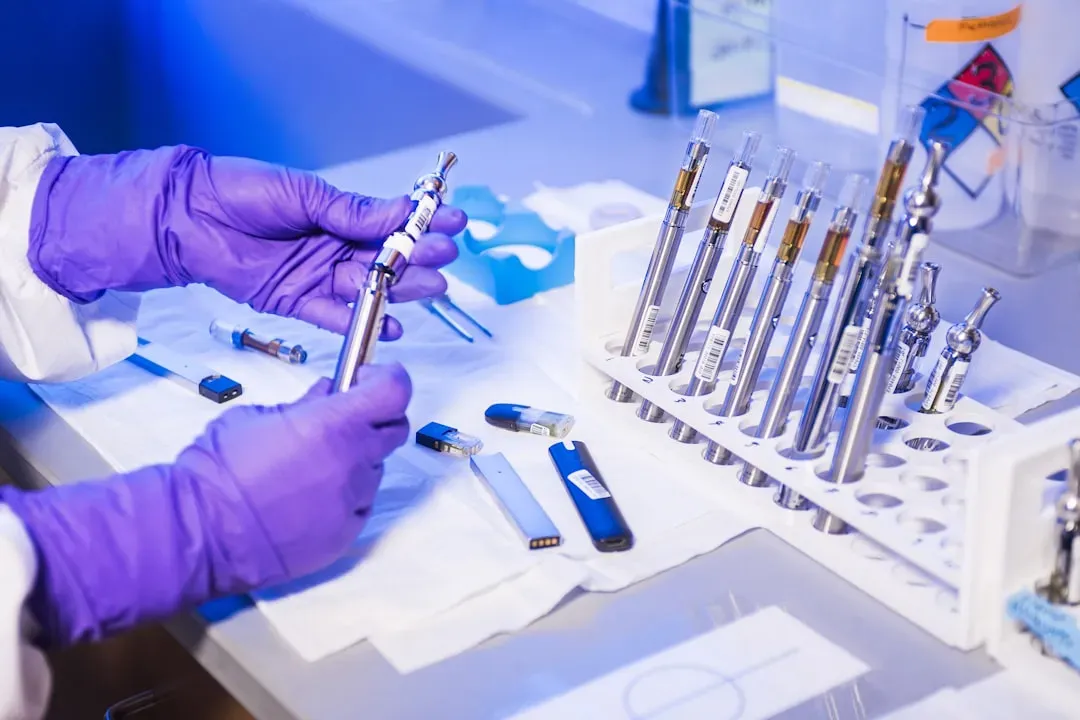
So where does all this leave us? The science of human longevity has moved from the realm of fantasy into legitimate research. To pursue longevity by targeting aging itself rather than specific diseases represents a shift in medical paradigm, from treating disease to extending life. It’s an entirely different way of thinking about medicine and health.
Average life expectancy was between 18 and 20 years for most of human evolution, but thanks to advances in science, technology, and culture, people now live much longer, with 100-year lives becoming increasingly common. We’ve already extended human lifespan dramatically. Why should we stop now?
The question isn’t really whether we can extend human lifespan. We’re already doing it. The real question is how far we can push those boundaries while maintaining quality of life. Telomere attrition paradoxically serves as both a protective mechanism and contributor to tissue degeneration, leading researchers to develop approaches to counteract it and delay age-related diseases.
Living forever might still be science fiction, but living significantly longer and healthier lives? That’s becoming science fact. The research happening today could mean your children or grandchildren might routinely celebrate their 120th birthdays in good health. We’re not there yet, and the path forward is filled with challenges, unknowns, and ethical questions we’re only beginning to grapple with.
One thing’s certain: the science of aging is no longer accepting death and decline as inevitable. We’re fighting back at the molecular level, and early results suggest we might actually win some of these battles. The science of immortality isn’t about living forever – not yet, anyway. It’s about living better, longer, healthier lives. And honestly, that’s pretty extraordinary all on its own. What would you do with an extra 30 healthy years?
Jan loves Wildlife and Animals and is one of the founders of Animals Around The Globe. He holds an MSc in Finance & Economics and is a passionate PADI Open Water Diver. His favorite animals are Mountain Gorillas, Tigers, and Great White Sharks. He lived in South Africa, Germany, the USA, Ireland, Italy, China, and Australia. Before AATG, Jan worked for Google, Axel Springer, BMW and others.