
Somewhere between late-night sci‑fi marathons and real lab experiments, a wild idea has quietly crept into serious science: what if aging is not inevitable? Not just slowed, not just “aging well,” but actually treating aging like a disease that can be prevented, paused, or even reversed. That sounds like a movie plot, but as of 2026, an increasing number of biologists, gerontologists, and biotech founders are betting real careers and real money on that possibility.
At the same time, it’s easy to feel a mix of excitement and unease. On one hand, the thought of watching your great‑great‑grandchildren grow up is deeply moving. On the other, questions pop up fast: Who would get these treatments? What would endless life do to love, ambition, boredom, or the planet? Let’s dig into where the science really stands right now – what’s hype, what’s promising, and how close we actually are to anything that resembles immortality.
The Biology Of Aging: Why Our Bodies Break Down

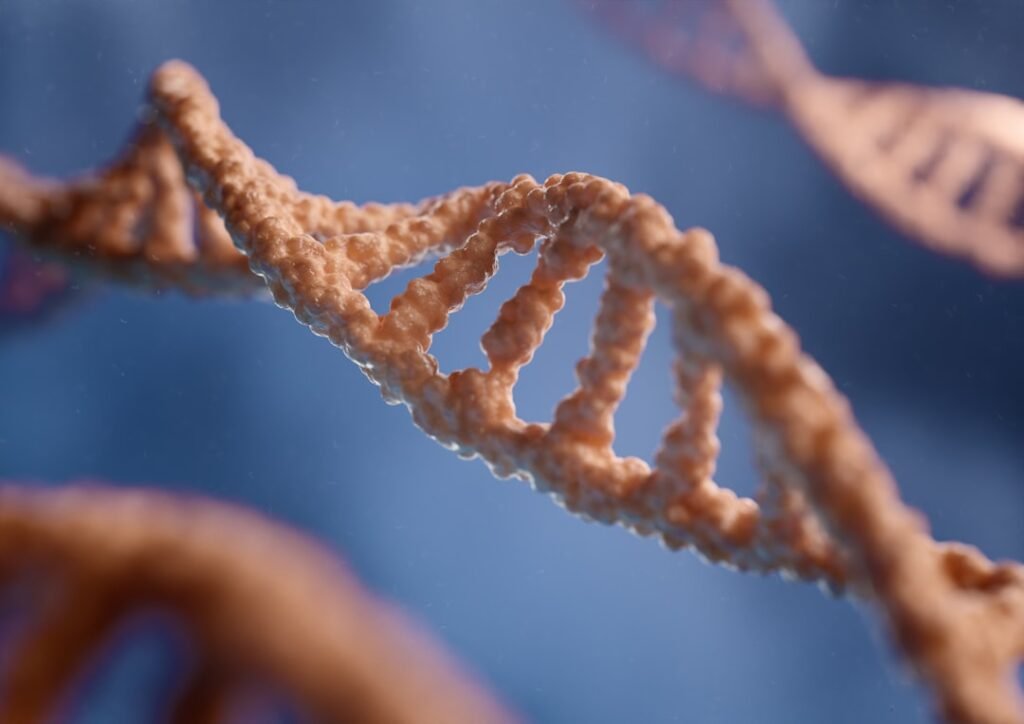
The first shocking truth about aging is that it isn’t one single process – it’s more like a messy pile-up of many small failures. Cells accumulate damage to DNA, mitochondria wear down, proteins misfold, stem cells grow sluggish, and the immune system turns partially against us in chronic inflammation. Scientists often describe this using the “hallmarks of aging,” a set of recurring problems seen in older bodies across many species.
What’s fascinating is that some animals seem to almost ignore these rules. Certain jellyfish can revert to an earlier life stage, and some species of turtles and rockfish barely show increased death risk as they get older. Humans aren’t jellyfish, obviously, but these weird outliers prove that aging is not a universal, fixed law – it’s a biological program that can vary, and maybe one that can be altered. That’s the crack in the door that longevity researchers are trying to pry wide open.
Cellular Senescence: Clearing Out The “Zombie” Cells
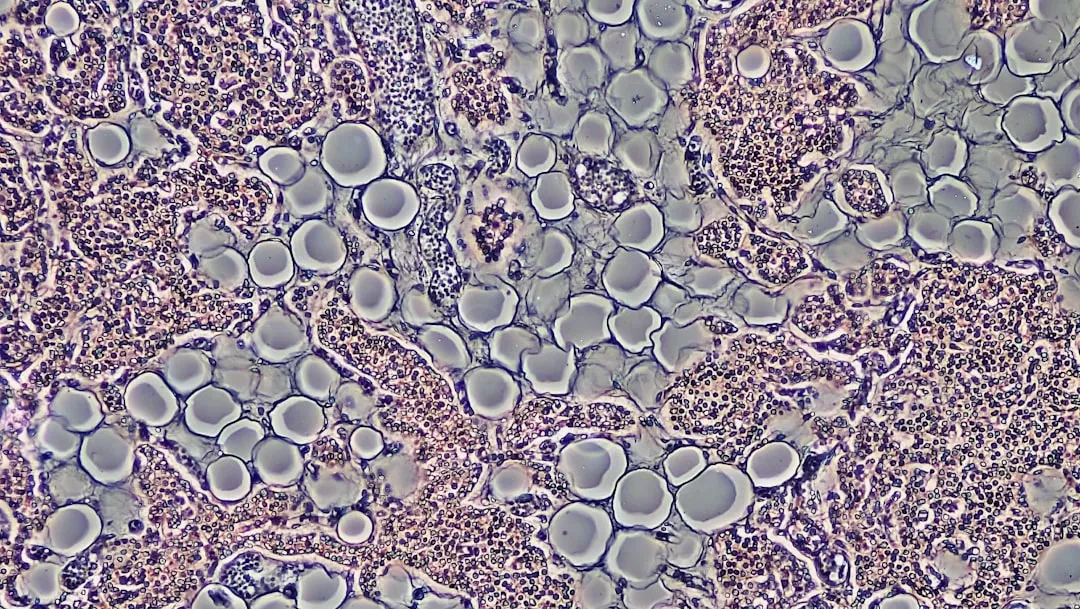
One of the biggest villains in the aging story is something called cellular senescence. These are cells that stop dividing because of damage or stress but stubbornly refuse to die. Instead, they sit there like tiny biological zombies, oozing out inflammatory signals that harm healthy neighbors and contribute to arthritis, heart disease, and even some cancers. As we get older, these senescent cells build up, like rust spreading quietly through a machine.
In mice, clearing out senescent cells using drugs known as senolytics has extended healthy lifespan and improved physical function. Several early-stage human trials are now testing senolytics for conditions like lung fibrosis and kidney disease, trying to see whether “zombie cell” cleanup translates into real benefits. It’s not immortality, but if you imagine aging as a car that slowly fills with junk, then senolytics are like a cleanup crew – crucial, but only one part of the repair job.
Telomeres And DNA Repair: Protecting Our Genetic Timekeepers
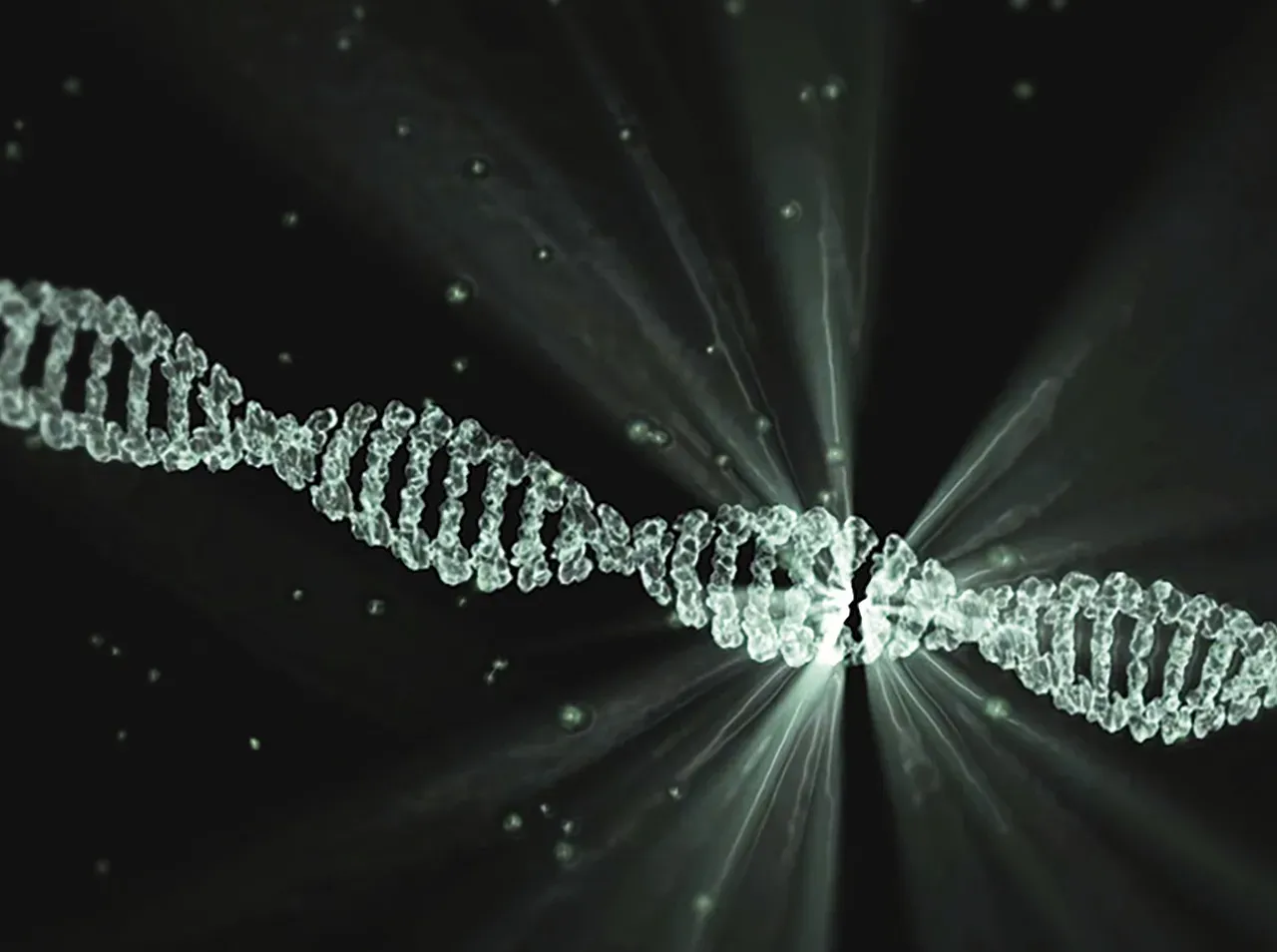
Every time a cell divides, the protective caps at the ends of our chromosomes – called telomeres – get a little shorter, like the burning end of a fuse. When telomeres become too short, cells often stop dividing or self-destruct, which can lead to tissue aging and organ decline. In some animals, and in certain human cells, an enzyme called telomerase rebuilds these caps, helping cells keep dividing for longer.
There have been experiments in mice where activating telomerase reversed some signs of aging and improved organ function. But there’s a catch: many cancer cells also hijack telomerase to become effectively “immortal,” dividing over and over. So extending telomeres is like sharpening a knife – it can be a useful tool or a dangerous weapon. Modern research is focusing on controlled, temporary telomerase activation and improved DNA repair tools, trying to slow the cellular clock without accidentally giving cancer a massive advantage.
Gene Editing And Reprogramming: Resetting The Age Of Cells
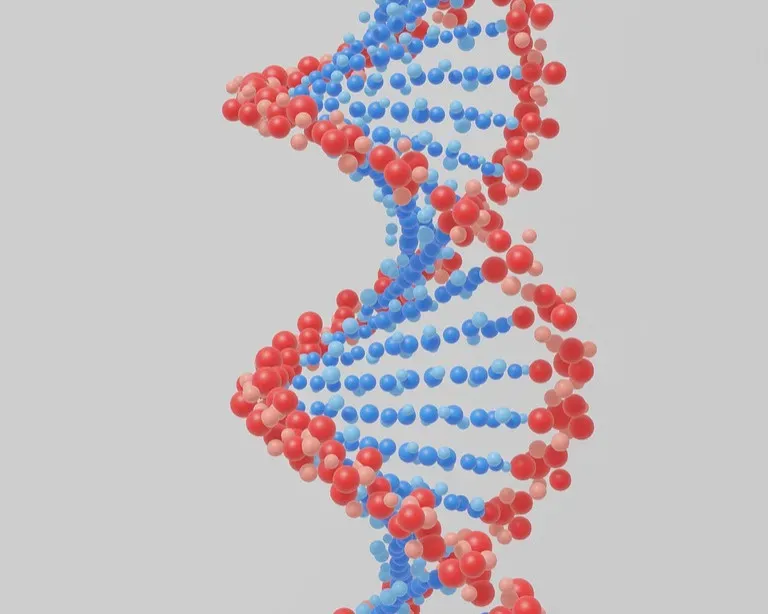
Gene editing technologies such as CRISPR have given scientists an almost surreal ability: the power to rewrite parts of our genetic code with increasing precision. That opens the door to repairing mutations that accumulate with age or tweaking pathways tied to longevity, like insulin signaling or cellular stress responses. In animals, editing certain genes has extended lifespan significantly, sometimes by half again or more.
Then there’s cellular reprogramming, where a set of factors can take an adult cell and push it back toward a youthful, more flexible state. Researchers have recently shown that partial reprogramming – used in short pulses instead of full rewinding – can make old cells and even tissues behave younger without turning them into stem cells or causing tumors. In mice, this has revived damaged organs and improved health markers. The dream is to one day “reset” human tissues in a controlled way, like rolling back biological age by a decade, but we’re still at the stage where safety and control are the biggest hurdles.
Longevity Drugs: From Metformin To Rapamycin And Beyond

Instead of rewriting genes, another path is using drugs that nudge existing pathways into a more youthful state. Two of the most talked-about candidates are metformin, a common diabetes drug, and rapamycin, a compound originally used to suppress immune responses in transplant patients. Both influence how cells handle nutrients and stress, pathways strongly linked with lifespan in animals. Some studies have suggested that people taking these drugs may have lower rates of certain age-related diseases.
Large clinical studies are underway to test whether metformin or rapamycin-like drugs can genuinely slow the onset of multiple age-related conditions in generally healthy older adults. Meanwhile, a growing list of other compounds – from NAD+ boosters to mitochondrial-targeted antioxidants – is being tested for similar effects. Right now, the evidence for humans is still mixed and incomplete, and there’s a lot of hype swirling around supplements that run far ahead of the data. But if even a few of these drugs genuinely delay aging processes, we might see people routinely living longer, healthier lives without any dramatic sci‑fi interventions.
Digital Minds And Brain Preservation: A Different Kind Of “Forever”
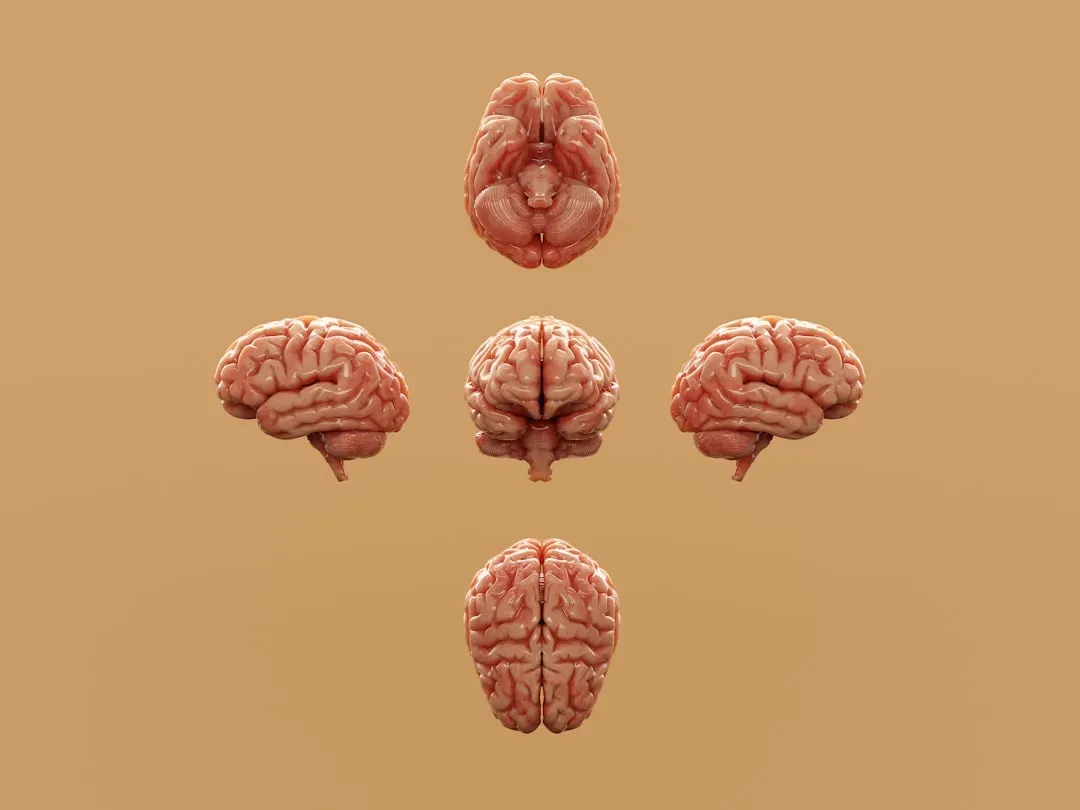
Not all visions of immortality involve keeping the biological body alive. Some researchers and technologists are exploring the idea of preserving the brain’s structure so precisely that, in theory, memories and personality could be reconstructed in the future. Techniques like chemical fixation and cryogenic preservation have already been demonstrated in animals, where the fine wiring of the brain is preserved well enough to be studied in detail under a microscope. The provocative idea is that, one day, an entire human brain’s wiring could be scanned and emulated in a computer system.
The problem is that we still do not fully understand how consciousness arises from brain activity, or how detailed a scan would need to be to preserve “you” in any meaningful sense. Even if the technical hurdles were solved, there are heavy ethical and philosophical questions: is an uploaded mind truly the same person, or just a convincing copy? Personally, I find this branch of “immortality” both fascinating and deeply unsettling, like contemplating a perfect mirror image that claims to be you while the original body is gone. For now, this remains firmly speculative, but it shows how far people are willing to stretch the definition of living forever.
Ethical Earthquake: Who Gets To Live Longer, And What Happens To Society?

Even if the science delivers therapies that can radically slow or delay aging, there’s a looming, uncomfortable question: who actually gets access? If powerful longevity treatments are expensive and limited, they could deepen inequality in a brutal way, where the wealthy not only live better but live much, much longer. That’s not a distant fantasy – many of today’s cutting-edge longevity trials are funded or accessed first by people with enormous resources. The idea of a world where a privileged minority ages slowly while everyone else follows the old rules is hard to ignore.
Then there’s the question of what extreme longevity would do to the rhythm of life itself. Would people delay having children until they’re 120? Would political and corporate power get stuck in the hands of the same individuals for centuries? On the flip side, longer healthy lives could mean more time to learn, to create, and to repair past mistakes, both personal and societal. Thinking about this, I often catch myself torn between excitement and dread, like staring at a vast new landscape that’s both beautiful and clearly dangerous. The science of immortality isn’t just a lab problem; it’s a social and moral earthquake waiting to happen.
So, Could Humans Really Live Forever?

Right now, true immortality – never dying, unlimited lifespan – is beyond anything science can credibly promise. What does look increasingly realistic is something more modest but still enormous: stretching healthy human life by years or decades, and maybe one day pushing maximum lifespan significantly beyond what we see today. Instead of a single magic bullet, progress is more likely to come from a stack of interventions: clearing senescent cells, tweaking metabolism, repairing DNA, cautiously using reprogramming, and managing lifestyle factors we already know matter.
There will almost certainly be limits, trade-offs, and new problems we can’t yet see, the way antibiotics solved one crisis and helped create others. Maybe the better question for this century isn’t whether we can live forever, but how long we can stay healthy without breaking society, the environment, or our own sense of meaning. If science does hand us the tools to radically slow aging, we’ll have to decide, individually and collectively, what we actually want to do with that extra time. What would you change in your life if you knew you had another hundred good years ahead of you?