

Happiness sounds disarmingly simple, yet scientists are still piecing together why some people seem to glow with it while others struggle to feel much joy at all. Over the past few decades, researchers have moved beyond vague self-help slogans and into brain scanners, long-term population studies, and even genetics labs to understand what really drives a flourishing life. What they are finding is both sobering and empowering: a mix of hard limits and surprising flexibility. We may not be able to turn ourselves into endlessly cheerful optimists, but we can tilt the odds. And in a world of rising anxiety and loneliness, understanding that science is starting to feel less like a luxury and more like a survival skill.
The Hidden Clues: What Flourishers Do Differently

Spend time with someone who genuinely flourishes, and it can feel a bit like watching an expert tightrope walker: the balance looks effortless, but there is a lot going on behind the scenes. People who report high levels of life satisfaction and daily positive emotion rarely rely on one single thing, like money or achievement. Instead, researchers find they tend to weave together several habits and conditions at once: close relationships, a sense of purpose, regular physical activity, and enough rest and recovery. Rather than chasing endless pleasure, they invest in small, repeatable moments of meaning, like helping a friend, learning a new skill, or spending time outdoors. These things sound ordinary, but the data suggest they quietly add up to extraordinary outcomes over time.
Large longitudinal studies tracking people for years find that those who flourish often do a few things systematically differently from their peers. They tend to interpret setbacks as temporary rather than permanent, and see challenges as specific to a situation instead of a verdict on their entire worth. They also appear more deliberate about their social worlds, spending more time with supportive people and less time in draining or hostile environments. Many practice what psychologists call “savoring,” pausing to mentally replay good experiences instead of racing past them. In day-to-day life, that might look as simple as lingering over morning coffee, or mentally bookmarking a funny conversation instead of letting it blur into the rest of the day.
Inside the Brain: How Happiness Is Wired and Rewired
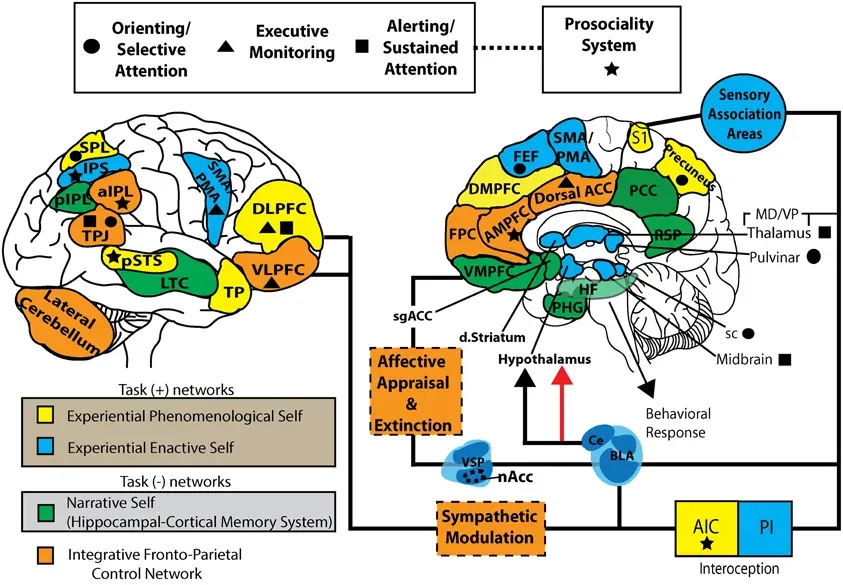
For a long time, happiness sounded suspiciously like a fuzzy, unmeasurable idea; then neuroscientists started putting people into fMRI scanners and asking them how they felt. Patterns began to emerge: regions involved in reward, motivation, and social connection, such as parts of the prefrontal cortex and the striatum, light up differently in people who report more frequent positive emotions. Those brain systems are sensitive to dopamine and other neurotransmitters that track novelty, reward, and progress toward goals. Interestingly, the brain’s threat-detection networks, including the amygdala, also play a role, because chronic overactivation can drown out the signal from positive experiences. Flourishers are not people without fear or stress; instead, their brains often show faster recovery after stress and a more balanced response to potential threats.
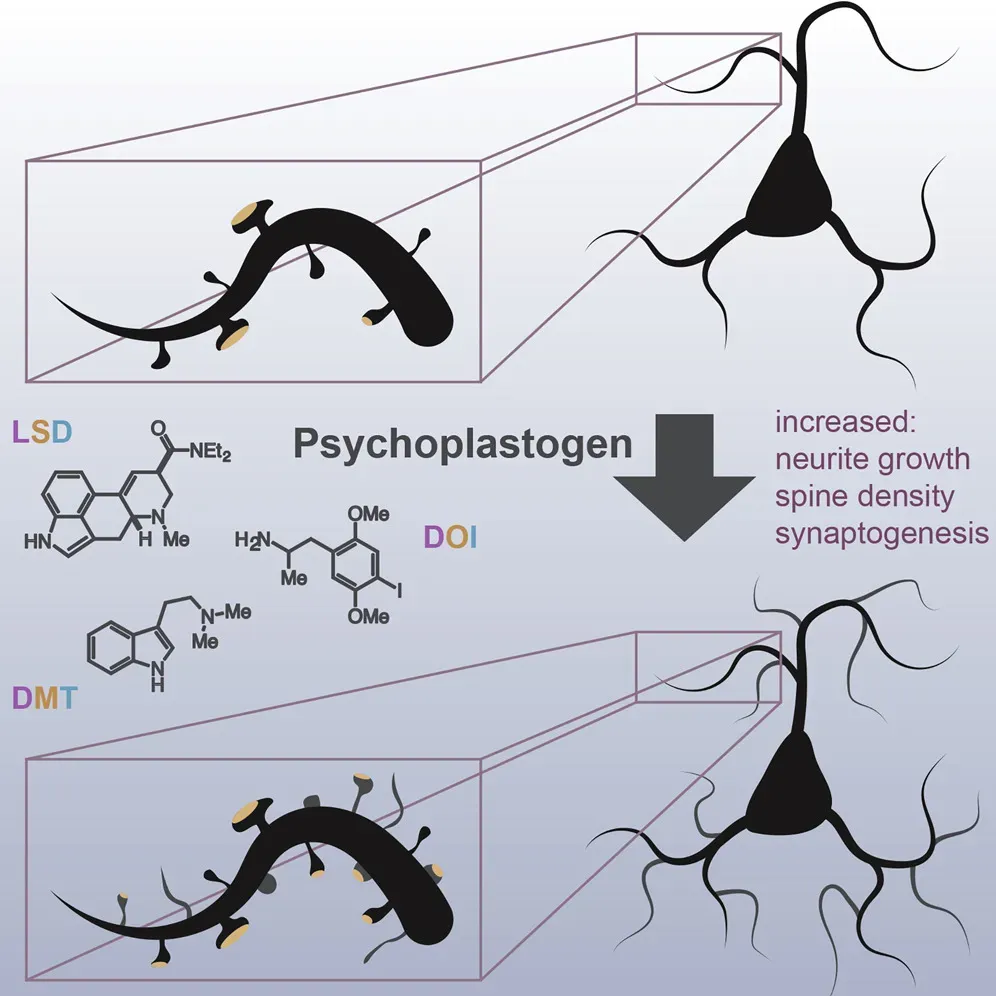
What makes this truly hopeful is the growing evidence that these brain patterns are not fixed in stone. Practices like mindfulness training, cognitive-behavioral therapy, and even simple gratitude exercises have been shown in multiple studies to shift brain activity and connectivity over weeks and months, not just years. Regular aerobic exercise, too, changes both brain chemistry and structure in ways that support mood regulation and cognitive resilience. Sleep, often treated as negotiable, is emerging as one of the main regulators of emotional brain circuits, with even a single bad night making the brain more reactive to negative stimuli the next day. All of this suggests that while genetics set some guardrails, everyday behavior still has real power to reshape how the brain processes joy, stress, and meaning.
Set Points and Starting Lines: The Role of Genes and Early Life

Psychologists sometimes talk about a “set point” for happiness, like a thermostat that nudges people back toward a typical mood after big highs or lows. Twin and family studies suggest that roughly about one third to nearly half of the differences in people’s baseline happiness can be traced back to genetic variation. That does not mean there is a single so-called happiness gene, but rather many small genetic influences that affect traits such as temperament, sensitivity to stress, and how quickly we recover from emotional blows. For some people, this starting line is simply higher: they find it easier to experience positive emotion and harder to sink into prolonged despair. Others are more sensitive to both good and bad environments, flourishing in supportive settings but struggling more in harsh ones.
Early-life experiences can either cushion or amplify those genetic tendencies. Secure attachment to caregivers, predictable routines, and opportunities to explore safely all appear to foster emotional regulation and social confidence later in life. On the flip side, chronic stress, neglect, or exposure to violence in childhood leaves biological traces, from altered stress hormone patterns to changes in brain structure. These shifts do not doom anyone to an unhappy life, but they make the psychological climb steeper. The science here can be uncomfortable, because it confronts us with unfairness baked into biology and upbringing. Yet it also underscores the massive power of early intervention, parenting support, and safe communities to shift life trajectories before they harden.
Beyond Smiles: Redefining What Happiness Really Means

One of the quiet revolutions in the science of happiness has been realizing that chasing constant pleasure is a recipe for disappointment, not flourishing. Researchers now distinguish between short-term hedonic happiness, which is about feeling good right now, and eudaimonic well-being, which is more about living in line with your values and feeling that your life matters. People who flourish tend to have both: they feel joy and interest on a regular basis, but they also have a sense of purpose that stretches beyond their own comfort. Sometimes that even means choosing short-term discomfort, like studying late or caring for a sick relative, because it serves something deeper. Happiness, in this view, is less like a constant sunny day and more like a climate with changing weather but a generally warm trend.
This broader definition also makes room for the reality that sadness, anger, and fear are not signs of failure but vital emotional tools. Studies show that people who believe they must always be upbeat often end up more distressed, because they interpret ordinary low moods as personal defects. By contrast, accepting a full emotional range while still nurturing activities and relationships that bring meaning seems to support more stable well-being. It is like training for a marathon: the point is not to avoid fatigue, but to build strength around it. When happiness is framed as a rich, sometimes messy life rather than a permanent high, more of us can recognize ourselves as capable of flourishing, even on the days that feel heavy.
Why It Matters: Happiness as a Public Health Issue

It is tempting to treat happiness as a private, slightly indulgent project, but the data tell a very different story. High subjective well-being is linked with lower rates of cardiovascular disease, stronger immune responses, and even slightly longer life expectancy. People who report feeling that their lives are meaningful are less likely to develop severe depression and more likely to recover after illness or major loss. When researchers follow large groups over time, those who flourish tend to miss fewer days of work, maintain steadier relationships, and contribute more to their communities. Happiness, it turns out, is not just a mood; it behaves like a health asset.
The societal implications are hard to ignore. Countries and cities that invest in mental health services, green spaces, social support, and income security often see gains not only in life satisfaction but also in productivity, trust, and social cohesion. On the flip side, rising loneliness and untreated mental illness come with enormous economic and human costs, from overwhelmed healthcare systems to political polarization fueled by chronic stress and fear. Comparing happiness science to traditional economic measures is revealing: gross domestic product can climb while life satisfaction flatlines, hinting that money alone is a blunt tool for measuring progress. Seeing happiness as a serious scientific and policy concern reframes questions about work hours, school environments, and even urban design. The stakes, in other words, are much bigger than whether individuals feel cheerful on any given day.
Culture, Inequality, and the Geography of Flourishing

Happiness does not look exactly the same in Tokyo, Nairobi, and São Paulo, and that matters for how we interpret the science. In some cultures, happiness is closely tied to individual achievement and personal freedom; in others, it leans more toward social harmony and fulfilling family obligations. Surveys regularly find that people in more collectivist societies may be less likely to report extreme joy but more likely to feel a steady sense of belonging and support. That can make cross-country comparisons tricky, because a simple rating scale misses the nuance of what a “good life” means in different places. Still, across cultures, certain ingredients keep showing up: strong relationships, basic security, and a sense that life is headed in a meaningful direction.
Inequality, meanwhile, acts like a powerful headwind against flourishing. Even when average incomes rise, big gaps between the top and bottom are often associated with lower trust, more anxiety, and less reported life satisfaction, especially among those who feel left behind. Access to education, safe housing, healthcare, and time for rest are not just moral or political questions; they literally shape the emotional landscape people live in. It is hard to practice gratitude journaling when you are working multiple jobs and worried about rent. The geography of flourishing, then, is not randomly scattered; it mirrors the geography of opportunity and safety. Understanding that makes it much harder to blame individuals for their unhappiness while ignoring the conditions they are trying to cope with.
Everyday Experiments: Small Shifts With Big Psychological Payoffs
One of the most encouraging threads in happiness research is how small, consistent changes can matter more than grand life overhauls. Studies on simple practices like keeping a weekly gratitude list, performing a few deliberate acts of kindness, or spending more money on experiences rather than objects show modest but reliable boosts in well-being. The effects are not magical, and they usually require repetition to stick, but they suggest that flourishing is less about a single breakthrough and more about a pattern of choices. Think of it as tuning a radio: tiny adjustments shift the signal from static to something clearer and more enjoyable. People who experiment with these practices often report that the biggest surprise is not feeling ecstatic, but feeling steadier and more grounded.
For many, the most transformative change is rethinking how they relate to their own thoughts. Techniques drawn from cognitive-behavioral therapy, such as catching all-or-nothing thinking or questioning catastrophic predictions, can help loosen the grip of habitual negativity. Mindfulness-based approaches add another layer, training attention to rest more often in the present moment rather than constantly projecting into worst-case futures. Even very practical steps, like reducing screen time before bed or building in short daily walks, can indirectly support mood by improving sleep and reducing mental clutter. None of these are quick fixes, and not everyone responds the same way, especially if they are dealing with serious mental health conditions that require professional care. But as everyday experiments, they offer a realistic path toward feeling a little more like those mysterious “naturally happy” people most of us know.
The Future Landscape: Tech, Data, and the Ethics of Engineering Happiness

Happiness research is rapidly spilling out of university labs and into apps, wearable devices, and even workplace dashboards. Companies are exploring ways to track mood through passive data such as typing speed, voice tone, or sleep patterns, promising real-time nudges toward healthier habits. Some mental health apps offer personalized cognitive exercises or guided meditations tuned to a user’s reported stress levels. At the same time, advances in genetics and brain imaging are sharpening the picture of who might be more vulnerable to depression or anxiety long before symptoms fully emerge. In theory, that creates an opportunity for earlier, more tailored support rather than a one-size-fits-all approach.
But the prospect of engineering happiness at scale raises hard questions. Who controls the data about our moods, and what happens if it is used more to boost productivity than to protect well-being? How do we prevent a world where people feel pressured to optimize their happiness metrics the way they already feel nudged to track steps or screen time? As new technologies, from digital therapeutics to AI-driven chat tools, move into the mental health space, regulators and ethicists are wrestling with how to keep human dignity at the center. The future landscape of happiness science could lead to more compassionate, responsive systems – or to new forms of surveillance and subtle coercion. Which path we take will depend less on the science itself and more on the social choices we make about how to use it.
From Insight to Action: How Readers Can Engage With the Science of Happiness

All of this research can feel abstract until you try turning it into a personal experiment. One simple way to start is to treat your own life like a small, ongoing study: for a couple of weeks, track what you are doing, how you feel, and who you are with, then look for patterns. Most people discover that certain activities and people reliably leave them feeling more energized or more drained than they expected. You can gently tilt your schedule toward the energizing side, even if only by ten or fifteen minutes a day. Add in one or two tested practices – like writing down three things that went well each day or planning one meaningful social interaction each week – and see what shifts.
Beyond your own habits, you can support the broader science and its real-world impact. That might mean participating in well-being studies, backing community projects that reduce loneliness, or advocating for policies that protect mental health services, green spaces, and reasonable work hours. Schools, workplaces, and cities all respond, slowly but surely, when enough people insist that well-being is not a fringe concern. If happiness is partly built out of relationships, then collective action becomes a crucial ingredient in individual flourishing, not a distraction from it. In the end, the science points to a simple truth disguised as a complex puzzle: we are wired to flourish best when we help create conditions where others can flourish too.
Suhail Ahmed is a passionate digital professional and nature enthusiast with over 8 years of experience in content strategy, SEO, web development, and digital operations. Alongside his freelance journey, Suhail actively contributes to nature and wildlife platforms like Discover Wildlife, where he channels his curiosity for the planet into engaging, educational storytelling.
With a strong background in managing digital ecosystems — from ecommerce stores and WordPress websites to social media and automation — Suhail merges technical precision with creative insight. His content reflects a rare balance: SEO-friendly yet deeply human, data-informed yet emotionally resonant.
Driven by a love for discovery and storytelling, Suhail believes in using digital platforms to amplify causes that matter — especially those protecting Earth’s biodiversity and inspiring sustainable living. Whether he’s managing online projects or crafting wildlife content, his goal remains the same: to inform, inspire, and leave a positive digital footprint.