

Happiness sounds simple until you try to pin it down. Why can someone with every material comfort feel hollow, while another person with far less radiates a quiet sense of contentment? Over the past few decades, scientists have gone after this mystery with brain scanners, long-term studies, and even genetic analyses, and the results are both sobering and surprisingly hopeful. It turns out there is no single “happiness button” in the brain – but there are patterns, habits, and environments that consistently tilt the odds in our favor. And while biology sets part of the stage, what we do, how we think, and who we connect with may matter more than most of us were ever taught.
The Hidden Clues in the Happy Brain
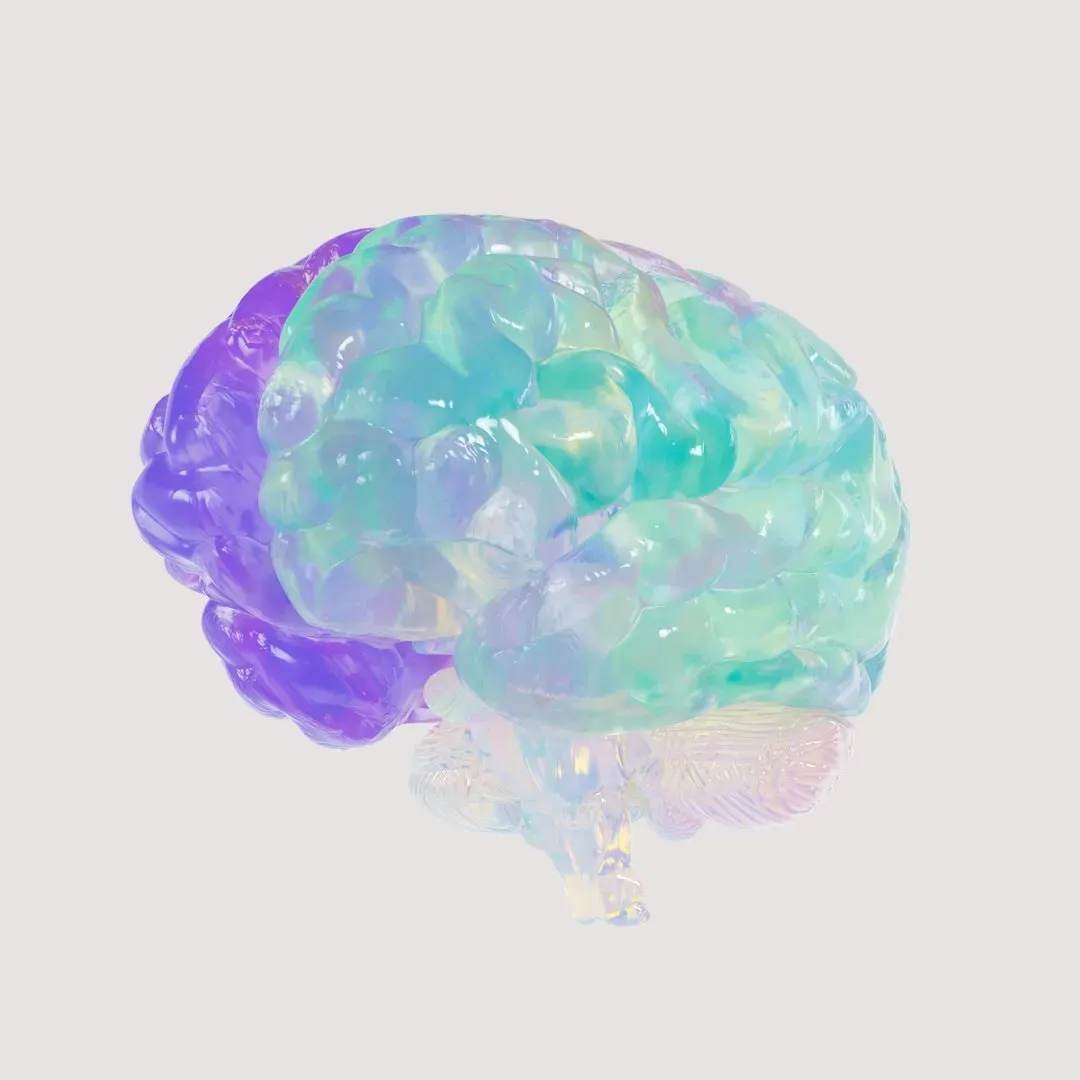
One of the most striking discoveries about happiness is that it does not live in a single region of the brain, the way we once imagined. Instead, it emerges from a network of areas that handle reward, attention, emotion regulation, and social connection, constantly talking to one another like a busy group chat. Imaging studies have consistently linked higher well-being to stronger activity in the prefrontal cortex, a region that helps us plan, reflect, and cool down knee-jerk emotional reactions. The brain’s reward system, especially circuits involving dopamine, also lights up when we experience pleasure, meet goals, or feel socially valued. But interestingly, people who report more lasting life satisfaction tend to show less frantic chasing of those dopamine spikes and more stable activation in regions tied to calm and meaning, rather than just momentary thrills.
Other brain chemicals quietly shape the mood landscape as well. Serotonin influences how we process threats and rewards, and when levels are chronically disrupted, anxiety and depression often creep in. Oxytocin, sometimes called the bonding hormone, surges when we feel safe with others and appears to strengthen trust and attachment, which in turn boosts our sense of well-being. Even the body’s stress system – the hypothalamic-pituitary-adrenal axis – plays a starring role, because repeated floods of stress hormones can wear down circuits linked to joy and motivation. The hidden clue that keeps emerging is this: happier people are not those without stress or sadness, but those whose brains recover more quickly, shifting back toward balance after life inevitably knocks them off-center.
Genetics, Set Points, and Why Circumstances Aren’t Everything

It can be unsettling to learn that happiness is partly written into our biology, but the story is more nuanced – and more empowering – than it first appears. Twin studies suggest that somewhere between roughly one third and perhaps as much as half of the differences in people’s self-reported happiness can be traced to genetic factors. That does not mean you inherit a fixed destiny of gloom or joy; instead, you inherit a “set point” or typical range where your mood tends to gravitate over time. Big life events like a promotion, a breakup, or a move to a new city can nudge you up or down, sometimes dramatically, but after months or years many people drift back toward their usual baseline. This helps explain why winning the lottery often does less for long-term happiness than outsiders imagine.
At the same time, that genetic set point is not a prison cell; it is more like a thermostat that can be adjusted, slowly but meaningfully, through behavior and environment. Long-running studies show that people who cultivate close relationships, exercise regularly, and practice certain mental skills – such as gratitude or cognitive reframing – tend to report higher and more stable well-being over time, even if they started lower. There is also mounting evidence that early childhood conditions, including exposure to chronic stress or warm, supportive caregiving, can leave lasting marks on the stress and reward systems that shape adult emotional life. So while we cannot rewrite our DNA, we can change how it is expressed and how we live with it, a bit like learning to play the hand of cards we were dealt with more skill and imagination.
Beyond Pleasure: The Power of Meaning and Purpose

Ask people what they want, and many will say they just want to feel good – but the science of happiness keeps pointing to something deeper. Psychologists increasingly distinguish between hedonic well-being (pleasure, comfort, fun) and eudaimonic well-being (meaning, growth, contribution), and the two do not always rise and fall together. Hedonic happiness is the warm glow of a vacation, a delicious meal, or a lazy weekend morning; eudaimonic happiness is the quieter sense that your life fits your values and that you matter to something larger than yourself. When researchers follow people over time, those who invest mainly in comfort and consumption often report a roller coaster of highs and lows. Those who score higher on measures of purpose and meaning, in contrast, tend to show more resilience and a steadier, more durable form of satisfaction.
Biology seems to echo this distinction. Studies have found that people with a strong sense of purpose show healthier patterns in markers like inflammation and stress hormones compared with those who are just chasing momentary pleasure. In one line of research, individuals who described their lives as meaningful – even when they were under strain – showed better long-term physical health than peers focused primarily on immediate enjoyment. Meaning does not have to come from grand gestures like founding a nonprofit or writing a best-selling book; caring for a family member, mentoring a younger colleague, or contributing to a local community project can foster the same deep sense of alignment. In a world where advertisements constantly urge us to seek the next hit of fun, the data quietly suggests that what really makes many of us thrive is feeling useful, needed, and connected to a story that stretches beyond our own comfort.
Social Connection: Our Most Underestimated “Superdrug”

If happiness had a secret ingredient, social connection would be a front-runner. Long-term studies following people across decades have repeatedly found that the quality of our relationships is one of the strongest predictors of health and well-being, on par with or even surpassing factors like smoking status and income. People who feel deeply lonely – not just occasionally alone, but persistently isolated – face higher risks of depression, cardiovascular disease, and earlier mortality. By contrast, those with at least a few reliable, emotionally close relationships are far more likely to report life satisfaction and to weather stressful events without becoming overwhelmed. It is not the number of friends or followers that counts, but the felt sense that someone sees you, understands you, and has your back.
The modern world makes this both easier and harder. Digital tools can help us stay in touch across continents and find niche communities we would never meet otherwise, but they can also amplify comparison and superficial interaction that leave us oddly empty. Many people report scrolling through curated images of others’ lives and feeling subtly worse about their own, even though nothing tangible has changed in their day. A growing body of evidence suggests that in-person interactions, shared experiences, and physical touch have unique effects on the brain’s bonding and reward systems that video calls or text threads cannot fully replace. That does not mean technology is the villain; it means we need to use it to deepen real relationships instead of letting it distract us from them.
Daily Habits That Quietly Rewire Happiness

One of the most hopeful threads in happiness research is how ordinary, unglamorous habits gradually shape our emotional lives. Regular physical activity, for instance, consistently shows up as a powerful mood booster, often rivaling or complementing therapy and medication for mild to moderate depression in controlled trials. Sleep quality is just as crucial; when people are chronically short on sleep, their emotional centers become more reactive, and small frustrations can feel like major crises. Nutrition matters too, not in a trendy detox sense, but in the way stable blood sugar, diverse gut microbes, and adequate micronutrients help support the brain systems that regulate mood. Taken together, these bodily factors act like the soil in which our psychological well-being grows.
Mental habits can be just as potent. Practices such as mindfulness, gratitude journaling, or cognitive-behavioral techniques train the brain to notice more than just threats and failures. Over time, this repeated redirection can strengthen neural pathways associated with optimism, acceptance, and flexible thinking. Researchers have found that even brief, regular practices – like writing down three things that went well each day for a week – can lead to measurable bumps in reported happiness that last for months in some people. These are not magic tricks; they are small acts of mental weightlifting that incrementally change how we interpret our lives. The catch, of course, is that they only work when we actually do them, especially on the days when we feel least inclined to bother.
Why It Matters: Happiness as a Public Health Issue

It might be tempting to dismiss happiness as a soft, individual concern, but the evidence argues otherwise: well-being is increasingly being treated as a public health and policy issue. People with higher life satisfaction tend to live longer, use fewer healthcare resources, and miss fewer days of work due to illness. Societies where citizens report higher well-being often show stronger social trust and lower levels of unrest, which feed back into stability and economic performance. When governments and institutions ignore this, focusing narrowly on economic growth while mental health indicators decline, they may be winning on paper while quietly losing in human terms. Happiness, in this light, becomes not a luxury but a kind of social infrastructure.
Comparisons with past approaches are stark. For much of the twentieth century, public health largely targeted specific diseases and risk factors – heart attacks, infections, tobacco – without explicitly considering how people felt about their lives. Now, some countries are experimenting with “well-being budgets” or national happiness indices to guide decisions on housing, education, and work policies. These efforts are far from perfect, but they signal a shift from seeing happiness as a private side effect of success to treating it as an outcome worth measuring and designing for. The big question is whether this mindset will spread widely enough to reshape how we build cities, run schools, and structure jobs in ways that foster not just productivity, but genuine human flourishing.
The Future Landscape: Tech, Therapies, and Ethical Dilemmas

As the science of happiness advances, a wave of new tools is emerging – from digital mental health apps to brain stimulation techniques – that promise to upgrade our mood and resilience. Wearable devices can already track sleep, activity, and even rough indicators of stress, nudging users to take breaks or move more when their physiology suggests they are running low. Researchers are also exploring neuromodulation approaches that target specific brain circuits implicated in depression and anhedonia, raising the possibility of more precise, personalized treatments. On the psychological front, app-based cognitive-behavioral therapy and mindfulness programs are being delivered at scale, bringing interventions that once required in-person sessions into people’s pockets. For individuals who have struggled for years, these innovations can be life-changing.
At the same time, this technological push raises hard questions about what we mean by happiness and who gets to shape it. If wealthy individuals or countries gain early access to powerful mood-enhancing tools, existing inequalities could deepen, turning happiness into yet another resource distributed along familiar fault lines. There are also worries about subtle coercion: if workplaces or schools strongly encourage certain mental health apps, where does support end and surveillance begin? The future landscape of happiness science may force us to navigate tensions between freedom and guidance, enhancement and authenticity. The promise is enormous, but so are the ethical stakes, and society will need to decide whether we want tools that simply mute discomfort – or ones that help us engage with life’s difficulties in more skillful ways.
Small Steps to Thrive: What You Can Do Now

All of this research can feel abstract until you ask what it means for your own life on a random Tuesday. The encouraging news is that most of the factors scientists keep circling back to – connection, movement, sleep, purpose – are not exotic or reserved for experts; they are ordinary levers that many of us can start nudging, even in small ways. Reaching out to someone you trust, going for a short walk when your thoughts spin, or setting aside five quiet minutes to reflect on what actually matters to you are not dramatic acts, but they add up. One useful approach is to treat your happiness like an experiment rather than a verdict: pick one change, try it for a couple of weeks, and notice what happens without expecting instant transformation. This mindset turns self-improvement from a harsh judgment into a curious exploration.
If you are interested in engaging more broadly, you can support community mental health initiatives, advocate for policies that protect work-life balance, or simply talk more openly about well-being in your own circles. Some people find value in participating in research studies, which not only offer insight into their own patterns but also help advance the science for everyone else. Others donate to organizations developing accessible mental health tools or push for schools to include emotional skills alongside academic subjects. The key is not to chase some glossy, constant state of bliss, but to build a life with enough connection, meaning, and stability that joy has room to arise. In the end, happiness may be less about finding a secret formula and more about learning, day by day, to live in a way that feels honest and alive.
Suhail Ahmed is a passionate digital professional and nature enthusiast with over 8 years of experience in content strategy, SEO, web development, and digital operations. Alongside his freelance journey, Suhail actively contributes to nature and wildlife platforms like Discover Wildlife, where he channels his curiosity for the planet into engaging, educational storytelling.
With a strong background in managing digital ecosystems — from ecommerce stores and WordPress websites to social media and automation — Suhail merges technical precision with creative insight. His content reflects a rare balance: SEO-friendly yet deeply human, data-informed yet emotionally resonant.
Driven by a love for discovery and storytelling, Suhail believes in using digital platforms to amplify causes that matter — especially those protecting Earth’s biodiversity and inspiring sustainable living. Whether he’s managing online projects or crafting wildlife content, his goal remains the same: to inform, inspire, and leave a positive digital footprint.