

Most people go through life chasing happiness without ever pausing to ask where it actually comes from. It’s one of those concepts everyone feels they understand in the moment – but the moment you try to pin it down, it slips away. What you might not expect is that your brain has a sophisticated, largely automatic system designed to generate and regulate those good feelings, one that scientists have been mapping with increasing precision over the past few decades.
Happiness is more than a fleeting emotion – it’s a complex experience rooted in the intricate workings of the brain, where feelings of joy, contentment, and pleasure arise from specific chemical reactions and neural pathways. Understanding this isn’t just an academic exercise. It actually changes how you relate to your own moods, your habits, and the way you design your everyday life.
Your Brain’s Four Core Happiness Chemicals
Scientists often group the most important happiness-related neurochemicals under the acronym D.O.S.E.: dopamine, oxytocin, serotonin, and endorphins. Together, they shape your motivation, emotional stability, relationships, and resilience. Each one plays a distinct role, and none of them operates in isolation.
Understanding how these chemicals work can reveal why certain behaviours make you feel good, why your mood sometimes shifts unexpectedly, and how you can support your mental well-being. When they’re balanced, they help you feel motivated, connected, confident, and calm – and when they’re disrupted, your mood and overall well-being can suffer.
Dopamine: The Drive Behind Desire
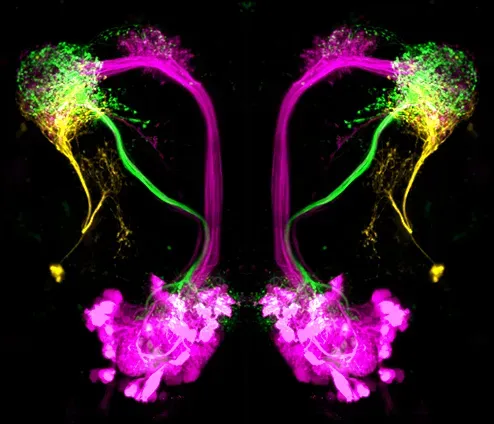
Dopamine is a neurotransmitter that forms an important part of your brain’s reward system. It’s associated with pleasurable sensations, along with learning, memory, and more. What makes dopamine genuinely fascinating is that it’s less about the pleasure itself and more about the anticipation of it.
Dopamine is often called one of the brain’s happy hormones, yet it is commonly misunderstood. Rather than creating the feeling of happiness itself, dopamine plays a central role in anticipation. It is closely associated with pleasure and reinforcement, playing a crucial role in motivation, focus, and the brain’s reward system – and it is released when you anticipate or receive a reward, making it a key player in goal-setting and achievement.
Serotonin: The Quiet Stabilizer
Serotonin is a hormone and neurotransmitter that helps regulate your mood as well as your sleep, appetite, digestion, learning ability, and memory. Unlike dopamine, which surges and fades with each reward cycle, serotonin tends to work at a quieter and more sustained level.
Serotonin regulates mood, appetite, and sleep, and higher serotonin levels are linked to a more stable, long-term sense of well-being. Interestingly, roughly 95 percent of the body’s total serotonin resides not in the brain but in the gut, where it helps regulate the movement of the digestive system – a fact that has fueled growing research into the gut-brain connection and its influence on mood.
Oxytocin: Connection as Chemistry
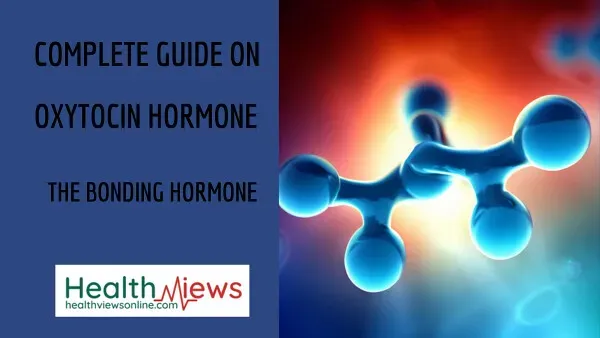
Often called the “love hormone,” oxytocin is essential for childbirth, breastfeeding, and strong parent-child bonding. It can also help promote trust, empathy, and bonding in relationships. Its reach extends further than most people realize.
Oxytocin is known as the bonding hormone because it strengthens trust and social connection. It is released during physical touch, positive interactions, and emotional intimacy, and it helps reduce stress and promotes feelings of safety. What’s especially notable about oxytocin is that it often works both ways – a long hug gives both you and the person you’re hugging a dose of it, and a kind gesture delivers a little of it to both the giver and the receiver.
Endorphins: The Natural Pain Reliever

The name endorphin translates literally to “self-produced morphine.” Endorphins resemble opiates in their chemical structure and have analgesic properties, and they are produced by the pituitary gland and the hypothalamus during strenuous physical exertion, sexual intercourse, and orgasm. They essentially allow your body to keep going when it would otherwise signal distress.
Endorphins are endogenous opioid peptides that function as neurotransmitters. They are released during continuous exercise, fear, love, music, laughter, and eating chocolate, among other things. Increased levels inhibit pain in the body, while reduced levels can inhibit positive feelings. They are natural pain relievers that also create euphoria during exercise, laughter, and social bonding.
The Role of Brain Structure in Your Emotional Life
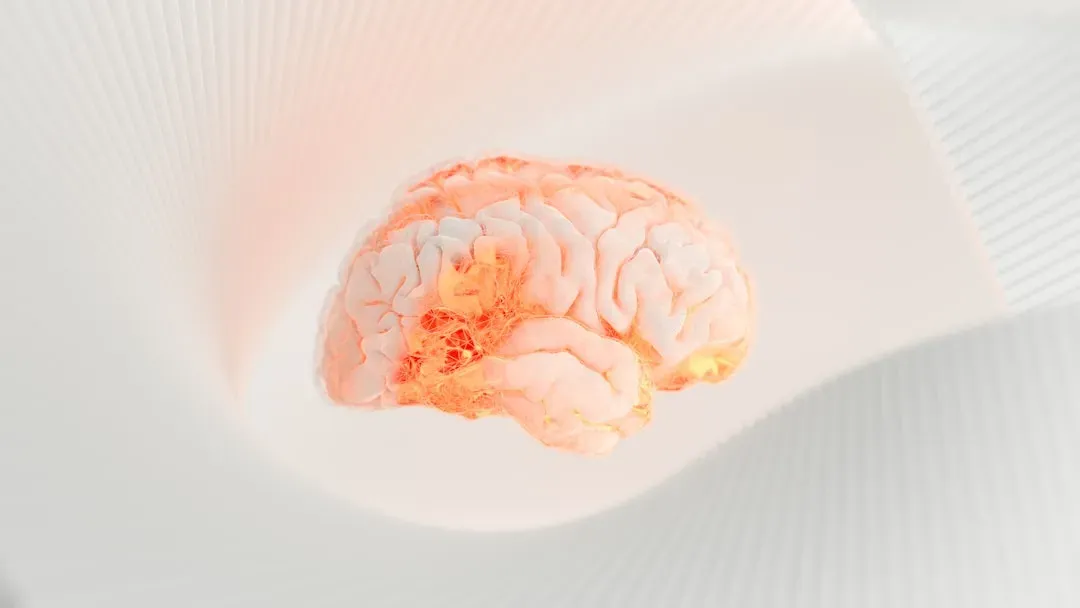
Brain studies have no definitive findings about the precise localization of happiness, but certain areas have been identified as emotion control centers: the prefrontal cortex, amygdala, hippocampus, anterior cingulate cortex, and insular cortex. These regions don’t work independently – they form interconnected circuits that process and generate your emotional experience in real time.
Research has particularly focused on the prefrontal cortex which, unlike most other brain regions involved in emotion processing, shows asymmetric activation in relation to positive and negative emotions. Researchers have reported large individual differences in baseline levels of asymmetric activation in the prefrontal cortex, related to a person’s typical emotional style – individuals with a positive emotional style show higher levels of left than right prefrontal activation at rest.
Genetics, Set Points, and the Happiness Baseline
Your happiness varies from person to person because of a combination of genetics, brain wiring, personality, relationships, income, cultural context, and daily habits. Twin studies estimate that genetics alone account for roughly 35 to 50 percent of the variation in how happy people feel – but that leaves a large portion shaped by circumstances and, importantly, by choices within your control.
Your brain appears to have a “set point” for happiness – a genetically influenced baseline level of well-being that you tend to return to despite life’s ups and downs. This set point, influenced by both genetic and environmental factors, contributes to your natural tendency for hedonic adaptation. This doesn’t mean happiness is locked in at birth – it means some people start with a neurological advantage, a brain that more easily generates positive emotion, while others have to work harder to reach the same place. Think of it like height: genetics give you a range, but nutrition, habits, and environment determine where you land within it.
Hedonic Adaptation: Why the Glow Always Fades
Hedonic adaptation, often referred to as the “hedonic treadmill,” is the tendency of humans to return to a relatively stable level of happiness, or their “set point” of well-being, despite experiencing major positive or negative events or life changes. The initial burst of happiness that accompanies positive life changes – like getting a promotion or buying a new car – tends to diminish over time, and you return to your baseline level of happiness.
Happiness is not an emotion you achieve – it is a neural state governed by the interaction of at least four neurochemical systems, and the brain’s default architecture systematically prevents sustained access to it after any new accomplishment. The cruelty of the mechanism is its evolutionary logic: a brain that remained in sustained reward satiation after a successful hunt would simply stop hunting. Understanding this process can actually free you from chasing the wrong things.
Mindfulness, Gratitude, and Rewiring the Brain

Meditation and mindfulness, rooted in ancient traditions, enhance mental well-being by cultivating awareness and emotional control. Research has shown that mindfulness practices can induce neuroplasticity, increase cortical thickness, reduce amygdala reactivity, and improve brain connectivity and neurotransmitter levels, leading to improved emotional regulation, cognitive function, and stress resilience.
Gratitude activates specific regions of the brain, particularly the medial prefrontal cortex, which is associated with social bonding, empathy, and emotional regulation. When you practice gratitude, your brain releases dopamine and serotonin, the “feel-good” neurotransmitters that contribute to happiness and satisfaction. The key is consistency – even small, daily acts of gratitude can cumulatively produce meaningful neural rewiring at any age, and incorporating gratitude into daily routines serves as a powerful tool to promote neuroplasticity throughout life.
Exercise, Sleep, and the Biology of Feeling Good

A single 30-minute aerobic session increases dopamine, serotonin, and endorphin levels. Over weeks of consistent exercise, the brain produces more brain-derived neurotrophic factor (BDNF), which supports neural health and promotes neurogenesis in the hippocampus. Research confirms that regular exercise is as effective as medication for mild to moderate depression, making it one of the most powerful tools for building a happier brain.
Good sleep supports emotional balance, which in turn makes it easier to exercise and connect socially. These factors do not act in isolation – they are deeply interconnected, so improving one area tends to support the others. Sleep, movement, and social connection form a kind of biological infrastructure for happiness, and neglecting any one of them tends to undermine the entire system.
Conclusion

What neuroscience keeps confirming is that happiness isn’t something that happens to you – it’s something your brain actively constructs, shaped by chemistry, structure, genetics, habits, and the quality of your relationships. You’re not simply at the mercy of your neurochemistry. The research on neuroplasticity, mindfulness, gratitude, and physical activity makes it increasingly clear that your daily choices genuinely influence how your brain is wired for well-being.
Perhaps the most practical takeaway is this: rather than chasing one-off highs or waiting for circumstances to align perfectly, the research consistently points to relationships as the single greatest predictor of happiness. Human beings are social creatures, and meaningful connections provide a deep well of joy and resilience – a finding reinforced by the longest-running study on happiness, which found that strong relationships, not money, fame, or work achievements, were the clearest predictors of well-being and longevity. The science of happiness, when you strip it down, keeps arriving at the same quiet truth: we thrive in connection, and we feel most alive when our lives carry meaning.