

Have you ever wondered why some moments just feel so effortlessly good? Why a spontaneous laugh with a friend or that first sip of morning coffee can shift your entire mood? The truth is, your brain has been running a sophisticated chemistry lab this whole time, producing a cocktail of molecules specifically designed to make you feel alive. Happiness isn’t just some abstract concept philosophers debate over. It’s chemical, it’s measurable, and honestly, it’s pretty wild when you dig into the science.
Recent findings reveal that specific brain chemicals, structures, and personal choices play a significant role in influencing our happiness. Yet here’s the thing: most people walk around with no idea that they have the power to influence these internal processes. Let’s be real, understanding what’s actually happening in your brain when you feel joy could be the difference between drifting through life and actively creating the experiences that light you up.
Dopamine: The Anticipation Architect
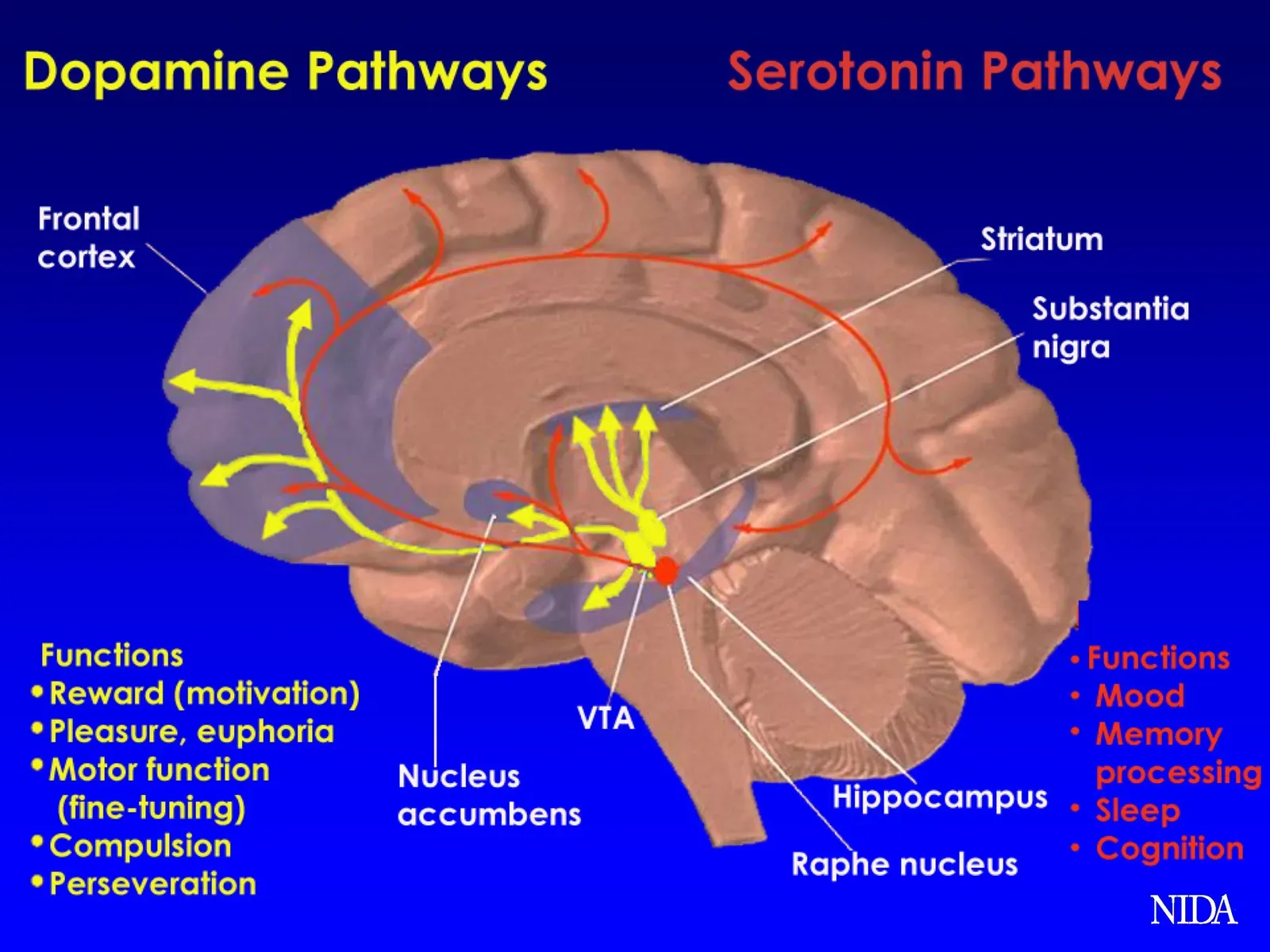
When dopamine is released in your brain, you feel a sense of temporary pleasure. Think of it as the chemical that keeps you scrolling social media or chasing that next goal. It plays a crucial role in motivation, focus, and the brain’s reward system, and is released when you anticipate or receive a reward. This makes it a key player in pretty much everything you do that requires sustained effort.
Here’s where it gets interesting. Dopamine is more involved in the anticipation of an event or feeling than in the actual feeling itself, so missing someone can give you an excited anticipation of seeing them again, which can be a stronger feeling than actually seeing the person due to the rise in dopamine levels. That’s why the buildup to a vacation sometimes feels better than the vacation itself. Your brain is basically rewarding you for pursuing things before you even get them.
Serotonin: The Mood Stabilizer
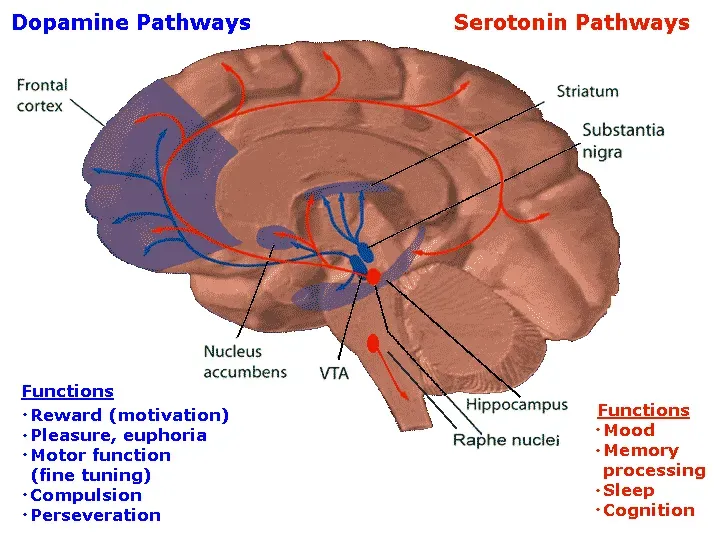
Serotonin creates a long-lasting feeling of happiness or well-being. Unlike dopamine’s quick hit of excitement, serotonin provides that deeper sense of contentment that makes you feel grounded. It helps control your happiness, memory, sleep, body temperature and hunger. Most people don’t realize that roughly the vast majority of serotonin is actually produced in your gut, not your brain. The gut-brain connection is real, which explains why digestive issues can mess with your mood.
Imbalances in serotonin levels are linked to mood disorders such as depression and anxiety. That’s why so many antidepressants target this specific chemical. Regular exercise boosts serotonin levels, and exposure to natural sunlight helps regulate serotonin production, spending time outdoors positively influences mood. It’s not just feel-good advice; it’s biochemistry in action.
Oxytocin: The Social Bonding Chemical

Sometimes called the love hormone, oxytocin does something remarkable. Unlike dopamine, which is largely responsible for instant gratification, oxytocin gives you lasting feelings of calm and safety. This is the chemical flooding your system during a long hug, an intimate conversation, or when you bond with a newborn. What’s especially great about oxytocin is that it often works two ways; those long hugs give both you and the hug-receiver a dose of oxytocin, and a kind gesture delivers it to both you and the gift-receiver.
Studies show that oxytocin helps improve social interactions and motivates you to find and develop deeper connections. Recent research even suggests that partners who express gratitude to one another produce more of this bonding chemical. The chemistry between people in relationships really is chemistry. I know it sounds crazy, but your neurological system is literally designed to make human connection feel good because evolutionarily, we needed each other to survive.
Endorphins: Nature’s Pain Relief

Endorphins are called that way because one of their main functions is to alleviate pain, and they have a very strong analgesic effect, many times stronger than that of morphine. The name itself combines “endogenous” (from within) and “morphine.” Your body produces its own natural painkiller, which is pretty incredible when you think about it. There are more than 20 types of endorphins in your body, with beta-endorphins involved in stress relief and pain management having a stronger effect than morphine.
Endorphins are released through exercise, experiencing entertainment such as music and movies, and through laughter, as laughing triggers deep muscles that don’t get much activation, giving you a small spark of endorphins. Ever notice how you feel less pain after a hard workout? That’s endorphins flooding your system. Endorphins are also involved in relieving symptoms of stress, depression and anxiety, and in enhancing feelings of love or even feelings of self-love in many cases.
The Genetic Happiness Blueprint

Not everyone starts from the same baseline when it comes to happiness. Results of studies on genetic factors indicated an average effectiveness of genetic about 35 to 50 percent on happiness. This means that nearly half of your happiness potential is already written into your DNA. Some people naturally produce more of certain neurotransmitters or have more receptors for them. It’s hard to say for sure, but this explains why some folks seem effortlessly cheerful while others have to work harder for the same emotional states.
There is now overwhelming evidence that 50 to 70 percent of individual variation in personality trait scores is related to genetic influence. Still, genetics isn’t destiny. Some individuals may be genetically predisposed to higher or lower levels of certain neurotransmitters like serotonin or dopamine, which can affect their baseline mood, but understanding genetic predispositions allows tailoring personal strategies for happiness. You can’t change your genes, obviously, but you can absolutely influence how they’re expressed through your daily choices.
How Exercise Rewires Your Happy Brain

Let’s be real: exercise might be the closest thing we have to a magic pill for happiness. Research from UCLA reports those who exercise experience a 40% decrease in poor mental health days per month compared to those who don’t. That’s a massive difference. Exercise can increase the production of all four happy hormones, and when you work out, your body produces a surge of endorphins and dopamine, which soothes any pain you feel from your workout and activates your brain’s reward center, making you feel confident and motivated.
Recent research has identified something researchers call “hope molecules.” During exercise, your muscles contract, secreting chemicals into the bloodstream, and one of these chemicals is myokines, which are small proteins that travel to the brain and act as antidepressants. Your muscles are literally talking to your brain and telling it to feel better. Exercise increases the levels of endocannabinoids in the bloodstream, which can move easily through the cellular barrier separating the bloodstream from the brain, promoting short-term psychoactive effects such as reduced anxiety and feelings of calm.
The Gratitude Brain Transformation

Here’s something that might surprise you. Gratitude practice creates physical changes in your brain within 3 weeks, showing real structural differences visible on brain scans, not just feeling better in some vague wellness way. Neuroscience has revealed that gratitude isn’t just a nice emotional practice; it literally rewires your neural pathways. When you feel grateful, neurotransmitters trigger activity in the medial prefrontal cortex, anterior cingulate cortex, ventral striatum, and insula, brain regions involved in cognitive functions like higher-order thinking, decision-making, emotional awareness, and motivation.
Gratitude affects the brain’s limbic system, including the hypothalamus, which can boost the neurotransmitter serotonin and signal the brainstem to produce dopamine, which enhances feelings of contentment and encourages repeated expressions of gratitude. This creates a positive feedback loop. The more you practice gratitude, the easier it becomes to feel grateful, which releases more dopamine, making you want to do it again. Simply expressing gratitude may have lasting effects on the brain, and this finding suggests that practicing gratitude may help train the brain to be more sensitive to the experience of gratitude down the line, contributing to improved mental health over time.
Neuroplasticity: Your Brain’s Superpower
Gratitude helps tap into one of the brain’s most remarkable features: neuroplasticity, or the ability of the brain to reorganize itself by forming new neural connections, and when you consistently focus on positive experiences and express gratitude, you strengthen the neural pathways associated with positive thinking and emotional regulation. Think of your brain like a forest. The paths you walk most often become the clearest trails. Every thought pattern you repeat creates stronger neural highways, making that pattern your default mode.
Each time you focus on gratitude, you are exercising those neural pathways, making them stronger and more dominant, and over time, this process trains your brain to more easily default to positive thoughts and emotions, reducing the hold that negativity can have on your mental patterns. This isn’t wishful thinking or new-age nonsense. It’s measurable brain science. A study in NeuroImage found that participants who kept a daily gratitude journal for three months showed increased gray matter in the prefrontal cortex, and this structural change improved emotional regulation, decision-making, and sustained positivity.
The Joy Versus Happiness Distinction

Most people use joy and happiness interchangeably, but researchers have found something fascinating. Joy is conceptually distinct from happiness, typically described as a more intense, transcendent, and deeply felt emotion, often arising spontaneously in response to meaningful experiences or connections. Happiness is generally viewed as a broader, more stable evaluative state associated with life satisfaction, while joy may emerge in unexpected moments, even amid hardship.
Neurologically, joy has been associated with integrated brain function and healthy mental states. Joy can hit you out of nowhere: a sudden burst of connection during a conversation, a moment of beauty that stops you in your tracks, or the overwhelming sense of being exactly where you need to be. Happiness, on the other hand, is more like background contentment with your life circumstances. Both matter, but they’re activating different neural systems and serving different psychological functions.
Practical Strategies to Boost Your Brain Chemistry

Let’s get practical. You don’t need expensive supplements or complicated protocols. People who sign up for joy-focused projects receive daily instructions for a five- to 10-minute micro act, defined as a short, simple activity for building joy, such as listening to a brief audio clip of different people laughing. Research showed that people reported higher emotional well-being, more positive emotions, lower stress, and even modest improvements in sleep quality and physical health after these brief practices.
Research shows even brief gratitude practices create measurable effects, with one study finding benefits from practices lasting just 60 seconds, and the absolute minimum approach is once a week, pausing for 30 seconds to think of one specific person who made your life slightly less difficult recently. Simple activities work. Spend time in sunlight. Move your body for at least 20 minutes most days. Connect with people you care about. Express appreciation regularly. These aren’t revolutionary strategies, but the science backing them absolutely is.
Understanding the chemistry of happiness fundamentally changes how you approach your emotional life. You’re not at the mercy of random mood swings or waiting for external circumstances to make you feel good. Your brain is a sophisticated chemical factory, and you have more control over its output than you might think. The molecules of joy are already inside you, waiting to be activated by choices you can make today. What will you do with that knowledge?