
Every night, as the lights go off and our muscles slacken, the brain stages a private film festival that no one else can see. These dreams can feel so vivid that we wake up sweating, laughing, or suddenly heartbroken, even though nothing has really happened. For centuries, people treated dreams as omens or secret messages, but modern neuroscience has turned them into one of biology’s strangest puzzles: why does a survival-driven organ spend hours spinning stories while the body lies still? Today, new brain imaging tools are revealing patterns and signals that turn dreamscapes into data, yet the full purpose of dreaming remains unsettled and hotly debated. What is becoming clear is that dreams are not just random late-night noise – they’re tightly woven into how we remember, feel, heal, and imagine.
The Hidden Clues Inside a Sleeping Brain
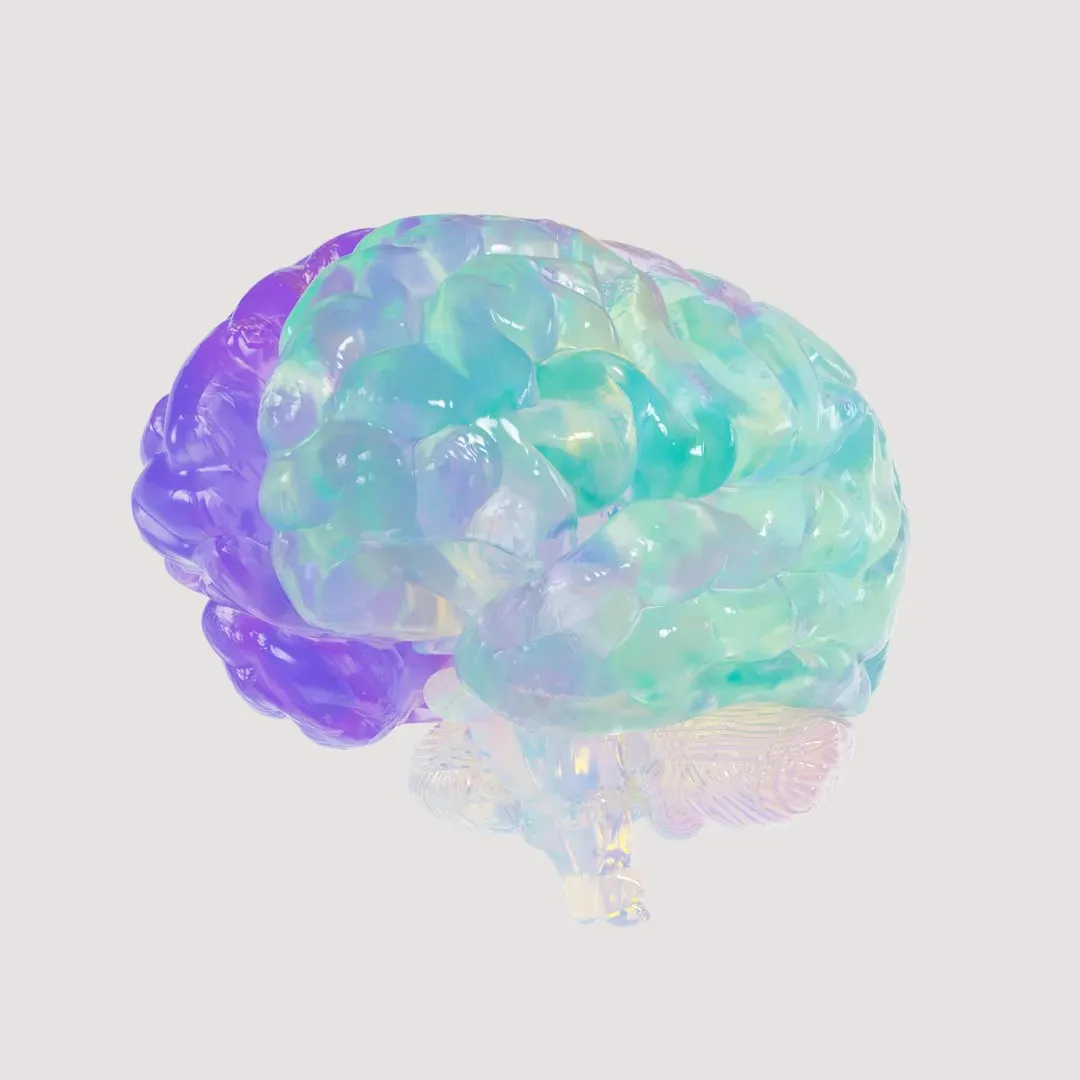
It is oddly shocking to realize that while your body is motionless in bed, your brain can be almost as active as when you are wide awake. During rapid eye movement, or REM sleep, neurons in visual and emotional centers fire in bursts, and the eyes flicker as if tracking invisible scenes. Researchers using functional MRI have watched the amygdala, a key emotion hub, light up strongly in REM, which may explain why dreams are saturated with fear, desire, and tension. At the same time, regions in the prefrontal cortex that help with logic and self-control quiet down, loosening the rules that normally keep our thoughts neat and sensible. This combination – amped-up emotion with relaxed control – is a recipe for the surreal, often intense narratives we call dreams.
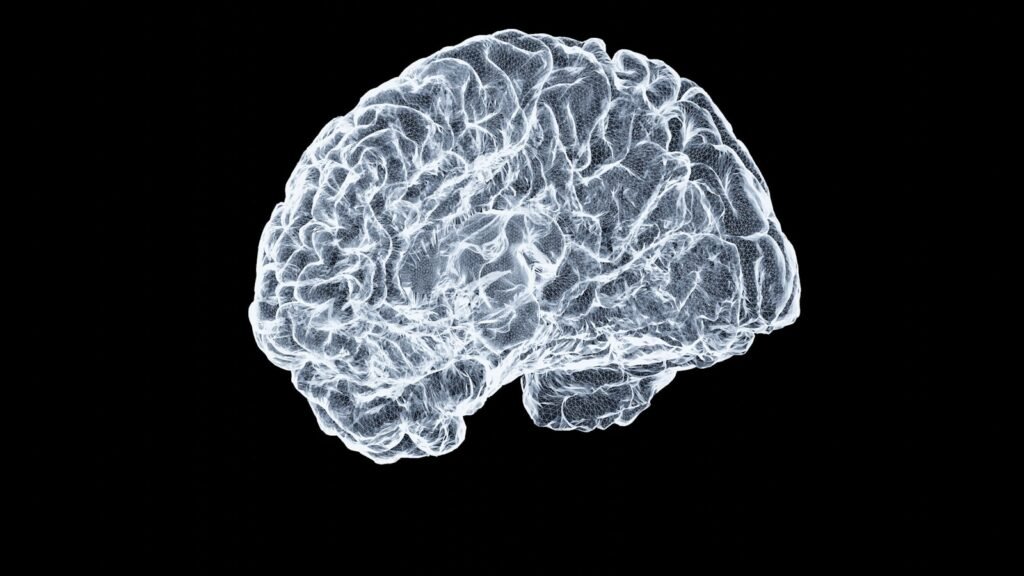
When scientists analyze brain waves through electroencephalography, they see distinctive REM signatures: low-voltage, fast activity that looks oddly similar to wakefulness. Yet the spinal cord is largely inhibited, which keeps us from acting out our dreams and potentially hurting ourselves or others. One neuroscientist once compared this state to a theater where the projector is at full blast but the doors are locked from the inside. The hidden clues in these patterns suggest that dreaming is deeply embedded in our sleep architecture, not an accidental side effect. The more we learn about these nocturnal signals, the harder it is to dismiss dreams as meaningless static.
From Ancient Dream Books to Neural Circuits
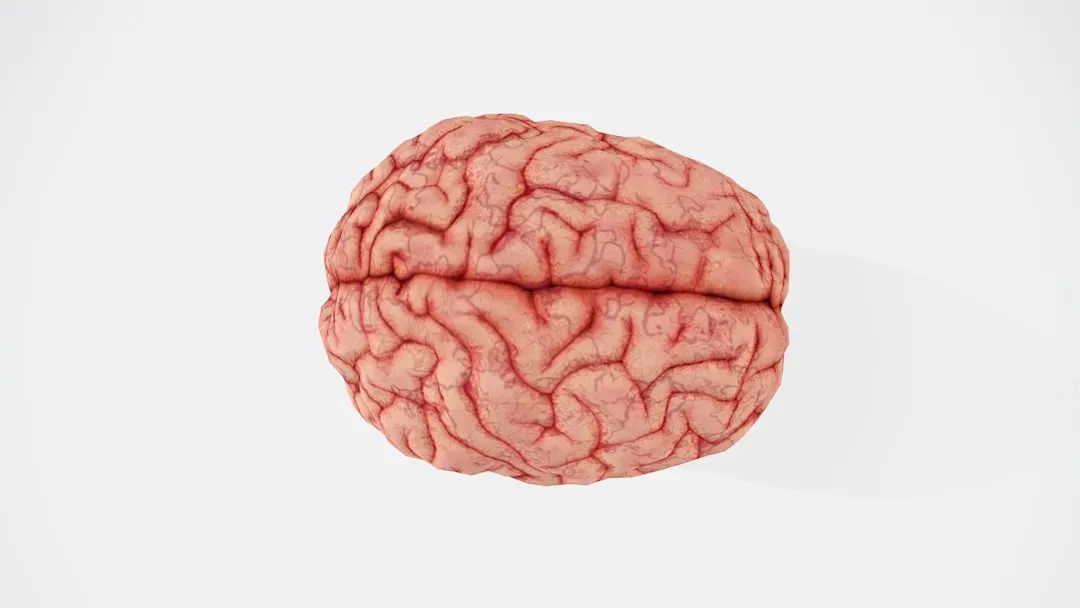
Humans have tried to decode dreams for as long as we have recorded history, but the explanations have changed dramatically. Ancient civilizations carved dream interpretations into clay tablets, seeing them as messages from gods or warnings about the future. Centuries later, psychoanalytic theories framed dreams as disguised expressions of forbidden wishes and buried conflicts, pushing them into the realm of personal symbolism. Those ideas still shape popular culture, but they run into trouble when tested against brain data and controlled studies. Many neuroscientists now argue that while dreams can be emotionally revealing, they are built from neural processes that are far less mysterious than early dream books suggested.
Modern research has shifted attention from mystical meanings to measurable mechanisms. Scientists track neurotransmitters like serotonin and norepinephrine, both of which drop during REM, while acetylcholine surges, changing how different brain networks communicate. This chemical mix alters how memories are reactivated and recombined, generating the strange mash-ups of people, places, and timelines that populate dream plots. Instead of treating a dream about falling or being chased as a direct symbol, researchers see it as a byproduct of systems juggling threat detection, memory, and emotional regulation. Our nightly adventures, in this view, are more like spontaneous rehearsals than coded prophecies.
Memory, Emotion, and Why Dreams Feel So Intense

One of the most compelling ideas in dream science is that nighttime narratives help us process what the day threw at us. During sleep, especially in REM, the brain replays fragments of recent experiences and long-term memories, but in a looser, more flexible way. People often dream about stressful events – exams, conflicts, breakups – but with odd twists, as if the mind is testing different emotional angles. Some studies have found that after a good night’s sleep, including plenty of REM, people recall information better and react less sharply to emotional triggers. It is as if the brain uses dreams to file memories while also softening their emotional impact.
The emotional power of dreams becomes painfully clear in conditions like post-traumatic stress, where people relive frightening scenes again and again at night. In these cases, the normal process of gradually cooling down emotional responses seems to stall, trapping the dreamer in a loop. Researchers are now exploring therapies that either modify dreams directly or change how the brain enters REM, hoping to restart the healthy cycle of emotional processing. On a milder level, most people have felt the lingering fog of an intense dream, good or bad, coloring their mood for hours after waking. That lingering effect is a strong hint that dreams are not just entertainment; they touch the systems that shape how we feel and behave.
Why It Matters: Dreams as a Window Into Brain Health
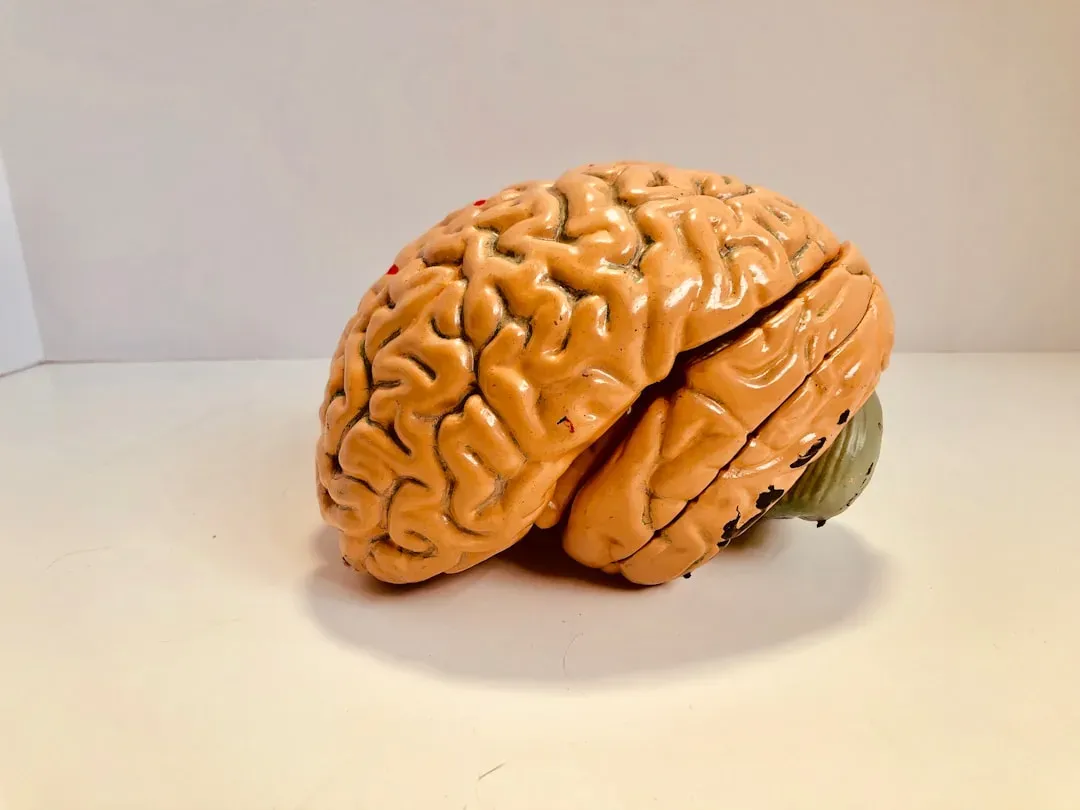
It might be tempting to shrug off dreams as strange but trivial, yet researchers increasingly see them as a sensitive gauge of brain health. Changes in dream content and sleep architecture have been linked to conditions ranging from depression and anxiety to Parkinson’s disease and dementia. In some studies, people who act out their dreams physically – a condition called REM behavior disorder – are more likely to develop neurodegenerative illnesses years later. That makes dreams a kind of early-warning signal, appearing long before other symptoms reach the clinic. Ignoring them means losing a chance to spot trouble while there is still time to intervene.
When compared with traditional medical tests that rely on blood work or imaging after symptoms appear, dream-based indicators offer a subtler, earlier snapshot of what is happening in the nervous system. They reflect how networks involved in movement, emotion, and memory coordinate when there is no external pressure or distraction. This does not mean every nightmare predicts illness, but patterns over time can reveal meaningful shifts. By tracking these patterns alongside standard measures, doctors could get a richer, more dynamic picture of a person’s mental and neurological state. In that sense, understanding dreams is not just an intellectual curiosity; it is part of a broader effort to catch and treat disease before it fully takes hold.
How Scientists Read the Stories We Cannot Record

One of the strangest challenges in dream research is that the main event happens while the subject cannot talk. Scientists have to reconstruct dreams indirectly, combining brain activity maps, eye-movement patterns, and post-awakening reports that are always a little fuzzy. Yet even with these constraints, teams using machine learning have begun predicting broad categories of dream content – like whether someone saw faces or landscapes – based on fMRI signals. These predictions are far from perfect, but they prove that dreams leave consistent footprints in the brain. The idea that we might one day decode complex dream scenes sounds like science fiction, but the early prototypes already exist in lab form.
To anchor their interpretations, researchers mix quantitative and qualitative approaches. They collect hundreds of dream reports, group them by themes like fear, joy, or social interaction, and look for matching patterns in brain regions that handle those emotions. At the same time, they compare dreaming states with waking imagination, asking volunteers to picture scenes while in scanners and matching the signatures. This comparative method helps separate what is unique to dreaming from what is shared with ordinary daydreaming or planning. The tools are crude compared with the richness of our inner lives, but they are getting sharper every year.
The Strange Logic of Nightly Adventures

If you have ever dreamt that your childhood home was inexplicably floating above your current workplace, you have experienced the brain’s knack for remixing space and time. Dream logic often mangles continuity: people morph into others, locations fuse, and impossible events unfold without anyone in the dream questioning them. Scientists suspect this stems from the reduced activity in frontal regions that enforce rules and reality checks. With those supervisors dialed down, the networks that store visual images, emotions, and autobiographical memories can combine more freely. The result is a mental sandbox where improbable scenarios run without penalty.
Some researchers see real value in this loosened logic. It may allow the brain to explore solutions or emotional perspectives that rigid daytime thinking would reject too quickly. Creative people sometimes report that dreams gave them novel ideas or fresh angles on stubborn problems, and controlled studies have found that sleep can boost performance on tasks requiring insight or pattern recognition. While that does not mean dreams are magical creativity engines, it suggests they help mind-wandering reach corners that waking focus rarely touches. In a way, our nightly adventures are like experimental theater: messy, inconsistent, but occasionally brilliant.
The Future Landscape: Dream Tech, Ethics, and Big Questions

The frontier of dream science is moving quickly, and it is bringing some unsettling possibilities into view. Researchers are testing ways to gently influence dreams with sounds, smells, or light pulses delivered during sleep, aiming to steer nightmares toward safer endings or reinforce specific memories. Experimental devices already use simple biofeedback to help people recognize when they are dreaming, a state known as lucid dreaming, where some dreamers can change the storyline from the inside. At the same time, advancing brain-decoding techniques raise the prospect of more detailed dream readouts, which could be used to track mental health but also risk invading one of our last truly private spaces. The idea of a “dream recorder” is still far from reality, yet serious discussions about consent and privacy are starting now, not later.
On a global scale, these technologies could reshape how we study and treat disorders that affect millions. Better tools for tracking dream patterns might allow large, long-term studies across diverse populations, revealing how culture, trauma, and environment shape our nighttime minds. There are also technical and ethical hurdles: sleep labs are expensive, wearable sensors vary in accuracy, and not all communities have equal access to mental health care that might use dream data ethically. If dream tech becomes another resource available mainly to the wealthy, it could widen existing gaps in diagnosis and treatment. The future of dream science will depend not just on clever algorithms, but on careful choices about how and for whom they are deployed.
How You Can Work With Your Own Dreams

Even without lab equipment or futuristic gadgets, ordinary people can treat their dreams as a window into how their brains are handling life. One simple step is to keep a notebook or app by the bed and jot down whatever you remember right after waking, before the images evaporate. Over days or weeks, patterns may emerge: recurring themes, familiar emotions, or frequent settings that reflect what is occupying your mind. Some people notice that when they are under heavy stress, their dreams become more chaotic or frightening, and then gradually calm as the pressure eases. Paying attention to those shifts can be a gentle nudge to slow down, seek support, or talk to a professional if things feel overwhelming.
You can also turn dreams into raw material for creativity or problem-solving. Sketching a vivid scene, turning a fragment into a short story, or simply reflecting on why a particular moment felt so intense can make those strange narratives feel less random. A few practical ways to engage include:
- Keeping a brief dream journal most mornings and re-reading it at the end of the week.
- Noting your emotional state before bed to see how it tracks with dream tone.
- Improving basic sleep habits – regular schedules, less late-night screen time – to support healthier REM cycles.
- Discussing persistent, distressing dreams with a doctor or therapist rather than ignoring them.
None of this turns you into your own neurologist, but it does turn the nightly noise into a meaningful, personal data stream.
Suhail Ahmed is a passionate digital professional and nature enthusiast with over 8 years of experience in content strategy, SEO, web development, and digital operations. Alongside his freelance journey, Suhail actively contributes to nature and wildlife platforms like Discover Wildlife, where he channels his curiosity for the planet into engaging, educational storytelling.
With a strong background in managing digital ecosystems — from ecommerce stores and WordPress websites to social media and automation — Suhail merges technical precision with creative insight. His content reflects a rare balance: SEO-friendly yet deeply human, data-informed yet emotionally resonant.
Driven by a love for discovery and storytelling, Suhail believes in using digital platforms to amplify causes that matter — especially those protecting Earth’s biodiversity and inspiring sustainable living. Whether he’s managing online projects or crafting wildlife content, his goal remains the same: to inform, inspire, and leave a positive digital footprint.