
There’s something a little eerie about waking up from a dream that felt more real than yesterday’s meeting, only to watch it dissolve in seconds. Every night, your brain turns the quiet darkness behind your eyelids into a wild private cinema, full of impossible plots and familiar faces that don’t quite behave like they should. It feels deeply personal and emotional, yet behind the scenes, it’s driven by some surprisingly structured brain processes.
For a long time, dreams were treated like mystical messages or strange mental noise. Now, with modern brain imaging and sleep research, scientists can actually watch the dreaming brain at work in real time. The more we learn, the more it looks like dreaming is not some pointless side effect, but a powerful way the brain rehearses, rewires, and makes sense of our lives – even when the storyline feels completely unhinged.
The Sleeping Brain: What Really Happens When We Dream

It’s tempting to think of sleep as your brain “turning off,” but that couldn’t be more wrong. During certain stages of sleep, especially rapid eye movement (REM) sleep, your brain is almost as active as when you’re awake, just in a different pattern. Neurons fire in intense bursts, sensory areas light up, and the eyes dart back and forth under closed lids as if tracking invisible scenes on a screen.
REM sleep usually appears in cycles, getting longer and richer as the night goes on, which is why dreams later in the night tend to feel more detailed and bizarre. Outside REM, in deep non-REM sleep, we also dream, but those dreams are often more muted and thought-like, less like vivid movies. Researchers think this cycling between deep, slow-wave sleep and REM creates a kind of rhythm where the brain alternates between storing information and creatively reworking it.
Why Dreams Feel So Real (Even When They Make No Sense)

One of the strangest parts of dreaming is that while it’s happening, you usually accept even the most absurd situations as completely normal. That’s partly because the prefrontal cortex – the part of your brain responsible for rational thinking, self-reflection, and decision-making – tends to be less active during REM sleep. With your inner fact-checker dialed down, the brain is free to spin wild scenarios without you constantly questioning them.
At the same time, regions linked to emotions and visual processing become highly active, giving dreams their rich imagery and intense feelings. It’s like the logical editor has left the building, and the director and special effects team are running the show alone. That imbalance is a big reason dreams can feel emotionally overwhelming and yet totally coherent while you’re inside them, and only fall apart under the harsh light of morning logic.
Memory, Emotions, and the Brain’s Nightly “Editing Room”
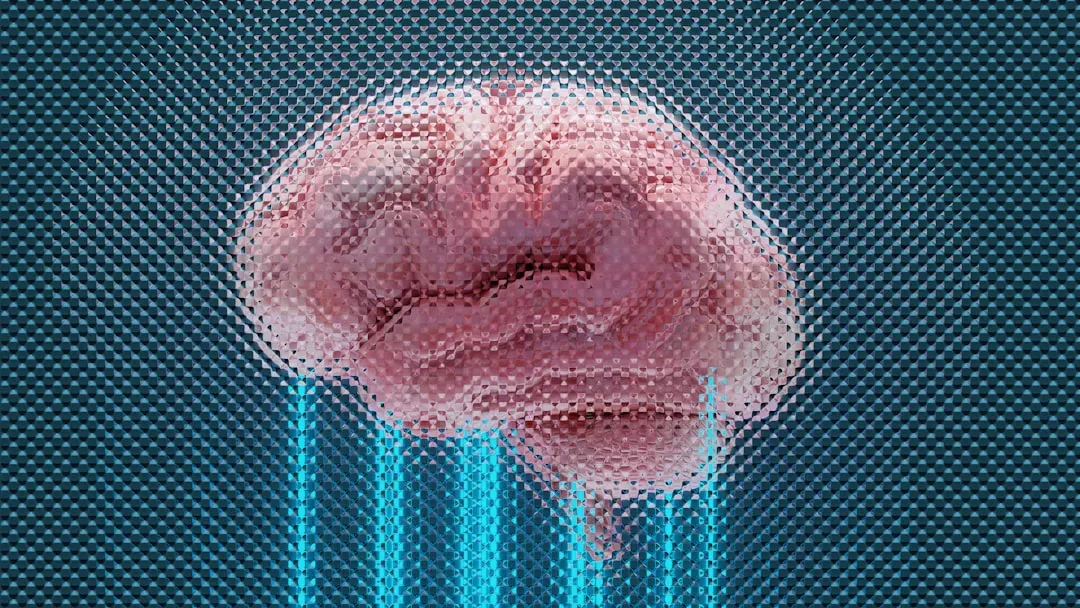
One of the most compelling ideas about why we dream is that the brain uses sleep to sort through the day’s experiences, like a movie editor combing through raw footage. During sleep, especially in REM, the brain replays patterns of activity linked to recent events, weaving them together with older memories. This replay seems to help stabilize important memories, while also stripping away some of the sharp emotional sting attached to them.
Emotional centers in the brain, like the amygdala, are very active during dreams, which helps explain why we often dream about stress, fear, desire, and unresolved conflicts. Some researchers think this nightly emotional reprocessing lets us practice facing difficult situations in a safe simulation. It’s as if your brain is testing out ways to handle fear or grief in a place where nothing can actually hurt you, even if it feels terrifying in the moment.
How the Brain Builds Dream Worlds From Fragments

Dreams rarely play out as clean, linear stories; they jump around, remix people and places, and break every rule of time and space. Under the hood, your brain is pulling from a massive library of sensory memories, emotional traces, and random associations. Visual areas reconstruct scenes, auditory regions supply voices and sounds, and networks that handle spatial navigation try to stitch together environments that feel navigable, even when they’re utterly impossible.
Instead of writing a script from scratch, the brain seems to improvise, grabbing whatever pieces are lying around – yesterday’s argument, a childhood friend, a movie you saw years ago – and making them coexist in a single narrative. That patchwork quality is why you can be in your childhood home, but it somehow also doubles as your current office. The brain isn’t aiming for realism; it’s aiming for emotional and symbolic sense, even if the logical structure falls apart on inspection.
Nightmares, Anxiety, and the Dark Side of Dreaming

Not all dreams feel like creative therapy; some are brutal. Nightmares and recurring bad dreams can leave you waking up with your heart racing and your sheets damp with sweat. These darker dreams often involve heightened activity in fear and threat-detection circuits, reflecting real worries or trauma that your brain is still trying to process. It’s common to see themes like falling, being chased, or losing control when stress or anxiety is high in waking life.
For people living with conditions like post-traumatic stress, nightmares can replay fragments of actual events in painfully vivid loops. Some therapies now specifically target nightmares, helping people rewrite the ending of a recurring dream while awake, which can sometimes change the pattern the brain rehearses at night. It shows that the dreaming brain isn’t completely sealed off; how we deal with emotions during the day can shape whether night feels like a rehearsal space or a haunted house.
Lucid Dreaming: When You Wake Up Inside the Dream

Every so often, something unusual happens: you realize you’re dreaming while you’re still in the dream. That moment of awareness is called lucid dreaming, and it sits at the edge between sleep and waking. Brain scans suggest that during lucid dreams, parts of the prefrontal cortex flicker back online, bringing in a dose of self-awareness and critical thinking without fully waking you up. It’s like your inner editor peeks in and says, “Wait, this isn’t real,” but decides to stick around for the show.
Some people train themselves to become lucid more often, using techniques like reality checks during the day or keeping detailed dream journals. Once lucid, a dreamer may be able to influence the environment or storyline to some degree, which is why lucid dreaming is often described as having partial control inside a custom-built world. There’s growing interest in whether this state could be used to practice skills, work through fears, or explore creativity in a space that feels vivid, yet carries no real-world risk.
What Dream Research Is Revealing – and What Still Mystifies Us

Over the past few decades, advances in sleep labs, brain imaging, and even AI-based decoding of brain activity have pushed dream science out of the realm of guesswork. Researchers can now roughly predict whether someone is in REM or non-REM sleep from their brain waves and sometimes infer broad categories of dream content, like whether someone is seeing faces or moving through spaces. We’re slowly mapping out which networks light up for different flavors of dream experience, from emotional drama to visual spectacle.
Still, big questions remain surprisingly open, like whether dreams are absolutely necessary for mental health or a by-product of other crucial sleep functions. There’s no single agreed-upon “purpose” of dreaming, and it may turn out that dreams serve several overlapping roles: emotional processing, creativity, problem-solving, and simple entertainment. The mystery is part of what keeps dreams so captivating; every night, the brain builds a story just for you, then mostly erases it by morning. How many of those lost narratives might have changed how you see yourself if you’d remembered them?
The Quiet Power of Our Nightly Narratives

The more we uncover about dreams, the more they look like a natural extension of what the brain is always doing: making meaning, testing possibilities, and reshaping memories into a story we can live with. While the plotlines might seem random on the surface, they’re built from the raw material of our fears, desires, and unfinished business. Even when we forget them by breakfast, those nightly narratives have already left their fingerprints on our emotional landscape.
In a way, your dreaming mind is the most honest storyteller you have, free from your daytime filters and social masks. You might not always like what it shows you, and it won’t always be clear, but it’s you – rearranged, exaggerated, and refracted through a very strange lens. The next time you jolt awake from a dream that leaves your heart pounding or your mind buzzing, it might be worth asking: what was my brain trying to work through while I wasn’t looking?