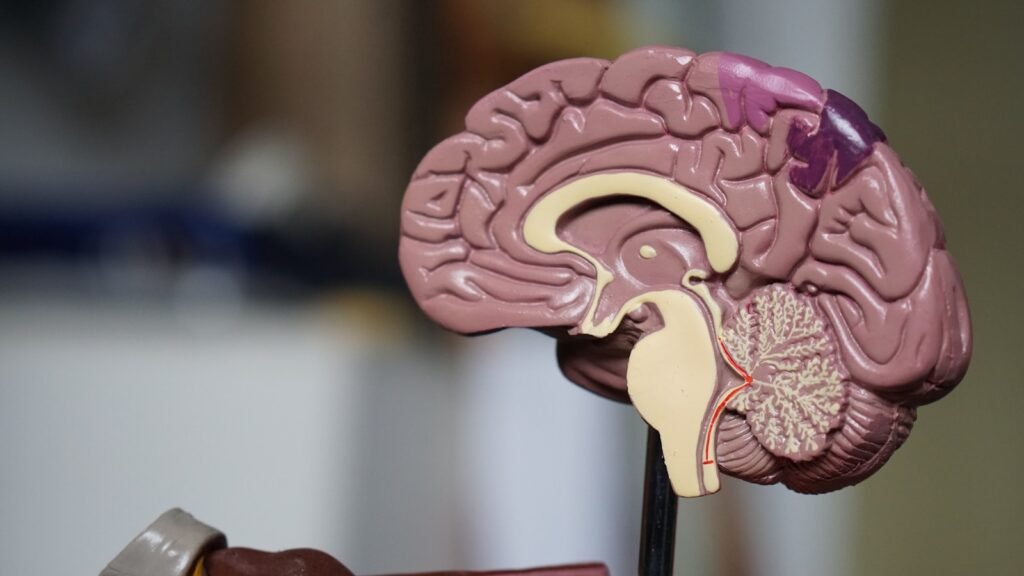

Somewhere behind your eyes, something is having a first-person experience of the world, and we still don’t really know how. Neuroscientists can now watch brain cells fire in real time, map networks with staggering detail, and even nudge brain activity with magnetic pulses – yet the raw feeling of being you remains stubbornly mysterious. At the same time, quantum physicists have uncovered a universe that behaves in ways that seem almost tailor‑made for weird notions like free will, parallel possibilities, and spooky connections across space. Now, a controversial but increasingly sophisticated idea is forcing its way back into the conversation: maybe consciousness is not just brain chemistry, but quantum physics in action. That suggestion divides experts, but it is pushing both neuroscience and physics into some of the most exciting territory they have seen in decades.
The Hidden Clues Inside Your Head
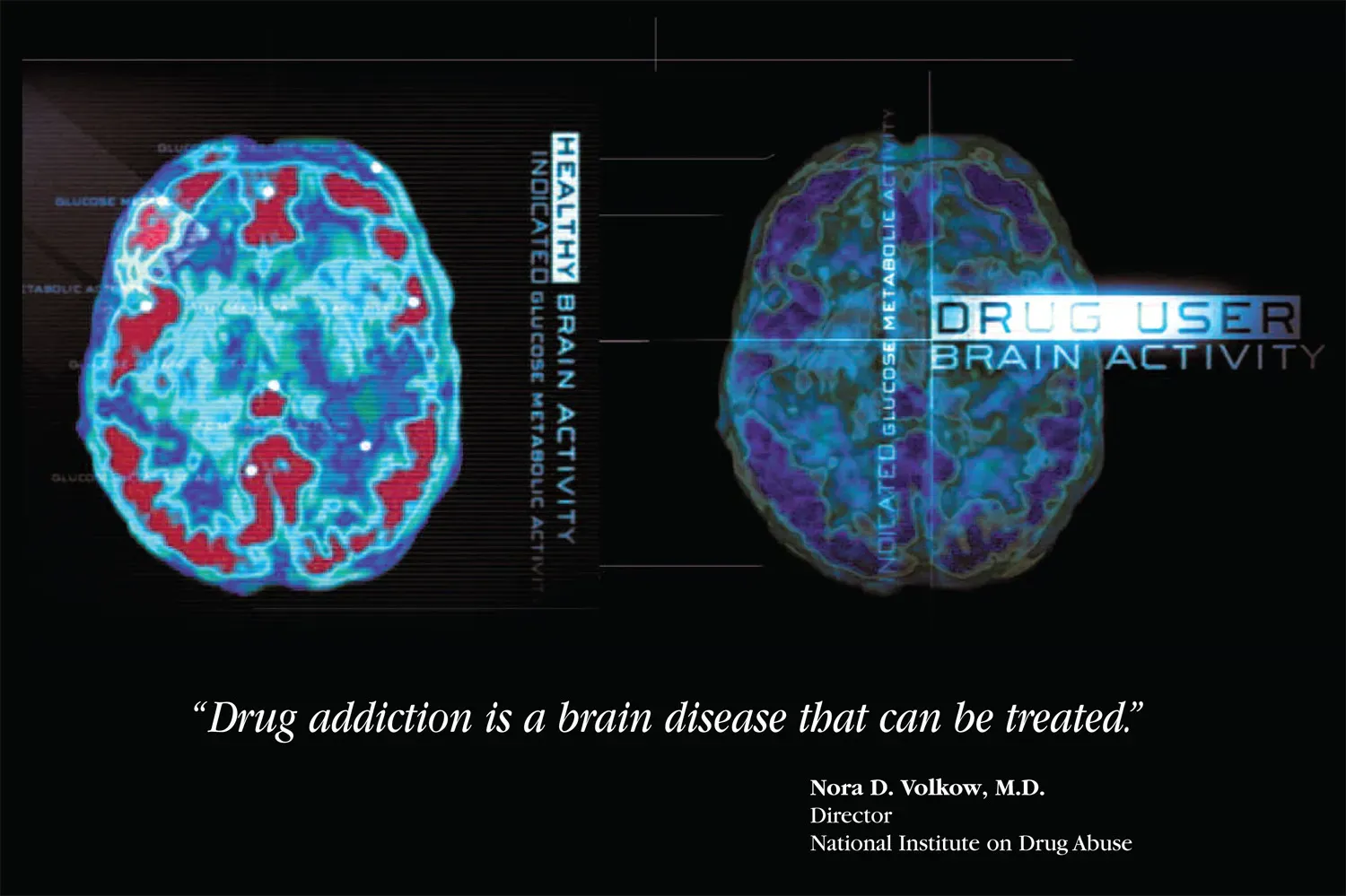
Walk into a modern neuroscience lab and you see computers humming, brain scanners glowing, and endless graphs of voltage spikes from neurons, all painting a reassuringly classical picture of the brain as a biological machine. Yet buried in that data are a few awkward facts that do not sit neatly with a simple wiring‑diagram view of the mind. For example, conscious awareness seems to arise not from isolated neurons, but from fleeting, large‑scale patterns of activity that synchronize across distant brain regions in fractions of a second. These coordinated rhythms look less like the step‑by‑step calculations of a traditional computer and more like emergent, system‑wide events. Some researchers argue that this sort of global, unified pattern hints at deeper physical processes, possibly involving collective behavior at scales smaller than individual cells.
Another odd clue lies in how robust our conscious experience is, even as the underlying brain activity looks noisy and chaotic. Billions of neurons are constantly firing, misfiring, adapting, and rewiring, yet you do not feel like a flickering mess of probabilities; you feel like a single, stable “self” moving through time. That gap between messy microscopic activity and smooth, unified experience is precisely where some physicists think quantum phenomena – like entanglement and coherence – might sneak in. They suggest that what we call consciousness could be the macroscopic shadow of delicate quantum events unfolding inside brain tissue. Many neuroscientists are skeptical, but the clues are intriguing enough that the question refuses to die.
From Classical Brains to Quantum Puzzles
For most of the twentieth century, the dominant picture of the brain was gloriously straightforward: neurons act like electrical switches, connections act like wires, and thought is just information processing in a wet, biological computer. This model has been stunningly successful at explaining a lot, from how we see edges and colors to how memory is stored and retrieved. Classic experiments in neurobiology have shown that changing connection strengths between neurons can encode learning, and that disrupting certain regions reliably alters specific abilities. On this view, consciousness is something that simply “emerges” when you have enough complexity and feedback loops. No strange physics required.
Then quantum theory barged in with a set of puzzles that seemed uncannily aligned with some of philosophy’s oldest questions about the mind. In the quantum world, particles can occupy multiple possible states at once, only “choosing” an outcome when they are measured. Systems can be entangled so that what happens to one instantly affects another, no matter how far apart they are. And the act of measurement itself plays a special role, collapsing a fuzzy cloud of possibilities into a single reality. Some scientists began to wonder whether this dance between possibilities and outcomes might be linked to the way conscious observers experience a definite world. While mainstream physics does not require minds to make measurements, the tantalizing parallels between quantum puzzles and the mystery of awareness have kept the debate alive.
The Radical Proposal: Orch OR and Beyond
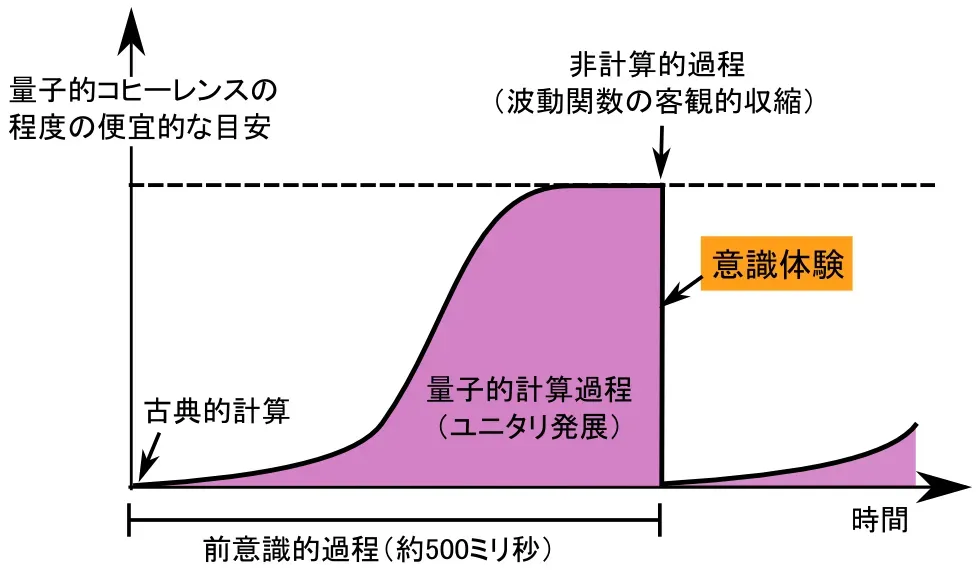
In the 1990s, physicist Roger Penrose and anesthesiologist Stuart Hameroff put forward a bold hypothesis: consciousness arises from quantum computations inside tiny structures called microtubules, which live inside neurons. Microtubules are like the internal scaffolding of cells, but they also have ordered, lattice‑like arrangements that, in theory, could support quantum effects. Penrose and Hameroff argued that quantum states in these structures could become coherent – acting as a unified whole – and then collapse in a special way they called “orchestrated objective reduction,” or Orch OR. Each collapse, in their view, corresponds to a discrete “moment” of conscious awareness, stitched together into the stream of experience we feel.
Critics countered that the brain is far too warm and messy to sustain delicate quantum states for any useful length of time, pointing to evidence from physics that quantum coherence usually requires near‑freezing temperatures and careful isolation. For a while, that seemed like a devastating blow. But in the years since, biophysicists have found signs of quantum coherence in surprisingly warm, noisy biological systems, such as in photosynthetic complexes in plants and some bacteria. That does not prove Orch OR is correct, but it has re‑opened the door to the idea that life can exploit quantum weirdness under everyday conditions. The radical proposal is no longer as easy to laugh off as it once was.
The Hidden Quantum World in Biology
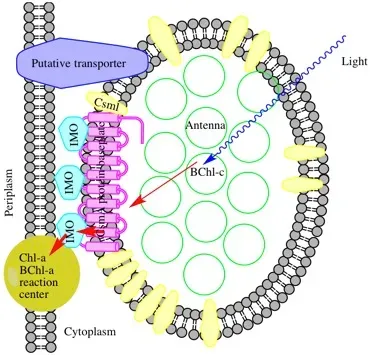
One of the most surprising revolutions of the past two decades has been the rise of “quantum biology,” a field that would have sounded almost like science fiction a generation ago. Experiments suggest that certain photosynthetic organisms use quantum coherence to guide energy efficiently through their molecular machinery, helping them harvest light with remarkable effectiveness. There is also evidence that some migratory birds may sense Earth’s magnetic field using quantum entanglement in specialized proteins in their eyes. Even enzymes, the microscopic workhorses of cells, might rely on subtle quantum tunneling effects to speed up chemical reactions. The message is clear: biology can and does use quantum tricks.
These discoveries matter for the consciousness debate because they show that quantum effects are not confined to ultracold labs and abstract theory. Nature has already engineered ways to maintain fragile quantum states inside warm, wet, living systems. That makes the idea of quantum processes in the brain less far‑fetched, at least in principle. If plants, birds, and microbes can harness quantum physics for tasks like navigation and energy transfer, it is not insane to ask whether evolution might have found a way to use similar effects for information processing in neural tissue. We do not yet have direct proof of such processes in the brain, but experiments probing microtubules, ion channels, and other nanoscale structures are starting to push toward that frontier.
How a Quantum Brain Would Think
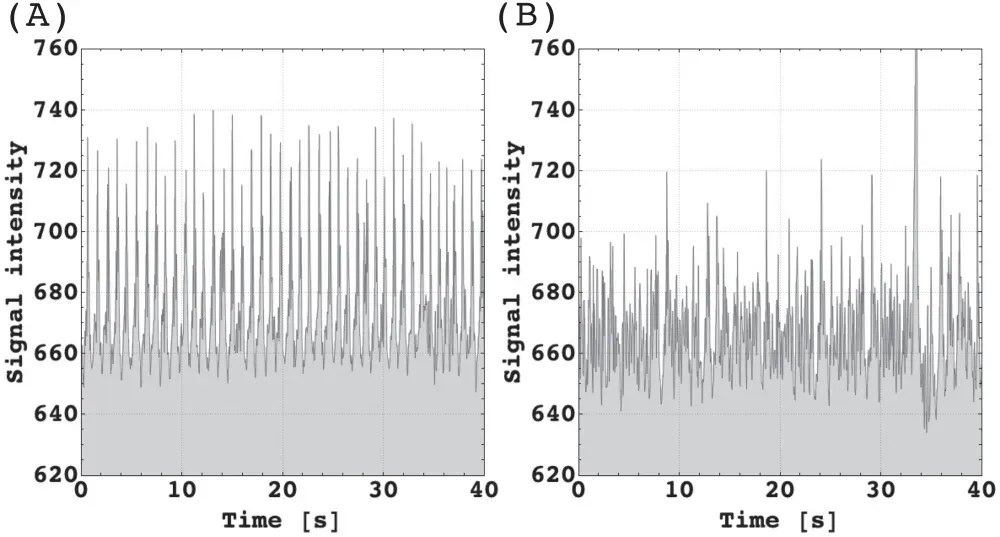
Imagine a computer that does not just flip bits between zero and one, but can hold many possible states at once, exploring countless paths simultaneously before settling on an answer. That is the promise of quantum computing, and it offers a suggestive metaphor for a quantum brain. In this view, certain neural structures would support transient quantum superpositions, allowing the brain to juggle multiple potential interpretations or choices in parallel. When those states collapse, the system “chooses” a particular pattern of neural activity – what we experience as a perception, a decision, or a sudden insight. Consciousness, then, might be the felt side of these quantum collapses playing out in the scaffolding of our neurons.
If something like this picture is right, it could help explain why human thought sometimes feels both fuzzy and precise at the same time. We can hold vague possibilities in mind, then suddenly snap to a clear conclusion, often in ways that defy simple step‑by‑step logic. It might also shed light on intuitive leaps in problem‑solving, where the answer seems to arrive all at once, as if the brain has searched through a vast space of options beneath awareness. Of course, all of this remains speculative; so far, we do not have decisive experimental evidence that the brain operates as a genuine quantum computer. Still, teams around the world are developing ultra‑sensitive probes and quantum‑inspired models to test whether any of these mechanisms leave measurable fingerprints in brain activity.
Why It Matters for Science and for You
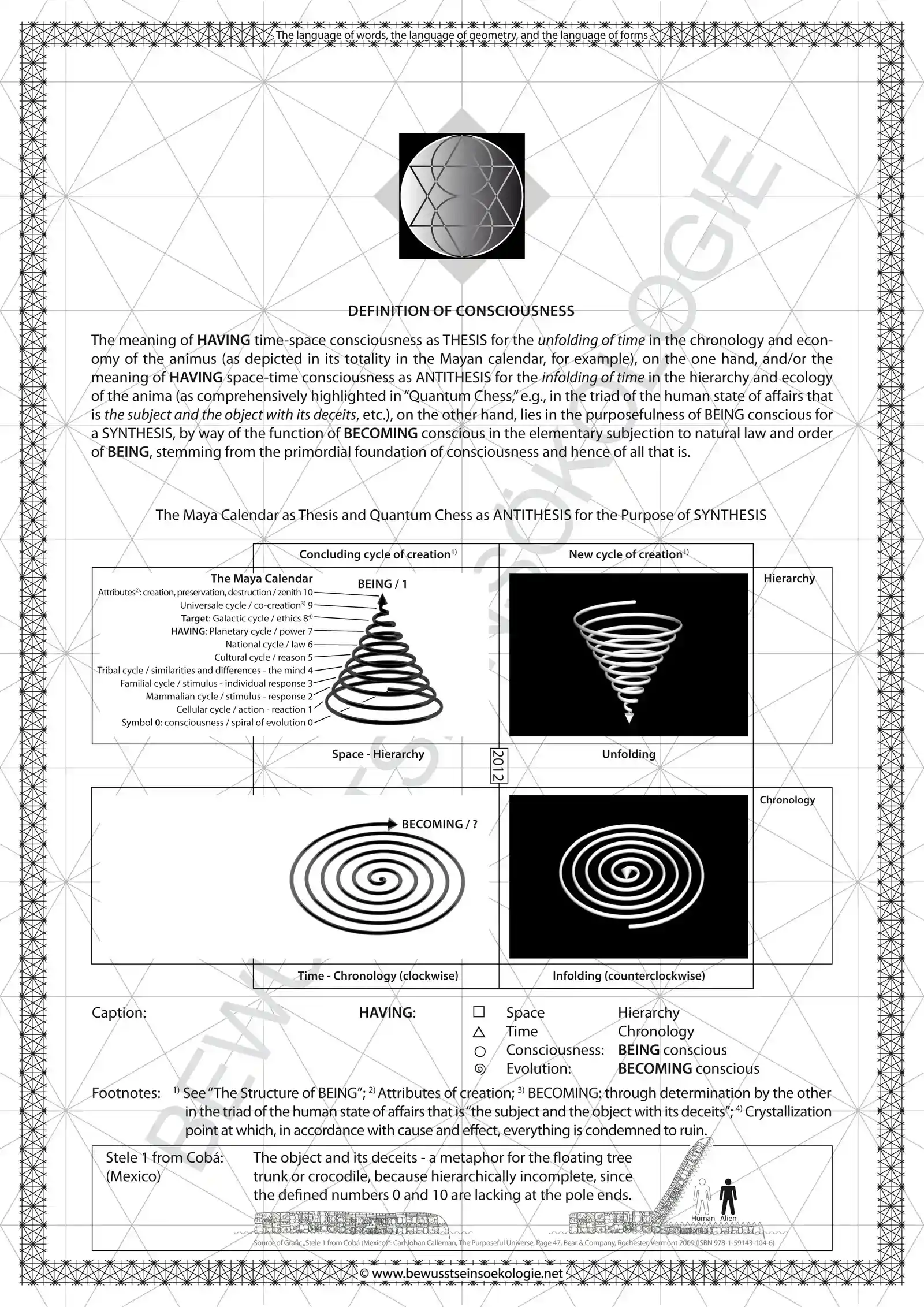
At first glance, the quantum consciousness debate might sound like an esoteric academic feud, the kind of thing best left to late‑night philosophy discussions. But what is at stake is profound: our basic picture of what it means to be a mind in a physical universe. If consciousness turns out to depend on uniquely quantum processes, then current brain models that treat neurons as simple classical units will be missing something fundamental. That would mean our go‑to explanations for perception, memory, and even mental illness are incomplete, and that some limits we assume – about intelligence, creativity, or free will – might need to be revised. For anyone who has ever wondered whether there is “more” to the mind than matter, this is not just theory; it is personal.
There are also very practical implications. A clearer understanding of how consciousness arises could change how we diagnose and treat disorders of awareness, from coma and anesthesia to conditions like depression or schizophrenia. It could reshape debates about animal consciousness and the moral status of artificial intelligence systems that mimic human behavior. If quantum effects are essential for real awareness, then building a conscious machine might require very different hardware than the chips in our laptops and phones. Conversely, if we rule out quantum mechanisms, that result will be equally important, confirming that classical physics is enough to explain the most intimate part of our existence. Either way, the outcome will help define how we see ourselves for generations.
Between Bold Hypothesis and Hard Evidence
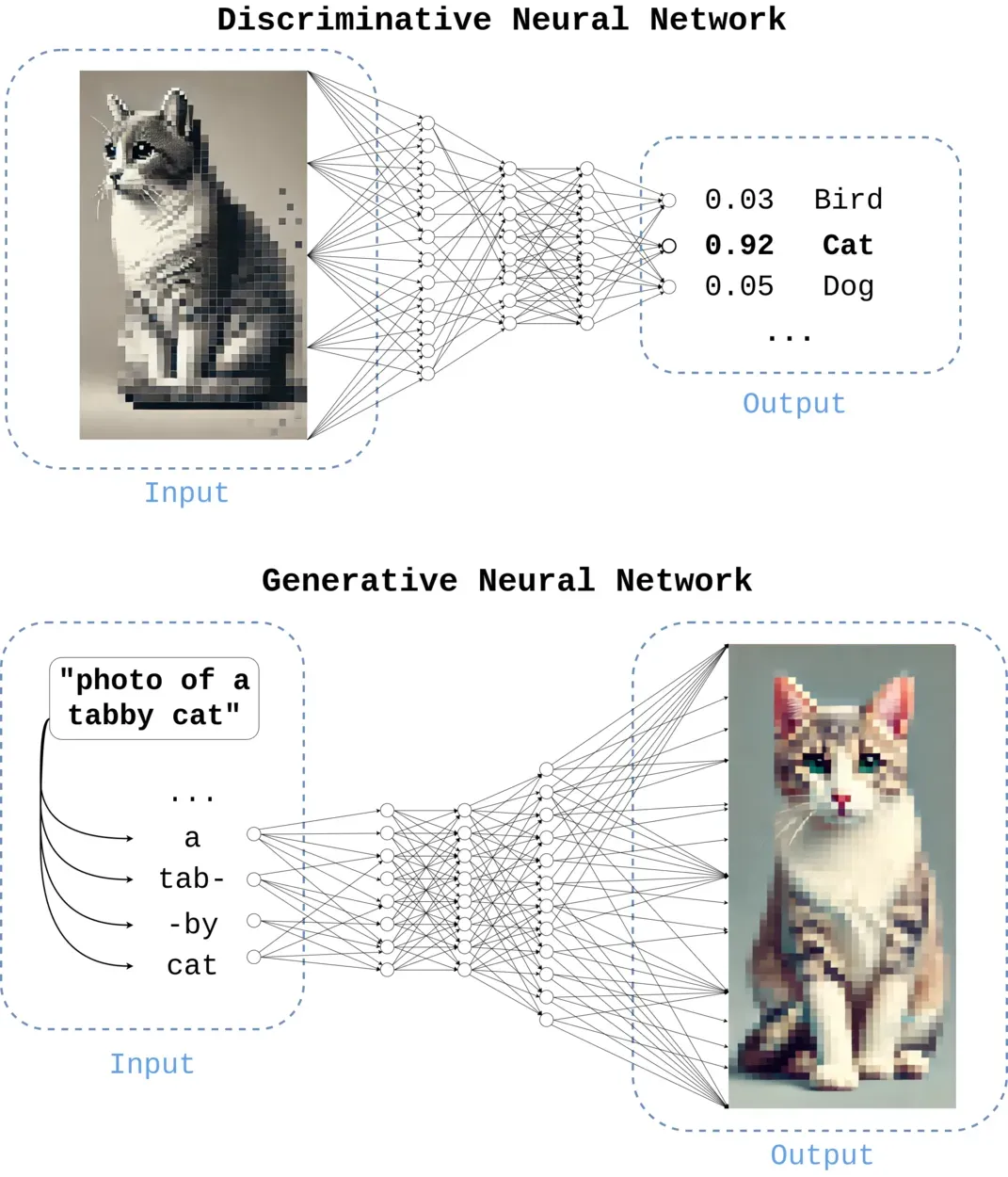
For now, the idea of the brain as a quantum computer lives in an uneasy space between possibility and proof. Many neuroscientists insist that standard, classical models have not yet been pushed to their limits, and that we should exhaust those tools before invoking exotic physics. They point to successful simulations of neural networks that reproduce aspects of perception, language, and decision‑making without any quantum ingredients. On the other side, quantum‑minded researchers argue that some problems – like the “hard problem” of why any physical process should feel like something from the inside – may never yield to classical explanations alone. The field is young enough that strong opinions often outrun the data.
What is changing is the quality of the experiments. New imaging methods can track activity in the brain down to nearly molecular scales, while advances in quantum technology let physicists measure incredibly small signals that used to be lost in the noise. That means claims about quantum processes in neural tissue can be tested more rigorously than ever before. We may soon move beyond speculative arguments and into an era where concrete measurements – of coherence times, entanglement signatures, or temperature‑dependent effects – decide which models survive. Until then, the science of consciousness continues as a rare frontier where our deepest intuitions collide head‑on with the stubborn demands of evidence.
The Future Landscape of Quantum Minds
Looking ahead, the research agenda on quantum brain theories is likely to become more experimental and less philosophical. Teams are already designing studies that cool small regions of brain tissue, alter microtubule dynamics, or introduce quantum‑sensitive probes to see whether awareness changes in ways current models cannot predict. In parallel, engineers are building quantum computers whose architectures are loosely inspired by neural networks, hoping to explore how quantum information processing might give rise to flexible, adaptive behavior. If those machines show unexpected advantages in tasks that resemble perception or intuition, they could provide indirect hints about what the brain might be doing at its deepest levels. The next decade could be a period where speculation is either decisively confirmed or quietly retired.
There are also broader societal and ethical questions looming on the horizon. If consciousness really does hinge on quantum physics, then technologies that manipulate those processes could, in principle, alter awareness itself in ways we are only beginning to imagine. That raises concerns about privacy, consent, and what it means to maintain a continuous sense of self in an age of advanced neurotechnology. At the same time, a richer understanding of consciousness could inspire new therapies, more humane treatment of other beings, and perhaps a deeper sense of connection to a universe that seems stranger and more layered than we once believed. The story of quantum minds is not just about new devices or lab results; it is about how our picture of reality might be on the verge of another seismic shift.
How You Can Engage With the Consciousness Quest
You do not need a physics degree or a brain scanner in your garage to be part of this unfolding story. One of the simplest ways to engage is to follow reputable science coverage of consciousness and quantum research, seeking out long‑form articles, lectures, and books that explain not just the hype, but the hard questions and the experimental details. Supporting public science institutions, from local universities to national research foundations, helps fund the painstaking work that turns wild ideas into tested knowledge. This kind of research often takes years, even decades, and public interest can make the difference between a stalled project and a breakthrough.
You can also bring a more reflective, curious mindset into everyday life. Paying attention to your own moments of awareness – how a decision feels as it forms, how a sudden insight arrives, how your sense of self shifts with mood and context – can make the abstract science feel more grounded and immediate. Sharing that curiosity with friends, students, or kids keeps the conversation alive and encourages the next generation of thinkers to push beyond what we currently know. Whether the brain turns out to be a quantum computer or something even stranger, the mystery of consciousness is one of the few scientific questions that touches every one of us, every waking moment. That alone makes it worth your time and attention.
Suhail Ahmed is a passionate digital professional and nature enthusiast with over 8 years of experience in content strategy, SEO, web development, and digital operations. Alongside his freelance journey, Suhail actively contributes to nature and wildlife platforms like Discover Wildlife, where he channels his curiosity for the planet into engaging, educational storytelling.
With a strong background in managing digital ecosystems — from ecommerce stores and WordPress websites to social media and automation — Suhail merges technical precision with creative insight. His content reflects a rare balance: SEO-friendly yet deeply human, data-informed yet emotionally resonant.
Driven by a love for discovery and storytelling, Suhail believes in using digital platforms to amplify causes that matter — especially those protecting Earth’s biodiversity and inspiring sustainable living. Whether he’s managing online projects or crafting wildlife content, his goal remains the same: to inform, inspire, and leave a positive digital footprint.