
The world of espionage is often shrouded in mystery, with tales of secret agents and covert operations capturing the imagination. But what if I told you that some of the most fascinating spies in history have been animals? Yes, you read that right! Animals have been used in espionage and scientific endeavors for centuries, leveraging their unique abilities and characteristics to gather intelligence and conduct research. Let’s delve into this intriguing subject and uncover the remarkable ways in which animals have played a role in the shadowy world of spies and scientific exploration.
Pigeons: The Feathered Messengers

Pigeons have long been celebrated for their remarkable homing abilities, making them perfect candidates for espionage. During World War I and II, these birds were employed as messengers, flying over enemy lines to deliver crucial information. Their natural ability to find their way home from great distances made them invaluable, and they were often fitted with small cameras to capture aerial reconnaissance photos. Even today, pigeons continue to captivate scientists as they study their navigation skills, hoping to unlock the secrets of their uncanny sense of direction.
Dolphins: The Underwater Operatives

Dolphins, known for their intelligence and agility, have been trained to assist in underwater missions. With their ability to dive deep and swim swiftly, they have been used by militaries around the world to detect underwater mines and locate lost equipment. Their echolocation skills make them perfect for navigating murky waters where human divers might struggle. These marine mammals have not only contributed to military operations but have also aided scientific research, helping scientists understand the complexities of marine environments.
Bats: The Nighttime Navigators
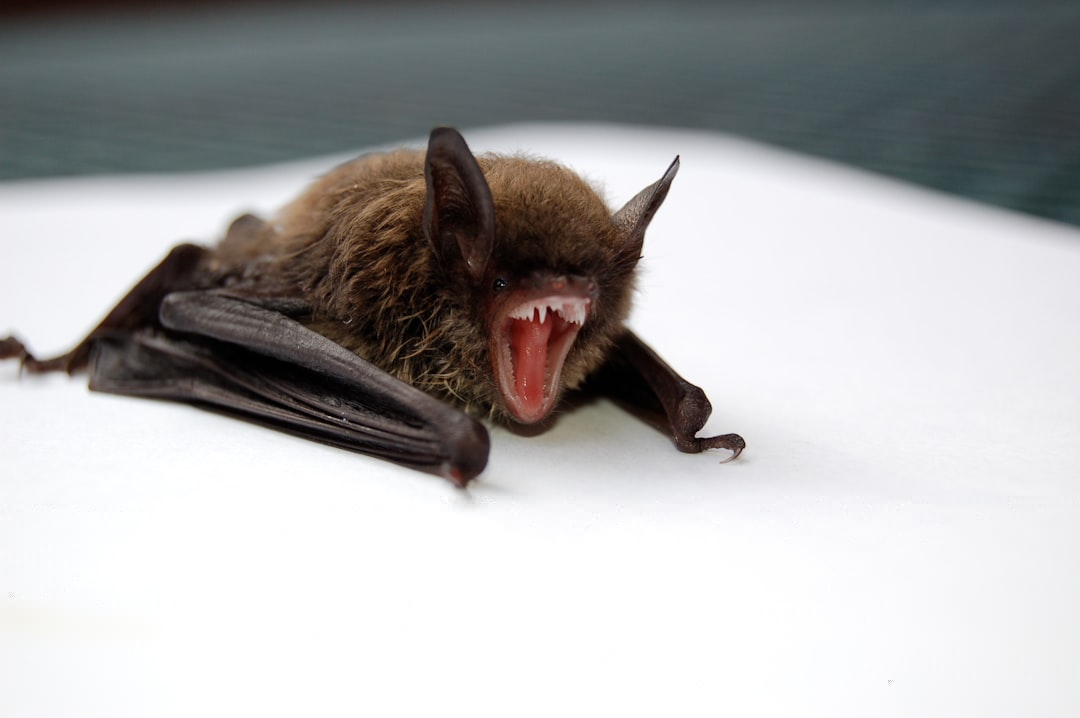
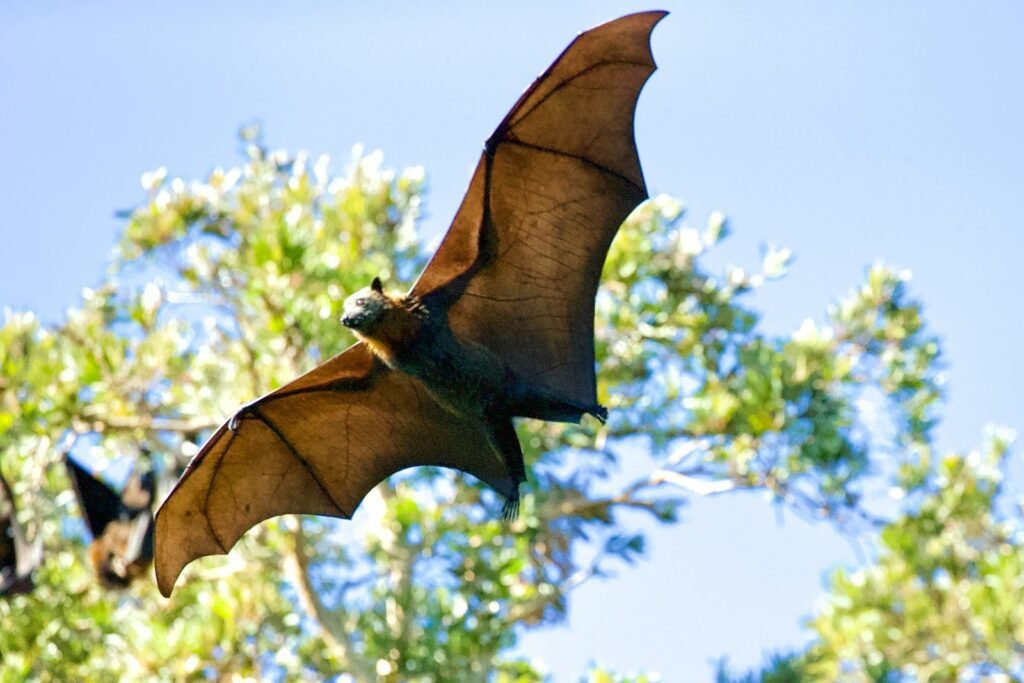
Bats have always intrigued scientists and spies alike due to their nocturnal nature and incredible echolocation abilities. During World War II, a unique project called “Bat Bombs” was developed, where bats were fitted with tiny incendiary devices to be released over enemy territories. Although the project never came to fruition, it highlighted the innovative ways in which animals were considered for espionage. Today, bats continue to be studied for their echolocation skills, providing valuable insights into sonar technology and navigation systems.
Cats: The Feline Eavesdroppers

Cats, with their enigmatic behavior and acute senses, have also been utilized in espionage efforts. In the 1960s, the CIA embarked on a project called “Acoustic Kitty,” where a cat was surgically implanted with a listening device to gather intelligence. Although the project faced numerous challenges and was eventually abandoned, it showcased the lengths to which intelligence agencies were willing to go in their pursuit of information. Cats remain fascinating creatures for scientists studying sensory perception and behavior.
Bees: The Buzzing Detectives

Bees, with their intricate social structures and keen sense of smell, have been enlisted in scientific research and espionage. Scientists have trained bees to detect explosives and drugs, leveraging their olfactory capabilities to identify specific scents. By releasing trained bees in controlled environments, researchers can monitor their movements to pinpoint the location of hidden substances. This innovative approach not only aids in security efforts but also contributes to our understanding of bee behavior and communication.
Ravens: The Cunning Collaborators

Ravens, renowned for their intelligence and problem-solving skills, have been observed engaging in complex behaviors that suggest potential for espionage. In some instances, these birds have been trained to retrieve objects or deliver messages in exchange for rewards. Their ability to mimic sounds and recognize patterns makes them intriguing subjects for scientific study. Ravens continue to captivate researchers as they explore the depths of avian intelligence and cooperation.
Elephants: The Gentle Giants
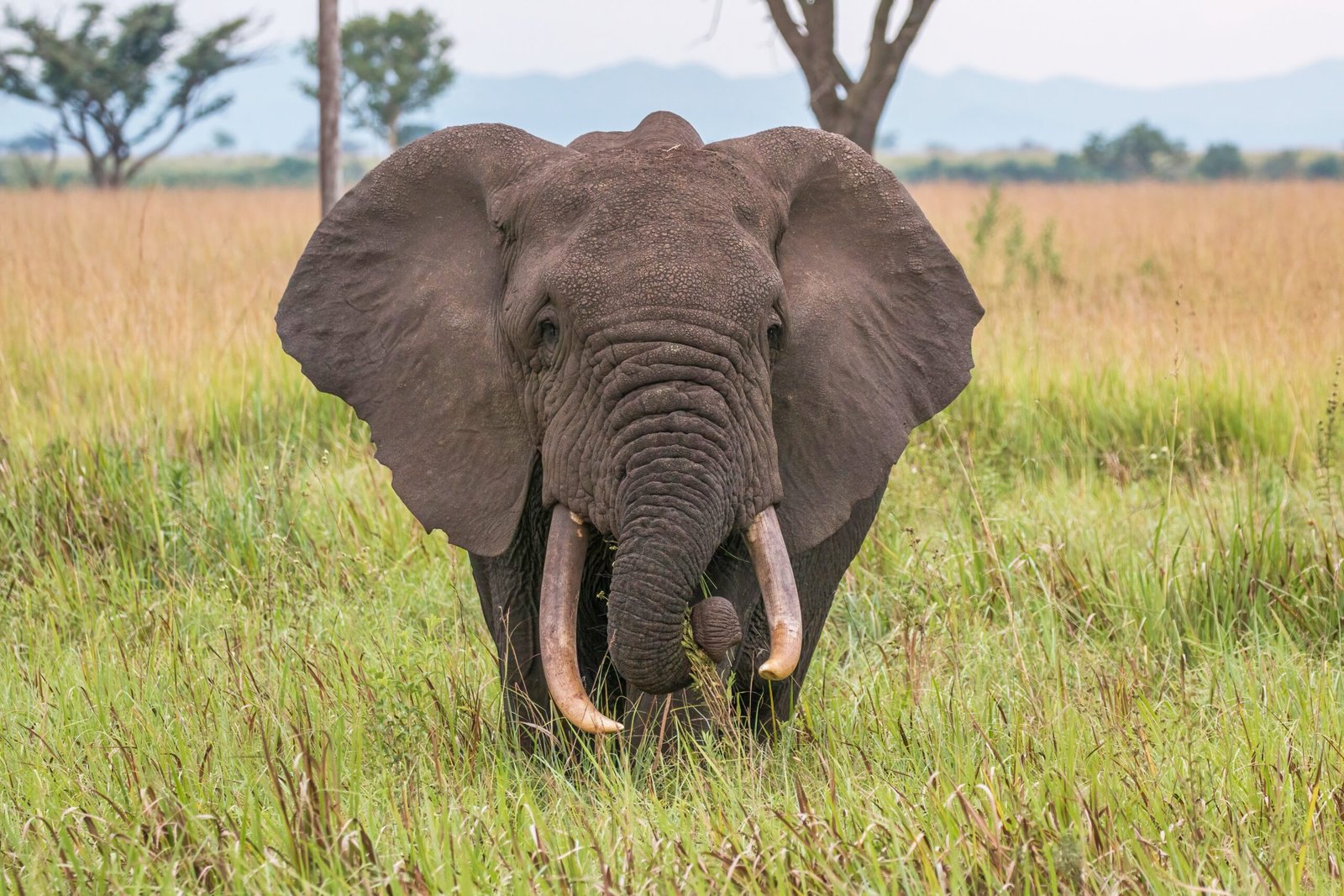
Elephants, with their immense size and strength, have been employed in various espionage and scientific endeavors. In some regions, they have been used to transport heavy equipment through challenging terrains, providing logistical support to military operations. Additionally, their acute sense of smell and hearing has been harnessed in anti-poaching efforts, helping rangers detect illegal activities in wildlife reserves. Elephants remain subjects of scientific interest, offering insights into communication, memory, and social dynamics.
Dogs: The Loyal Companions

Dogs have long been man’s best friend, but their role in espionage and science goes beyond companionship. With their keen sense of smell and trainability, dogs have been used to detect explosives, drugs, and even diseases. Their ability to locate hidden threats has been invaluable in military and security operations. Beyond their work in espionage, dogs have also contributed to medical research, helping scientists study genetic disorders and develop therapies for various conditions.
Mice: The Tiny Trailblazers
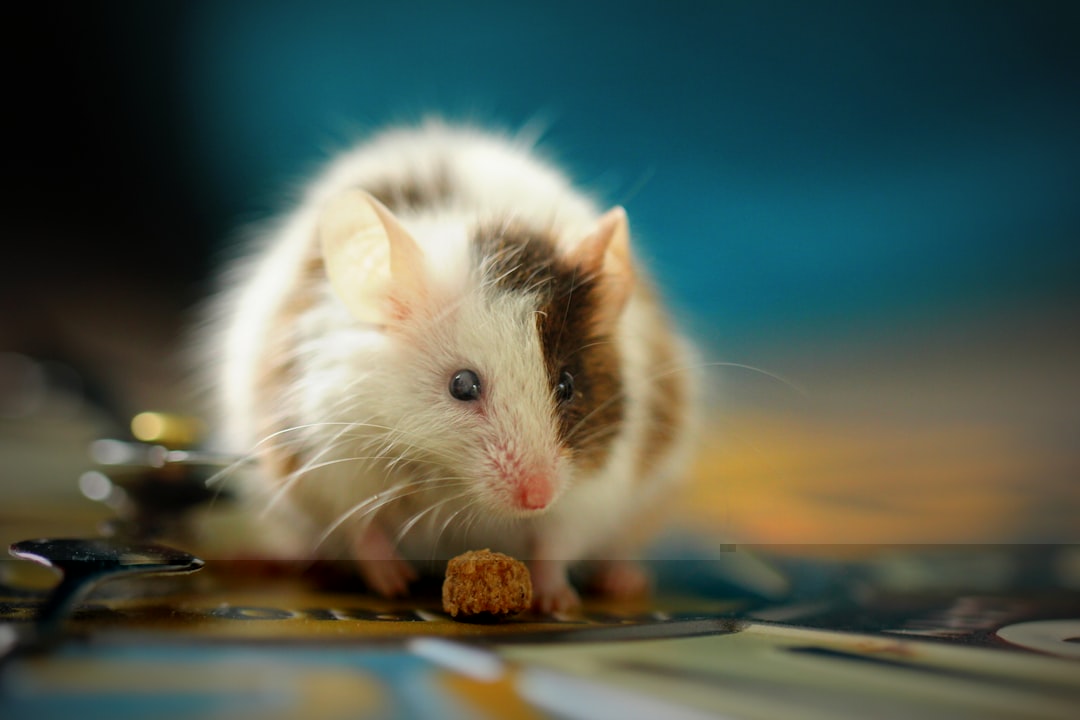
Mice, often associated with laboratory research, have also played a role in espionage. Their small size and agility allow them to navigate tight spaces and gather information discreetly. In some cases, mice have been trained to detect specific scents or signals, aiding in surveillance efforts. Their contributions to scientific research are equally significant, as they serve as model organisms for studying genetics, behavior, and disease.
Spiders: The Web Weavers

Spiders, with their intricate webs and hunting strategies, have inspired espionage techniques and scientific studies. Scientists have studied spider silk for its remarkable strength and elasticity, hoping to develop new materials for various applications. In espionage, the concept of weaving a web of deception has been metaphorically linked to the strategies employed by intelligence agencies. Spiders continue to fascinate researchers as they explore the complexities of arachnid behavior and silk production.
The world of animal spies is a testament to the ingenuity and resourcefulness of humans in their quest for knowledge and security. By harnessing the unique abilities of animals, we have gained valuable insights into both the natural world and the realm of espionage. As we continue to explore the potential of animal allies, we are reminded of the intricate connections between science, nature, and the art of intelligence gathering.