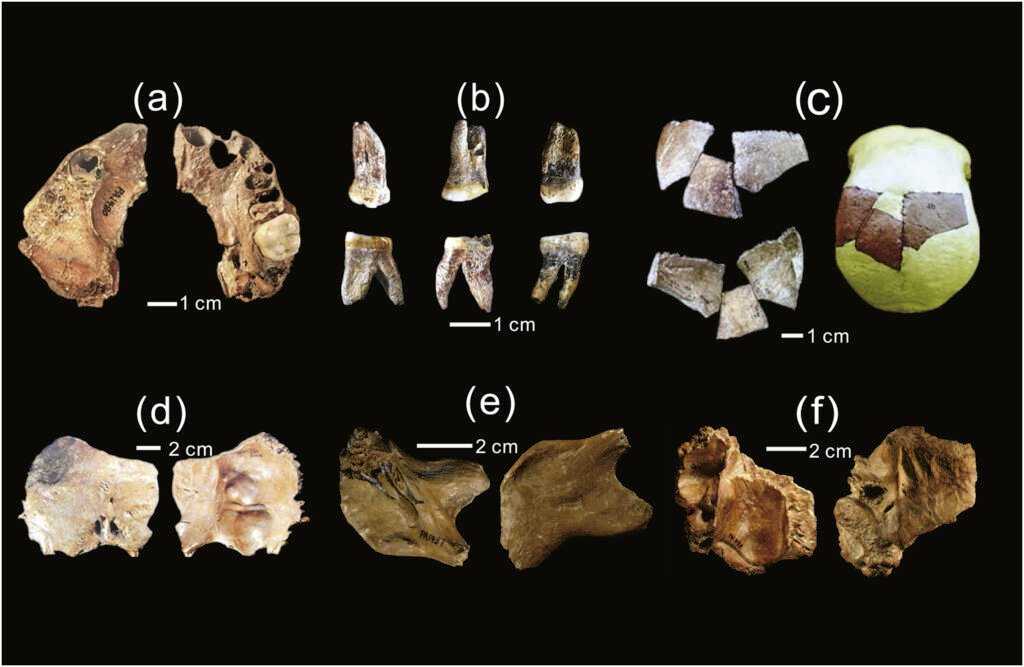

The story of humankind is etched not only in the books of history but also in the very teeth of our ancestors. These dental remains, often overlooked, serve as time capsules holding secrets about our past. Imagine a world where each tooth is a page from an ancient diary, providing insights into the lives, diets, and environments of those who lived long before us. With advances in science, researchers can now unlock these secrets, offering us glimpses into the health, habits, and even the migrations of ancient populations. As we delve into the science of ancient teeth, we uncover the profound tales they tell about our shared human journey.
The Anatomy of Ancient Teeth
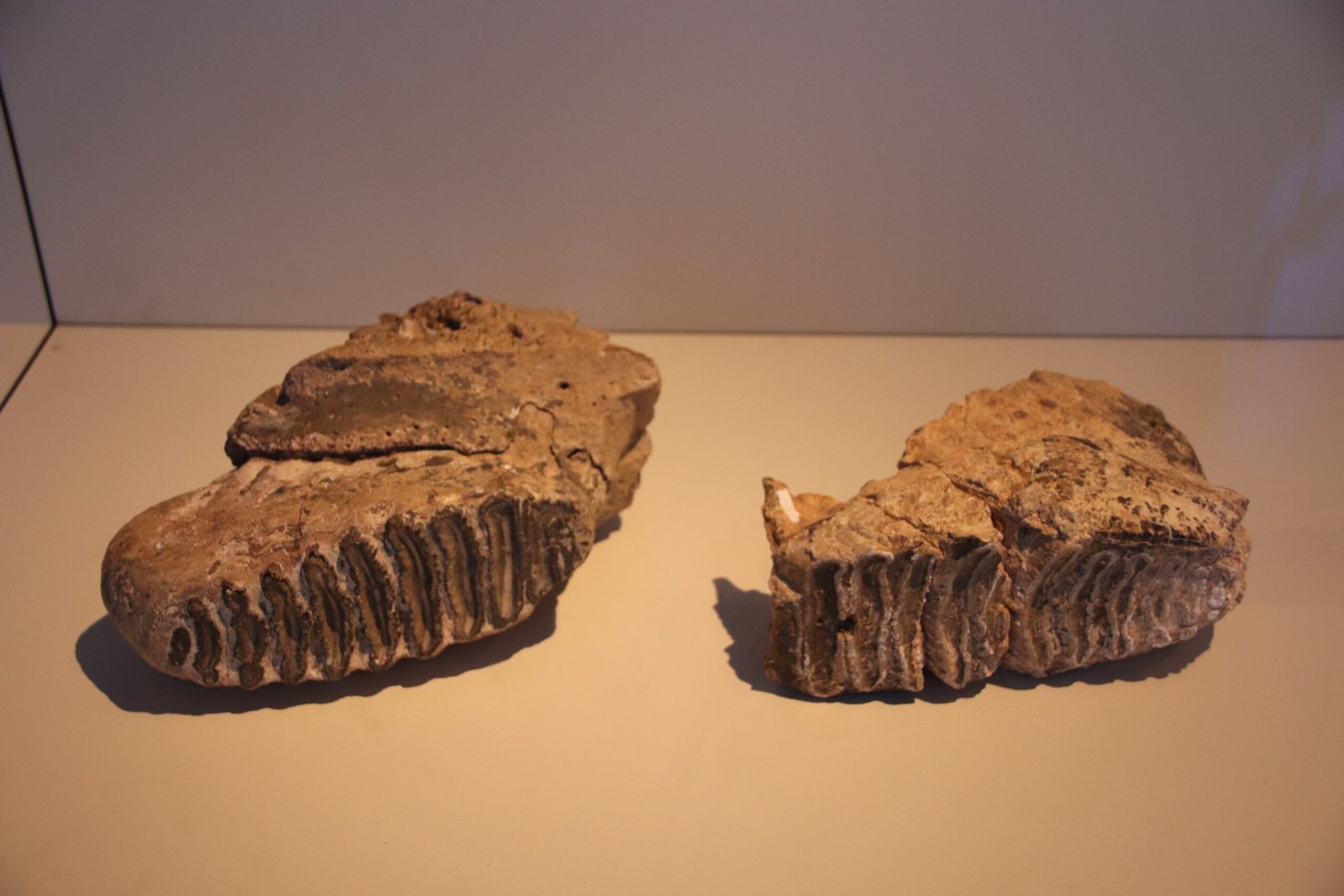
Teeth, unlike other parts of the body, are remarkably resistant to decay and degradation over time, making them prime candidates for archaeological study. Composed primarily of hard enamel, dentin, and cementum, teeth are durable and often survive long after other skeletal remains have disintegrated. This resilience makes them invaluable for scientists seeking to understand past human lives. Moreover, the various layers of a tooth can provide a chronological record of an individual’s life, much like rings in a tree trunk. Through microscopic analysis of these layers, researchers can decipher periods of stress or illness, and even shifts in diet that occurred throughout an individual’s lifetime.
Dietary Insights from Dental Analysis

One of the most fascinating revelations that ancient teeth provide is information about diet. By examining the wear patterns, cavities, and tartar buildup on teeth, researchers can infer what foods were commonly consumed. For instance, the presence of certain isotopes in dental remains can indicate a diet rich in seafood or terrestrial plants. Additionally, microscopic analysis of dental calculus, or hardened plaque, can reveal remnants of food particles, giving direct evidence of the types of plants and grains eaten. These dietary insights not only inform us about individual habits but also about the broader cultural and environmental conditions of ancient societies.
Tracing Human Migration Patterns
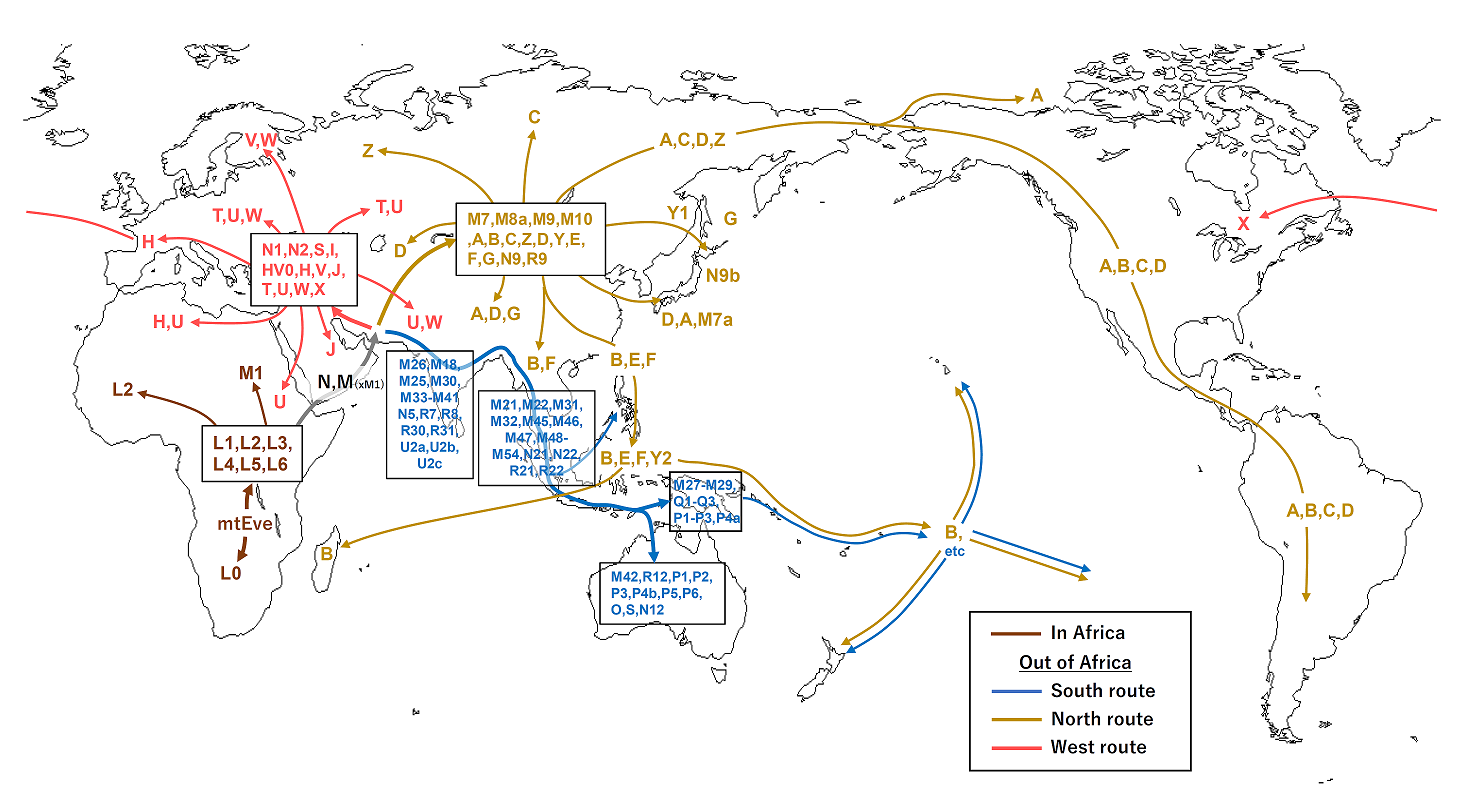
Dental remains have also become pivotal in tracing the migration and movement of ancient populations. Isotopic analysis of teeth can reveal the geographical regions where individuals spent their formative years. For example, different regions have distinct isotopic signatures based on local water sources and soil composition. By analyzing these isotopes within teeth, scientists can determine if an individual lived in one region during childhood and moved to another later in life. Such findings have been critical in mapping the migration routes of early human populations, shedding light on how ancient societies expanded and interacted across continents.
Understanding Health and Disease

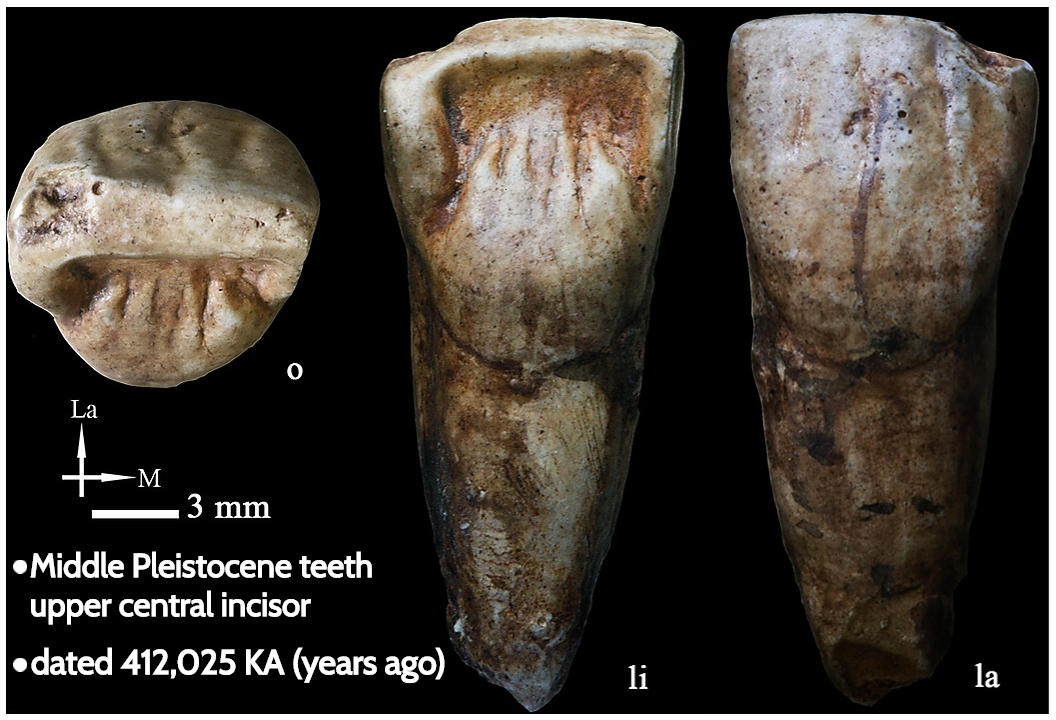
The health of ancient populations can be gauged through the study of their dental remains. Teeth can reveal signs of nutritional deficiencies, infectious diseases, and even genetic disorders. For instance, the presence of linear enamel hypoplasia, which appears as lines on teeth, indicates periods of severe nutritional stress or illness during childhood. Similarly, cavities and periodontal disease can reveal information about hygiene practices and the prevalence of certain bacteria in ancient times. By examining these markers, scientists can reconstruct the health landscapes of ancient communities, offering insights into their challenges and resilience.
Social and Cultural Practices Reflected in Teeth
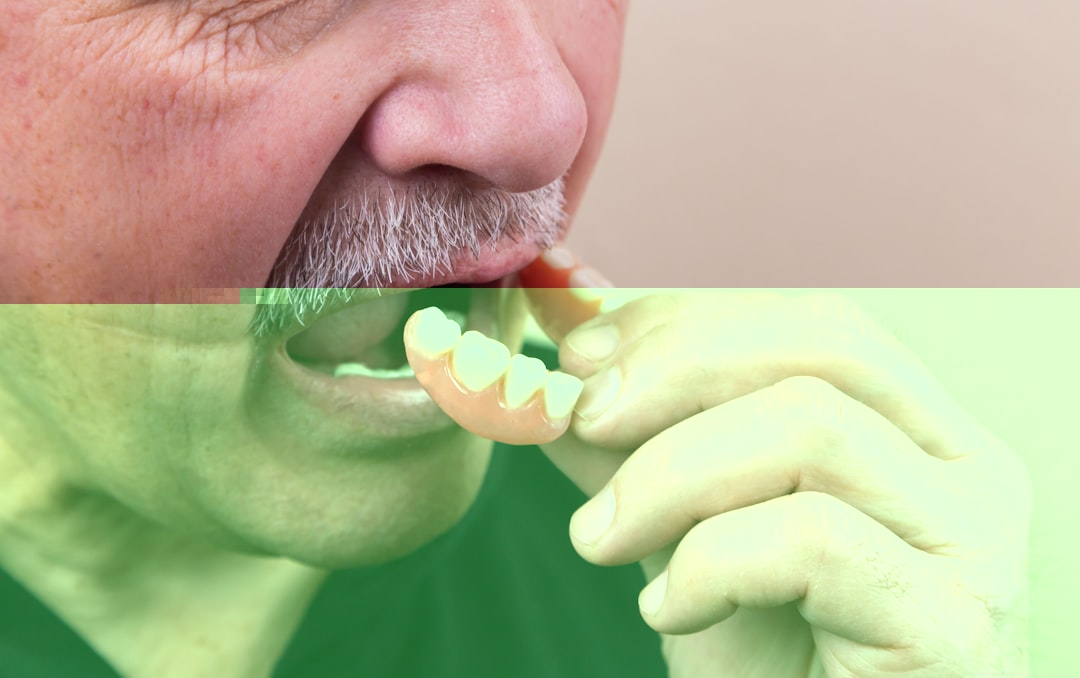
Teeth also provide a window into the social and cultural practices of ancient societies. In many cultures, dental modification was a common practice, with individuals filing, inlaying, or even extracting teeth to signify status, beauty, or tribal affiliation. Such modifications are not merely cosmetic but can indicate societal norms and values. Additionally, the wear patterns on teeth can reveal occupational habits, such as the use of teeth as tools for tasks like weaving or leatherworking. These insights into daily life and cultural practices deepen our understanding of the human experience across different epochs.
The Role of Teeth in Evolutionary Studies
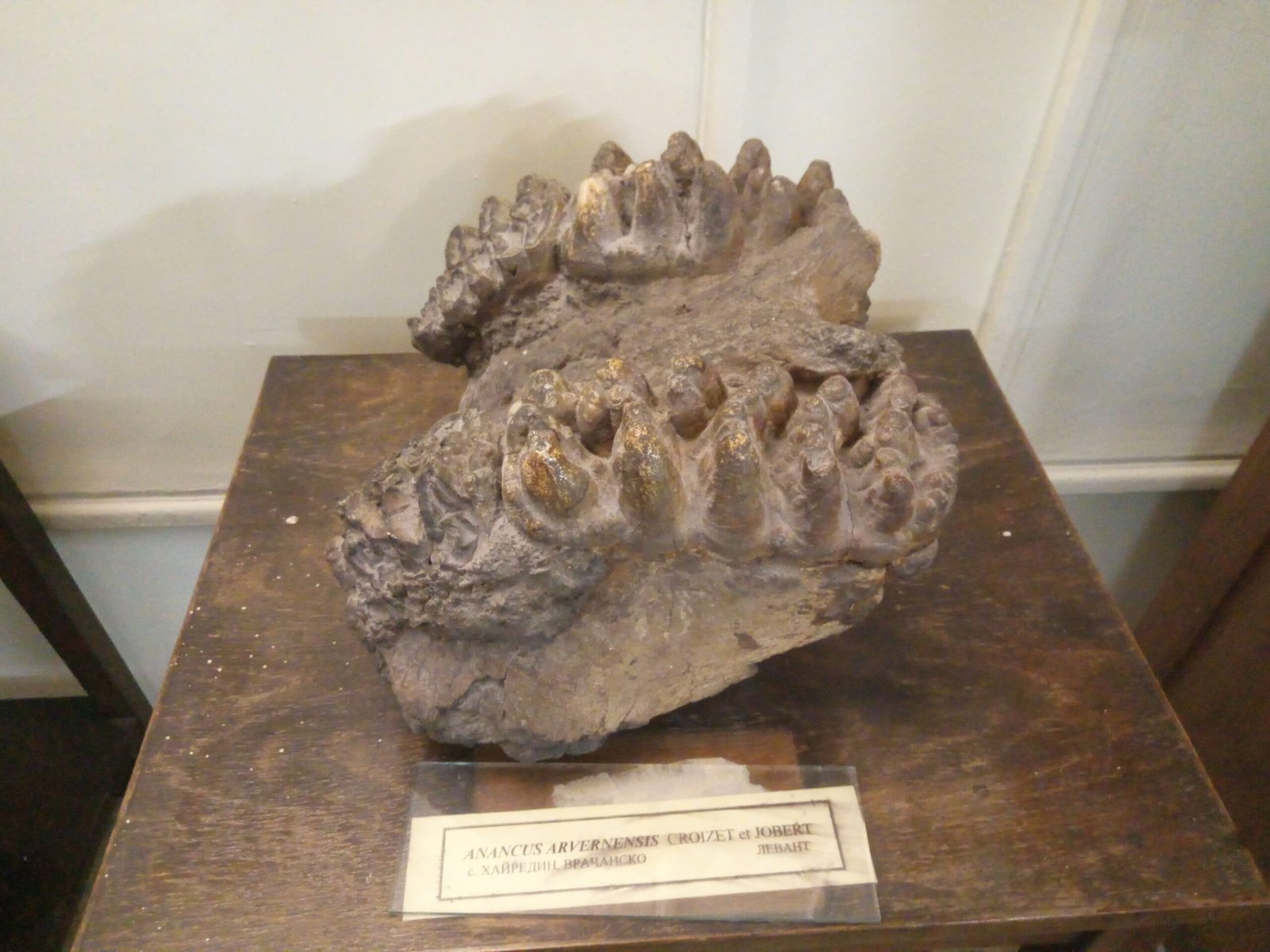
In the grand tapestry of evolution, teeth play a crucial role in understanding the development of our species. By comparing the dental structures of ancient hominins with those of modern humans, scientists can trace evolutionary changes in diet, jaw structure, and even brain size. Teeth, with their unique shapes and sizes, can help distinguish between different hominin species, providing clues about our ancestral lineage. Furthermore, the study of dental wear patterns can inform us about the adaptive strategies ancient humans employed to survive in diverse environments, highlighting the intricate link between evolution and ecology.
Advanced Technologies in Dental Archaeology
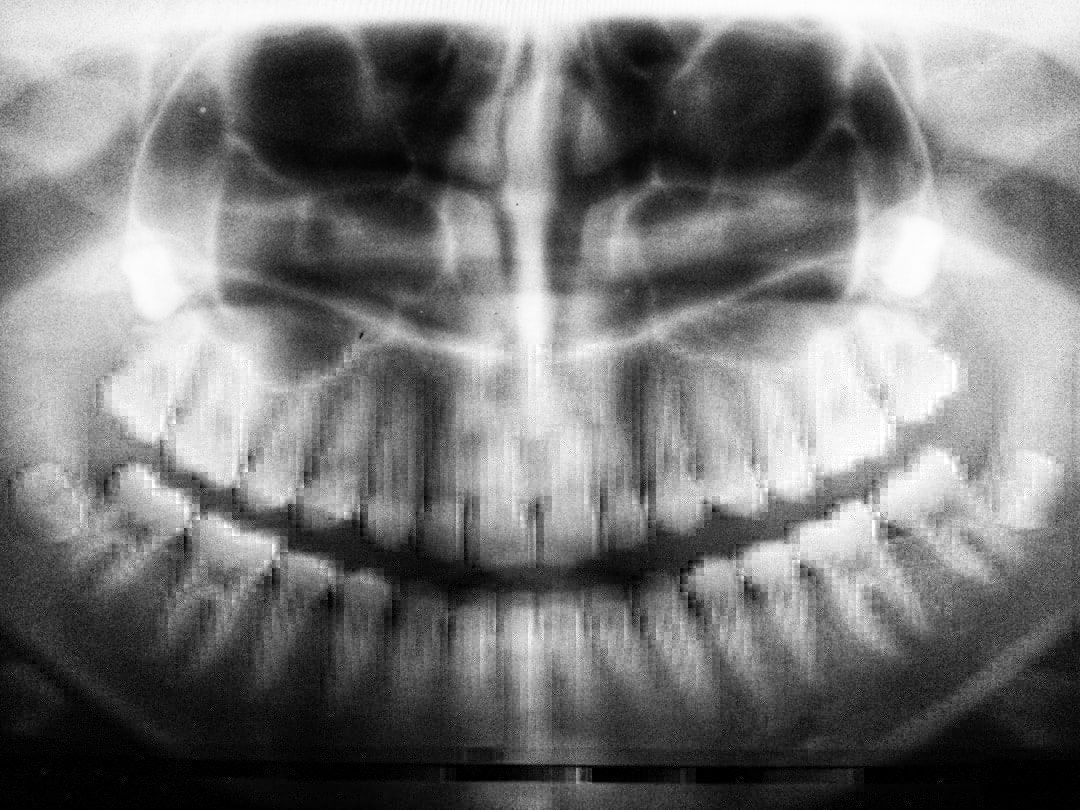
The field of dental archaeology has been revolutionized by cutting-edge technologies that allow for more precise and detailed analyses. Techniques such as 3D imaging, scanning electron microscopy, and stable isotope analysis have expanded our ability to study ancient teeth in unprecedented detail. These technologies enable researchers to reconstruct dental wear patterns, analyze isotopic signatures, and even identify traces of ancient DNA preserved within teeth. Such advancements are continually refining our understanding of ancient human lives, providing clearer and more nuanced pictures of our ancestors.
Challenges in Interpreting Dental Evidence
While ancient teeth offer a treasure trove of information, interpreting this evidence is not without challenges. The preservation of dental remains can be affected by environmental conditions, leading to potential biases in the archaeological record. Additionally, the interpretation of dental wear patterns and isotopic data requires careful consideration of various factors, such as age, sex, and cultural practices. Researchers must navigate these complexities with caution, ensuring that their conclusions are well-supported by the evidence. Despite these challenges, the study of ancient teeth remains a vital and dynamic field, continually evolving as new methodologies and discoveries emerge.
Case Studies: Remarkable Discoveries from Ancient Teeth
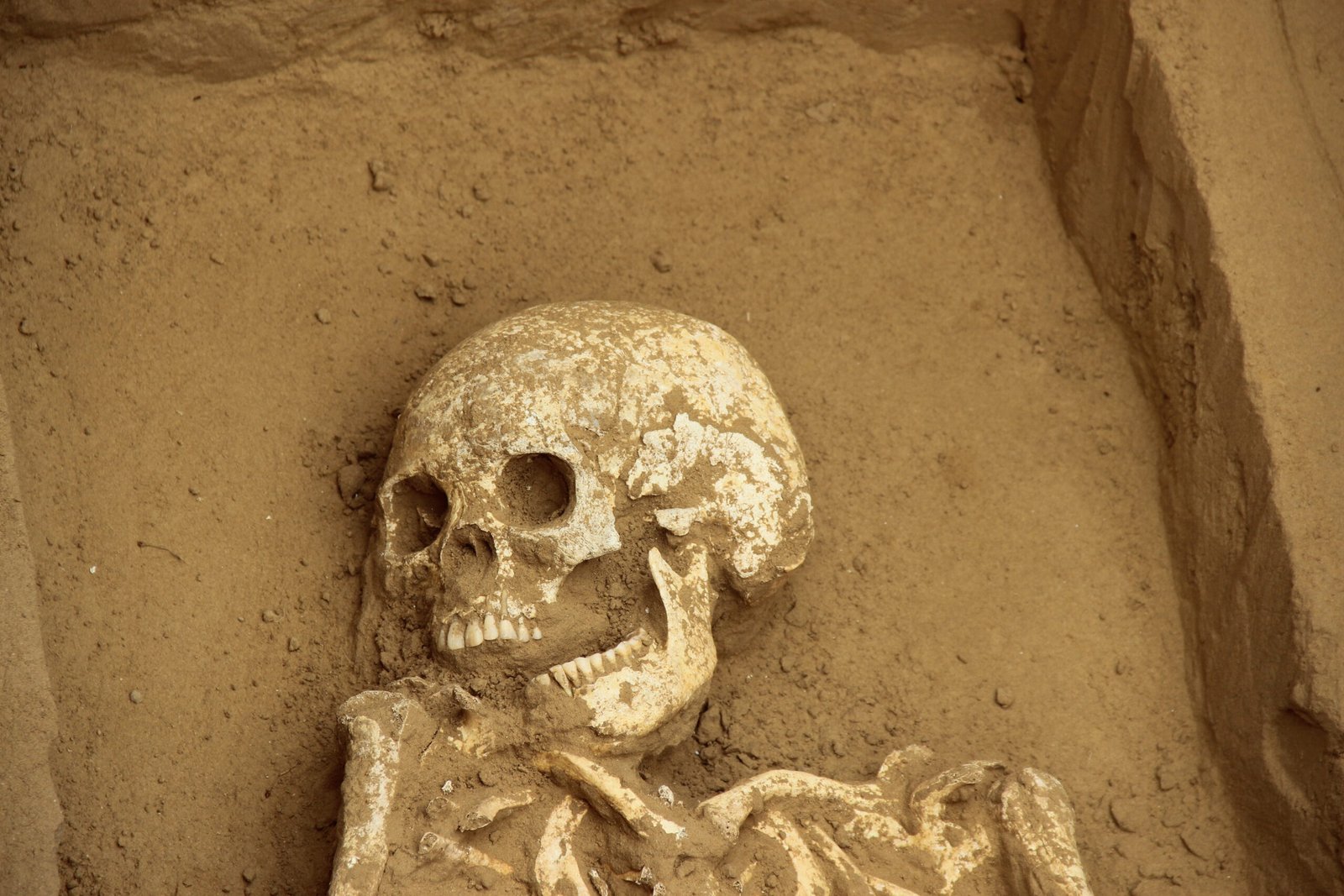
Throughout history, numerous remarkable discoveries have been made through the study of ancient teeth. For instance, the analysis of Neanderthal teeth has revealed that they consumed a varied diet, including plants, meat, and even medicinal herbs. Similarly, the discovery of ancient dental plaques containing grains in regions where agriculture was thought to be undeveloped has challenged previous assumptions about early agricultural practices. These case studies highlight the profound impact that dental research can have on our understanding of history, often prompting the reevaluation of long-held beliefs and theories.
The Future of Dental Archaeology
As we look to the future, the field of dental archaeology holds immense promise for unraveling further mysteries of our past. With ongoing advancements in technology and analytical techniques, researchers are poised to uncover even more detailed insights into ancient human lives. The continued study of ancient teeth will undoubtedly play a crucial role in shaping our understanding of human history, evolution, and cultural development. As we delve deeper into the stories that these dental remains tell, we are reminded of the enduring connection we share with our ancestors and the ever-evolving journey of humankind.