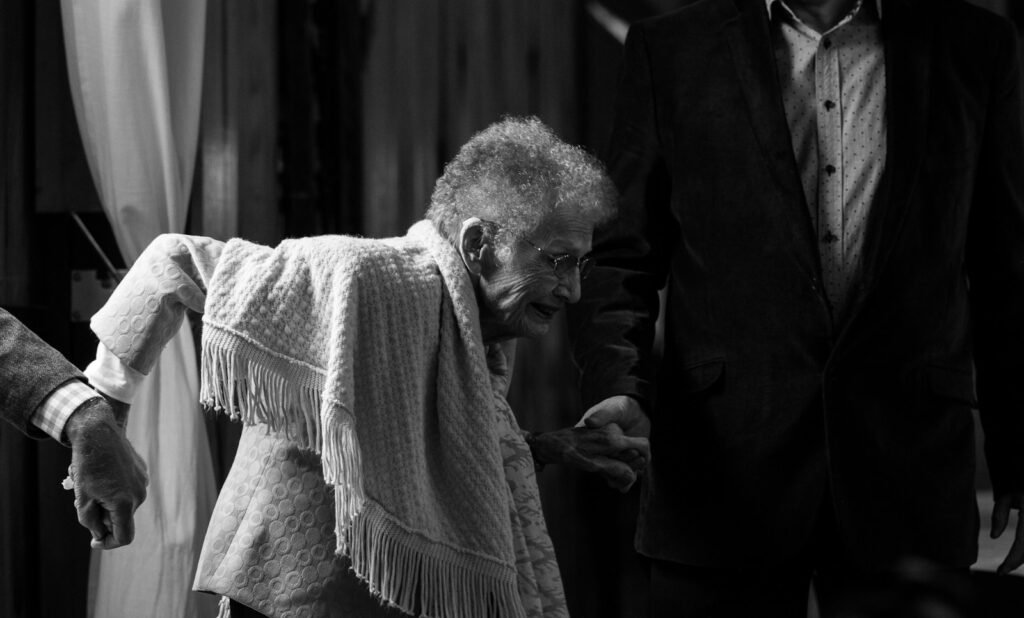

Wrinkles, gray hair, stiff joints – aging feels so familiar that it almost seems boring, until you realize scientists still don’t fully agree on why it happens at all. For decades, biologists have chased the puzzle of why bodies that can repair broken bones and fight off infections eventually falter and fail. The mystery carries very real stakes: understanding aging at a molecular level is shaping how we treat cancer, dementia, heart disease, and maybe even how long we can live in good health. In labs around the world, researchers are dissecting cells, tweaking genes, and running unusual experiments on worms, mice, and even naked mole-rats to test competing ideas. Out of this noisy, evolving field, a handful of big theories stand out – each explaining a different piece of why we grow old, and what it might take to slow the clock.
The Hidden Clues: How Aging Shows Up in Our Cells Long Before We Feel It
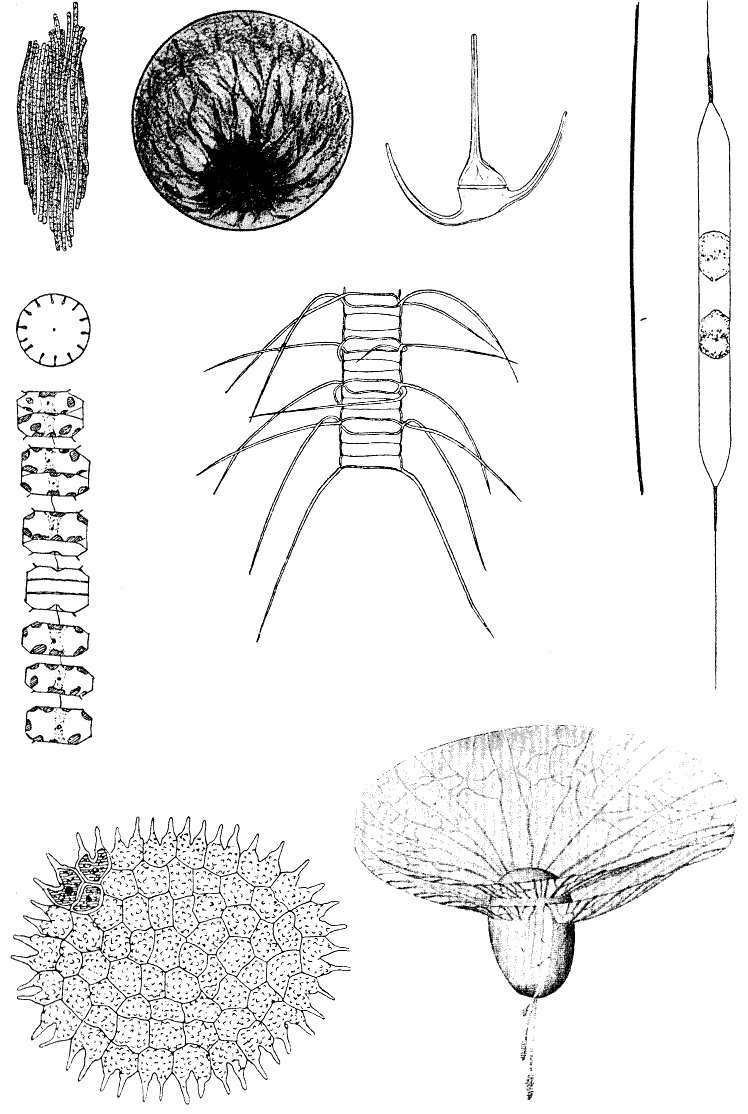
Before the first wrinkle shows up in the mirror, the aging process is already humming along quietly inside our cells. DNA strands accumulate tiny errors, proteins misfold, and the molecular “garbage disposal” systems that usually clean up cellular junk start falling behind. To a researcher peering down a microscope, an aging cell often looks cluttered and disorganized, more like a teenager’s disaster of a bedroom than a tightly run lab. These microscopic changes can start surprisingly early in life, sometimes in our twenties or thirties, long before we notice aching knees or slower recovery from late nights.
Scientists now track some of these clues using tools like “epigenetic clocks,” which read chemical tags on DNA to estimate a tissue’s biological age – a measure that can differ from the number of birthdays you’ve had. Two people born on the same day can have very different biological ages depending on their genes, environment, stress levels, and lifestyle habits. This mismatch helps explain why one 70-year-old can run marathons while another struggles to climb stairs. In a way, aging is less like a single countdown timer and more like a collection of fraying threads, each representing a different cellular system losing its edge at its own pace.
Evolution’s Trade-Off: The Disposable Soma Theory

One of the most powerful ideas about aging starts from a harsh evolutionary logic: bodies are built to pass on genes, not to last forever. The “disposable soma” theory argues that organisms have limited biological resources, and evolution tends to favor investing those resources in reproduction over long-term maintenance. In this view, your body – the soma – is somewhat expendable once you’ve produced and raised offspring. It is as if evolution runs a ruthless budget, funding fertility first and skimping on expensive deep repairs that might only pay off decades later.
This theory helps explain why many species that reproduce quickly also age rapidly, like tiny worms that live only a few weeks or mice that rarely see a third birthday in the wild. In contrast, animals such as whales or some birds, which invest heavily in fewer offspring and extended care, can live astonishingly long lives. The uncomfortable implication is that aging is not exactly a “mistake” but a side effect of evolutionary priorities that never had our personal retirement plans in mind. It also suggests a key question for biogerontology: can we learn to redirect some of that lost maintenance budget, boosting repair mechanisms without disrupting everything else that keeps us alive and fertile earlier in life?
The Wear-and-Tear Hypothesis: Damage Accumulates, Systems Fail
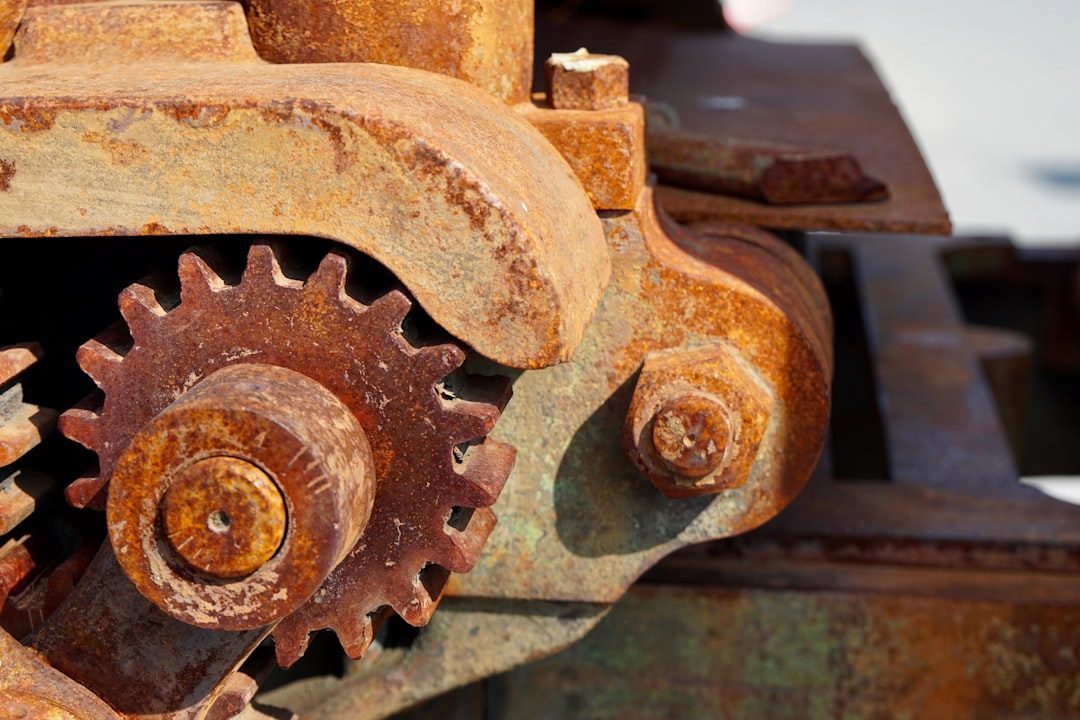
Another major line of thinking treats aging as the biological equivalent of a car slowly rusting and breaking down with use. Every time cells divide, copy DNA, burn fuel, or fight off an infection, they create byproducts – reactive molecules and structural stress – that chip away at the body’s integrity. Over decades, that damage piles up in DNA, cell membranes, and proteins, eventually overwhelming even our impressive repair systems. This “wear-and-tear” perspective is messy and unsentimental, but it matches the intuitive sense that life is hard on the body.
Within this view, several specific damage mechanisms stand out. One is oxidative stress, where reactive oxygen molecules generated by normal metabolism or pollution can attack cellular components if antioxidant defenses are overwhelmed. Another is the slow buildup of cross-linked proteins – like collagen in the skin – that stiffen tissues and compromise flexibility and function. Rather than one catastrophic failure, aging here looks like a long, slow cascade of tiny hits. It is a bit like watching a beloved old house sag: a cracked beam here, a leaky roof there, until daily repairs can no longer keep the structure in working order.
Cellular Clocks: Telomeres and the Limits of Replication
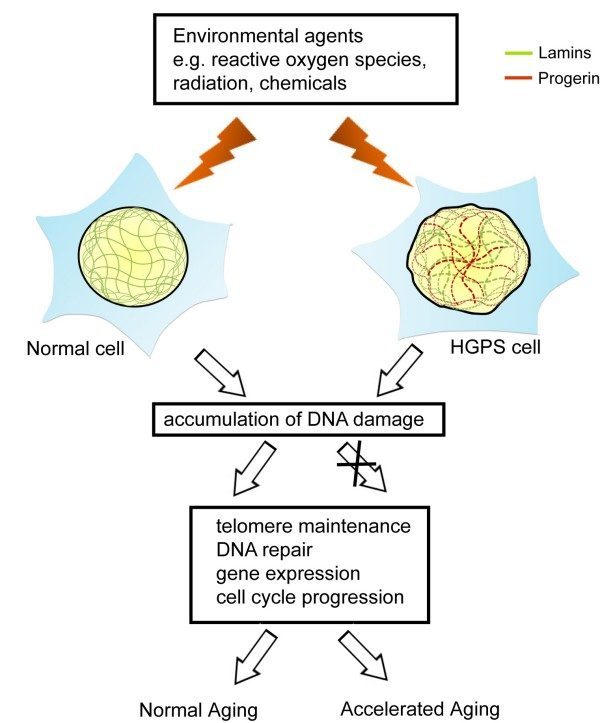
In the 1970s, scientists discovered that the ends of chromosomes are capped with protective segments called telomeres, and those caps shorten a little every time a cell divides. Once telomeres become too short, many cells enter a state where they stop dividing altogether, called replicative senescence. This finding sparked the “telomere theory of aging,” which sees telomere shortening as a kind of molecular countdown that limits cellular renewal. The idea has a certain thrill to it, like discovering a hidden clock ticking away inside every dividing cell.
Evidence backs up at least part of this story: shorter telomeres are often associated with older age and higher risk of diseases such as cardiovascular problems. Chronic stress, smoking, and some forms of chronic inflammation seem to speed telomere erosion, while physical activity and adequate sleep are linked to slower shortening in many studies. But the picture is not simple. Some cells, such as stem cells and cancer cells, can rebuild telomeres using an enzyme called telomerase, which complicates the idea of a fixed replication limit. That tension – between telomere repair that protects healthy cells and telomere extension that can fuel tumors – is one of the biggest challenges for any future therapy targeting this particular cellular clock.
The Zombie Cell Theory: Senescence and Inflammation
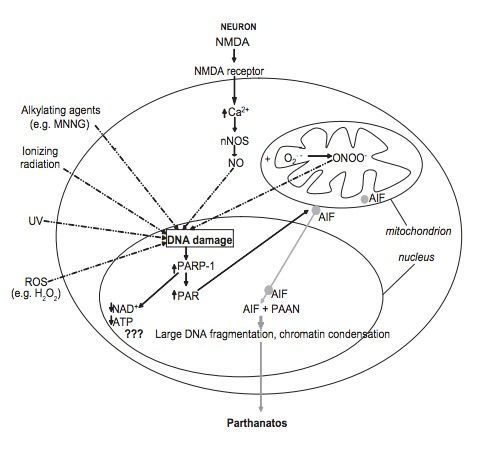
In recent years, a new villain has entered the aging story: so‑called “zombie cells.” These are senescent cells that have stopped dividing but refuse to die, hanging around in tissues and secreting a cocktail of inflammatory molecules and enzymes. At low levels, senescence is actually helpful, helping to prevent cancer and guiding wound healing. But as we get older, these zombie cells accumulate, and their constant inflammatory chatter appears to damage neighboring cells and disrupt tissue function. It is a bit like having a few broken appliances in your home that not only fail to work but also leak water and short-circuit the wiring around them.
Animal studies have shown that selectively clearing senescent cells can improve cardiovascular health, boost physical function, and even extend healthy lifespan in mice. This has fueled intense interest in “senolytic” drugs designed to hunt down and remove these zombie cells in humans. Early, small clinical trials are testing whether such approaches might help conditions like lung fibrosis or diabetic kidney disease, where senescence seems to be part of the problem. While it is far too soon to talk about a universal anti-aging pill, the idea that a subset of stubborn, damaged cells could be a major driver of aging has shifted the field. It moves the narrative from a vague decline to a more actionable target: find the troublemakers and show them the door.
The Network View: Aging as a Breakdown of Biological Communication
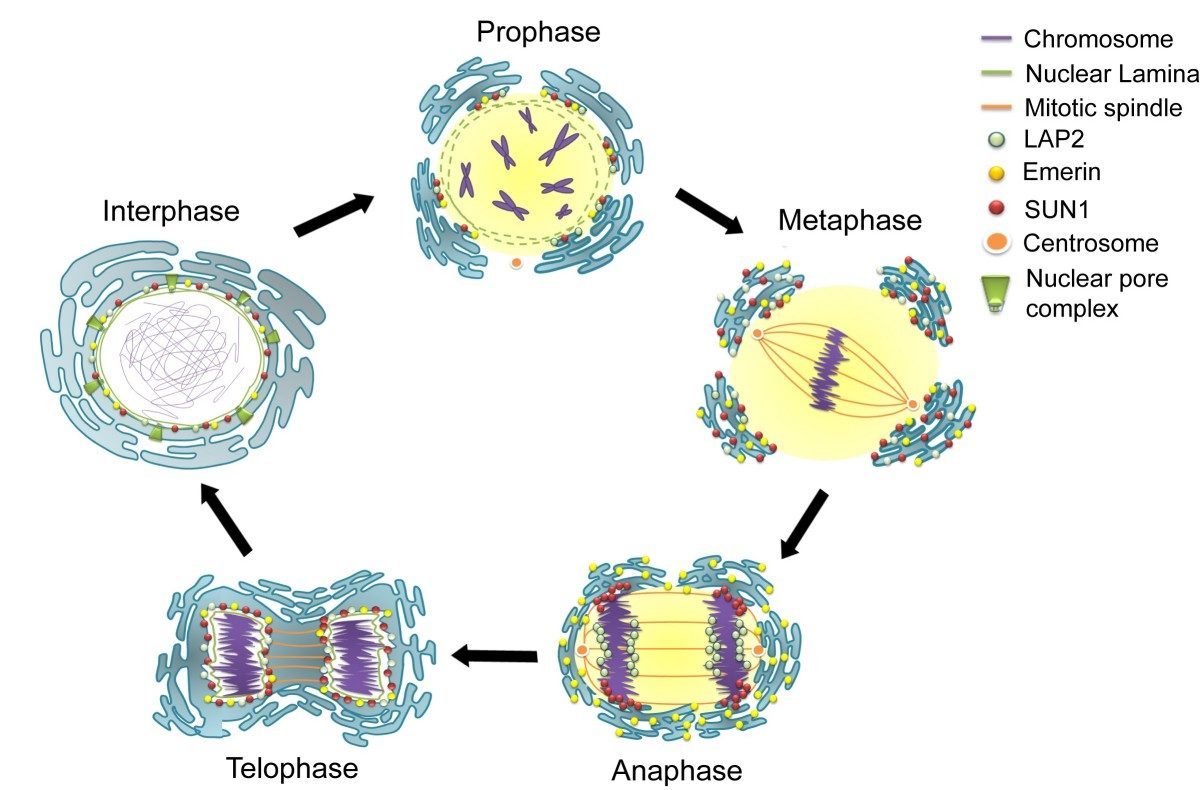
No single theory fully captures why we age, and that has pushed many researchers toward a more holistic, network-based view. Instead of looking for one master switch, they see aging as the gradual collapse of coordination among many interacting systems: immune responses, hormone signaling, metabolism, and nervous system control. When we are young, these networks talk to each other constantly and clearly, adjusting to stress, infection, and injury with remarkable precision. With time, signals get garbled, feedback loops overshoot or undershoot, and once-smooth communication turns noisy and unreliable.
This systems-level perspective helps explain why aging can look so different from person to person, and why one failing organ can drag others down with it. For example, chronic low-grade inflammation – sometimes called “inflammaging” – can disrupt insulin signaling, accelerate artery damage, and impair brain function all at once. Likewise, changes in the gut microbiome, stress hormones, and sleep patterns can ripple through the body in ways that older, simpler theories never accounted for. To me, this network view feels the most honest: aging is not a single story but an ensemble performance slowly falling out of tune. The hope is that by mapping these networks, scientists might one day nudge them back into a healthier rhythm, at least for a while.
Why It Matters: From Hospital Wards to Everyday Life
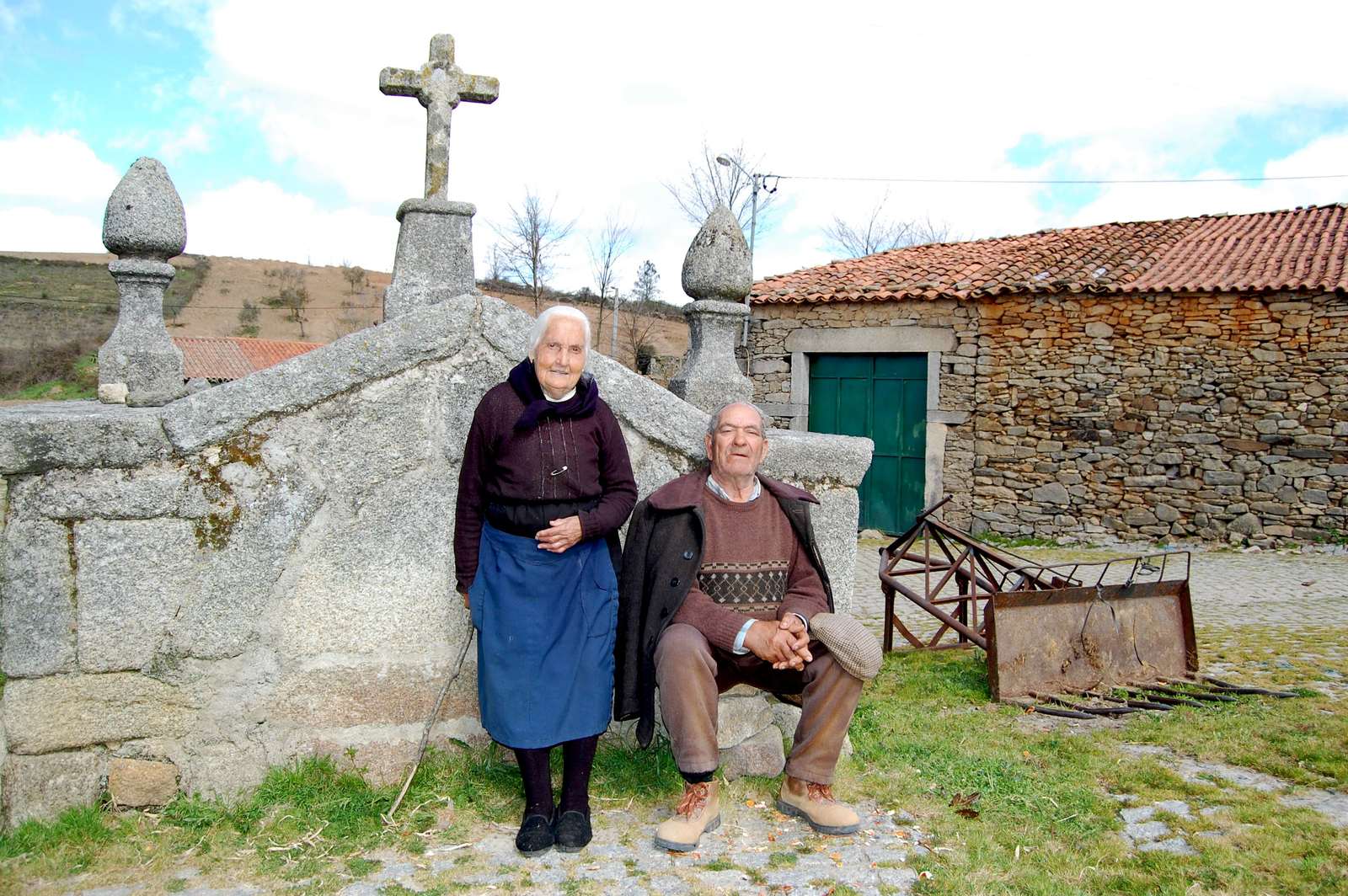
It might be tempting to treat all this as abstract biology, but the science of aging quietly shapes almost every hospital corridor and family living room. Age is the strongest risk factor for heart disease, stroke, many cancers, and neurodegenerative conditions like Alzheimer’s disease. That means the biology driving aging is also driving the biggest killers and disablers in modern societies. If you could slow those underlying processes even modestly, you would not just add years to life; you could add life to years, delaying the point at which people lose independence and need intensive care.
The economic and social implications are huge. Health systems around the world spend a massive share of their budgets on treating age-linked chronic diseases in the last decade or so of life. Even a small shift – people staying robust for a few extra healthy years – could ease pressure on caregivers, nursing homes, and public finances. On a personal level, this science forces a reframing: instead of asking how to treat each disease separately, researchers are increasingly asking how to target the common aging pathways behind many of them. That shift might turn aging biology from an esoteric niche into one of the most practical scientific efforts of the twenty‑first century.
The Future Landscape: Interventions, Moonshots, and Moral Dilemmas
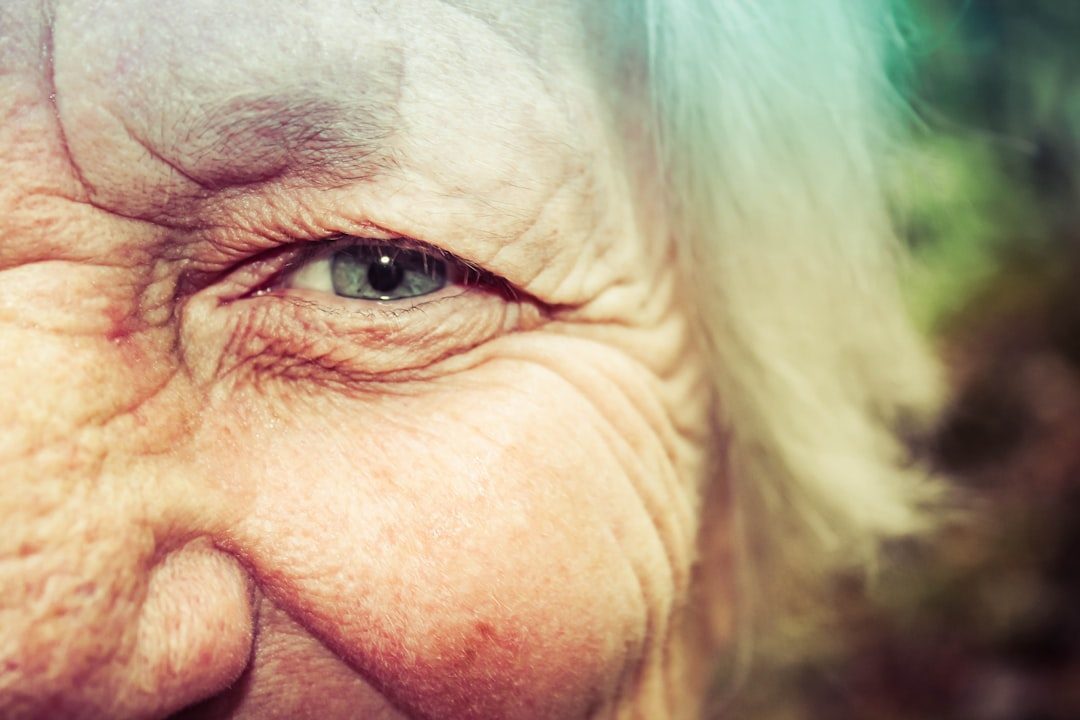
Right now, the frontier of aging research looks like a patchwork of bold experiments and cautious clinical trials. Scientists are testing drugs that mimic the effects of calorie restriction, a long-known intervention that can extend lifespan in many animals. Others are exploring senolytic compounds, partial cellular reprogramming techniques that nudge cells toward a more youthful state, and targeted gene therapies in model organisms. Alongside these, large studies in humans are probing whether relatively simple interventions – like specific exercise regimens or combinations of existing medications – can measurably slow biological aging clocks.
But even if the science delivers powerful tools, society will face thorny questions. Who gets access if truly effective longevity treatments are expensive at first? How do you plan retirement, pensions, and population policy if healthy lifespans stretch dramatically longer? There is also a quieter ethical issue: do we risk making aging feel like a personal failure if we focus too heavily on controllable interventions and high-tech fixes? Personally, I find the most grounded vision is not about chasing immortality, but about compressing illness into a shorter period at the very end of life. The real moonshot is not living forever; it is making our seventies, eighties, and nineties feel a lot more like our forties than our grandparents ever imagined.
What You Can Do Now: Small Levers on a Giant System

While scientists debate theories and tune lab mice for longer lives, the rest of us still have to decide how to live in our own aging bodies. The frustrating truth is also a hopeful one: many of the most reliable levers we know – moving regularly, not smoking, eating plenty of plants, sleeping enough, managing blood pressure and blood sugar – are familiar, low-tech, and available right now. These habits influence several of the theories we have just walked through: they can reduce damage, slow telomere shortening, calm chronic inflammation, and keep biological networks more stable. No lifestyle can override every genetic or environmental factor, but across populations, the impact is striking.
If you care about the bigger picture, there are also ways to plug into the science itself. You can support organizations funding aging research, enroll in long-term health studies if eligible, or follow clinical trials that test whether targeting aging pathways can delay multiple diseases at once. Paying attention to how we design cities, work schedules, and food systems to support healthy aging is another quiet but powerful form of engagement. In the end, aging is both deeply personal and undeniably collective, touching every family and every budget line in modern societies. The question is not whether we will age, but how much say we want in shaping that journey – what would you choose to change first?
Suhail Ahmed is a passionate digital professional and nature enthusiast with over 8 years of experience in content strategy, SEO, web development, and digital operations. Alongside his freelance journey, Suhail actively contributes to nature and wildlife platforms like Discover Wildlife, where he channels his curiosity for the planet into engaging, educational storytelling.
With a strong background in managing digital ecosystems — from ecommerce stores and WordPress websites to social media and automation — Suhail merges technical precision with creative insight. His content reflects a rare balance: SEO-friendly yet deeply human, data-informed yet emotionally resonant.
Driven by a love for discovery and storytelling, Suhail believes in using digital platforms to amplify causes that matter — especially those protecting Earth’s biodiversity and inspiring sustainable living. Whether he’s managing online projects or crafting wildlife content, his goal remains the same: to inform, inspire, and leave a positive digital footprint.