
On a rough morning, it can feel almost comforting to blame a bad mood on Mercury retrograde instead of your inbox or the news cycle. Astrology apps ping our phones, horoscopes trend on social media, and birth charts get passed around at parties like emotional X-rays. Yet behind the memes and zodiac merch sits a serious question: can the positions of planets and constellations really tug on our feelings, or is something else at work entirely? Scientists, psychologists, and data analysts are now taking a closer look, not to prove your horoscope right, but to understand why it can feel so uncannily accurate. What they are finding says less about distant stars and more about the hidden forces shaping our minds on Earth.
The Hidden Clues in Why Astrology Feels So Personal

One of the most surprising clues is how effortlessly astrology seems to describe us, even when the descriptions are vague enough to apply to almost anyone. Many people report a kind of emotional jolt when they read a line that seems to nail their insecurities, hopes, or quirks, and that flash of recognition can feel deeply convincing. Psychologists have a well-known name for this effect: our tendency to see ourselves in broad, flattering personality statements that could fit many people at once. That does not make the experience fake or meaningless; it makes it a window into how powerfully our brains look for patterns and personal relevance. The more stressed or uncertain we feel, the more intensely we scan for guidance, which can make a horoscope land with even more force.
There is also a social layer to this emotional pull that often goes unnoticed. When friends trade star signs, it becomes a safe way to talk about traits that might otherwise feel awkward to admit, like jealousy, indecision, or the need for control. By externalizing those traits – pinning them on a sign rather than on ourselves – we lower the emotional stakes and open up deeper conversations. In that sense, astrology can become less a map of the sky and more a shared language for emotions, almost like a playful therapy shorthand. The mood shift it creates is real, even if its source lies in psychology, not in planetary gravity.
From Ancient Sky Stories to Modern Data Questions

Astrology did not start as a personality quiz; it emerged from ancient attempts to link celestial cycles with earthly events like seasons, harvests, and political shifts. For early sky-watchers, tracking the movements of the Sun, Moon, and visible planets was one of the best tools they had to bring order to an unpredictable world. Over centuries, those observations grew into intricate systems assigning symbolic meanings to constellations and planetary alignments. These systems traveled across cultures, from Babylon to Greece to India and beyond, each adapting the stars into stories that matched local beliefs and needs. What remained constant was the sense that the sky held clues to human fate and feeling.
Today, that ancient framework collides with a very different mindset shaped by telescopes, satellites, and statistical software. Modern astronomers see the same planets not as omens but as physical bodies following predictable orbits governed by gravity and physics. When researchers test astrological claims, they look for measurable links between birth dates and personality traits, mood patterns, or life outcomes. So far, large-scale analyses have repeatedly failed to find robust, reproducible evidence that star signs predict personality or emotional tendencies better than chance. The contrast between how emotionally compelling astrology feels and how weak its measurable effects appear is at the heart of the modern puzzle.
What the Brain Is Really Doing When You Read Your Horoscope
If the stars are not pulling our mood strings, the mind almost certainly is. Neuroscience and psychology point to several mechanisms that help explain why astrology can feel mood-shifting even without a physical force from space. One is expectation: when you read a forecast warning of tension or promising opportunity, your brain quietly primes you to notice events that match that storyline. That mental priming can change how you interpret ambiguous situations, nudging you to feel more anxious, hopeful, cautious, or bold, depending on the narrative you have absorbed. Your mood then seems to match the horoscope, when in fact the text helped shape the lens through which you saw your day.
Another key factor is confirmation bias, the human habit of remembering hits and forgetting misses. If your horoscope says you might feel misunderstood, you are more likely to recall the one awkward conversation than the many that went smoothly. Over time, a series of remembered hits builds a sense of uncanny accuracy, even if the overall batting average is no better than random chance. There is also the comfort factor: feeling that your struggles have cosmic context can ease loneliness and stress, providing a kind of emotional placebo. Placebos are not trivial; they can produce real shifts in mood and even physical symptoms, simply by changing expectation and meaning. In that sense, the most important action is happening in the networks of your brain, not in the constellations above it.
Do the Planets Actually Touch Our Moods at All?
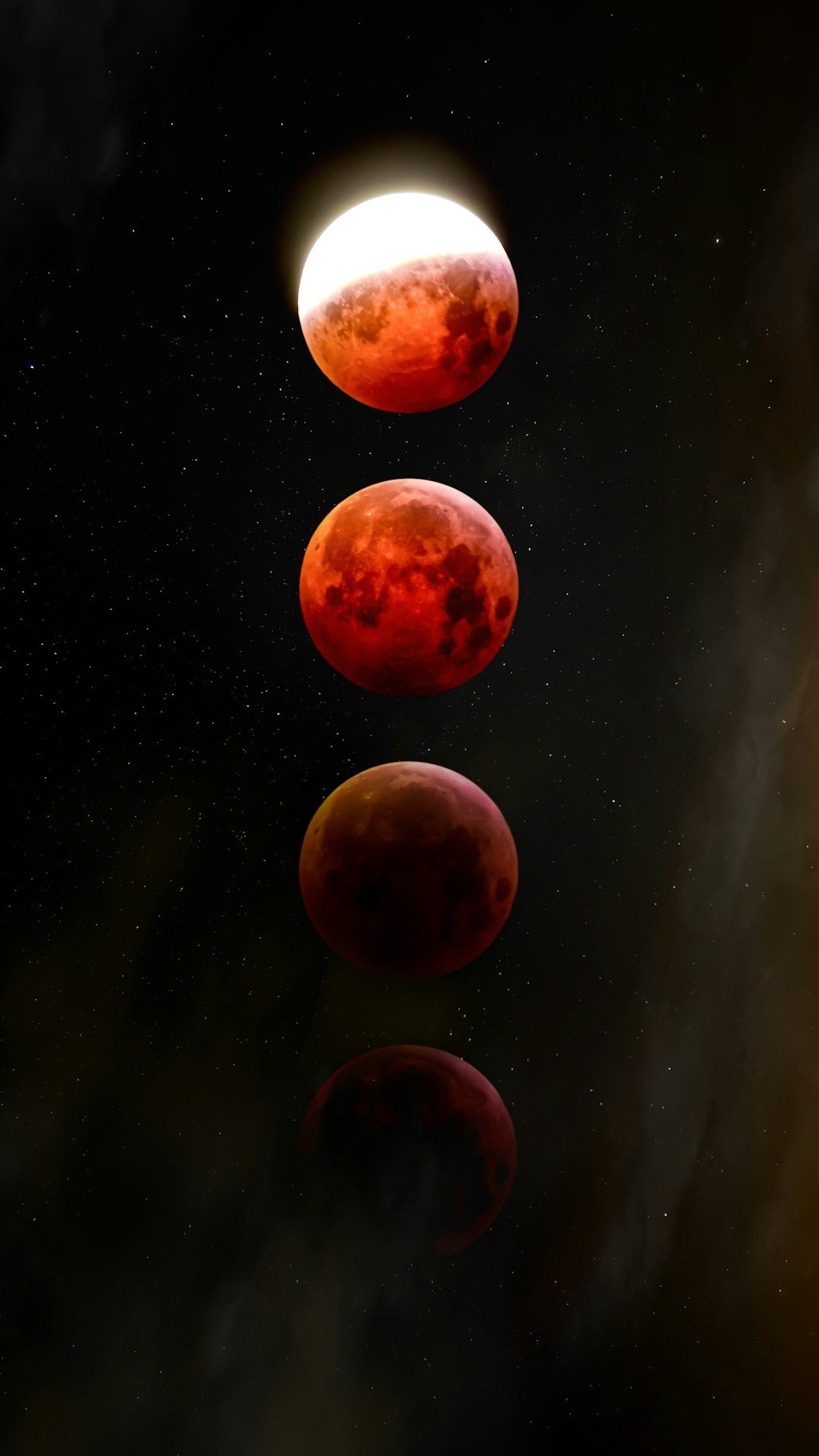
From a strictly physical perspective, the forces exerted by distant planets on an individual human are vanishingly small. The gravitational pull of Mars or Jupiter on your body at birth is vastly weaker than that of nearby objects such as the hospital walls or the people standing next to you. Light from stars and planets is also too faint and diffuse to selectively mold brain development in the way that astrology systems claim. Established mood influencers like genetics, childhood environment, sleep, diet, and ongoing stress have a far more substantial and measurable impact. These factors interact in complex ways that researchers are still trying to fully understand, but they operate through mechanisms we can track in the nervous system, hormones, and behavior.
There are, however, indirect celestial effects that do show up in mood research, and they are more mundane than many might hope. For example, changes in daylight exposure across seasons clearly influence sleep cycles and can contribute to seasonal mood shifts in some people. Lunar phases have been widely studied for possible effects on behavior and mental health, and most large, well-controlled analyses find little to no consistent impact beyond cultural expectations. When people expect a full moon or retrograde period to be chaotic, that belief alone can make ordinary disruptions feel more dramatic or meaningful. In this way, the story about the sky becomes a self-fulfilling emotional ecosystem, even as the physical influence from celestial bodies remains negligible compared with everyday environmental and biological factors.
Why It Matters: Astrology as a Mirror for Mental Health and Meaning
Whether or not the stars literally sway our moods, the popularity of astrology reveals something important about our inner lives. In a world saturated with data yet short on certainty, many people feel adrift between cold facts and the messy texture of lived experience. Astrology offers a narrative bridge, a way to weave random events and fleeting emotions into a coherent storyline. That sense of coherence is not trivial; psychological research links it to resilience, well-being, and the ability to cope with stress. When someone says their sign explains why they feel lost, what they may really be expressing is a deeper need to feel seen and understood.
From a scientific and mental health perspective, this matters for several reasons. If people turn to horoscopes instead of seeking professional help for persistent depression or anxiety, they might delay crucial treatment. On the other hand, astrology can serve as a low-friction first step into self-reflection, prompting people to notice patterns, articulate feelings, and talk more openly with others. The challenge is not to ridicule or blindly accept astrology, but to understand how it intersects with evidence-based approaches to emotional well-being. In my own circle, I have seen friends use birth charts as icebreakers that eventually lead into serious discussions about therapy, boundaries, and burnout. The question is less about whether the stars act on us and more about how we can harness that urge for meaning in ways that genuinely support mental health.
Global Perspectives: Different Skies, Different Stories
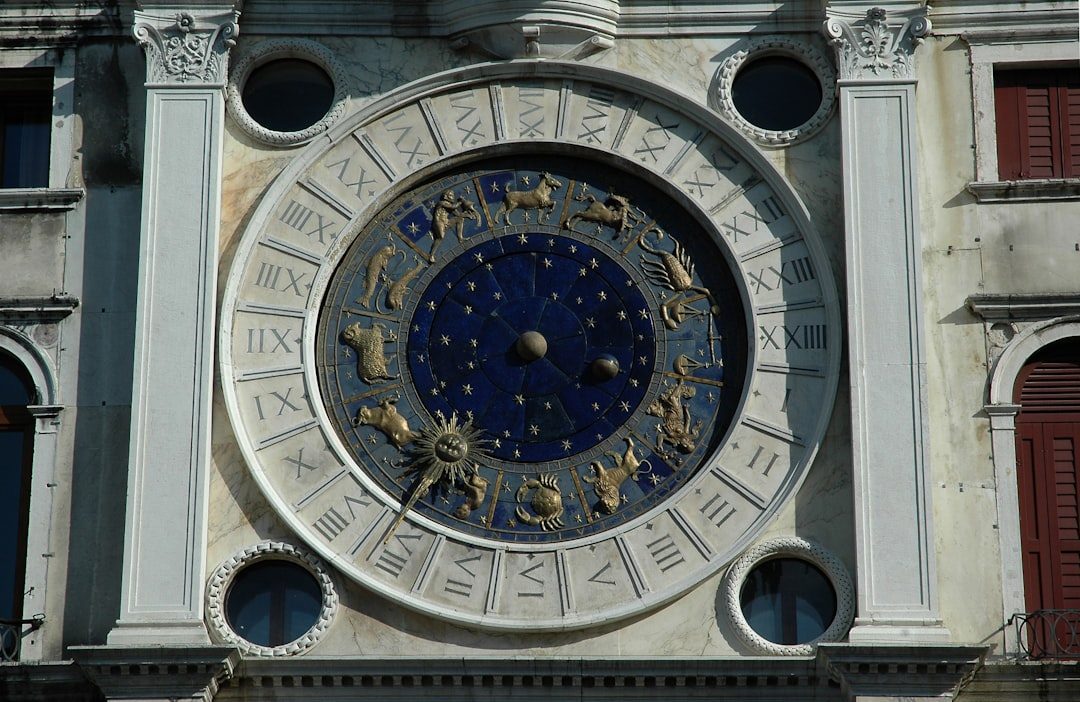
Astrology is far from a single, unified system; it splinters into diverse traditions shaped by culture, religion, and history. Western astrology, often based on Sun signs and familiar zodiac symbols, is only one branch among many. In India, for example, Vedic astrology draws on different constellations, timing methods, and interpretive rules, and it can play a serious role in life decisions such as marriage, careers, and naming. In East Asia, zodiac animals, lunar calendars, and concepts of elemental balance add another layer of symbolic meaning to birth years and personality traits. These systems sometimes overlap in their descriptions of temperament, but they also diverge in ways that highlight how flexible and culturally constructed such frameworks are.
This global variety is revealing when we ask whether astrology has an objective, universal basis in the sky or functions more like a culturally tuned language for human concerns. People born on the same day but in different cultural contexts may receive completely different astrological readings and yet still feel that those readings capture something essential. That tells us how readily humans map their fears, virtues, and ambitions onto whatever symbolic system is available. It also helps explain why mood shifts attributed to astrology can look different across regions, with some societies tying emotional states to family obligations or spiritual cycles rather than individual fulfillment. By viewing astrology through this global lens, we see less a single cosmic code and more a rich archive of how different cultures make emotional sense of time.
The Future Landscape: Apps, Algorithms, and Astro-Analytics
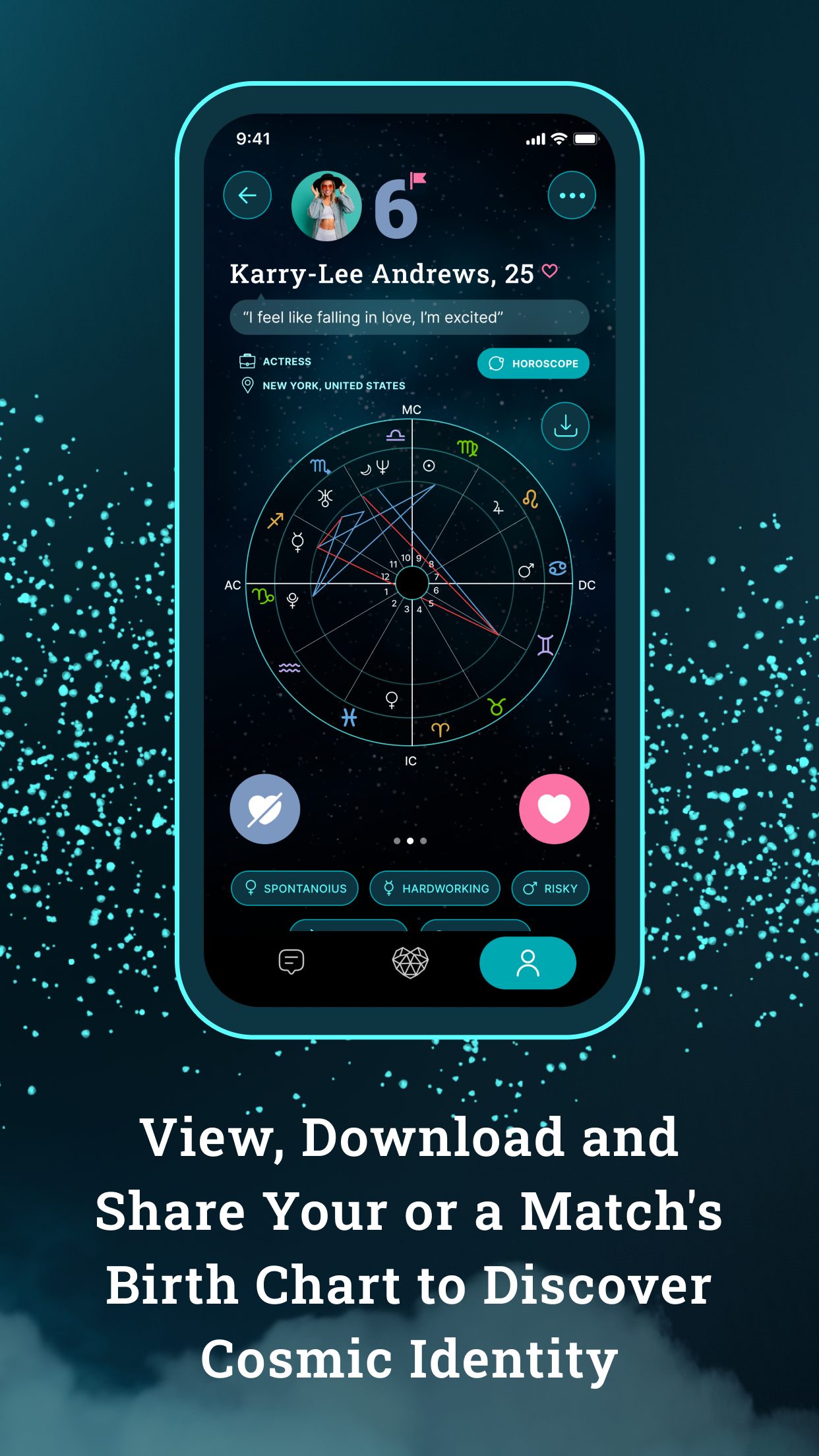
In the twenty-first century, astrology has gone digital, and that shift is reshaping both its reach and its perceived authority. Smartphone apps now generate highly detailed charts in seconds, accompanied by push notifications that read almost like personalized therapy notes. Some platforms blend traditional astrological rules with data science techniques, crunching massive user datasets to refine their interpretations and engagement strategies. Others experiment with real-time updates, tying cosmic events to daily suggestions about relationships, work, or self-care. The result is an astrology ecosystem that feels more immediate and interactive than anything in the past.
At the same time, scientists and skeptics are using the same digital tools to test astrological claims at scales that would have been impossible before. Large, anonymized datasets linking birth dates, personality measures, and life outcomes make it easier to search for subtle patterns and to rule out coincidences. So far, these efforts tend to confirm earlier findings that star signs do not hold predictive power once biases are controlled. Yet the psychological effects of using these apps – on mood, sense of control, and identity – remain underexplored and ripe for research. Future studies may focus less on whether the stars are right and more on how algorithm-driven horoscopes interact with vulnerable users, much as social media feeds do. The next frontier is likely to be ethical rather than astronomical.
How to Engage Thoughtfully: A Reader’s Toolkit

For readers who enjoy astrology but also care about scientific thinking, there are practical ways to hold both. One step is to treat horoscopes as prompts for reflection rather than as fixed predictions, asking what resonates and why without assuming that the sky decreed it. Another is to notice when star-based explanations might be covering up deeper issues that deserve more grounded attention, such as chronic stress, relationship problems, or health concerns. If you find that certain forecasts consistently heighten your anxiety or guilt, it might be worth stepping back and examining that emotional pattern directly. At the same time, you can use the social side of astrology – birth chart conversations, sign memes – as a softer doorway into more honest talks about mental health with friends or family.
There are also simple habits that help keep your footing in evidence-based reality while still enjoying symbolic systems. You can support psychological and psychiatric research, stay curious about new findings on mood and brain health, and seek professional help when emotions feel overwhelming or stuck. You might experiment with journaling how you feel before and after reading horoscopes to see whether they are truly helpful or quietly steering your mood in ways you do not like. And when you share astrological content online, consider adding nuance, reminding others that while the stories can be fun and meaningful, they do not replace medical advice or therapy. In the end, the most powerful constellation shaping your mood is the network of choices, relationships, and supports orbiting your everyday life.
Suhail Ahmed is a passionate digital professional and nature enthusiast with over 8 years of experience in content strategy, SEO, web development, and digital operations. Alongside his freelance journey, Suhail actively contributes to nature and wildlife platforms like Discover Wildlife, where he channels his curiosity for the planet into engaging, educational storytelling.
With a strong background in managing digital ecosystems — from ecommerce stores and WordPress websites to social media and automation — Suhail merges technical precision with creative insight. His content reflects a rare balance: SEO-friendly yet deeply human, data-informed yet emotionally resonant.
Driven by a love for discovery and storytelling, Suhail believes in using digital platforms to amplify causes that matter — especially those protecting Earth’s biodiversity and inspiring sustainable living. Whether he’s managing online projects or crafting wildlife content, his goal remains the same: to inform, inspire, and leave a positive digital footprint.