Imagine a world full of secrets hidden in plain sight, where the extraordinary meets the unexplained. Our planet, with its vast landscapes, holds countless mysteries that have intrigued scientists and explorers alike. These enigmatic places defy conventional understanding, sparking curiosity and wonder. From peculiar natural phenomena to ancient structures steeped in legend, these locations are shrouded in mystery. Let’s embark on a journey to uncover the science behind the five most mysterious places on Earth.
The Bermuda Triangle: A Puzzle of the Seas

The Bermuda Triangle, often referred to as the “Devil’s Triangle,” is a region in the North Atlantic Ocean where numerous aircraft and ships have reportedly disappeared under mysterious circumstances. This area, marked by points in Miami, Bermuda, and Puerto Rico, has inspired countless theories, ranging from magnetic anomalies to alien abductions. Scientists, however, propose more grounded explanations, such as the presence of methane hydrates on the ocean floor. When these hydrates release gas, they can decrease the water’s density, causing vessels to sink rapidly. Additionally, the area’s unpredictable weather and strong ocean currents contribute to its dangerous reputation. Despite the allure of supernatural explanations, the Bermuda Triangle remains a testament to the ocean’s powerful and often unpredictable nature.
Stonehenge: The Ancient Astronomical Enigma
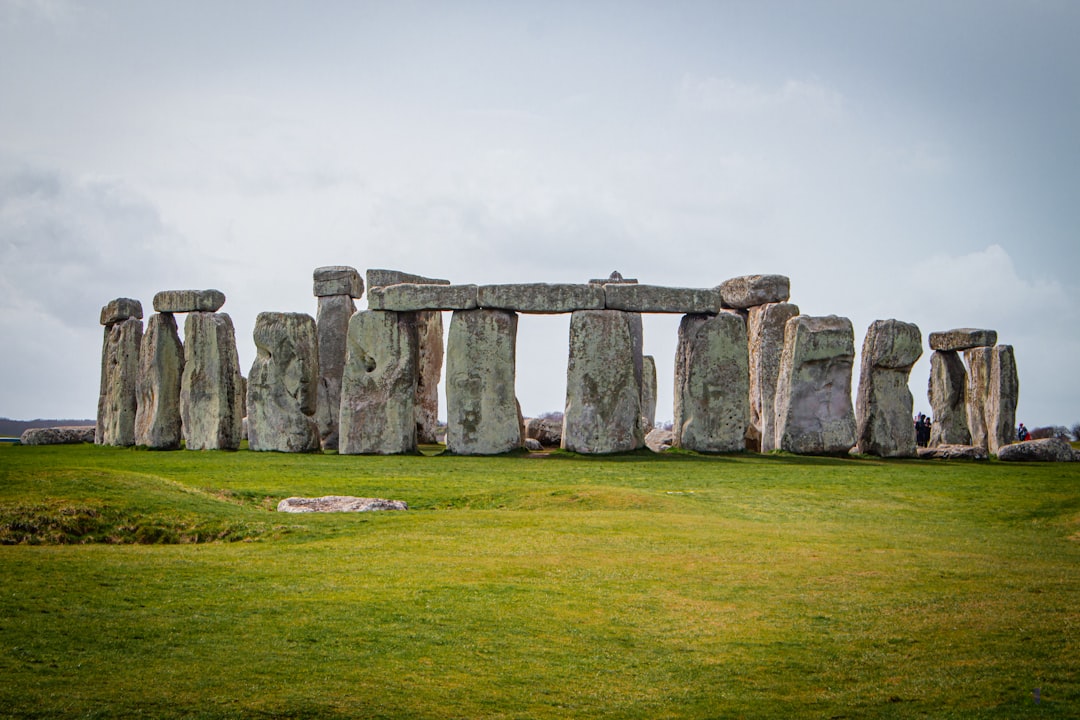
Stonehenge, an iconic prehistoric monument in England, is composed of massive stone structures arranged in a circular pattern. Dating back to around 3000 BC, it has long puzzled historians and archaeologists. While its purpose remains uncertain, many believe it served as an ancient astronomical observatory. The stones align with the solstices, suggesting an understanding of celestial events. This alignment may have been used for ritualistic purposes or as a calendar to mark the changing seasons. The transportation and erection of these massive stones, some weighing up to 25 tons, also spark curiosity. Theories suggest that early humans used a combination of ingenuity and communal effort, employing wooden sledges and rollers to move the stones over long distances. Stonehenge stands as a testament to humanity’s early fascination with the stars and the mysteries of our universe.
The Nazca Lines: Messages from the Past
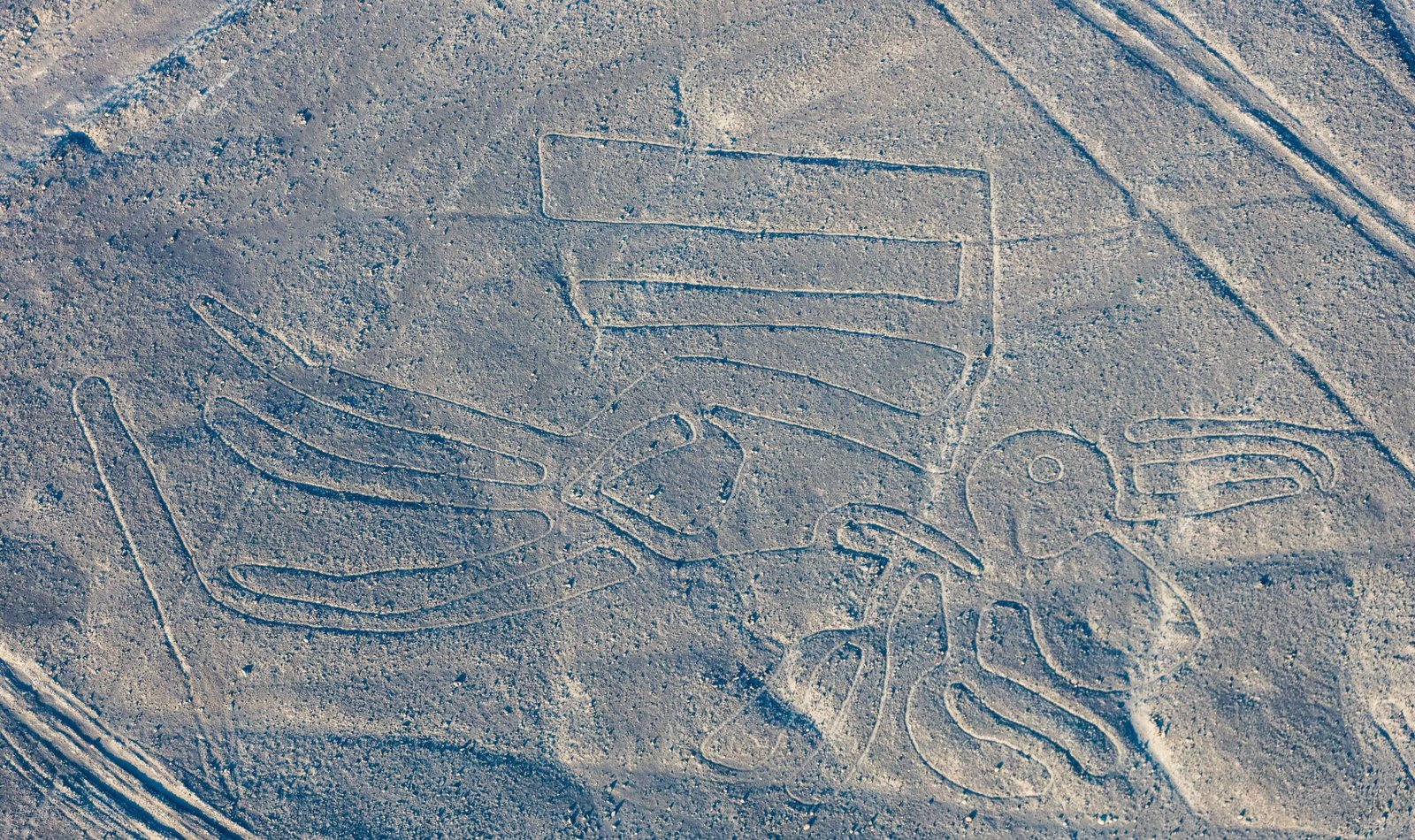
The Nazca Lines, etched into the arid landscape of southern Peru, are a series of large geoglyphs depicting various animals and shapes. These ancient designs, created by removing the top layer of reddish pebbles to reveal the lighter earth beneath, have intrigued researchers for decades. The purpose of the lines remains uncertain, but some scholars suggest they were part of an astronomical calendar or ceremonial pathways. Others propose they were offerings to deities, meant to be seen by those in the sky. The lines’ remarkable preservation is due to the region’s dry climate, which has prevented erosion. The Nazca Lines continue to captivate researchers, serving as a reminder of the complex societies that once thrived in this harsh environment.
Area 51: Secrets in the Desert
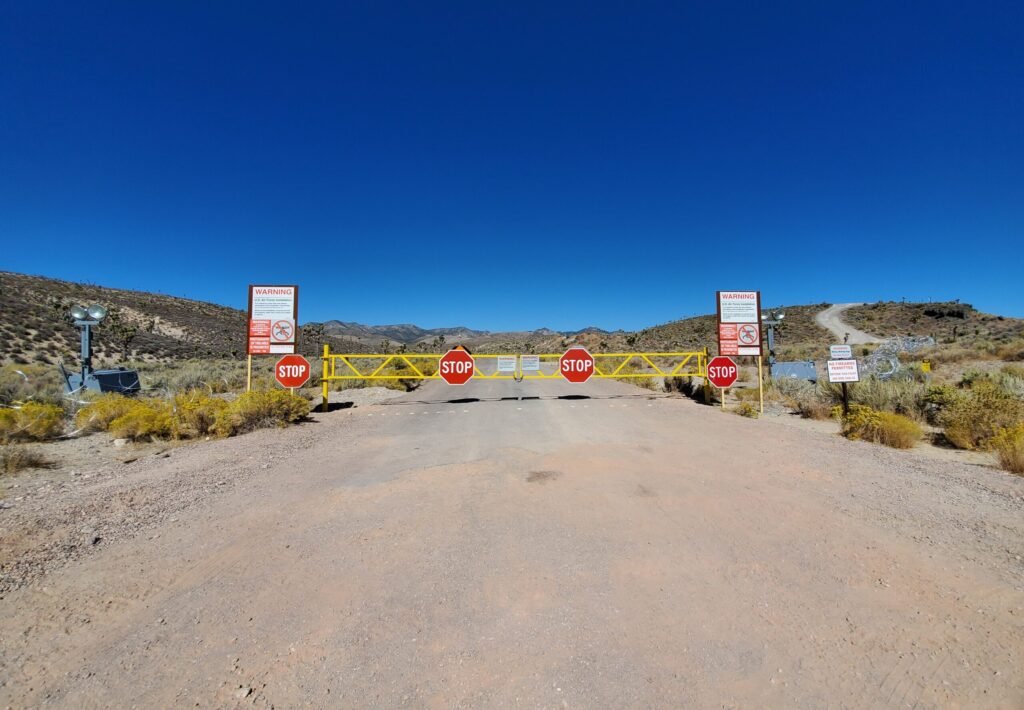
Area 51, a highly classified U.S. Air Force facility located in Nevada, has long been the subject of conspiracy theories and UFO speculation. The secrecy surrounding the base has fueled rumors of extraterrestrial encounters and advanced technology. While the U.S. government only acknowledged its existence in 2013, declassified documents reveal that Area 51 was primarily used for testing experimental aircraft and weapons during the Cold War. The remote desert location provided an ideal setting for such top-secret activities. Despite the government’s transparency, the allure of hidden alien technology persists, drawing curiosity and speculation. Area 51 remains a symbol of the unknown, where the line between fact and fiction is tantalizingly blurred.
The Great Pyramids of Giza: Engineering Marvels
The Great Pyramids of Giza, towering over the Egyptian desert, are among the most enduring symbols of ancient engineering prowess. Constructed as tombs for pharaohs, these monumental structures have stood for over 4,500 years. The precise alignment of the pyramids with the cardinal points and their near-perfect construction continue to astound researchers. Scholars believe the ancient Egyptians used a combination of ramps, levers, and manpower to move and position the massive limestone blocks. The pyramids’ alignment with celestial bodies suggests a profound understanding of astronomy. The Great Pyramids serve as a testament to human ingenuity and the desire to reach beyond the known, leaving a legacy that continues to inspire and mystify.
The Mariana Trench: Earth’s Deepest Mystery

The Mariana Trench, located in the western Pacific Ocean, is the deepest known part of the world’s oceans. Its lowest point, Challenger Deep, plunges nearly 36,000 feet below the surface. The trench’s extreme depth and pressure create a unique environment that remains largely unexplored. Scientists have discovered a variety of bizarre and resilient life forms, adapted to survive in such harsh conditions. The trench’s formation is the result of tectonic plate movements, where the Pacific Plate is being subducted beneath the Mariana Plate. This geological process gives rise to intense seismic activity and hydrothermal vents, which support unique ecosystems. The Mariana Trench holds countless secrets, offering a glimpse into the uncharted depths of our planet.
Loch Ness: A Lake of Legends

Loch Ness, a large freshwater lake in Scotland, is famously associated with the legendary creature known as “Nessie.” Sightings of this elusive monster have captivated imaginations for centuries. While scientific evidence for Nessie’s existence remains elusive, the lake’s unique features have sparked interest. Loch Ness is one of the largest and deepest bodies of freshwater in the British Isles, with murky waters that make it difficult to see beneath the surface. The lake’s geological history, shaped by glacial movements, adds to its mystique. Despite numerous investigations and sonar explorations, the legend of Loch Ness endures, a reminder of our fascination with the unknown and the stories that shape our understanding of the natural world.
The Antarctic Dry Valleys: A Frozen Enigma
The Antarctic Dry Valleys, located in the continent’s McMurdo Dry Valleys region, are one of the most extreme deserts on Earth. Despite their icy surroundings, these valleys receive little to no precipitation, creating a barren landscape. Scientists are drawn to this region for its resemblance to Martian terrain, offering insights into extraterrestrial environments. The valleys’ unique conditions preserve ancient fossils and microorganisms, providing valuable information about Earth’s climatic history. The presence of hypersaline lakes, where water remains liquid below freezing temperatures, further intrigues researchers. These lakes host microbial life that may offer clues to the potential for life beyond our planet. The Antarctic Dry Valleys stand as a testament to the resilience of life in the harshest of environments.
The Devil’s Kettle: Nature’s Unsolved Puzzle
The Devil’s Kettle, located in Minnesota’s Judge C. R. Magney State Park, is a mysterious waterfall that splits into two streams. One side continues its journey down the river, while the other disappears into a deep hole, where its ultimate destination remains unknown. Scientists have attempted to trace the path of the disappearing water using dyes and other markers, but the results have been inconclusive. Theories suggest that underground channels or fractures in the rock may be responsible for the water’s vanishing act. The Devil’s Kettle remains an enigmatic natural feature, inviting both curiosity and speculation. This geological wonder challenges our understanding of the Earth’s subterranean systems, reminding us of the hidden complexities beneath our feet.
Mount Roraima: A Lost World
Mount Roraima, a flat-topped mountain located at the triple border of Venezuela, Brazil, and Guyana, is often described as a “lost world” due to its unique ecosystem and towering cliffs. The mountain’s isolated plateau is home to a diverse range of plant and animal species, many of which are found nowhere else on Earth. The mountain’s unusual shape and sheer cliffs have sparked legends and inspired stories of hidden civilizations. Geologically, Mount Roraima is a remnant of the ancient supercontinent Gondwana, providing a window into the planet’s distant past. The mountain’s unique environment and dramatic scenery continue to captivate scientists and adventurers alike, offering a glimpse into a world untouched by time.