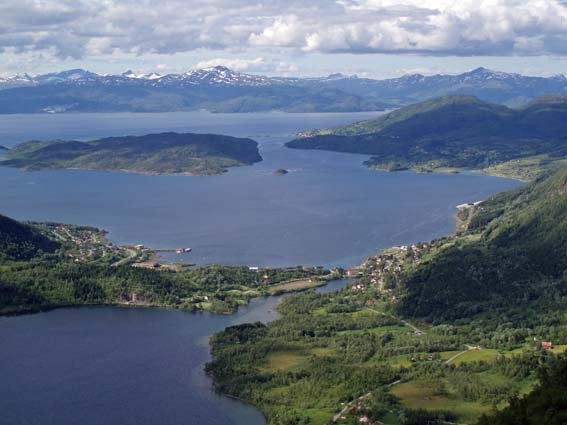

Imagine standing at the edge of a perfectly calm lake, watching its surface reflect the surrounding landscape like a pristine mirror. Yet beneath that deceptive tranquility lies a hidden world of invisible barriers and chemical boundaries that have remained untouched for centuries. You’re looking at one of nature’s most remarkable phenomena: a meromictic lake where layers of water exist in permanent separation, creating distinct underwater environments that never exchange their contents.
These extraordinary bodies of water challenge everything you might think you know about how lakes work. While most lakes mix their waters at least once per year through natural circulation patterns, meromictic lakes maintain their layered structure indefinitely. Picture it like a liquid lasagna, where each layer has its own unique chemistry, temperature, and even life forms, all coexisting without ever blending together.
What Makes a Lake Refuse to Mix
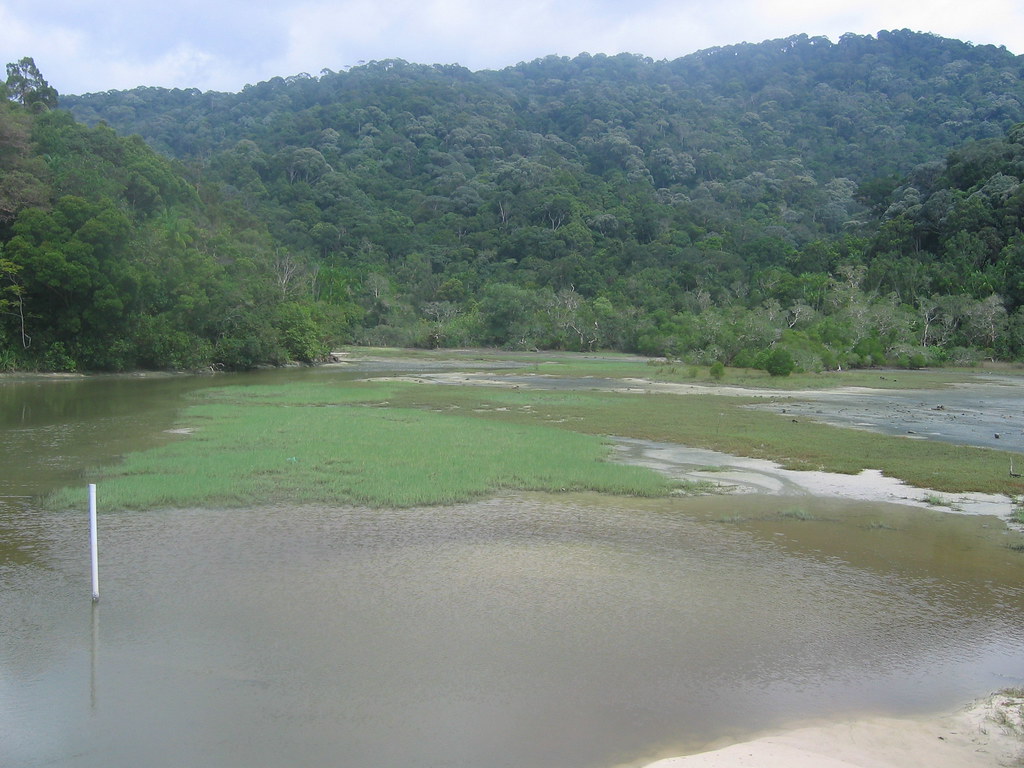
A meromictic lake is a lake which has layers of water that do not intermix. In meromictic lakes, the layers of water can remain unmixed for years, decades, or centuries. The key to understanding these mysterious lakes lies in the fundamental principle of density differences in water.
The formation of meromictic lakes relies on specific geological and physical conditions that prevent full water circulation. A meromictic lake may form because the basin is unusually deep and steep-sided compared to the lake’s surface area, or because the lower layer of the lake is highly saline and denser than the upper layers of water.
Think of it like oil floating on water, except in reverse. The denser, saltier water settles at the bottom and forms an invisible barrier that lighter freshwater simply cannot penetrate. The denser, saltier water settles at the bottom, forming a stable layer that resists mixing with fresher surface water.
The Three-Layer Mystery
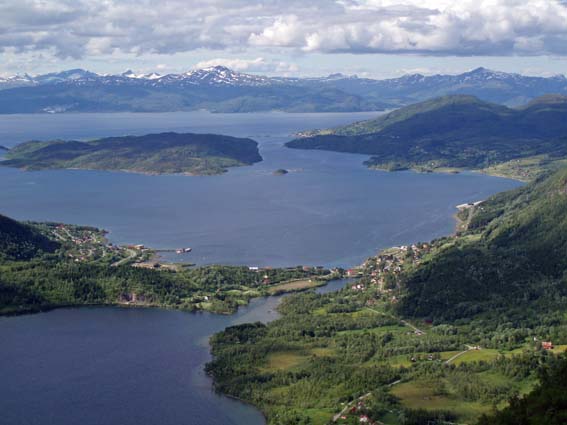
Meromictic lakes are defined by their permanent layering, preventing top and bottom waters from intermingling. This stratification creates three distinct zones. Each layer has its own personality and characteristics that make these lakes truly fascinating natural laboratories.
The uppermost layer, known as the mixolimnion, is surface water that experiences seasonal mixing and is generally oxygenated. Below the mixolimnion is the chemocline, a narrow transition zone where water properties change rapidly. This layer marks a significant gradient in density, temperature, and chemical composition, often showing a sharp decrease in oxygen and an increase in dissolved substances.
The deepest layer is the monimolimnion, which remains perpetually unmixed and isolated from the surface waters. This bottom layer is typically anoxic, meaning it lacks oxygen, and often contains high concentrations of dissolved salts and other compounds. It’s like discovering an alien world right here on Earth, where completely different rules apply to life and chemistry.
The Power of Density Gradients
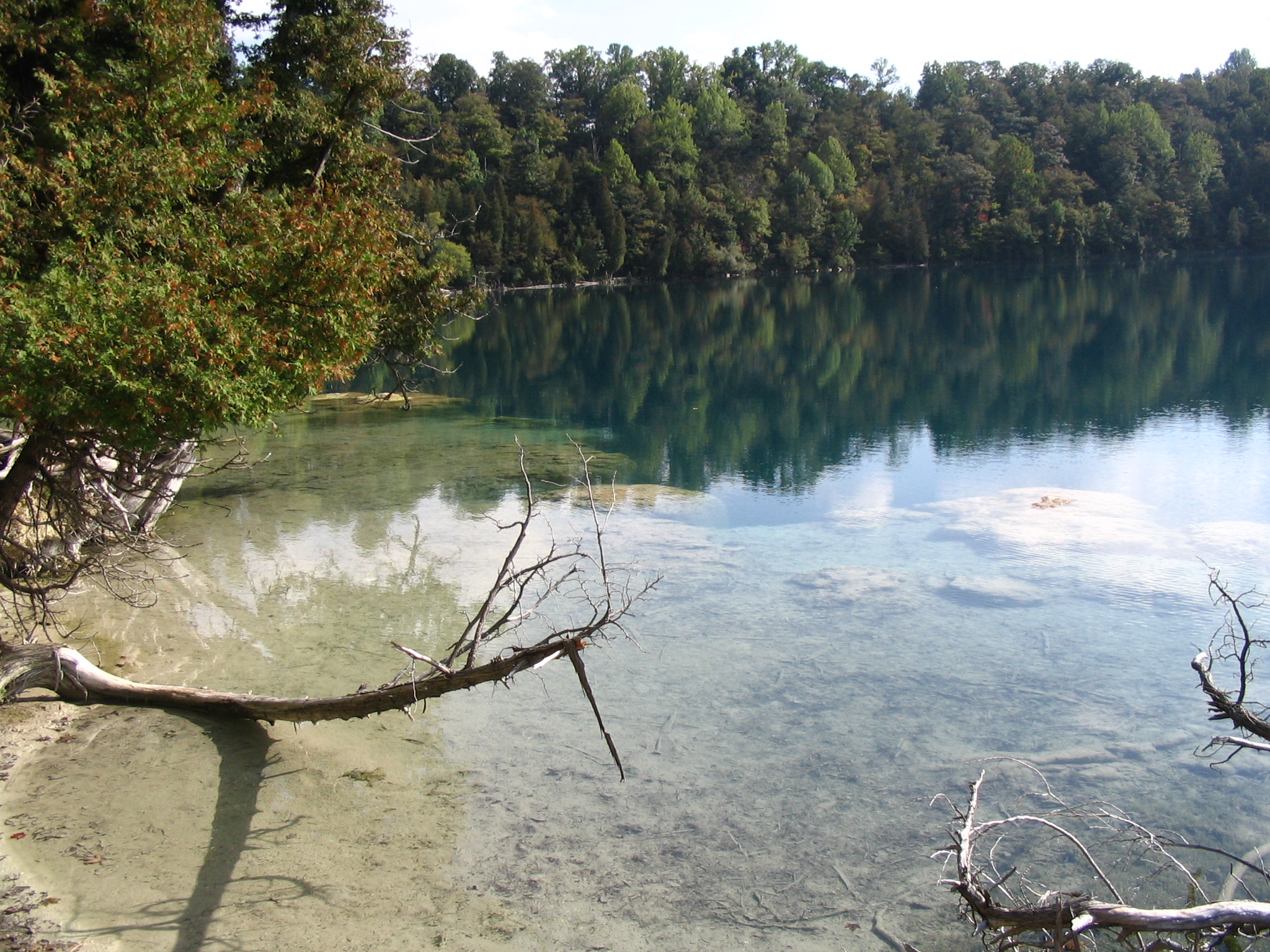
The permanent density stratification within the monimolimnion limits the vertical transport of both water and solutes. The science behind this separation is surprisingly elegant and relies on the same physical principles that keep oil and vinegar separate in your salad dressing.
Density gradients are implied by salinity differences due to inflowing rivers or evaporation and precipitation. In many cases, density gradients due to salinity overcome the thermal contribution. Some lakes show extreme salinity stratification between low salinity and water beyond ocean concentration.
The resistance of the total water column to mixing depends mainly on the density differences across the chemocline. This invisible boundary acts like a liquid ceiling that prevents any mixing between the upper and lower layers. Even strong winds or seasonal temperature changes that would normally turn over a regular lake are powerless against these density barriers.
Chemical Boundaries and the Chemocline
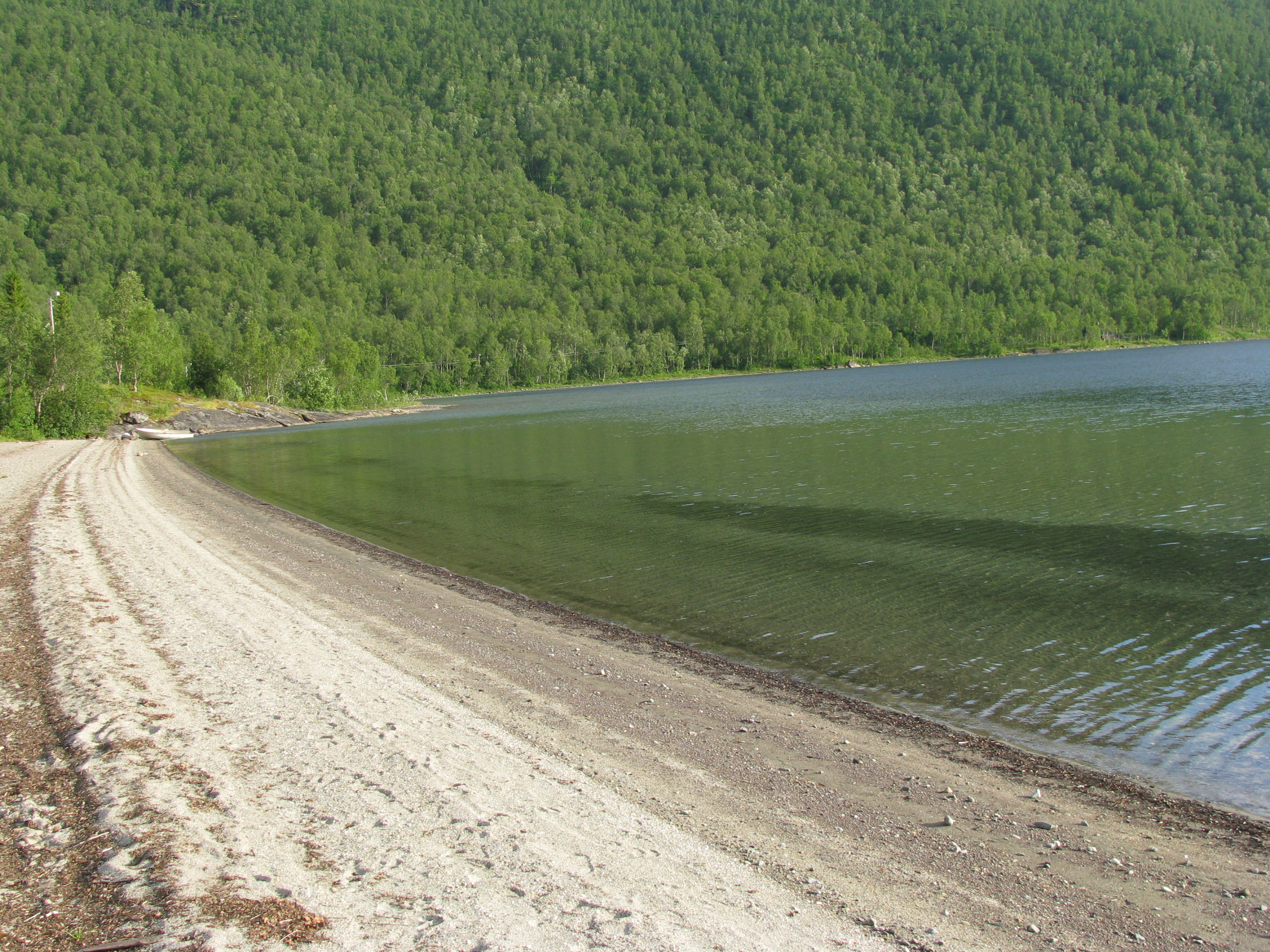
Containing the largest chemical gradient, the chemocline is a thin boundary layer that separates a meromictic lake into two parts: the upper mixolimnion and the lower monimolimnion. The mixolimnion is a region that is accessed by the wind where the water can be fully mixed and circulated.
This transition zone is where the real magic happens. At the chemocline itself, photosynthetic forms of anaerobic bacteria, like green phototrophic and purple sulfur bacteria, cluster and take advantage of both the sunlight from above and the hydrogen sulfide (H2S) produced by the anaerobic bacteria below. Due to the gradient of conditions, the chemocline layer may contain an abundance of phototrophic bacteria and high concentrations of thiosulfate and elemental sulfur.
The chemocline represents one of nature’s most dramatic chemical transitions, where conditions change more rapidly than in any other aquatic environment. SF6 background measurements before spiking indicate that diffusive transport through the chemocline density step must be very low, i.e., close to the molecular level. It’s essentially a liquid wall that even individual molecules struggle to cross.
When Salt Creates Permanent Barriers
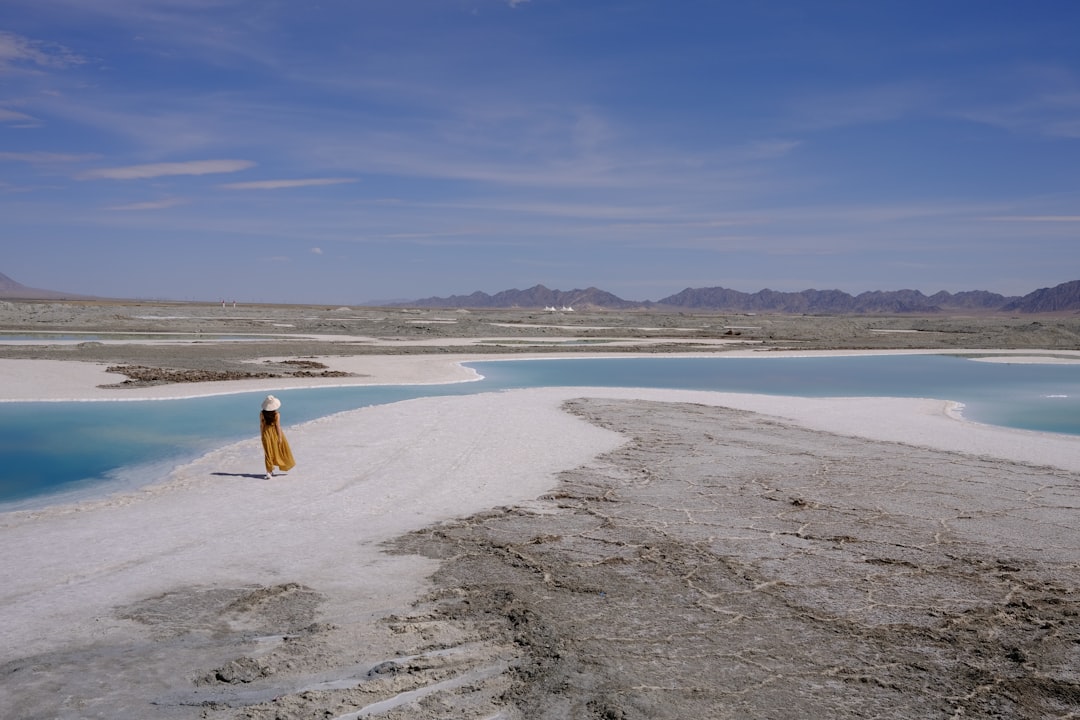
Another factor contributing to their formation is the input of highly saline or dense water into the bottom of the lake. This can occur from subsurface mineral springs carrying dissolved salts, or from ancient seawater trapped in coastal depressions. Some of these lakes are essentially time capsules, preserving ancient ocean water from when sea levels were dramatically different.
For instance, some meromictic lakes are remnants of former marine environments where sea levels receded, leaving behind isolated basins with trapped saltwater. Imagine the Mediterranean Sea suddenly draining away, leaving behind pockets of super-salty water that would persist for thousands of years.
The contrast can be extreme. The Baltic Sea is persistently stratified, with dense, highly saline water comprising the bottom layer, and large areas of hypoxic sediments. Even massive bodies of water like the Black Sea follow these same principles, creating underwater deserts where normal aquatic life simply cannot survive.
Life in the Oxygen-Free Zone
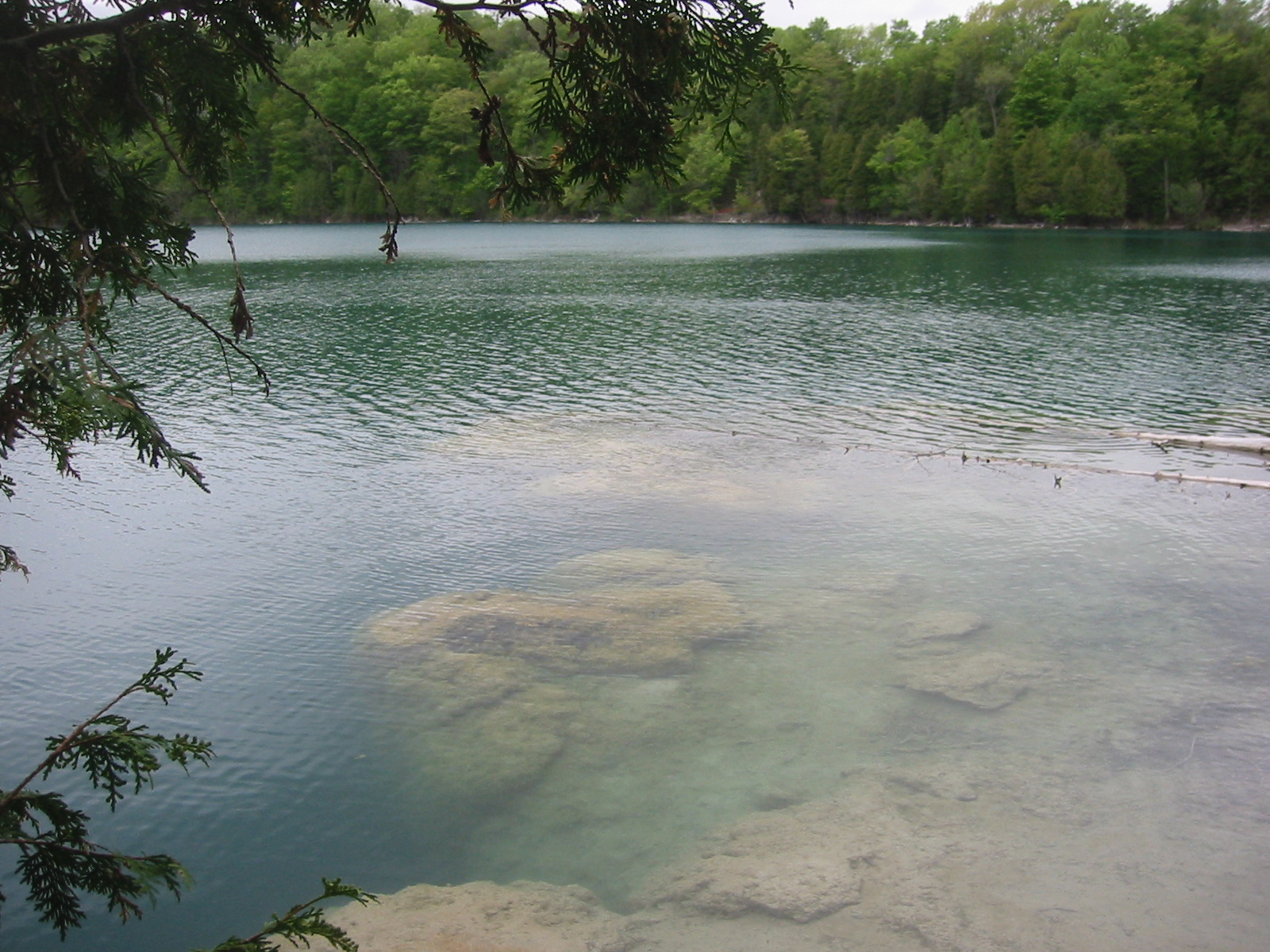
The permanent stratification of meromictic lakes creates distinct chemical and biological conditions, particularly in their lower depths. The monimolimnion, isolated from atmospheric oxygen, becomes anoxic, providing an environment where oxygen-breathing organisms cannot survive. Instead, this deep, dark layer often accumulates high concentrations of gases like hydrogen sulfide, and methane.
In a meromictic lake, the monimolimion is usually anoxic (without oxygen) and uninhabited by organisms other than bacteria, some protozoans, and possibly nematodes. It’s like discovering an underwater version of the deepest ocean trenches, where only the most specialized life forms can survive.
These conditions create unique evolutionary laboratories. As a result of the differences between the upper and lower layers, aerobic life is restricted to the region above the chemocline, while anaerobic species able to live in anoxic conditions reside below the cline. Additionally, above the chemocline, photosynthetic processes can occur due to the presence of light, but below, sufficient light is not present for photosynthetic bacteria to thrive. In the mixolimnion, above the chemocline, examples of phototrophic species include cyanobacteria, while the monolimnion contains sulfate reducers and sulfide oxidizers.
The Deadly Potential of Gas-Laden Waters
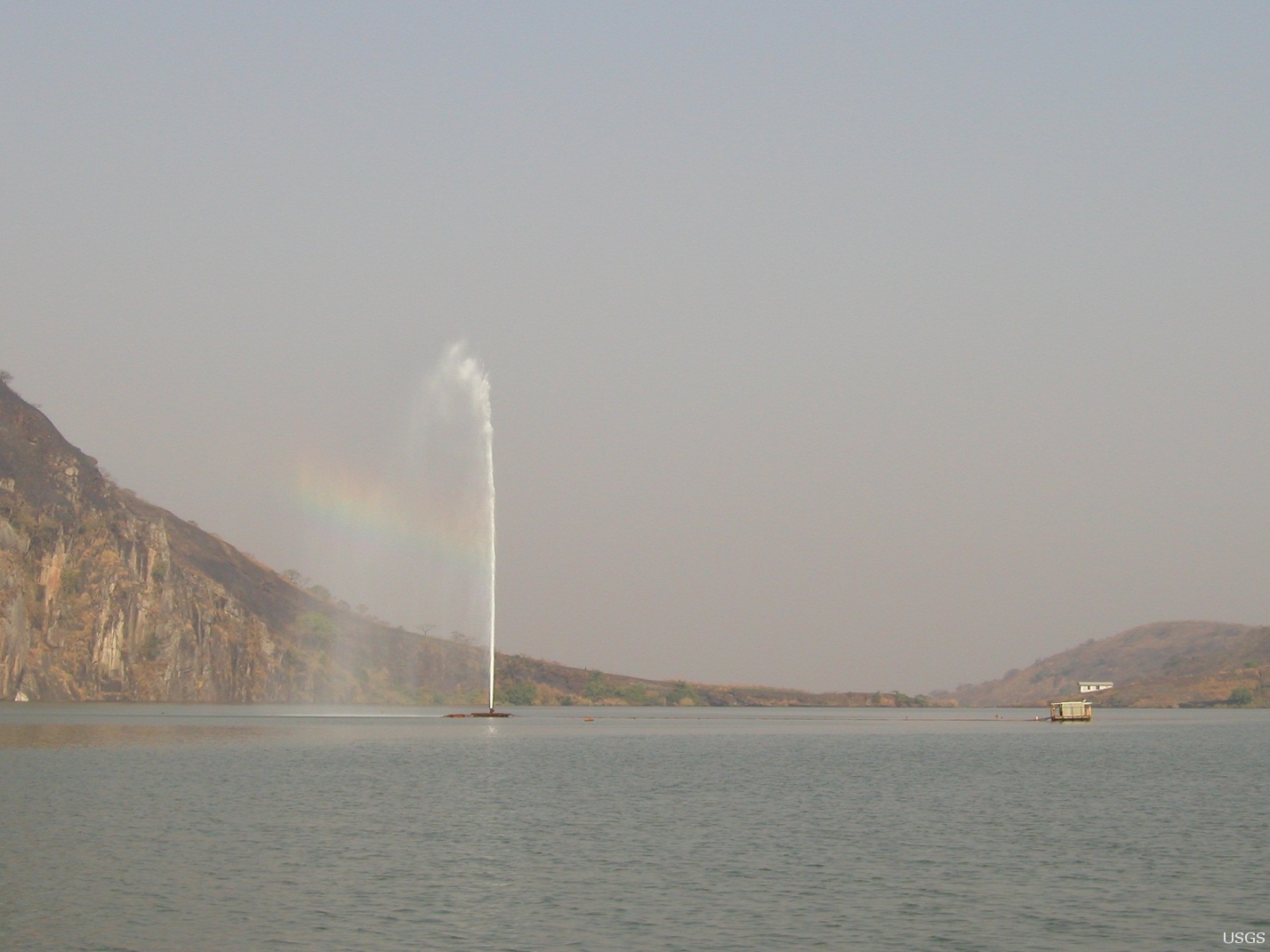
Occasionally, carbon dioxide, methane, or other dissolved gases can build up relatively undisturbed in the lower layers of a meromictic lake. When the stratification is disturbed, as could happen from an earthquake, a limnic eruption may result. In 1986, a notable event of this type took place at Lake Nyos in Cameroon, causing 1,746 deaths.
The Lake Nyos disaster stands as a chilling reminder of the hidden dangers these peaceful-looking lakes can harbor. On August 21, 1986, a cloud of magmatic carbon dioxide gas arose from the bed of Lake Nyos, a freshwater lake located in a volcanic caldera in the populous Northwest Region of the East African nation of Cameroon. The rare event, called a limnic eruption, was announced by a small explosion that residents of a market town near the lake described as being like distant thunder, but it was otherwise unannounced by anything else apart from a foul odor. The 1.6-million-ton cloud of magmatic gas was deadly, and a count of the fatalities indicated that 1,746 people, most from villages by the lake, had been asphyxiated by it, along with some 3,000 cattle and innumerable birds, insects, and other animals.
A limnic eruption, also known as a lake overturn, is a very rare type of natural hazard in which dissolved carbon dioxide (CO2) suddenly erupts from deep lake waters, forming a gas cloud capable of asphyxiating wildlife, livestock, and humans. Scientists believe earthquakes, volcanic activity, and other explosive events can serve as triggers for limnic eruptions as the rising CO2 ejects water from the lake. Lakes in which such activity occurs are referred to as limnically active lakes or exploding lakes.
Scientific Treasures Hidden in Still Waters
Meromictic lakes serve as natural laboratories for scientific research. Their stable, anoxic bottom layers allow scientists to study microbial ecology in environments that mimic early Earth conditions, providing insights into the evolution of life and biogeochemical cycles. Researchers can examine how elements like carbon, sulfur, and nitrogen cycle in the absence of oxygen, processes relevant to understanding global nutrient dynamics.
These lakes are like natural time machines, preserving records of environmental conditions that span millennia. The undisturbed sediments in the monimolimnion also act as natural archives, preserving a detailed record of past environmental conditions. Layers of sediment accumulate over thousands of years without disruption, encapsulating pollen, algae, and chemical signatures from ancient climates.
Scientists studying these systems often feel like archaeologists uncovering ancient civilizations, except they’re discovering the history of Earth’s climate and atmosphere instead of human artifacts. The precision of these natural records can reveal details about historical volcanic eruptions, climate shifts, and even the impact of human activities on regional environments.
Managing the Risks and Protecting Communities
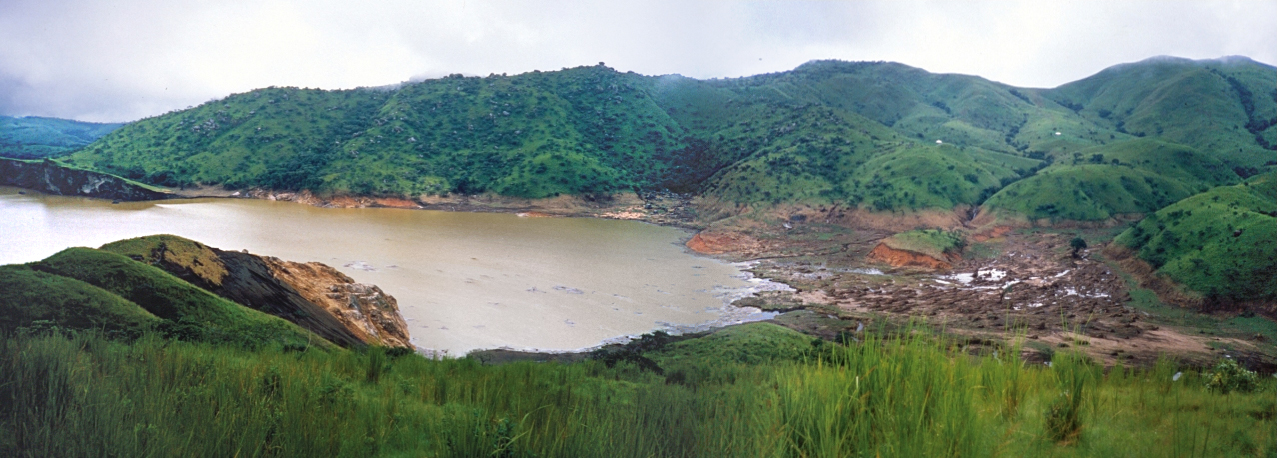
Following the tragic events at Lake Nyos, the international scientific community mobilized to develop innovative solutions for managing these dangerous lakes. The principle is to slowly vent the CO2 by lifting heavily saturated water from the bottom of the lake through a pipe, initially by using a pump, but only until the release of gas inside the pipe naturally lifts the column of effervescing water, making the process self-sustaining. Starting from 1995, feasibility studies were successfully conducted, and the first permanent degassing pipe was installed at the lake in 2001. Two additional pipes were installed in 2011. In 2019 it was determined that the degassing had reached an essentially steady state and that a single one of the installed pipes would be able to self-sustain the degassing process into the future, indefinitely maintaining the CO2 at a safe level, without any need for external power.
An international degassing program placed specialized pipes into Lake Nyos, to reach the monimolimnion where harmful dissolved gases built up, that allow for gas release to the atmosphere, effectively degassing the monimolimnion. Since 2019, Lake Nyos has successfully been degassed to a nonhazardous concentration of dissolved gas. These engineering marvels work like underwater fountains, continuously releasing trapped gases in controlled amounts rather than allowing them to build up to catastrophic levels.
The success of these projects has created a template for managing similar risks worldwide, proving that even the most dangerous natural phenomena can be tamed through careful scientific understanding and engineering innovation.
The science behind meromictic lakes reveals nature’s incredible ability to create and maintain invisible boundaries in what appears to be uniform water. These floating layers, separated by chemistry rather than physical barriers, continue to amaze researchers and remind us that even in our well-explored world, remarkable mysteries persist just beneath the surface. From their role as natural archives of Earth’s history to their potential as deadly gas chambers, these never-mixing waters represent one of limnology’s most captivating phenomena.
What fascinates you more about these mysterious lakes – their potential to preserve ancient secrets or their hidden dangers? The intersection of beauty and peril in these systems shows us that nature’s most serene appearances can sometimes conceal the most extraordinary forces.