
You’ve probably never seen it with your own eyes, but chances are you’ve heard the stories. Strange glowing spheres floating through the air during thunderstorms, sometimes passing right through walls, occasionally exploding with tremendous force. For centuries, people have reported encounters with this mysterious phenomenon called ball lightning, yet scientists have struggled to explain what it really is.
There is at present no widely accepted explanation for ball lightning. But as of 2019, one natural phenomenon common enough to have been seen by thousands of eyewitnesses still resists not only replication and prediction, but also has refused to yield a widely accepted scientific explanation. That phenomenon is ball lightning. The question isn’t just whether ball lightning exists, but whether modern science can finally crack one of nature’s most persistent puzzles.
The Historical Mystery That Scientists Once Dismissed
Imagine being told about glowing orbs that drift through rooms, pass through solid walls, and occasionally vanish with explosive force. Several hypotheses have been advanced since the phenomenon was brought into the scientific realm by the English physician and electrical researcher William Snow Harris in 1843, and French Academy scientist François Arago in 1855. Yet for the longest time, the scientific community remained deeply skeptical.
Until the 1960s, most scientists were skeptical of reports of ball lightning, despite sightings worldwide. Until recent years, most scientists remained skeptical about ball lightning; it seemed more myth than reality. Think about it honestly, if someone told you they saw a basketball-sized ball of light floating around their living room for thirty seconds, you’d probably question their credibility too.
What Witnesses Actually Report Seeing
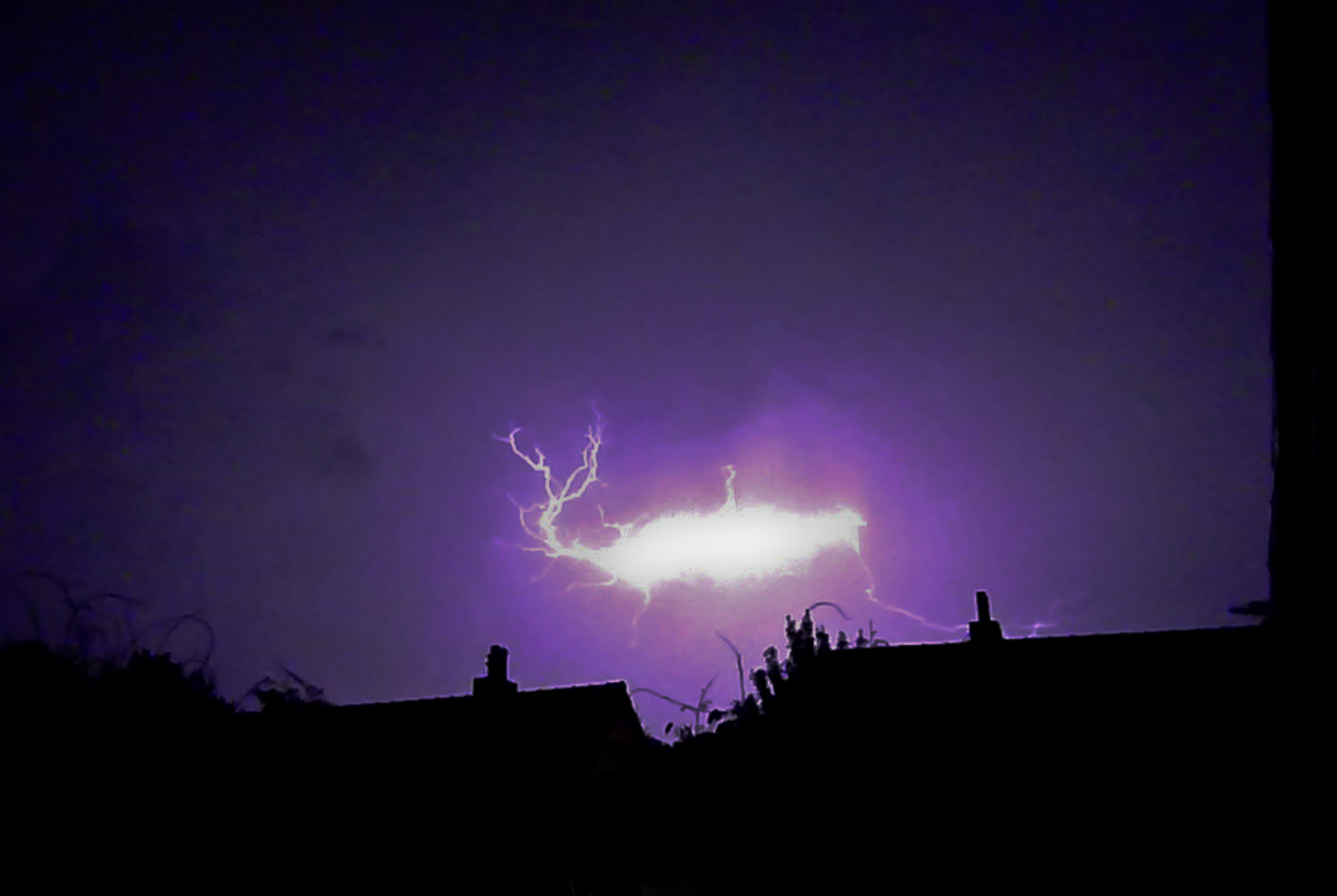
Ball lightning is described as a luminous, spherical object that varies in size, typically ranging from a few centimeters to several meters in diameter. Witnesses often report seeing these glowing orbs during or after thunderstorms, sometimes floating through the air or moving unpredictably. Witnesses often describe it as a bright, glowing sphere that is often colored red, orange, yellow, or blue.
The consistency across cultures and time periods is striking. The chronicle of Gervase of Canterbury, an English monk, contains what is considered one of the earliest known references to ball lightning. It is fascinating to see how closely Gervase’s 12th century description matches modern reports of ball lightning. Whether you’re reading accounts from medieval England or modern-day China, the descriptions share remarkably similar features.
The Numbers Game: How Common Is This Phenomenon Really?
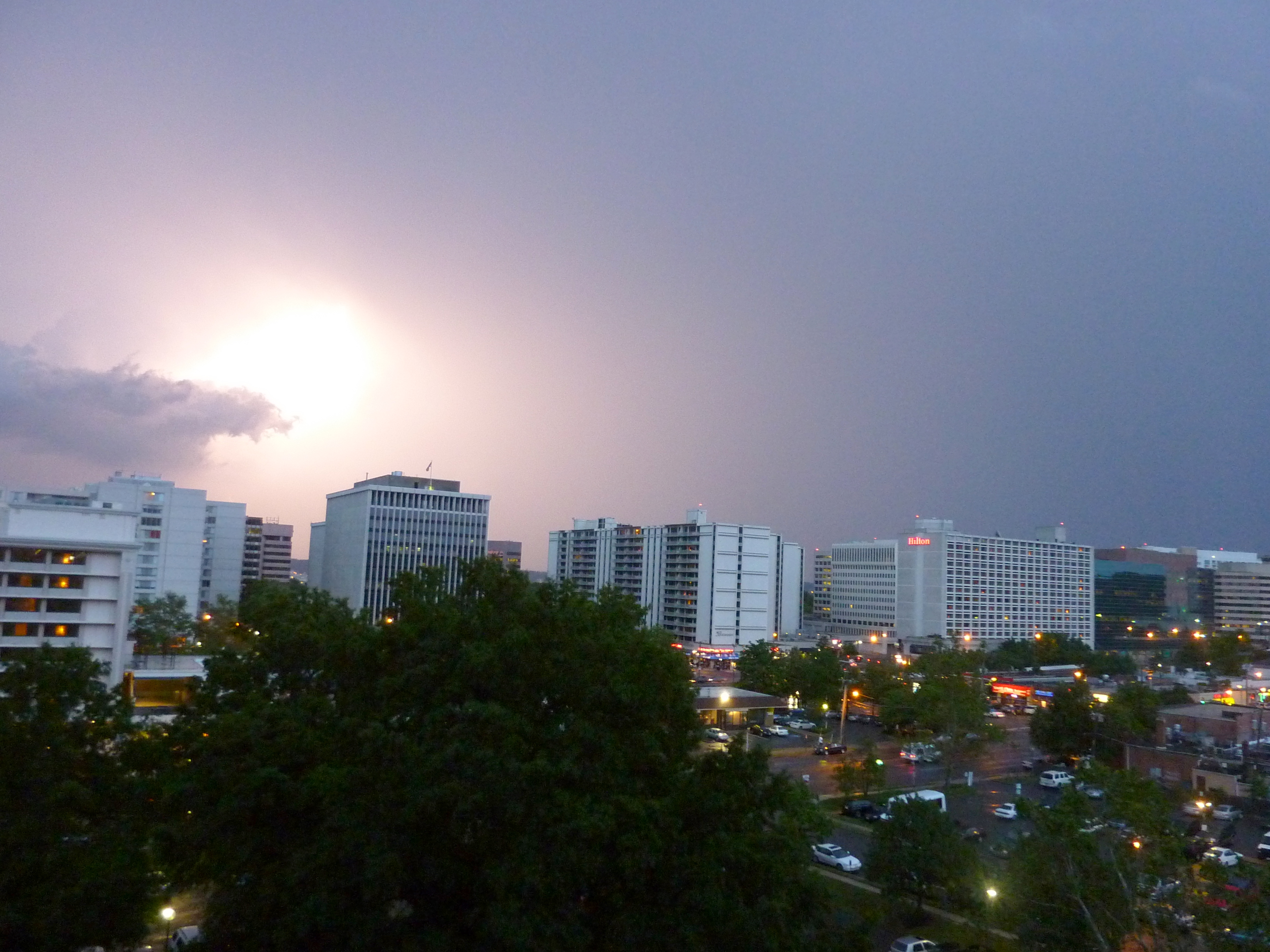
You might assume ball lightning is extraordinarily rare, given how little we know about it. The statistics tell a different story. According to statistical investigations, studies have suggested that a notable percentage of the population reports having witnessed ball lightning. A Scientific American article summarized the study as having found that ball lightning had been seen by 5% of the population of the Earth.
Its lifetime varies widely, ranging from a few seconds to several minutes, with most reports indicating durations of seconds rather than minutes. Statistical analysis shows that increase in humidity decreases the lifetime of the ball, which can be due to microwave absorption by vapour. That’s long enough for multiple witnesses to observe the same event, which explains why we have thousands of documented sightings.
The Silicon Theory: When Lightning Strikes Earth
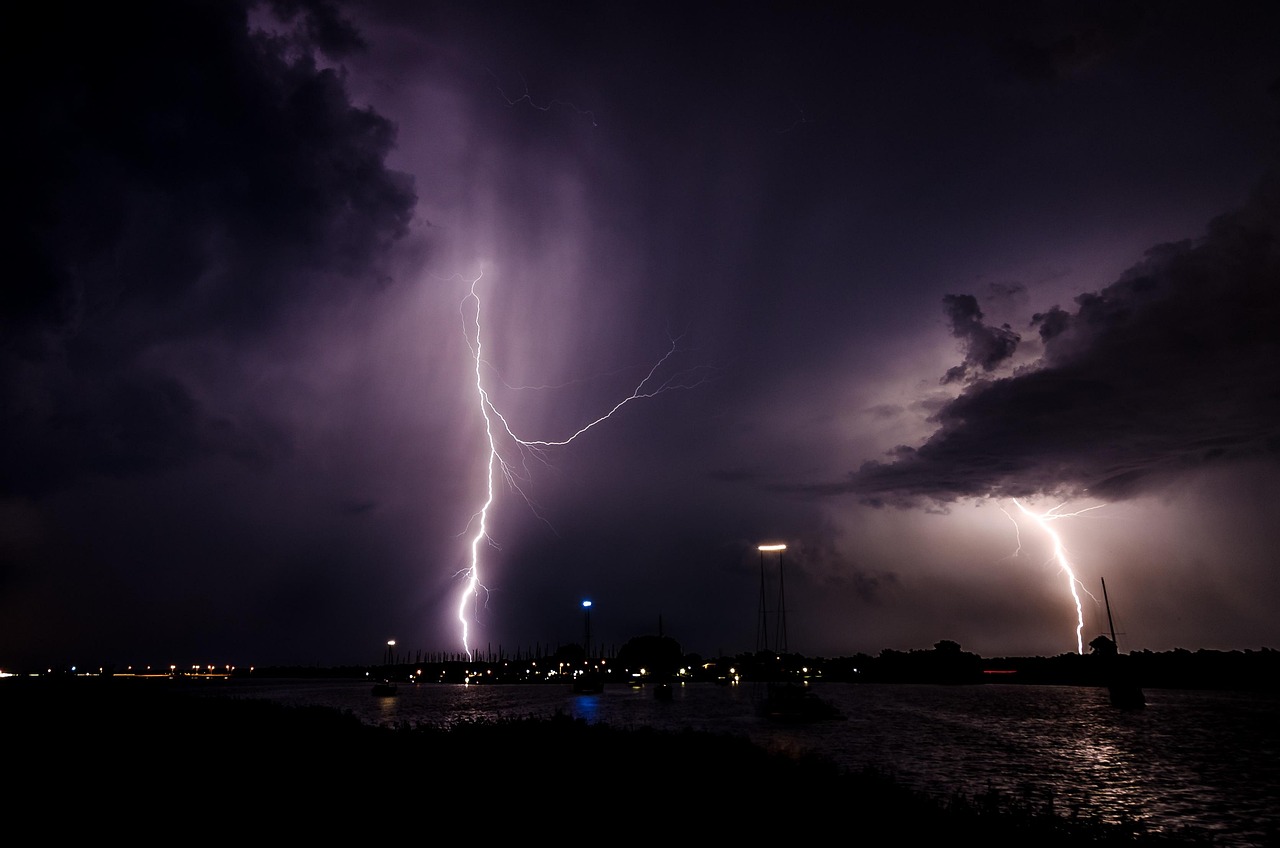
One of the most compelling scientific explanations involves something you probably never think about, silicon in soil. This hypothesis suggests that ball lightning consists of vaporized silicon burning through oxidation. Lightning striking Earth’s soil could vaporize the silica contained within it, and somehow separate the oxygen from the silicon dioxide, turning it into pure silicon vapor.
As it cools, the silicon could condense into a floating aerosol, bound by its charge, glowing due to the heat of silicon recombining with oxygen. An experimental investigation of this effect, published in 2007, reported producing “luminous balls with lifetime in the order of seconds” by evaporating pure silicon with an electric arc. Recent research has continued to explore the vaporized silicon theory, investigating how silicon nanoparticles could form a glowing ball in laboratory conditions.
The Microwave Plasma Bubble Theory
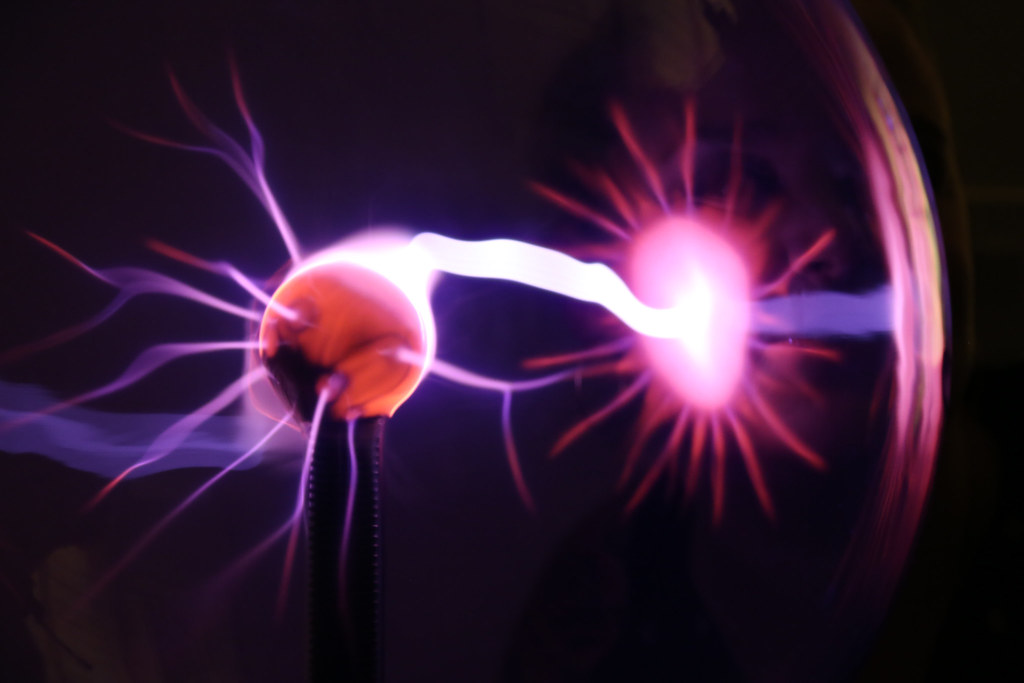
In 2017, Researchers from Zhejiang University in Hangzhou, China, proposed that the bright glow of lightning balls is created when microwaves become trapped inside a plasma bubble. At the tip of a lightning strike reaching the ground, a relativistic electron bunch can be produced when in contact with microwave radiation, the latter ionizes the local air and the radiation pressure evacuates the resulting plasma, forming a spherical plasma bubble that stably traps the radiation. Microwaves trapped inside the ball continue to generate plasma for a moment to maintain the bright flashes described in observer accounts.
This theory elegantly explains some of ball lightning’s most puzzling behaviors. For example, microwaves can pass through panes of glass, which is why windows don’t bar the entrance of ball lightning. Electrons, being tiny relative to atoms, are able to pass through the metal shell of an aircraft after being accelerated outside of it via a lightning strike. Microwaves are then emitted by the souped-up electrons inside where they form ball lightning.
Laboratory Breakthroughs and Artificial Ball Lightning
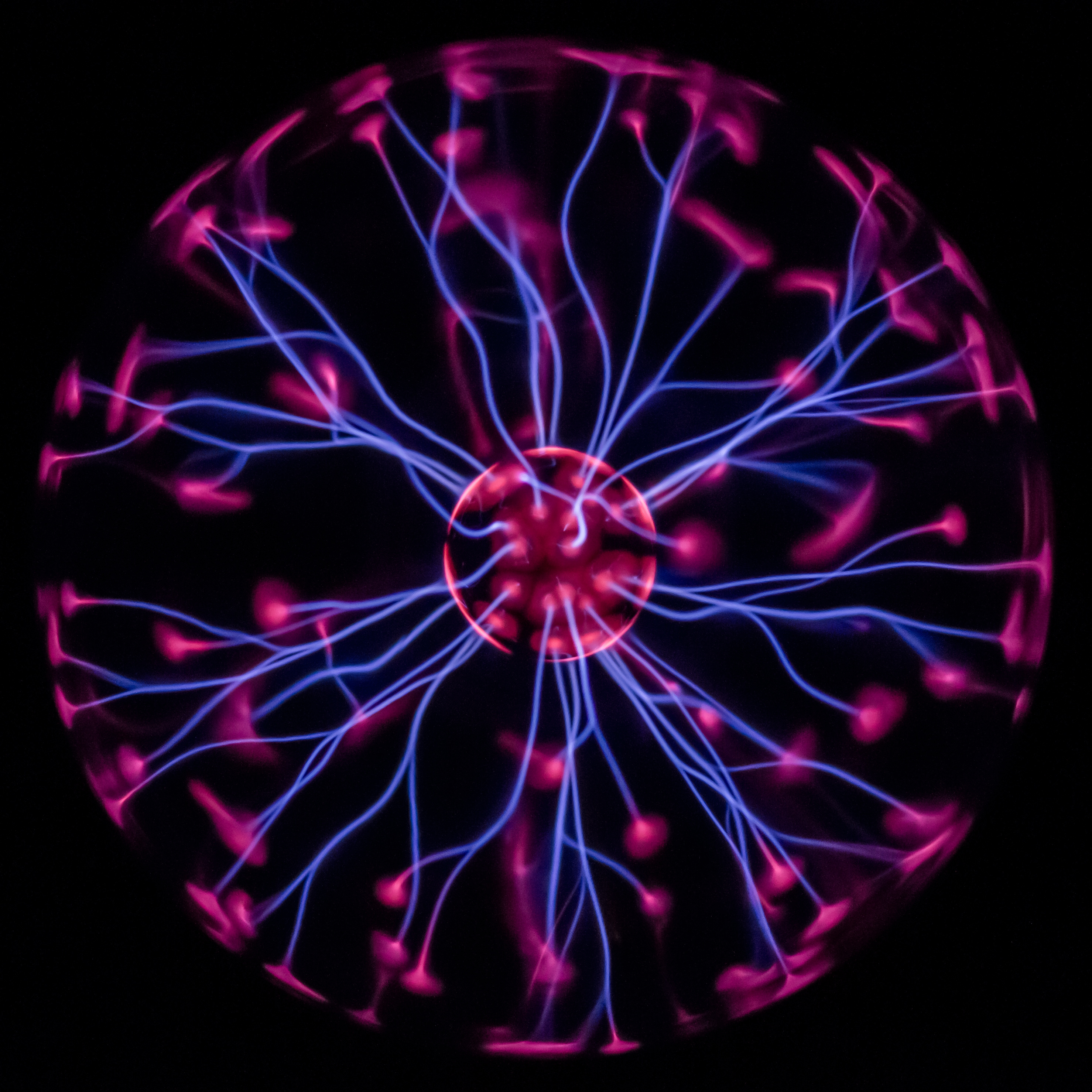
You don’t have to wait for a thunderstorm to see something resembling ball lightning anymore. In a study from 2007, published in the journal Physical Review Letters, researchers at the Federal University of Pernambuco in Brazil used electricity to vaporize tiny wafers of silicon. This created blue or orange-white spheres the size of ping-pong balls that hovered around for as long as eight seconds.
Some scientific groups, including the Max Planck Institute, have reportedly produced a ball lightning-type effect by discharging a high-voltage capacitor in a tank of water. Many modern experiments involve using a microwave oven to produce small rising glowing balls, often referred to as plasma balls. Generally, the experiments are conducted by placing a lit or recently extinguished match or other small object in a microwave oven. Still, how these relate to the phenomenon remains unclear.
The Dangers and Destructive Power
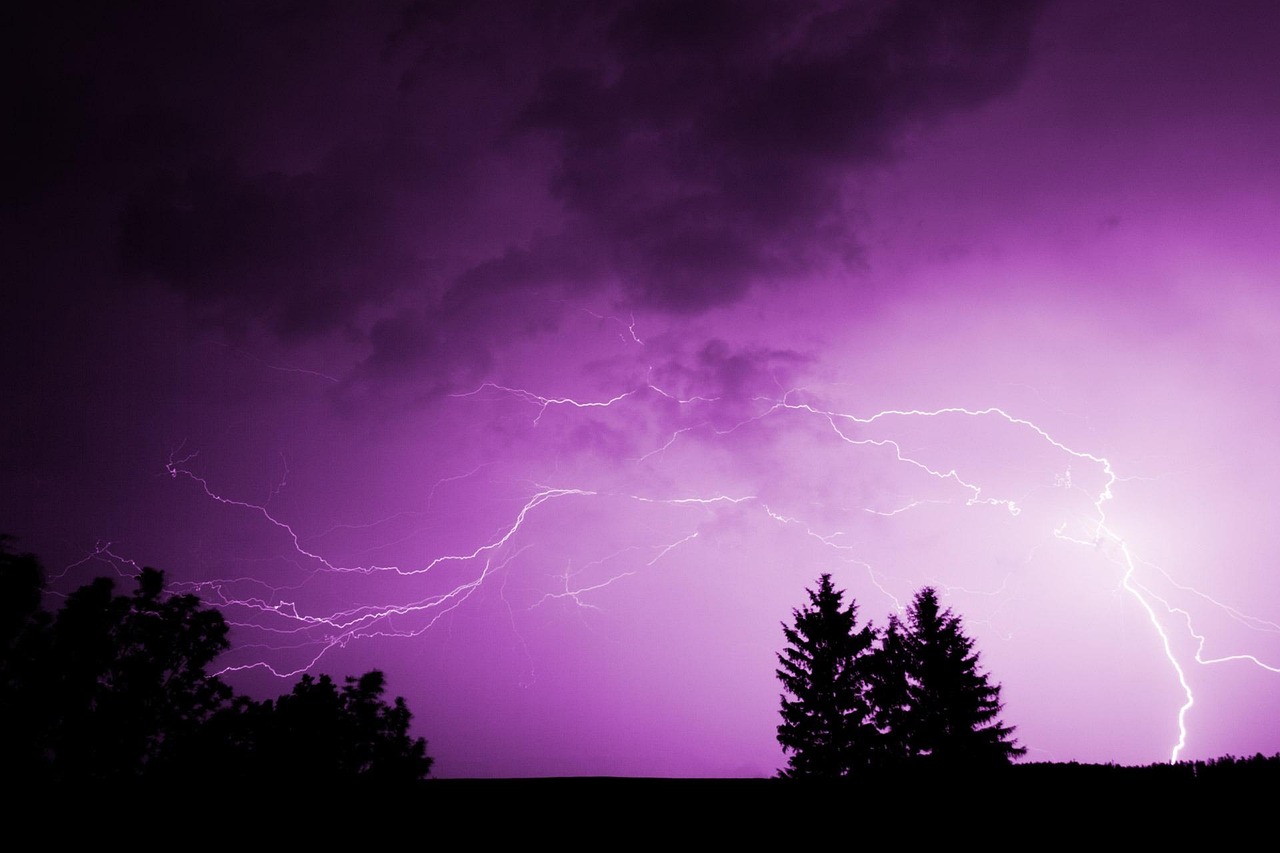
While ball lightning might sound fascinating, you wouldn’t want to encounter it personally. Accounts also vary on their alleged danger to humans, from lethal to harmless. Historical accounts paint a disturbing picture. The crew watched one ball descend, killing a man on deck and setting the main mast on fire. A crewman went out to retrieve the fallen body and was struck by a second ball, which knocked him back and left him with mild burns. A third man was killed by contact with the third ball.
Ball lightning in close contact with living beings can strike them with electric current or high-frequency radio emission. The current, passing through the surface of the skin, can cause it to burn. The entry of current into the region of the heart or the respiratory center of the brain can lead to death. Ball lightning is highly destructive. It can not only break windows but also peel off the outermost layer of the wall, causing severe death of human and animals. However, these incidents are rare (and unverified), so the overall danger posed by ball lightning seems to be minimal. Nonetheless, if you ever do happen to encounter ball lighting, your best bet is likely to keep your distance – at least until scientists understand what it actually is.
Ball lightning represents one of science’s most enduring mysteries, sitting at the intersection of atmospheric physics, plasma science, and electromagnetic theory. Ball lightning research made significant progress since 2000. Whether it’s vaporized silicon, trapped microwaves, or something else entirely, researchers are making genuine progress toward understanding this phenomenon. There now appears to be no scientific doubt about the reality of BL itself. However, its exact nature will become clear only after it has been created in the laboratory with clear control over the conditions and parameters.
The next time someone tells you about seeing a glowing ball float through their house during a thunderstorm, you might want to listen more carefully. What do you think, could there still be natural phenomena out there that science hasn’t fully explained?
Jan loves Wildlife and Animals and is one of the founders of Animals Around The Globe. He holds an MSc in Finance & Economics and is a passionate PADI Open Water Diver. His favorite animals are Mountain Gorillas, Tigers, and Great White Sharks. He lived in South Africa, Germany, the USA, Ireland, Italy, China, and Australia. Before AATG, Jan worked for Google, Axel Springer, BMW and others.