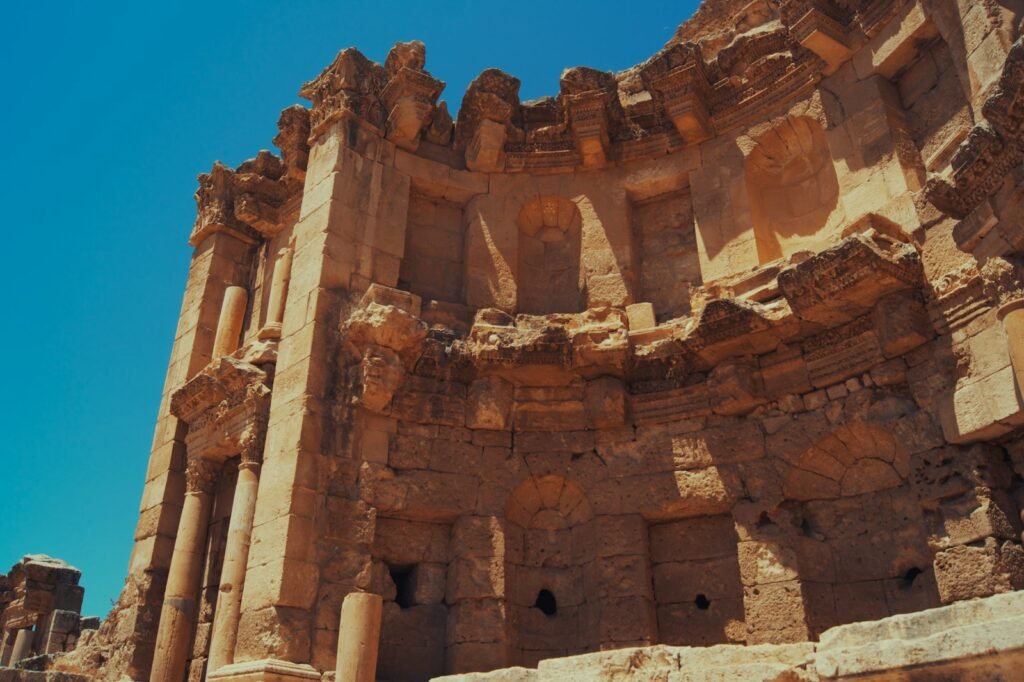

Dusty ruins and weathered stones can feel silent, but behind them hides a roaring story of problem-solving, ingenuity, and sometimes sheer audacity. For every Egyptian pyramid, Roman aqueduct, or Incan road clinging to a mountain cliff, there was once a very real engineering challenge and a surprisingly clever solution. Today, scientists are turning these monuments into laboratories, using lasers, satellites, chemistry, and physics to reverse-engineer how ancient builders pulled it off. The answers are rarely about magic or lost super-technologies; instead, they reveal something more compelling: people with limited tools but a deep, almost instinctive grasp of materials, geometry, and forces. As we uncover their methods, we are forced to ask an uncomfortable question about ourselves – are we really as advanced as we think?
The Hidden Clues in Stone, Mortar, and Alignment
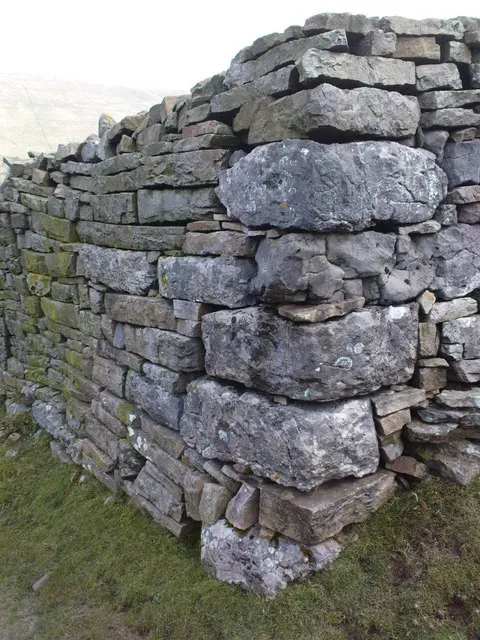
Walk up to an ancient wall and it looks like just stacked rocks, but up close, the clues pile up faster than the stones themselves. Tiny chisel marks, hairline joints, subtle changes in color or grain – these are like fingerprints left by long-gone builders. Archaeologists today use high-resolution 3D scans and microscopic analysis to piece together how those stones were cut, shaped, and set so precisely. I remember standing at a supposedly “crude” Iron Age site and realizing the blocks were subtly tapered to lock themselves together, almost like a stone version of Lego. That moment made it painfully clear: we often underestimate the sophistication hidden in what looks simple.
Modern tools are also revealing invisible patterns in how structures align with landscapes and the sky. Remote sensing and satellite imagery have shown that many temples, pyramids, and ceremonial sites line up with solstices, cardinal directions, or specific stars far more accurately than you might expect from people without GPS. At places like Giza or in Mesoamerican cities, the error in alignment can be smaller than what you’d casually get with a modern smartphone compass. These alignments hint at an integrated thinking where astronomy, religion, and engineering were fused into one coherent project, and that’s a clue to how they planned, not just how they built.
Moving Mountains Without Machines: Transporting Massive Stones
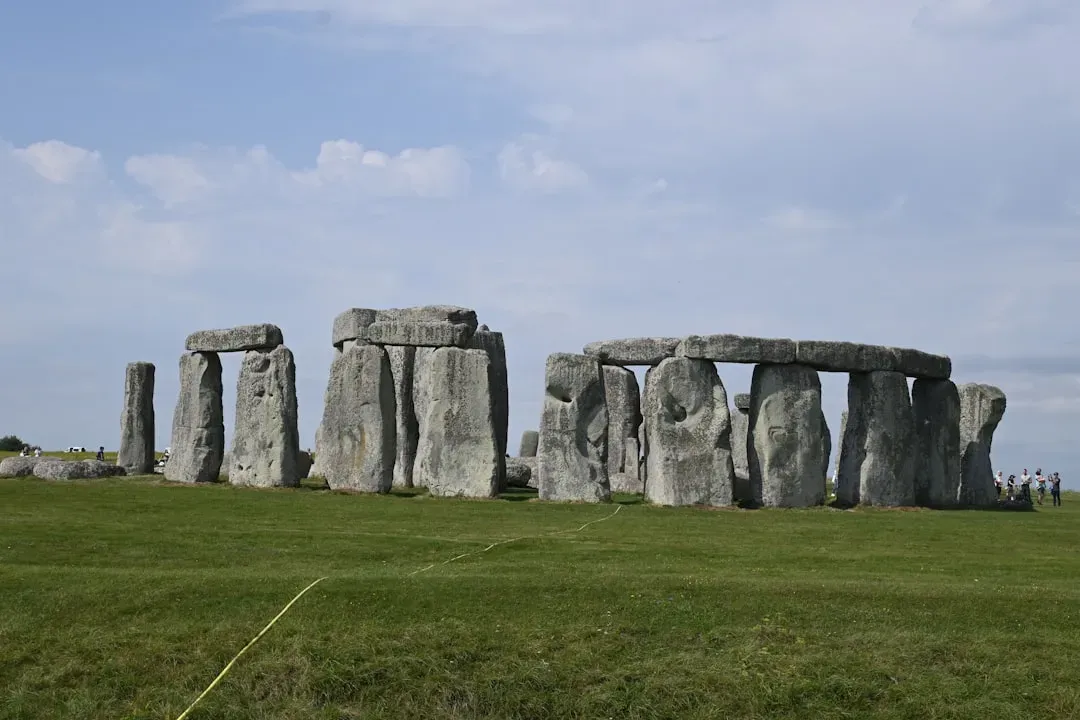
One of the most stubborn questions is also one of the most basic: how did they move that? Megaliths weighing tens or even hundreds of tons show up in temples, tombs, and stone circles across the world, from Egypt to Peru to the British Isles. For years, the conversation got stuck in either wild speculation or the dismissive idea that it was just “lots of slaves and ropes.” Recent experiments have painted a more interesting picture, one that leans heavily on physics and clever tricks. When researchers tested dragging heavy stone blocks over wet sand, the force required dropped dramatically, showing that simply dampening the ground could have been a game-changing technology in its own right.
In other cases, teams have shown that using wooden sledges, rollers, or even specially shaped “rocking” stones lets a small, coordinated group move enormous weights. These solutions are not high-tech; they are high-ingenuity. Ancient builders appear to have treated friction, leverage, and balance like everyday tools, the way we think about apps. You can almost imagine teams of workers and overseers refining their techniques over generations, passing down rules of thumb in stories rather than textbooks. The romantic fantasy of impossible stones moved by mysterious powers fades, but in its place we get something better: a realistic appreciation of how far human cooperation and applied science can go with almost no machines at all.
Precision Without Steel: Measuring, Leveling, and Geometry
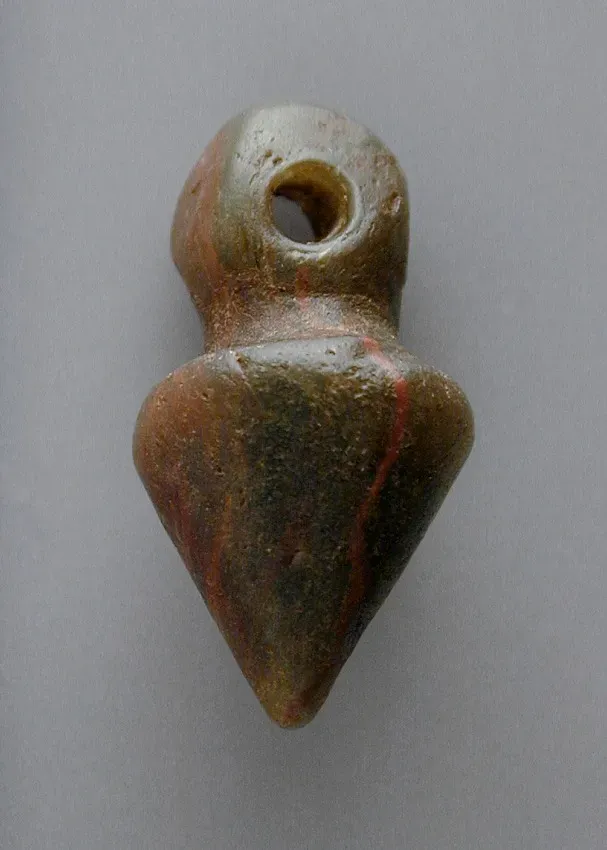
It is easy to forget that before you can build something spectacular, you have to measure it. Ancient surveyors faced the same problems modern engineers do: how to create straight lines over long distances, level surfaces, and reliable right angles. They managed it with an astonishingly small toolkit – plumb bobs, marked ropes, leveling hoses filled with water, simple sighting devices, and a lot of practice. Mathematical ideas like similar triangles, Pythagorean triples, and basic trigonometry seem to have been embedded in their craft, even if they did not express them in equations the way we do today. In many cultures, geometry was quite literally hands-on geometry, embodied in cords, stakes, and layouts traced on the ground.
Stone fitting is another realm where their precision looks almost supernatural from a distance. At sites in Greece, India, or the Andes, stones meet so tightly that you can barely slip a knife blade between them, yet the tools were often nothing more than bronze or iron chisels, abrasive sand, and patience. Experimental archaeology has shown that, given enough time and a methodical approach, a small workforce can achieve these immaculate joints by iterative carving, testing, and correction. When you stand in front of one of these joints, it feels almost like someone cheated with a power tool – but the science says otherwise. What we are seeing is a culture that turned precision into a habit, not a luxury, reinforcing the idea that “good enough” was rarely good enough for sacred or monumental work.
Invisible Technologies: Concrete, Mortar, and Materials Science
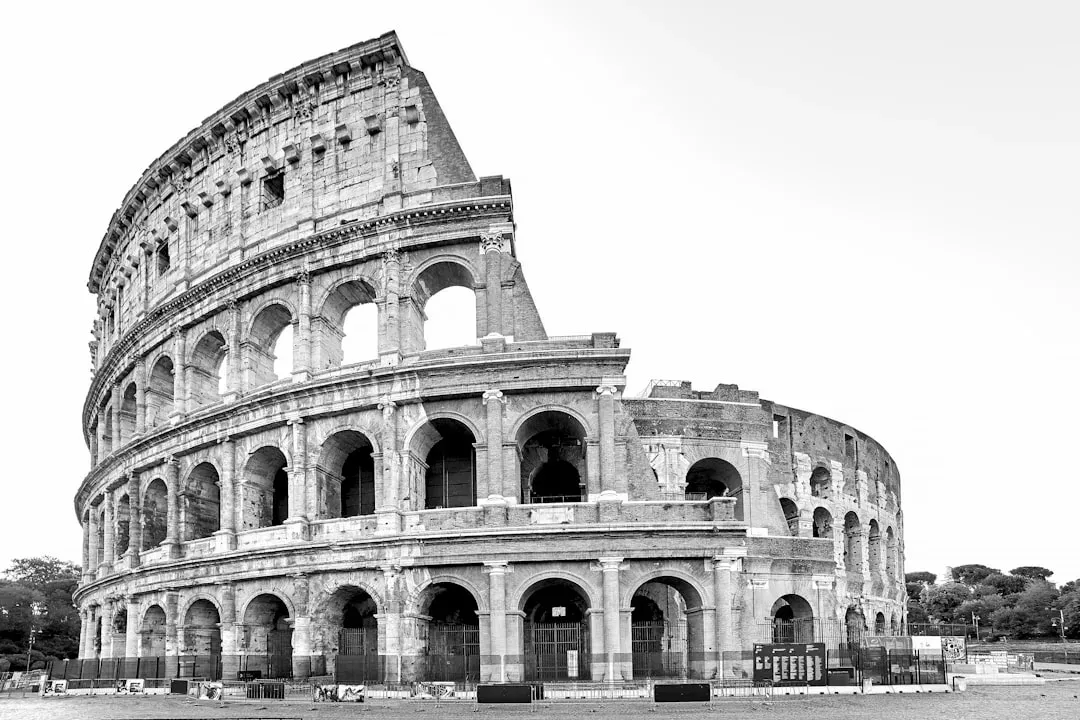
Some of the most powerful ancient engineering tools are the ones you cannot see at all because they hide in the gaps. Roman concrete, for example, has become legendary for its ability to survive waves, earthquakes, and centuries of neglect. Detailed chemical analyses show that it was a sophisticated composite, mixing volcanic ash, lime, and aggregates in ways that actually allow the material to heal tiny cracks over time. In other words, they stumbled onto self-healing concrete long before materials science gave it a name. When you compare that to modern concrete that can crumble in a few decades in harsh environments, it is hard not to feel humbled.
Mortars and binding agents from other ancient societies tell a similar story of careful trial and error. Builders mixed organic additives like plant juices, oils, sticky rice, or animal-based gels into lime or clay to tweak strength, flexibility, or water resistance. It sounds almost like alchemy – a little of this, a touch of that – but under the surface, it is chemistry guided by relentless field testing. You can think of each surviving wall as a kind of long-term experiment, one that has been running for hundreds or thousands of years. The results are clear: structures still standing after centuries of earthquakes, storms, and human meddling are powerful data points in favor of their low-tech but high-knowledge approach to materials.
Water, Wind, and Gravity: Harnessing Natural Forces

Ancient engineers were masters at persuading nature to do the heavy lifting. Gravity, for instance, is both a threat and an ally in architecture, and they learned to play it like a musical instrument. The arches and domes of Roman, Byzantine, and later Islamic architecture show a deep grasp of how to channel compressive forces through stone and brick. In step pyramids, terraced fields, and retaining walls, you can see a similar intuition about stabilizing slopes and controlling erosion. These solutions are anchored in physics, but they were discovered in muddy fields and busy building sites, not in quiet classrooms.
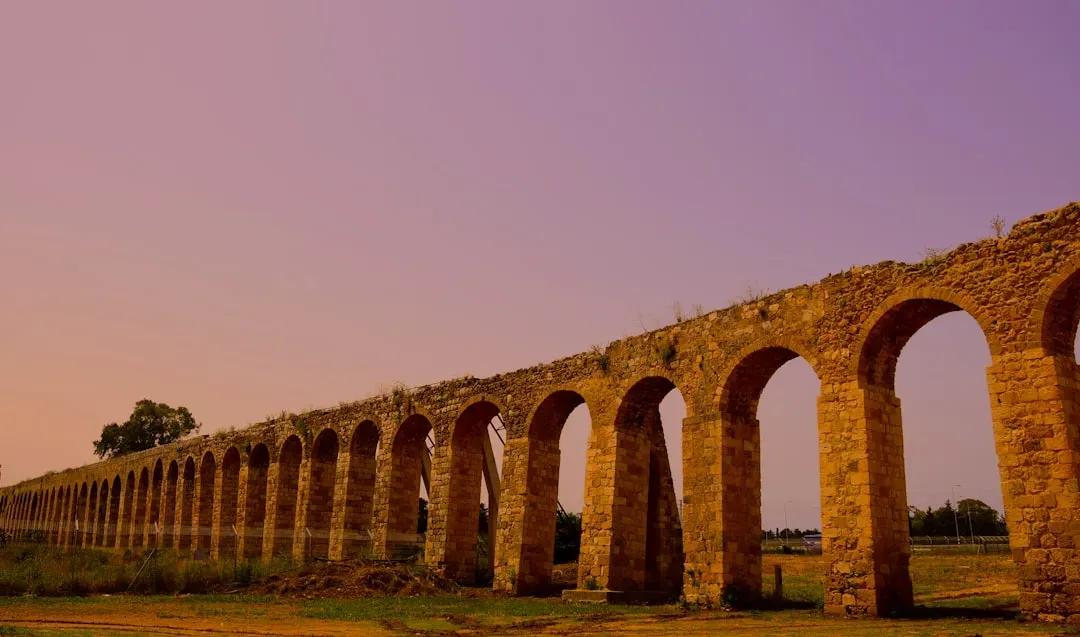
Water posed its own challenges and opportunities. Civilizations like the Mesopotamians, Persians, and Nabataeans built intricate irrigation channels, qanats, aqueducts, and cisterns that managed scarce water with remarkable efficiency. They exploited small differences in height to move water over astonishing distances, using gravity as a quiet, tireless pump. When researchers map these systems today, they find networks that rival modern infrastructure in planning, if not in materials. The lesson is striking: by respecting local terrain and climate – and by accepting slower but steady flows – ancient builders crafted sustainable systems that in some regions lasted longer than modern pipes and pumps.
Why It Matters: Lessons for Modern Engineering and Climate Challenges
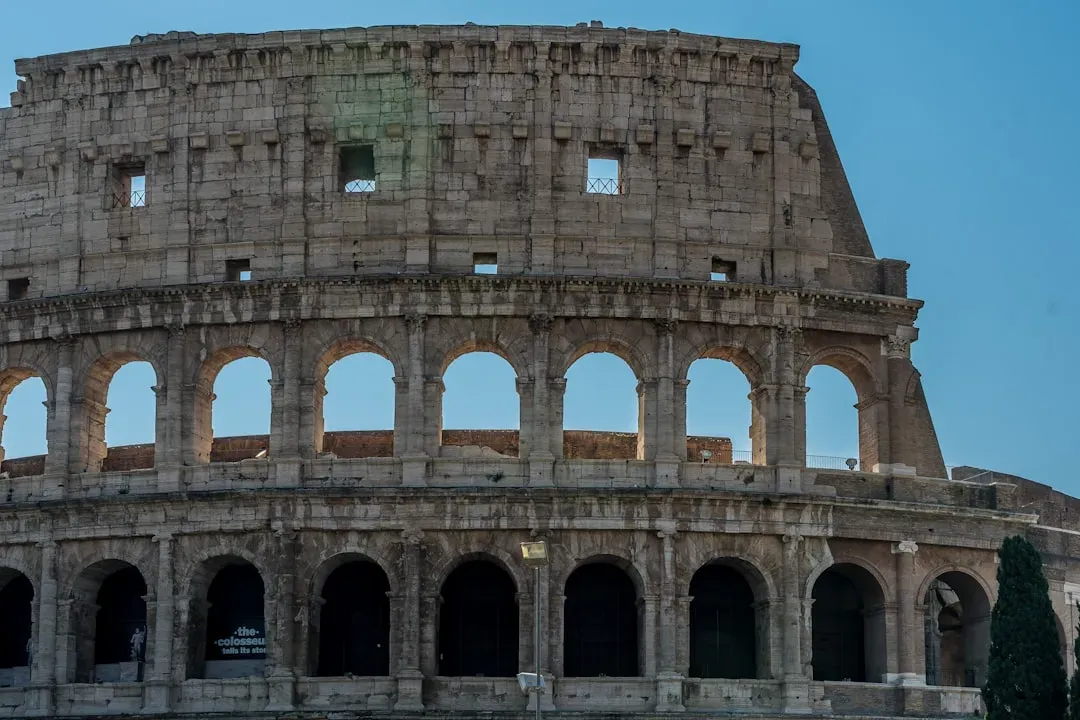
It might be tempting to relegate all this to the museum shelf of interesting trivia, but that would miss the point entirely. Ancient engineering is not just a curiosity; it is a living library of strategies for building with less energy, fewer resources, and more resilience. As modern cities face climate stress, rising seas, and resource limits, the idea of structures that can last centuries without constant replacement suddenly seems less romantic and more urgent. Comparing our throwaway buildings to thousand-year-old temples is not flattering, but it is incredibly useful. The past becomes a benchmark we often fail to meet.
There is also a deeper psychological lesson here about how we value different kinds of knowledge. Modern engineering is heavily codified – formulas, standards, digital models – while ancient methods were rooted in experiential wisdom, often passed down through apprenticeships and rituals. Neither mode is inherently superior; in fact, the most promising solutions tend to blend both. When engineers study old flood-control terraces or monsoon-proof roofs and then combine that with modern modeling, they tap into a hybrid approach that can outperform either tradition alone. In a world that loves novelty, there is something quietly radical about admitting that some of our best ideas are, in fact, very old.
From Ancient Tools to Modern Science: How We Reconstruct the Past
Revealing the secrets behind ancient marvels is itself a kind of engineering challenge. Researchers use tools that would have seemed like magic to the original builders: laser scanning, ground-penetrating radar, drones, and computer simulations that test structures against virtual earthquakes and storms. By building scale models or full-size experimental reconstructions, they can validate or debunk long-standing theories about how a monument went up. I have watched teams struggle to assemble a simple stone arch without mortar, only to realize that small variations in stone shape or sequence made the difference between collapse and stability. Those moments underscore how much nuance can get lost when we reduce complex techniques to a single sentence in a textbook.
These reconstructions also give us hard numbers to work with. For example, they can estimate how many workers were needed, how long a project might have taken, and how much material had to be quarried or transported. This turns vague awe into quantifiable logistics, the kind that modern engineers immediately recognize. When those numbers come back lower than expected, it becomes clear that many ancient societies were more efficient than we give them credit for, often deploying smaller, highly skilled crews rather than massive anonymous labor forces. Each new experiment sharpens our picture, replacing myth with mechanics while still preserving the sense of wonder that drew us to these structures in the first place.
The Future Landscape: Reviving Old Ideas for New Cities

Looking forward, the most exciting part of studying ancient engineering is not what it tells us about the past, but what it suggests for the future. Architects and urban planners are already borrowing ideas like passive cooling, thick insulating walls, strategic use of shade, and courtyard layouts from historic buildings. Instead of fighting local climate with brute-force air conditioning and concrete, they are revisiting older strategies that worked with sun, wind, and earth. Some research teams are experimenting with updated versions of ancient materials – modernized lime-based mortars, low-carbon cements inspired by Roman recipes, and earth-based construction adapted to current safety codes. It feels less like nostalgia and more like course correction.
There is also a growing movement to see heritage sites as testbeds for sustainable technologies rather than fragile relics frozen in time. Careful monitoring of old structures with sensors can reveal how they handle heat, moisture, and stress, offering clues for new designs. In an era obsessed with speed and disposability, the quiet endurance of a stone bridge or a centuries-old mosque presents an alternative model of progress. Instead of racing toward ever more complex gadgets, we might learn to celebrate designs that need almost no gadgets at all. The cities that emerge from this rethinking could look new on the surface but carry the DNA of very old, very smart ideas.
How You Can Engage: Seeing Ruins as Laboratories, Not Just Photo Backdrops
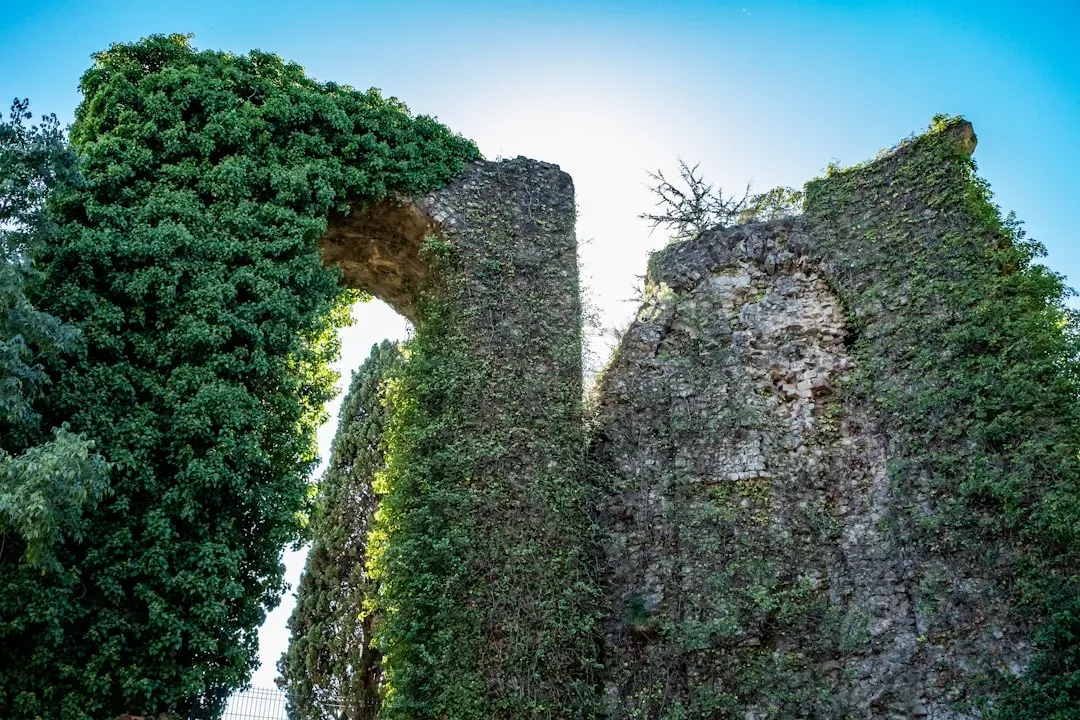
Engaging with ancient engineering does not require a degree in physics or a plane ticket to a famous ruin, though both certainly help. It starts with changing how we look at old structures – treating them less like scenery and more like open-air textbooks. When you visit a historic site, slow down and really look at how stones fit, how walls meet the ground, how light and wind move through the space. Ask yourself how water flows off a roof or through a courtyard after a storm. That simple habit of questioning can turn any ruin, church, or old bridge into a puzzle you actually want to solve.
If you want to go further, you can support organizations that protect and study these places, whether through donations, volunteering, or amplifying their work. Many research projects share their findings openly, from 3D scans to reconstruction videos, making it easy to dive deeper from home. Even conversations matter: when we talk about ancient sites as feats of science and engineering rather than just “old stuff,” we help shift public perception toward preservation and curiosity. In a world that often chases the newest technology, choosing to pay attention to the oldest technologies is a quiet, powerful act. The next time you pass a weathered stone wall, will you see just rocks – or the ghost of an engineer working the problem in real time?
Suhail Ahmed is a passionate digital professional and nature enthusiast with over 8 years of experience in content strategy, SEO, web development, and digital operations. Alongside his freelance journey, Suhail actively contributes to nature and wildlife platforms like Discover Wildlife, where he channels his curiosity for the planet into engaging, educational storytelling.
With a strong background in managing digital ecosystems — from ecommerce stores and WordPress websites to social media and automation — Suhail merges technical precision with creative insight. His content reflects a rare balance: SEO-friendly yet deeply human, data-informed yet emotionally resonant.
Driven by a love for discovery and storytelling, Suhail believes in using digital platforms to amplify causes that matter — especially those protecting Earth’s biodiversity and inspiring sustainable living. Whether he’s managing online projects or crafting wildlife content, his goal remains the same: to inform, inspire, and leave a positive digital footprint.