
Picture this: a massive African elephant gently lifting fallen trees to restore damaged habitats, while a pack of specialized detection dogs sniffs out illegal wildlife products at border crossings thousands of miles away. This isn’t science fiction—it’s the remarkable reality of modern conservation efforts. Working animals have become some of our most valuable allies in the fight to protect endangered species and preserve fragile ecosystems worldwide. Their unique abilities, honed by millions of years of evolution, offer solutions that even our most advanced technology can’t match.
The Ancient Partnership Evolves for Conservation
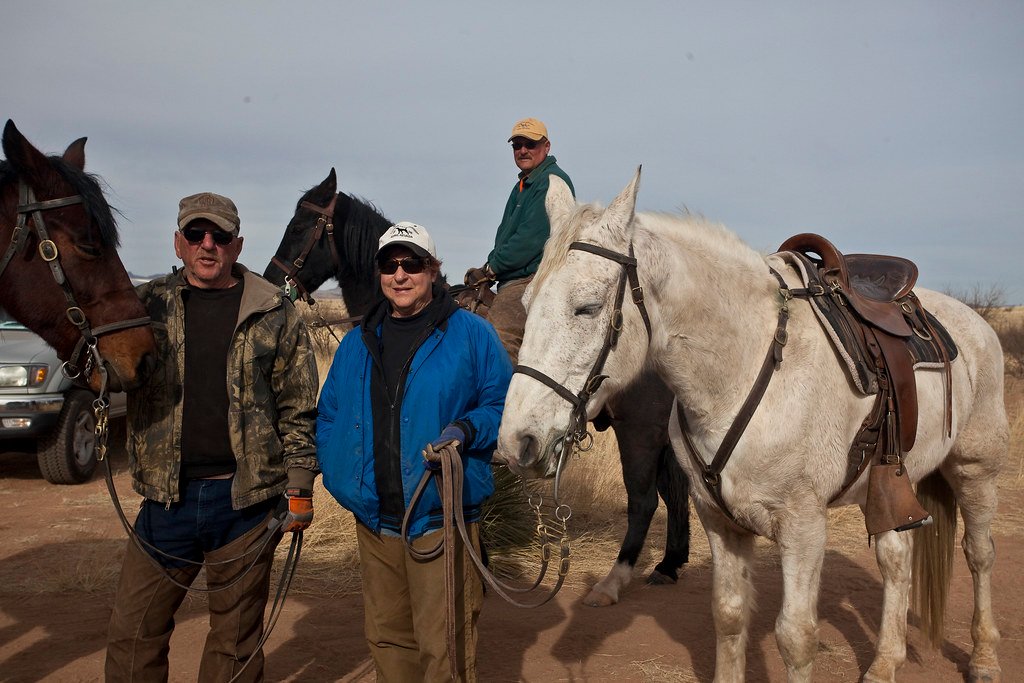
Humans have worked alongside animals for thousands of years, but never before have these partnerships carried such critical importance for our planet’s survival. The bond between humans and working animals has transformed from simple agriculture and transportation to sophisticated conservation operations that span continents.
Traditional working relationships focused on human benefit, but today’s conservation partnerships recognize animals as true collaborators in protecting biodiversity. This shift represents a fundamental change in how we view interspecies cooperation. Scientists now understand that animals possess sensory capabilities and instincts that complement human intelligence in ways we’re only beginning to fully appreciate.
Canine Conservation Heroes Sniffing Out Success
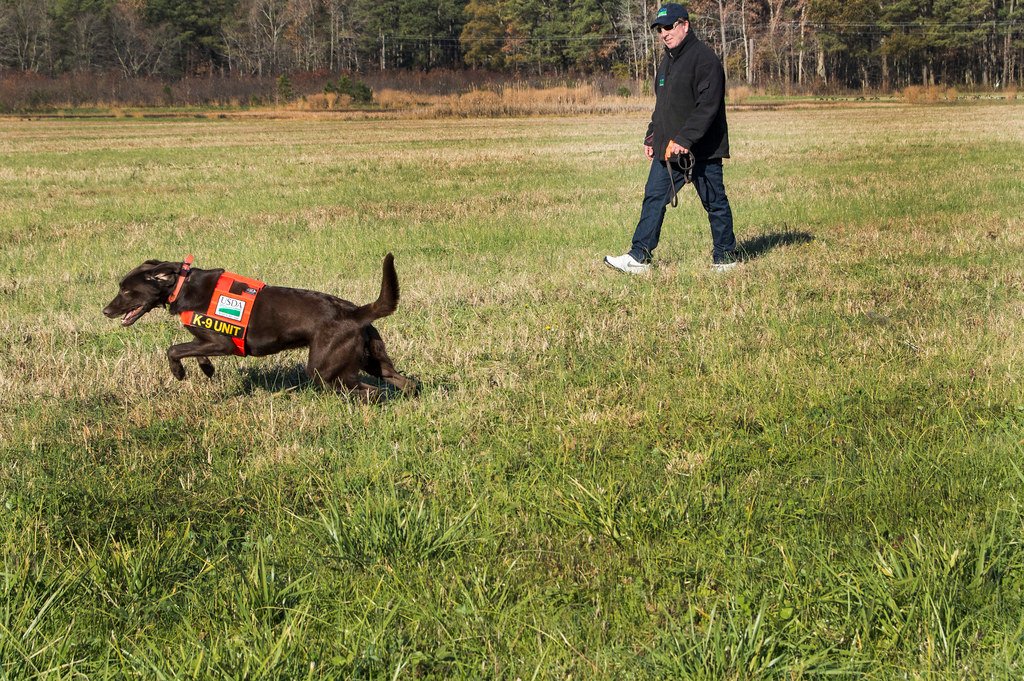
Detection dogs have revolutionized wildlife protection efforts with their incredible olfactory abilities, which are up to 100,000 times more sensitive than human noses. These four-legged crime fighters can identify everything from elephant ivory hidden in shipping containers to rare plant species smuggled across international borders. Their success rates often exceed 90%, making them invaluable assets in the war against wildlife trafficking.
Border patrol units now rely heavily on conservation dogs to intercept illegal wildlife products before they reach black markets. These specially trained canines can detect rhino horn, pangolin scales, and even tiger bones concealed within seemingly innocent cargo shipments. The psychological impact on traffickers is equally significant—knowing that highly trained dogs patrol key transit points has deterred countless smuggling attempts.
Horses Leading the Charge in Habitat Restoration

Wild horses and specially trained domestic horses play crucial roles in ecosystem restoration projects across multiple continents. Their natural grazing patterns help maintain grassland biodiversity by preventing any single plant species from dominating the landscape. This selective browsing creates the varied habitat conditions that support numerous wildlife species.
In Yellowstone National Park, horse-assisted restoration teams access remote areas that vehicles cannot reach, carrying seeds and equipment to revegetate damaged landscapes. The horses’ hooves naturally aerate soil and create seed beds, essentially performing ecosystem engineering while serving as pack animals. Their minimal environmental impact makes them perfect partners for sensitive restoration work in protected areas.
Elephants as Ecosystem Engineers and Seed Dispersers
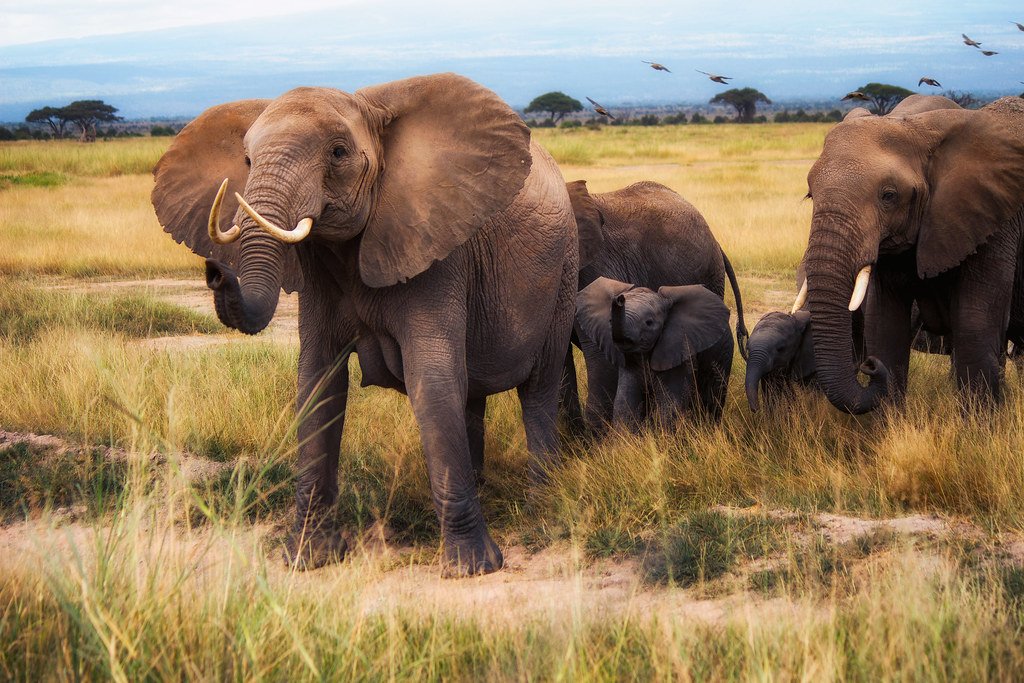
African elephants earn their title as “ecosystem engineers” through their remarkable ability to shape entire landscapes while supporting conservation goals. These gentle giants create water holes during dry seasons that sustain countless other species, while their feeding habits naturally thin forest canopies to allow sunlight to reach understory plants.
Conservation programs increasingly recognize elephants’ role as natural habitat managers, with some projects specifically designed around elephant migration patterns. Their dung serves as fertilizer and seed transport, spreading plant genetics across vast distances. A single elephant can disperse seeds from over 350 plant species, making them living, breathing reforestation machines that work around the clock.
Marine Mammals Monitoring Ocean Health
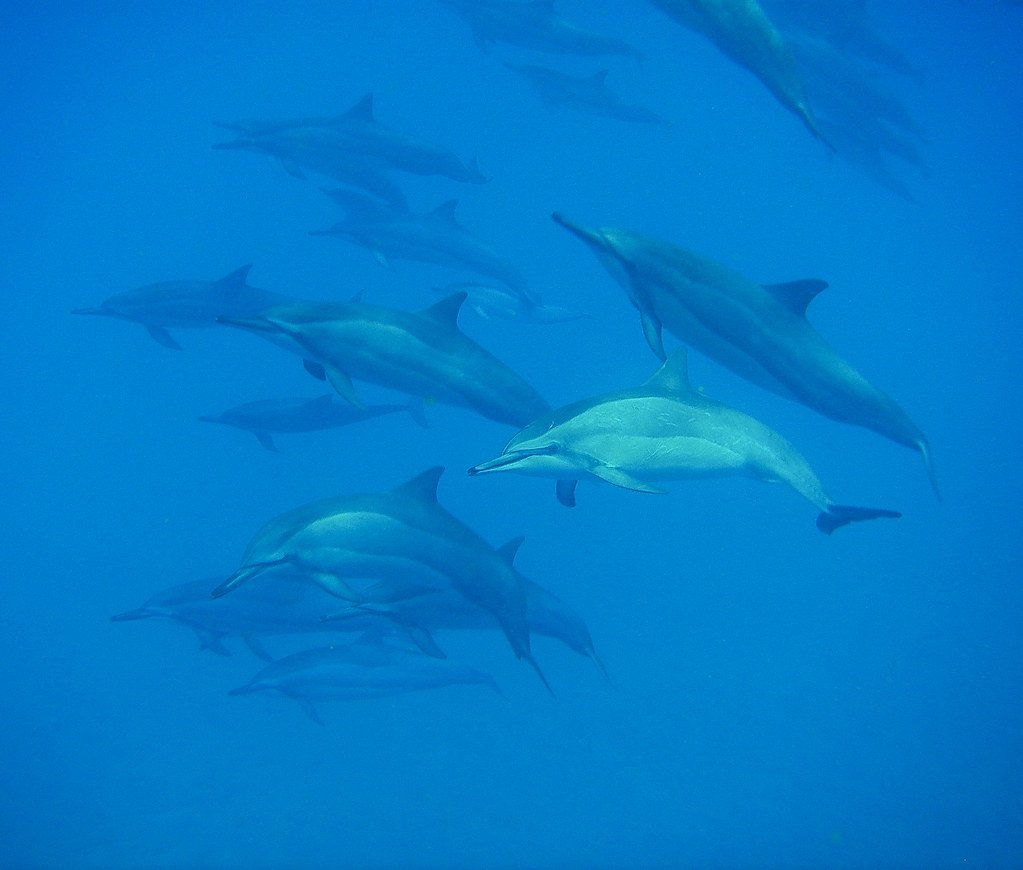
Dolphins, seals, and whales serve as ocean sentinels, providing scientists with crucial data about marine ecosystem health that would be impossible to gather through traditional research methods. These intelligent marine mammals can dive to depths and access areas where human researchers cannot safely venture, essentially becoming living research platforms.
Scientists attach sophisticated sensors to marine mammals, allowing them to collect temperature, salinity, and pollution data while following their natural behavior patterns. This non-invasive approach provides continuous monitoring of ocean conditions across migration routes spanning thousands of miles. The data these animals gather helps researchers track climate change impacts, identify pollution sources, and monitor the health of critical marine habitats.
Birds of Prey Controlling Invasive Species
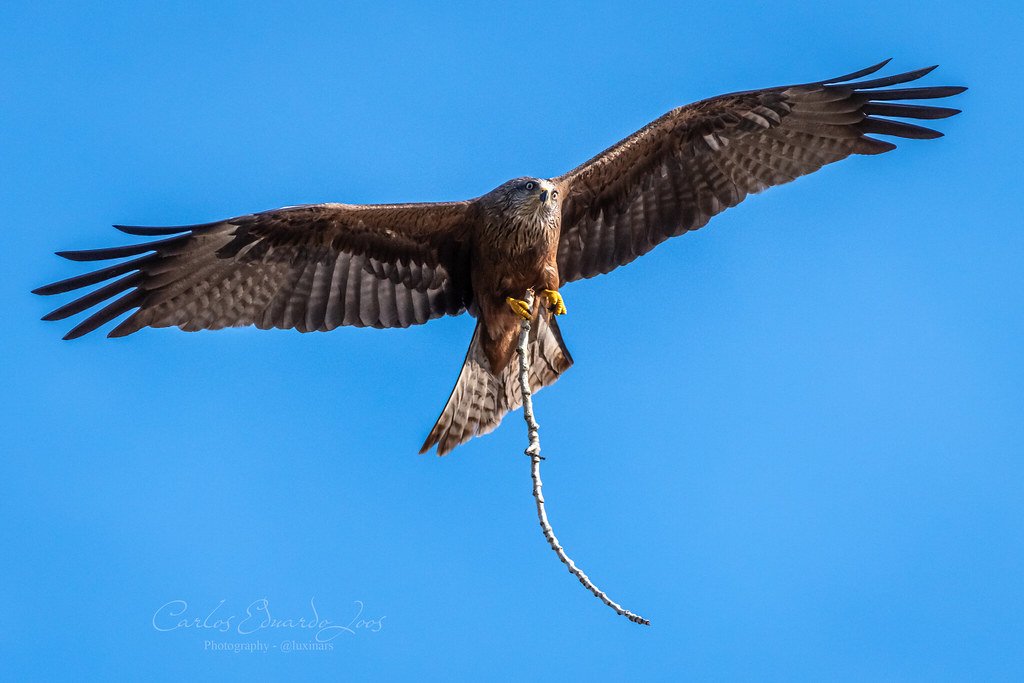
Falcons, hawks, and owls have become precision instruments in the fight against invasive species that threaten native ecosystems. These natural predators can target specific invasive bird populations without harming native species, offering an environmentally friendly alternative to chemical control methods. Their hunting instincts make them incredibly effective at population control when properly managed by conservation professionals.
Airport wildlife management programs employ falcons to reduce bird strikes, which simultaneously protects both aircraft and reduces competition for native bird species. Urban areas use hawks to control invasive pigeon populations that damage historic buildings and spread disease. The presence of these apex predators creates a natural deterrent effect that extends far beyond their immediate hunting range.
Donkeys and Mules Accessing Remote Conservation Sites
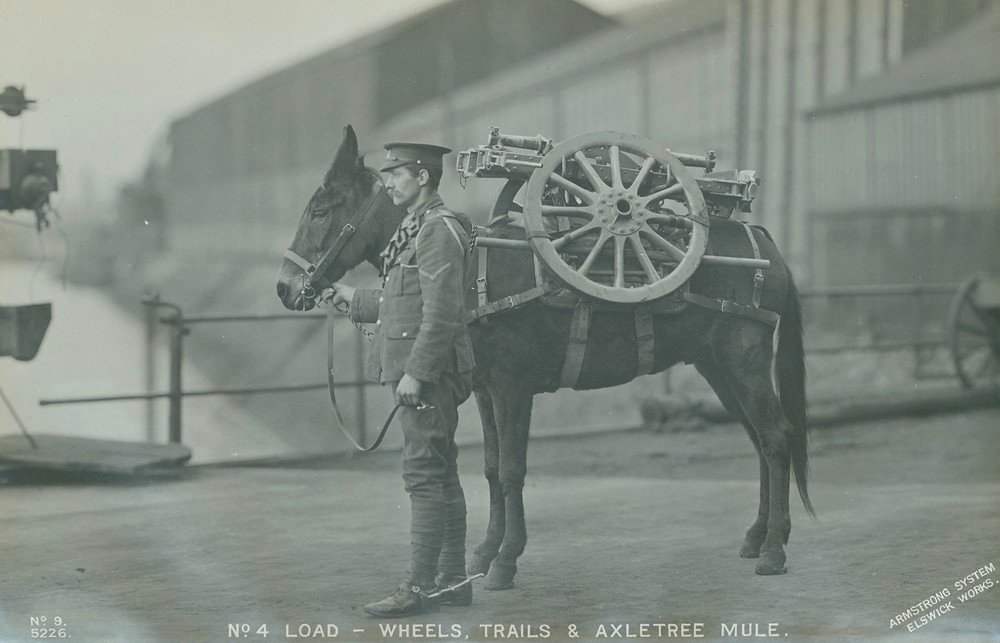
In mountainous regions and areas with challenging terrain, donkeys and mules provide the only reliable means of transporting conservation equipment and supplies to remote project sites. These sure-footed animals can navigate narrow mountain trails and unstable ground where vehicles would be useless or destructive to fragile ecosystems.
Anti-poaching units in Africa rely on mules to patrol vast wilderness areas quietly and efficiently. Unlike motorized vehicles, these animals don’t alert poachers with engine noise and can travel through dense vegetation without creating permanent trails. Their low maintenance requirements and ability to survive on local vegetation make them ideal partners for extended conservation missions in remote locations.
Goats Clearing Fire Hazards and Invasive Plants
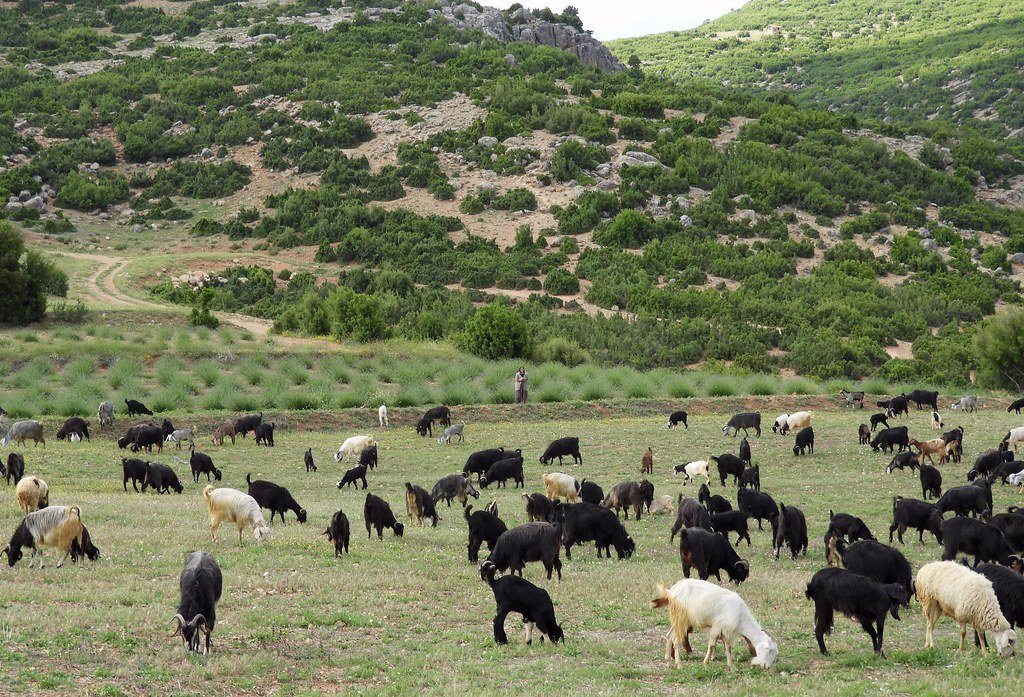
Targeted grazing by goats has emerged as one of the most effective methods for reducing wildfire risks while simultaneously controlling invasive plant species. These agile browsers can access steep slopes and dense vegetation where mechanical clearing would be dangerous or environmentally damaging. Their selective eating habits allow them to remove fire-prone undergrowth while leaving beneficial native plants intact.
California’s fire-prone regions increasingly rely on goat herds to create natural firebreaks around communities and sensitive habitats. The goats consume dry grass and brush that would otherwise fuel devastating wildfires, while their trampling action creates mineral-rich soil conditions that favor native plant recovery. This biological approach costs significantly less than mechanical clearing and provides ongoing ecosystem benefits.
Livestock Guardian Dogs Protecting Wildlife
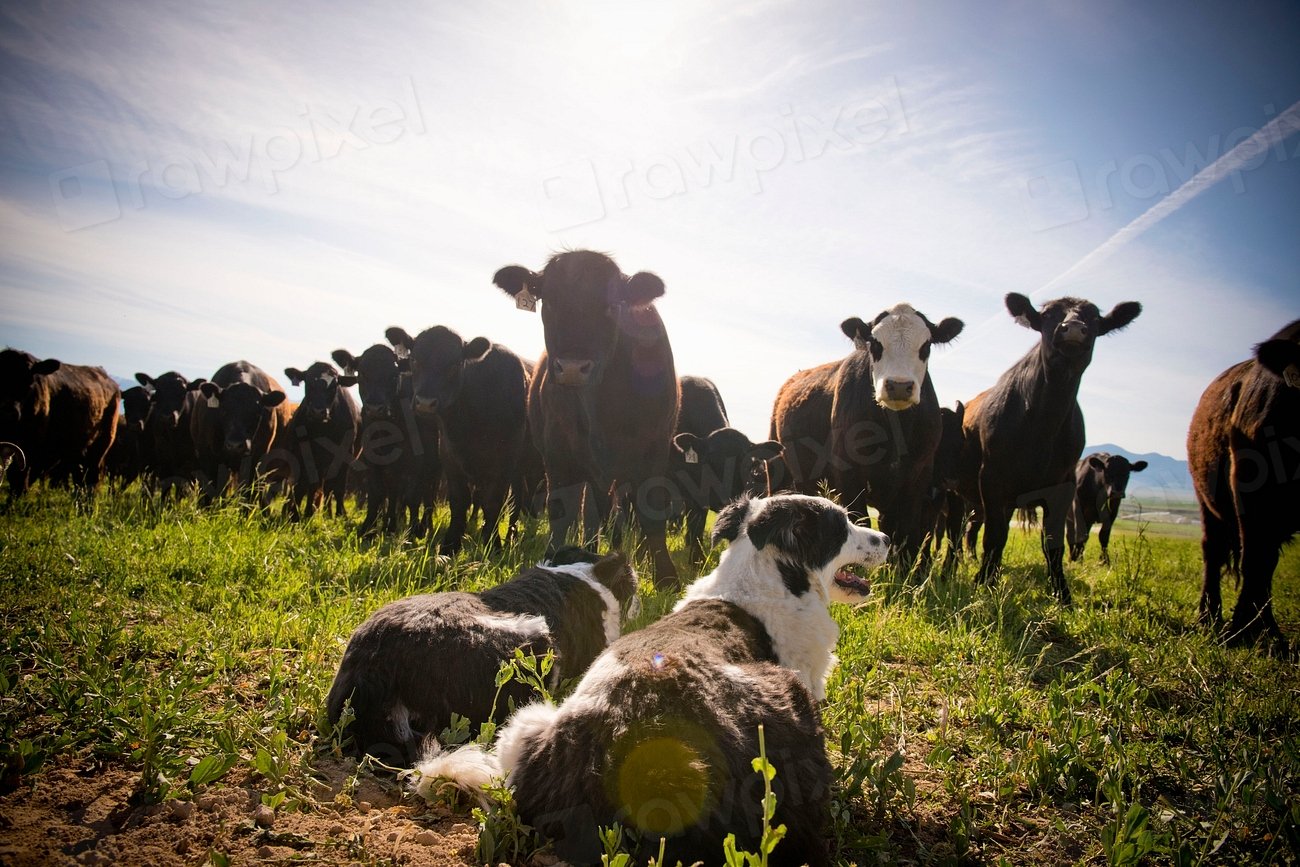
Specially bred guardian dogs protect both livestock and wildlife by reducing human-wildlife conflict in areas where predators and farming operations overlap. These remarkable animals can distinguish between threats and non-threats, allowing natural predators to coexist with agricultural activities without causing economic losses to farmers.
In regions where wolves, bears, and big cats threaten livestock, guardian dogs provide 24-hour protection that eliminates the need for lethal predator control. Their presence allows natural predator populations to recover while maintaining viable farming operations. This approach has proven successful in protecting endangered species like the Ethiopian wolf and Iberian lynx while preserving traditional pastoral lifestyles.
Camels Supporting Desert Conservation Research
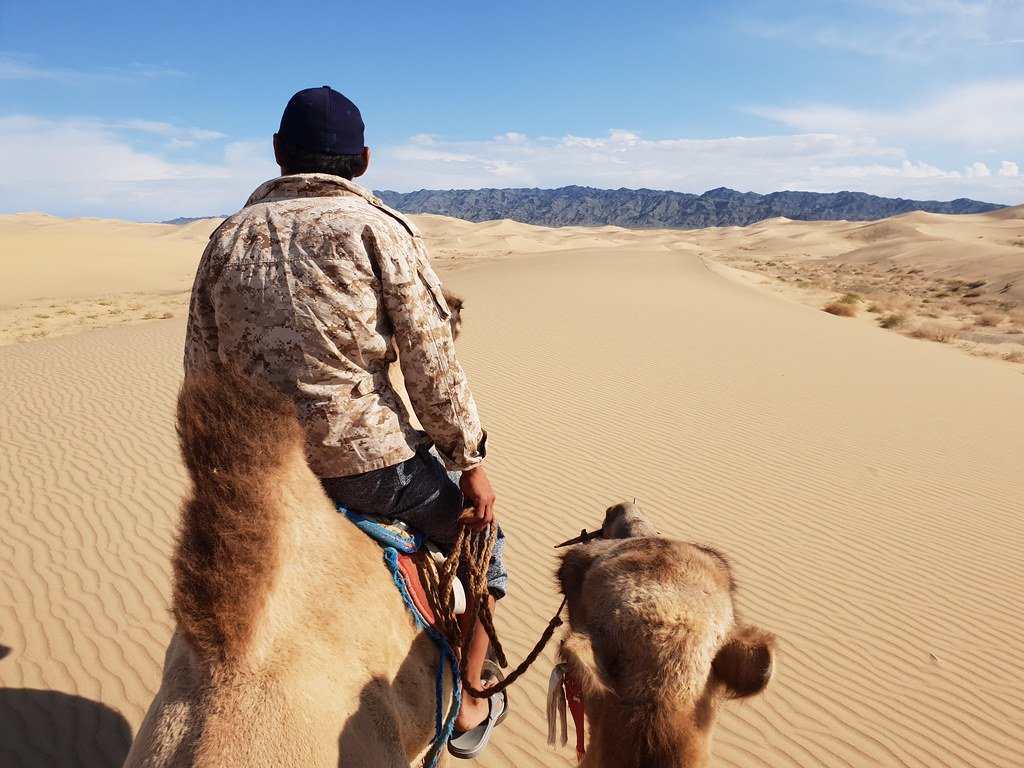
Camels serve as the backbone of conservation research in some of the world’s most extreme desert environments, where their unique adaptations make them irreplaceable partners. These hardy animals can travel for days without water while carrying heavy scientific equipment across sand dunes and rocky terrain that would defeat any vehicle.
Desert research stations rely on camel caravans to supply remote monitoring equipment and retrieve data from weather stations and wildlife cameras. Their ability to navigate by memory across seemingly featureless landscapes makes them living GPS systems in areas where satellite navigation fails. Researchers studying desert wildlife migrations, climate patterns, and ecosystem changes depend entirely on these remarkable animals for logistical support.
Honey Bees as Pollution Detectors and Ecosystem Monitors
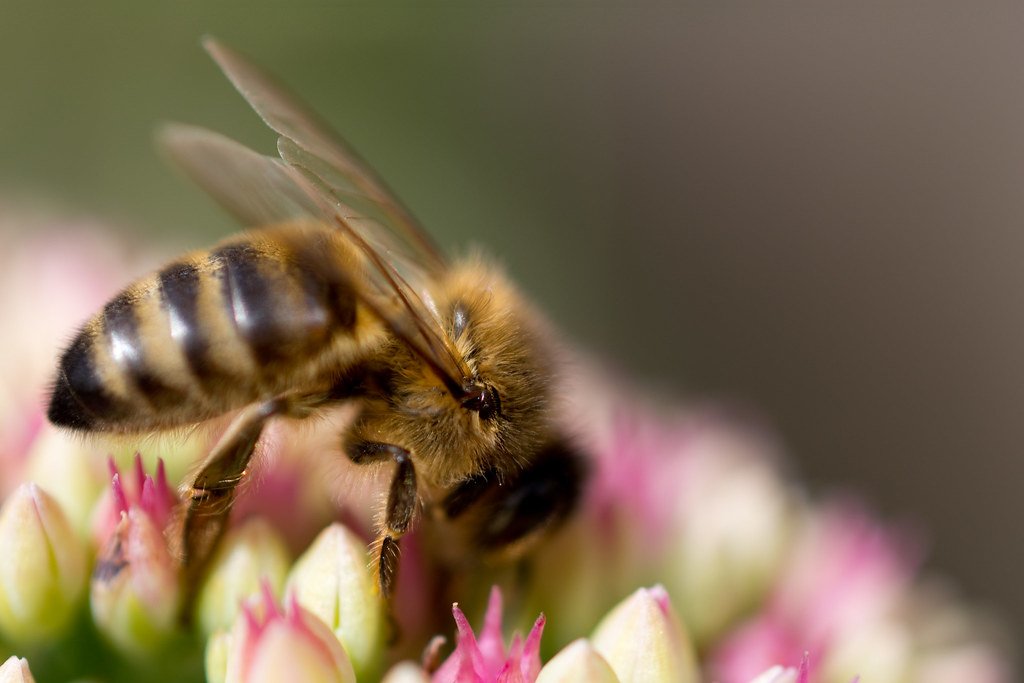
Honey bees function as living pollution sensors, collecting environmental contaminants in their bodies and honey that provide scientists with detailed maps of ecosystem health. Their foraging ranges cover several square miles, making each hive a comprehensive monitoring station that samples air, water, and soil quality across entire landscapes.
Urban beehives placed strategically throughout cities provide early warning systems for environmental contamination, while rural hives monitor agricultural chemical usage and its ecological impacts. The health of bee colonies serves as a barometer for overall ecosystem vitality, with declining populations often indicating broader environmental problems. This biological monitoring system provides continuous, cost-effective environmental surveillance that complements traditional scientific instruments.
Working Cats Controlling Agricultural Pests
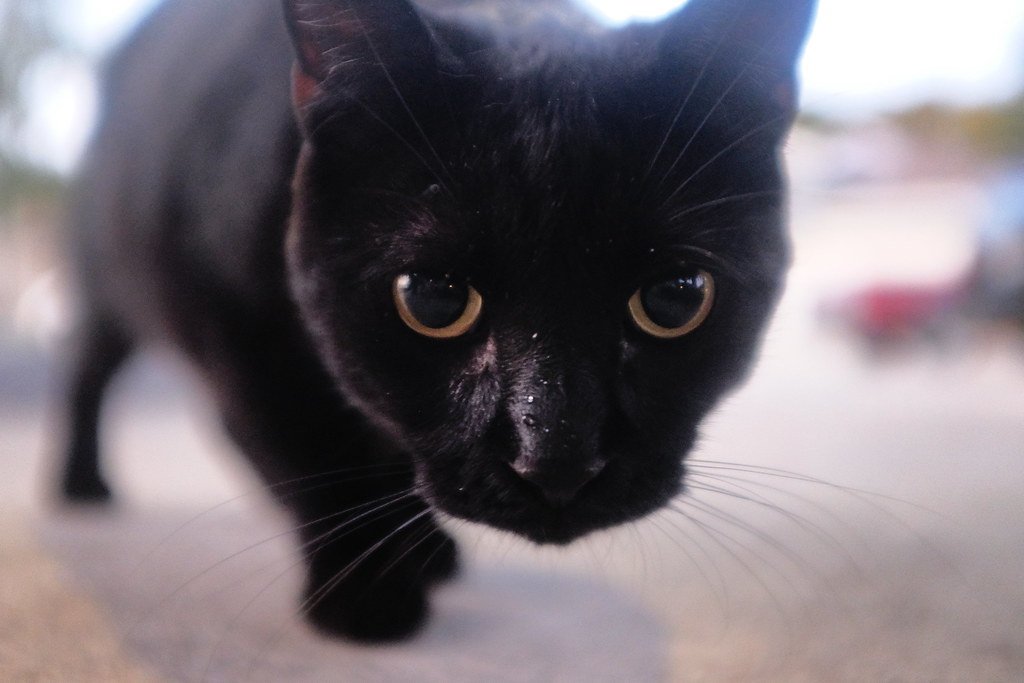
Feral and semi-feral cats play crucial roles in protecting seed banks and nurseries that supply native plants for habitat restoration projects. These natural hunters control rodent populations that would otherwise consume precious seeds and damage young plants critical to conservation efforts.
Botanical gardens and native plant nurseries maintain colonies of working cats that provide 24-hour pest control without the environmental risks associated with rodenticides. Their presence creates predator pressure that keeps rodent populations in natural balance, protecting both stored seeds and growing plants. This biological control method proves especially valuable in organic conservation operations where chemical pesticides would conflict with restoration goals.
Ferrets Hunting Underground Invasive Species
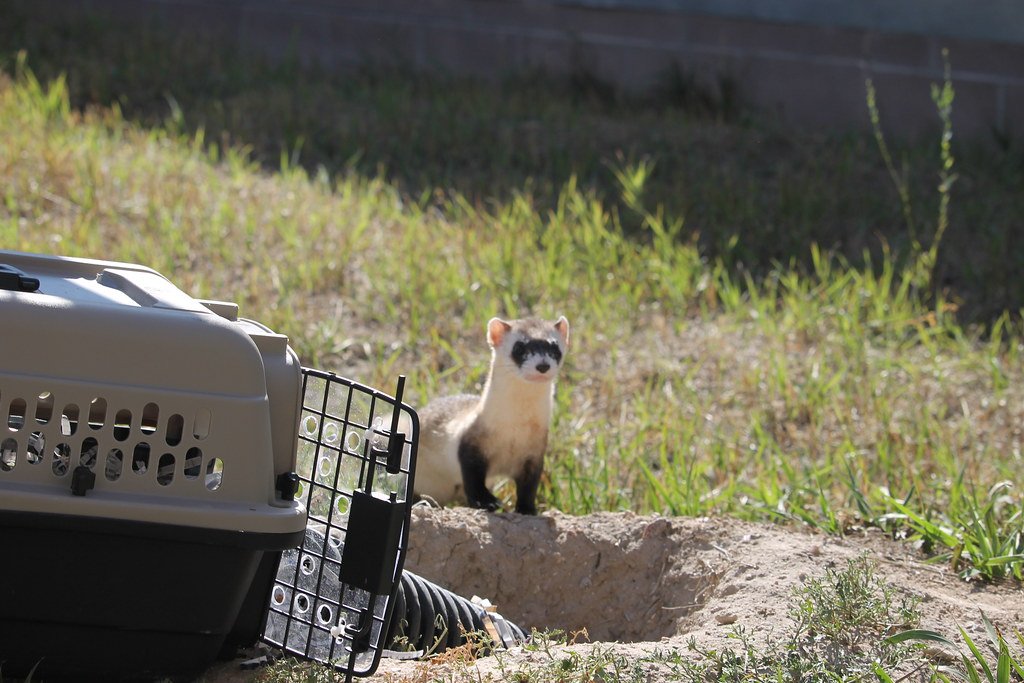
Domestic ferrets trained for conservation work excel at controlling rabbit and rodent populations in sensitive island ecosystems where invasive mammals threaten native bird species. Their natural hunting instincts and ability to pursue prey into burrows make them uniquely effective at population control in areas where other methods fail.
New Zealand’s island conservation programs employ teams of ferrets to eliminate invasive rats and rabbits that destroy ground-nesting bird populations. These agile predators can access underground tunnel systems and dense vegetation where traps and poison would be ineffective or dangerous to native species. Their success in clearing invasive mammals from small islands has allowed several endangered bird species to recover and reestablish breeding populations.
Pigs Helping Uncover Archaeological Evidence

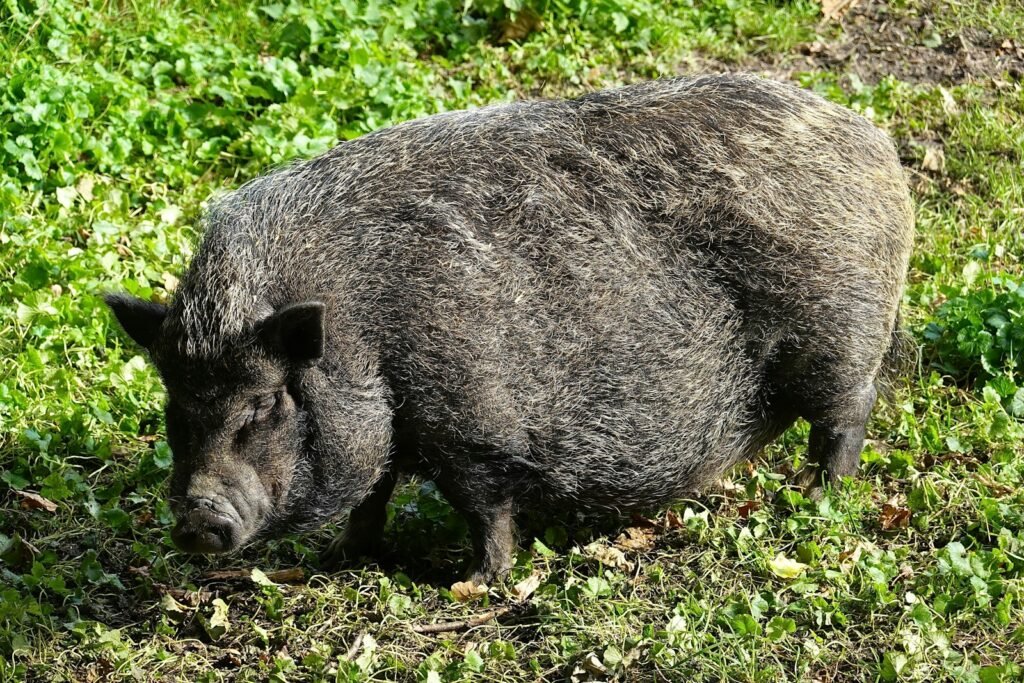
Specially trained pigs assist archaeologists in locating buried artifacts and evidence of historical human-wildlife interactions that inform modern conservation strategies. Their exceptional sense of smell allows them to detect organic materials buried decades or even centuries underground, providing insights into how past human activities affected wildlife populations.
Conservation historians use pig-assisted archaeological surveys to understand how indigenous peoples managed landscapes and wildlife populations before European colonization. This information proves invaluable for designing restoration projects that recreate historical ecosystem conditions. The pigs’ ability to pinpoint specific burial sites without damaging artifacts makes them gentler than mechanical excavation methods while being far more efficient than traditional grid-based archaeological surveys.
Llamas and Alpacas Carrying Supplies to High-Altitude Projects

High-altitude conservation projects rely on llamas and alpacas to transport equipment and supplies to elevations where oxygen levels make human and vehicle operation difficult or impossible. These South American camelids thrive in thin air conditions that challenge other pack animals, making them essential partners for mountain ecosystem research and protection efforts.
Research teams studying climate change impacts on alpine ecosystems depend on llama pack trains to establish and maintain monitoring stations above 14,000 feet elevation. The animals’ gentle feet cause minimal damage to fragile alpine vegetation, while their calm temperament allows them to navigate narrow mountain ledges safely. Their wool provides additional value to local communities, creating economic incentives for supporting high-altitude conservation work.
Ravens and Crows Serving as Ecological Indicators
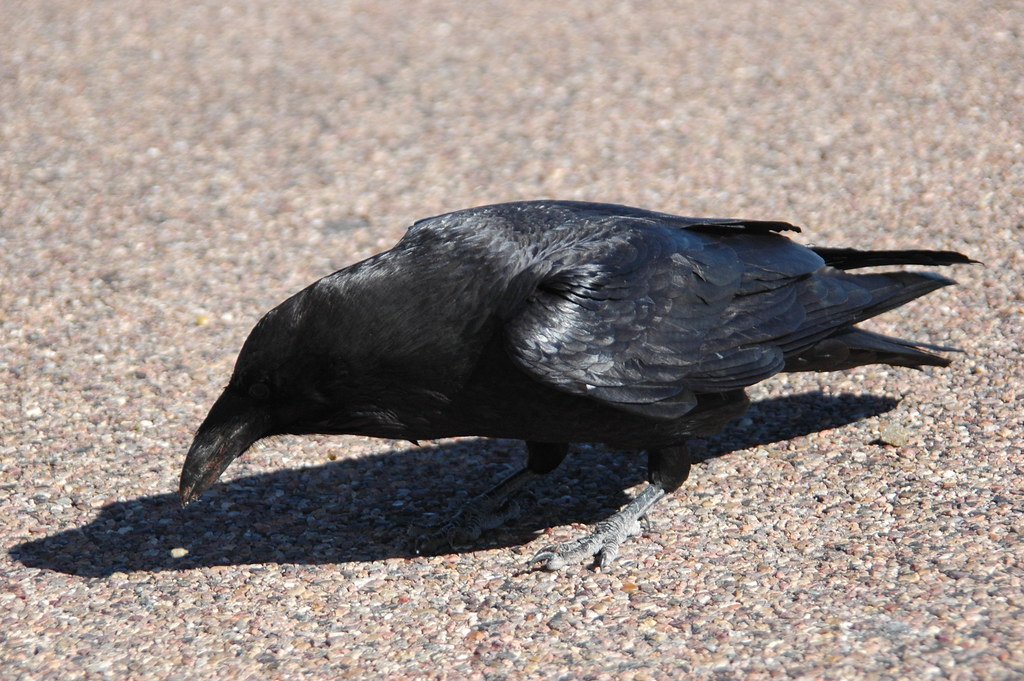
Corvids like ravens and crows serve as intelligent partners in monitoring ecosystem changes through their complex social behaviors and problem-solving abilities. Scientists can train these highly intelligent birds to perform simple tasks that provide data about environmental conditions, while their natural behaviors offer insights into ecosystem health and stability.
Urban corvid populations serve as early warning systems for environmental changes, with their feeding patterns, nesting success, and population dynamics reflecting broader ecological trends. Their exceptional memory allows them to learn and repeat specific behaviors that assist researchers in gathering data about pollution levels, food availability, and habitat quality. The birds’ ability to communicate complex information to their flocks creates natural information networks that span entire metropolitan areas.
Working Animals Creating Economic Incentives for Conservation
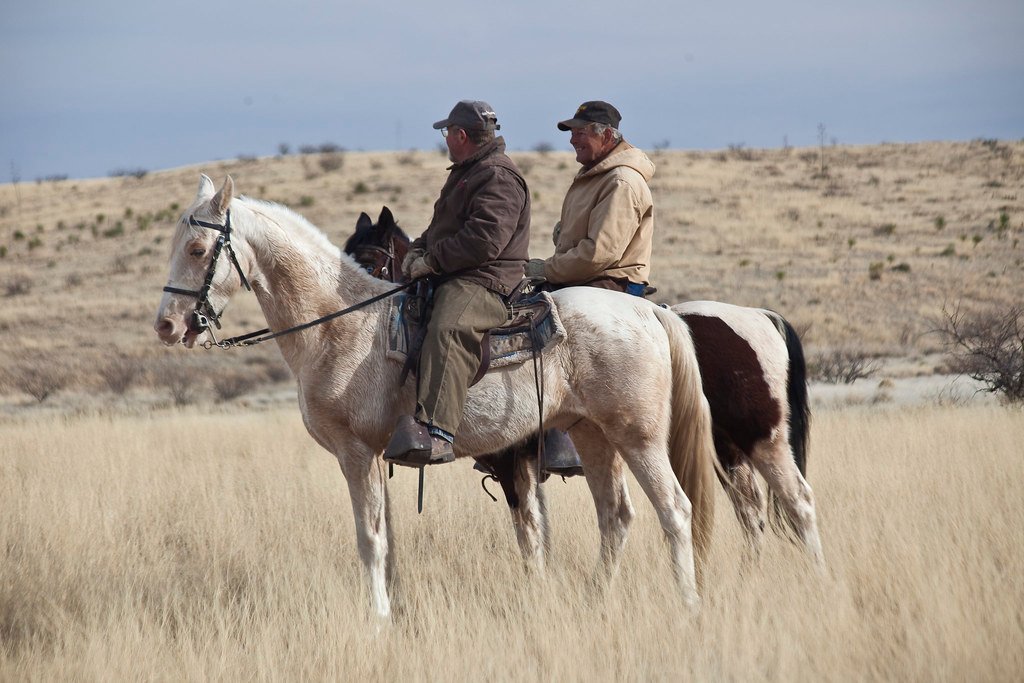
The economic value of working animals in conservation creates powerful financial incentives for protecting natural habitats and wildlife populations. Local communities that depend on working animals for conservation-related income become stakeholders in environmental protection rather than competitors with conservation goals.
Tourism operations featuring working animals generate revenue that supports both conservation projects and local communities, creating sustainable funding models for long-term environmental protection. Pack animal outfitters, detection dog handlers, and traditional herders all benefit economically from conservation programs while contributing essential services. This economic integration ensures that conservation efforts provide immediate benefits to local populations rather than imposing external restrictions on traditional livelihoods.
Technology Integration Enhancing Animal Partnerships
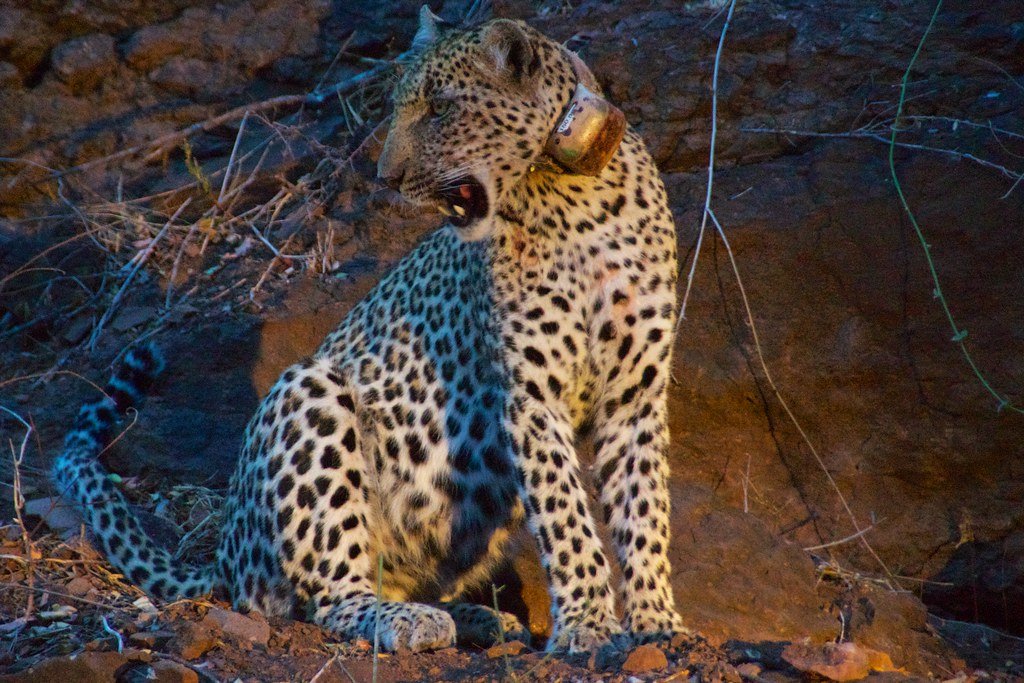
Modern technology amplifies the effectiveness of working animals through GPS tracking, sensor integration, and real-time data transmission that extends their natural capabilities. Animals equipped with environmental sensors become mobile research platforms that collect data continuously while following their instinctive behaviors.
Satellite collars on large mammals provide migration data that helps scientists understand corridor needs and habitat connectivity, while camera systems activated by working dogs document wildlife behavior in previously inaccessible areas. This integration of biological intelligence with technological tools creates monitoring systems more sophisticated and cost-effective than either approach could achieve independently. The combination allows for comprehensive ecosystem monitoring across scales from individual animal behavior to landscape-level ecological processes.
Training and Welfare Considerations in Conservation Work
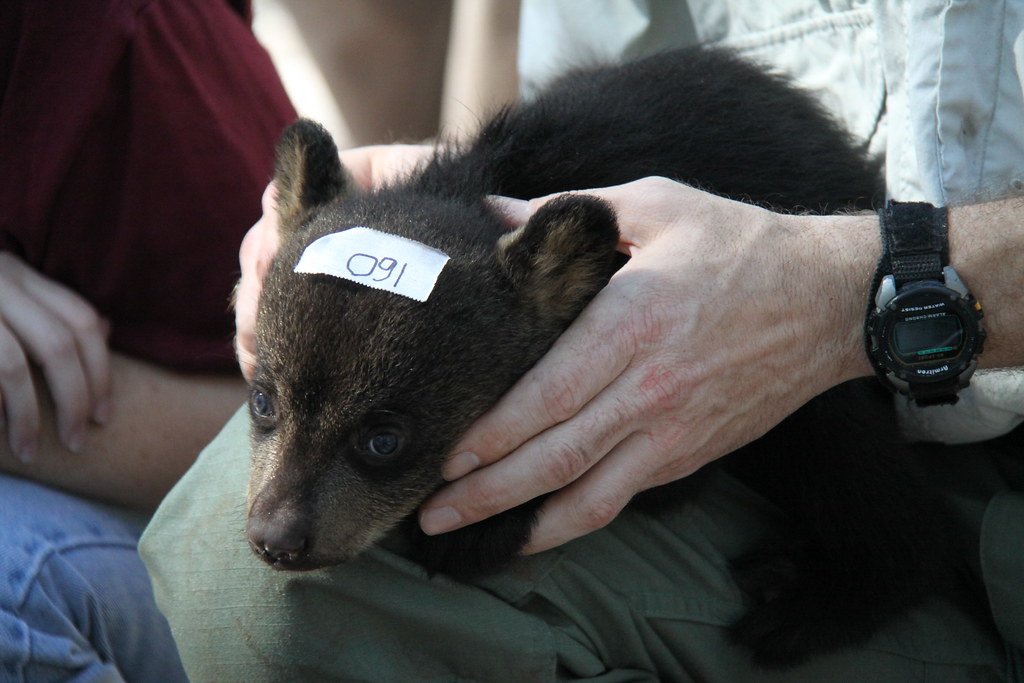
Successful conservation programs prioritize animal welfare through specialized training methods that work with natural instincts rather than against them. Animals perform best when conservation tasks align with their evolutionary behaviors, creating partnerships where both human and animal partners benefit from the collaboration.
Professional animal trainers develop conservation-specific protocols that ensure working animals remain healthy, motivated, and effective throughout their careers. Regular veterinary care, appropriate rest periods, and reward-based training methods maintain animal welfare while maximizing conservation outcomes. The most successful programs treat working animals as valued team members rather than expendable tools, recognizing that animal welfare and conservation effectiveness are inseparably linked.
Working animals represent one of conservation’s most powerful and underappreciated resources, offering solutions that combine ancient wisdom with modern scientific understanding. From detection dogs intercepting wildlife traffickers to elephants engineering entire ecosystems, these remarkable partnerships demonstrate that effective conservation requires collaboration across species boundaries. Their unique sensory abilities, physical capabilities, and instinctive behaviors provide irreplaceable services that no technology can fully replicate.
The success of animal-assisted conservation programs depends on recognizing these partnerships as mutually beneficial relationships rather than simple exploitation of animal labor. When properly implemented, these collaborations create economic opportunities for local communities while providing animals with purpose-driven lives that utilize their natural abilities. The future of conservation may well depend on our ability to forge deeper partnerships with the animal kingdom, recognizing that humans alone cannot solve the environmental challenges facing our planet.
What other hidden talents might our animal partners possess that could revolutionize how we approach conservation challenges?