Marine animals, dwelling in one of the most diverse and untapped ecosystems on Earth, offer an immense reservoir of potential biomedical innovations. The unique adaptations and biological attributes of marine organisms have paved the way for significant advancements in human health. Their distinctive compounds and mechanisms provide insights and solutions into health challenges faced by humans. Let’s dive into the fascinating roles marine animals play in advancing human health innovations.
Marine-Derived Pharmaceuticals: Nature’s Medicine Cabinet

Many marine organisms produce compounds that have proven invaluable in medicine. One of the most renowned examples is the discovery of ziconotide, a non-narcotic pain reliever derived from the venom of the cone snail. This compound is used to manage severe chronic pain. Additionally, a sea sponge, Cryptotethya crypta, has provided compounds that led to the development of important antiviral and anti-cancer drugs, such as the nucleoside analog cytarabine, used in chemotherapy.
Bioactive Compounds: A Treasure Trove of New Molecules

Marine animals are rich sources of bioactive compounds with unique structures not found in terrestrial organisms. These compounds often exhibit potent bioactivity and specificity, allowing them to interact with human biological pathways in novel ways. For example, marine algae and tunicates have been found to produce anti-inflammatory and antioxidant substances that may lead to new treatments for chronic diseases such as arthritis and cardiovascular disorders.
Understanding Disease Through Marine Models
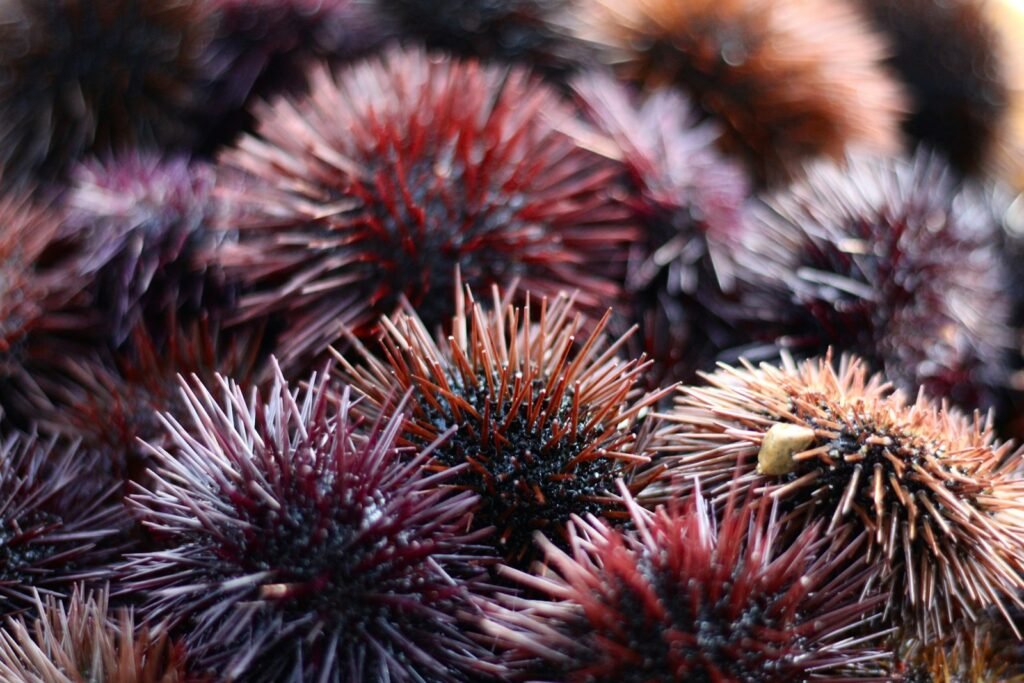
Marine organisms also serve as essential models for understanding human disease. The simplicity of sea urchins, for example, provides insights into developmental biology and gene regulation. Zebrafish are another crucial model organism due to their transparent embryos, which allow scientists to study developmental processes in real-time and understand conditions like cancer and congenital disabilities.
The Role of Marine Bacteria in Antibiotic Innovation

With the escalating crisis of antibiotic resistance, marine bacteria offer promising avenues for new antibiotics. The ocean’s diverse microbiome includes bacteria-producing compounds with antibacterial properties effective against multi-drug-resistant strains. For instance, the genus Salinispora, native to marine sediments, has yielded several novel antibiotics that are currently under investigation.
Biotechnology and Biomaterials: Learning from Marine Structures

Marine animals inspire innovations in biotechnology and biomaterials through their unique structures and survival mechanisms. The tough, resilient materials found in seashells and mollusks are studied to develop new, more durable materials for medical implants. Moreover, researchers are exploring the use of marine-derived biopolymers, like chitosan from crustacean shells, for drug delivery systems and wound healing applications.
Sustainable Harvesting and Conservation

While the potential of marine-derived health innovations is vast, sustainable harvesting and conservation of marine biodiversity are paramount. Researchers emphasize the need for sustainable practices to prevent overharvesting and ensure long-term access to marine resources. Collaborative efforts between scientists, policymakers, and conservationists aim to create ethical frameworks for the exploration and utilization of marine resources.
Conclusion: Oceans of Possibilities

The role of marine animals in advancing human health innovations exemplifies the profound connections between ecological diversity and scientific discovery. As we continue exploring ocean depths, responsible stewardship and innovative thinking will be crucial to unlocking the full potential of marine organisms. These efforts will not only enrich our understanding of biology but potentially transform the landscape of medical treatment and health care.