
Nestled in the heart of Aotearoa New Zealand’s landscapes, the marae stands as a living symbol of ancestral memory and cultural vitality. Imagine stepping onto a marae for the first time: the scent of earth and wood, the echoing calls of welcome, and the palpable sense of belonging are both humbling and awe-inspiring. For the Māori people, the marae is far more than just a communal building – it is the soul of the community, a sanctuary where language, customs, and kinship are fiercely protected and celebrated. In a world racing toward modernity, these sacred spaces remain powerful guardians of heritage, inviting every generation to remember who they are and where they come from. As we journey through the many roles of marae, prepare to be moved by their resilience, beauty, and unbreakable ties to the land and people.
The Marae as the Beating Heart of Māori Life
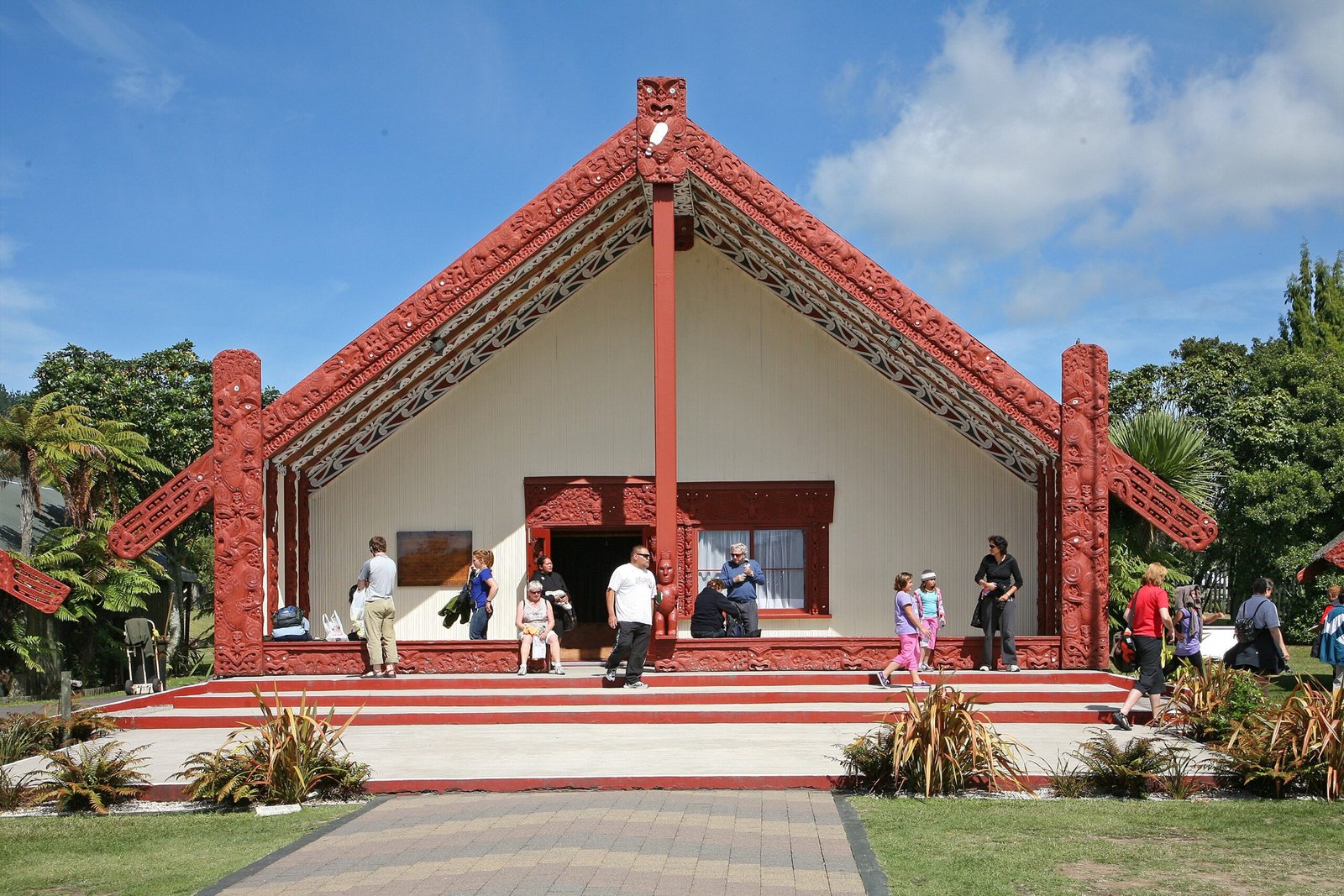
Every marae is unique, yet each serves as the central meeting ground for iwi (tribes), hapū (sub-tribes), and whānau (families). The marae is where celebrations, funerals, reunions, and political gatherings unfold, weaving together the social fabric of Māori communities. It is not just a place for special occasions; it is an everyday haven where young and old come together, laugh, mourn, and share stories. This constant flow of life and emotion makes the marae a living, breathing entity, shaping and reshaping the identity of everyone who enters its gates. The marae’s presence ensures that the strength of Māori society persists, even as the outside world changes at a dizzying pace.
Guardians of Language and Oral Traditions
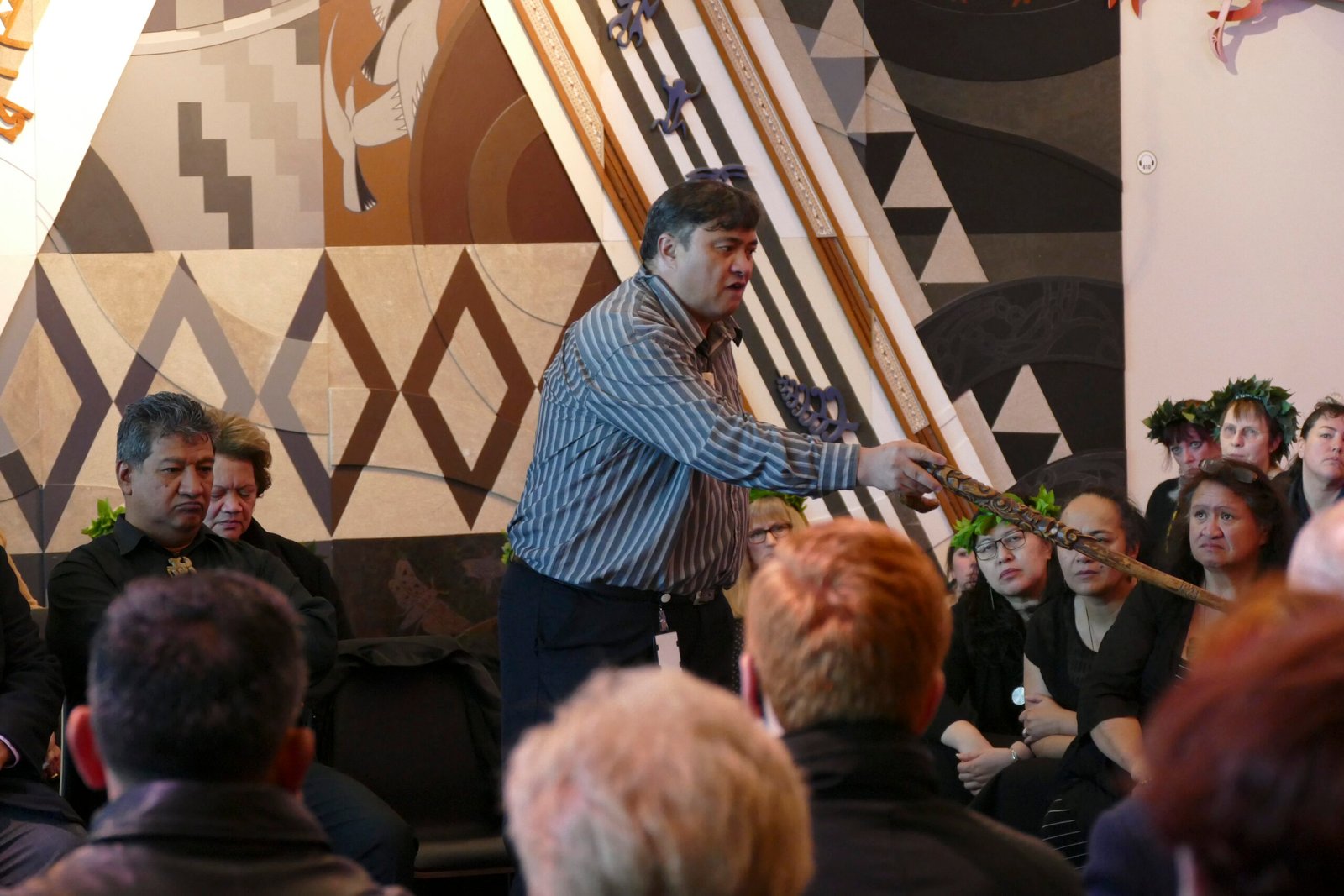
Marae are sanctuaries for te reo Māori, the Māori language, which has faced threats of extinction in the past century. Within these sacred grounds, elders (kaumātua) pass down ancient stories, songs (waiata), and proverbs (whakataukī) to younger generations. The marae is where the language is not only spoken but celebrated, providing a safe space for learners and fluent speakers alike. Whether during formal speeches (whaikōrero) or casual conversations, te reo Māori thrives on the marae, ensuring the heartbeat of the culture can be heard loud and clear. This commitment to language revitalization is nothing short of inspiring, as it breathes life into every aspect of Māori identity.
Architectural Symbolism and Spiritual Significance
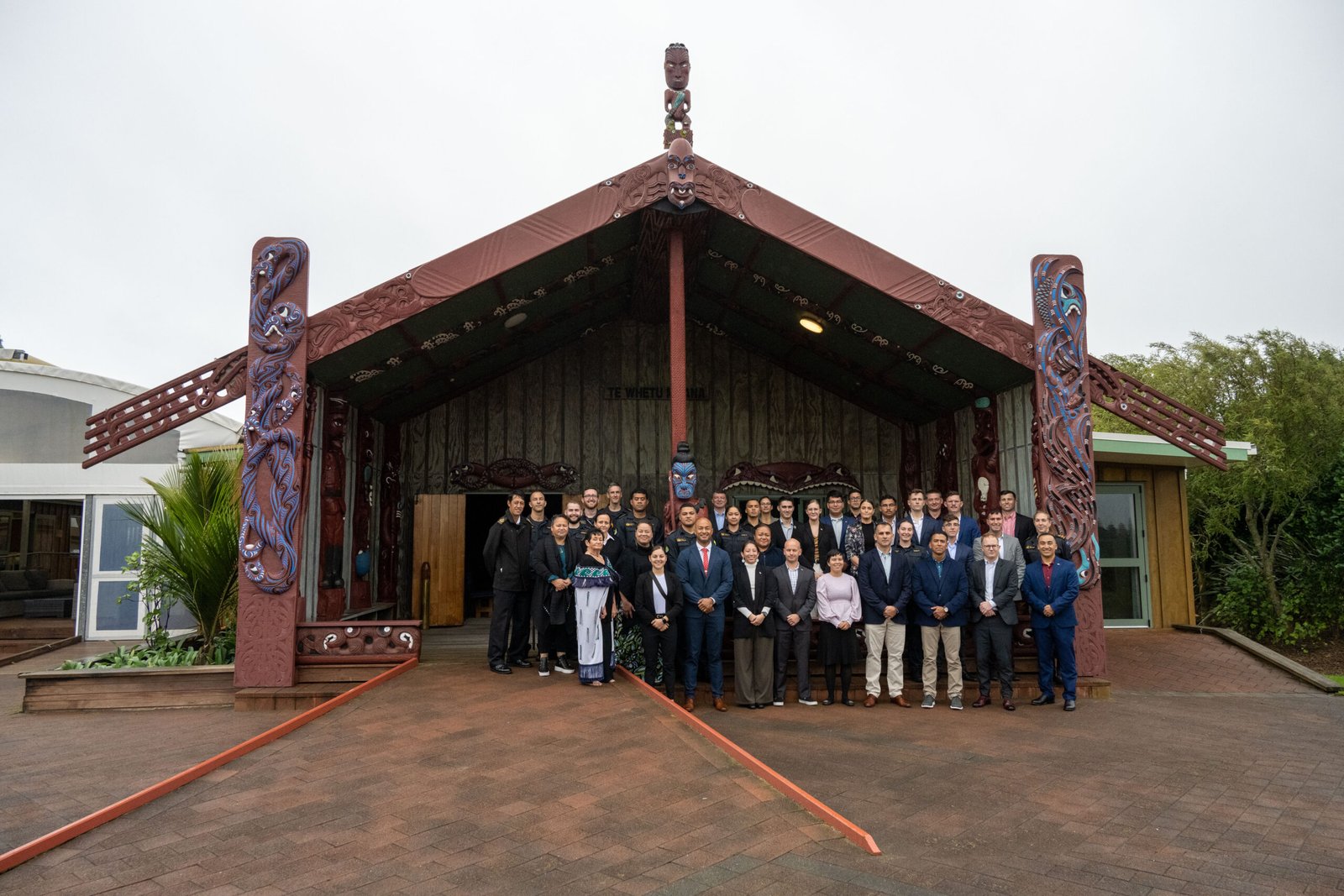
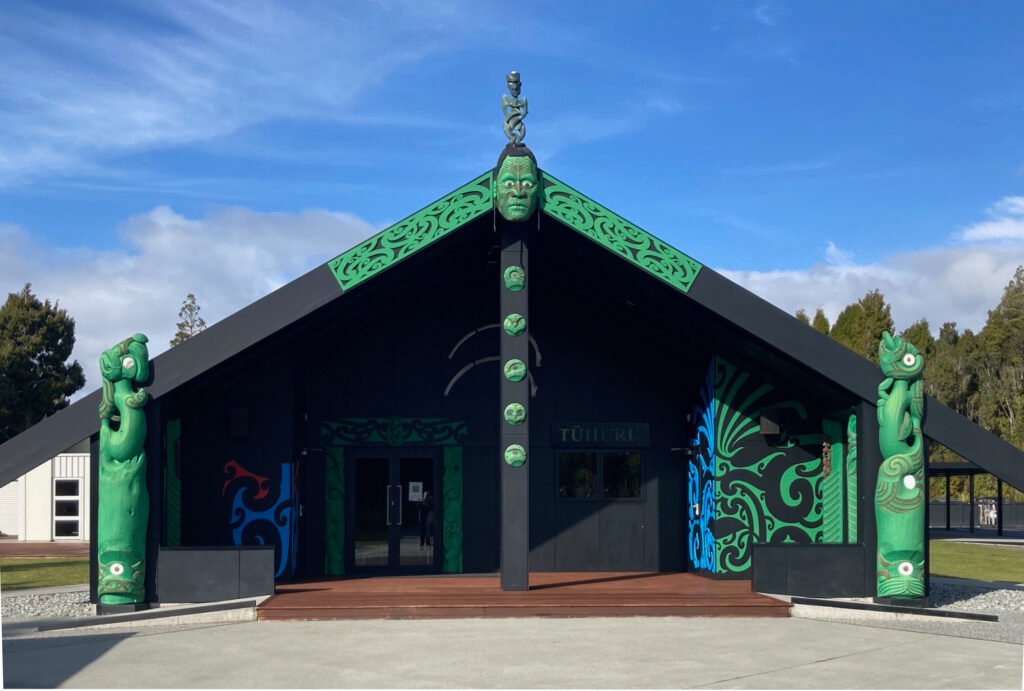
The very design of a marae is a powerful expression of Māori cosmology and history. The carved meeting house (wharenui) is often adorned with intricate patterns and figures representing ancestors, mythical beings, and natural elements. Every carving tells a story, serving as a visual reminder of whakapapa (genealogy) and the interconnectedness of all living things. When one steps into a wharenui, it is as if they are embraced by generations of kin, both seen and unseen. The marae is not just brick and timber; it is a vessel for wairua (spirit), where the boundaries between the physical and spiritual worlds grow thin. This sacred atmosphere forms the bedrock of Māori spirituality and collective memory.
Ceremonies and Rituals: Anchoring Community Bonds
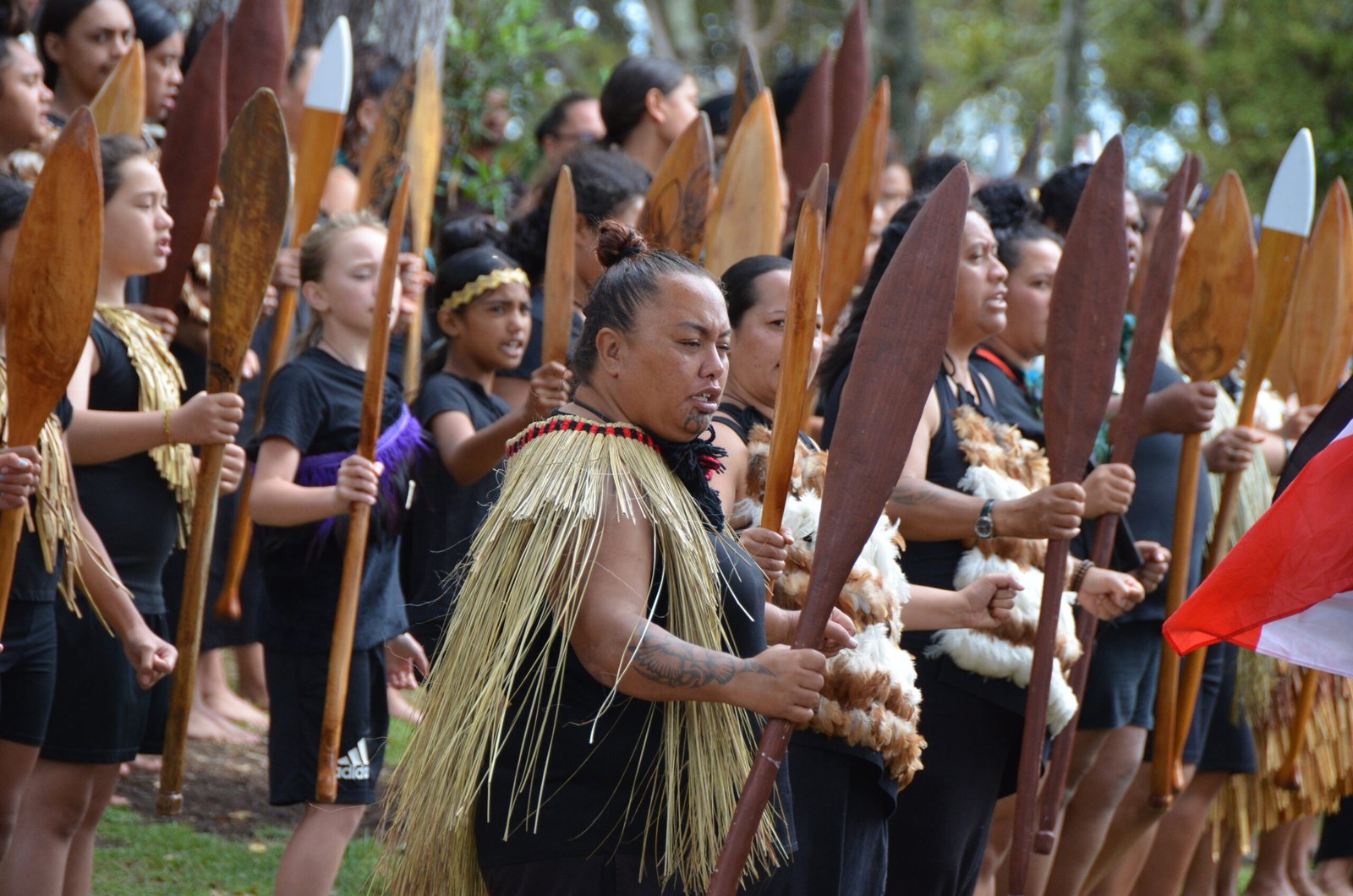
On the marae, rituals and ceremonies are performed with deep respect and meaning. One of the most powerful is the pōwhiri, a formal welcome ceremony that involves singing, speeches, and the symbolic touching of noses (hongi). These rituals are not mere tradition; they are vital social glue, reminding all present of their shared values and responsibilities. Funerals (tangihanga) held on the marae are incredibly moving, providing comfort and closure to grieving families while honoring the departed. At every stage of life, from birth to death, the marae is there to guide, unite, and heal, reinforcing the idea that no one walks their journey alone.
Education and Knowledge Transmission

Marae function as living classrooms, fostering lifelong learning through storytelling, performance, and hands-on activities. Elders teach younger people about the land, traditional crafts, navigation, and the wisdom of their ancestors. Workshops and cultural events held on the marae help preserve skills that might otherwise be lost, such as weaving (raranga) and carving (whakairo). These educational endeavors are not limited to Māori alone; many marae open their doors to schools, researchers, and visitors, encouraging cross-cultural understanding and respect. The marae is thus a bridge between past and future, tradition and innovation.
Center for Social Support and Wellbeing
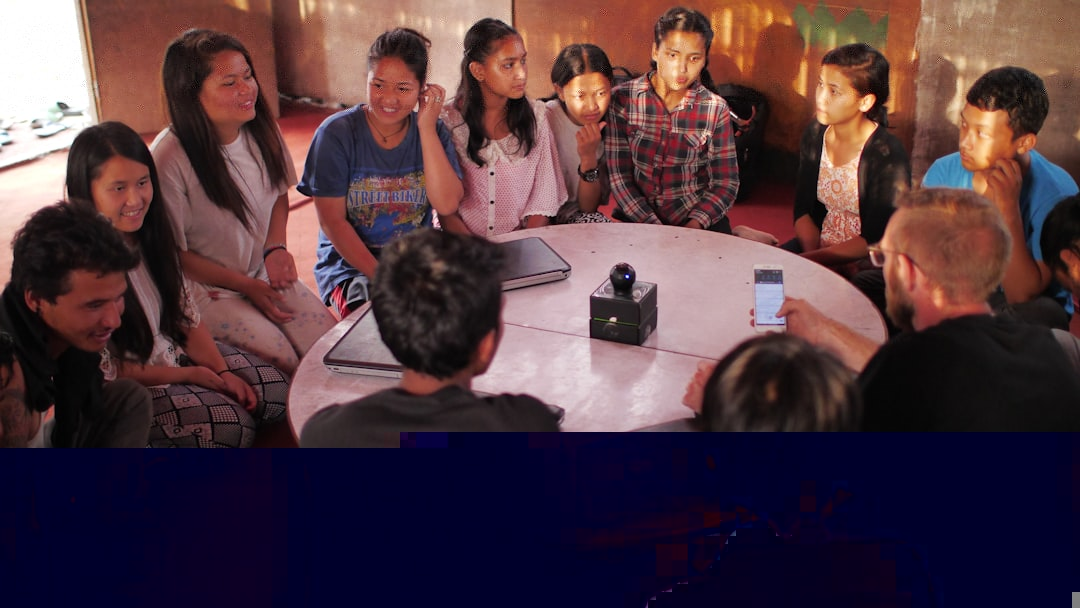
Beyond its cultural role, the marae offers practical support to those in need. It is a place where the vulnerable can find shelter, food, and a listening ear. During times of crisis, such as natural disasters or pandemics, marae often serve as emergency hubs, distributing supplies and care to their communities. This unwavering sense of manaakitanga (hospitality and generosity) is a cornerstone of Māori values. The marae’s role as a sanctuary for wellbeing highlights the deep compassion at the heart of Māori society, where collective support is seen as a sacred duty.
Political and Environmental Advocacy
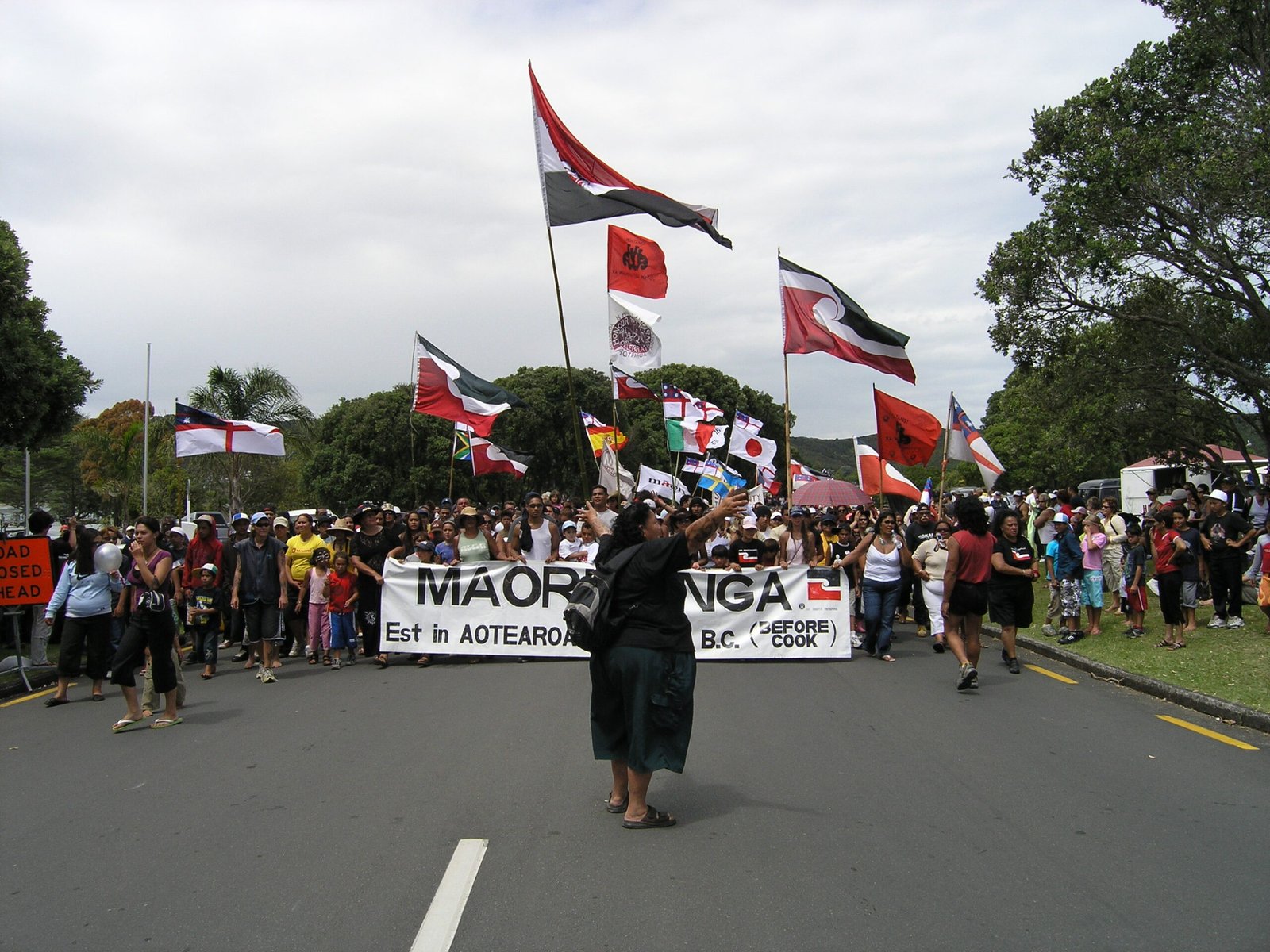
Throughout history, marae have been sites of political discourse and activism. It is on these grounds that leaders have debated important issues, forged alliances, and taken stands on matters affecting Māori rights and sovereignty. Modern marae also champion environmental stewardship, drawing on traditional ecological knowledge (mātauranga Māori) to protect sacred sites, rivers, and forests. By hosting hui (meetings) focused on sustainability and climate action, marae empower communities to act as kaitiaki (guardians) of the land. In this way, marae are powerful platforms for both social and environmental justice.
Celebration of Art, Music, and Performance
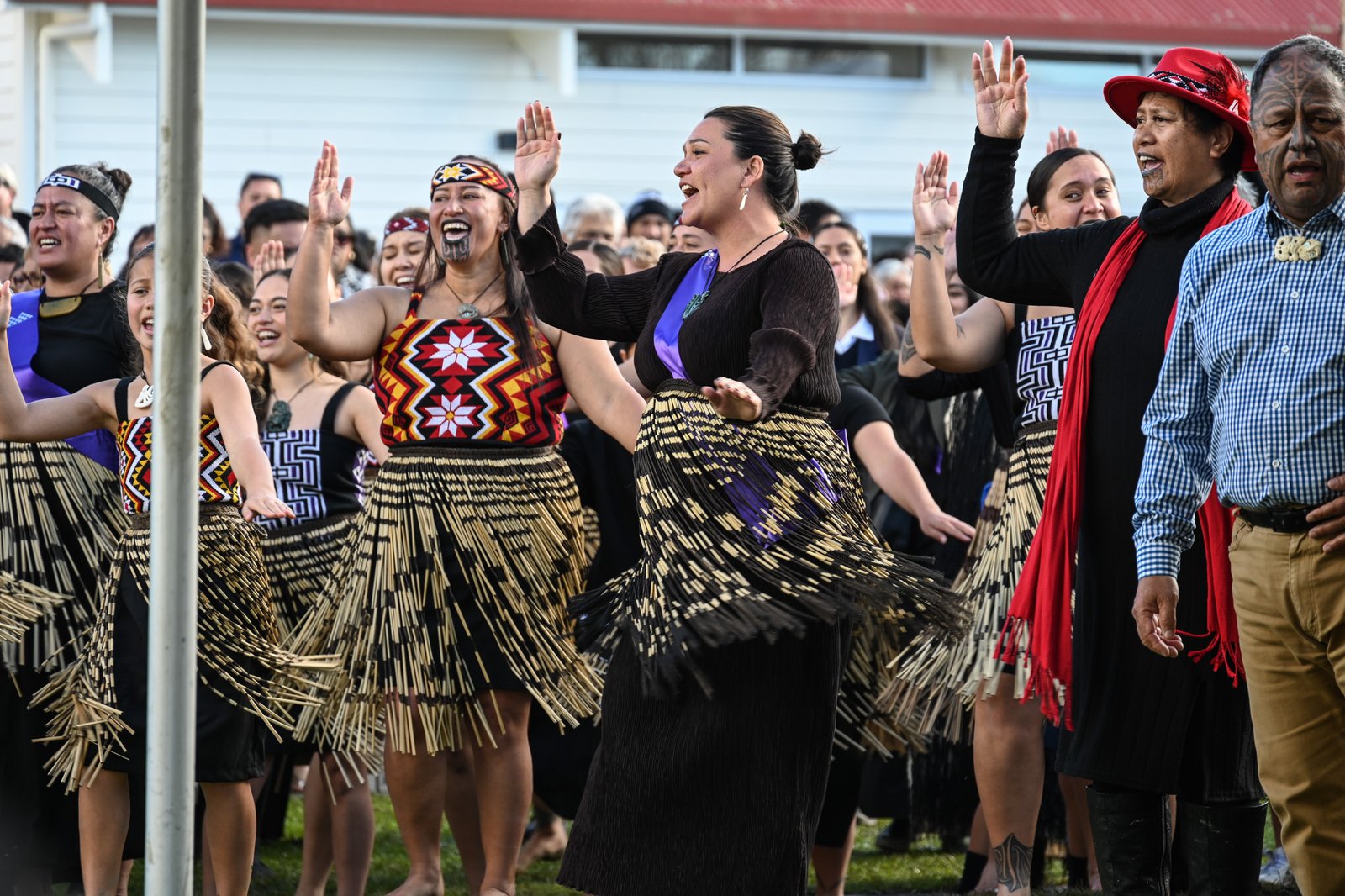
Marae are vibrant hubs for creative expression, where art, music, and dance are woven into everyday life. During gatherings, kapa haka (traditional performing arts) groups fill the air with passionate songs and movements, telling tales of love, loss, and heroism. Carvings, paintings, and woven panels on the marae walls reflect the community’s unique identity and history. These artistic traditions are not just beautiful; they are powerful tools for teaching, healing, and uniting people across generations. The marae’s commitment to nurturing creativity ensures that Māori culture remains dynamic and ever-evolving.
Strengthening Intergenerational Bonds
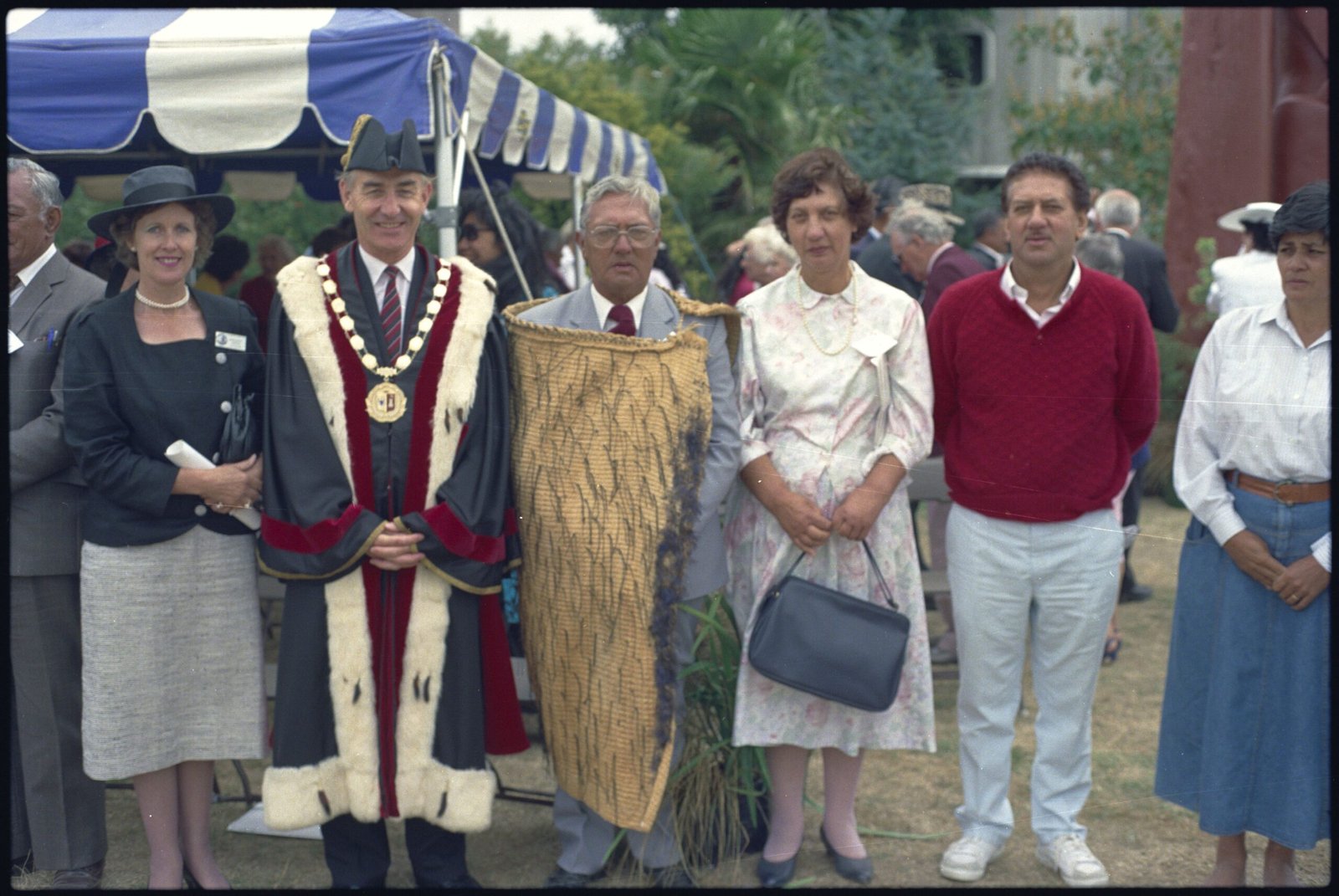
Nothing is more touching than seeing multiple generations gathered together on the marae, sharing food, laughter, and wisdom. The marae encourages young people to learn from their elders, building respect and understanding across age groups. Grandparents teach mokopuna (grandchildren) about old customs, while youth bring fresh energy and ideas, ensuring the culture remains relevant. This intergenerational exchange is the key to resilience, enabling Māori communities to adapt and thrive in a changing world. The marae is, in every sense, a living chain linking past, present, and future.
Welcoming the Wider World
While the marae is a deeply Māori institution, it is also a place of openness and hospitality. Many marae host visitors from around New Zealand and abroad, sharing their culture with people of all backgrounds. Through guided tours, performances, and shared meals, outsiders are invited to experience the warmth and depth of Māori hospitality. These exchanges promote empathy, break down stereotypes, and build bridges between cultures. The marae’s ability to welcome, teach, and inspire all who enter its gates is a testament to its enduring power and relevance.
The Unbreakable Connection to Land and Ancestors
At the heart of every marae lies a profound bond with the whenua (land) and tūpuna (ancestors). The marae is often built on ancestral land, serving as a physical and spiritual anchor for the community. Every tree, river, and mountain surrounding the marae holds stories and memories that are cherished and protected. This connection to the land is not just symbolic but deeply practical, guiding how people live, care for the environment, and make decisions for the future. The marae teaches that to care for the land is to honor the ancestors and safeguard the wellbeing of generations yet to come.
The marae is more than a building; it is a living force that shapes identity, community, and the future of Māori culture. Its enduring presence reminds us all of the importance of belonging, memory, and the courage to hold onto what matters most.