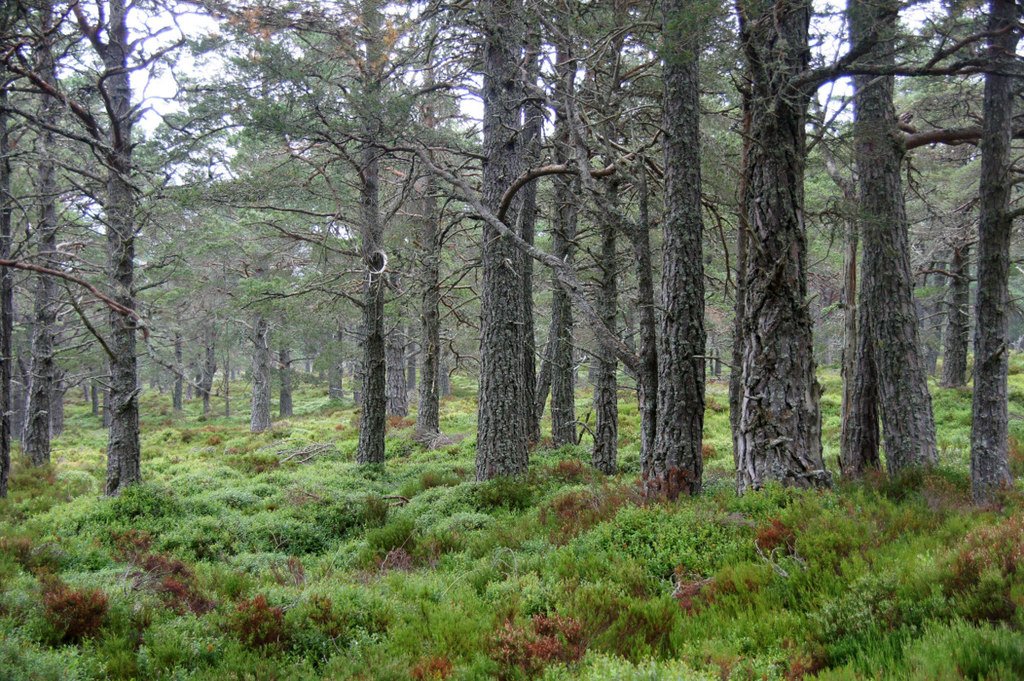

Forests, the Earth’s lungs, are under threat from deforestation, climate change, and human encroachment. The rise of smart forests represents a beacon of hope where technology meets nature to preserve these vital ecosystems. With artificial intelligence (AI) at the helm, our forests are receiving unprecedented protection, promising a greener and more sustainable future. Let’s dive into how AI is revolutionizing the way we safeguard our forests.
The Urgency of Forest Conservation

Forests cover about 31% of the world’s land area, yet they are disappearing at an alarming rate. Every year, millions of hectares are lost due to logging, agriculture, and urbanization. This not only threatens biodiversity but also contributes to climate change. Forests act as carbon sinks, absorbing carbon dioxide and releasing oxygen. Without them, our planet’s balance is at risk. The urgency to protect these green giants is more pressing than ever.
Introducing Smart Forests

Smart forests are an innovative concept that integrates technology with traditional conservation methods. By employing AI, these forests can monitor and respond to environmental changes in real-time. Imagine walking through a forest where sensors and drones work together to detect illegal logging or track wildlife. This seamless blend of nature and technology is transforming conservation efforts, making them more efficient and effective.
AI-Powered Monitoring Systems

At the heart of smart forests are AI-powered monitoring systems. These systems use a network of sensors placed throughout the forest to collect data on temperature, humidity, and even sound. By analyzing this data, AI can detect anomalies such as fires or illegal logging activities. This real-time monitoring allows for rapid response, minimizing damage and preserving the forest’s integrity.
Predictive Analytics for Forest Health

AI’s ability to analyze vast amounts of data enables predictive analytics, which is crucial for forest health. By examining patterns and trends, AI can forecast potential threats like pest infestations or disease outbreaks. This foresight allows forest managers to take proactive measures, such as targeted interventions, to prevent widespread damage. It’s akin to having a crystal ball that helps us prepare for and combat future challenges.
Drones and Aerial Surveillance
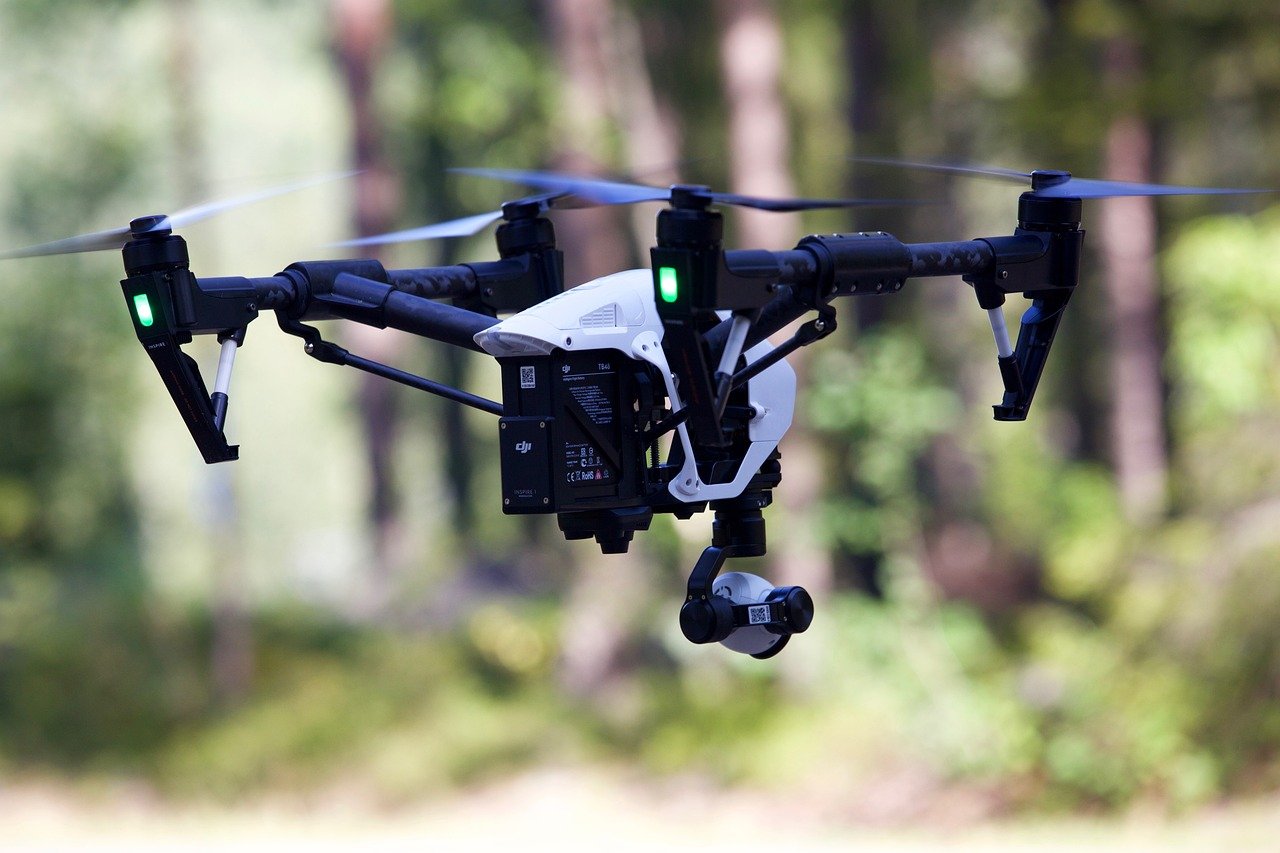
Drones have become valuable allies in the fight against deforestation. Equipped with cameras and sensors, they can capture high-resolution images and videos of the forest canopy. AI analyzes this aerial data to assess forest health and identify illegal activities. It’s like having a bird’s eye view that provides insights inaccessible from the ground. This technology not only enhances surveillance but also aids in reforestation efforts by identifying areas in need of restoration.
Acoustic Monitoring and Bioacoustics
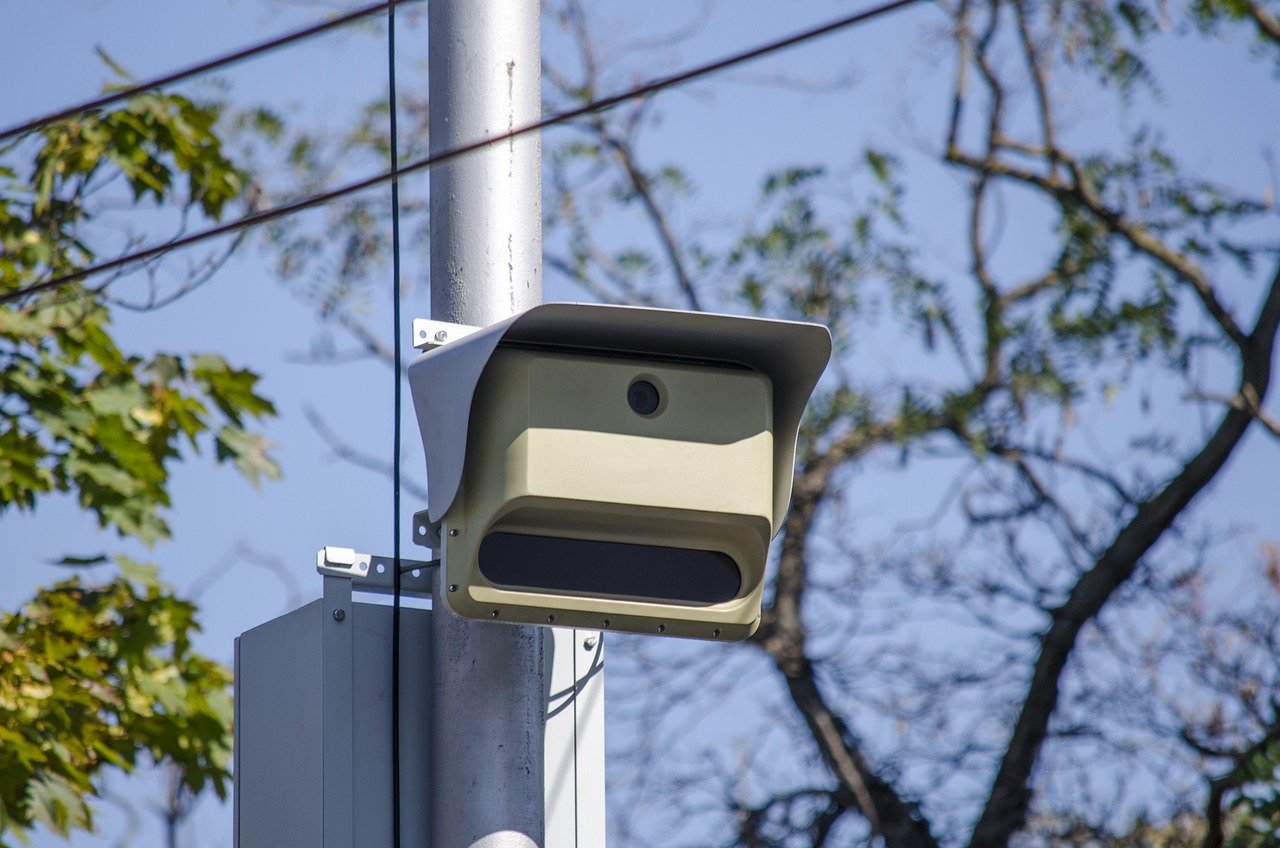
Sound is an often-overlooked aspect of forest ecosystems. AI-powered acoustic monitoring devices can record and analyze the sounds of the forest, from bird calls to the rustling of leaves. By studying these soundscapes, AI can track species diversity and monitor the presence of endangered animals. It’s like eavesdropping on nature’s symphony to ensure that every member of the forest community is thriving.
Combating Illegal Logging with AI

Illegal logging is a significant threat to forests worldwide. AI is playing a pivotal role in combating this by analyzing satellite imagery and identifying unauthorized logging activities. By comparing current images with historical data, AI can pinpoint changes in the forest cover and alert authorities. This proactive approach helps to catch illegal loggers in the act, preserving precious timber resources.
AI and Reforestation Efforts
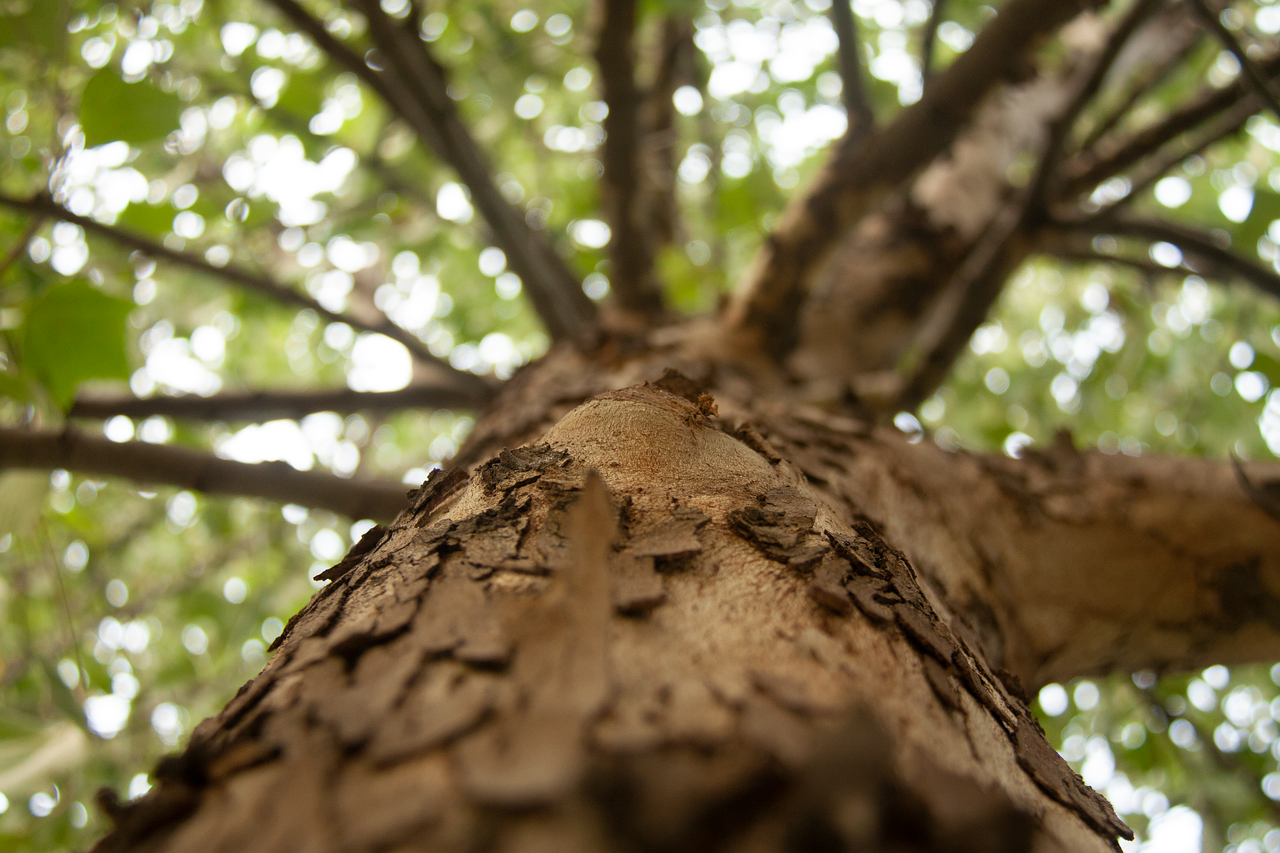
Reforestation is a key strategy in combating deforestation, and AI is making it more efficient. By analyzing soil quality, climate conditions, and species compatibility, AI can recommend the best locations and tree species for planting. This targeted approach increases the success rate of reforestation projects, ensuring that new trees thrive and contribute to the ecosystem’s recovery.
Community Involvement and Education
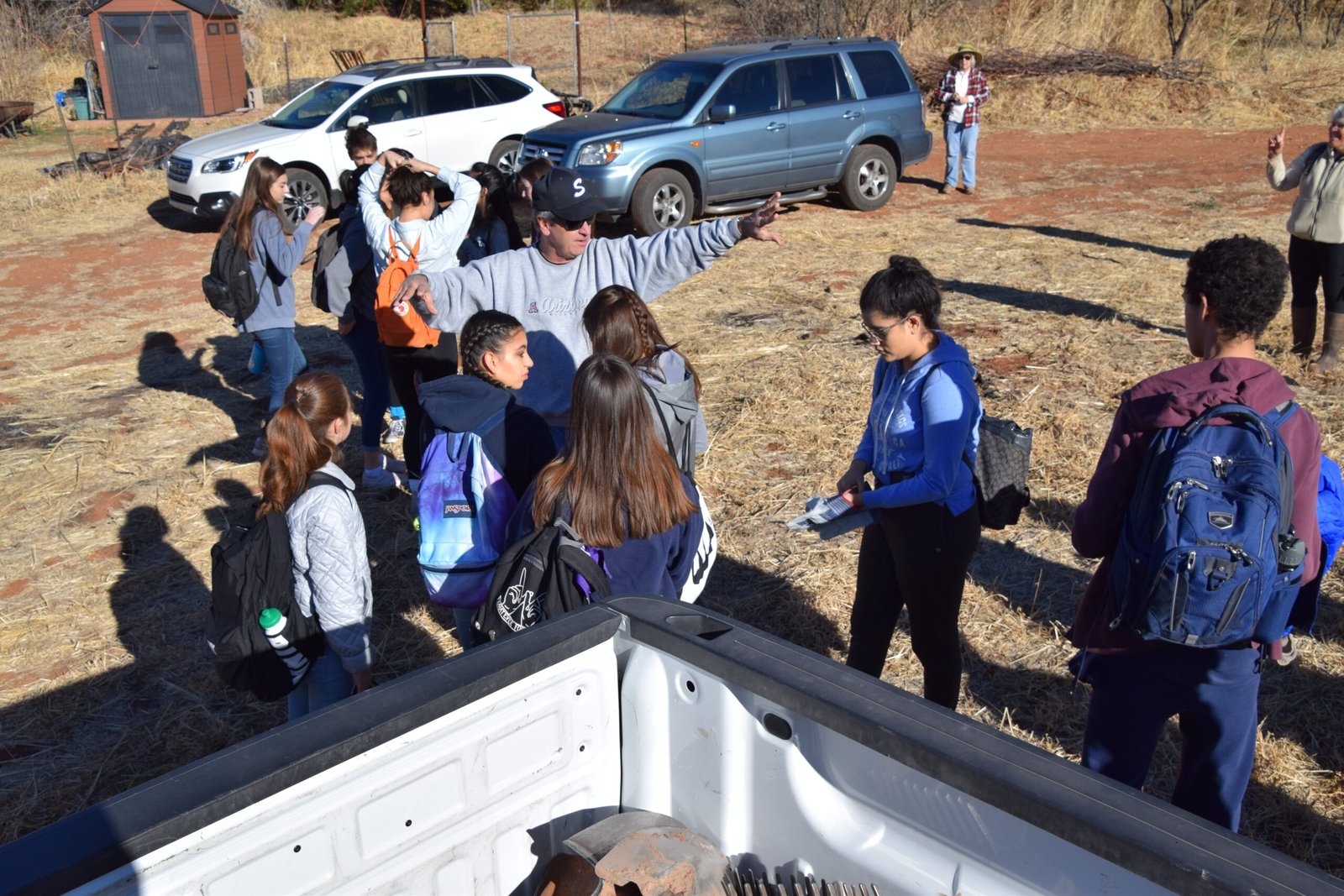
AI is not just a tool for scientists and conservationists; it also empowers local communities. By providing accessible data and insights, AI enables communities to participate in conservation efforts actively. Educational programs that incorporate AI technology raise awareness about the importance of forests and inspire the next generation of environmental stewards. It’s a collaborative effort where technology bridges the gap between science and society.
The Future of Smart Forests
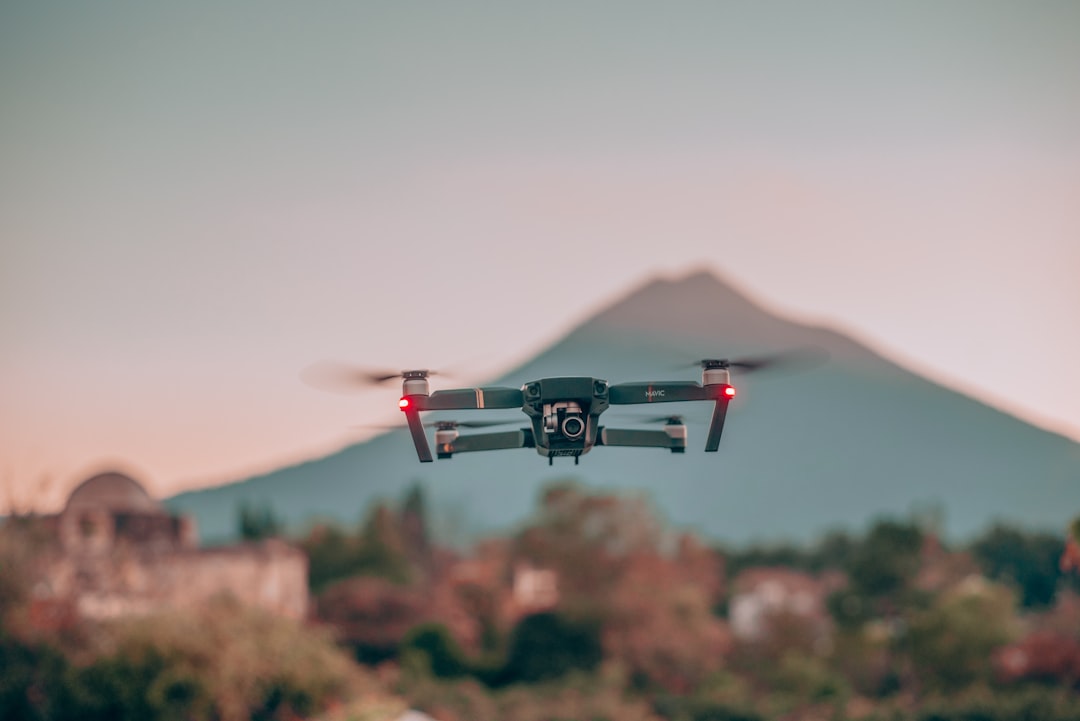
The potential of smart forests is vast and exciting. As AI technology continues to evolve, so too will our ability to protect and nurture our forests. Innovations such as AI-driven forest management systems and automated reforestation drones are on the horizon. These advancements promise to make conservation efforts more precise and impactful, ensuring that our forests remain resilient and robust for years to come. The fusion of AI and nature heralds a new era of environmental stewardship, one where technology plays a crucial role in sustaining the Earth’s green legacy.