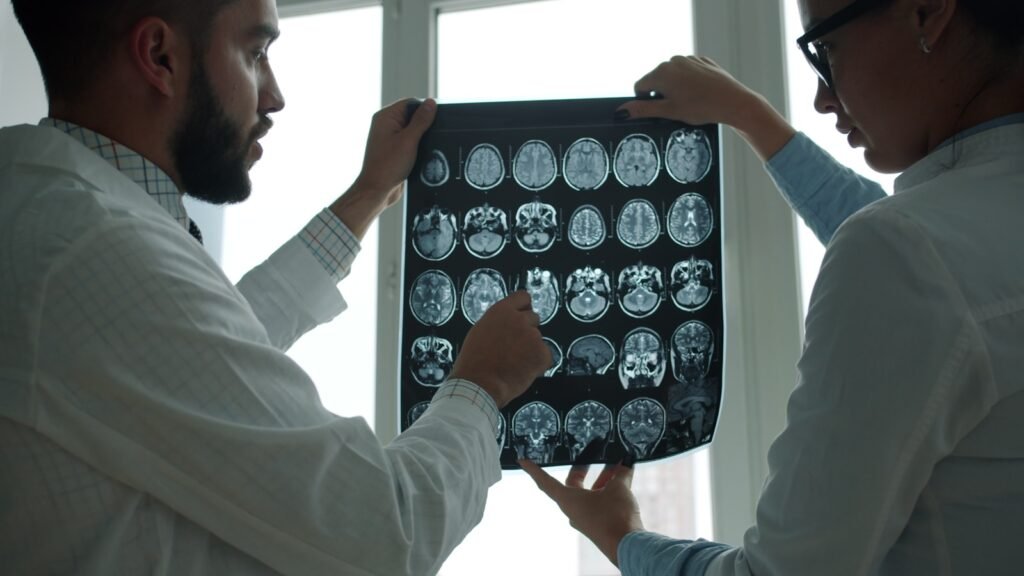

Somewhere behind your eyes, a storm of electrical spikes and chemical whispers is happening right now – yet what you feel is a quiet, seamless sense of “being you.” That gap between brain activity and inner experience is one of the most stubborn mysteries in science. For decades, consciousness research sat on the fringes, dismissed as too fuzzy, too philosophical, or just unsolvable. Now, thanks to new tools that can eavesdrop on thousands of neurons at once and simulate brains in silico, the field is undergoing a genuine upheaval. Competing theories are being put to the test, old assumptions are being challenged, and the story of how brains create minds is changing in real time.
The Hidden Clues Inside a Flicker of Awareness
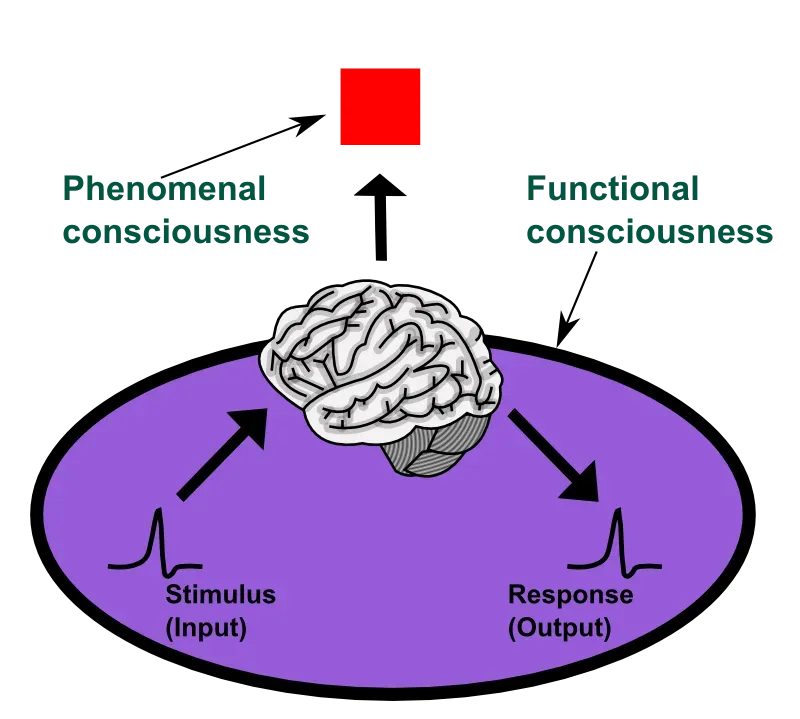
Imagine you are staring at a screen, and a faint image of a face flashes so quickly you are not sure you saw anything. In some trials you report “I saw it,” in others “nothing,” even though the physical stimulus is the same; this simple setup has become one of the most powerful probes of consciousness. Researchers can track what changes in your brain when the exact same input crosses the boundary into awareness or stays in the shadows. They see early sensory areas respond either way, but when you consciously perceive the face, activity ignites in wider networks that link perception, memory, and decision-making. That shift, from local processing to global coordination, is one of the strongest neural signatures of subjective experience that science has found so far.
These experiments highlight a crucial clue: consciousness is not about raw sensory input, but about how far that information travels and how deeply it is integrated. In people under anesthesia or during certain stages of deep sleep, the brain can still react to sounds or light, but those reactions are fragmented and short-lived. By contrast, when you are awake and alert, a small stimulus can cascade across the cortex, recruiting multiple regions into a shared pattern. The difference is like a spark landing on wet sand versus landing in a dry forest – only in one case does the fire really spread. Our sense of “I am here, seeing this, now” may arise exactly from those large-scale, self-sustaining patterns.
From Philosophers’ Puzzles to Testable Brain Theories
For most of history, consciousness lived in philosophy seminars, where questions like “What is it like to be a bat?” seemed immune to microscopes and electrodes. In the late twentieth century, neuroscientists began to hunt for what they called the neural correlates of consciousness: the minimal brain mechanisms that reliably accompany subjective experience. This was a strategic move, a way of turning a profound metaphysical puzzle into a set of experiments about timing, location, and patterns of neural firing. Once you know which parts of the brain light up when a stimulus is consciously seen versus unconsciously processed, you can start asking why those circuits matter.
Two of the leading frameworks to emerge from this push are Global Neuronal Workspace theory and Integrated Information Theory. Global Workspace argues that consciousness arises when information becomes available to a widespread network that broadcasts it across the brain, a bit like posting something from a private notebook onto a crowded group chat. Integrated Information Theory, by contrast, starts from the structure of experience itself and claims that consciousness corresponds to how much a system’s internal cause–effect relationships are both integrated and differentiated. These theories do more than offer metaphors; they predict which brain states should be conscious, which should not, and what might happen in damaged or artificial systems. Crucially, they are now being put head-to-head in real experiments rather than left to armchair debates.
Neural Workspaces: The Brain’s Spotlight Effect
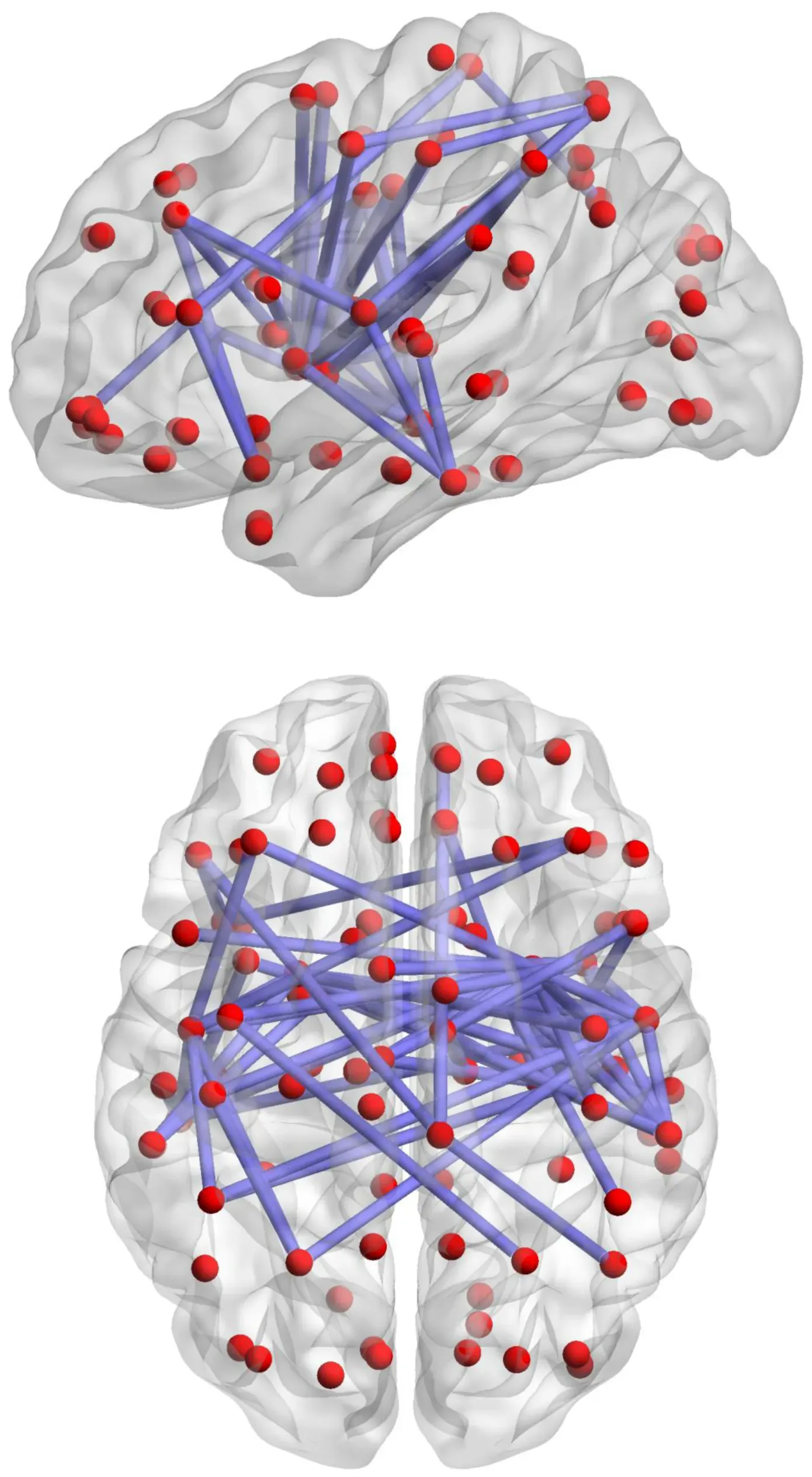
Global Neuronal Workspace theory treats your brain like a theater, where many unconscious processes work backstage while only a few lucky “contents” reach the spotlight of awareness. Sensory systems, motor plans, memories, and emotions operate in parallel, each handling their own subroutines without bothering the rest. According to this view, a piece of information becomes conscious when it wins a kind of competition and gets globally broadcast to a distributed fronto-parietal network. When that happens, suddenly many other systems can access and use it, whether for verbal report, deliberate decisions, or forming long-term memories.
Evidence for this spotlight effect shows up in timing and connectivity. When people become aware of a stimulus, researchers see a late wave of activity sweeping across the cortex and a burst of long-range synchronization between distant brain regions. In states where consciousness is reduced, such as deep anesthesia, severe brain injury, or the deepest stages of non-REM sleep, these large-scale patterns weaken or vanish, even if local responses in sensory areas remain. It suggests that the difference between a brain that merely reacts and a brain that “knows” it is reacting lies in this broadcast architecture. In a sense, your subjective world may be nothing more – yet also nothing less – than what enters this temporary, ever-shifting neuronal workspace.
Information Webs: Consciousness as a Measure of Complexity
Integrated Information Theory takes a more radical path, starting not from neurons but from what it calls the intrinsic structure of experience. It points out that every conscious moment feels unified yet richly detailed, irreducible yet composed of many distinguishable elements. To capture this, the theory defines a quantity that is meant to measure how much a system’s internal cause–effect structure is both integrated and specific. In principle, any system with enough intertwined, differentiated causal relationships could be conscious to some degree, whether it is a human brain, a different animal, or even an artificial network built with the right architecture.
This approach has sparked both enthusiasm and controversy, particularly because it seems to assign at least a tiny sliver of consciousness to many physical systems that we do not usually think of as having experiences. Supporters argue that our intuitions are a poor guide, and that consciousness might indeed fade in and out along a spectrum as complexity changes. Critics counter that the mathematical machinery is hard to apply to real brains and that some of its implications are difficult to test cleanly. Still, the theory has inspired new measures of complexity that are being used to assess consciousness in patients who cannot speak and to evaluate how different anesthetics alter the brain’s causal web. Even skeptics admit that the attempt to quantify consciousness has forced the field to sharpen its questions.
Why It Matters: From ICU Beds to Everyday Decisions

At first glance, debates over neuronal workspaces and integrated information might sound abstract, like puzzles best left to late-night arguments. Yet the consequences land in some of the most emotionally charged rooms in medicine and law. In intensive care units, clinicians must sometimes decide whether a patient with severe brain injury still has any meaningful level of consciousness, even when they show no outward signs. Misjudging that state can mean giving up too early on someone who still has an inner life, or prolonging interventions for someone who does not. More refined theories and measures of consciousness are already reshaping how doctors interpret brain scans in these heartbreaking cases.
The ripple effects go further. As machine learning systems grow more sophisticated, society will eventually have to grapple with whether any artificial system could possess genuine experience or not. That answer affects everything from how we design AI assistants to how we think about responsibility and rights for non-biological minds, if they ever arise. On a more personal level, understanding that our choices and emotions emerge from specific, testable brain processes can loosen some of the old myths around free will and moral blame. It does not erase responsibility, but it encourages a more nuanced, compassionate view of human behavior. Consciousness science is no longer a purely academic curiosity; it is a lens that can subtly alter how we treat one another.
The New Experiments Putting Theories on Trial
For a long time, competing theories of consciousness could coexist without much pressure because the data were sparse and loosely interpreted. That is changing with coordinated projects that design experiments specifically to pit predictions against each other. In some recent studies, researchers have used visual illusions, masking paradigms, and brain stimulation to create situations where Global Workspace and Integrated Information Theory disagree about which brain regions should carry the conscious content. High-density recordings and advanced imaging then reveal which patterns actually appear when a subject reports awareness. These tests are not perfect referees, but they are beginning to favor some features of one theory over the other in particular contexts.
At the same time, new approaches are moving beyond the standard visual tasks that have dominated the field. Experiments now probe auditory scenes, bodily sensations, emotions, and even dream content, trying to see whether the same signatures of integration and broadcast apply across different kinds of experience. In parallel, machine learning models trained on large-scale brain data are being used to decode whether someone is consciously perceiving a stimulus before they press a button. There is a growing sense that theories can no longer stay vague; they must survive contact with a diverse and rapidly expanding body of evidence. The riddle is not solved, but for the first time, it feels like the field has the tools to seriously chip away at it.
The Future Landscape: Simulated Minds, Alien Brains, and Difficult Ethics
Looking ahead, the frontier of consciousness research is likely to stretch beyond the human skull in several directions at once. One path runs through advanced brain organoids and neural simulations, where networks modeled on real cortical circuits are grown in dishes or built in computers. If such systems develop complex, self-sustaining activity patterns, researchers will have to confront the disturbing possibility that they possess at least faint, fragmented forms of experience. Another path dives deeper into the animal kingdom, using refined behavioral tests and neural recordings to map levels of consciousness in creatures from octopuses to corvids. The goal is to move beyond vague assumptions and toward specific, testable markers of awareness across species.
There is also the prospect of human–machine hybrids, such as brain–computer interfaces that become more continuous and immersive. As devices begin to write information into the brain with increasing precision, they might modulate the contents of consciousness directly rather than just reading them out. This raises both thrilling and unsettling possibilities: new therapies for depression or chronic pain on one hand, and potential tools for manipulation or control on the other. On a societal scale, better ways of detecting residual consciousness could transform how we approach end-of-life decisions, incarceration, and even warfare. The science is racing ahead, and the ethical frameworks are struggling to keep pace.
How You Can Stay Engaged With the Mystery

You do not need a lab coat or a PhD to play a meaningful part in this unfolding story about minds and brains. One simple step is to follow and support organizations that promote open, careful research on consciousness, particularly those that fund projects in clinical settings and cross-species studies. You can also pay attention to how news headlines frame big claims about brain decoding or “mind reading,” and reward outlets that explain the real limitations instead of overselling. When you encounter debates over artificial intelligence, animal welfare, or end-of-life policy, try bringing in what you know about how tricky it is to define and measure consciousness in the first place.
On a more personal level, you can treat your own moments of awareness as experiments in miniature. Practices like mindfulness, lucid dreaming, or simply paying closer attention to how your experience changes with mood, fatigue, or medication can make the riddle of consciousness feel less abstract. Sharing those observations with others – friends, support groups, or online communities that value science-informed discussion – helps build a culture that treats subjective experience as something to be explored, not dismissed. Public curiosity has already helped push consciousness from the margins of science to its center. Where it goes next will depend, in no small part, on how all of us choose to think and talk about the mystery of being a mind in a physical world.
Suhail Ahmed is a passionate digital professional and nature enthusiast with over 8 years of experience in content strategy, SEO, web development, and digital operations. Alongside his freelance journey, Suhail actively contributes to nature and wildlife platforms like Discover Wildlife, where he channels his curiosity for the planet into engaging, educational storytelling.
With a strong background in managing digital ecosystems — from ecommerce stores and WordPress websites to social media and automation — Suhail merges technical precision with creative insight. His content reflects a rare balance: SEO-friendly yet deeply human, data-informed yet emotionally resonant.
Driven by a love for discovery and storytelling, Suhail believes in using digital platforms to amplify causes that matter — especially those protecting Earth’s biodiversity and inspiring sustainable living. Whether he’s managing online projects or crafting wildlife content, his goal remains the same: to inform, inspire, and leave a positive digital footprint.