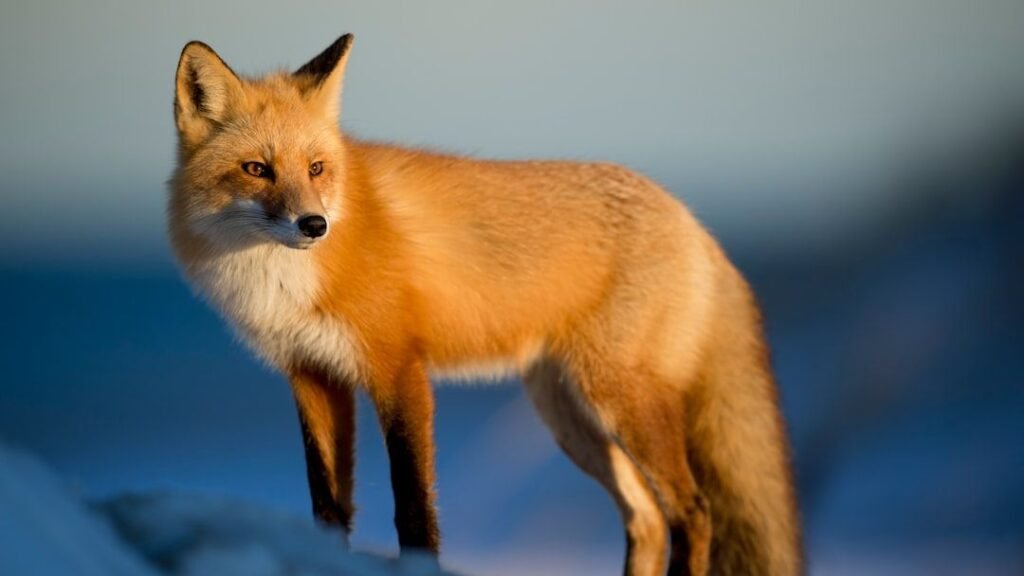
In the heart of Ireland’s myths and legends lies the imposing figure of the Irish Wolf, an apex predator that once roamed the emerald isles. Revered for its strength and feared for its prowess, the wolf was an integral part of Ireland’s ecological and cultural landscape. As conservationists grapple with the idea of reintroducing this majestic creature, questions surrounding ecological impact, species restoration, and community adaptation arise. Can Ireland revive its apex predator in a harmonious balance with modern society? Let’s explore this fascinating topic, where history meets contemporary science.
A Historical Overview of the Irish Wolf
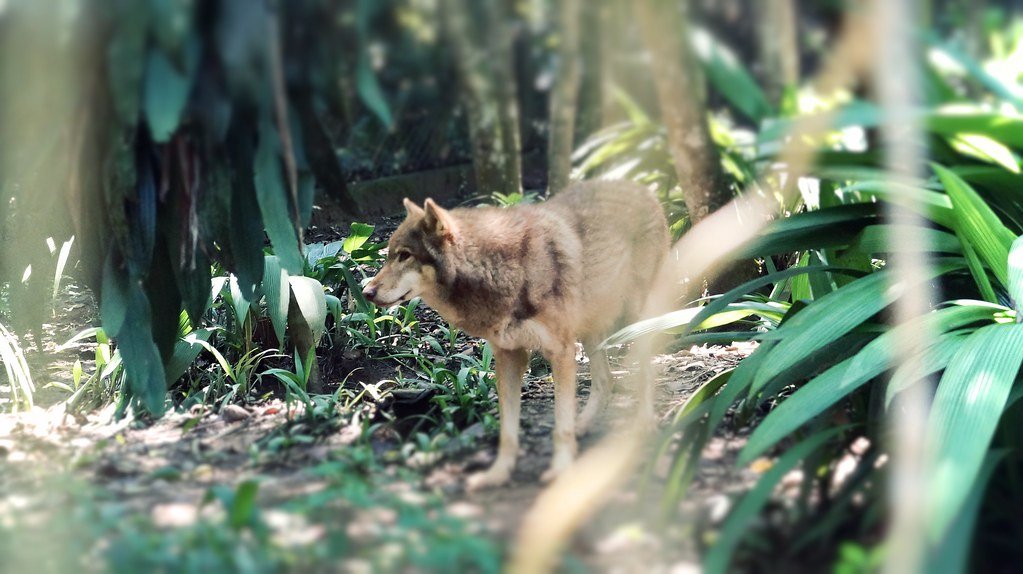
The Irish Wolf, known locally as Mac Tíre, or “Son of the Land,” was once plentiful across the island. Historically, these wolves played a crucial role in maintaining a balanced ecosystem, controlling deer and other animal populations. Their presence is woven into Celtic legends, often symbolizing strength and wilderness. However, intense hunting and habitat destruction led to their extinction in Ireland by the late 18th century. Understanding this history is essential for any attempts at reintroduction.
The Role of Apex Predators in Ecosystems

Apex predators like the Irish Wolf hold a vital role in ecosystems by maintaining species diversity and population control. Their predation helps regulate herbivore numbers, allowing vegetation to thrive, which in turn supports other wildlife. This top-down regulation is known as a trophic cascade and is essential for a healthy ecosystem. The absence of such predators often leads to overpopulation of certain species, ecosystem damage, and biodiversity loss.
Efforts to Reintroduce Wolves

The concept of rewilding, which aims to restore natural processes and core wilderness areas, includes reintroducing missing species like the wolf. Various European countries, including Scotland and parts of Poland, have already undergone successful re-wilding projects, which provide a framework for Ireland. These efforts serve as case studies, highlighting potential challenges and successes in reintroducing apex predators.
Biological and Environmental Challenges
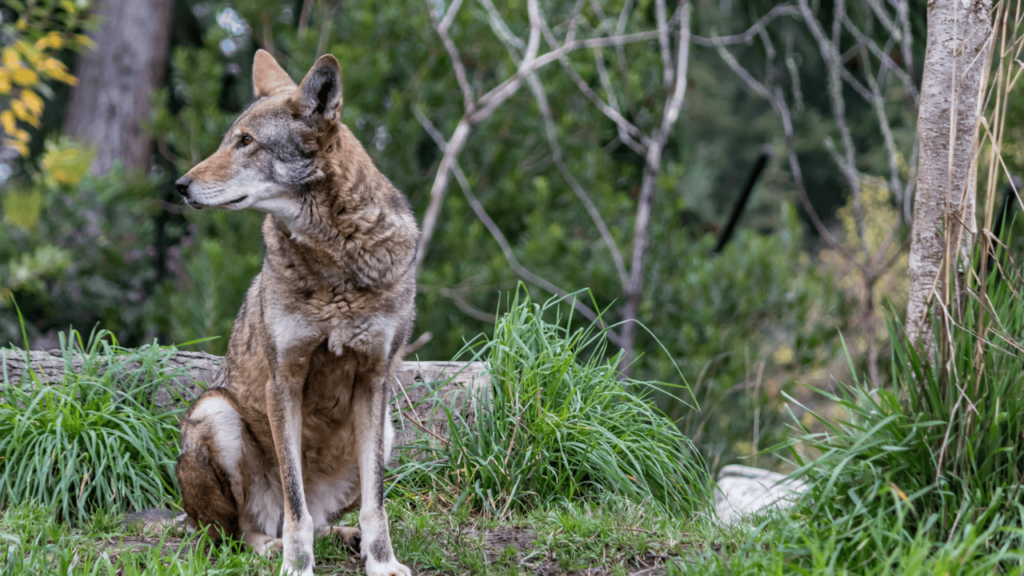
Reintroducing wolves to Ireland would mean adapting to modern landscapes that are more fragmented than their historic habitat. Wolves require large territories for hunting and breeding, making it imperative to evaluate current land use. Additionally, the resurgence of a predator could affect current animal populations, requiring careful ecological assessments and monitoring to prevent any negative impacts on existing wildlife.
Socioeconomic Implications

The return of the wolf raises various socioeconomic considerations. On one hand, ecotourism could flourish, attracting wildlife enthusiasts eager to witness the wolves in their natural habitats. On the other hand, farmers and communities could fear livestock losses and increased risk to human safety. Addressing these concerns involves developing comprehensive management and compensation plans to mitigate potential conflicts.
Community Involvement and Education

For any reintroduction initiative to succeed, it is critical to involve local communities. Educating the public on the ecological benefits of wolves and the measures in place to protect livestock and human safety can foster coexistence. Public awareness campaigns, engaging school programs, and community workshops are vital to debunking myths and facilitating a mutual understanding between humans and wolves.
Conservation and Legislative Framework

Successful reintroduction also relies on strong conservation policies and legal frameworks. This includes habitat preservation, anti-poaching laws, and political commitment to biodiversity. Ireland would need to establish a solid legal foundation that balances conservation with the rights and concerns of landowners and farmers. Such frameworks ensure long-term viability for any rewilding efforts.
Learning from Global Rewilding Efforts

Countries such as the United States have successfully reintroduced wolves to places like Yellowstone National Park, observing significant positive ecological impacts. These global rewilding initiatives provide a wealth of knowledge on best practices, potential setbacks, and adaptive strategies. Ireland can draw on these experiences to tailor a program suited to its unique environmental and social landscape.
The Future of Irish Wildlife
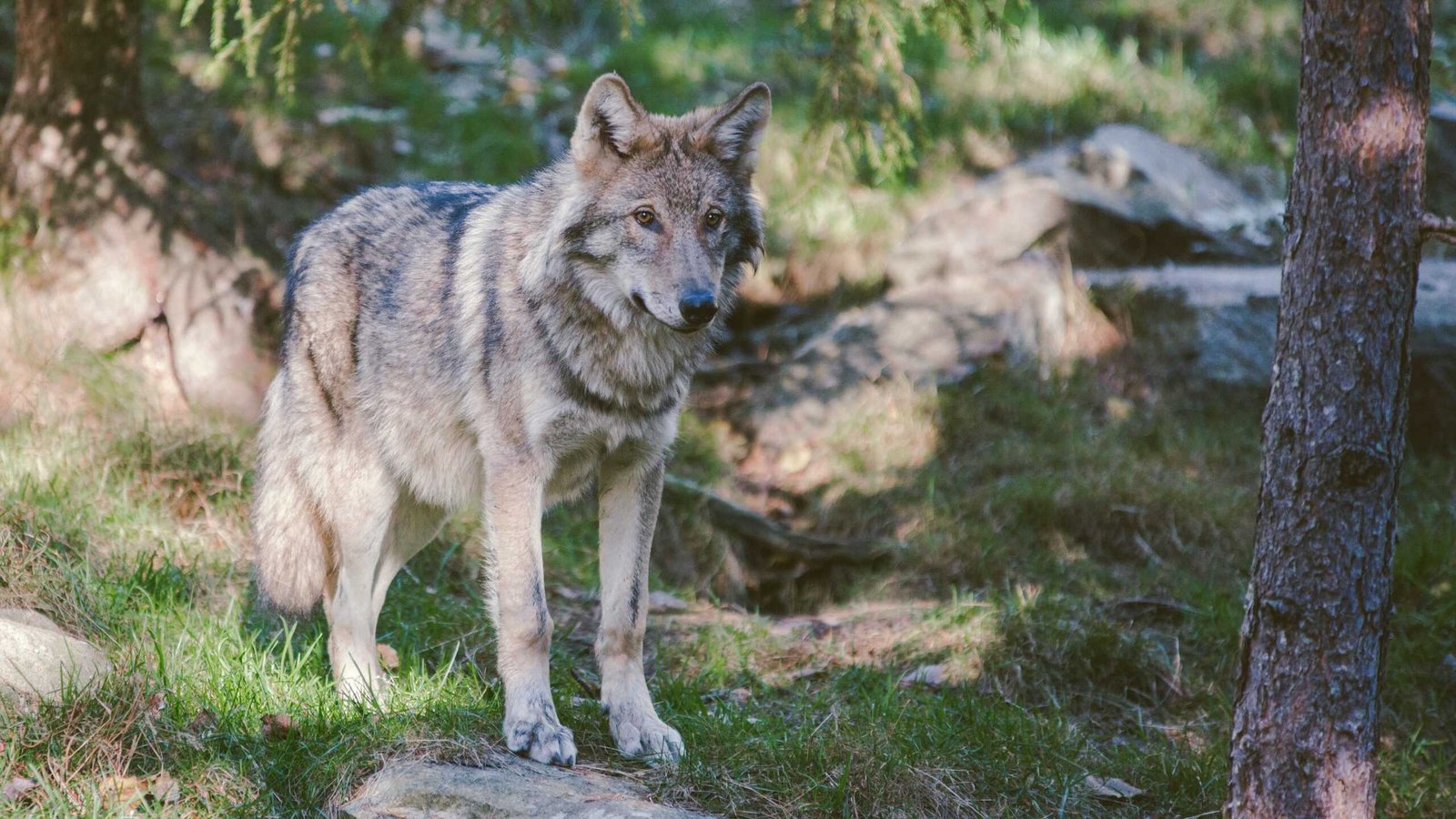
Reintroducing the Irish Wolf could be a keystone event in the future of Ireland’s wildlife conservation. It presents an opportunity to restore natural biodiversity and strengthen Ireland’s commitment to environmental stewardship. Moreover, it prompts broader discussions on how humanity can coexist with nature without diminishing the landscapes we cherish.
Conclusion: A Balancing Act
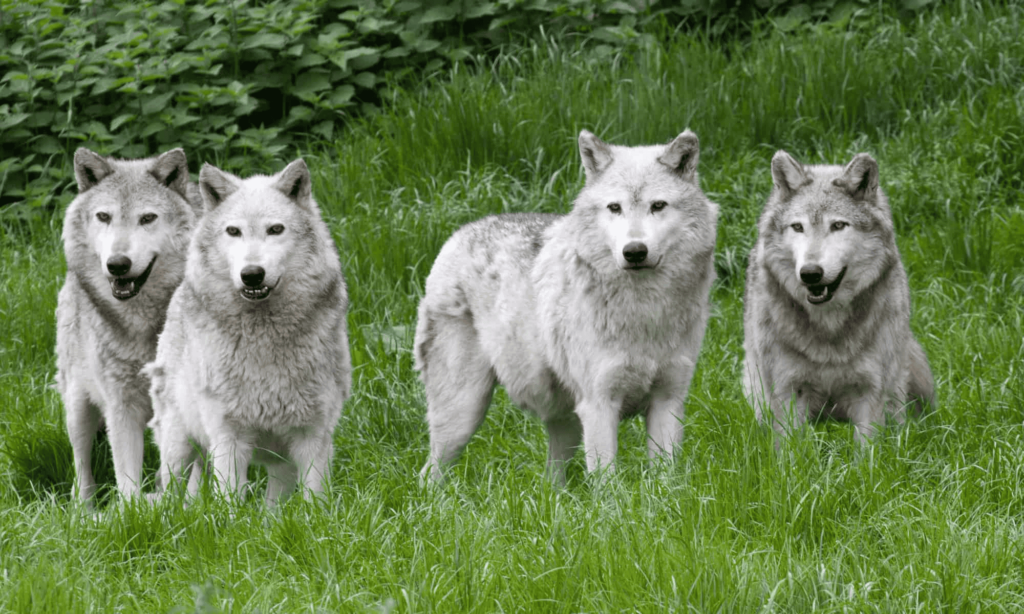
The idea of reintroducing the Irish Wolf offers both hope and challenge. While the vision of wolves once again roaming the lush Irish countryside is enchanting, achieving this requires careful science, thoughtful engagement with communities, and robust policy support. With a concerted effort from conservationists, government, and the public, Ireland could indeed witness the majestic return of its long-lost apex predator, offering a richer, more balanced ecosystem for future generations.