
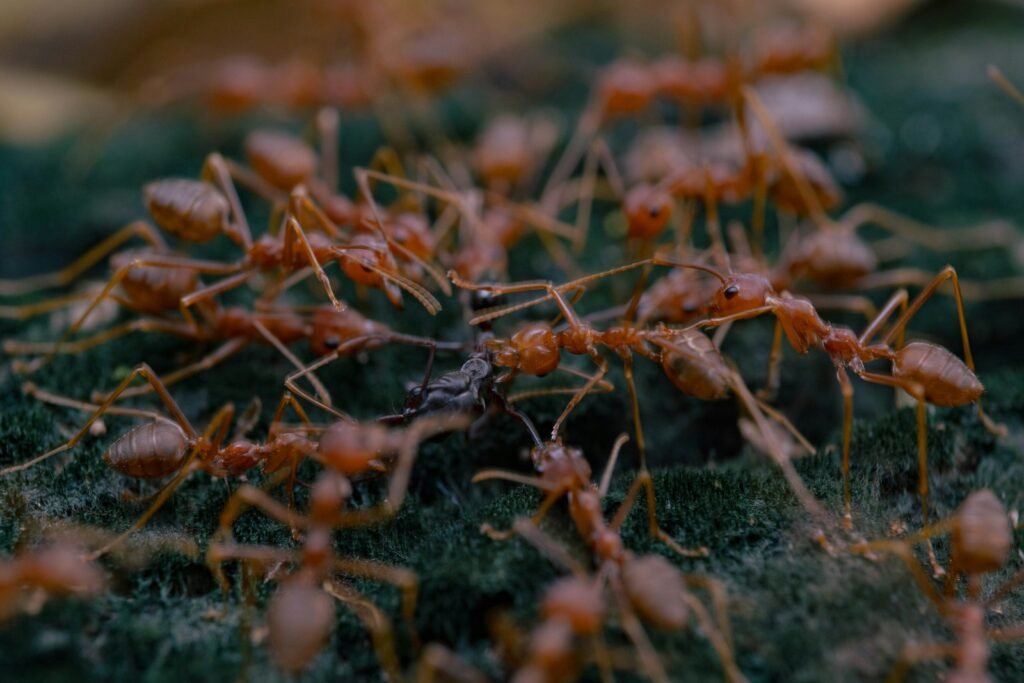

Picture this: you’re enjoying a peaceful picnic in Alabama when suddenly, searing pain shoots through your ankle. Within seconds, what feels like liquid fire spreads across your skin, and angry red welts begin to form. You’ve just encountered one of the South’s most notorious invaders – the red imported fire ant. This tiny warrior, no bigger than a grain of rice, has somehow managed to conquer an entire region of the United States, turning backyard barbecues into battlefields and costing billions of dollars in damage along the way.
The Accidental Invasion That Changed Everything
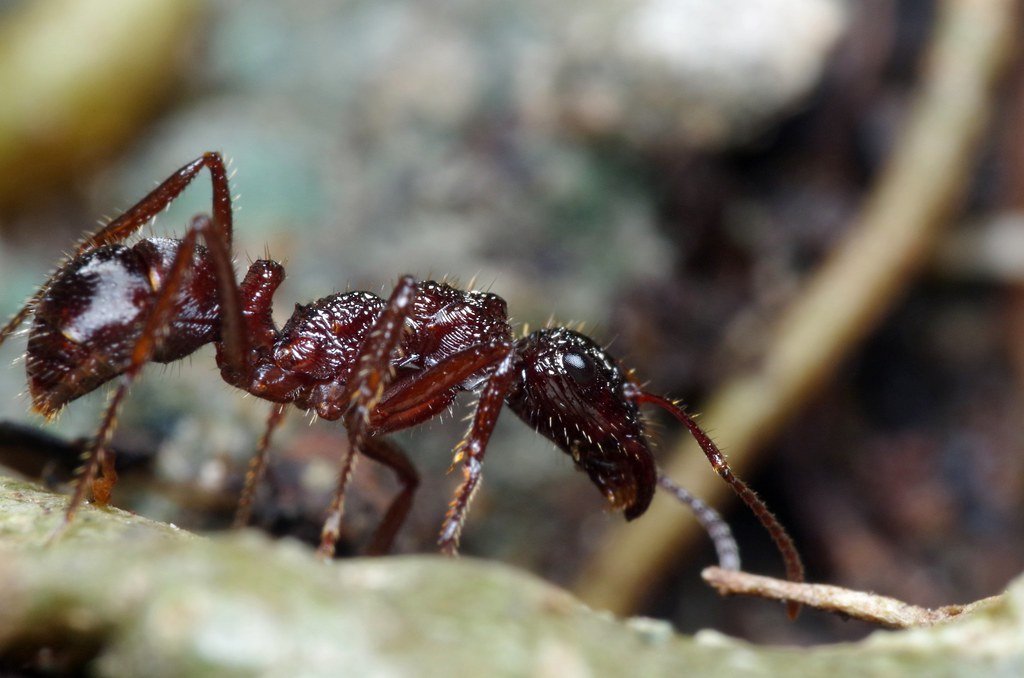
In the 1930s, a cargo ship from South America quietly docked at the port of Mobile, Alabama, carrying more than just legitimate trade goods. Hidden within the ballast soil were tiny stowaways that would forever alter the ecosystem of the American South. These red imported fire ants, scientifically known as Solenopsis invicta, had hitched a ride from their native Argentina without anyone realizing the catastrophe that was about to unfold. The ants found the warm, humid climate of Alabama remarkably similar to their homeland, and they wasted no time establishing their first colonies. Within just a few decades, these accidental immigrants had spread across millions of acres, proving that sometimes the smallest invaders can cause the biggest problems.
Meet the Tiny Tyrant: Understanding Fire Ant Anatomy

Red imported fire ants might be small, but they’re perfectly designed killing machines. Each ant possesses a venomous stinger that can deliver multiple painful injections, unlike bees that can only sting once. Their mandibles work like tiny scissors, capable of gripping onto skin while they repeatedly inject their alkaloid venom. The ants range in size from 2 to 6 millimeters, with the larger workers serving as soldiers and the smaller ones as scouts and foragers. Their reddish-brown coloration helps them blend into soil and dead vegetation, making them nearly invisible until it’s too late. What makes them particularly dangerous is their ability to swarm in coordinated attacks, with hundreds of ants responding to alarm pheromones within seconds.
The Secret Weapon: Venom That Packs a Punch

Fire ant venom isn’t just painful – it’s a complex cocktail of alkaloids that can cause serious medical complications. The primary component, solenopsin, creates the characteristic burning sensation that gives these ants their name. For most people, a fire ant sting results in immediate pain followed by the formation of a white pustule within 24 hours. However, for the unlucky few who are allergic, fire ant stings can trigger life-threatening anaphylactic reactions. The venom also contains proteins that can cause secondary infections if the pustules are scratched or broken. Emergency rooms across the South treat thousands of fire ant sting cases annually, with some victims requiring hospitalization for severe allergic reactions.
Colony Life: Inside the Underground Empire

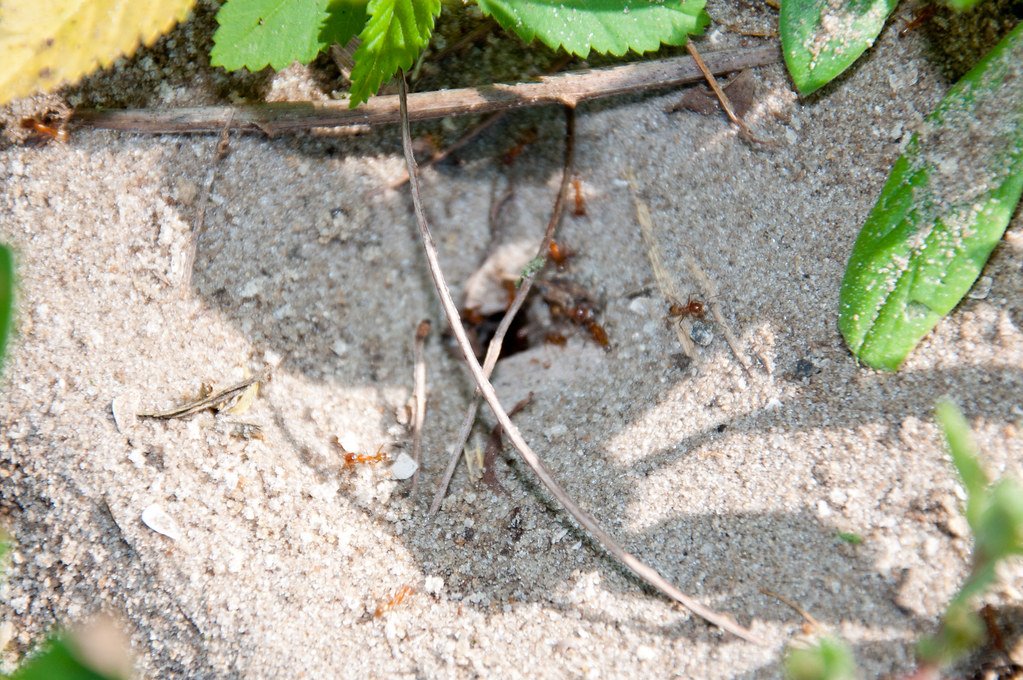
Fire ant colonies operate like highly organized underground cities, with populations that can reach up to 500,000 individuals. The heart of each colony is the queen, a egg-laying machine capable of producing up to 1,000 eggs per day during peak season. These subterranean networks can extend several feet deep and cover areas larger than a football field. The ants construct multiple entrances and chambers, including nurseries for developing larvae, storage areas for food, and even refuse dumps. During floods, the entire colony can form a living raft, with thousands of ants linking together to float until they reach dry land. This remarkable social organization is one reason why fire ants have been so successful in colonizing new territories.
The Great Expansion: How Fire Ants Conquered the South

From their initial foothold in Alabama, red imported fire ants spread like wildfire across the southeastern United States. By the 1950s, they had established populations in Mississippi, Louisiana, and Florida. The 1960s saw them push into Georgia, South Carolina, and eastern Texas. Each new territory provided stepping stones for further expansion, with mated queens flying up to 12 miles to establish new colonies. Human activities inadvertently helped their spread, as fire ants hitchhiked in potted plants, soil shipments, and even recreational vehicles. Today, fire ants infest over 350 million acres across 13 states, with established populations reaching as far north as Virginia and as far west as California.
Environmental Havoc: The Ecological Nightmare

Fire ants are ecological bulldozers, fundamentally altering every environment they invade. They consume native insects, small reptiles, amphibians, and even ground-nesting bird eggs and chicks. Their aggressive hunting tactics have led to significant declines in native ant species, with some regions experiencing up to 90% reduction in native ant diversity. Fire ants also damage plant life by farming aphids for their honeydew, protecting these plant-sucking insects from natural predators. The resulting aphid populations can devastate crops and native vegetation. Perhaps most troubling is their impact on vulnerable species like sea turtle hatchlings, which they attack in large numbers as the baby turtles struggle to reach the ocean.
Agricultural Assault: Billions in Damage

The agricultural impact of fire ants reads like a horror story for farmers across the South. These voracious insects attack crop seedlings, damage irrigation systems, and make fieldwork dangerous for farm workers. In Texas alone, fire ants cause an estimated $1.2 billion in agricultural losses annually. They destroy soybean and corn crops by eating seeds and young plants, while their mounds interfere with harvesting equipment. Livestock isn’t safe either – fire ants attack newborn calves, pigs, and poultry, sometimes killing young animals outright. The constant threat of fire ant attacks has forced many farmers to change their practices, investing in expensive pesticides and protective equipment that cuts into already thin profit margins.
Urban Warfare: Fire Ants in the City

Fire ants have proven remarkably adaptable to urban environments, thriving in parks, schoolyards, and residential neighborhoods. They build their mounds in the most inconvenient places imaginable – under sidewalks, in playground equipment, and around swimming pools. Schools across the South have had to implement fire ant management programs after numerous incidents of children being stung during recess. The ants are particularly attracted to electrical equipment, causing millions of dollars in damage to air conditioning units, traffic lights, and power systems. Their tendency to swarm when disturbed makes routine maintenance work dangerous, as utility workers must constantly watch for fire ant mounds near equipment.
The Human Cost: Medical Consequences

Fire ant stings send approximately 25,000 people to emergency rooms each year in the United States. The immediate pain from a sting is just the beginning – most people develop pustules that can become infected if not properly treated. For individuals with fire ant allergies, exposure can be life-threatening, with symptoms including difficulty breathing, swelling, and cardiovascular collapse. Children and elderly people are particularly vulnerable, as they may not be able to escape quickly when attacked. The psychological impact shouldn’t be underestimated either – many people in fire ant-infested areas develop anxiety about outdoor activities, fundamentally changing their relationship with nature.
Economic Impact: The Billion-Dollar Invader

The total economic impact of red imported fire ants exceeds $6 billion annually in the United States. This staggering figure includes direct costs like medical treatment, property damage, and crop losses, as well as indirect costs such as reduced property values and increased pest control expenses. Homeowners in fire ant territory spend an average of $300 per year on professional pest control services. The tourism industry also suffers, as visitors from fire ant-free regions are often unprepared for encounters with these aggressive insects. Real estate values in heavily infested areas can drop significantly, as buyers factor in the ongoing costs and risks associated with fire ant management.
Chemical Warfare: The Pesticide Arms Race

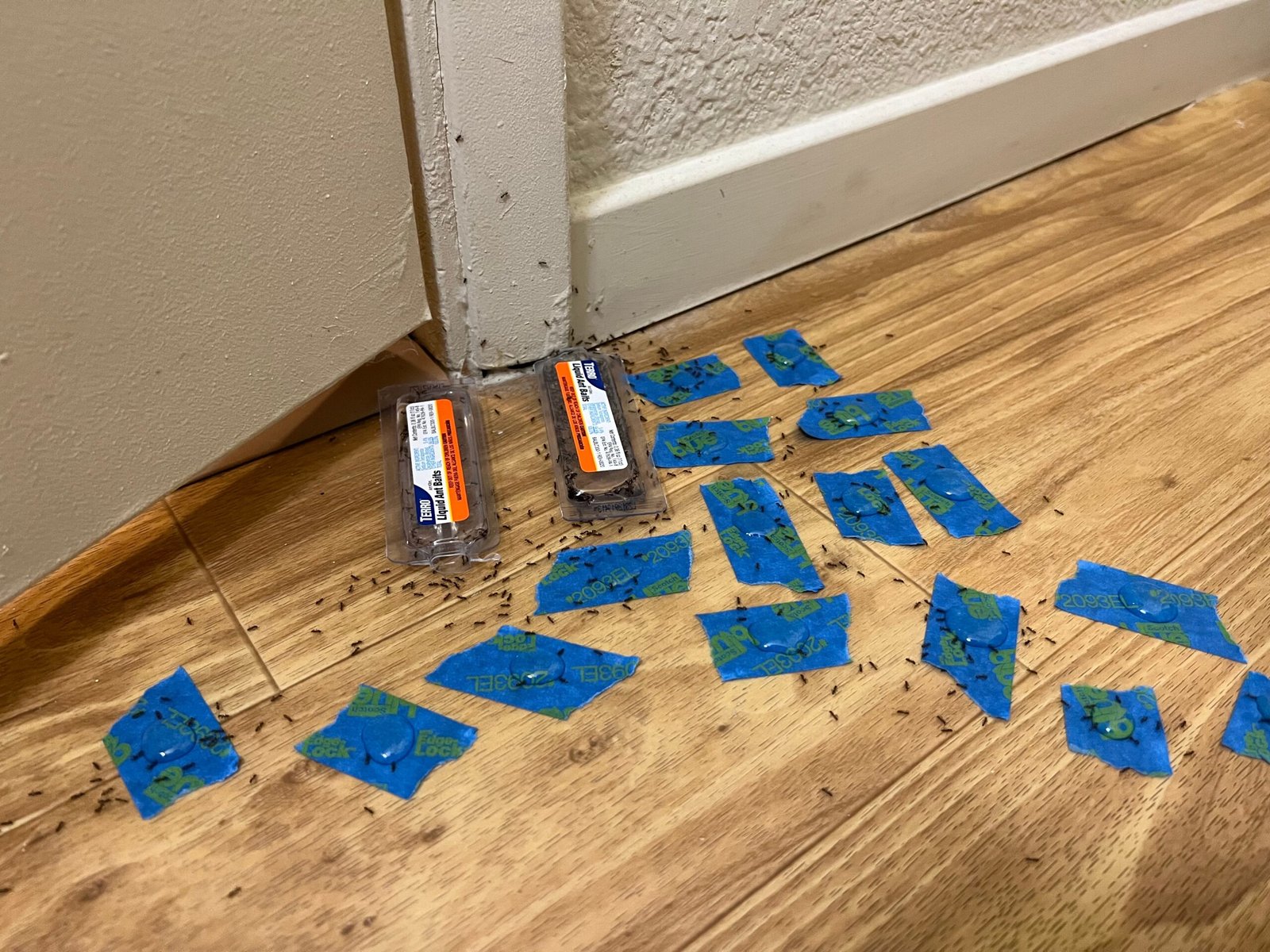
The battle against fire ants has led to the development of increasingly sophisticated chemical weapons. Early attempts used broad-spectrum insecticides that killed everything in their path, causing severe environmental damage. Modern fire ant baits use slower-acting toxins that worker ants carry back to the colony, eventually reaching and killing the queen. These baits contain attractants that specifically target fire ant preferences, reducing impacts on non-target species. However, fire ants have shown remarkable ability to develop resistance to various chemicals, forcing researchers to continuously develop new formulations. The most effective current treatments include hydramethylnon, fipronil, and methoprene, but even these require careful timing and repeated applications to be effective.
Biological Control: Fighting Fire with Fire

Scientists have turned to biological warfare in their fight against fire ants, importing natural enemies from South America. Phorid flies, tiny parasitic insects that lay eggs in fire ant heads, show the most promise as biological control agents. These flies don’t eliminate fire ant colonies but significantly reduce their aggressiveness and foraging efficiency. Researchers have also introduced microsporidian pathogens that weaken fire ant colonies from within. While biological control won’t eliminate fire ants entirely, it can help restore ecological balance by reducing their competitive advantage over native species. The challenge lies in ensuring that these biological agents don’t cause unintended consequences to native ecosystems.
Surprising Adaptations: The Ant That Wouldn’t Die

Red imported fire ants possess almost supernatural survival abilities that have helped them dominate new territories. They can survive flooding by forming living rafts, endure extreme temperatures by adjusting their behavior, and even survive being frozen solid for short periods. Their social structure allows them to quickly replace lost workers and rapidly rebuild damaged colonies. Fire ants also demonstrate remarkable learning abilities, remembering the locations of food sources and dangerous areas. Perhaps most impressively, they can alter their colony structure based on environmental conditions, creating deeper tunnels in dry areas and multiple escape routes in flood-prone regions. These adaptations make fire ants incredibly difficult to eliminate once they establish themselves in an area.
The Queen’s Reign: Understanding Fire Ant Reproduction

The fire ant queen is the ultimate survivor, capable of living up to seven years and producing millions of offspring during her lifetime. Unlike many ant species that have seasonal mating flights, fire ants can reproduce year-round in favorable climates. A single mated queen can establish an entire colony, and mature colonies can produce hundreds of new queens annually. These virgin queens mate during spectacular nuptial flights, sometimes forming dense clouds visible from great distances. The reproductive success of fire ants is staggering – a single colony can produce enough new queens to establish dozens of daughter colonies within a single season. This reproductive strategy explains why fire ant populations can explode so rapidly in new territories.
Ecosystem Engineers: How Fire Ants Reshape Landscapes
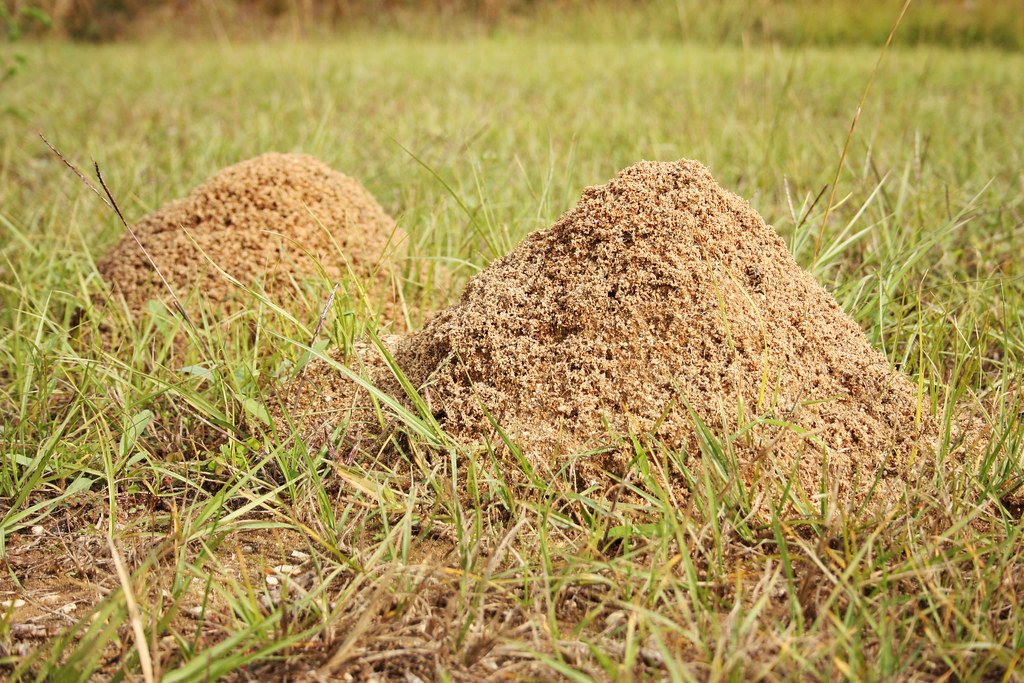
Fire ants don’t just live in ecosystems – they fundamentally restructure them. Their extensive tunnel systems alter soil composition and drainage patterns, affecting plant growth and water infiltration. The ants’ aggressive territorial behavior creates “fire ant deserts” where few other insects can survive, dramatically simplifying food webs. They also act as seed dispersers for some plants while destroying others, essentially choosing which species can thrive in their territory. Fire ant mounds can persist for years, creating permanent changes to local topography. These ecosystem engineering effects ripple through entire communities, affecting everything from soil microbes to large mammals that depend on insects for food.
Climate Change and Fire Ants: A Dangerous Combination

Rising temperatures and changing precipitation patterns are creating new opportunities for fire ant expansion. Warmer winters allow fire ant colonies to survive in previously unsuitable northern regions, while extreme weather events help disperse ants to new territories. Climate change is also altering the timing of fire ant reproduction, potentially allowing for more generations per year. Drought conditions favor fire ants over many native species, as fire ants are better adapted to water stress. Conversely, increased flooding in some regions provides opportunities for fire ants to colonize new areas via their remarkable rafting behavior. Scientists predict that fire ants could expand their range by millions of additional acres as climate change continues.
International Implications: Fire Ants Go Global
The fire ant invasion of North America is just one chapter in a global story of ecological disruption. Red imported fire ants have also established populations in Australia, New Zealand, and parts of Asia, causing similar problems in each new territory. Their success has made them one of the world’s most studied invasive species and a poster child for the dangers of accidental species introductions. International trade continues to provide pathways for fire ant spread, with strict quarantine measures now in place to prevent further introductions. The global fire ant problem demonstrates how a single species can cause cascading effects across multiple continents, highlighting the interconnected nature of modern ecosystems.
The Future Battle: What’s Next for Fire Ant Control
The war against fire ants is far from over, with researchers developing increasingly sophisticated strategies for long-term management. Gene drive technology might eventually allow scientists to spread sterility genes through fire ant populations, though this approach remains highly controversial. Artificial intelligence is being used to predict fire ant spread patterns and optimize control efforts. New biological control agents are constantly being evaluated, including fungi, viruses, and additional parasitic insects. The focus is shifting from elimination to management, recognizing that fire ants are likely permanent residents of the American South. Success will be measured not by eradication but by reducing their impact on native ecosystems, agriculture, and human activities.
Lessons from the Invasion: Prevention and Preparedness

The fire ant invasion offers crucial lessons about the importance of biosecurity and early detection of invasive species. Modern quarantine protocols and inspection procedures exist largely because of failures that allowed fire ants to establish themselves undetected. The story demonstrates how small populations can explode into major problems if not addressed quickly. It also highlights the need for long-term thinking about invasive species management, as short-term solutions often fail to address the underlying ecological and social factors that allow invasions to succeed. The fire ant experience has informed responses to other invasive species, from emerald ash borers to Asian giant hornets, showing that prevention is always preferable to control.
The red imported fire ant invasion stands as one of the most successful biological invasions in modern history, transforming the ecology, economy, and daily life of the American South. These tiny warriors have proven that size doesn’t determine impact, turning an accidental introduction into a permanent ecological catastrophe that costs billions of dollars annually. Their story serves as a stark reminder of how global trade and human activities can unleash consequences that persist for generations. Despite decades of research and billions spent on control efforts, fire ants continue to spread and adapt, proving that some invasions become permanent features of the landscape. The next time you see a small red mound in a Southern yard, remember that you’re looking at the handiwork of one of nature’s most successful colonizers – did you ever imagine that such a tiny creature could reshape an entire region?


