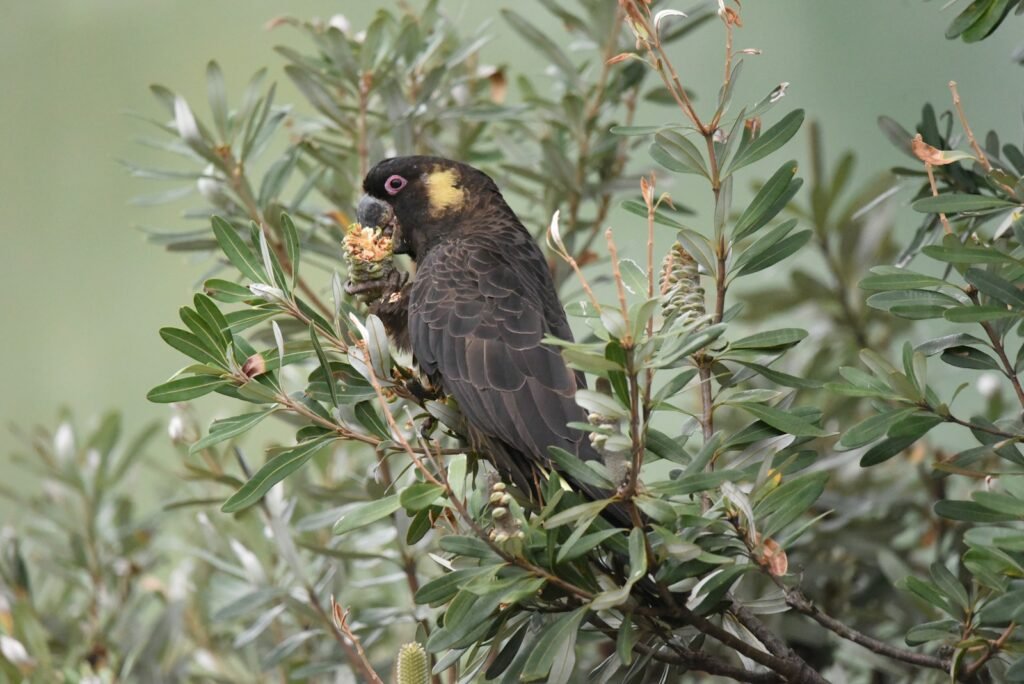

The vibrant specter of the yellow-tailed black cockatoo soaring through the skies is a sight that has enamored bird enthusiasts and conservationists alike in South Australia. This iconic species, known for its striking appearance and intelligence, has faced numerous challenges over the years. However, persistent conservation efforts have ushered in a new era of hope for their recovery. This article delves into the journey of the yellow-tailed black cockatoo, exploring their natural history, the threats they have faced, and the significant strides made in their conservation.
Introduction to the Yellow-Tailed Black Cockatoo
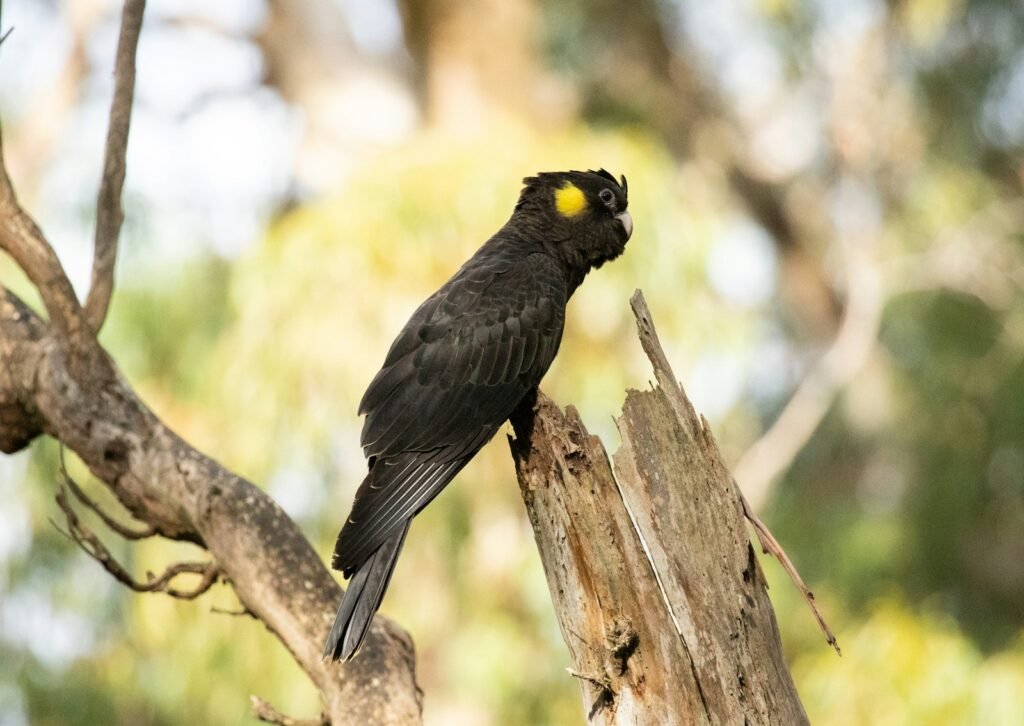
The yellow-tailed black cockatoo (Calyptorhynchus funereus) is a large native bird of Australia, distinguished by its glossy black plumage and characteristic yellow patches on the tail. These birds are not only captivating to watch but also play a crucial role in their ecosystems, helping with seed dispersal and forest regeneration.
Historical Decline in Population

Historically, the population of yellow-tailed black cockatoos in South Australia saw a decline due to habitat destruction, primarily caused by land clearing for agriculture, urban development, and logging. Conservationists observed dwindling numbers, prompting urgent action to better understand and mitigate these impacts.
Understanding Their Habitat
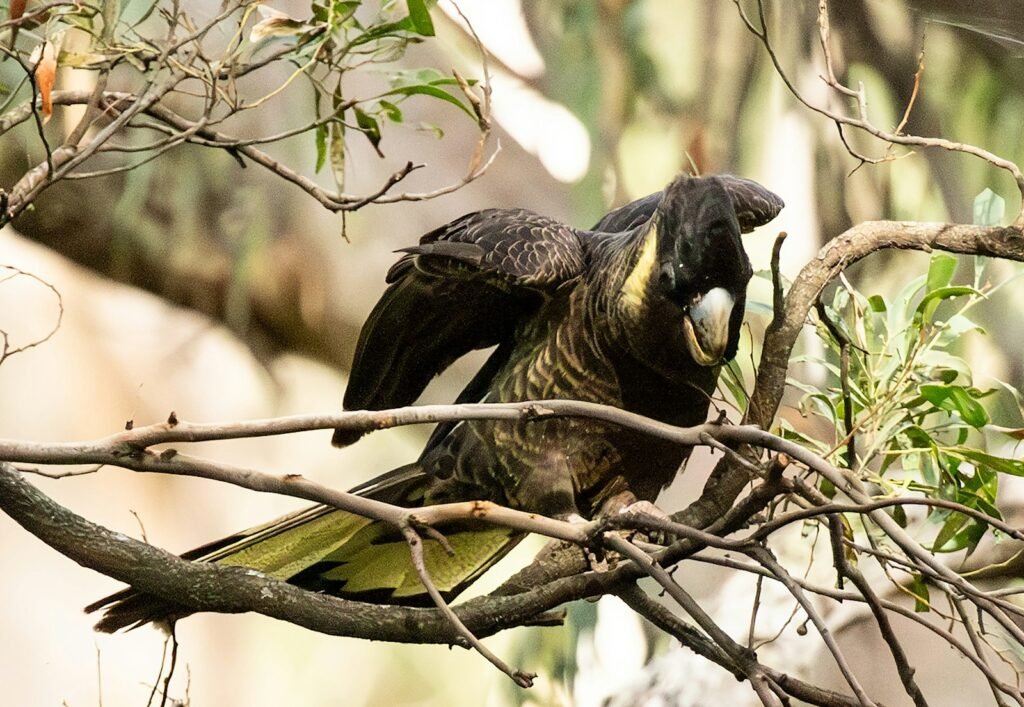
The natural habitat of the yellow-tailed black cockatoo includes dense woodlands, forests, and coastal areas where they find abundant food sources. Their diet primarily consists of native seeds, berries, and grubs, making them dependent on a healthy, biodiverse environment.
Challenges from Climate Change

Climate change has emerged as a significant threat, altering the landscapes and affecting food availability. Increased fire frequency and changing weather patterns pose additional risks to their habitats, necessitating adaptive conservation strategies.
Conservation Efforts
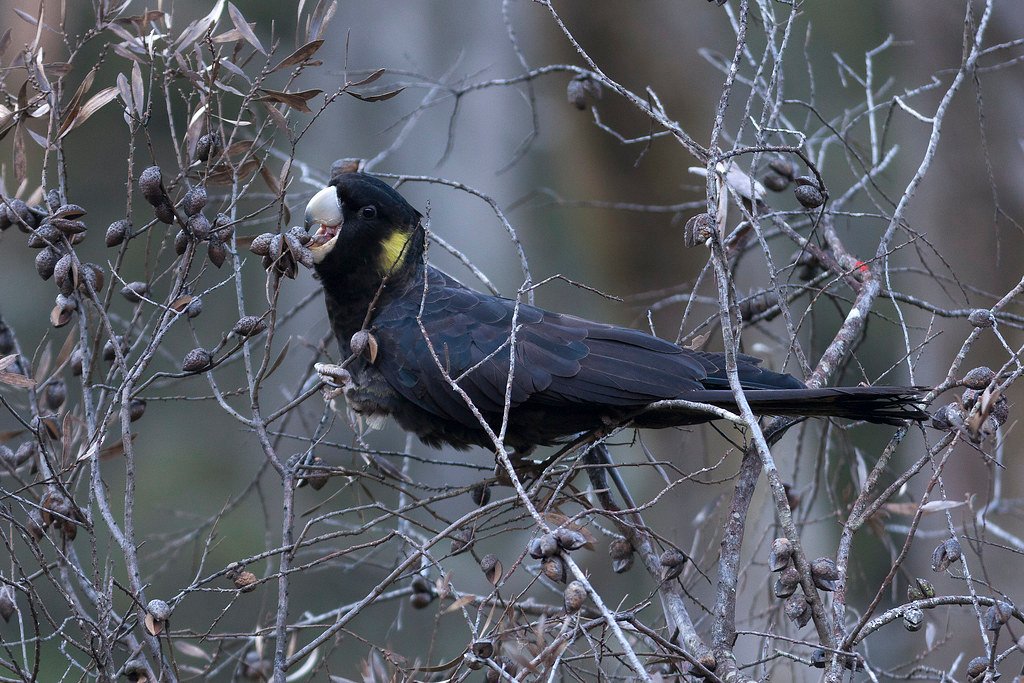
Conservation bodies, along with local governments and communities, have embarked on extensive efforts to restore the population of yellow-tailed black cockatoos. Initiatives include habitat restoration projects, community awareness programs, and policies aimed at reducing land clearing.
Breeding Programs and Their Success
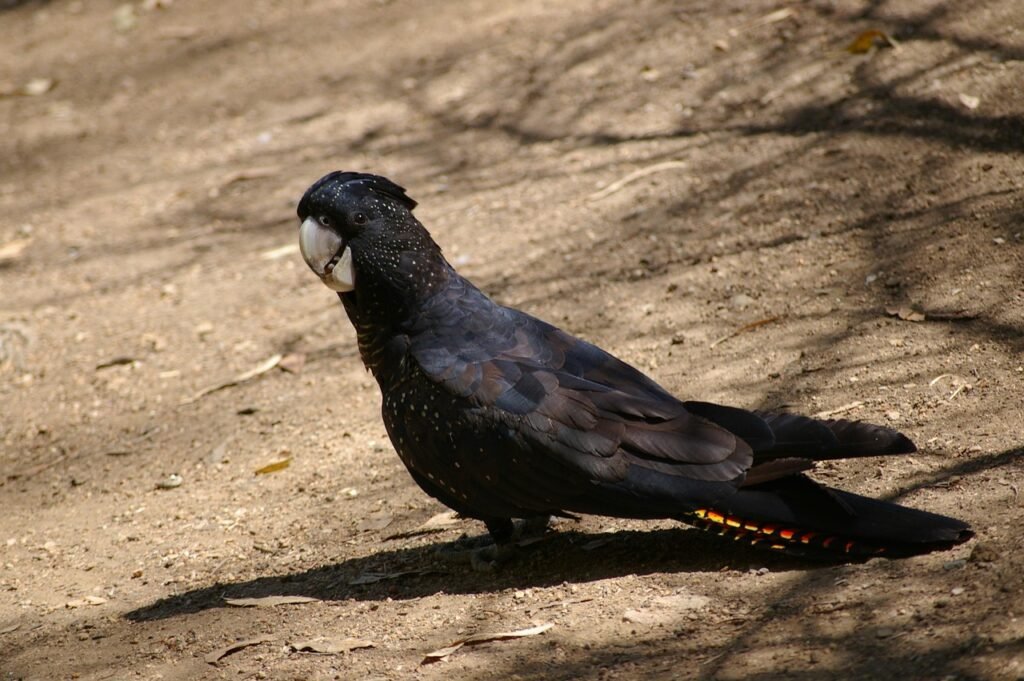
Breeding programs have played a pivotal role in bolstering the population. Managed breeding and release initiatives, coupled with meticulous research on breeding habits and nesting site requirements, have shown promising results in population recovery.
Community Involvement
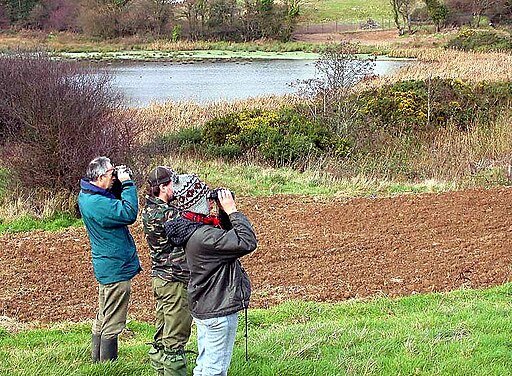
Local communities have shown increased engagement in conservation efforts, contributing to habitat restoration and monitoring activities. Educational programs have empowered citizens to become active participants in protecting these magnificent birds.
The Role of Technology in Conservation

Advanced technologies such as satellite tracking, drones, and recording devices have been employed to monitor bird movements, study their behavior, and assess habitat conditions, providing invaluable data to inform conservation strategies.
Policy and Legislation Support

Supportive legislation at both state and national levels, including protected areas and stricter regulations on land use, has provided a framework to ensure the survival of the yellow-tailed black cockatoo in South Australia.
Final Thoughts and the Road Ahead
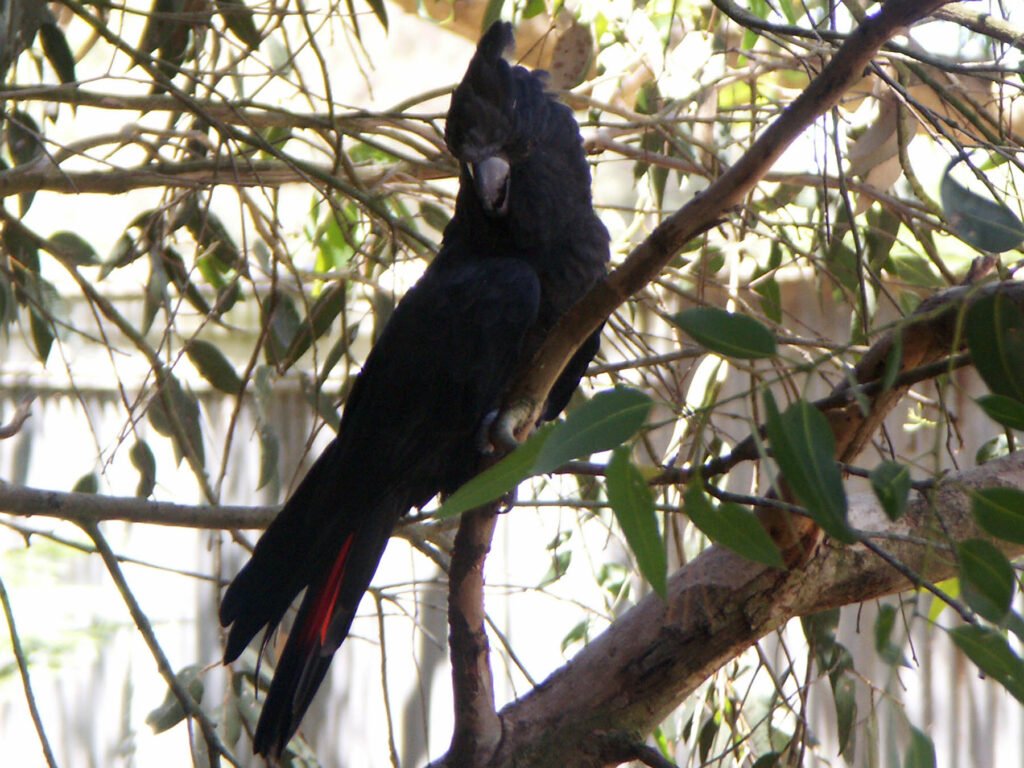
The recovery of the yellow-tailed black cockatoo in South Australia stands as a testament to dedicated conservation efforts and collaboration between various stakeholders. While significant progress has been made, continuous efforts are necessary to ensure this species thrives in the face of ongoing environmental challenges. As we look to the future, fostering resilience in their populations and habitats remains crucial, ensuring that future generations can enjoy the sight of these magnificent birds gracing the skies of South Australia.