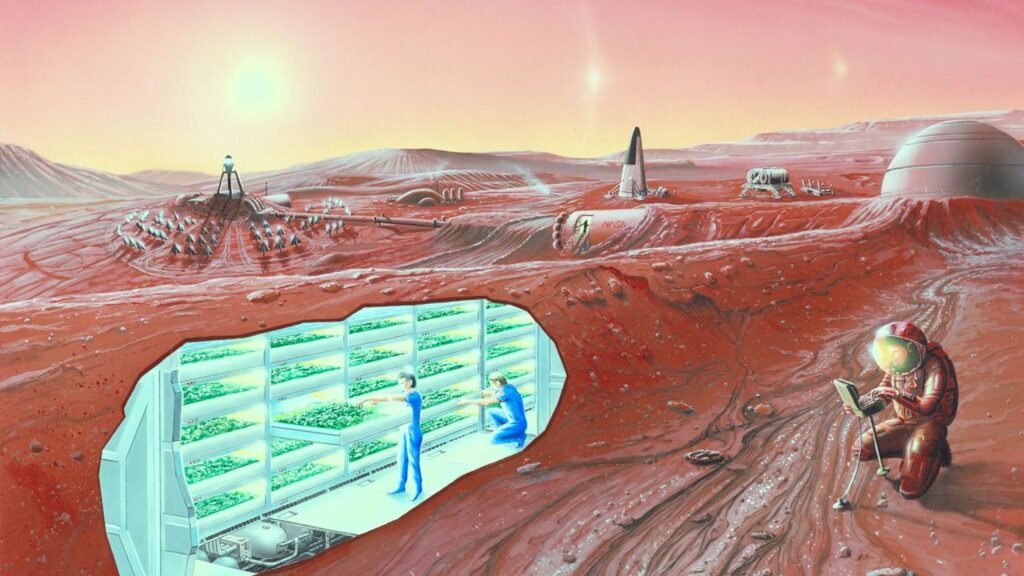

What if the ingredients for life as you know it were not exclusive to Earth? What if the same cosmic pantry that stocked our planet four billion years ago also quietly stocked a cold, rusty neighbor just next door? That is, honestly, one of the most staggering possibilities science has ever put on the table. Mars, barren and unforgiving as it looks today, may have once been swimming in the very chemistry that gave rise to every living thing on this planet.
This is not science fiction. Rovers are drilling into Martian rock right now. Lab scientists are replicating ancient Martian conditions in chambers on Earth. The clues keep piling up, and the picture they are painting together is nothing short of extraordinary. So buckle up, because what you are about to read will make you look up at the night sky very differently. Let’s dive in.
Mars Was Not Always the Frozen Desert You Think It Was
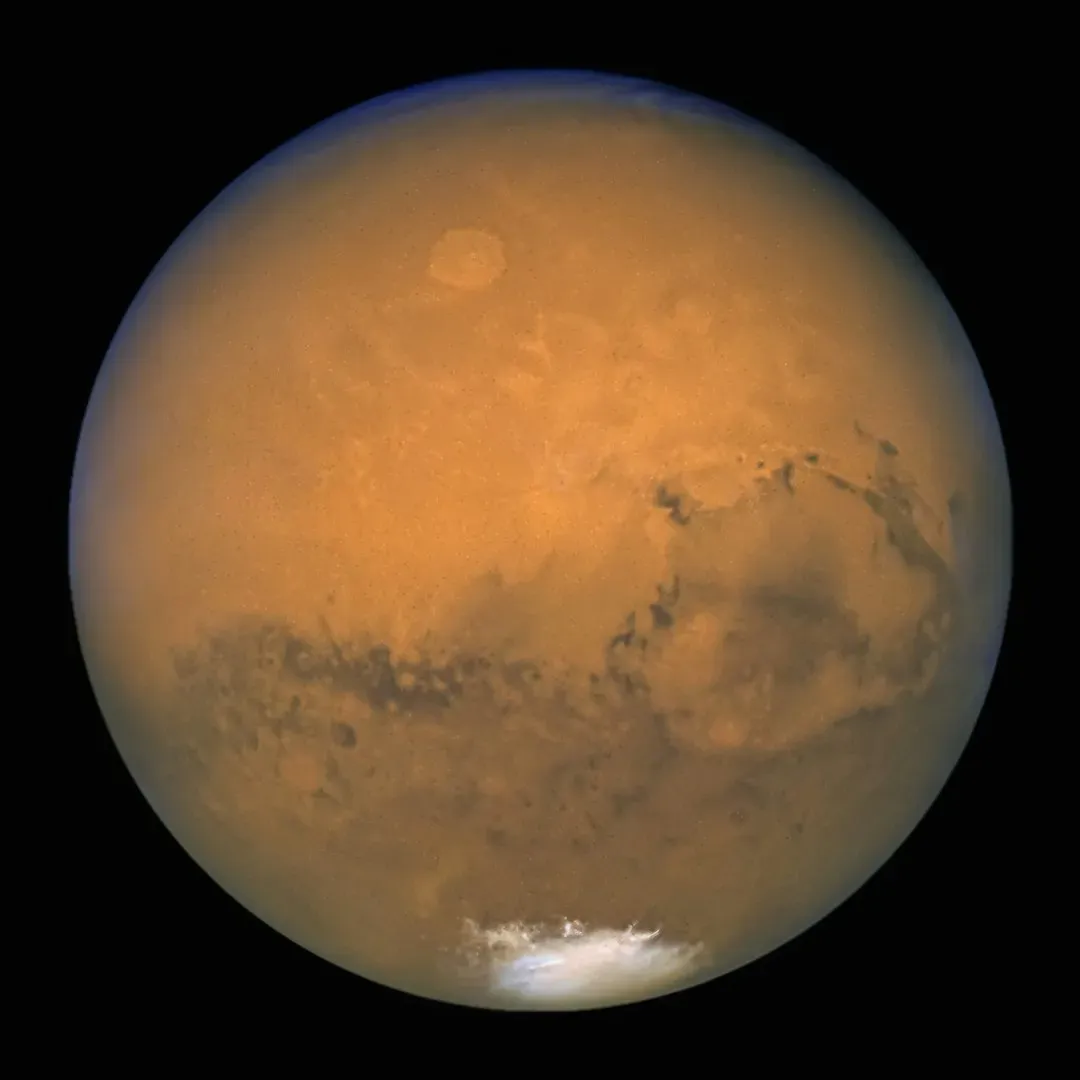
Here is the thing most people get wrong about Mars. You picture a dead, frozen wasteland with nothing interesting going on, and you would be right about today’s Mars. Over the past four billion years, Mars’s climate has changed dramatically from warm and wet to dry and arid. That transformation is the key to everything.
Billions of years ago, Mars may not have been the frozen desert we see today. New simulations suggest that volcanic eruptions pumped out reactive sulfur gases, creating greenhouse effects strong enough to trap warmth and possibly liquid water. This strange sulfur-rich chemistry might have made the planet more Earth-like, even supporting microbial life in hydrothermal-style environments. Think of it like a warm kitchen, briefly heated before the power went out for good.
Cumulative evidence suggests that during the ancient Noachian time period, the surface environment of Mars had liquid water and may have been habitable for microorganisms, but habitable conditions do not necessarily indicate life. That last part is important. Scientists are careful. Still, the gap between “habitable” and “inhabited” is exactly what all these missions are trying to close.
Organic Molecules: The Building Blocks Found Right There in the Rocks
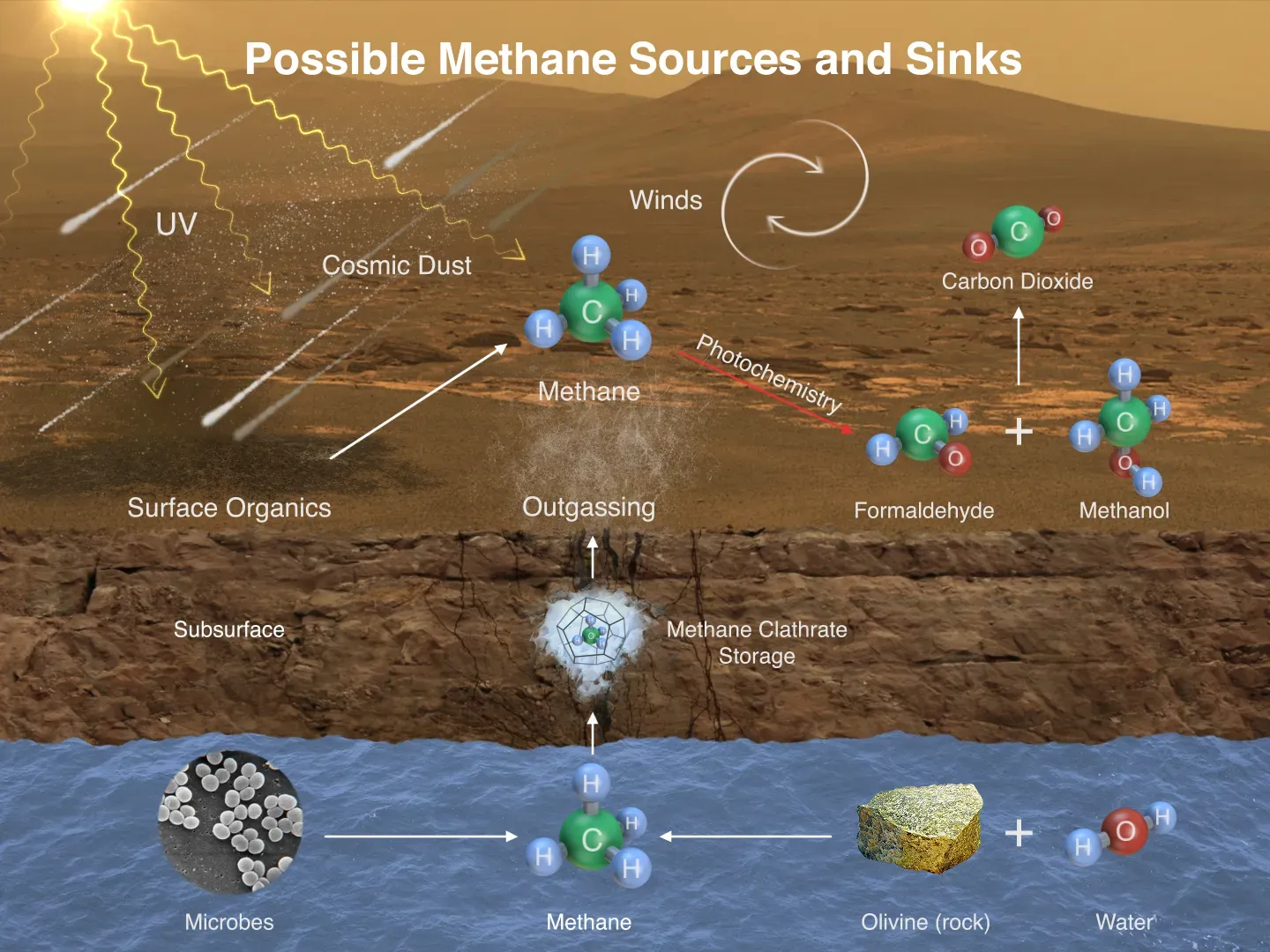
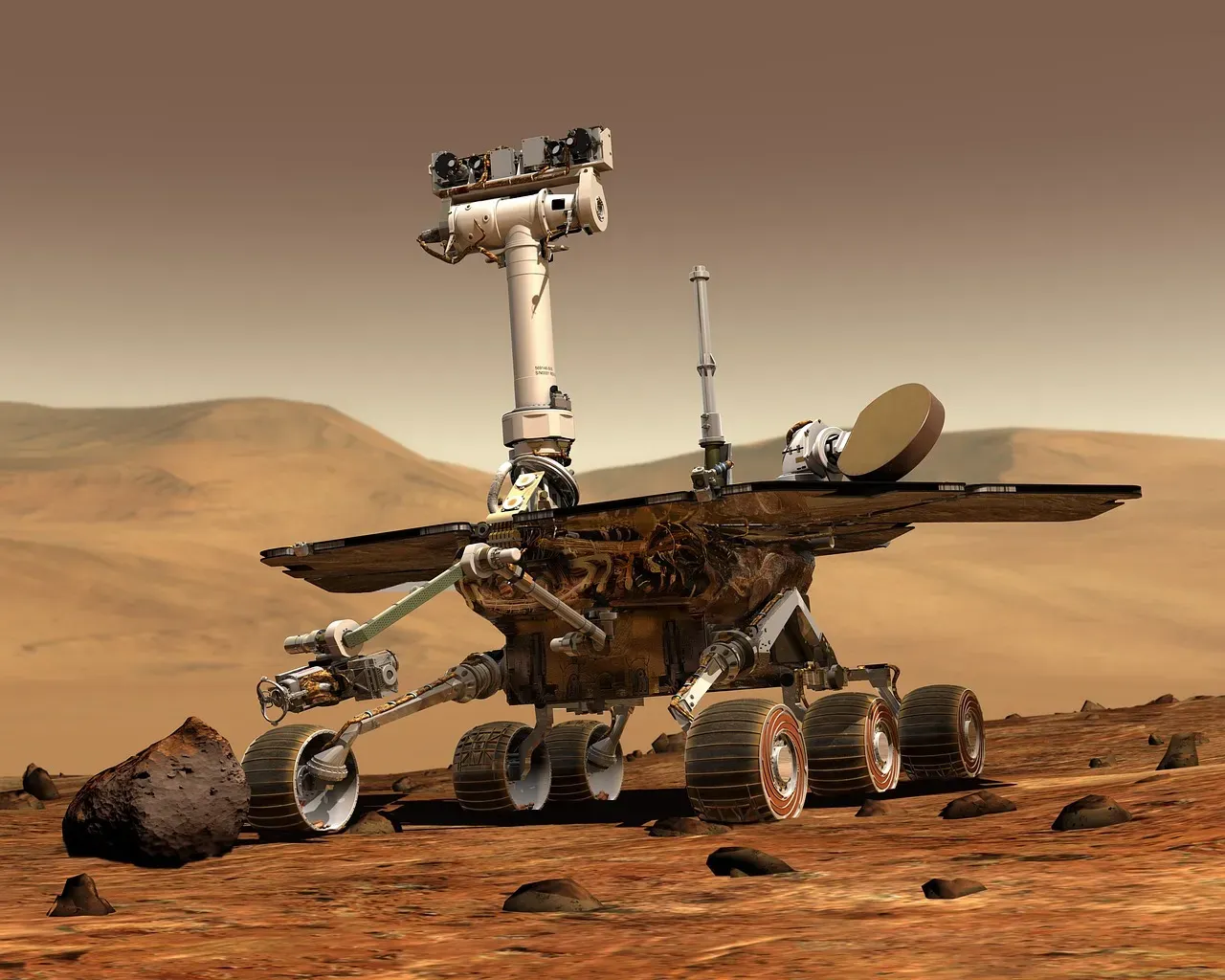
Scientists studying a rock sample collected by NASA’s Curiosity rover have uncovered something tantalizing: the largest organic molecules ever detected on Mars. The compounds, decane, undecane, and dodecane, may be fragments of fatty acids, which on Earth are most often linked to life. While non-living processes like meteorite impacts can also create such molecules, researchers found those sources could not fully explain the amounts detected.
Fatty acids are among the organic molecules that on Earth are chemical building blocks of life. Living things produce fatty acids to help form cell membranes and perform various other functions. Fatty acids also can be made without life, through chemical reactions triggered by various geological processes, including the interaction of water with minerals in hydrothermal vents. So yes, the door of ambiguity is still open. But the fact that you are finding them at all is a major deal.
Finding these larger compounds provides the first evidence that organic chemistry advanced toward the kind of complexity required for an origin of life on Mars. That sentence alone should stop you in your tracks. Complexity required for an origin of life. Right there. On Mars.
The Gale Crater Lake: A Primordial Soup on Another Planet
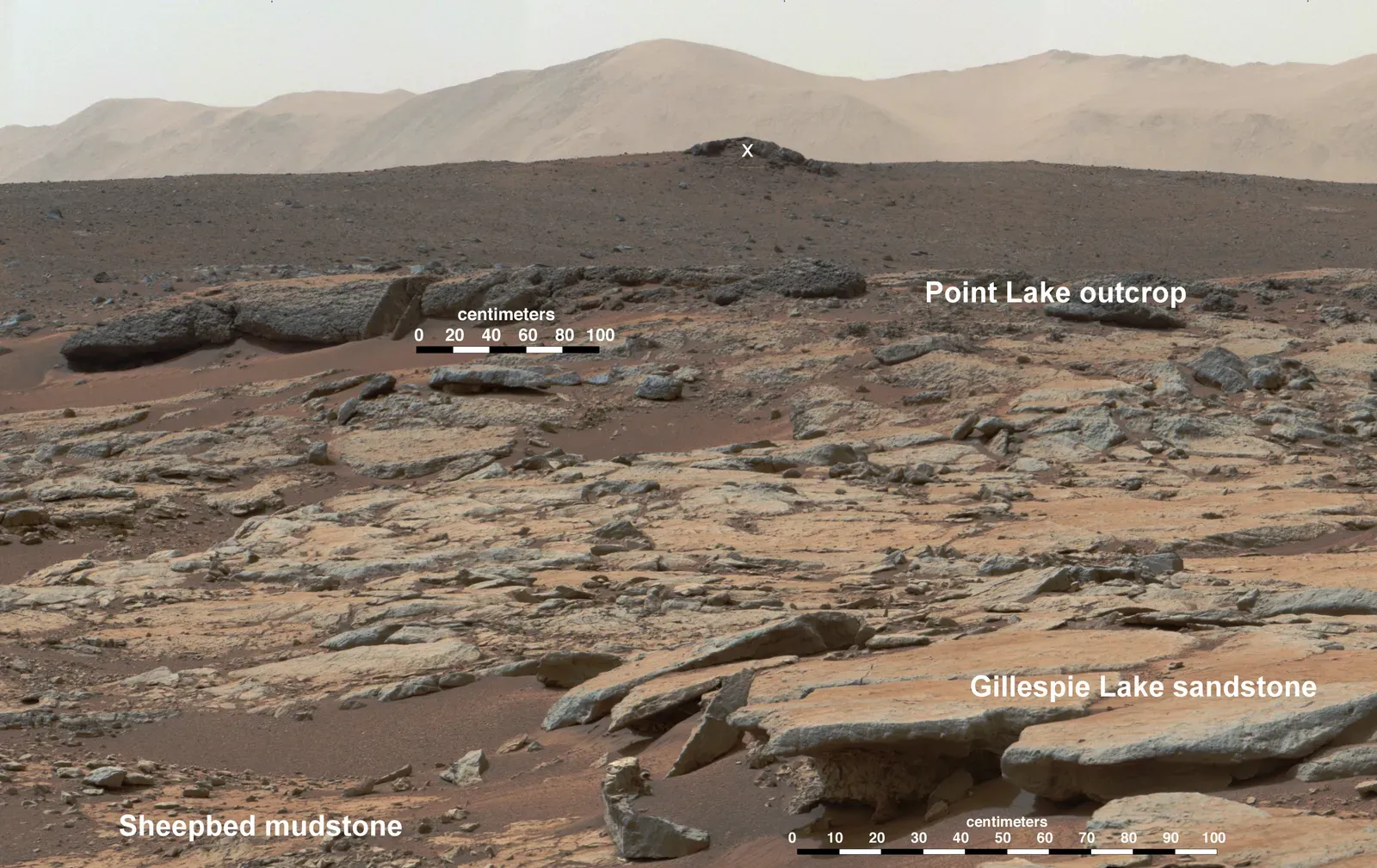
Analysis by Curiosity indicates that billions of years ago, a lake inside Gale Crater held all the ingredients necessary for life, including chemical building blocks, energy sources, and liquid water. That is basically the recipe you would write on a chalkboard in a high school biology class, except it is describing Mars.
Curiosity drilled for samples in the Gale Crater in 2013, a 160-kilometer-wide area that was once home to an ancient lake around 3.7 billion years ago. This lake would have housed all the ingredients for life: liquid water, organic molecules, mild temperature and pH, and energy sources. It also had very good potential for preserving molecules because of the type of stone, mudstone, found in this region, which has layers of clay that can trap and essentially protect the organic molecules.
There is evidence that liquid water existed in Gale Crater for millions of years and probably much longer, which means there was enough time for life-forming chemistry to happen in these crater-lake environments on Mars. Millions of years. That is not a brief moment. That is an enormous window of opportunity, and it is hard to ignore.
The Mysterious “Leopard Spots” That Have Scientists Talking
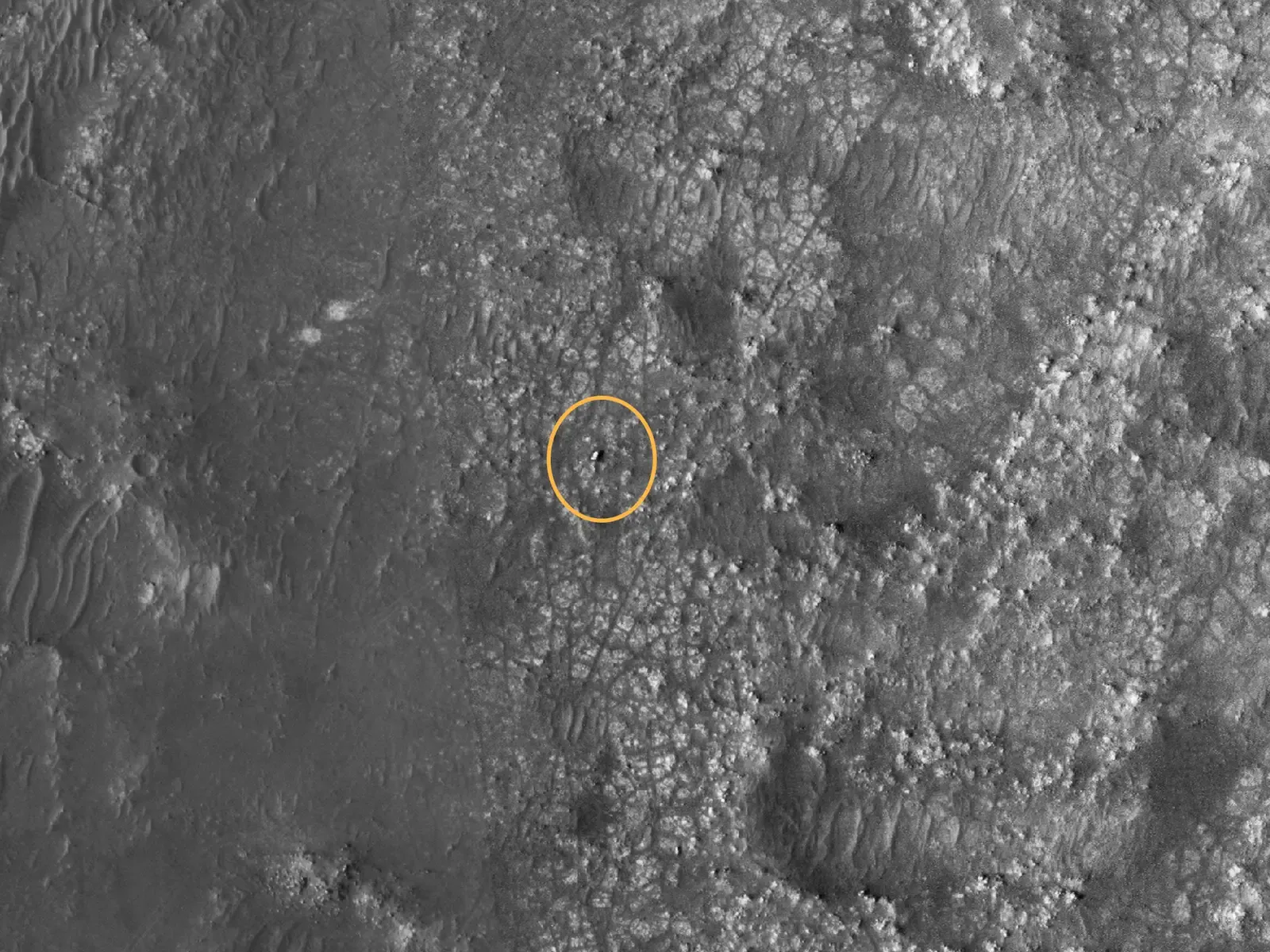
I know it sounds crazy, but what if the best clue about ancient life on Mars looks like the pattern on a big cat? Scientists have discovered tiny patterns of unusual minerals in the clay-rich rocks on the edge of Jezero Crater, an ancient lake once fed by Martian river systems. These “leopard spot” patterns have been hailed as a potential sign of past microbial life due to their similarity with traces left behind by microorganisms on Earth. The jury is still out on whether these are actually signs of life, but this discovery has reignited the discussion about the previous existence of life on Mars.
Formed from fine, water-washed sediments on the floor of a long-lost lake some 3.5 billion years ago, when Mars was a warmer, wetter world, the rock was found in 2024 by scientists using NASA’s Perseverance rover to explore what’s now known as Jezero Crater. Dubbed Cheyava Falls, the mudstone stood out to the researchers because its surface was spangled with strange speckles and ring-shaped blobs, which they referred to as poppy seeds and leopard spots. They also discovered that it was packed with organic matter, chemical compounds of carbon, the elemental cornerstone of biology as we know it. Organic-rich rocks right here on Earth sometimes contain similar features, which tend to be created by microbial life.
The Sapphire Canyon Sample: Perseverance’s Most Important Find Yet
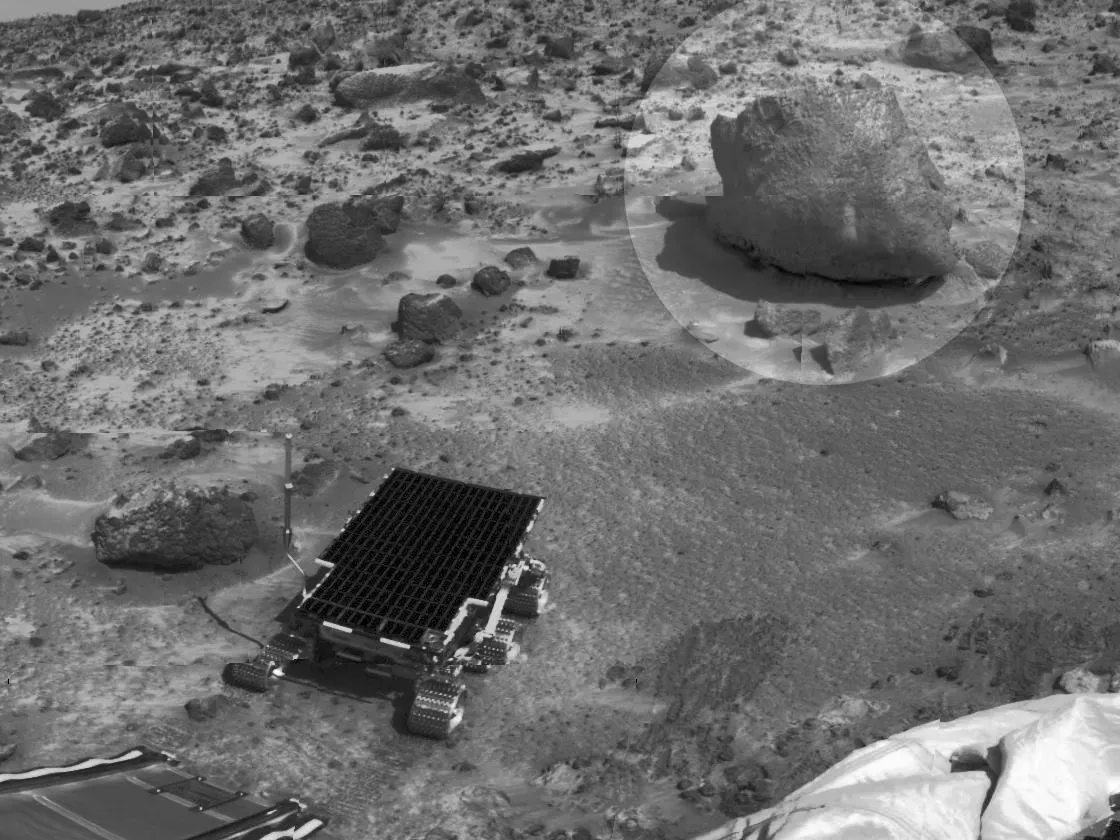
On September 10, 2025, NASA scientists announced that the Perseverance rover has made its most important discovery to date. In a live news briefing, researchers revealed that a rock core drilled from the Bright Angel formation in Neretva Vallis, a channel carved by water into Jezero Crater billions of years ago, contains mineral and organic features that fit the definition of a potential biosignature. The finding, published in Nature, represents the strongest evidence so far that Mars once hosted conditions capable of supporting microbial life, and may even preserve the signatures of that life within its rocks.
Since these ingredients mirror by-products of microbial metabolism seen on Earth, it can be considered a compelling potential biosignature, raising the possibility that there was once microbial life on Mars. Ultimately, the only way for the true origin of these structures to be determined is by returning the samples to Earth, a possibility that rests on when future missions will manage to successfully collect the samples from Mars’ surface. Perseverance has already drilled and cached a core sample from the Bright Angel outcrop, named “Sapphire Canyon,” which, along with others collected by the rover, is awaiting the Mars Sample Return mission, a joint NASA-ESA endeavour aiming to bring them to Earth in the 2030s.
When Meteorites Cannot Explain What Is in the Rock
This is where things get genuinely thrilling. In 2025, scientists reported the discovery of long-chain organic molecules called alkanes in the ancient mudstones of Mars. A team led by Alexander Pavlov of NASA’s Goddard Space Flight Center argues that their inferred original abundance of these molecules, before millions of years of radiation destroyed much of them, is difficult to explain by non-biological processes alone.
Scientists conducted a follow-up investigation focused on known non-biological sources. One possibility is that meteorites striking Mars delivered organic material to the surface. Meteorites are known to contain carbon-based molecules, and impacts have been common throughout Martian history. The team evaluated whether this type of external delivery, along with other abiotic chemical reactions, could account for the levels of organic compounds measured in the sample. Writing in the journal Astrobiology, the researchers reported that the non-biological mechanisms they examined could not fully account for the abundance of organic compounds detected by Curiosity. Based on their analysis, they concluded that it is reasonable to consider the possibility that living organisms could have contributed to the formation of these molecules. Let that sit for a moment.
Where Exactly Could Life Have Hidden on Mars?
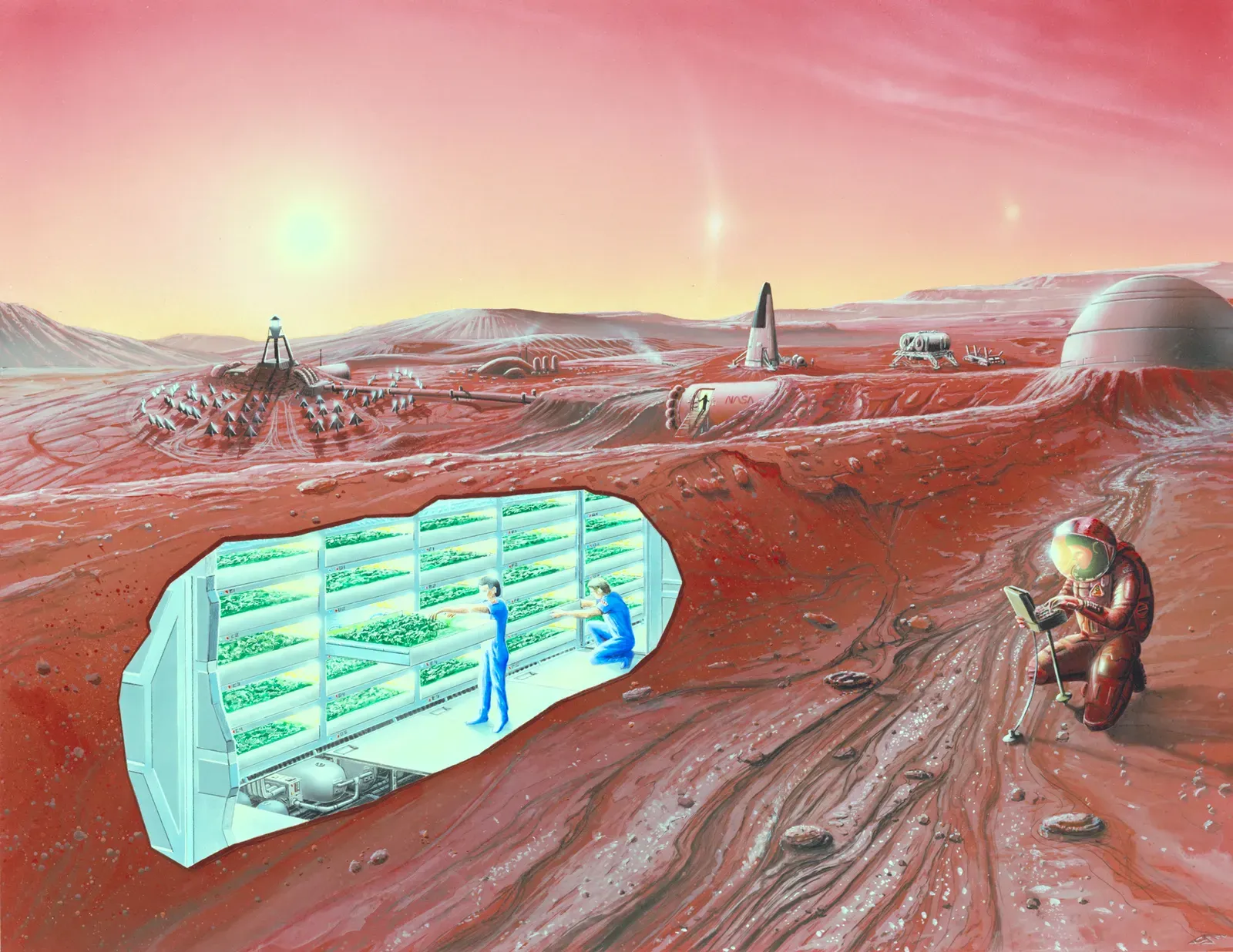
Let’s be real: the surface of Mars today is brutal. While life on Earth was beginning to thrive, Mars lost its magnetic field as its core cooled. This exposed the planet to harmful solar rays which began to erode the atmosphere. As the atmosphere disappeared, the Martian surface became colder and drier, eventually becoming the freezing desert we know today. This is why many scientists do not expect to find living organisms on the surface of Mars. Instead, the hope lies in uncovering microbial life hidden in protected underground or icy regions.
Mars once had sprawling river systems that rivaled major watersheds on Earth, and scientists have now identified the biggest ones for the first time. Researchers mapped 16 massive drainage basins where water likely flowed long enough to support life. Even though these areas cover just about five percent of ancient Martian terrain, they account for a huge share of erosion and sediment movement. That makes them some of the most promising places to search for ancient life. Think of them as nature’s archives, places where the clues are still locked in ancient sediment layers.
What Happens Next: Bringing Mars to Earth
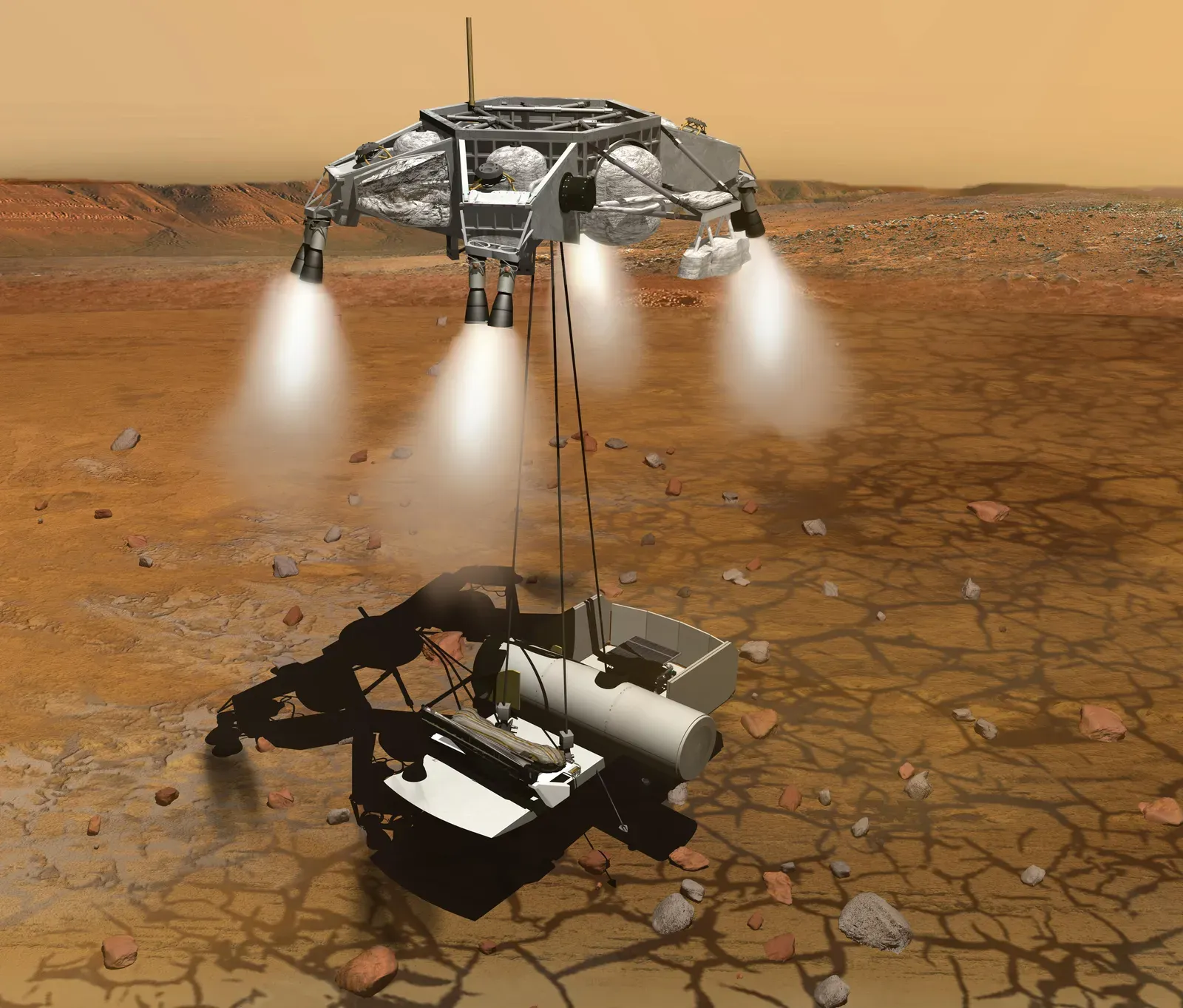
You might wonder what the endgame actually looks like here. A National Academies report identifies the highest priority science objectives for the first human missions to Mars and says searching for evidence of existing or past life on the planet should be the top priority. That is not a small statement from a small group of people. That is the scientific establishment putting its weight behind the question.
Once in terrestrial laboratories, samples like Sapphire Canyon will be analysed with instruments far more sensitive than those on the rover by scientists from around the world. The new study also increases the chances that large organic molecules that can be made only in the presence of life, known as “biosignatures,” could be preserved on Mars, allaying concerns that these compounds get destroyed after tens of millions of years of exposure to intense radiation and oxidation. This finding bodes well for plans to bring samples from Mars to Earth to analyze them with the most sophisticated instruments available. Honestly, the waiting is the hardest part.
Conclusion
The story of Mars and life is still being written, one drilled rock core at a time. What you have seen unfolding over the past few years is not just exciting science headlines. It is a slow, methodical dismantling of the idea that Earth is the only place in the solar system where the recipe for life was ever mixed together.
From ancient lakebeds packed with organic chemistry, to leopard-spotted rocks packed with potential biosignatures, to organic molecules that meteorites simply cannot account for, the evidence is becoming harder to wave away. No one is saying life definitely existed on Mars. Scientists are careful, and rightly so. Still, the ingredients are there, or were there, in quantities and combinations that demand a serious answer.
The next chapter depends on bringing those samples home. When they arrive in Earth’s laboratories, we may finally know whether the recipe for life on Earth was ever used twice. What do you think the answer will be? Share your thoughts in the comments.
Hi, I’m Andrew, and I come from India. Experienced content specialist with a passion for writing. My forte includes health and wellness, Travel, Animals, and Nature. A nature nomad, I am obsessed with mountains and love high-altitude trekking. I have been on several Himalayan treks in India including the Everest Base Camp in Nepal, a profound experience.