
Nature never ceases to amaze us with its boundless creativity and adaptability. While comic book superheroes captivate our imaginations with their extraordinary abilities, the natural world presents us with real-life creatures whose evolutionary adaptations rival those of any fictional character. These “superpowers” are not the result of radioactive accidents or alien origins but are instead honed through millions of years of evolution. Join us as we explore these incredible animals that have developed superpowers that truly defy expectations.
The Shocking Defense of the Electric Eel
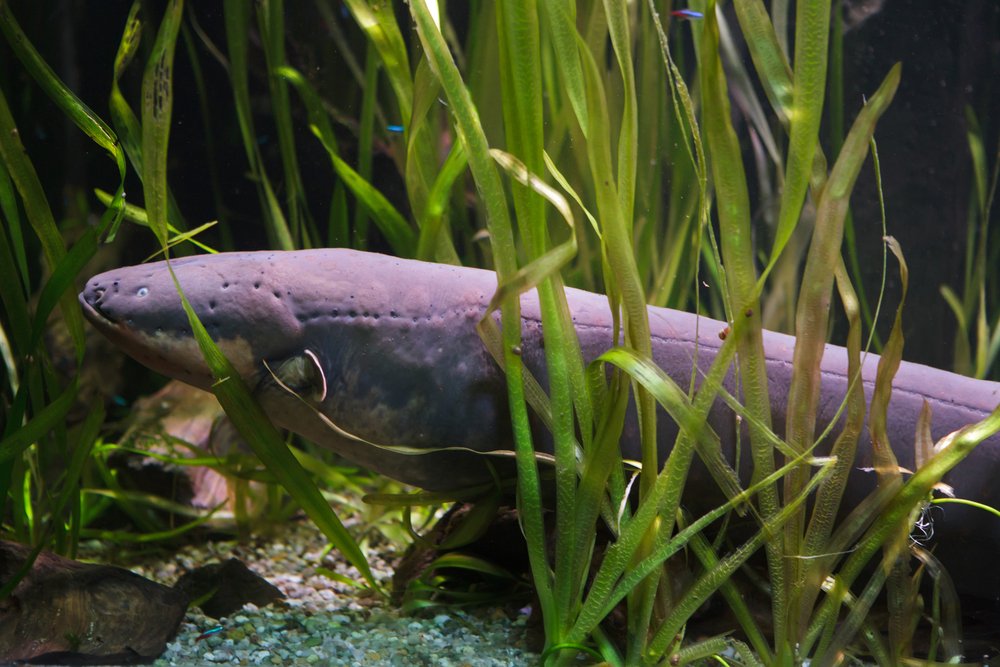
The electric eel, native to the rivers of South America, is an aquatic marvel that can generate powerful electric shocks. Although not a true eel, this fish uses its unique ability as both a weapon and a navigation tool. With specialized cells called electrocytes, the electric eel can deliver shocks of up to 600 volts, enough to stun prey or deter predators. This incredible adaptation is akin to carrying a personal taser, allowing the eel to hunt efficiently in the murky waters it inhabits. Beyond its offensive capabilities, the eel also utilizes electric fields to navigate and communicate, showcasing an extraordinary blend of power and precision in its natural habitat.
Spider Silk: Nature’s Unbreakable Fiber
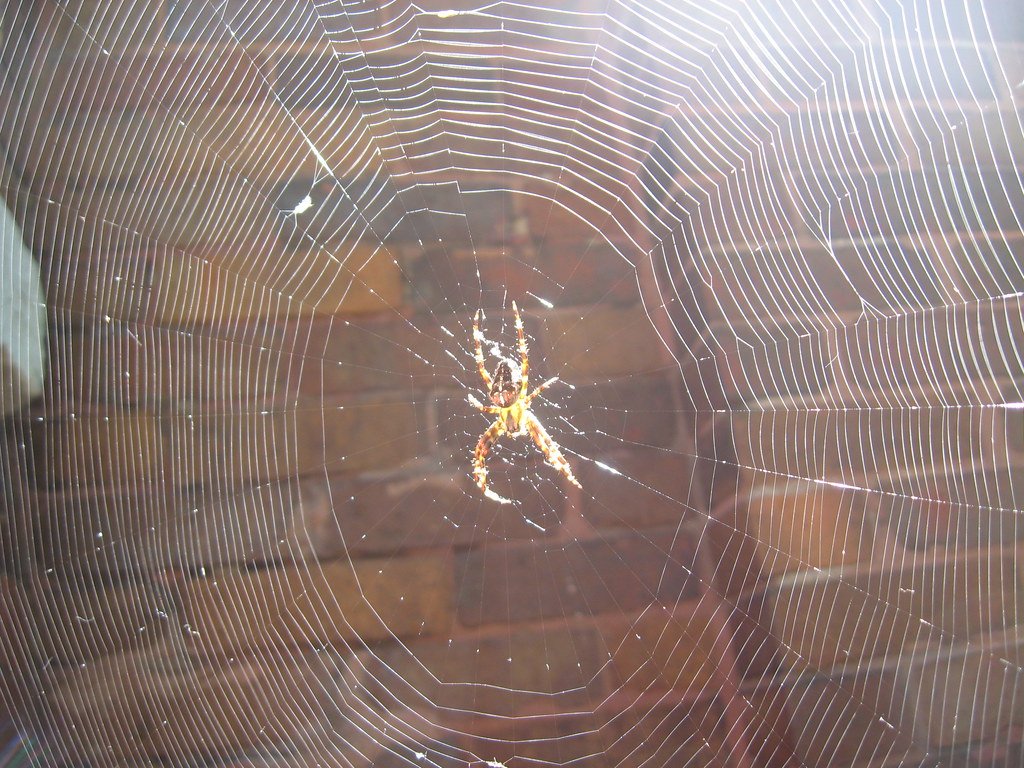
Spiders, often overlooked, possess one of the most remarkable materials known to science: spider silk. This silk is not only incredibly lightweight but also possesses a tensile strength greater than steel. Certain species, like the Darwin’s bark spider, create webs spanning rivers, demonstrating the silk’s resilience and versatility. The secret to this superpower lies in the silk’s protein structure, which combines elasticity and strength in a perfect balance. Researchers are continually fascinated by spider silk’s potential applications, from medical sutures to bulletproof clothing, making spiders true pioneers in the realm of natural engineering.
Regeneration Wonders of the Axolotl
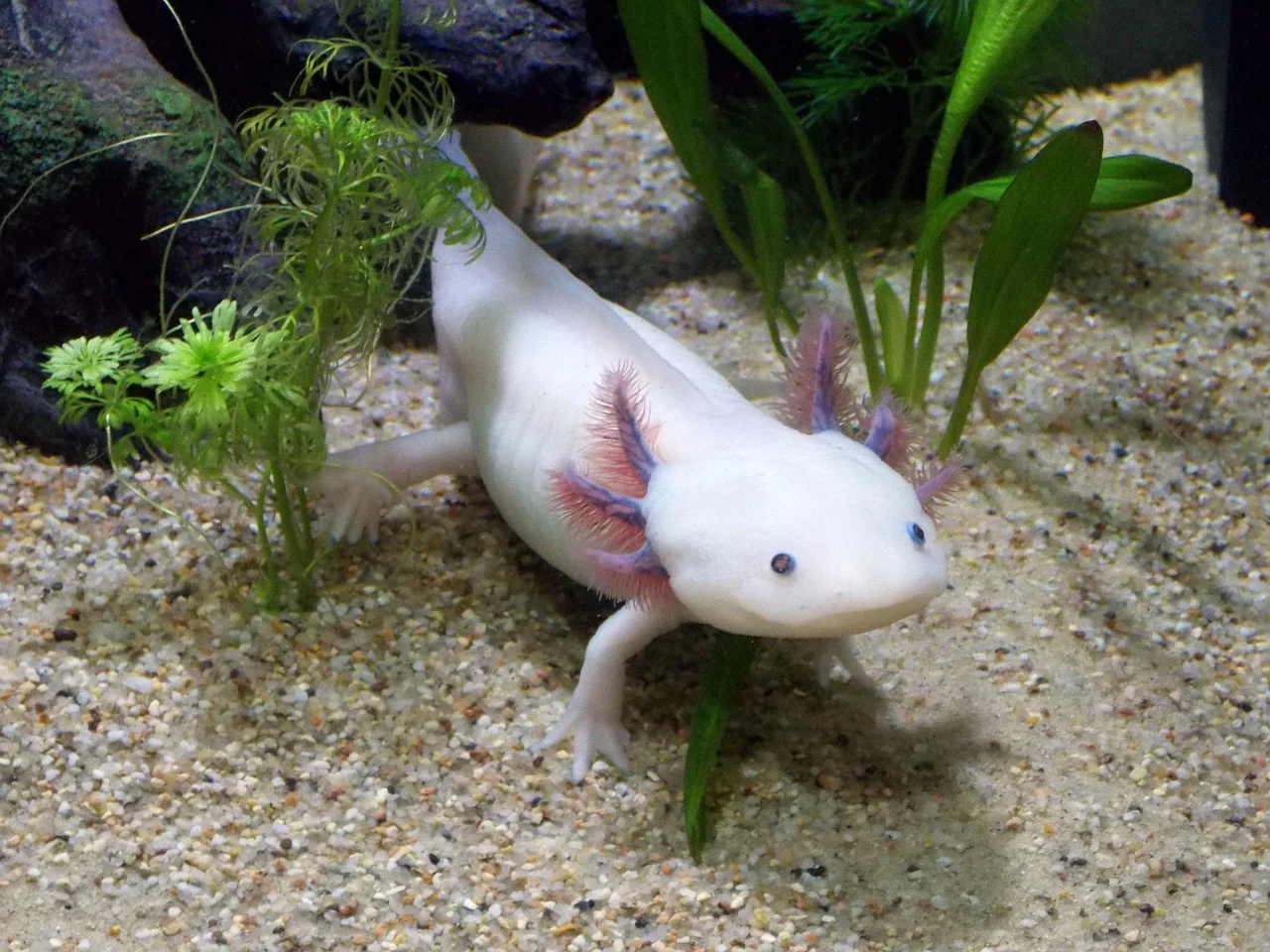
The axolotl, a Mexican salamander, has the astounding ability to regenerate lost body parts. Whether it’s a limb, tail, or even parts of its heart and brain, the axolotl can regrow these structures without scarring. This salamander’s regenerative prowess stems from its stem cells, which remain active throughout its life, unlike those in most other vertebrates. This ability not only ensures the axolotl’s survival in the wild but also serves as a beacon of hope in regenerative medicine. Scientists are studying the axolotl’s genetic makeup to unlock the secrets of regeneration, potentially revolutionizing treatments for human injuries and diseases.
The Camouflage Mastery of the Cuttlefish
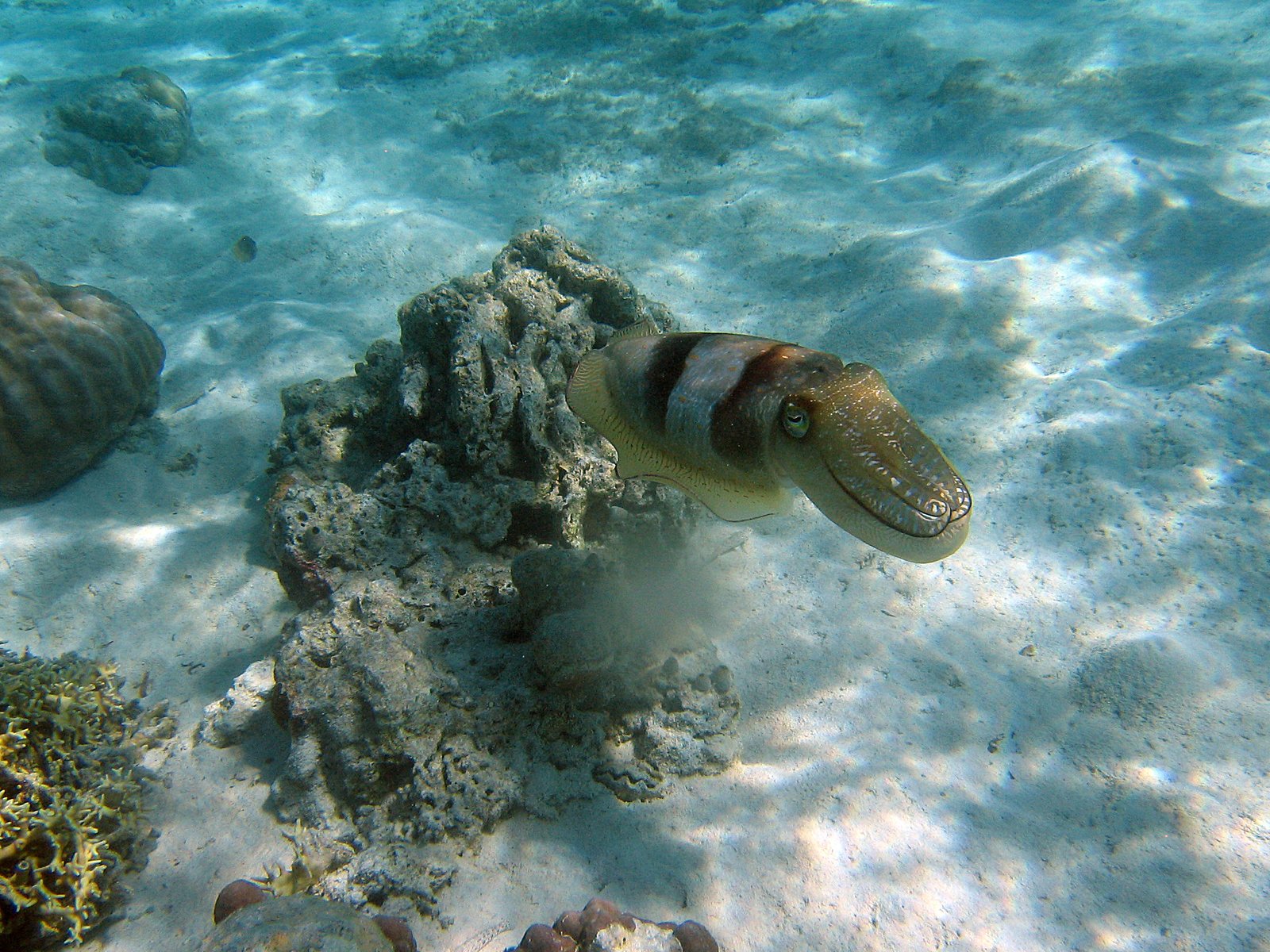
Cuttlefish, often referred to as the chameleons of the sea, possess an unparalleled ability to blend into their surroundings. Using specialized cells called chromatophores, iridophores, and leucophores, these cephalopods can change their skin color and texture in an instant. This remarkable camouflage not only aids in avoiding predators but also plays a role in communication and mating displays. The cuttlefish’s skin is so adept at mimicry that it can replicate the appearance of complex backgrounds and even fool human observers. Their mastery of disguise is not just a defense mechanism but a sophisticated form of interaction with the world around them.
Heat Vision of the Pit Viper
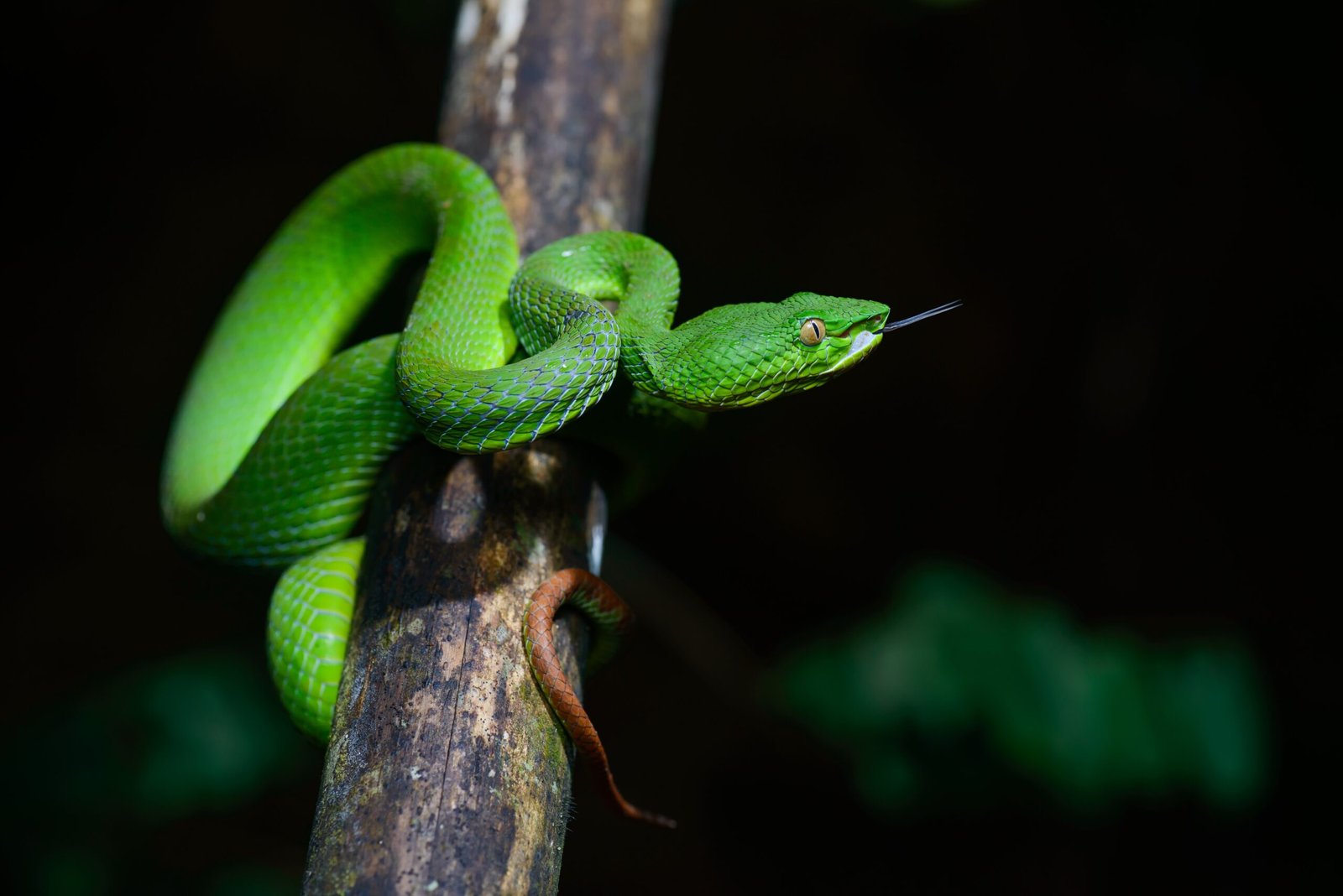
Pit vipers, including rattlesnakes and copperheads, possess a sixth sense that allows them to detect heat signatures of their prey. This ability is facilitated by specialized pit organs located between their eyes and nostrils. These organs can sense minute temperature changes, enabling the snake to accurately strike at warm-blooded prey even in complete darkness. This thermal vision is akin to having night-vision goggles, giving pit vipers a substantial advantage in their nocturnal hunting endeavors. The precision and efficiency of this adaptation highlight the intricate ways nature equips its creatures for survival.
The Immortal Jellyfish
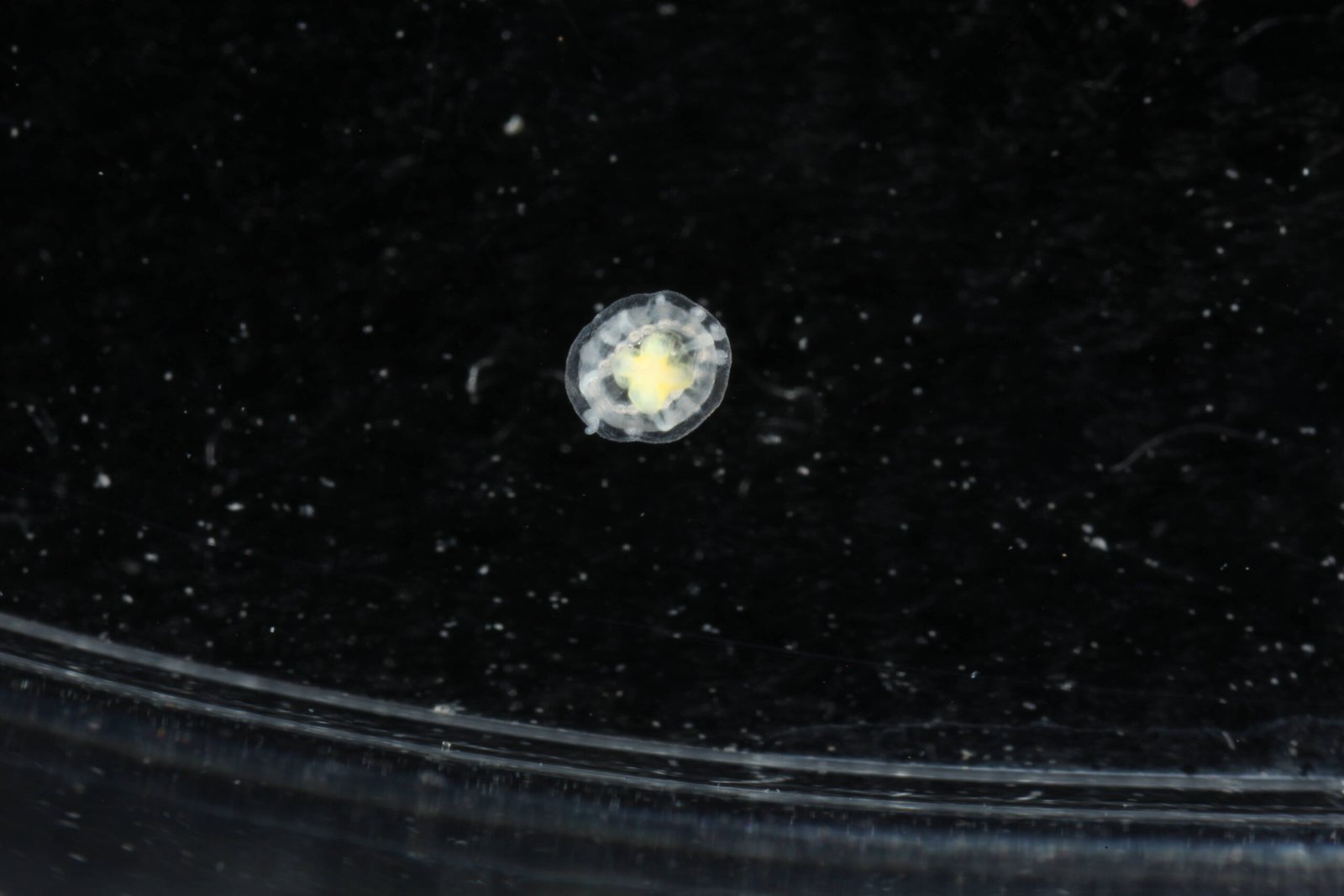
The Turritopsis dohrnii, commonly known as the immortal jellyfish, has captured the fascination of scientists due to its ability to revert to its juvenile form after reaching maturity. This biological feat essentially allows the jellyfish to bypass death, entering a cycle of rejuvenation. The process, known as transdifferentiation, involves the transformation of mature cells into different types of cells, effectively resetting the organism’s life cycle. While this doesn’t make the jellyfish invincible, as it can still fall prey to disease or predators, its unique adaptation offers insights into cellular regeneration and the aging process.
The Super Strength of Dung Beetles
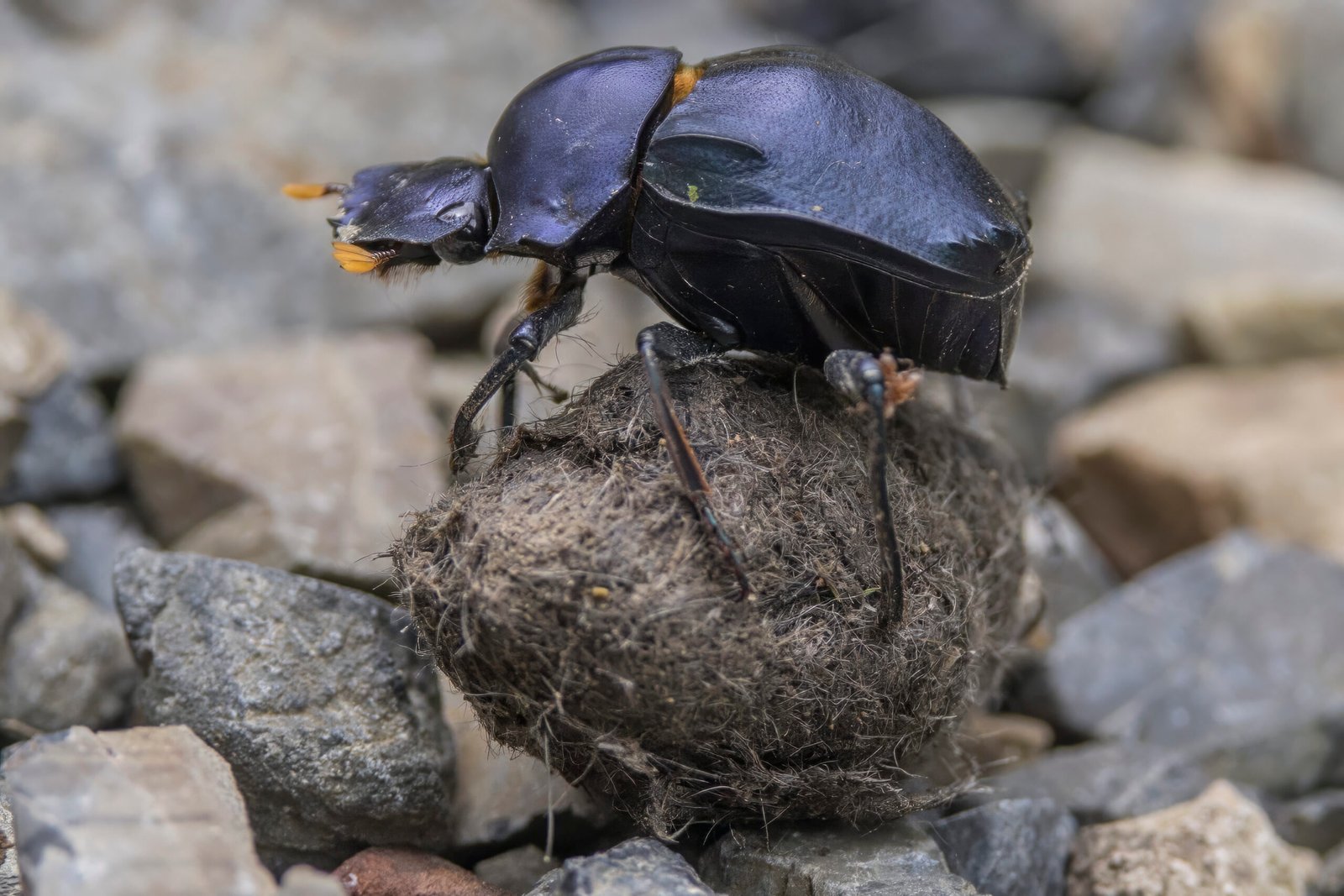
Dung beetles, often seen rolling balls of dung across the ground, possess astonishing strength relative to their size. Some species can pull loads over 1,000 times their body weight, making them one of the strongest animals on the planet in proportion to their size. This herculean strength is essential for their survival, as they transport dung to their burrows for food and breeding purposes. The beetle’s muscular structure and efficient energy use allow it to accomplish these incredible feats, demonstrating the power of evolution in optimizing organisms for specific ecological roles.
Bioluminescence of Deep-Sea Creatures
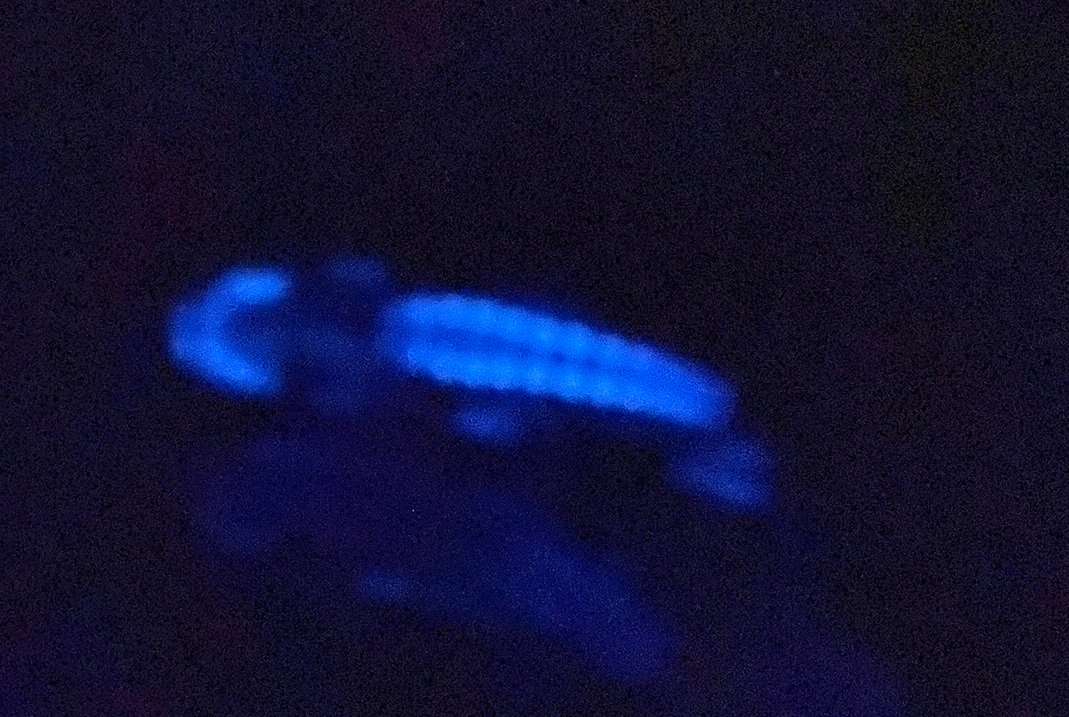
The deep sea is home to a myriad of creatures that have evolved the ability to produce light through bioluminescence. Species like the anglerfish use this ability to attract prey, while others, like the jellyfish, utilize it for defense or communication. The production of light is achieved through chemical reactions within specialized cells, often involving a molecule called luciferin. This adaptation is crucial in the pitch-black depths of the ocean, where bioluminescence serves as a beacon in the darkness. The varied applications of this ability highlight the ingenuity of life in adapting to extreme environments.
The Sonic Speed of the Peregrine Falcon
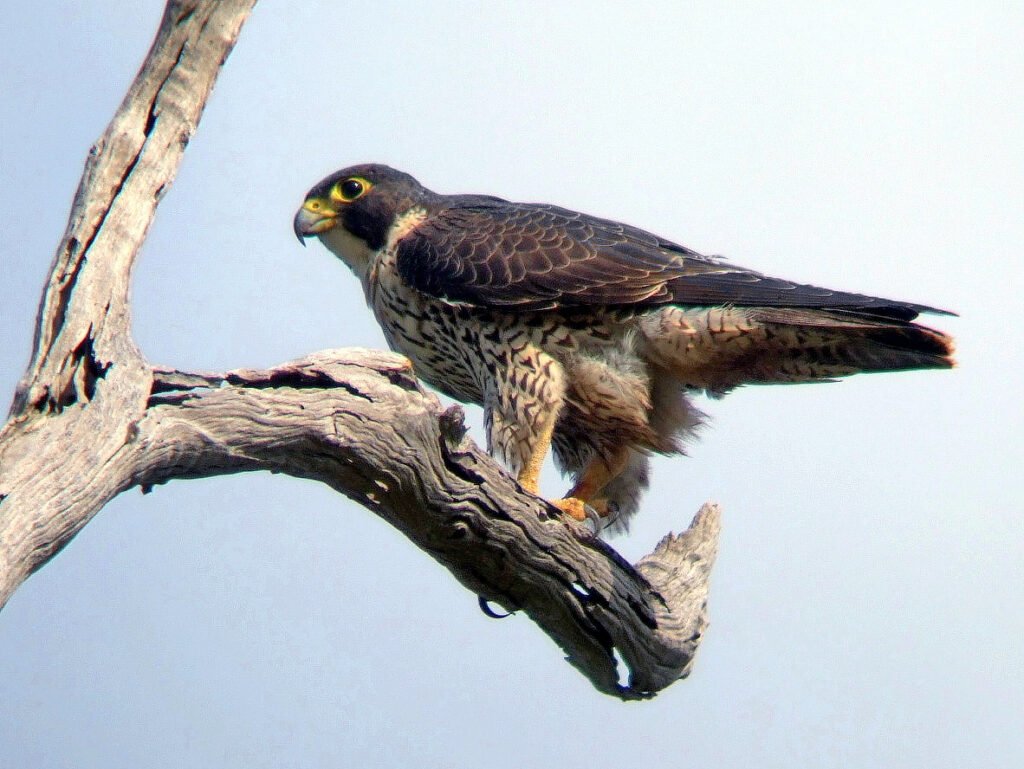
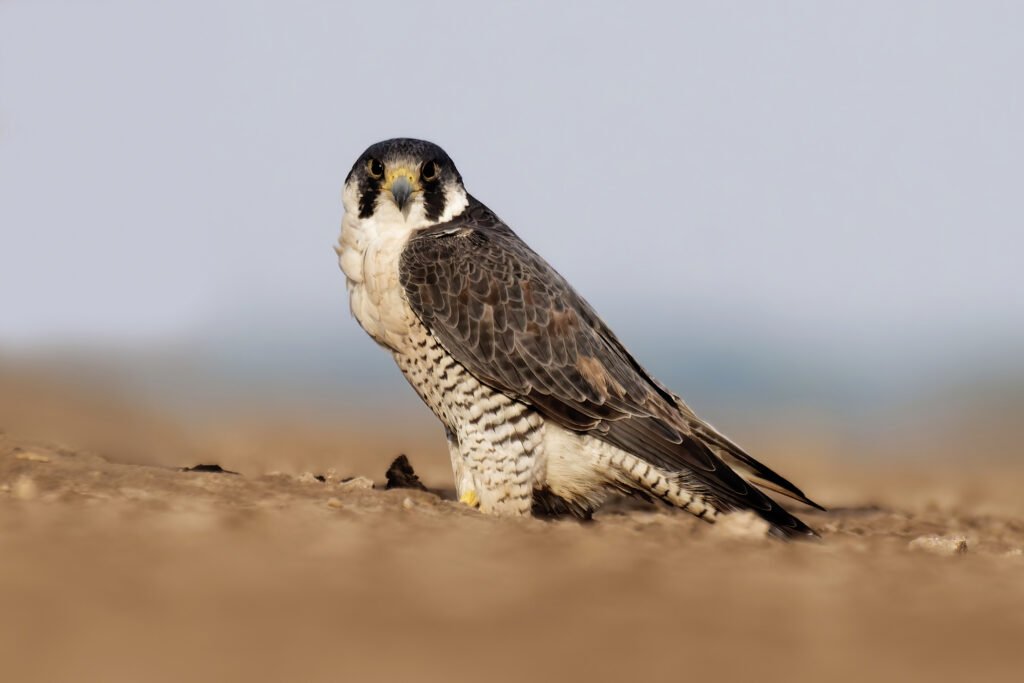
The peregrine falcon is renowned for its incredible speed, capable of reaching over 240 miles per hour during a dive. This makes it the fastest bird and, indeed, the fastest animal on the planet. The falcon’s streamlined body, powerful muscles, and acute vision enable it to execute high-speed aerial hunts with precision. This superpower is not just about speed but also about control and accuracy, as the falcon can make split-second adjustments while pursuing prey. The peregrine falcon’s breathtaking dives are a testament to nature’s ability to push the boundaries of physics and biology.
The Venomous Arsenal of the Platypus
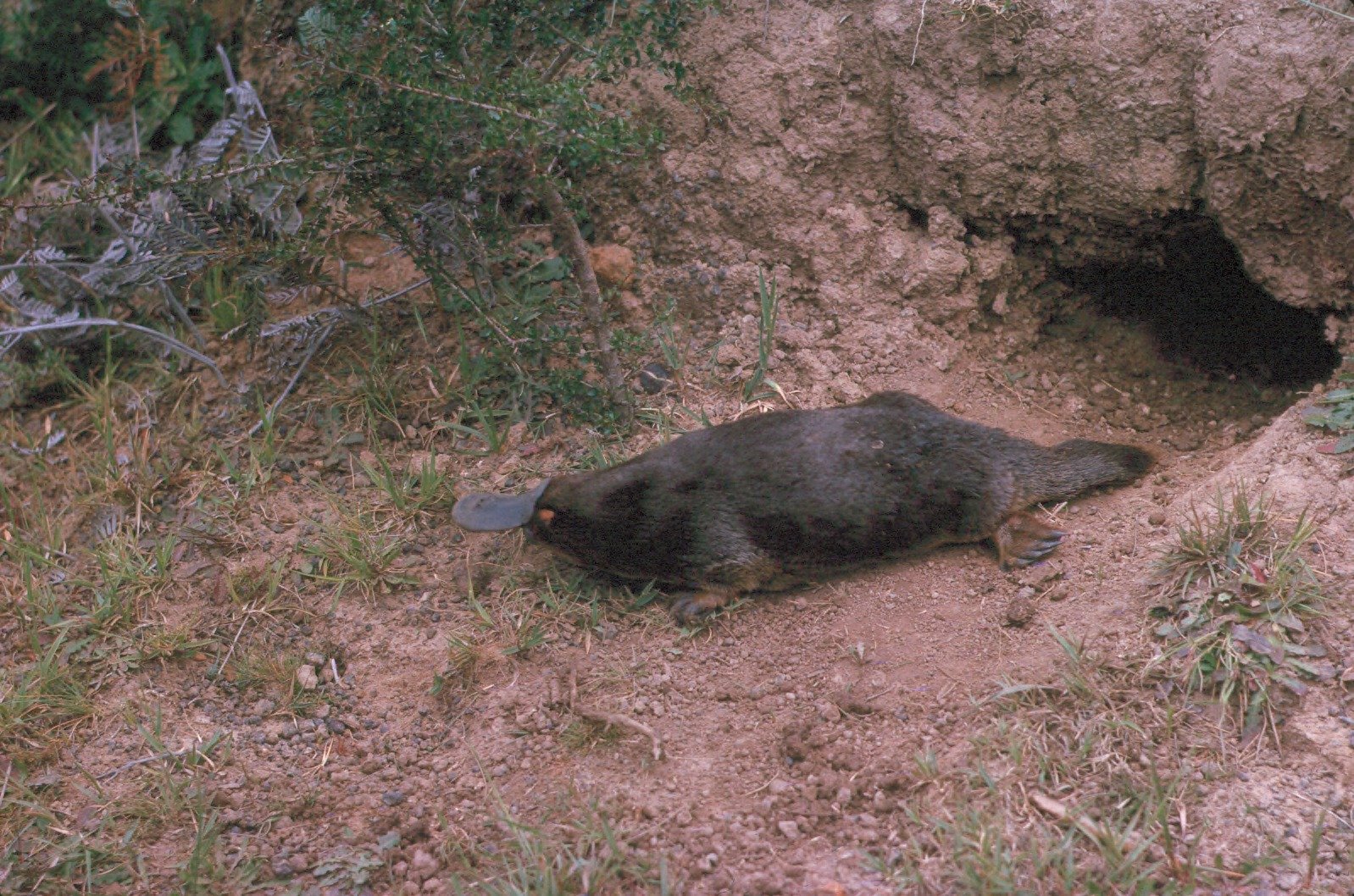
The platypus, a peculiar mammal native to Australia, possesses a venomous spur on its hind legs, a rare trait among mammals. This venom is used primarily for defense and during territorial disputes. The composition of the venom is complex, capable of causing severe pain and swelling in humans, though it is not lethal. The platypus’s unique biology, including its duck-bill and webbed feet, already sets it apart from other mammals, and its venomous capability adds another layer of intrigue. This evolutionary adaptation highlights the diverse strategies animals employ to survive and thrive in their environments.
These real-life “superheroes” of the animal kingdom remind us that evolution is an ongoing process, one that continues to sculpt life in wondrous and unexpected ways. The world around us is brimming with creatures that defy the norm, each with its own story of adaptation and survival. Their extraordinary abilities inspire not only awe but also a deeper appreciation for the complexity and beauty of the natural world.