California, often synonymous with sun-kissed beaches and bustling cities, harbors a secret world steeped in history and mystery. Beyond the glitz and glamour, nestled within its rugged landscapes, lie forgotten gems of the past – the ghost towns of the Gold Rush era. These towns, once teeming with life and hope, now stand silent, whispering tales of adventure, ambition, and eventual abandonment. Join us as we journey through these intriguing relics of California’s golden age, exploring the narratives etched into their weathered facades and dusty streets.
The Lure of Gold: A Brief History
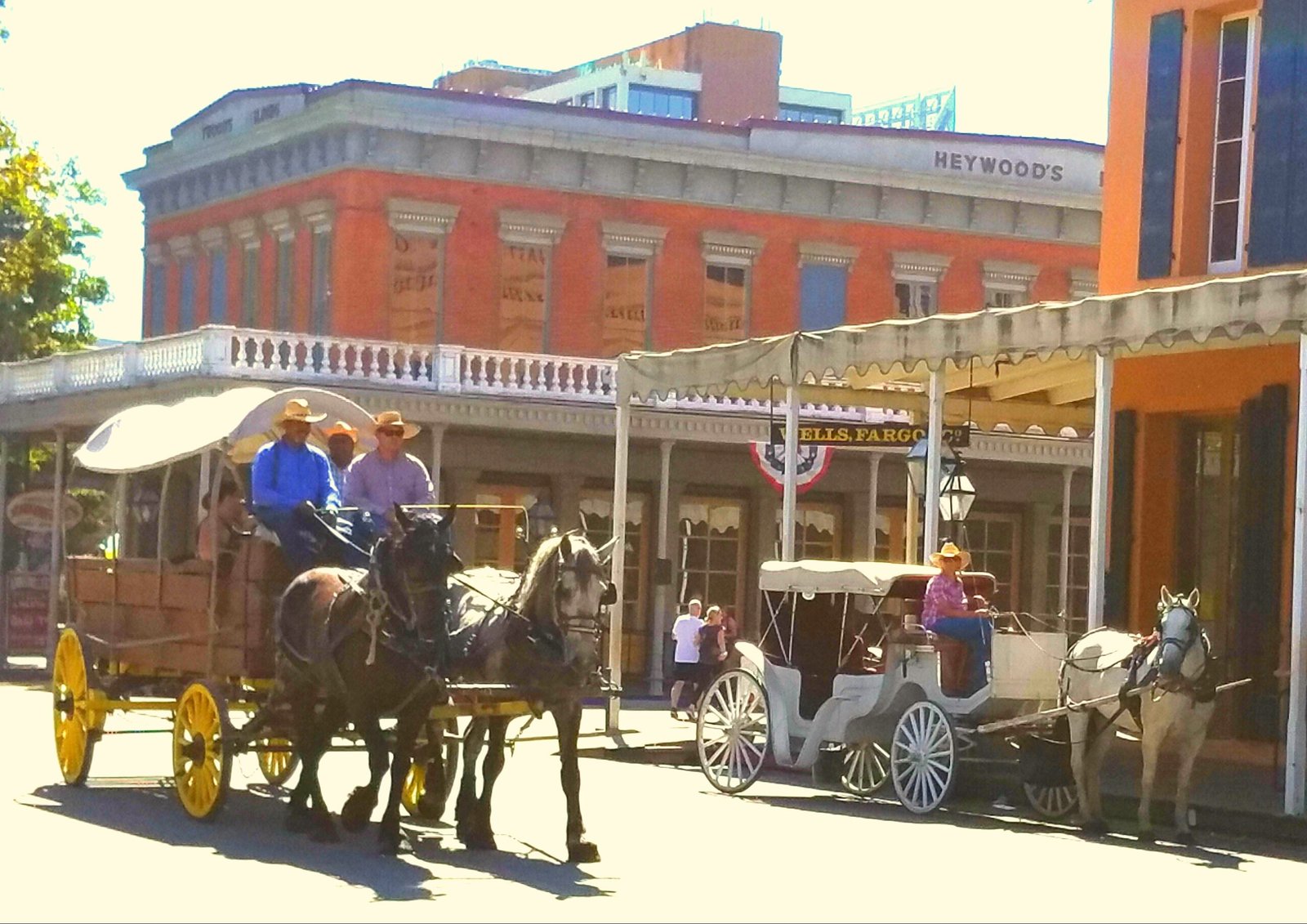
The mid-19th century witnessed a frenzy like no other – the California Gold Rush. In 1848, James W. Marshall discovered gold at Sutter’s Mill, sparking a migration of fortune seekers from across the globe. The promise of untold wealth led to the rapid establishment of towns, almost overnight, as people flocked to the region with dreams of striking it rich. However, the gold that brought them together eventually led to their downfall, as the veins ran dry and the townspeople moved on, leaving behind shells of their once-thriving communities.
Bodie: A Preservation of the Past
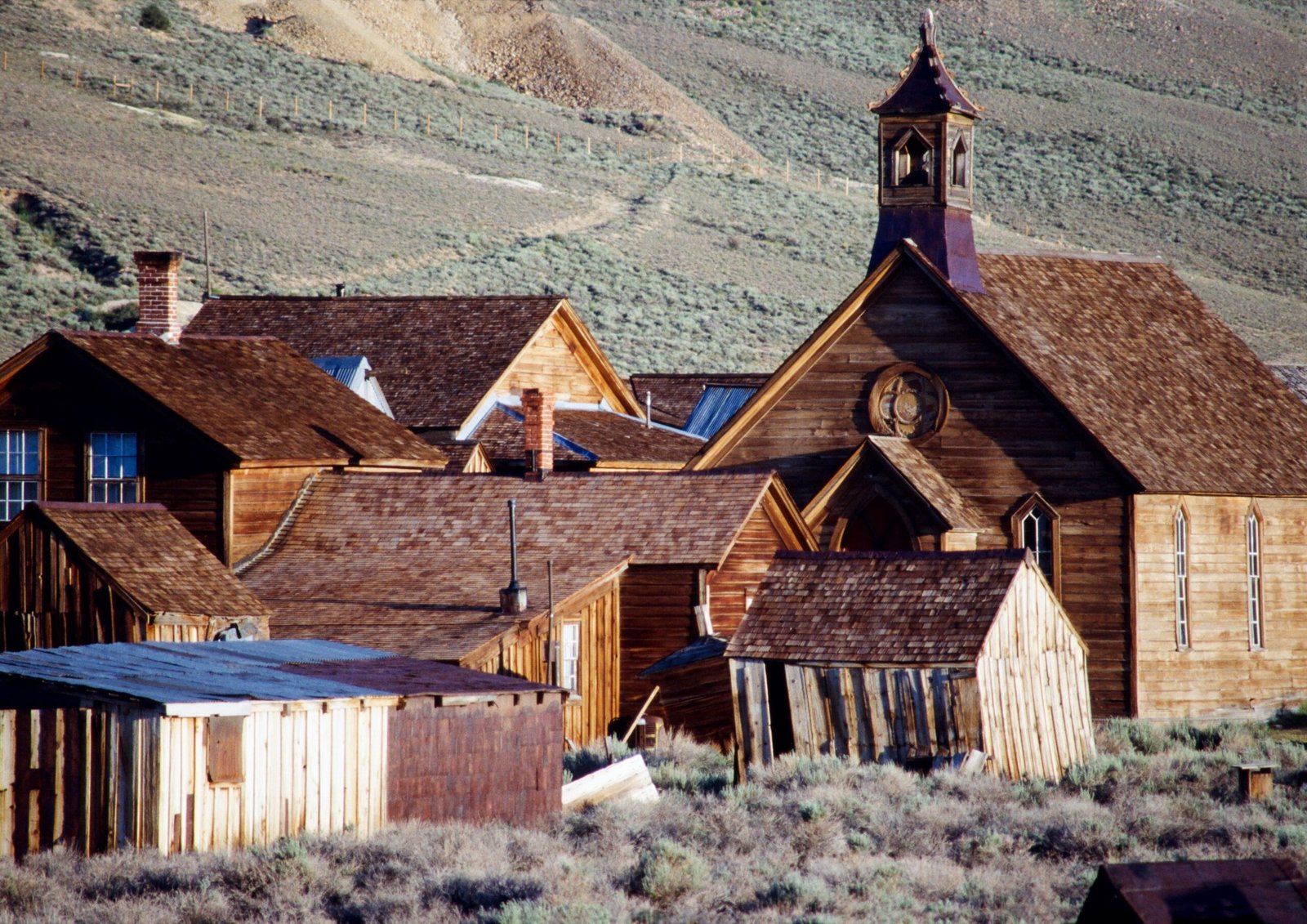
Bodie, perhaps the most famous of California’s ghost towns, offers an exceptional glimpse into the past. Designated as a National Historic Landmark, Bodie State Historic Park maintains over 100 structures, preserved in a state of “arrested decay.” Wandering through its streets, one can almost hear the echo of hammers, the clink of glasses in saloons, and the whispers of miners sharing tales of their finds. Bodie’s preservation allows visitors to feel the palpable tension between hope and despair that characterized the Gold Rush era.
Calico: A Silver Lining
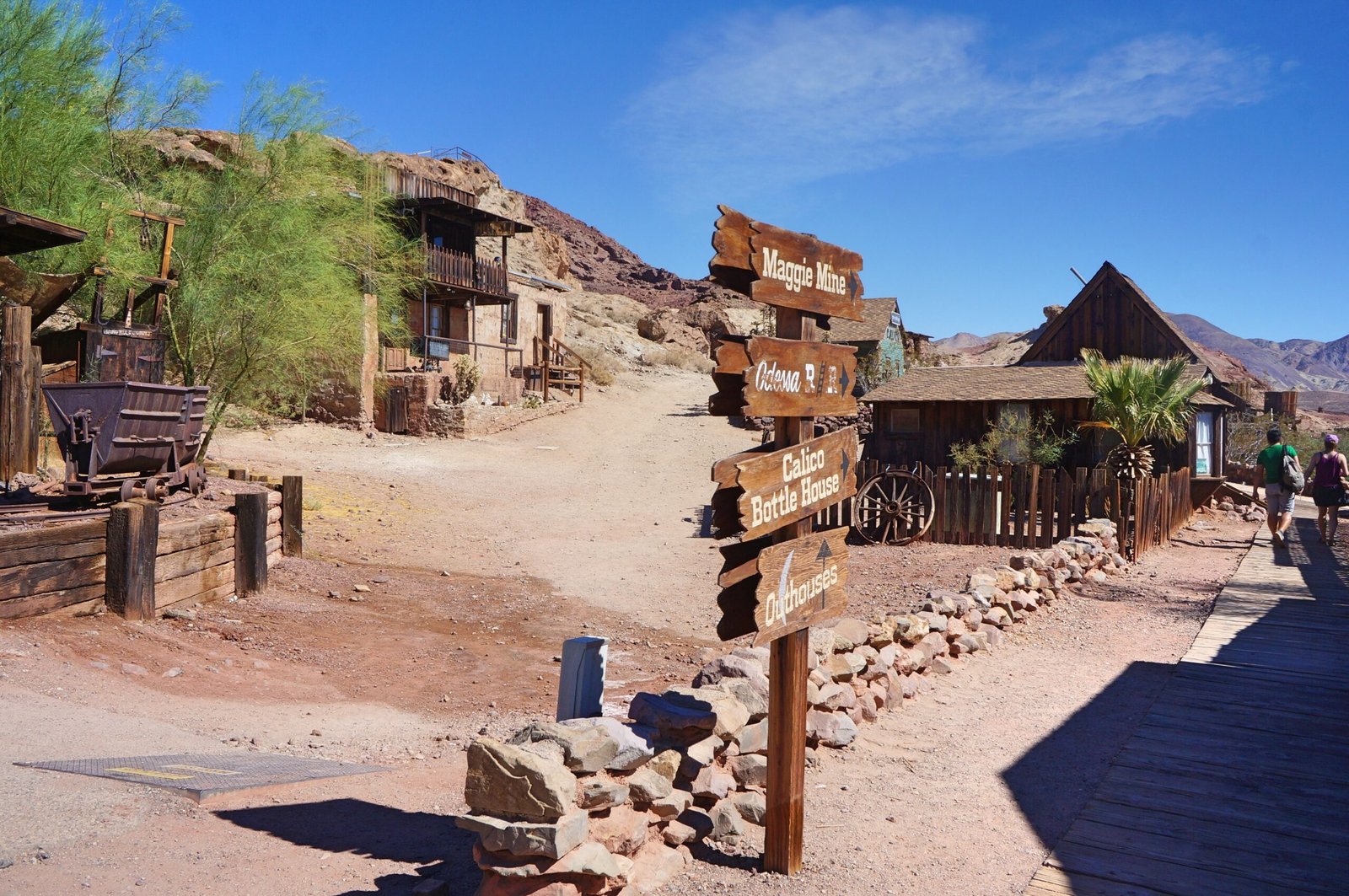
While gold was the primary draw, silver also played a significant role in California’s mining history. Calico, a once-thriving silver mining town, offers a different facet of the rush. Established in the 1880s, Calico quickly grew into a bustling community, boasting hotels, saloons, and even a Chinatown. Today, it stands as a testament to the silver boom, with restored buildings and mine tours that transport visitors back to a time when the hills shimmered with promise.
Cerro Gordo: The Richest Silver Mine
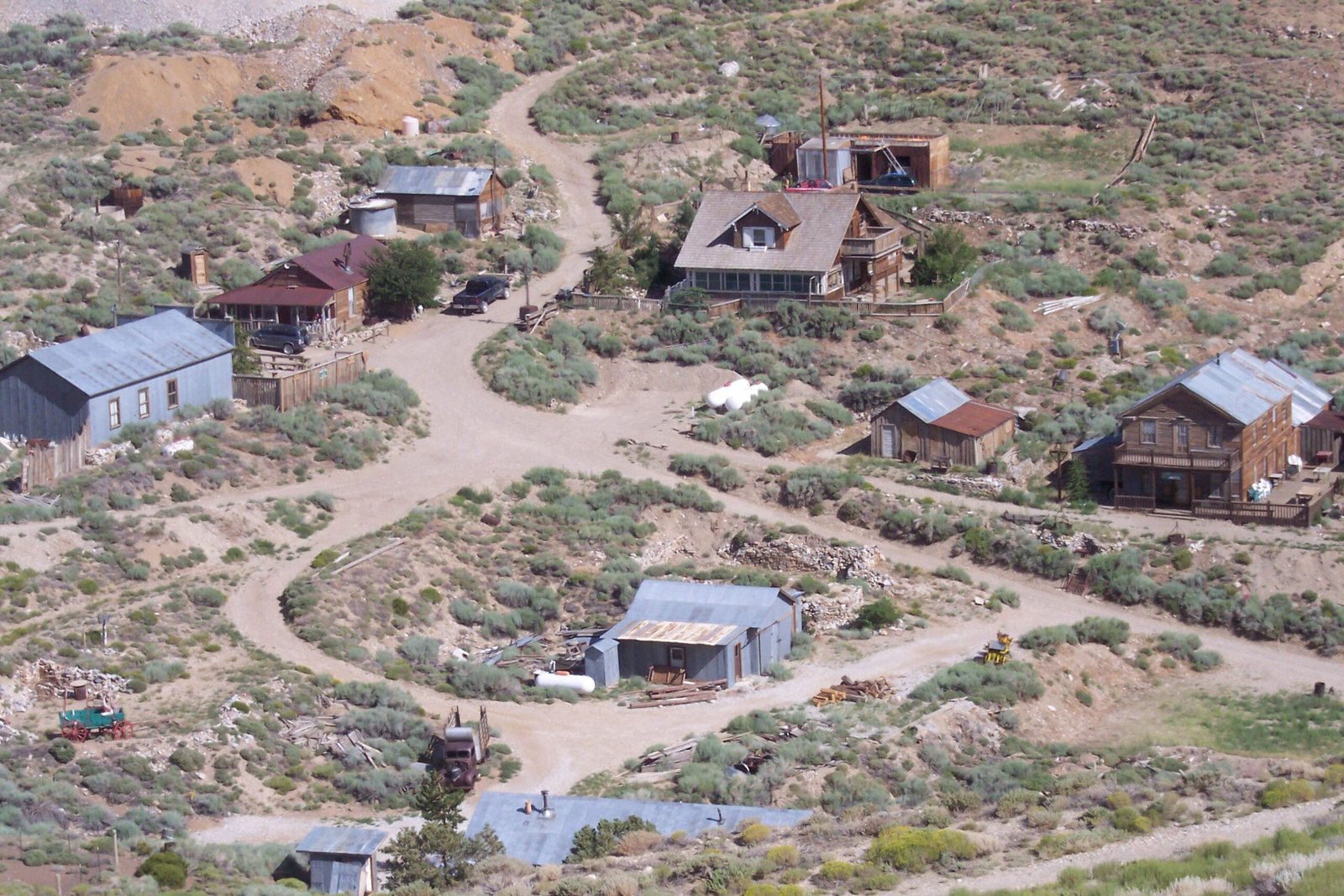
Perched high in the Inyo Mountains, Cerro Gordo was home to the richest silver mine in California. Its strategic location made it a vital supplier to Los Angeles, helping shape the city’s development. The town’s remnants, including the American Hotel and a collection of mining equipment, offer a tangible connection to the past. The journey to Cerro Gordo is an adventure in itself, as travelers navigate winding roads and steep inclines, much like the miners did over a century ago.
Columbia: A Living Ghost Town
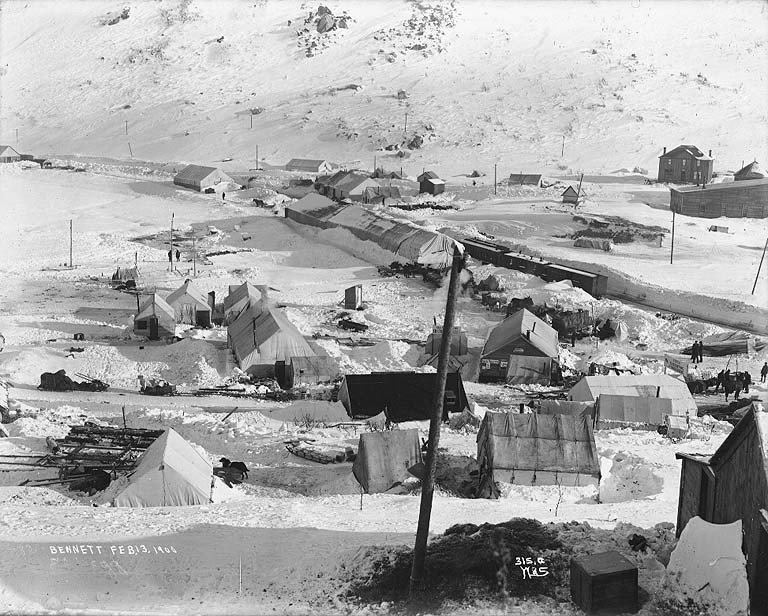
Unlike many ghost towns that have faded into obscurity, Columbia has embraced its historical significance. Known as the “Gem of the Southern Mines,” Columbia State Historic Park preserves the town’s essence with authentic buildings, a functioning stagecoach, and gold panning activities. It provides a unique opportunity for visitors to step into the shoes of 19th-century miners, experiencing firsthand the challenges and triumphs of life during the Gold Rush.
Malakoff Diggins: The Power of Water
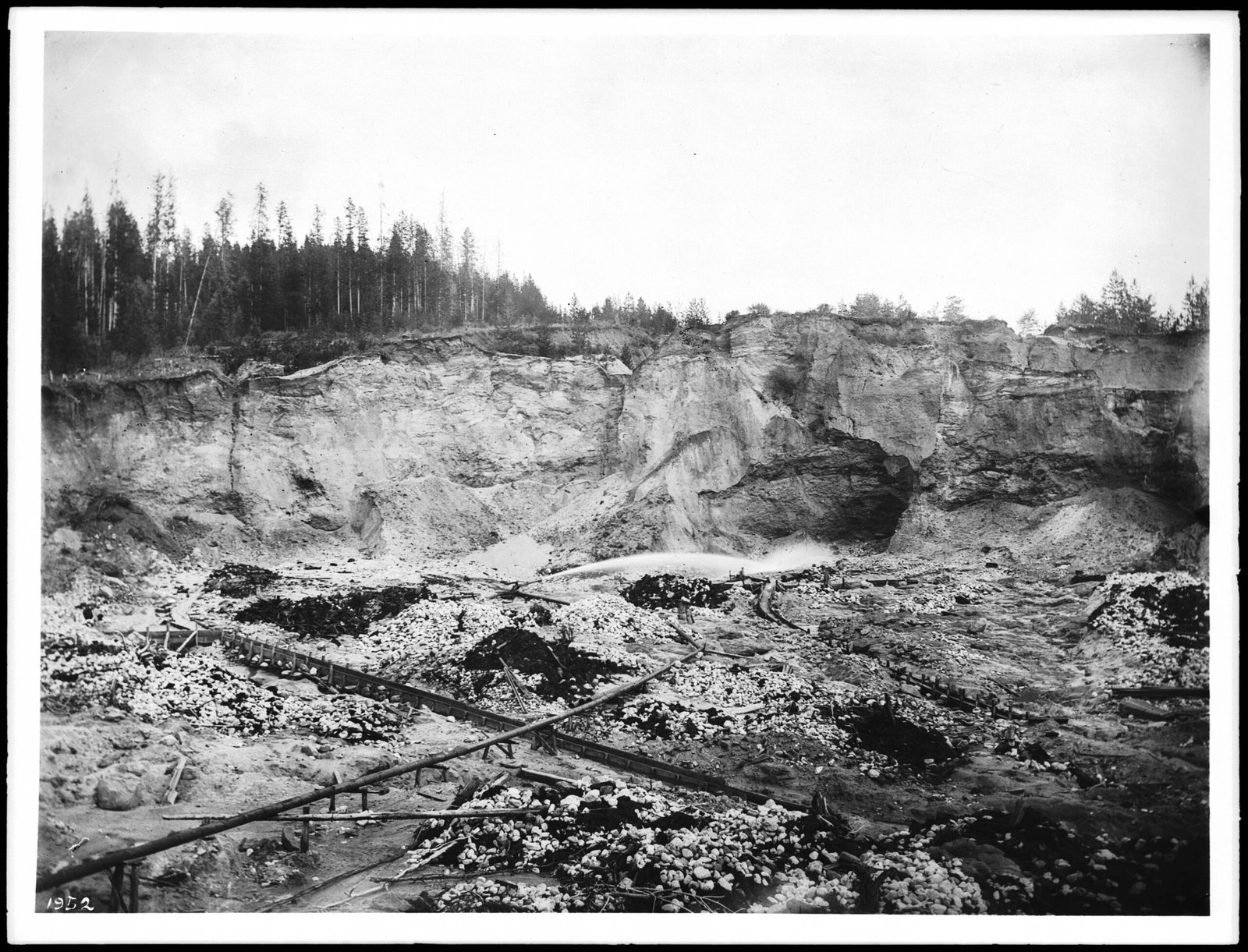
The hydraulic mining techniques employed at Malakoff Diggins transformed the landscape, leaving behind a surreal, almost lunar environment. This ghost town is a testament to the ingenuity and destructive power of human ambition. Visitors can explore the massive cliffs and tunnels carved by water cannons, marveling at both the scale of the operation and the environmental impact that ultimately led to its demise.
Ballarat: A Deserted Oasis
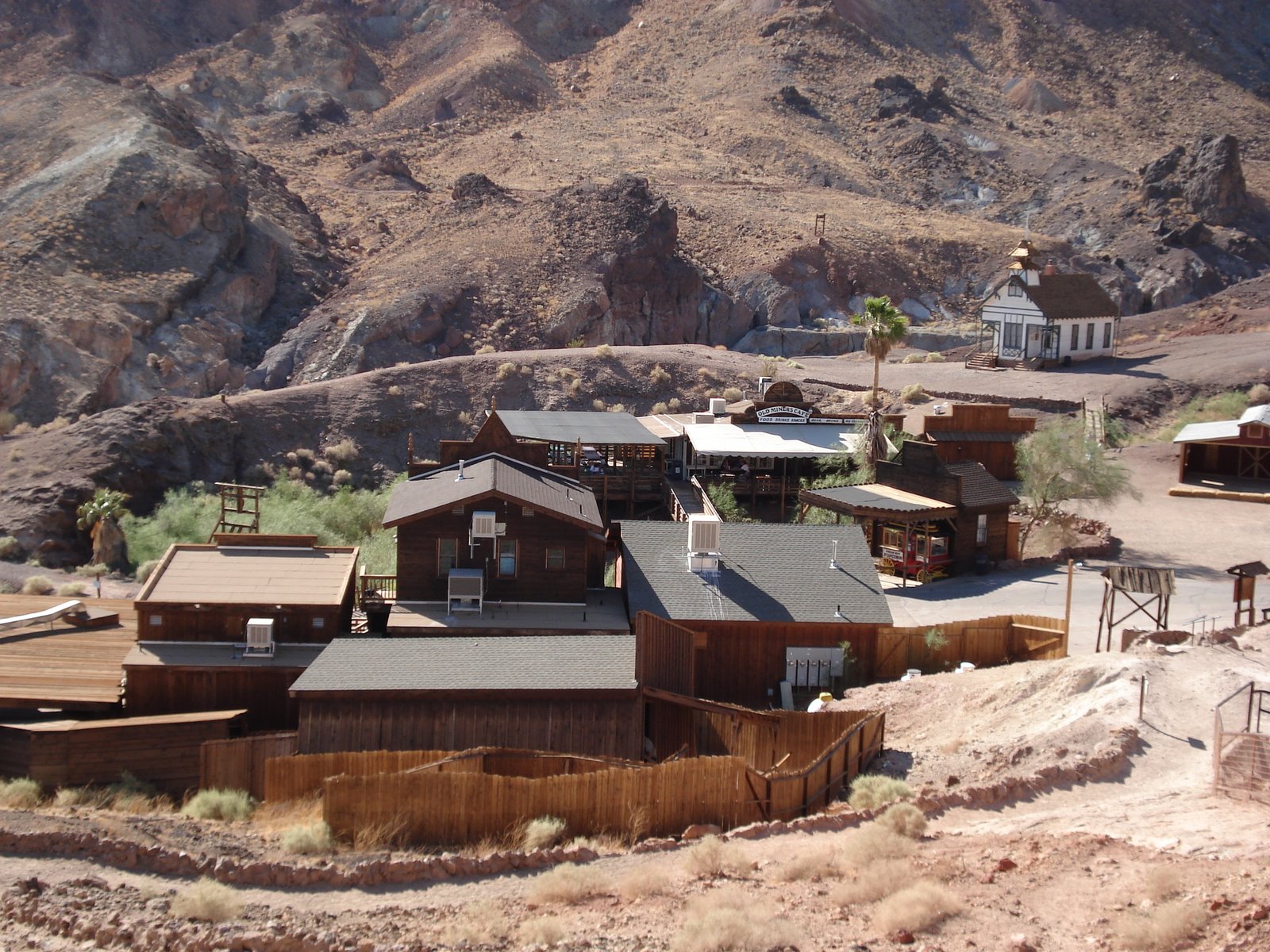
In the heart of Death Valley, Ballarat stands as a stark reminder of the harsh conditions faced by miners. Once a bustling supply point for nearby mines, the town now consists of a few crumbling buildings and rusting relics. Its remote location and haunting silence offer a unique opportunity for reflection on the transient nature of human endeavors and the resilience required to survive in such a formidable environment.
Shasta: The Queen City of the North
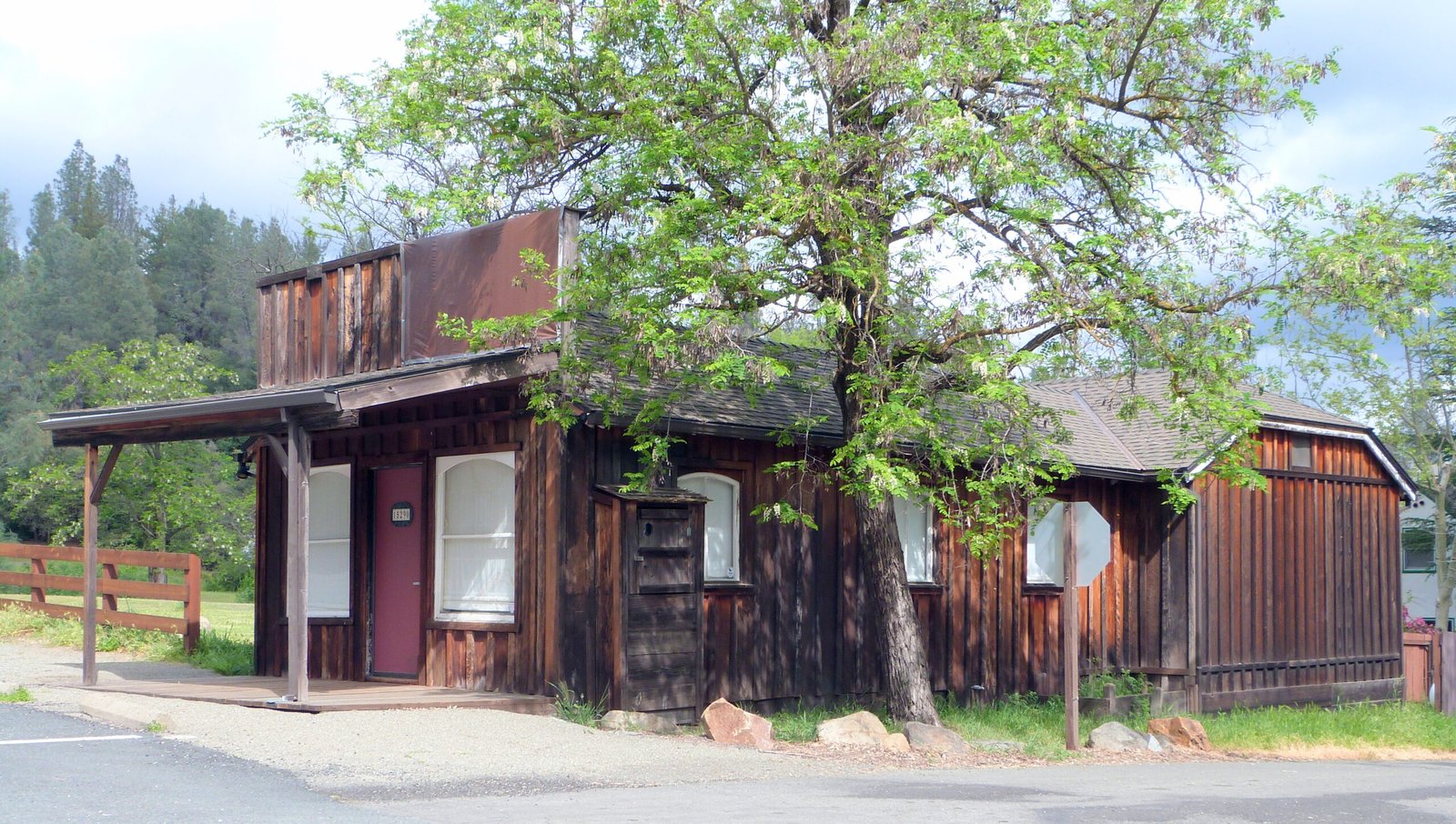
Once known as the “Queen City of the Northern Mines,” Shasta was a vital hub of commerce and culture during the Gold Rush. Today, its brick buildings and remnants of the past create a picturesque setting for exploration. The Shasta State Historic Park provides a window into the vibrant life that once thrived here, with preserved structures and interpretive exhibits that bring the town’s history to life.
Downieville: A Tale of Two Towns
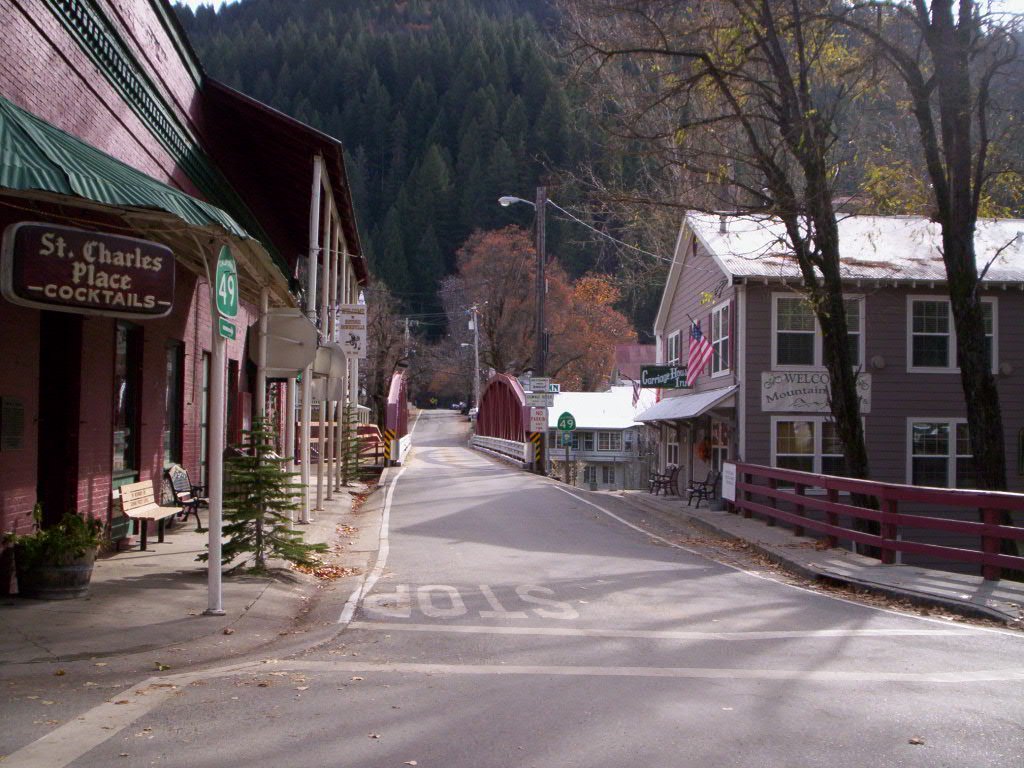
Downieville, located at the confluence of the North Yuba and Downie rivers, offers a unique perspective on the Gold Rush era. Unlike many ghost towns, Downieville has survived, maintaining its charm and historical significance. Visitors can explore the town’s dual identity, with remnants of its past alongside modern amenities. The annual Downieville Classic mountain bike race draws adventurers from around the world, adding a contemporary twist to this historic town.
Empire Mine: A Legacy of Innovation
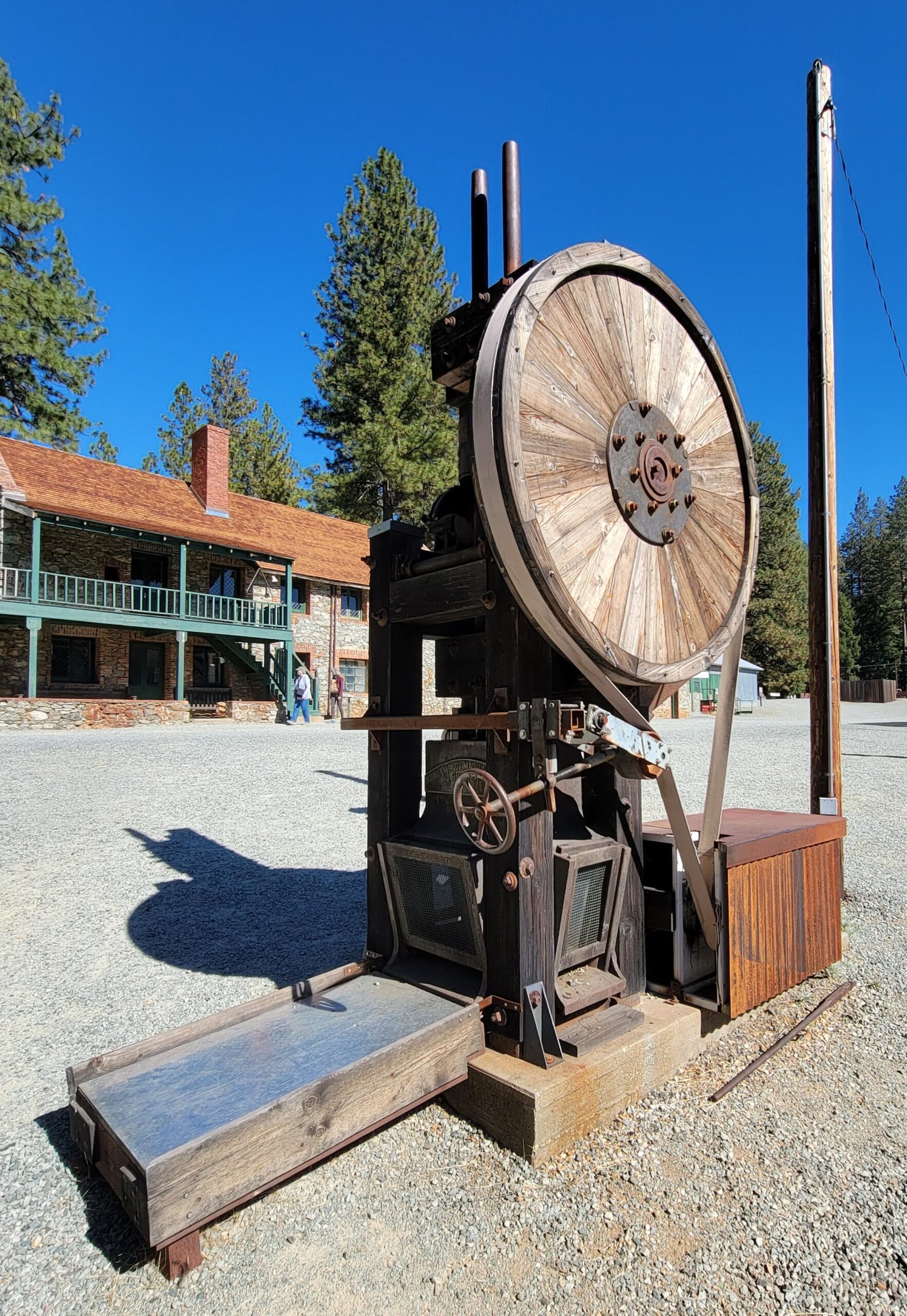
The Empire Mine, one of the oldest and most productive gold mines in California, showcases the technological advancements of the era. Its preserved buildings and expansive grounds offer a fascinating look at the evolution of mining techniques. Visitors can explore the mine’s depths through guided tours, gaining insight into the innovations that propelled the industry forward and the challenges faced by those who toiled underground.
A Journey Through Time
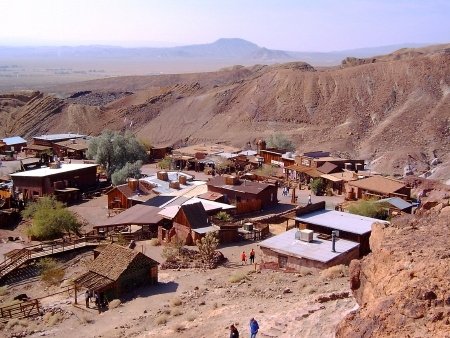
Exploring California’s ghost towns is like stepping into a time machine, offering a tangible connection to the past. Each town tells a unique story, woven into the fabric of the state’s history and identity. These remnants of the Gold Rush era serve as a reminder of the dreams, struggles, and legacies left behind by those who sought their fortunes in the golden hills. As you wander through these forgotten places, take a moment to reflect on the enduring human spirit and the timeless allure of adventure.