
Every year, fans around the world celebrate Star Wars Day with a simple, powerful phrase: “May the Fourth be with you.” But behind the lightsabers and iconic movie moments, there’s a burning question that teases the imagination of science lovers—could iconic Star Wars worlds like Tatooine really exist? The image of Tatooine’s twin suns hanging over a desert horizon is unforgettable, but is it just cinematic magic, or does real science back up the possibility of such a planet? Prepare for a thrilling journey beyond fiction, into the remarkable universe of exoplanets, binary stars, and the search for life on worlds that might feel straight out of a galaxy far, far away.
The Magic of Tatooine: More Than Movie Make-Believe?

Tatooine’s double sunset is one of the most visually arresting scenes in film history. For decades, audiences have wondered if a planet really could orbit two stars and survive the intense radiation and gravitational chaos. The idea seems like pure fantasy, but advances in astronomy are turning fiction into plausible science. Scientists call these hypothetical worlds “circumbinary planets”—planets that orbit around two stars instead of just one. The thrill of discovering such worlds is more than just wishful thinking; it’s a high-stakes quest that combines imagination with hard evidence.
Binary Star Systems: The Cosmic Dance

Binary star systems are surprisingly common throughout our galaxy, making up at least half of all star systems we know. In these systems, two stars orbit each other in a gravitational dance, sometimes close together, sometimes far apart. This dynamic relationship creates complex environments for planets that might orbit around them. Depending on the distance between the stars and their sizes, the gravitational pull can make stable orbits tricky, but not impossible. The sheer variety of binary systems hints at endless possibilities for unique planetary arrangements—perhaps even worlds that could look like Tatooine.
The Discovery of Real “Tatooines”: Kepler’s Breakthrough
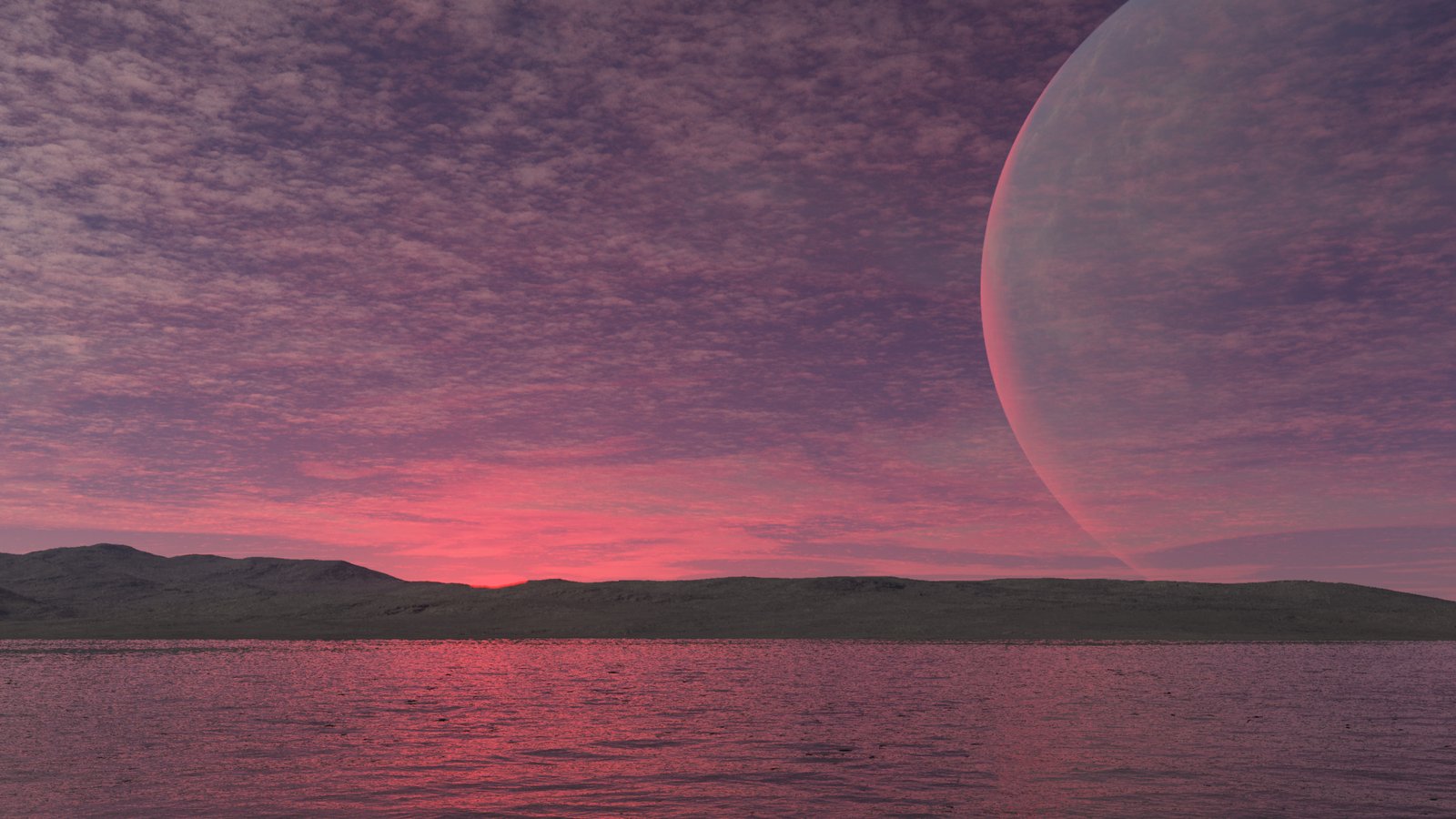
In 2011, NASA’s Kepler Space Telescope made history by discovering Kepler-16b, the first confirmed circumbinary planet. This giant, Saturn-sized world orbits two stars, just like Tatooine. While Kepler-16b is a gas giant and unlikely to be a desert world teeming with life, its existence proved that planets can and do form in the chaotic environments of binary star systems. Since then, astronomers have identified several more circumbinary planets, each with their own quirks and mysteries. These discoveries have electrified the scientific community and given hope to Star Wars fans that worlds like Tatooine are not just fantasy.
How Do Circumbinary Planets Form?
The formation of a planet around two stars is anything but straightforward. Imagine trying to build a sandcastle in the middle of a storm—two suns tugging on the same pile of dust and gas, sometimes pulling it apart, sometimes squeezing it together. Yet, against the odds, planets can emerge from this cosmic chaos. Scientists believe that circumbinary planets form in a wide, stable ring of material around both stars. Over time, dust and gas clump together, eventually forming planetesimals and, if conditions are right, full-fledged planets. The remarkable thing is that nature finds a way, even in the wildest corners of space.
Could Life Survive on a Tatooine-Like World?
The big question isn’t just whether such planets exist, but whether they could support life as we know it. Twin suns would mean different cycles of day and night, and potentially extreme swings in temperature. The atmosphere would need to be robust enough to shield inhabitants from extra radiation, while still allowing for water and a stable climate. Scientists speculate that life could adapt to these conditions, perhaps evolving unique features to cope with the double sunlight. On Earth, life thrives in deserts, deep oceans, and even around radioactive materials—so maybe, just maybe, life could find a way on a Tatooine of its own.
The Role of Climate: Endless Deserts or Lush Oases?
Tatooine is famous for its scorching deserts, but not every circumbinary planet would necessarily be a wasteland. The climate of these worlds would depend on many factors: the distance from the stars, the type of stars, the presence of water, and the makeup of the atmosphere. Some might have searing deserts, while others could host lush, green landscapes or even frozen tundras under twin suns. Imagine the diversity of sunsets, the patterns of weather, and the potential for alien ecosystems. The possibilities are staggering and beg for further exploration.
Day and Night: A Strange Rhythm Under Two Suns
The experience of day and night on a planet with two suns would be utterly alien. Sometimes both stars would be in the sky, blazing together. At other times, only one might be visible, or both could set, plunging the world into an unusual night. The length and intensity of daylight would constantly shift, creating a wildly different rhythm compared to Earth’s steady sunrise and sunset. For any creatures living there, adapting to this unique pattern would be essential for survival. It’s a reminder of how resilient and adaptable life can be in the face of cosmic challenges.
Searching for Habitability: What Makes a Planet “Just Right”?
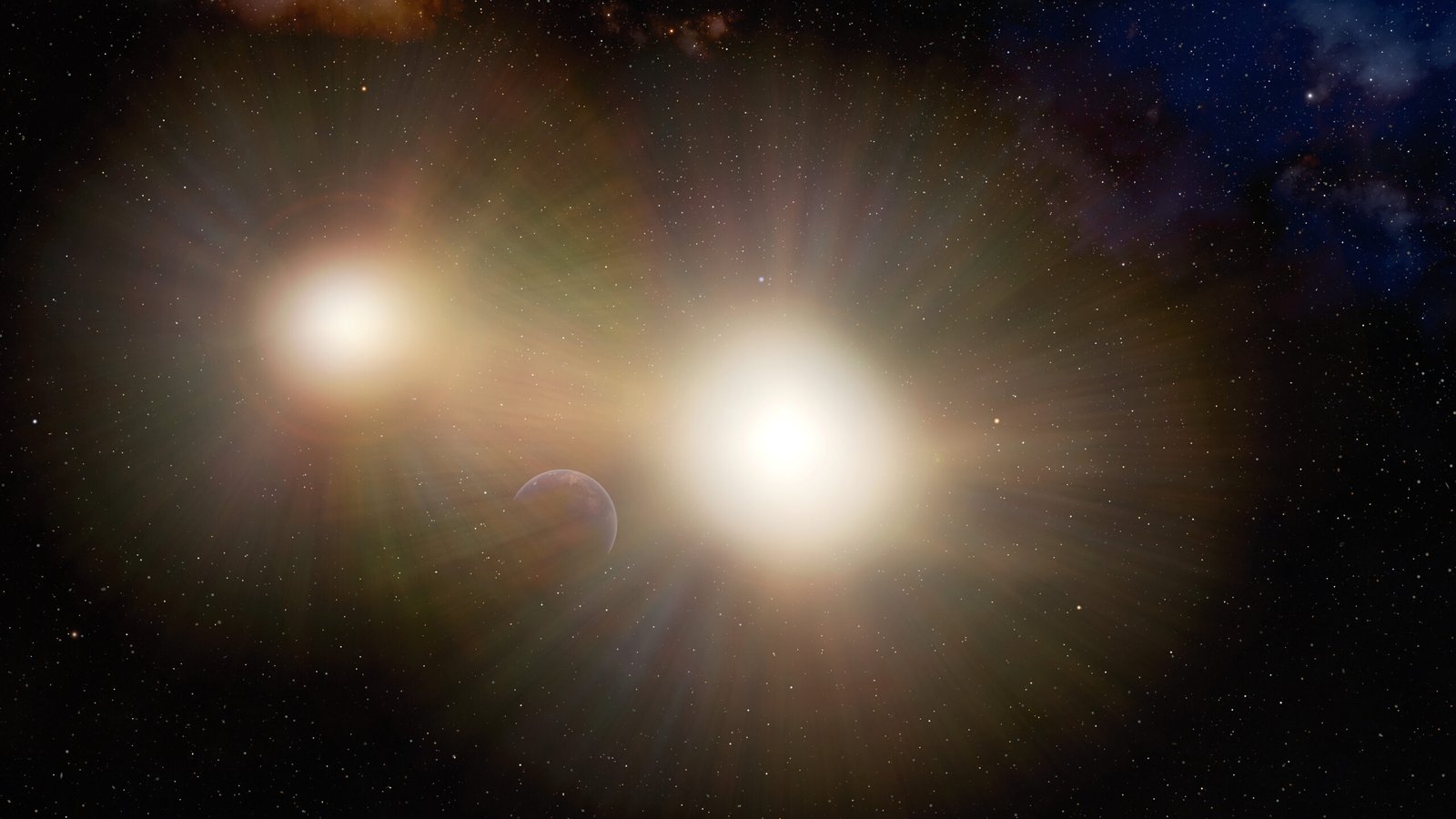
Astronomers use the concept of the “habitable zone”—the region around a star where conditions might allow liquid water to exist. For circumbinary planets, the habitable zone is more complicated, shifting as the two stars move around each other. A planet must have just the right orbit to stay within this zone, avoiding being fried or frozen. Recent research shows that stable, life-friendly orbits are possible in many binary systems. With new telescopes coming online, the search for an Earth-like Tatooine is intensifying, fueling hope that we are close to finding a truly habitable twin-sun world.
The Challenges of Discovery: Why Don’t We See More Tatooines?
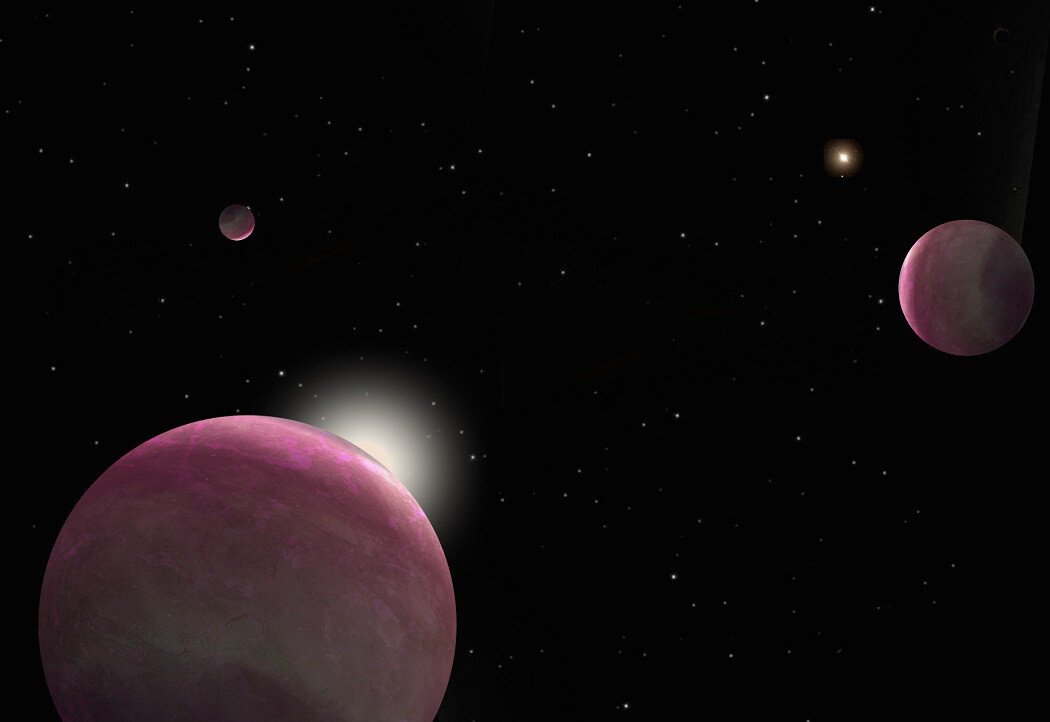
Finding circumbinary planets is a massive challenge. The brightness and movement of two stars make it difficult for telescopes to spot the tiny shadows cast by a passing planet. Advanced techniques are needed, like measuring tiny dips in starlight or using sophisticated algorithms to filter out noise. Despite these hurdles, astronomers remain determined, driven by the thrill of uncovering new worlds. Every discovery is a testament to human curiosity and the relentless pursuit of knowledge, even when the odds seem overwhelming.
What the Future Holds: Next-Generation Telescopes and Missions
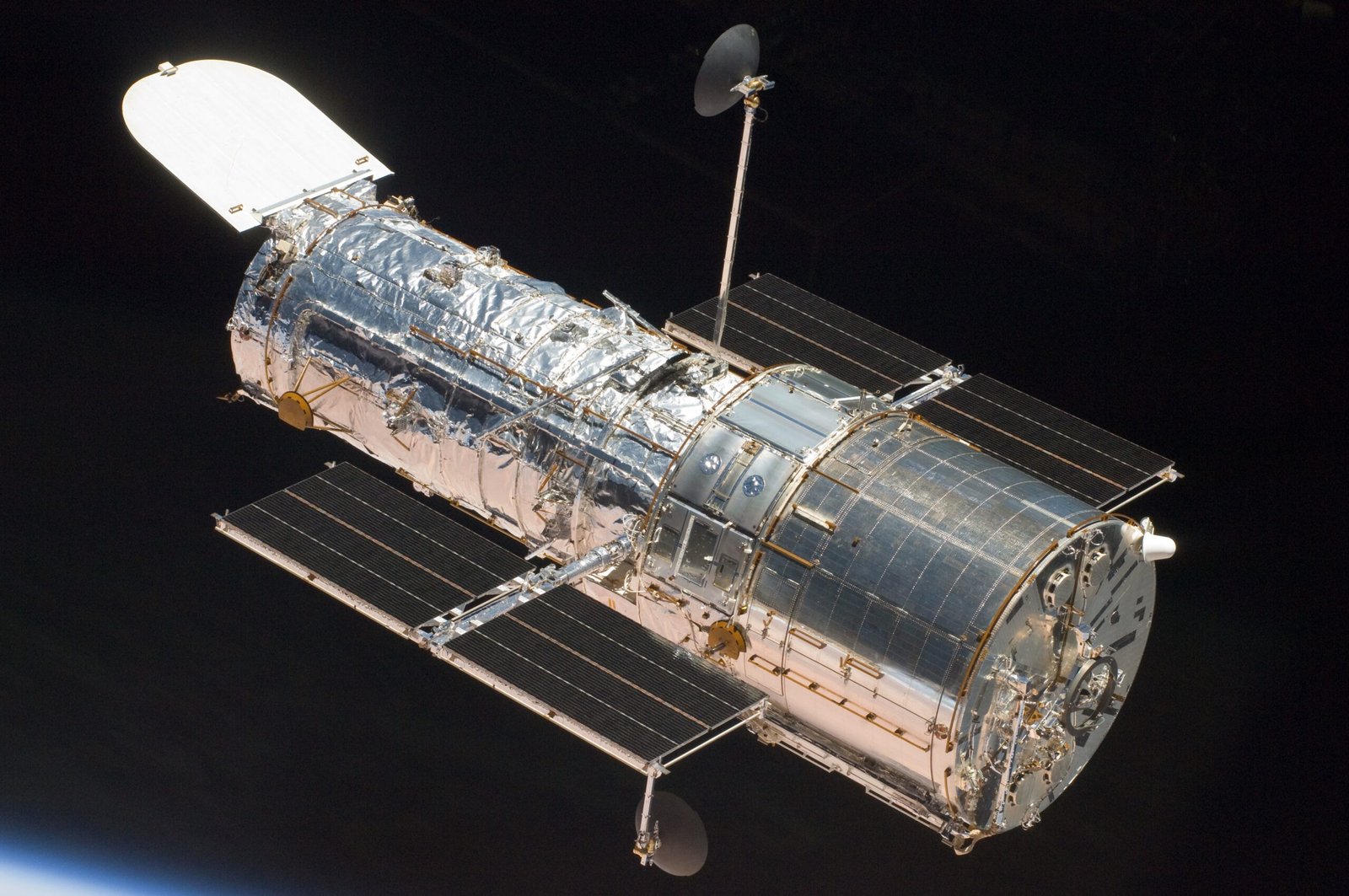
The next decade promises to be revolutionary for the hunt for real-life Tatooines. Space missions like the James Webb Space Telescope and the upcoming Nancy Grace Roman Space Telescope are poised to peer deeper into the cosmos than ever before. These instruments will be able to detect smaller, rockier planets and analyze their atmospheres for signs of habitability. Earth-based observatories are also joining the quest, using cutting-edge technology to survey thousands of binary star systems. The excitement in the scientific community is palpable—every new discovery could rewrite our understanding of planetary science.
Imagination Meets Reality: The Enduring Allure of Twin Suns
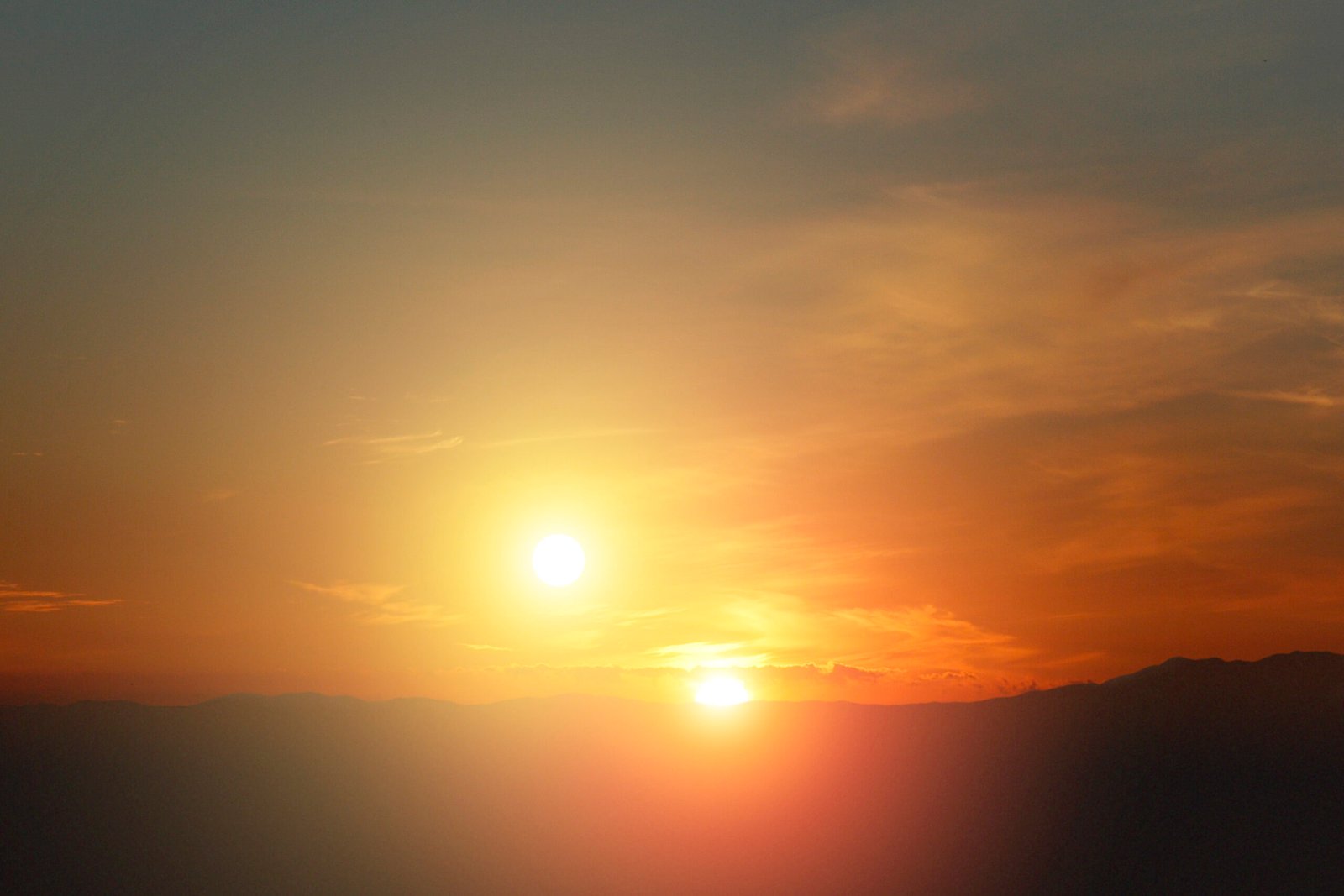
The vision of Tatooine’s twin suns is more than just a cinematic marvel; it’s a symbol of human wonder and curiosity. Science fiction inspires scientists to ask bold questions, and, as research progresses, it’s clear that the universe is stranger and more beautiful than we ever imagined. The boundaries between imagination and reality are blurring, as discoveries catch up to the dreams that once seemed impossible. As we continue to search the stars for answers, we’re reminded that even the wildest stories can have a basis in truth.
The evidence is mounting: planets like Tatooine may very well exist among the billions of stars in our galaxy. With each new discovery, we move closer to understanding not just our place in the universe, but the extraordinary diversity of worlds that might be waiting for us. Could we one day watch a real double sunset on a distant world? The universe just might surprise us.