
Somewhere between your childhood reflection and the face you see in the mirror today lies one of biology’s greatest riddles: why do we age at all? For most of human history, wrinkles, gray hair, and aching joints were treated as an unavoidable blur called “getting old,” not a process with precise molecular gears and levers. Over the past two decades, however, scientists have begun to map aging the way geologists map a fault line – layer by layer, crack by crack. What they’re finding is both unsettling and oddly hopeful: aging is not a single clock but a chorus of overlapping mechanisms that can speed up, slow down, and sometimes be rewound. Understanding that chorus is changing how we think about health, disease, and the very meaning of a long life.
The Hidden Clues: Tiny Signals That Whisper Our Age
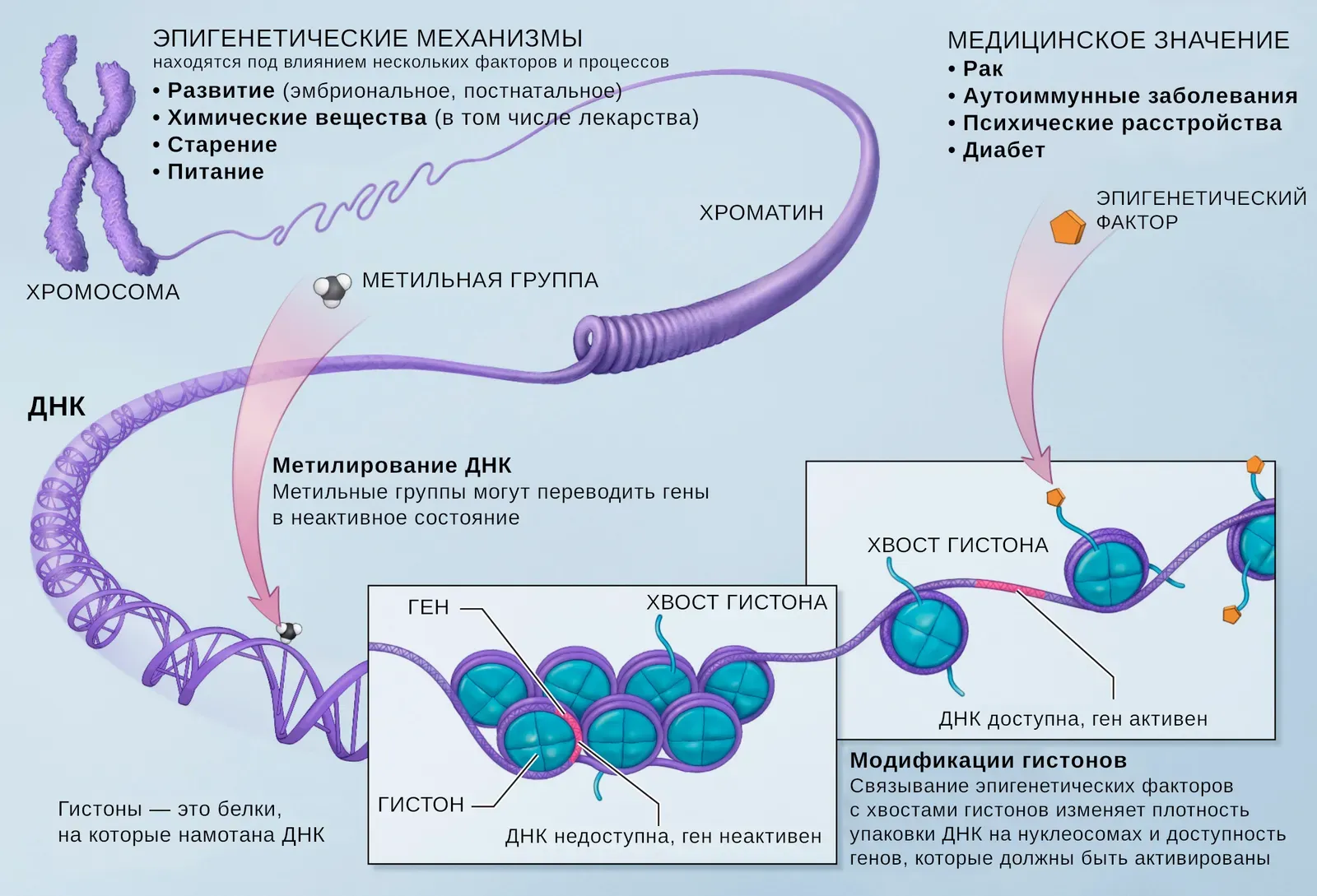
One of the strangest discoveries in aging research is that your body is constantly broadcasting your age in microscopic signals, long before the mirror catches up. Deep inside your cells, chemical tags on DNA – known as epigenetic marks – shift over time in surprisingly consistent patterns, forming what scientists call “epigenetic clocks.” These clocks can often estimate biological age more accurately than counting birthdays, and they can diverge depending on lifestyle, stress, or exposure to pollution. In other words, two forty-year-olds may have bodies that look, at the molecular level, more like one is thirty and the other sixty. That realization has transformed gray hair from a cosmetic annoyance into a kind of red flag that deeper processes are in motion. The clues were always there, but now we finally know how to read them.
Other quiet markers tell similar stories. Telomeres – the protective caps at the ends of chromosomes – gradually shorten every time a cell divides, like fuses burning down. For years, telomeres were treated almost like the master clock of aging, but the picture has turned out to be more complicated and more interesting. People with shorter telomeres may be at higher risk of age-related diseases, yet simply lengthening telomeres without addressing other damage could raise cancer risk. Aging, it turns out, is not one domino falling but many being nudged at once.
From Survival Machines to Slow Decay: Why Evolution Allows Aging
At first glance, aging seems like a terrible design flaw: why would evolution “choose” a body plan that falls apart? The answer, biologists say, is that evolution is ruthlessly short-sighted and deeply practical. Natural selection favors traits that help organisms survive and reproduce in their early and middle years, not those that keep them spry at eighty. Mechanisms that are beneficial when we are young – such as strong immune responses or rapid cell growth – can backfire later in life, contributing to chronic inflammation or cancer. This paradox, where traits that help in youth harm in old age, is known as antagonistic pleiotropy, and it sits at the heart of modern aging theory.
In that light, aging looks less like a programmed self-destruction and more like a side effect of biology optimized for early success. In the wild, very few animals live long enough for late-life breakdowns to matter to evolution at all. Wolves rarely die of arthritis in their natural habitat; they die of hunger, territory fights, or infection. Humans transformed that equation with agriculture, medicine, and social cooperation, pushing survival far beyond what our bodies originally evolved for. We are, in a sense, testing the upper limits of a system never designed to perform this long.
The Cellular Battlefront: Damage, Repair, and the Slow Drift Toward Chaos
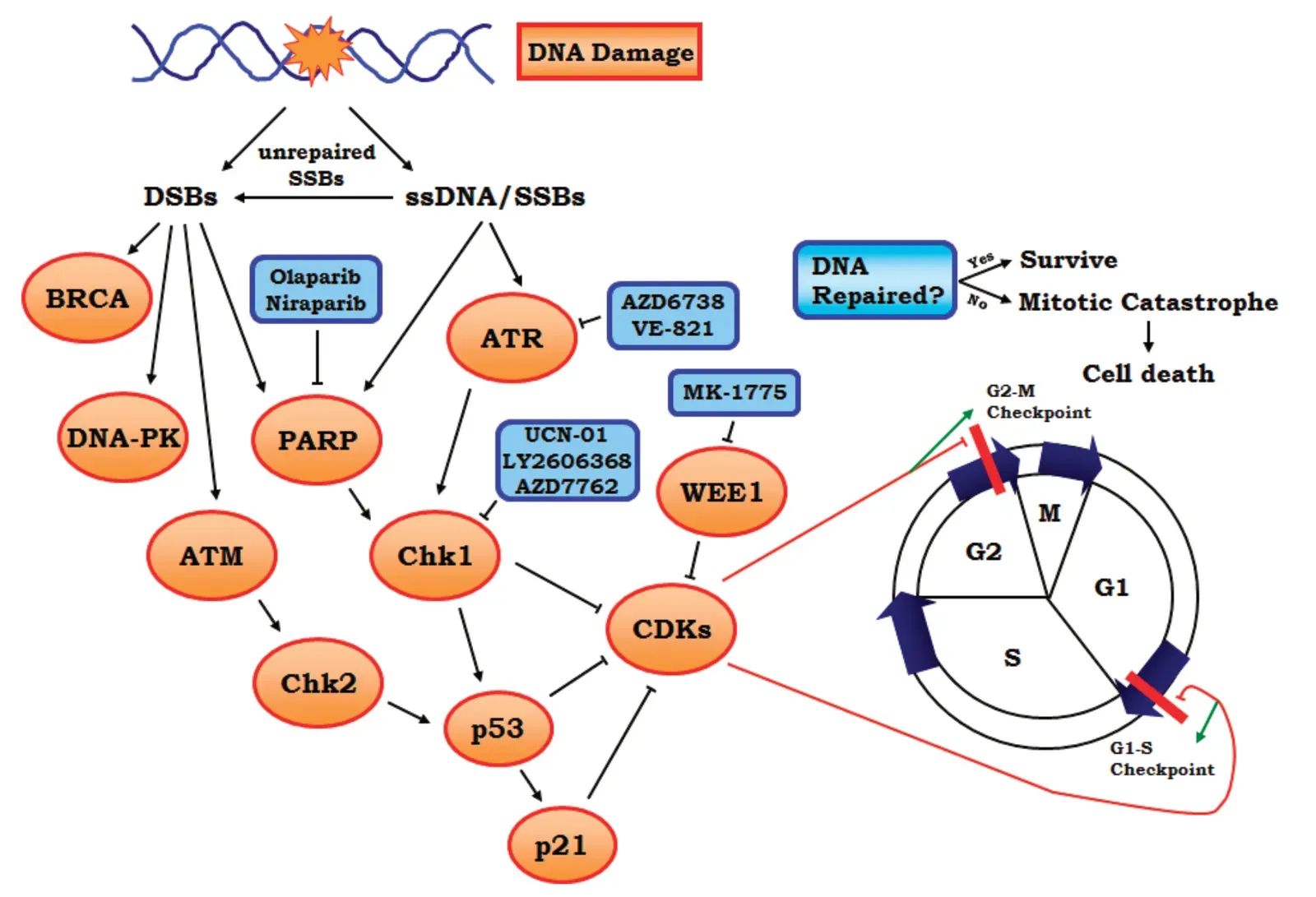
If you could zoom in on your cells over the decades, what you would see is not a smooth slide into decline but an ongoing war between damage and repair. Every day, DNA is nicked, proteins misfold, and mitochondria – the tiny power plants in cells – leak reactive molecules that corrode surrounding structures. In youth, repair systems are fast and ruthless, spotting and fixing or removing damaged components almost as soon as they arise. Over time, those systems become less efficient, like a maintenance crew slowly falling behind on a city’s crumbling infrastructure. The result is a gradual accumulation of cellular junk and subtle errors that eventually add up to visible frailty.
Researchers often describe nine or more “hallmarks of aging,” including genomic instability, loss of proteostasis (the ability to maintain healthy proteins), cell senescence, and stem cell exhaustion. Each hallmark is like a different thread fraying in the same tapestry. Senescent cells, for example, are damaged cells that have stopped dividing but refuse to die; they linger and secrete inflammatory molecules that can harm nearby healthy cells. Stem cells, which replenish tissues, gradually lose their capacity to regenerate muscle, blood, or brain cells at the pace needed to keep tissues youthful. Aging emerges from the interaction of all these processes, not just from one broken part.
Hormones, Metabolism, and the Pace of the Clock
There’s a reason people talk about “slowing down” as they age, and metabolism is at the center of that story. Hormones like growth hormone, insulin, sex steroids, and thyroid hormone orchestrate how quickly cells grow, divide, and burn fuel. In youth, high levels of growth and reproductive hormones support development and fertility, but in later life, that same push toward growth can fuel cancer and metabolic diseases. Studies in animals have shown that dialing down certain growth pathways, such as the insulin-like growth factor axis, can extend lifespan, often in combination with dietary changes. It sounds counterintuitive, but being slightly less “revved up” at the cellular level may buy extra time.
Caloric intake is another powerful lever. In many species – from worms to rodents – restricted diets that avoid malnutrition slow aging and extend both lifespan and healthspan, the portion of life spent in good health. The mechanisms are still being untangled, but they appear to involve improved stress resistance, better mitochondrial function, and more efficient cellular cleanup through autophagy, the process by which cells digest their own damaged parts. Humans are not lab mice, and strict calorie restriction is hard and potentially risky, but related approaches like time-restricted eating and metabolic drugs are being studied intensely. The emerging picture is that metabolism is not just about weight; it is a way of tuning the tempo of aging itself.
Why It Matters: Aging as the Root of Modern Disease
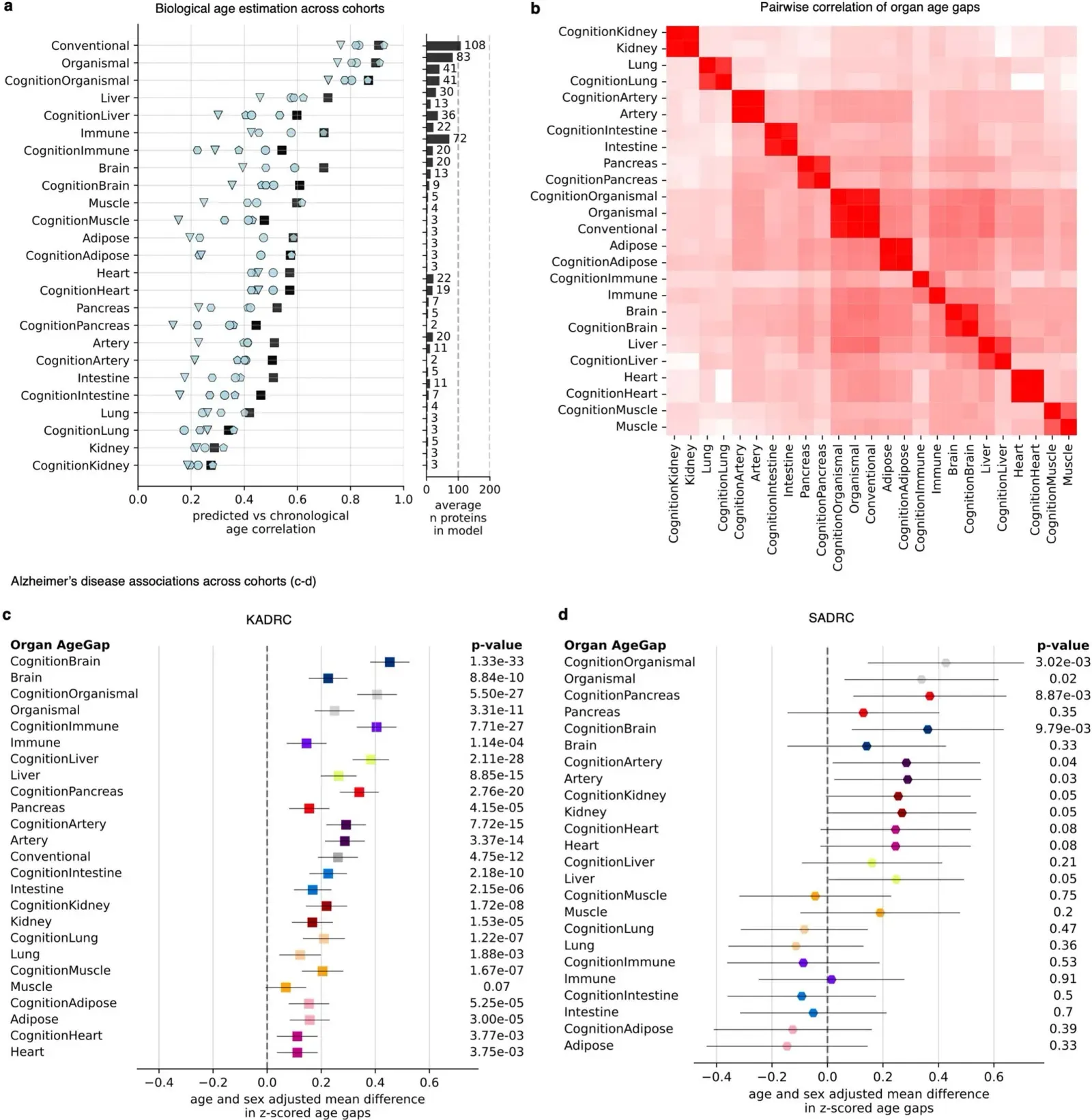
Understanding aging is not just an abstract quest to cheat time; it cuts to the core of global health in the twenty-first century. The vast majority of deaths in wealthy countries now come from age-related diseases – heart disease, stroke, cancer, dementia, type 2 diabetes – rather than infections or injuries. Treating each disease separately is a bit like bailing water from a sinking boat without patching the hole. Aging biology suggests there is, in fact, a hole: shared underlying mechanisms that drive the risk of many different diseases at once. If we could slow or modulate those mechanisms, we might delay multiple conditions together, keeping people healthier for longer, not just alive for longer.
This reframing has real-world implications. Public health agencies are beginning to talk about “healthy longevity” rather than just “life expectancy,” focusing on years lived without disability. Economists warn that societies with growing older populations will face increased healthcare costs, caregiver shortages, and pension pressures if those extra years are mostly spent in poor health. On a more intimate level, almost everyone has watched a parent, grandparent, or partner slowly lose abilities they once took for granted. Aging science offers a different goal: not immortality, but more years where minds are clear, bodies are capable, and independence is preserved.
From Lab Bench to Living Room: Interventions on the Horizon
The idea of “treating aging” still makes many people uneasy, but in research labs around the world, that is exactly what scientists are trying to do. Some approaches target specific hallmarks, such as senolytics, drugs designed to selectively kill senescent cells and reduce age-related inflammation. Early studies in mice have shown improvements in physical function and delayed onset of diseases when these “zombie” cells are cleared. Other interventions aim to tweak nutrient-sensing pathways using drugs like metformin or rapamycin, both of which have shown promise in animal models for extending healthspan. None of these are magic bullets, and in humans they must be tested carefully for long-term safety.
Meanwhile, scientists are exploring more radical ideas, such as partial cellular reprogramming. By briefly switching on a set of genes that reset cellular identity, researchers have managed to make old cells look and act more like young ones – without completely erasing their specialized roles. In mice, this has shown tantalizing hints of rejuvenation in certain tissues. At the same time, lifestyle remains a powerful, accessible intervention: regular movement, adequate sleep, balanced diets rich in whole foods, and strong social connections all correlate with slower biological aging. The picture that emerges is not a futuristic anti-aging pill alone, but a toolbox of strategies, from the mundane to the cutting-edge.
The Future Landscape: Longevity, Inequality, and Ethical Fault Lines
Looking ahead, the science of aging is likely to reshape not just medicine, but the structure of societies. If therapies that slow aging or rejuvenate tissues become common, retirement ages, career paths, and intergenerational relationships could all shift. Yet these advances also risk deepening existing inequalities. If only the wealthy can afford cutting-edge longevity treatments, we could see a world where social class maps onto biological age, with some people living longer, healthier lives while others are left behind. The ethical questions are as pressing as the technical ones: who gets access, who decides, and how do we value extra years of life?
There are also biological and cultural limits to consider. Slowing aging slightly might add a decade of healthy life; radically extending lifespan raises concerns about overpopulation, resource use, and the psychological toll of unprecedented longevity. Many researchers argue that the immediate priority should be compressing morbidity – shrinking the time people spend sick and disabled at the end of life – rather than chasing dramatic lifespan extension. In that view, aging science is less about escaping mortality and more about honoring it, by making the journey as healthy and humane as possible. The challenge for the coming decades will be to harness new tools without losing sight of fairness, dignity, and meaning.
What You Can Do Now: Small Steps in a Long Game

While the cutting-edge interventions are still winding their way through clinical trials, there are practical ways for individuals to engage with the new science of aging right now. On the personal front, the same habits that your doctor has been recommending for years – moving your body daily, not smoking, moderating alcohol, prioritizing sleep, and eating mostly unprocessed foods – turn out to line up remarkably well with what slows biological aging in studies. Managing chronic stress, nurturing friendships, and seeking purpose in daily life also play quieter but significant roles; loneliness and unmanaged stress are increasingly recognized as accelerators of aging. None of these habits will stop time, but together they can tilt the odds toward a longer healthspan.
Beyond individual choices, you can support policies and projects that prioritize healthy aging as a public good. That might mean backing community programs for older adults, funding biomedical research through charitable organizations, or simply staying informed and skeptical about overhyped “anti-aging” products. Think of it as voting, with your habits and your voice, for a future where living longer also means living better. In the end, the real reason we age is written in our cells, our evolution, and our environments – but how we respond to that knowledge is still very much up to us.
Suhail Ahmed is a passionate digital professional and nature enthusiast with over 8 years of experience in content strategy, SEO, web development, and digital operations. Alongside his freelance journey, Suhail actively contributes to nature and wildlife platforms like Discover Wildlife, where he channels his curiosity for the planet into engaging, educational storytelling.
With a strong background in managing digital ecosystems — from ecommerce stores and WordPress websites to social media and automation — Suhail merges technical precision with creative insight. His content reflects a rare balance: SEO-friendly yet deeply human, data-informed yet emotionally resonant.
Driven by a love for discovery and storytelling, Suhail believes in using digital platforms to amplify causes that matter — especially those protecting Earth’s biodiversity and inspiring sustainable living. Whether he’s managing online projects or crafting wildlife content, his goal remains the same: to inform, inspire, and leave a positive digital footprint.