
In the vast tapestry of the natural world, evolution weaves a story of creatures that have developed abilities so extraordinary, they might be mistaken for the stuff of fantasy. These real-life “Pokémon” possess unique traits that have allowed them to thrive in environments that would challenge the most resilient of beings. From the depths of the ocean to the arid desert sands, these incredible creatures have adapted in ways that captivate the imagination and stir a sense of wonder about the possibilities of life on Earth.
1. The Immortal Jellyfish: Nature’s Timeless Wonder
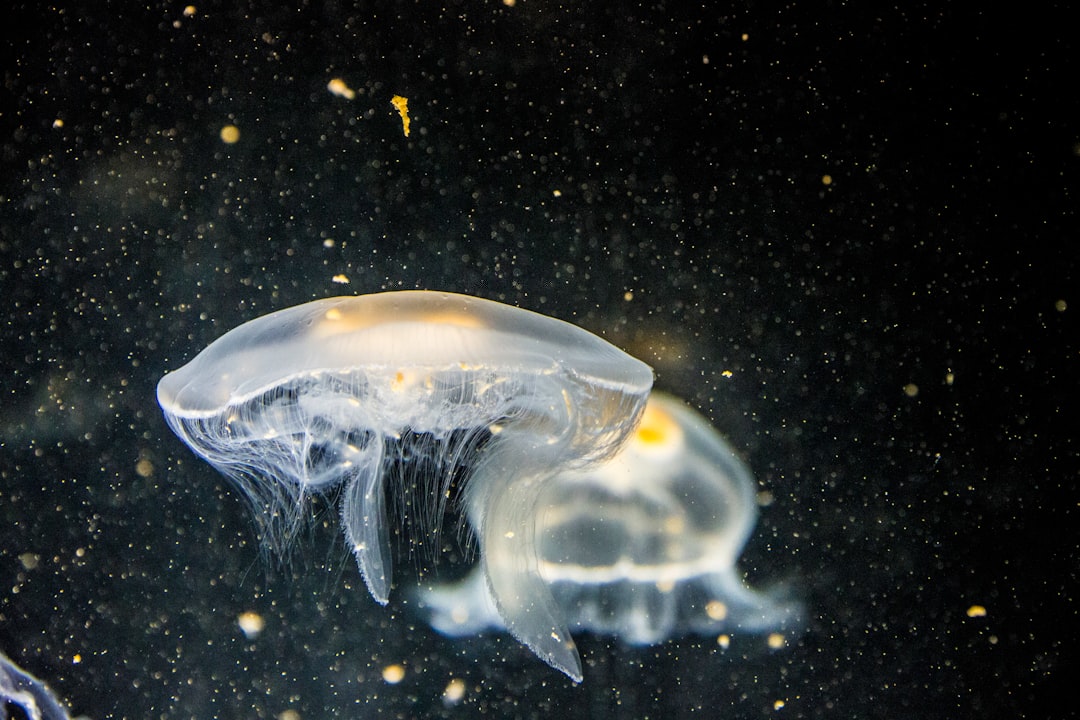
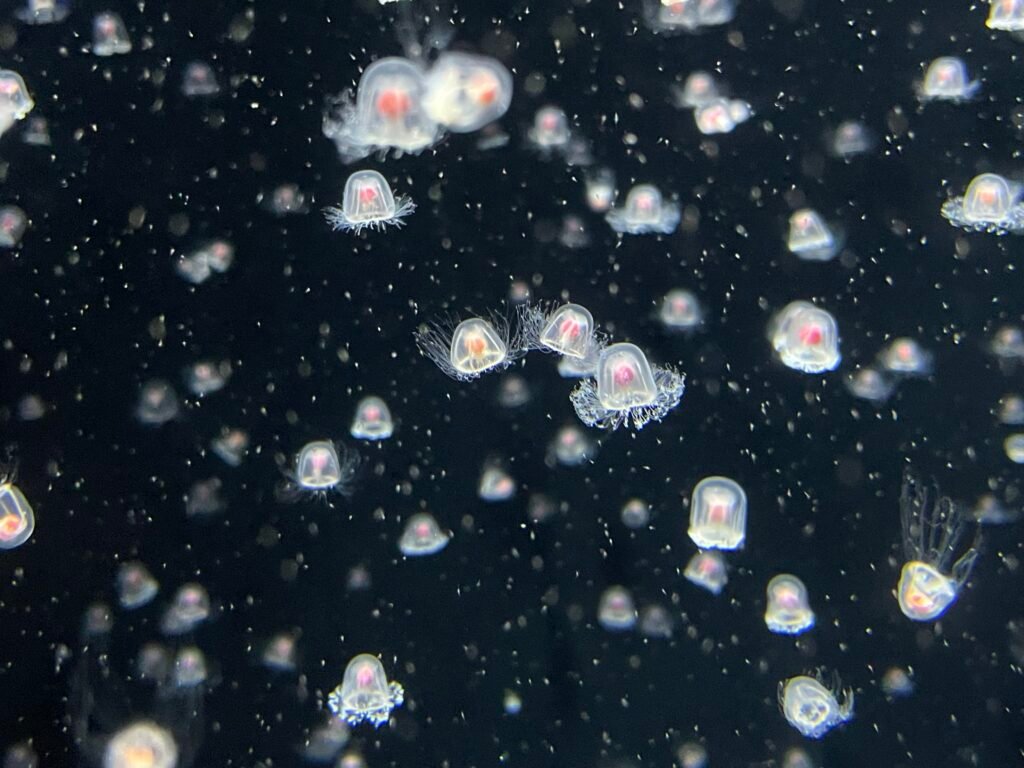
The Turritopsis dohrnii, better known as the immortal jellyfish, is a creature that defies the natural order of life and death. Found in the Mediterranean Sea and the waters of Japan, this jellyfish has developed the astonishing ability to revert its cells to an earlier state. When faced with environmental stress or physical damage, it can transform back into its juvenile form, effectively resetting its biological clock. This process, known as transdifferentiation, is akin to a butterfly turning back into a caterpillar. It’s a fascinating glimpse into the potential for biological immortality, a concept that captivates scientists and dreamers alike.
2. The Mantis Shrimp: A Punch of Lightning
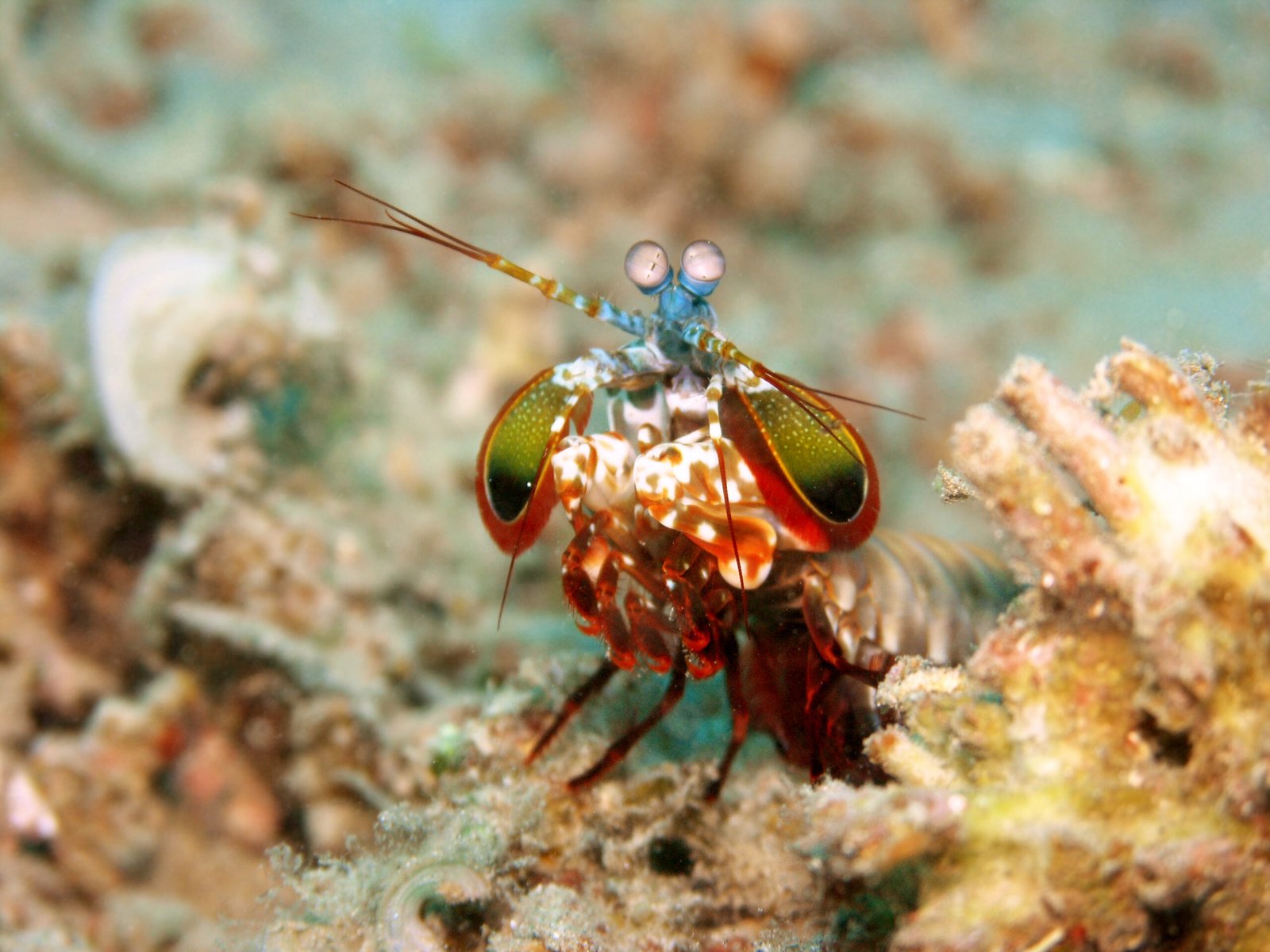
With eyes that can see polarized light and a punch that can shatter glass, the mantis shrimp is a marvel of evolutionary engineering. These vibrant crustaceans, often found in tropical and subtropical waters, boast 16 types of photoreceptors, compared to the three in human eyes. This grants them an unparalleled ability to perceive the world in a spectrum of colors beyond human comprehension. But it’s their punch, delivered with the speed of a .22 caliber bullet, that truly sets them apart. This rapid strike is used to crack open the hard shells of prey, showcasing a blend of speed and power that rivals any fictional superpower.
3. The Electric Eel: Nature’s Power Generator
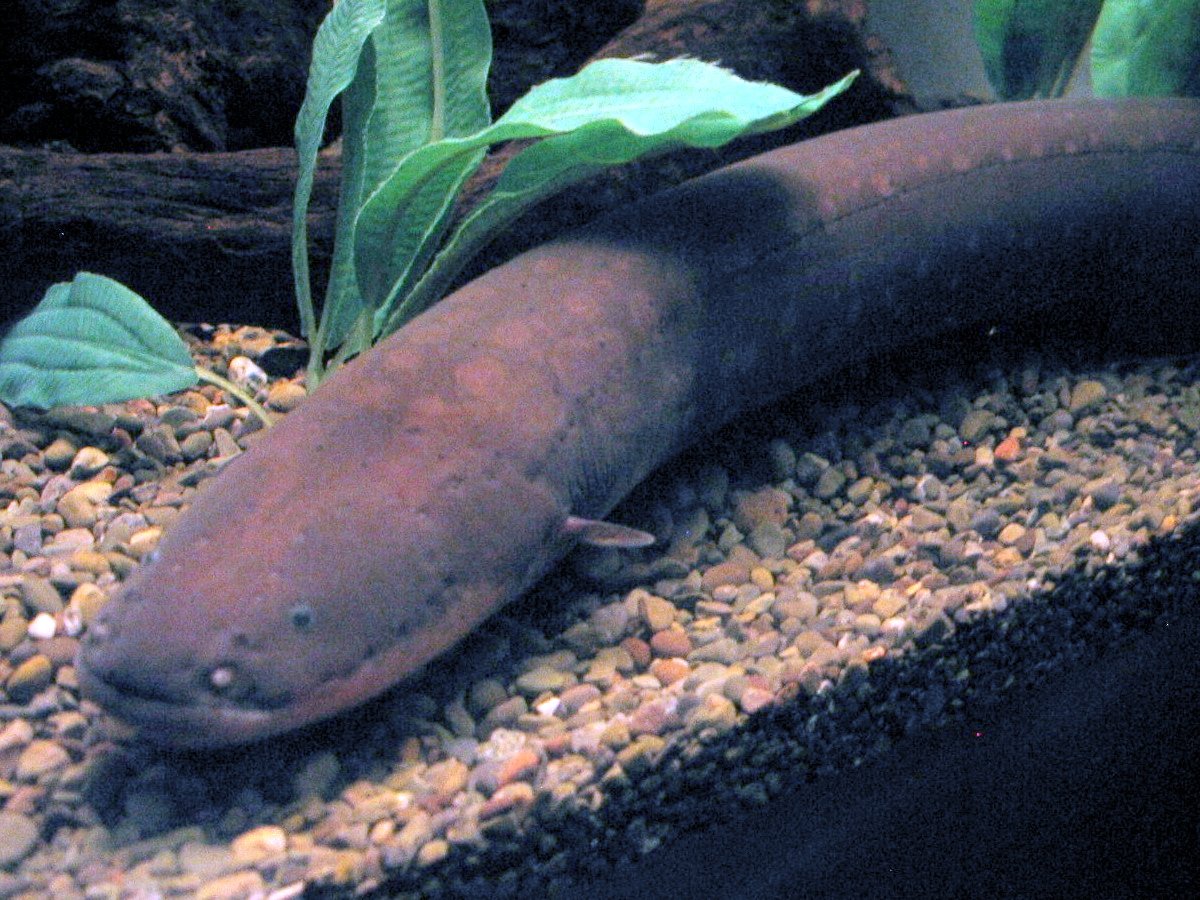
In the murky waters of the Amazon and Orinoco basins, the electric eel reigns as a formidable predator. Despite its name, this creature is more closely related to catfish than true eels. It has the ability to generate electric shocks of up to 600 volts to stun prey, communicate, and navigate its environment. This electricity is produced by specialized cells called electrocytes, which act like tiny batteries. The electric eel’s ability to harness and utilize power in this way provides insight into the potential for bioelectricity in technology and medicine, making it a subject of fascination for scientists worldwide.
4. The Axolotl: Regeneration Extraordinaire
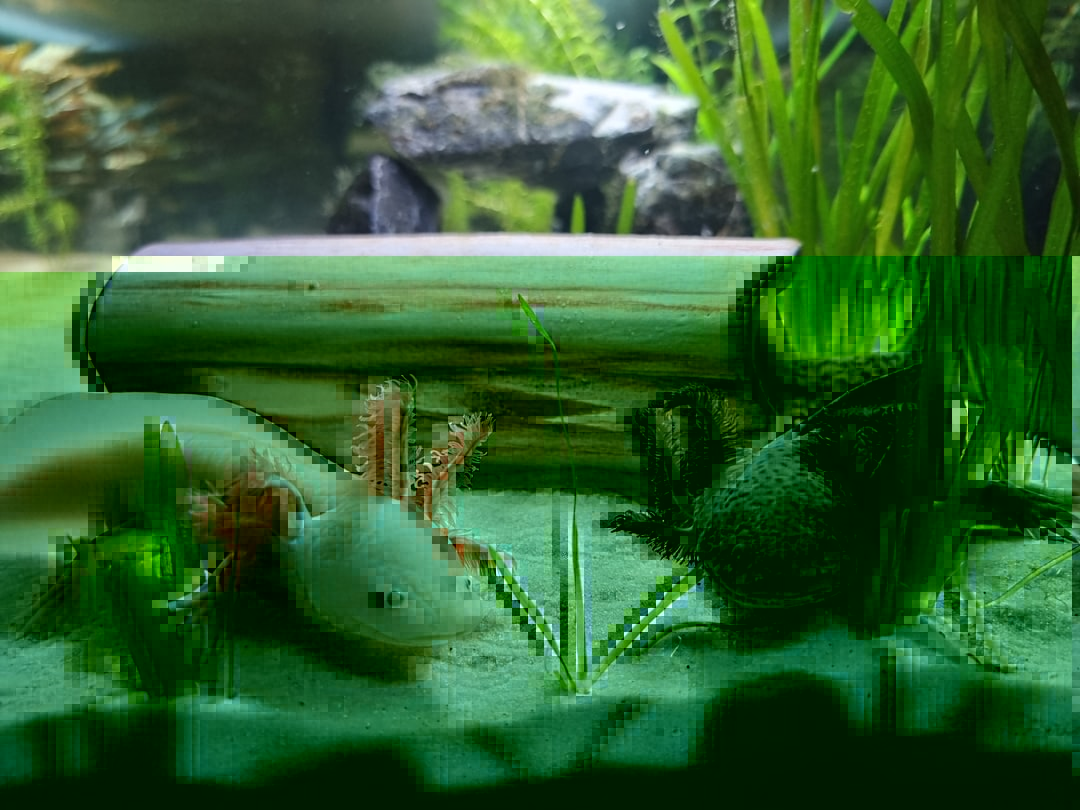
The axolotl, a species of salamander native to the lakes of Mexico City, is renowned for its remarkable regenerative capabilities. Unlike most vertebrates, axolotls can regrow entire limbs, spinal cords, and even parts of their brains without scarring. This regeneration is facilitated by a unique combination of immune system responses and cell activity, a process that continues to intrigue researchers. The axolotl’s ability to heal and regenerate offers valuable insights into regenerative medicine and the potential for healing in humans, highlighting the wonders of nature’s own repair systems.
5. The Bombardier Beetle: Chemical Warfare Expert
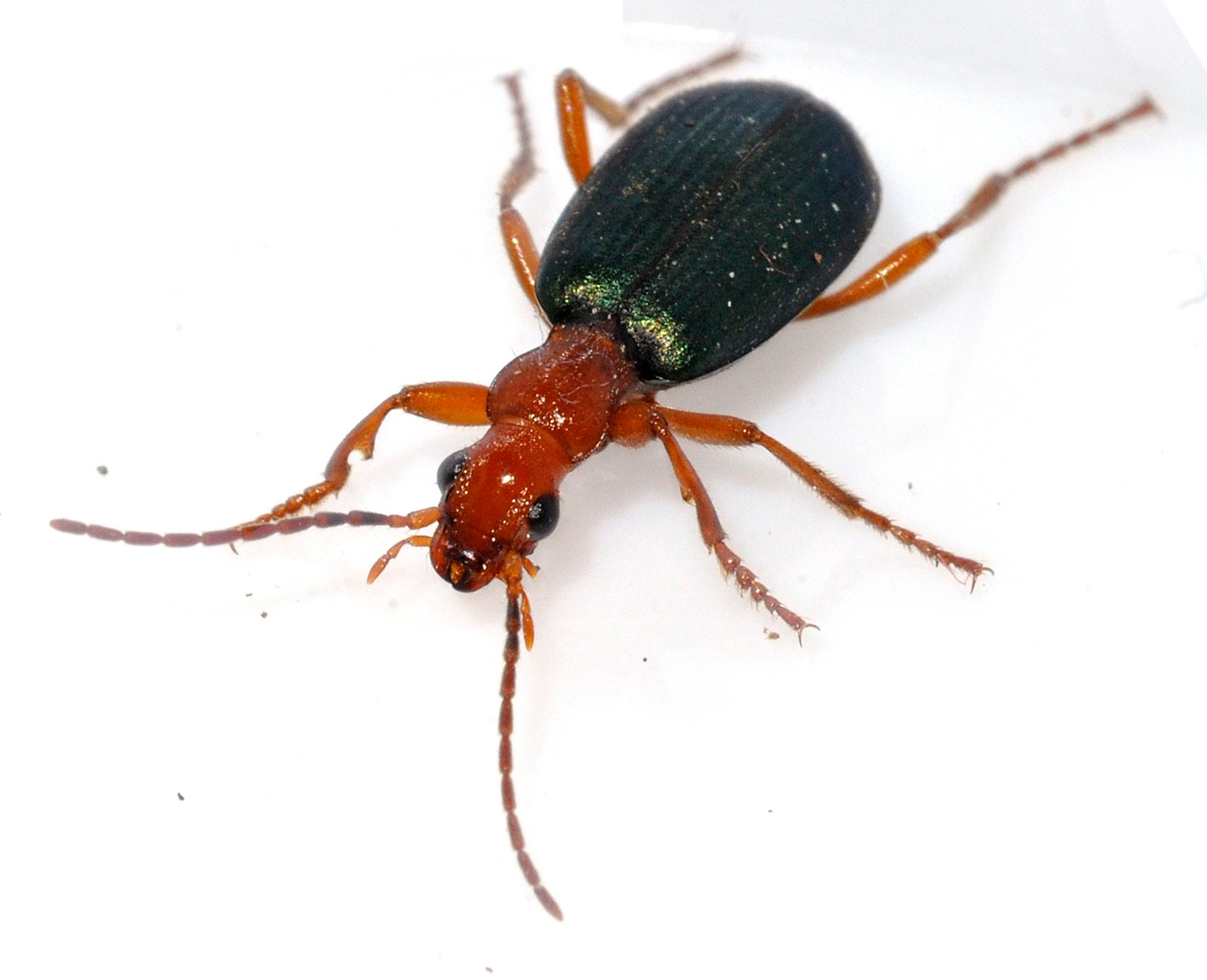
The bombardier beetle is a small insect with a big defense mechanism. When threatened, it ejects a boiling hot chemical spray from its abdomen with remarkable accuracy. This spray is the result of a chemical reaction between hydrogen peroxide and hydroquinone, stored separately in the beetle’s body until needed. The explosive reaction deters predators and illustrates the incredible adaptability of nature. This beetle’s unique defense system has inspired biomimetic designs in engineering, showcasing how nature’s innovations can influence human technology.
6. The Lyrebird: Nature’s Master Mimic
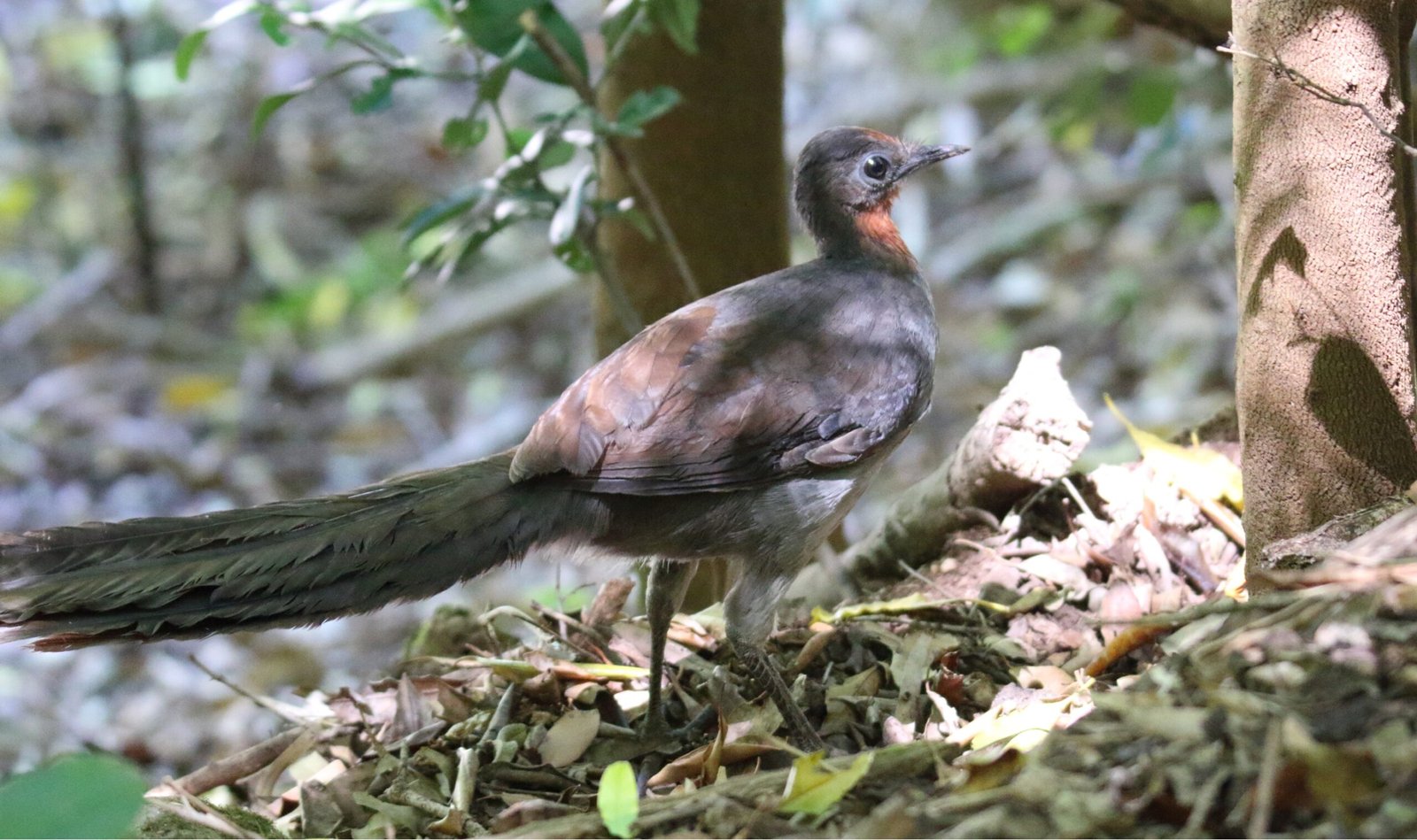
Deep in Australia’s forests, the lyrebird captivates with its extraordinary vocal talents. This avian virtuoso can mimic almost any sound it hears, from chainsaws to camera shutters. Its vocal prowess is supported by a complex syrinx, the bird’s vocal organ, allowing it to produce a wide array of sounds. This ability is not just for show; male lyrebirds use their mimicry skills to attract mates and ward off rivals. The lyrebird’s talents demonstrate the intricate communication methods developed by animals and offer a fascinating perspective on the evolution of language and sound.
7. The Archerfish: A Precision Hunter
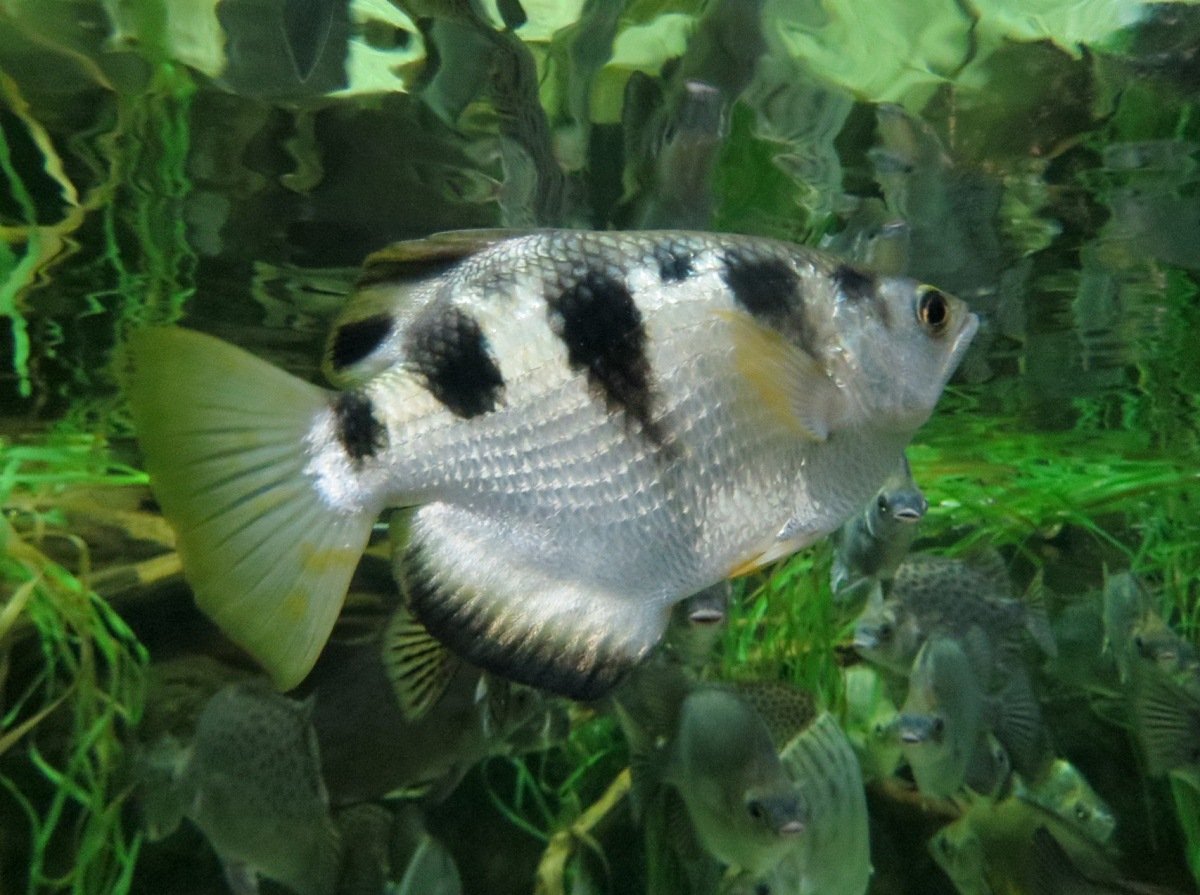
The archerfish, native to Southeast Asia and northern Australia, is a master of precision and strategy. This fish can shoot jets of water from its mouth to knock insects off overhanging leaves and branches into the water below. This remarkable ability is due to the fish’s keen eyesight and the fine control it has over the shape of its mouth and tongue. The archerfish’s hunting technique is a testament to the diverse and ingenious methods animals use to secure food, reflecting the adaptability and resourcefulness of life in the wild.
8. The Tardigrade: The Indestructible Microscopic Marvel
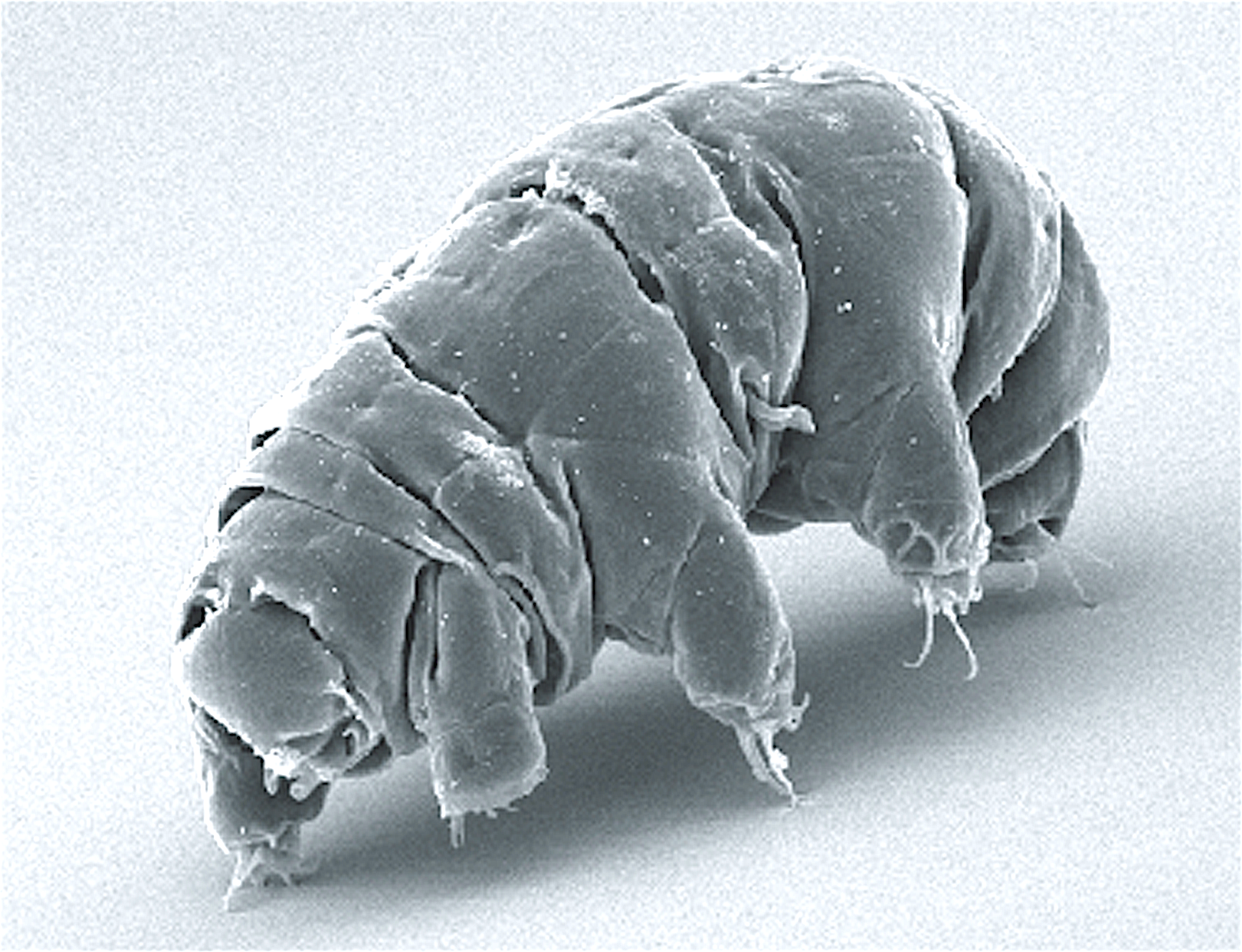
Tardigrades, also known as water bears, are microscopic creatures renowned for their resilience. These tiny organisms can survive extreme temperatures, radiation, and even the vacuum of space. They achieve this by entering a cryptobiotic state, where their metabolic processes slow to a near halt. Tardigrades are a living testament to life’s ability to endure the harshest conditions, offering hope and inspiration for the potential of life beyond Earth. Their remarkable survival skills make them a subject of interest in astrobiology and the study of life’s boundaries.
In the grand theater of life, these real-life Pokémon demonstrate the incredible adaptability and creativity of evolution. Their extraordinary abilities remind us of the boundless potential of the natural world and inspire us to explore the mysteries that still lie beyond our understanding.