

Imagine stepping outside after a thunderstorm to find not just puddles and fallen leaves, but scattered rocks littering your yard. This isn’t the stuff of science fiction or ancient mythology – it’s a baffling atmospheric phenomenon that has puzzled scientists and terrified communities for centuries. While we’ve all experienced rain, hail, and even strange weather like fish falling from the sky, the mystery of stone rain represents one of nature’s most perplexing riddles.
You might think you know everything about what can fall from the heavens, but prepare to have your assumptions shattered. From hardened mud balls that plummet during storms to unexplained showers of genuine rocks that have lasted for days, these geological anomalies defy our understanding of meteorology and physics. The truth behind these stone showers is stranger than fiction, and the scientific community is still scratching their heads trying to explain them.
The Science Behind Armored Mud Balls

When storms unleash their fury, they create more than just wind and rain – they forge natural projectiles that seem to defy gravity. Armoured mud balls are large balls of silt and clay, coated (armoured) with a poorly sorted mixture of gravel and sand. In many cases they are nearly spherical, with diameters ranging from a fraction of a centimetre to 50 centimetres (20 inches) but commonly 5–10 centimetres (2–4 inches).
The balls originate as clay chunks that are broken from a stream bank by erosion and then rolled downstream, acquiring armour as the sand and gravel grains press into the soft exterior until the surface is sufficiently covered to seal it off. Picture this process like nature’s own cement mixer, where rushing floodwaters tumble clay pieces until they become rock-hard spheres coated with debris.
Imagine a Jurassic thunderstorm that generated a flash flood. Pieces fell into the rushing current becoming round and coated (armored) with streambed pebbles. These ancient examples show us that this phenomenon has been shaping our planet for millions of years, creating geological time capsules that reveal the violent storms of Earth’s distant past.
Historical Accounts of Stone Rain Mysteries

The phenomenon of raining stones has been reported to continue for multiple days or even weeks, often involving rocks of a size that seems too substantial to be transported great distances by wind. This isn’t just modern hysteria – historical records stretch back centuries with chilling consistency.
One of the earliest accounts is from 1557, when Conrad Lycosthenes’s “Chronicles of Prodigies,” described a rain of stones bringing death to people and livestock. These weren’t gentle pebbles but deadly projectiles that could crush anything in their path. The medieval chroniclers described scenes that sound like something from an apocalyptic movie.
Since that event, numerous other instances of stones falling from the sky have been documented, including in Sumatra (1903), Belgium (1913), France (1921), Australia (between 1946 and 1962), New Zealand (1963), New York (1973), and Arizona (1983). The global nature of these reports suggests this isn’t just regional folklore but a real atmospheric phenomenon.
The Harrisonville Stone Storm of 1901
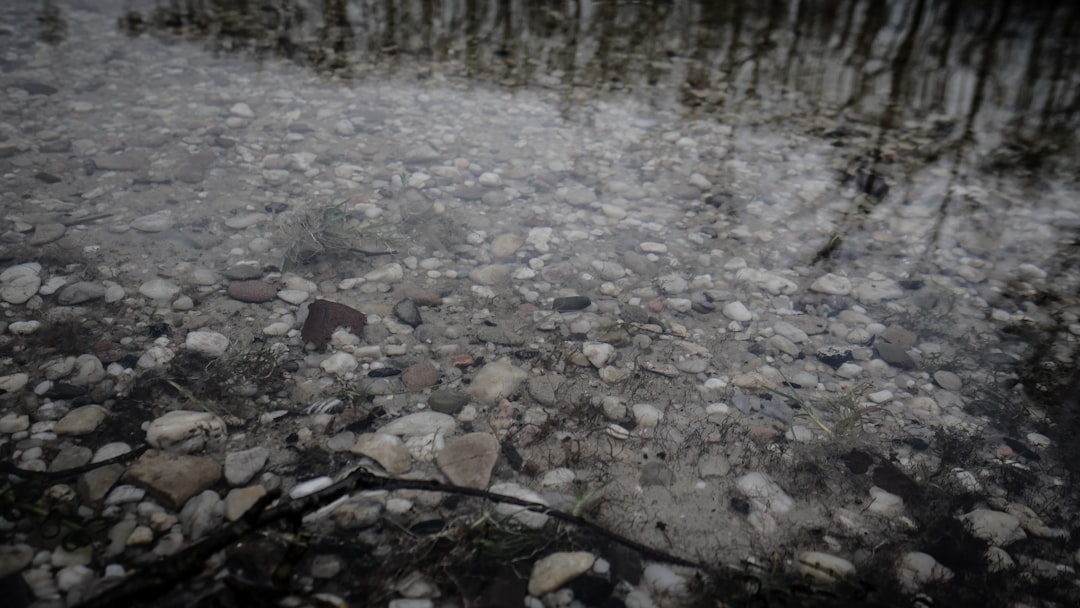
One of the most documented and terrifying cases occurred in a small Ohio town that became ground zero for nature’s inexplicable fury. One reported case of falling stones allegedly occurred in Harrisonville, Ohio, in Oct. 1901. The Buffalo Express, a small local newspaper, reported that on Oct. 13, “a small boulder came crashing through the window of Zach Dye’s house.” Nobody was seen in the vicinity.
In a few days, the entire town was purportedly besieged by stones and boulders falling from a clear sky. Baffled about the origin of these stones, the townspeople gathered all the men and boys of Harrisonville to ensure the phenomenon was not being perpetrated by a band of mischief-makers. The desperation in their actions reveals just how terrifying and inexplicable this experience must have been.
However, the stones continued to fall. Several days later, the stone rain ceased as abruptly as it had begun. The suddenness of both the beginning and end of this phenomenon adds another layer of mystery that scientists still struggle to explain today.
Hardened Mud Formations in Modern Times
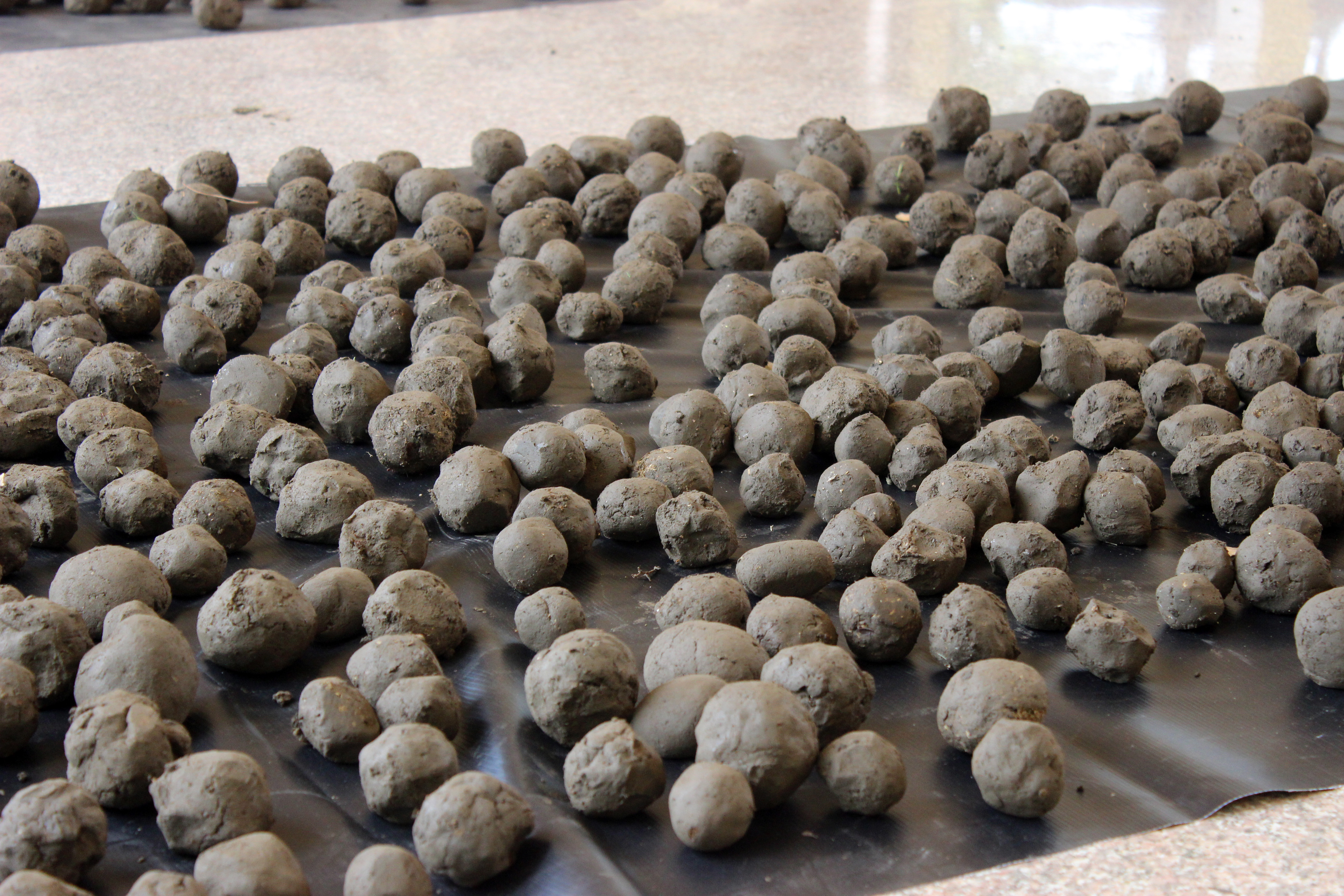
Armoured mud balls were observed after rainfall and a short flood in the otherwise dry Xiaohe (small river) valley of Guanling County, Guizhou Province, South China. A number of well-rounded mud balls, 2–20 cm in diameter, were found lying on the gravel of the Xiaohe gully floor. These modern observations help scientists understand how ancient processes still occur today.
The mud balls consist of sticky, light brown and slightly mottled clay without carbonate content. The surfaces of the mud balls were studded with rims of sand- or gravel-size limestone clasts, collected during bedload transport, as is typical for armoured mud balls. When you examine these formations up close, they look like natural cannonballs forged by the Earth itself.
Mud balls are another post-storm debris component. The mud balls are rounded by the waves and roll up onto the beach during big storms. Coastal areas provide perfect laboratories for observing these phenomena, where the combination of storm energy and sediment creates these mysterious spherical rocks.
Scientific Theories and Explanations
Another common hypothesis is that tornadoes or similar weather conditions might cause stones to fall. However, stone rains have been reported even in calm weather and in countries not typically affected by tornadoes. Moreover, tornadoes can only pick up debris and shoot it out in ballistic trajectories, they don’t cause debris to descend from the sky far from the initial location.
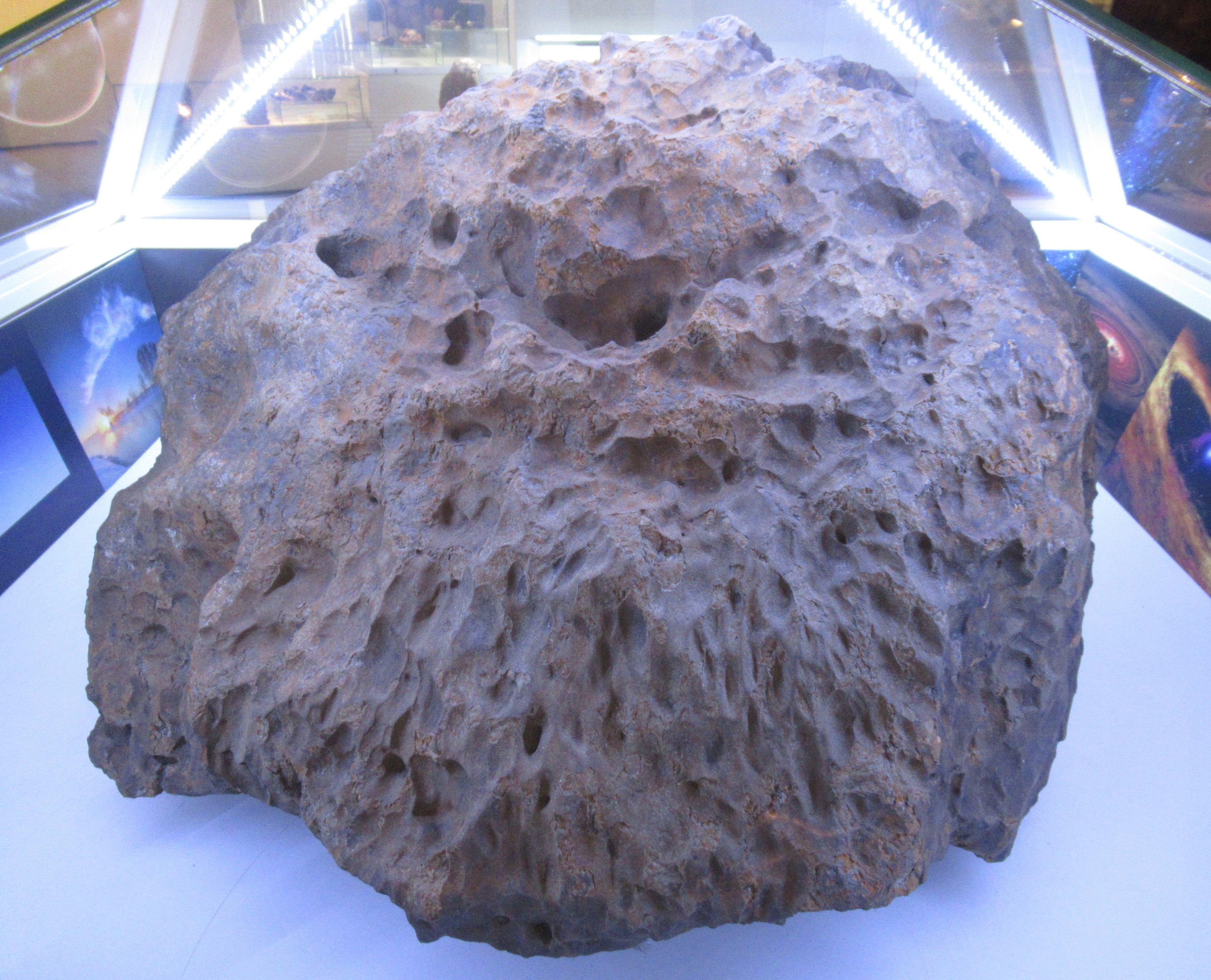
Some specialists have proposed that a meteorite entering the Earth’s atmosphere and breaking into smaller pieces might cause raining stones. However, such an event typically creates a sonic boom, a phenomenon not reported in any of these cases. Additionally, this explanation would struggle to account for instances where the phenomenon lasts for several days or even weeks.
Jerry Dennis writes in his book It’s Raining Frogs and Fishes: Four Seasons of Natural Phenomena and Oddities of the Sky, that theoretical calculations suggest that “golf ball-sized hail requires an updraft of more than 100 miles per hour, which would be more than powerful enough to loft small fish high into a thundercloud.” However, some occurrences of falling objects cannot as easily be explained by this theory. The sheer weight and size of some reported stones challenges even our most generous atmospheric theories.
Geological Formation Through Storm Activity
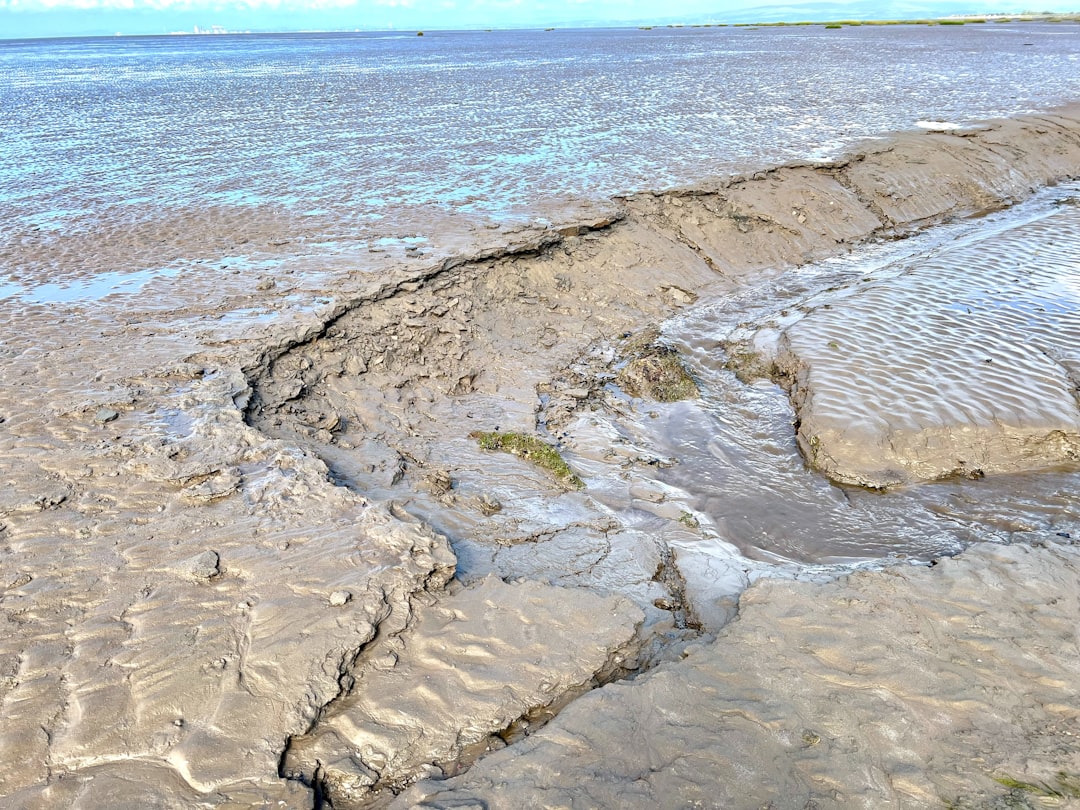
A mud flow is a geologic phenomenon whereby a wet, viscous fluid mass of fine-to-coarse-grained material flows rapidly and turbulently downslope, usually in a drainageway. Typically a torrential rainfall or very rapid snowmelt runoff is the initiating factor. The result is rapid erosion and transport of poorly consolidated surficial materials that have accumulated in the upper reaches of the drainage area.
The moving mixture of water, soil, rock and vegetation most commonly has the consistency of freshly mixed concrete. As it moves down a drainageway, a mud flow may incorporate nearly anything in its path – trees, rocks, and debris left by previous flows – that in turn increase the erosive power and destruction energy of the moving mass. These powerful geological forces can create the hardened spheres that later fall as mysterious stone rain.
After formation, storms throw the mud balls onto the beach. Depending upon the temperature prevailing at the time, the balls are soon destroyed, either by dessication or by frost heaving. This cycle of creation and destruction helps explain why these formations are found sporadically and why they seem to appear suddenly after storms.
The Unexplained Atmospheric Mysteries
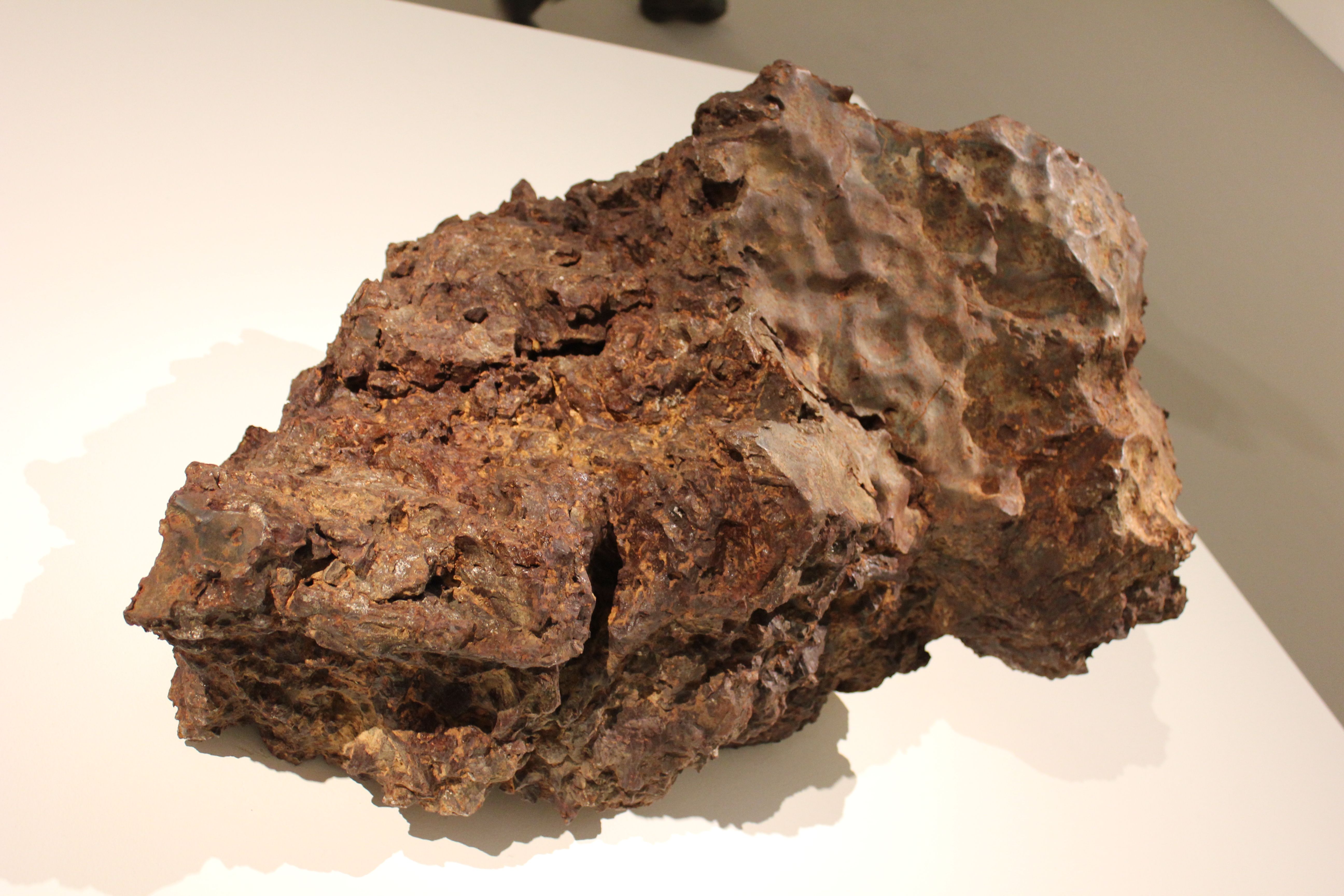
Scientists have admitted that they really do not have a definitive answer to the strange phenomena of raining stones. Over the years, many theories have been proposed ranging from poltergeist activity to supernatural beings, gangs of stone-throwers, volcanoes, meteorites, tornadoes, and even divine retribution. The desperation in these explanations reveals just how stumped the scientific community remains.
As is often the case with unusual and unexplained phenomena, scientists and academics have typically been hesitant to scrutinize the subject in depth. Scientists have openly acknowledged their lack of a conclusive explanation for the peculiar phenomenon of raining stones. This reluctance to investigate thoroughly means we’re still largely in the dark about these phenomena.
During the Middle Ages, occurrences of stones falling from the sky were attributed to creatures of supernatural origin or even the devil. In 1690, folklorist Robert Kirk wrote in his book “The Secret Commonwealth” that falling stones were caused by subterranean inhabitants called “invisible wights” – similar to goblins or brownies – which would hurl the stones around, but never with the intention to hurt anyone. While we laugh at these supernatural explanations today, they highlight humanity’s desperate need to understand the inexplicable.
Modern Research and Future Investigations

A potential starting point might be examining the stones themselves to determine if they originate from the area where they fall or are from elsewhere, possibly even from outer space. Until such inquiries are made, we are left conjecturing about what might cause this curious phenomenon. Modern analytical techniques could finally unlock these ancient mysteries if scientists would commit to serious investigation.
Greenfield Community College reportedly has notable examples of armored mud balls, one of the rarest geologic features. These ancient (Jurassic Period) specimens are displayed in the College’s “Geology Path.” Studying these ancient specimens provides crucial insights into how atmospheric and geological forces have been creating these enigmatic formations throughout Earth’s history.
Today’s advanced meteorological instruments and satellite technology offer unprecedented opportunities to monitor and analyze these phenomena in real-time. Yet the rarity and unpredictability of stone rain events make them incredibly difficult to study systematically. Each new report brings us tantalizing clues, but the complete picture remains frustratingly elusive.
Conclusion
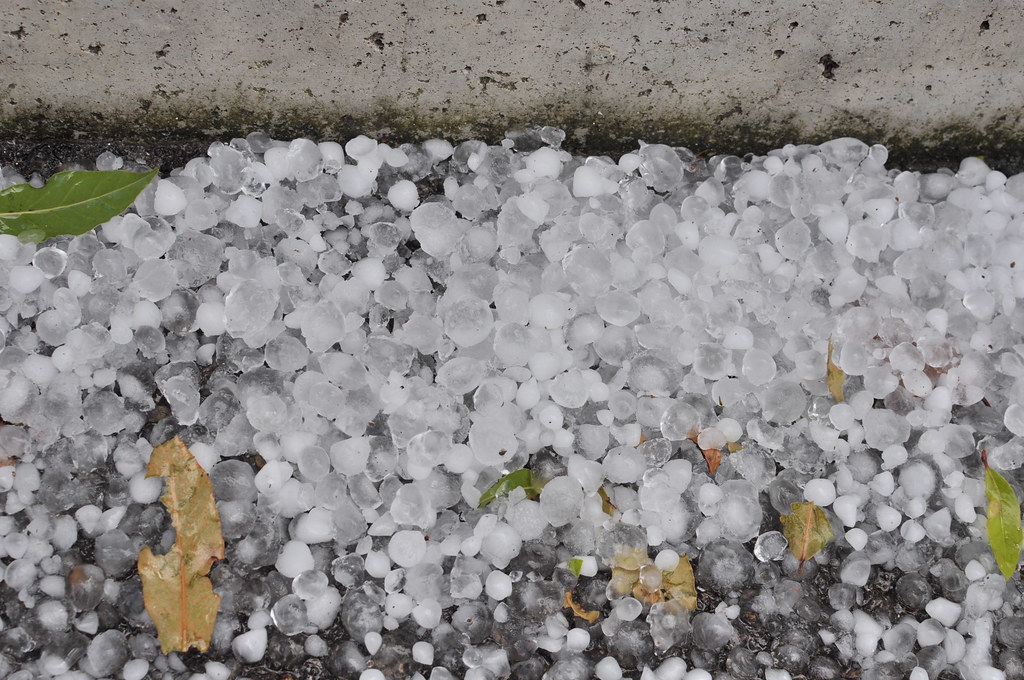
The mystery of rock hail and hardened mud balls falling from the sky represents one of nature’s most enduring puzzles. From the terrifying stone siege of Harrisonville in 1901 to modern observations of armored mud balls along riverbanks, these phenomena challenge our understanding of atmospheric physics and geological processes. While we’ve learned that some instances can be explained by flash floods creating hardened spheres that are later transported by storms, many cases remain completely unexplained.
The scientific community’s reluctance to investigate these phenomena thoroughly has left us with more questions than answers. Whether these events are purely geological anomalies, unexplored atmospheric mechanics, or something even more mysterious, they remind us that our planet still holds secrets that defy explanation. The rain that falls as stones continues to puzzle researchers and captivate those brave enough to venture into the unknown realms of Earth’s most bizarre weather.
What do you think about these mysterious stone rains? Tell us in the comments.
Jan loves Wildlife and Animals and is one of the founders of Animals Around The Globe. He holds an MSc in Finance & Economics and is a passionate PADI Open Water Diver. His favorite animals are Mountain Gorillas, Tigers, and Great White Sharks. He lived in South Africa, Germany, the USA, Ireland, Italy, China, and Australia. Before AATG, Jan worked for Google, Axel Springer, BMW and others.