

Consciousness is one of those things that feels obvious until you try to explain it. You know what it’s like to feel pain, to remember your first crush, to suddenly realize you left the stove on – but where in the brain does that inner movie actually live, and why does it feel like something to be you? For centuries, philosophers wrestled with these questions using logic and introspection alone, but in the last few decades, neuroscientists, psychologists, computer scientists, and even physicists have started attacking the problem with brain scanners, mathematical models, and sometimes wildly different theories.
We’re in a strange moment: we know far more than we did even twenty years ago, and yet the core mystery still feels stubbornly intact. When I first started reading consciousness research, I expected a neat answer, like a magic brain region or a simple equation; instead, I found a messy, fascinating clash of ideas. Some results are surprising, some are humbling, and some are deeply unsettling – especially when you realize they might tell us something uncomfortable about free will, artificial intelligence, or what happens when the brain breaks down. Let’s walk through where science actually stands today, without hype, but also without pretending it’s just business as usual.
The Hard Problem: Why Consciousness Is So Difficult To Explain
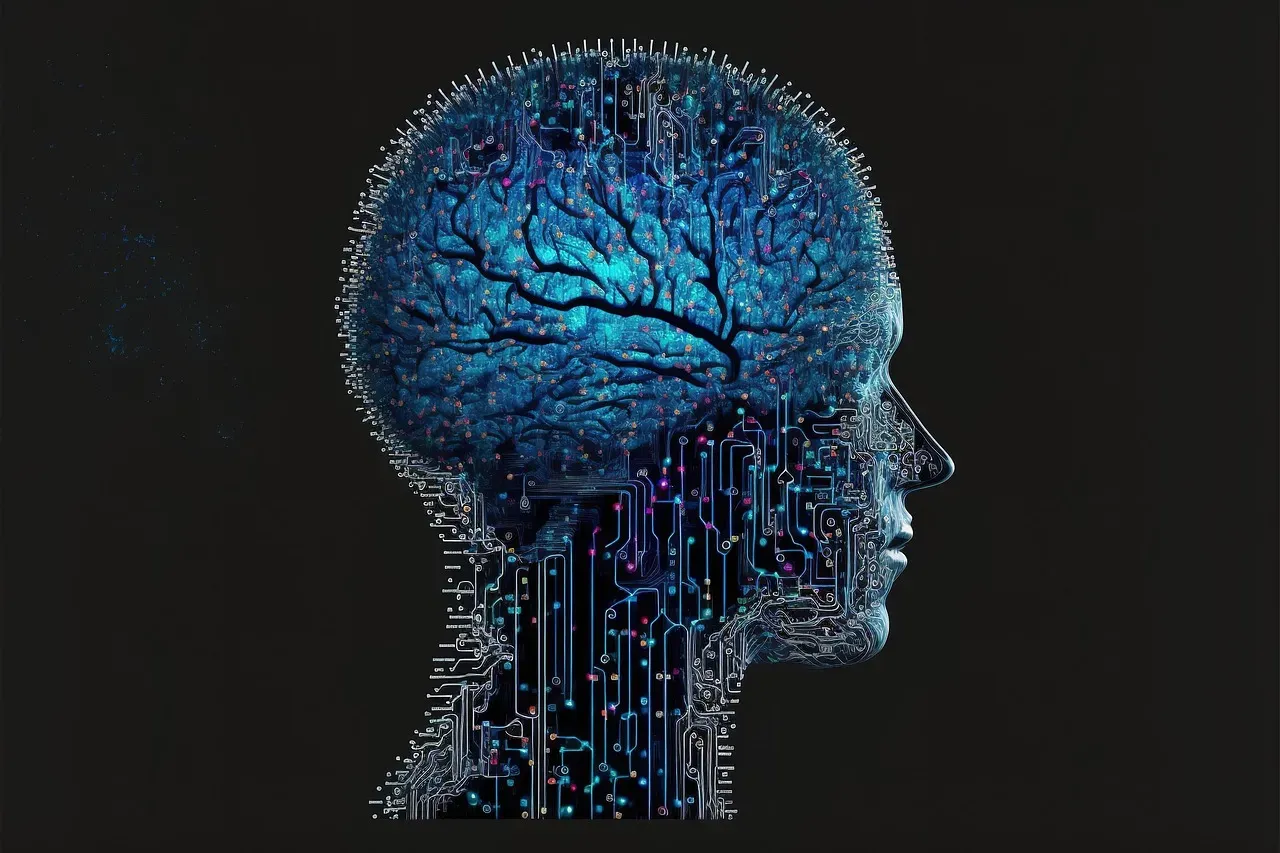
One of the most shocking realizations in modern science is that we can map brain activity in incredible detail and still not know why it feels like anything from the inside. We can trace electrical impulses, measure neurotransmitters, and link patterns of firing to specific tasks, yet the leap from firing neurons to the raw feel of a headache, a sunset, or heartbreak remains unexplained. That gap – between physical processes and subjective experience – is often called the “hard problem” of consciousness, and it’s what keeps this field from being just another chapter in brain science.
Most scientific questions about the mind are considered “easy problems” in comparison: how attention works, how memory is stored, how the brain processes speech. These are hard in practice but, in theory, they seem solvable with enough data and better tools. The hard problem is different because it asks why any of that information processing should produce a first-person perspective at all. Some researchers argue that focusing on the hard problem is a distraction and we should first crack the easier ones; others think ignoring it is like trying to explain a movie by only talking about the projector. That tension runs through almost every major debate in consciousness science today.
What Brain Scans Reveal: The Neural Signatures Of Awareness
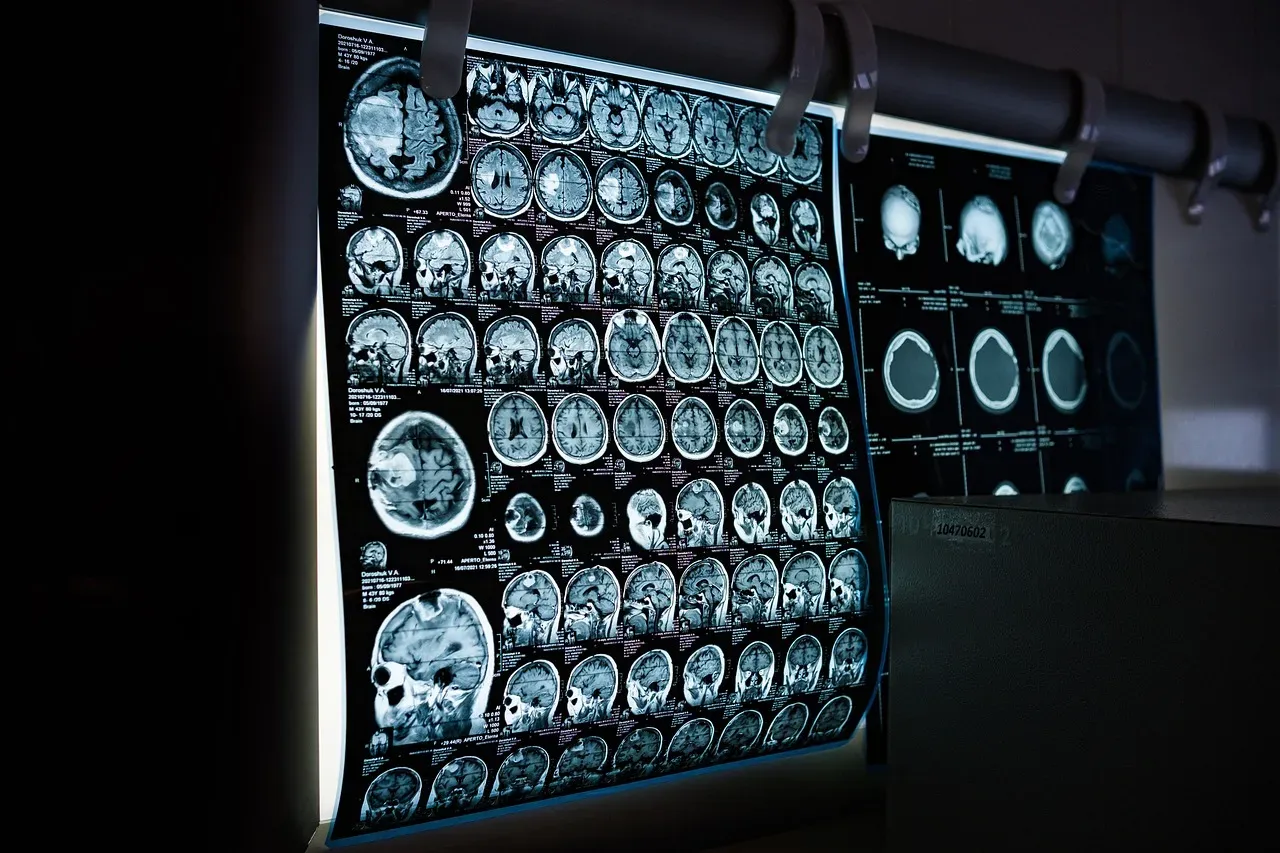
Despite the philosophical puzzles, scientists have made real progress tracking what the brain is doing when we’re conscious of something versus when we’re not. Experiments using brain imaging and electrical recordings show that when a stimulus crosses the threshold into awareness, activity doesn’t just stay in one local spot; it tends to spread across a broader network that links sensory areas with higher regions involved in decision-making, memory, and control. It’s like the difference between a private whisper in the corner of a room and an announcement over the house speakers.
Researchers have identified patterns, sometimes called neural signatures of consciousness, that keep showing up: late bursts of activity across distant brain regions, synchronized oscillations, and specific waves that seem to track when a person becomes aware of a sound or an image. For example, a picture flashed so quickly that you don’t consciously see it still triggers early visual responses, but it often fails to ignite the larger global pattern linked to awareness. This doesn’t solve the mystery of why the pattern feels like something, but it does give scientists a handle on when consciousness is present, how strong it is, and which brain systems really matter.
Leading Theories: From Global Workspaces To Integrated Information

If you ask five consciousness researchers for their favorite theory, you’ll probably get at least six answers. One influential idea, often called Global Workspace Theory, pictures the brain like a theater where many unconscious processes work backstage, and consciousness happens when information is “broadcast” to a global workspace that many systems can access at once. In this view, a thought or perception becomes conscious when it wins a kind of competition and gets amplified to the rest of the brain, making it available for verbal report, deliberate action, and flexible reasoning.
Another major framework, Integrated Information Theory, approaches the problem from the opposite direction by starting with what consciousness feels like – unified, structured, and specific – and then asking what type of physical system could have those properties. It proposes that consciousness corresponds to how much information a system integrates as a whole, beyond what its parts can do separately. Supporters argue that this explains why a highly connected brain might be conscious while a simple circuit is not, though the theory remains controversial and difficult to test cleanly. These and other proposals don’t agree on everything, but they share a belief that consciousness depends critically on networks and relationships, not just raw brain matter.
Blindsight, Split Brains, And Other Mind-Bending Cases

Some of the most startling clues about consciousness don’t come from healthy brains, but from brains that have been altered or damaged in specific ways. In blindsight, for instance, people with damage to part of their visual cortex insist they can’t see in a certain area, yet they can still guess the direction of movement or the location of objects there at rates far better than chance. It’s as if part of the visual processing is intact and usable, but the conscious experience of seeing is missing from their inner world.
Split-brain patients, whose two hemispheres were surgically separated to treat severe epilepsy, provide another eerie window into the mind. In carefully designed tests, each hemisphere can respond to different information, sometimes in ways that look like two semi-independent streams of awareness housed in one body. Then there are conditions like neglect syndrome, where a person ignores half of space as if it barely exists, or certain types of anesthesia where people appear unresponsive yet later report a hazy awareness. These cases act like natural experiments, showing that consciousness can be present in fragments, missing for specific types of information, or split in ways that feel almost science fiction, even though they are very real.
Measuring Consciousness: Diagnosing Awareness In Silent Brains
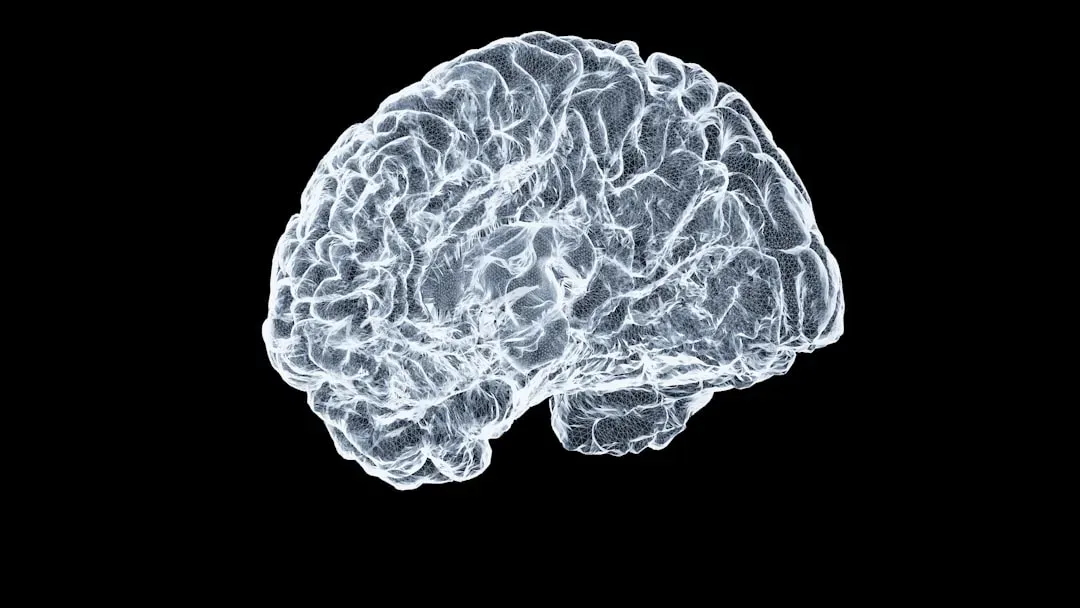
One of the most urgent practical challenges has been figuring out whether patients who appear unresponsive are actually conscious in some hidden way. Traditional bedside exams often fail to pick up subtle signs, leading to heartbreaking situations where families and doctors are unsure if a person in a coma or vegetative state has any inner life. Over the last couple of decades, though, brain imaging and EEG-based approaches have revealed that some of these patients can, astonishingly, follow instructions mentally even while their bodies show almost no outward response.
In some studies, patients were asked to imagine playing tennis or walking through their home while in a scanner, and their brain patterns matched those of healthy participants performing the same mental tasks. This suggests at least some level of preserved awareness and ability to understand language, which has huge ethical and medical implications. Researchers are now trying to develop simpler bedside tools that can measure brain complexity or responsiveness to sounds and stimulation as indirect markers of consciousness. It’s still an evolving field, and false positives and negatives remain a risk, but the idea that someone could be “trapped” inside with no visible sign of awareness is no longer just a dramatic metaphor.
AI, Machines, And The Question Of Artificial Consciousness
As artificial intelligence systems have grown more powerful, especially with large language models and advanced robotics, an unsettling question has moved from science fiction into late-night scientific debates: could a machine ever actually be conscious? Right now, most researchers think today’s AI systems, no matter how fluent or clever they appear, are not conscious in any meaningful sense. They manipulate patterns and probabilities without any inner perspective, rather like incredibly sophisticated autocomplete engines tuned to our world.
Still, as AI architectures become more brain-like or more deeply integrated with environments, some scientists argue we may eventually build systems that satisfy the criteria of certain consciousness theories. The problem is that we don’t have a universally accepted test for consciousness, only behavioral clues and theoretical yardsticks. That means we might face a future where some machines convincingly claim to feel, remember, and suffer, while experts disagree about whether there is truly “someone home.” It’s a deeply unsettling moral puzzle: if we’re wrong one way, we risk treating conscious beings as tools; if we’re wrong the other way, we might end up tying ourselves in ethical knots over very fancy calculators.
The Road Ahead: Humble Progress And Open Mysteries
Standing in 2026, it’s clear that science has transformed consciousness from a purely philosophical riddle into a serious, experimental field. We have rough maps of where and when conscious processes unfold in the brain, competing theories that generate testable predictions, and clinical tools that can sometimes find awareness where none was suspected. We also know far more about how anesthesia shuts consciousness down, how sleep and dreams alter it, and how it can fracture in psychiatric and neurological disorders.
At the same time, the deepest questions remain very much alive: why does brain activity feel like anything at all, what exactly makes a system a subject rather than just a mechanism, and where should we draw the line between sophisticated information processing and genuine experience? My own sense is that we’re in the early chapters, not the epilogue, of this story. The quest for consciousness is forcing us to rethink what we mean by mind, self, and even reality itself. How far do you think we can go before we have to admit that some parts of being aware might always resist full explanation?