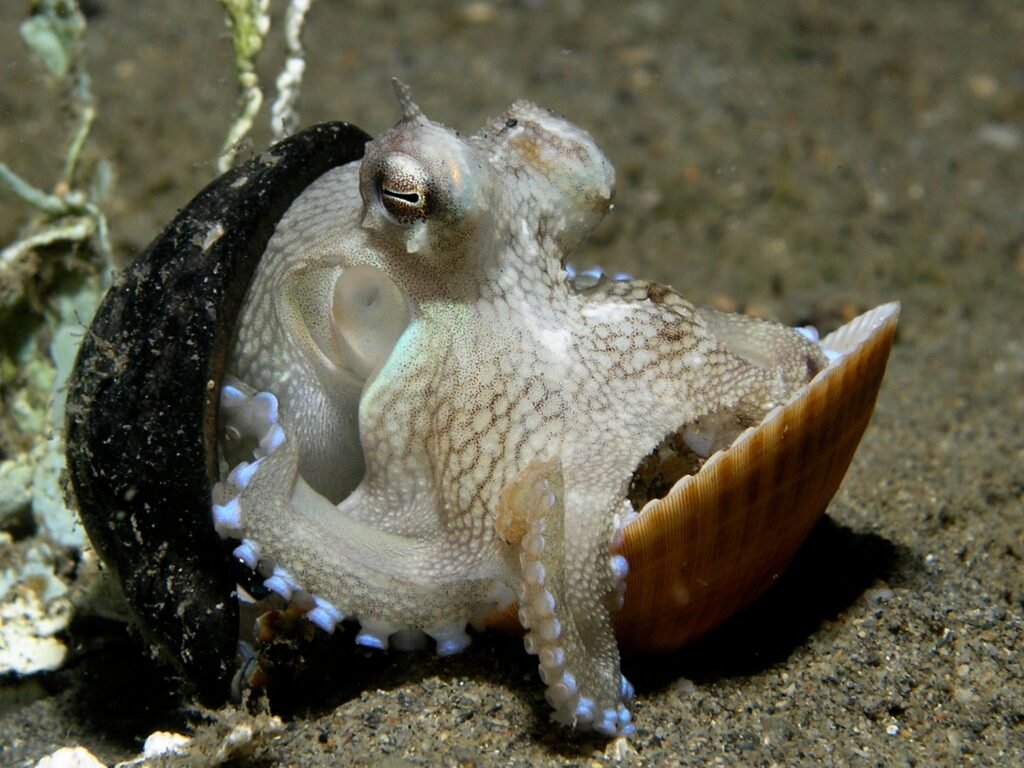

Imagine an alien intelligence hidden beneath the waves, capable of transforming its entire appearance in milliseconds while solving puzzles that would challenge even the brightest minds. This isn’t science fiction—it’s the extraordinary reality of the cuttlefish, one of nature’s most enigmatic creatures. With brains that literally change color as they think and cognitive abilities that rival those of vertebrates, these marine marvels are rewriting our understanding of intelligence itself.
The Mysterious World of Cuttlefish Intelligence

Cuttlefish possess one of the most sophisticated nervous systems in the invertebrate world, with approximately 500 million neurons packed into their relatively small bodies. Their brain-to-body ratio rivals that of many vertebrates, making them cognitive powerhouses in the cephalopod family. What sets them apart isn’t just their intelligence, but how they use it in ways that seem almost supernatural to human observers.
These remarkable creatures demonstrate problem-solving abilities that would make a computer programmer jealous. They can navigate complex mazes, remember solutions for extended periods, and even show signs of planning for future events. The way they approach challenges mirrors human cognitive processes, yet operates through completely different biological mechanisms.
The Color-Changing Brain Phenomenon

Perhaps the most astonishing discovery about cuttlefish is that their brains actually change color during different cognitive tasks. Scientists have observed that specific regions of the cuttlefish brain shift through various hues as the animal processes information, solves problems, or makes decisions. This visual representation of thought processes provides researchers with an unprecedented window into the working mind of these creatures.
The color changes aren’t random—they follow predictable patterns that correlate with specific types of mental activity. When a cuttlefish is engaged in spatial reasoning, certain brain regions might shift to deeper blues or purples, while social interactions might trigger warmer yellows and oranges. It’s like having a real-time mood ring for the mind, but infinitely more complex and scientifically significant.
Problem-Solving Abilities That Defy Expectations

Laboratory experiments have revealed that cuttlefish can solve multi-step puzzles that require both short-term memory and strategic thinking. They’ve been observed opening jars to reach food inside, navigating through transparent barriers, and even using tools in rudimentary ways. What’s particularly impressive is their ability to transfer learned solutions from one context to another, suggesting genuine understanding rather than mere trial and error.
One fascinating study showed cuttlefish successfully completing a delayed gratification test similar to the famous marshmallow experiment with children. The cuttlefish could wait for better food rewards, demonstrating impulse control and future planning—cognitive abilities once thought exclusive to higher vertebrates.
The Camouflage Connection to Cognitive Processing

The relationship between cuttlefish camouflage and their cognitive abilities runs deeper than most people realize. Their incredible ability to blend seamlessly with their environment requires real-time processing of visual information, spatial awareness, and rapid decision-making. This constant mental workout may have contributed to the evolution of their remarkable intelligence.
When a cuttlefish changes its appearance, it’s not just following instinct—it’s making calculated decisions about which patterns and colors will be most effective in each situation. This process involves analyzing their surroundings, predicting the behavior of potential predators or prey, and executing complex muscular and chromatophore movements with split-second timing.
Memory Formation and Retrieval in Cuttlefish

Research has shown that cuttlefish possess both short-term and long-term memory capabilities that rival those of many vertebrates. They can remember the location of food sources for weeks, recall the faces of individual researchers, and even demonstrate episodic-like memory by recalling what happened, where it happened, and when it occurred. This type of memory was once considered uniquely human.
The way cuttlefish form and retrieve memories involves complex neural pathways that create lasting physical changes in their brain tissue. Scientists have observed that the same regions responsible for color changes also play crucial roles in memory consolidation, suggesting an intricate connection between their visual abilities and cognitive processing.
Social Intelligence and Communication

Cuttlefish demonstrate sophisticated social behaviors that require advanced cognitive abilities. They can recognize individual members of their species, form temporary alliances, and even engage in deceptive behaviors to outmaneuver rivals. Male cuttlefish have been observed using “sneaker” strategies, disguising themselves as females to approach potential mates without alerting dominant males.
Their communication system involves rapid color and pattern changes that convey complex information about their intentions, emotional states, and social status. This visual language is so nuanced that researchers are still working to decode its full meaning, but it’s clear that cuttlefish are having sophisticated “conversations” through their skin.
The Neuroscience Behind Color-Changing Cognition

The biological mechanism behind the cuttlefish’s color-changing brain involves specialized cells called chromatophores, which contain pigments that can be expanded or contracted through muscular control. What’s remarkable is that these cells are directly connected to the nervous system, allowing thoughts and emotions to be expressed visually in real-time. The brain essentially becomes a living, breathing mood ring.
Advanced imaging techniques have revealed that different cognitive tasks activate specific patterns of chromatophore activity in the brain. Problem-solving scenarios might trigger cascading waves of color changes, while social interactions could produce more localized shifts in specific brain regions. This direct visual feedback system provides researchers with unprecedented insights into how cuttlefish think and feel.
Comparative Intelligence with Other Cephalopods

While octopuses often steal the spotlight in discussions of cephalopod intelligence, cuttlefish demonstrate unique cognitive abilities that set them apart from their eight-armed cousins. Their approach to problem-solving tends to be more methodical and less impulsive than octopuses, suggesting different evolutionary pressures shaped their cognitive development. Cuttlefish also show greater social complexity than most octopus species.
Squid, the third major group of cephalopods, display their own forms of intelligence, but cuttlefish appear to excel particularly in spatial reasoning and long-term planning. This cognitive diversity within the cephalopod family suggests that intelligence can evolve along multiple pathways, each adapted to specific ecological niches and survival challenges.
Environmental Factors Shaping Cognitive Evolution

The evolutionary pressures that shaped cuttlefish intelligence were likely multifaceted, involving predator avoidance, prey capture, and social competition. Living in shallow coastal waters with abundant visual predators required sophisticated camouflage abilities, while hunting intelligent prey like crabs and fish demanded strategic thinking and planning. The combination of these challenges may have driven the evolution of their remarkable cognitive abilities.
Climate change and habitat destruction now pose new challenges that may test the limits of cuttlefish adaptability. Their intelligence gives them advantages in responding to environmental changes, but it also makes them more vulnerable to disruptions in their complex social and ecological relationships.
Laboratory Research and Experimental Methods

Scientists studying cuttlefish cognition use a variety of innovative experimental approaches to understand their mental capabilities. Maze navigation tests reveal spatial reasoning abilities, while puzzle boxes test problem-solving skills and tool use. Researchers have even developed “cuttlefish IQ tests” that measure different aspects of intelligence, from memory retention to abstract reasoning.
One particularly clever experimental setup involves presenting cuttlefish with optical illusions to test their visual processing abilities. The results suggest that cuttlefish can be fooled by some of the same visual tricks that confuse humans, indicating similarities in how our brains process visual information despite our vastly different evolutionary origins.
The Role of Play in Cuttlefish Development

Young cuttlefish engage in behaviors that can only be described as play, manipulating objects for no apparent purpose other than exploration and learning. This playful behavior is typically associated with highly intelligent animals and suggests that cuttlefish may continue learning and developing throughout their lives. Play behavior helps young cuttlefish practice essential skills like hunting, camouflage, and social interaction.
The fact that cuttlefish engage in play despite their relatively short lifespans (typically 1-2 years) suggests that learning and cognitive development are prioritized over pure survival efficiency. This investment in mental development may be what gives cuttlefish their remarkable problem-solving abilities and behavioral flexibility.
Technological Applications of Cuttlefish Intelligence
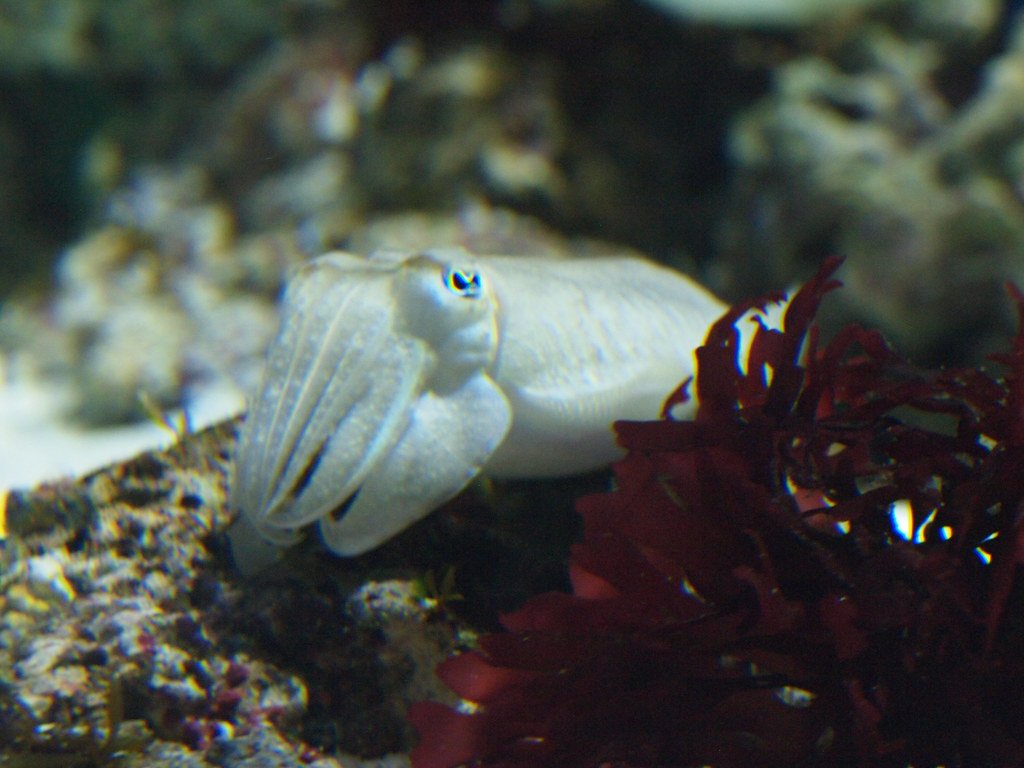
The study of cuttlefish cognition has inspired numerous technological innovations, from artificial intelligence algorithms that mimic their problem-solving strategies to camouflage systems based on their color-changing abilities. Engineers are particularly interested in developing materials that can change color and pattern in response to environmental conditions, mimicking the cuttlefish’s adaptive camouflage.
Robotics researchers are also exploring how cuttlefish decision-making processes could be applied to autonomous vehicles and drones. The way cuttlefish rapidly assess their environment and make split-second decisions about movement and camouflage could inform the development of more responsive and adaptive artificial intelligence systems.
Conservation Implications and Environmental Concerns

As we learn more about cuttlefish intelligence, the ethical implications of their treatment in research and their conservation status become increasingly important. These creatures are clearly capable of complex thoughts and emotions, which raises questions about their welfare in captivity and their protection in the wild. Ocean acidification and pollution pose particular threats to cuttlefish populations worldwide.
Their role as both predators and prey in marine ecosystems makes cuttlefish keystone species whose decline could have cascading effects throughout coastal food webs. Protecting cuttlefish habitats isn’t just about preserving individual species—it’s about maintaining the complex ecological relationships that support entire marine communities.
Future Research Directions

The field of cuttlefish cognition research is rapidly expanding, with new discoveries constantly reshaping our understanding of these remarkable creatures. Future studies will likely focus on understanding the genetic basis of their intelligence, mapping the neural networks responsible for their cognitive abilities, and exploring how their intelligence compares to other marine animals.
Advances in brain imaging technology may soon allow researchers to observe cuttlefish neural activity in real-time, providing unprecedented insights into how their minds work. Long-term studies tracking individual cuttlefish throughout their lives could reveal how their cognitive abilities develop and change over time.
The Evolutionary Significance of Cephalopod Intelligence
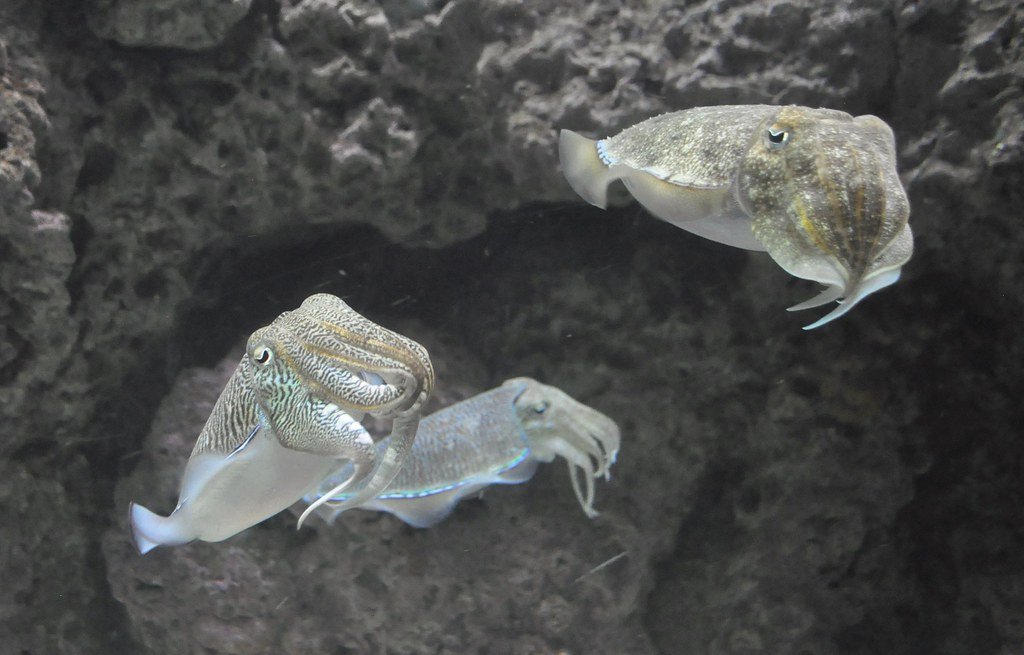
The independent evolution of intelligence in cephalopods represents one of the most remarkable examples of convergent evolution in the animal kingdom. Despite diverging from vertebrates over 500 million years ago, cuttlefish have developed cognitive abilities that parallel those of birds and mammals. This suggests that intelligence may be an inevitable outcome when certain environmental pressures are present.
Understanding how intelligence evolved independently in cephalopods provides valuable insights into the fundamental principles of cognitive evolution. It demonstrates that there are multiple pathways to intelligence and that the specific form intelligence takes depends on the unique evolutionary pressures and opportunities each lineage faces.
Lessons for Understanding Human Cognition
Studying cuttlefish intelligence offers unique perspectives on human cognition by showing us how similar cognitive problems can be solved through completely different biological mechanisms. Their color-changing brains provide visual representations of thought processes that are impossible to observe in human brains, offering new ways to understand the relationship between neural activity and mental states.
The way cuttlefish integrate visual processing, memory formation, and decision-making through their distributed nervous system challenges traditional views of how intelligence must be organized. Their success suggests that there may be alternative ways to structure cognitive systems that could inform the development of more effective artificial intelligence.
The Philosophy of Non-Human Intelligence

The discovery of sophisticated intelligence in cuttlefish forces us to reconsider our assumptions about consciousness, awareness, and the nature of mind itself. These creatures experience their world in ways that are fundamentally different from human experience, yet they demonstrate unmistakable signs of intelligence, emotion, and even creativity.
The existence of cuttlefish intelligence suggests that consciousness may be more widespread in the animal kingdom than we previously imagined. Their ability to solve complex problems, form memories, and engage in sophisticated social behaviors challenges the notion that intelligence is a uniquely human or even vertebrate trait.
Conclusion

The cuttlefish represents a remarkable example of how intelligence can evolve along completely different pathways from our own, yet arrive at strikingly similar cognitive abilities. Their color-changing brains provide us with a unique window into the workings of a truly alien intelligence, one that has independently discovered many of the same solutions to cognitive challenges that we rely on daily.
As we continue to study these fascinating creatures, we’re not just learning about cuttlefish—we’re gaining insights into the fundamental nature of intelligence itself. Their puzzle-solving abilities, combined with their extraordinary neural plasticity and visual communication systems, make them invaluable subjects for understanding how minds work across the vast diversity of life on Earth.
The next time you encounter a cuttlefish, whether in an aquarium or in the wild, remember that you’re looking at one of nature’s most sophisticated problem-solvers. Behind those alien eyes lies a mind that can change colors as it thinks, solve puzzles that would challenge us, and navigate a complex social world we’re only beginning to understand. What other cognitive mysteries might these remarkable creatures still hold?