
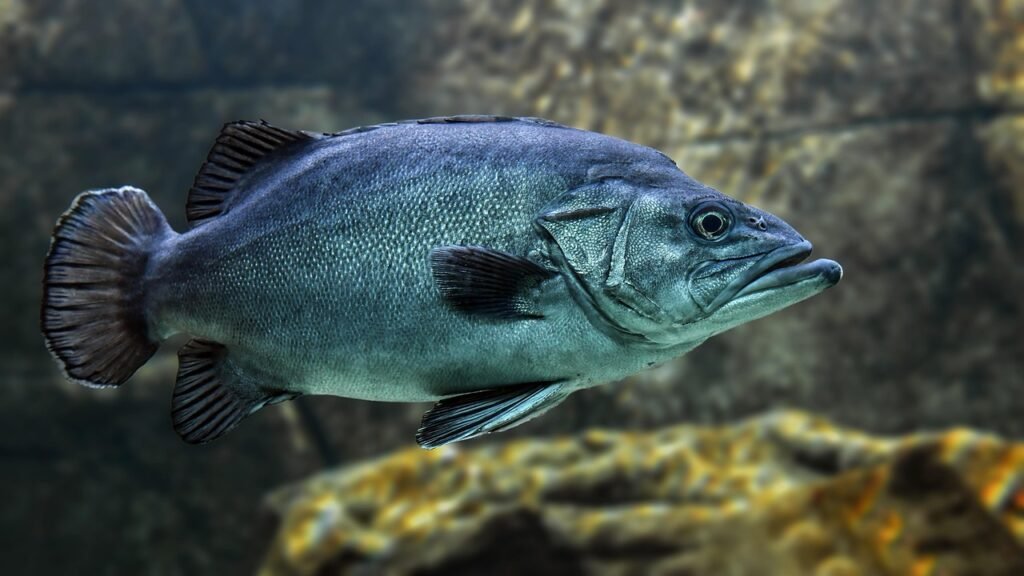

For decades, humans have cast lines into countless waters, pulled millions of fish from their aquatic homes, and consumed them without much thought about their capacity to suffer. Yet beneath the surface of this seemingly simple relationship lies one of modern science’s most contentious questions. The debate over fish pain perception has divided researchers, challenged long-held assumptions, and sparked fierce discussions that reach far beyond academic circles into fishing regulations, animal welfare laws, and even personal dinner choices.
For over 50 years, this question has been the focus of multiple scientific careers and consumed countless hours of research, debate, and reflection. What makes this particularly fascinating is how a question about aquatic creatures has forced scientists to confront fundamental assumptions about consciousness, pain, and what it truly means to feel suffering.
The Historical Roots of Fish Pain Skepticism

The journey into this scientific controversy begins with surprising historical roots. The idea that non-human animals might not feel pain goes back to the 17th-century French philosopher, René Descartes, who argued that animals do not experience pain and suffering because they lack consciousness. This philosophical foundation created centuries of scientific bias that would prove remarkably persistent.
Our history begins with anti-angling campaigns in South Africa in the 1960s. The debate gained real scientific momentum in the 1980s when German researcher Eva Schulz conducted groundbreaking experiments. Her research reportedly involved measuring stress responses in eels during slaughter procedures, leading to recommendations for stunning or anesthetizing eels before slaughter.
The Neuroanatomical Arguments Against Fish Pain
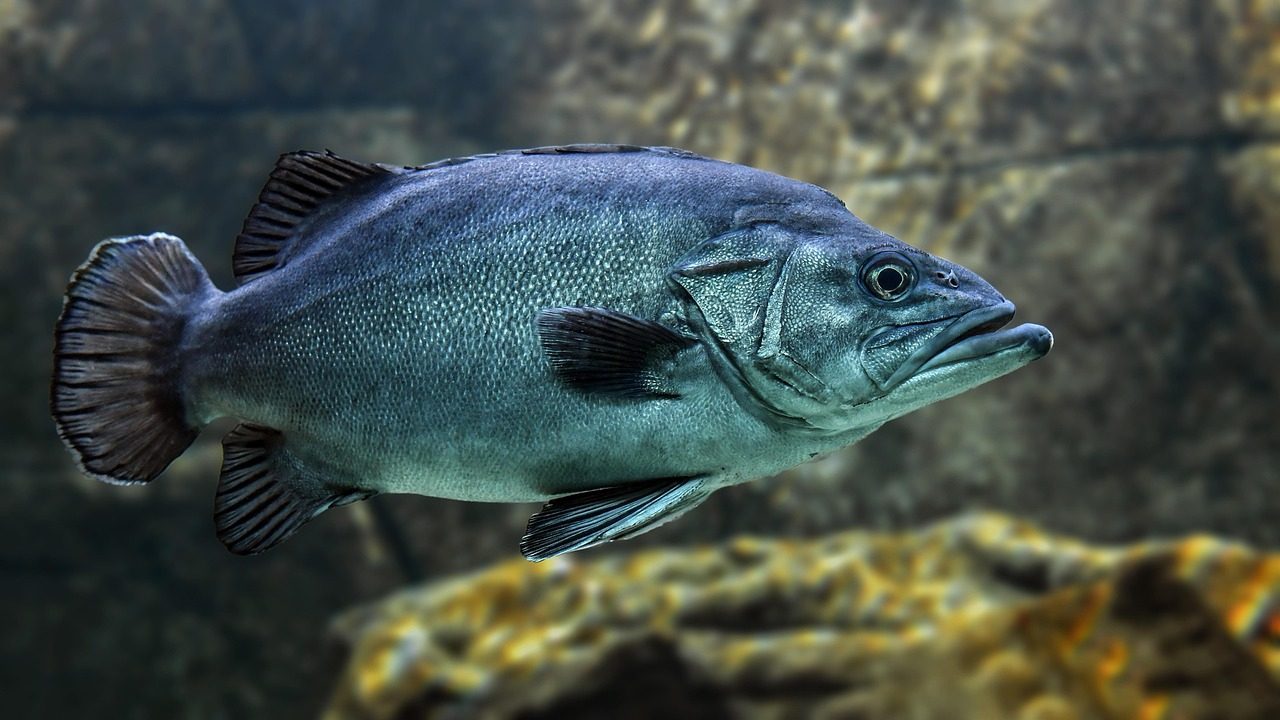
It has been argued that fish cannot feel pain because they do not have a sufficient density of appropriate nerve fibres. Scientists like James Rose from the University of Wyoming have built their arguments on a seemingly straightforward premise: fish brains simply lack the necessary hardware for conscious pain experience.
Unlike humans fish do not possess a neocortex, which is the first indicator of doubt regarding the pain awareness of fish. While mammals and birds possess the prerequisite neural architecture for phenomenal consciousness, it is concluded that fish lack these essential characteristics and hence do not feel pain. This anatomical argument has remained surprisingly consistent across decades of debate.
The Revolutionary Discovery of Fish Nociceptors
The scientific landscape shifted dramatically in 2002 when Dr. Lynne Sneddon and her colleagues made a discovery that would forever change the debate. Before 2002, no one thought that fish even had nociceptors. These are the nerve endings that detect potentially painful stimuli, such as high temperatures, intense pressure, and caustic chemicals. Sneddon published the first study to prove that fish do indeed have pain-sensing receptors in their brains.
It was quite a paradigm shifting event. Up until then there was no pain in fish. And then suddenly, there was a possibility. Sneddon found that pinching and pricking fish activates the same nerve types that, in humans, detect painful stimuli. This discovery fundamentally challenged the assumption that fish were simply biological machines responding to stimuli without conscious experience.
Modern Scientific Evidence Supporting Fish Pain Perception
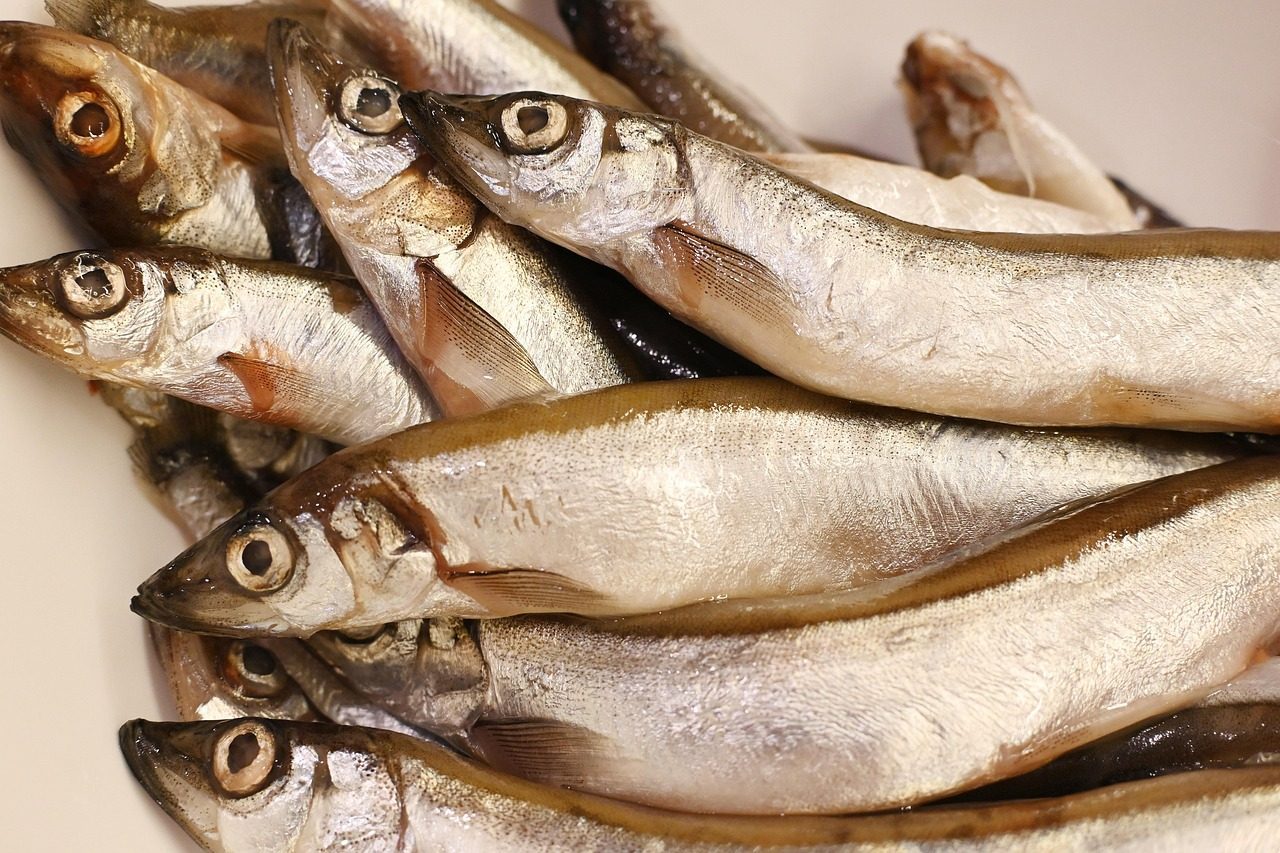
Contemporary research has revealed that fish possess remarkably sophisticated pain systems. Studies in fish have shown that the biology of the nociceptive system is strikingly similar to that found in mammals. Further, potentially painful events result in behavioural and physiological changes such as reduced activity, guarding behaviour, suspension of normal behaviour, increased ventilation rate and abnormal behaviours which are all prevented by the use of pain-relieving drugs.
Multiple studies have demonstrated that fish both possess the anatomy necessary to produce pain and exhibit all of the standard biological responses to noxious stimuli that we would expect if they could feel pain. Fish have also demonstrated avoidance learning, meaning that they can remember indicators of noxious stimuli and avoid them. This capacity for learning and memory suggests something far more complex than simple reflexive responses.
Behavioral Evidence and Complex Fish Responses
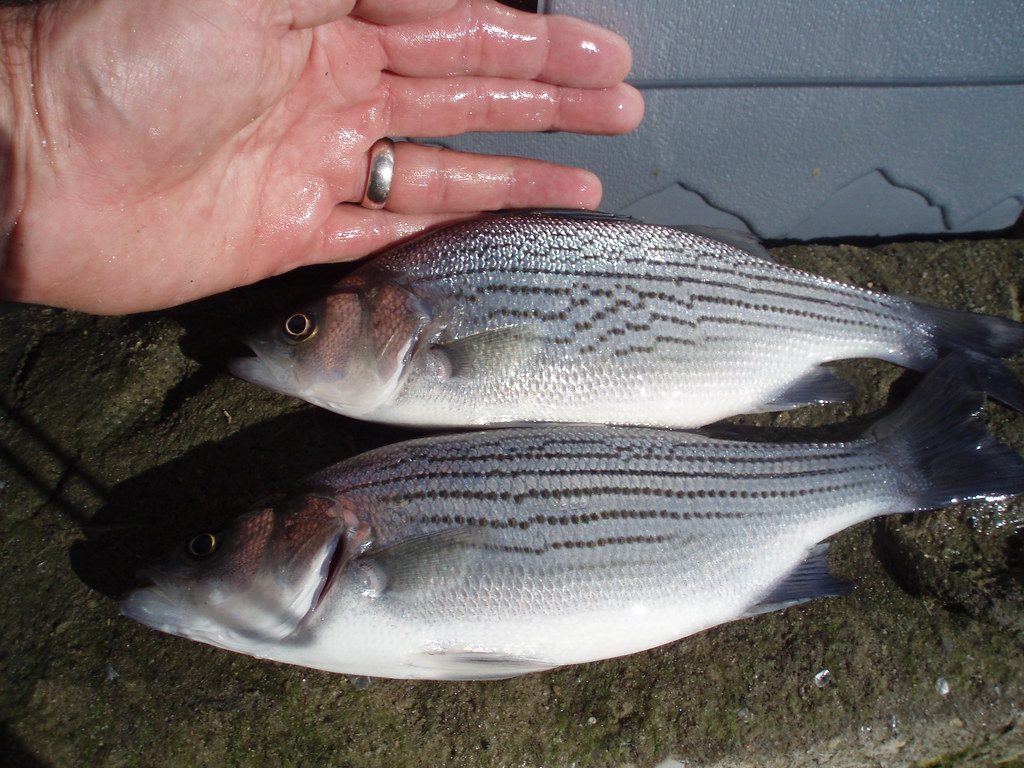
Perhaps the most compelling evidence comes from sophisticated behavioral studies that reveal fish responses remarkably similar to pain behaviors in mammals. When Sneddon injected zebrafishes with acetic acid, this preference didn’t change; nor did it change for other zebrafishes injected with saline water (which causes only brief pain). However, if a painkiller was dissolved in the barren, unpreferred chamber of the tank, the fishes injected with the acid chose to swim in the unfavorable, barren chamber.
In one 2003 study, a light was shone into a rainbow trout’s tank ten seconds before a dip net was plunged in, frightening the fish. Over a five-day period, all thirteen fish from the study learned to flee once they saw the light, but before the net actually entered the tank. These studies demonstrate not just reflexive responses, but complex learning behaviors that suggest conscious awareness of negative experiences.
The Ongoing Scientific Divide
Despite mounting evidence, the scientific community remains divided. On the basis of our current understanding of the structure and function of the “fish” brain, it most likely that fish do not have the necessary neural machinery for phenomenal consciousness. Critics argue that behavioral responses can be explained through unconscious nociceptive processes without requiring conscious pain experience.
We review studies claiming that and find deficiencies in the methods used for pain identification, particularly for distinguishing unconscious detection of injurious stimuli (nociception) from conscious pain. Results were also frequently mis-interpreted and not replicable, so claims that remain unsubstantiated. This ongoing methodological critique highlights the fundamental challenge of studying subjective experiences in non-verbal creatures.
Evolving Perspectives and Recent Developments
Recent neuroscientific discoveries have begun to challenge the rigid anatomical arguments against fish pain. This new paper points to modern neuroscience research that pain effect and awareness can still be present in humans even when pain-processing regions of the brain are injured. In other words, if human brains can adapt to do without a part of the neural pain chain, then maybe fish don’t need all of the links either.
Claiming that fish don’t feel pain due to the absence of certain brain regions is like concluding they can’t swim because they don’t have the arms and legs that humans do, according to the authors of the paper. This perspective suggests that different neural architectures might achieve similar functional outcomes through convergent evolution.
Implications for Animal Welfare and Human Practice

The fish pain debate has profound implications beyond academic circles. The American Veterinary Medical Association accepts that saying that the evidence supports the position that fish should be accorded the same considerations as terrestrial vertebrates concerning relief from pain. According to reports, British welfare authorities have acknowledged that scientific consensus supports fish’s ability to detect and respond to noxious stimuli and experience pain.
Be it recreational angling, large-scale fisheries, ornamental fish – any way that we use fish, we need to consider treating them better, as if they experience pain. We should treat them with the same consideration we afford to mammals and birds. The home office in the UK is asking to put pain relief in experimental methods where possible. It would be inconceivable to do surgery in mammals without providing pain relief. Yet we had been doing it to fish for a long time.
The profound debate over fish pain continues to challenge our understanding of consciousness, suffering, and our responsibilities toward other species. While scientific consensus increasingly supports the view that fish can experience pain, questions remain about the nature and quality of that experience. This ongoing discussion reflects deeper philosophical questions about consciousness itself and our place in the natural world.
What emerges from this complex scientific landscape is not just knowledge about fish, but insight into the very nature of pain, consciousness, and our capacity to recognize suffering in forms of life dramatically different from our own. The debate reminds us that science is not just about discovering facts, but about challenging assumptions and expanding our circle of moral consideration. What do you think this means for how we should interact with fish in our daily lives?
Jan loves Wildlife and Animals and is one of the founders of Animals Around The Globe. He holds an MSc in Finance & Economics and is a passionate PADI Open Water Diver. His favorite animals are Mountain Gorillas, Tigers, and Great White Sharks. He lived in South Africa, Germany, the USA, Ireland, Italy, China, and Australia. Before AATG, Jan worked for Google, Axel Springer, BMW and others.


