
Prairie dogs may not be the first creatures that come to mind when you think of complex communication systems. However, these small rodents from North Dakota, which are often seen poking their heads out of burrows, engage in a sophisticated form of communication that rivals some of the most advanced in the animal kingdom. By utilizing a series of vocalizations and behaviors, prairie dogs have developed a language-like system that provides insight into the social dynamics and survival strategies of these fascinating animals.
Understanding Prairie Dogs

Prairie dogs are burrowing rodents from the Sciuridae family, closely related to squirrels, chipmunks, and marmots. There are five species found primarily in the grasslands of North America. In North Dakota, the black-tailed prairie dog is the most prevalent, known for its sociable nature and intricate communities. These small creatures are about 12–16 inches long, with a tail that adds an additional 3–4 inches to their length.
The Social Structure of Prairie Dogs

Prairie dogs live in large colonies referred to as “towns,” which can cover hundreds of acres and house thousands of individuals. Within these towns, prairie dogs form family groups called coteries that consist of a few males, several females, and their offspring. These social structures are vital for their survival, offering protection and cooperation in raising young.
Vocal Communication
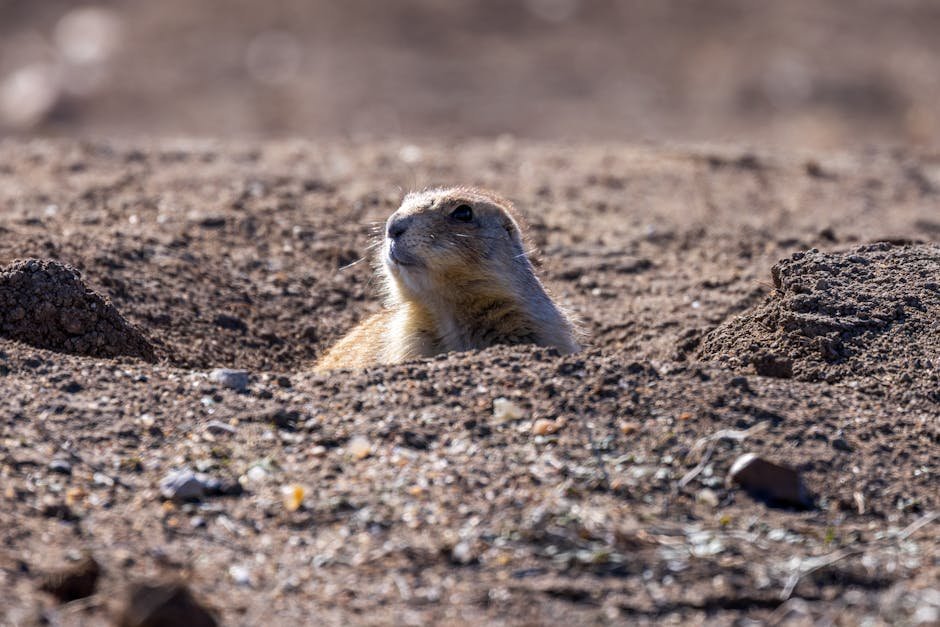
A cornerstone of prairie dog communication is their complex system of vocalizations. Researchers have identified that prairie dogs use specific calls or “barks” to convey detailed information about their environment and potential threats. Their alarm calls can describe the type, size, shape, color, and speed of an approaching predator with astonishing precision.
Alarm Calls and Predator Warnings
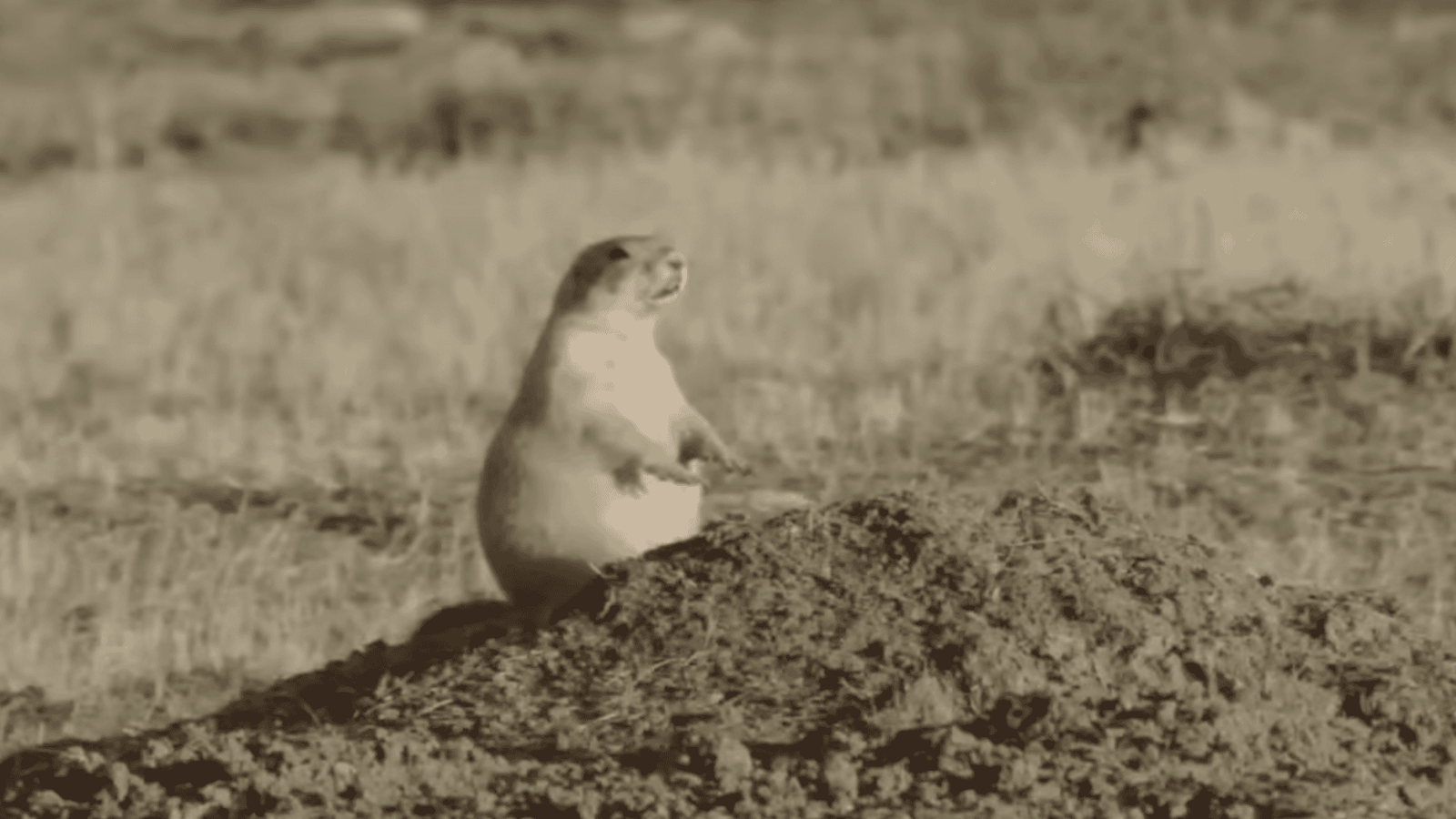
Prairie dogs’ alarm calls are particularly fascinating. Each call can contain a wealth of information about the type of predator — whether it’s an aerial or terrestrial threat — and its location. This sophisticated system allows the colony to respond quickly and appropriately to dangers, enhancing their communal defense mechanisms.
Behavioral Communication
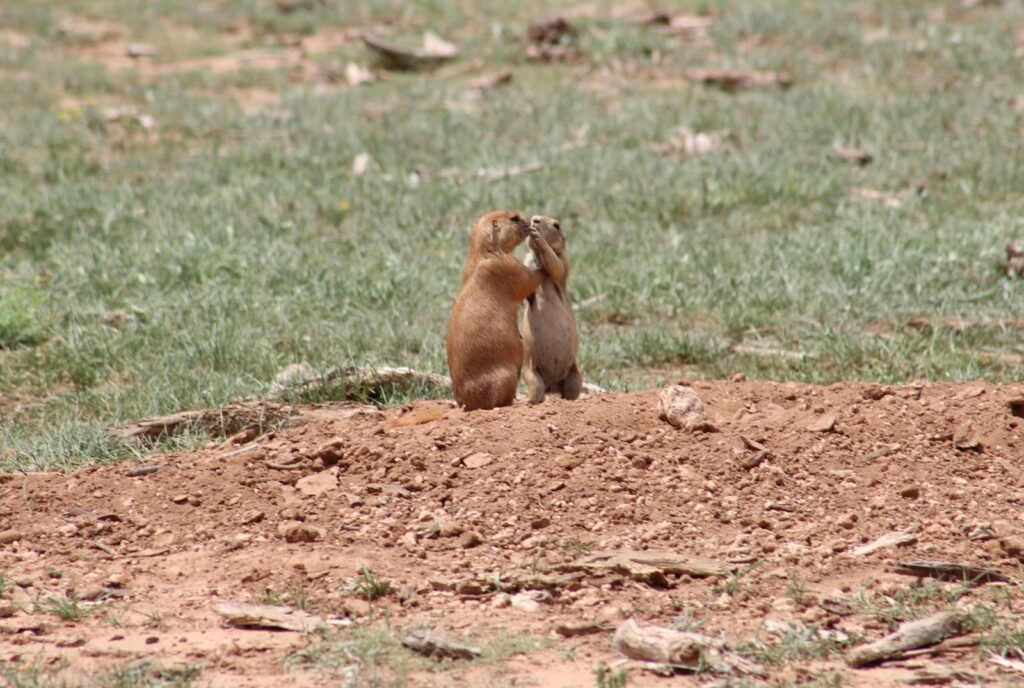
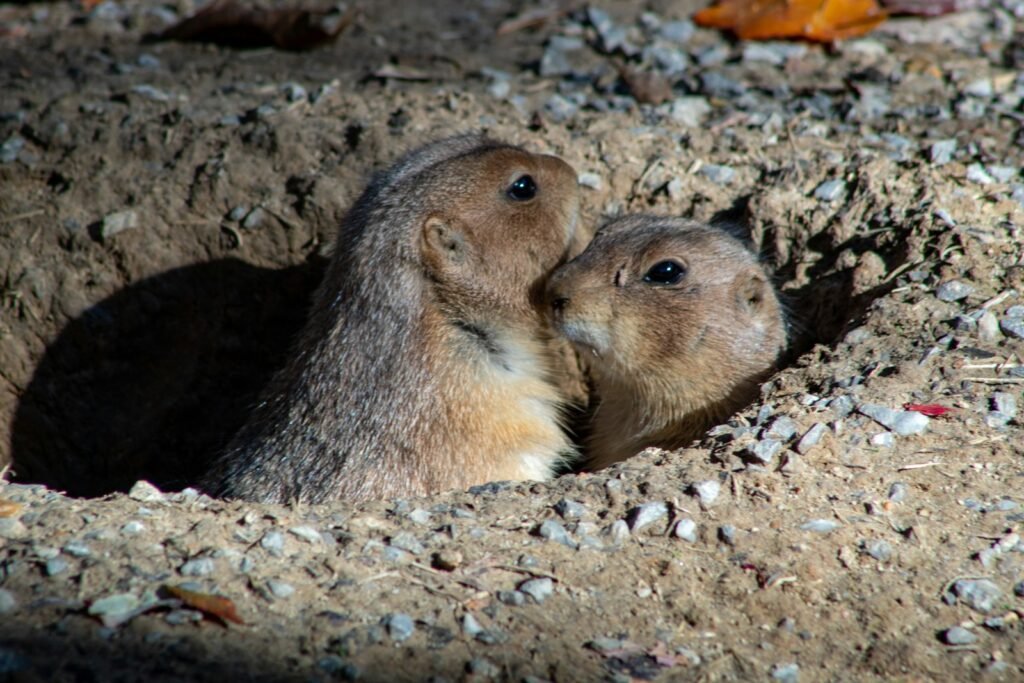
Besides vocalizations, prairie dogs communicate through a variety of behaviors. Physical displays, such as “kissing” or mouth-to-mouth contact, help maintain social bonds within the group. Tail flicking, teeth chattering, and body posture also play significant roles in their interaction, complementing their vocal communications.
Research on Prairie Dog Communication
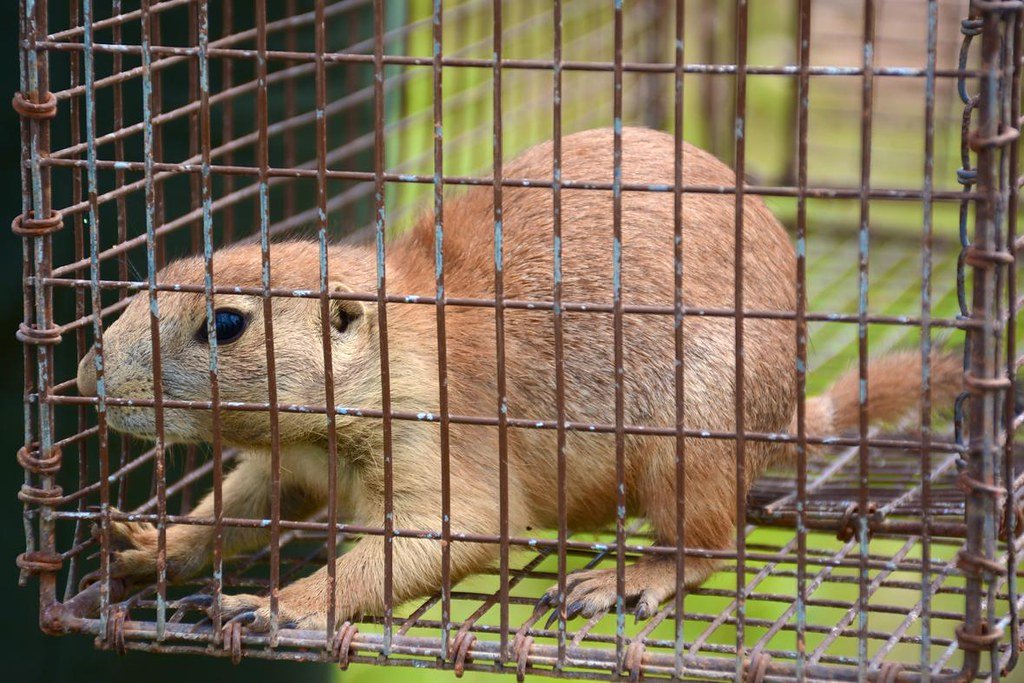
Research into prairie dog communication has provided extraordinary insights into how animals use language-like systems. Dr. Con Slobodchikoff, an ethologist, conducted pioneering studies by recording and analyzing these vocalizations. His work revealed that prairie dog language has a level of complexity akin to human language, with different “words” or sound patterns for various threats and scenarios.
Comparison with Other Animal Communication
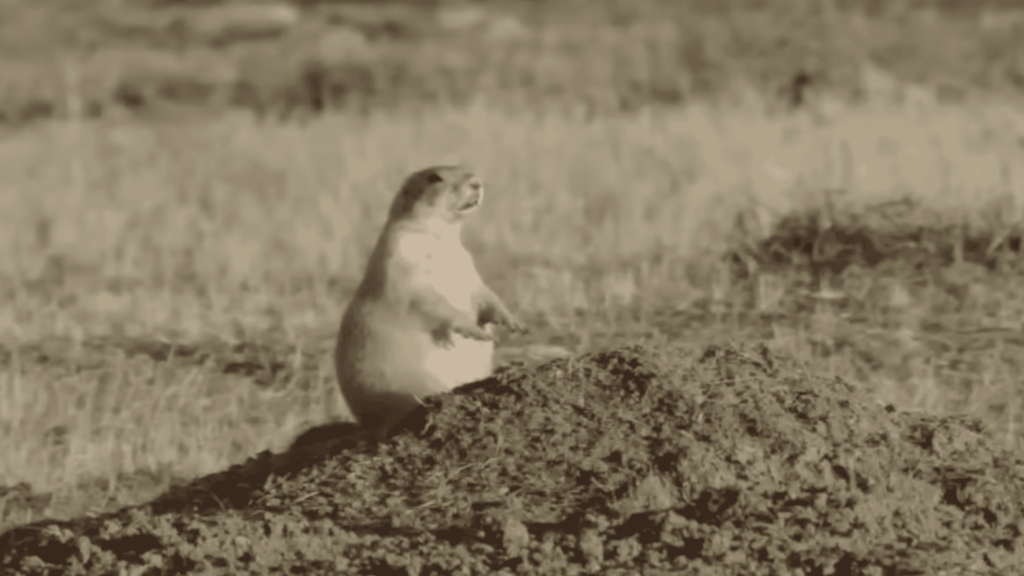
While other animals, such as dolphins and primates, also use sophisticated communication methods, prairie dog language is particularly noteworthy for its intricacy. Unlike most animal communication systems that often consist of simple signals, prairie dog calls resemble sentences with syntax and semantics.
Implications for Conservation

The complexity of prairie dog communication underscores their ecological importance, as they play crucial roles in their ecosystems as prey and as creators of habitat for other species. Understanding their communication systems can contribute to better conservation efforts, highlighting the need to preserve their habitats against threats such as habitat destruction and disease.
Prairie Dogs’ Role in Ecosystem Engineering
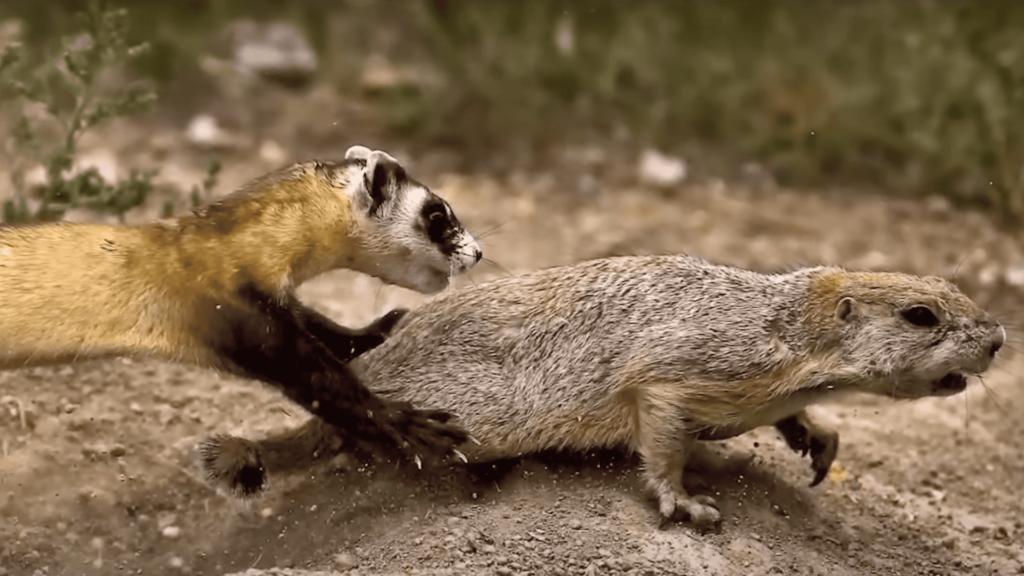
Prairie dogs are considered ‘ecosystem engineers’ because their burrowing activities help aerate the soil and influence plant growth. Their presence supports a diversity of life, including predators like hawks and ferrets that rely on them as a food source. Their communication skills further emphasize their integral role in the ecological community.
Threats to Prairie Dogs
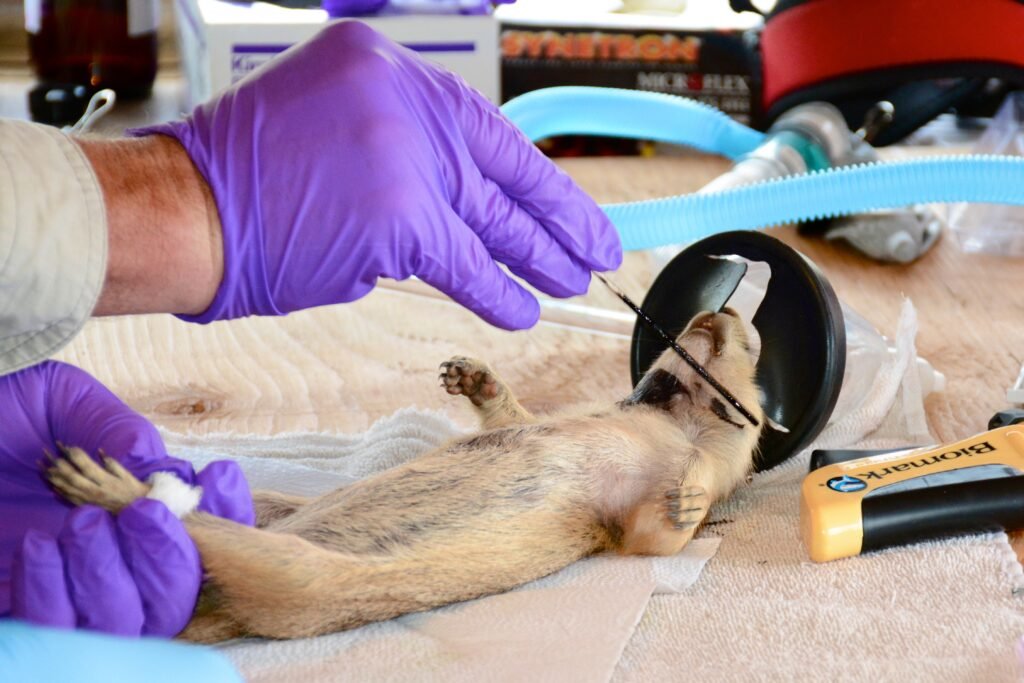
Despite their critical ecological role, prairie dog populations face several threats. Habitat loss due to agriculture and urban development, along with diseases such as sylvatic plague, pose significant risks. Their complex communication systems highlight their adaptability, but conservation efforts are essential to ensure their survival.
The Future of Prairies and Their Inhabitants

Prairie conservation initiatives are vital for maintaining the balance of these ecosystems. Efforts must focus on landscape preservation and disease management. Understanding prairie dog communication is just a part of ensuring these animals continue to thrive in their natural habitats.
Conclusion

Prairie dogs are more than just simple rodents; they are architects of complex social systems and communicators with a language that continues to intrigue scientists and nature lovers alike. By appreciating their vocal and behavioral communication skills, we gain insight into the profound intricacies of the animal world. Ensuring their survival helps maintain the equilibrium of the delicate ecosystems they call home, preserving a natural language that speaks volumes about the wonders of wildlife communication.