
If you have ever felt better the moment you walked out of a doctor’s office, even before starting the treatment, you’ve already tasted the strange power of the mind over the body. It can feel a bit unsettling at first: if a sugar pill or a gentle word can change our pain, what else might be going on under the surface that we don’t fully understand? The placebo effect forces us to question where healing really comes from and whether we’ve been underestimating one of the most powerful medicines we carry around every day: our own expectations.
In the last few decades, researchers have moved the placebo from the margins of medicine to the center of a serious scientific debate. Brain scans, carefully controlled trials, and real-world experiences all point to the same surprising conclusion: what we believe can reshape how we feel, how we function, and sometimes even how our bodies respond to illness. The story is not magical and it’s definitely not about “wishing away” disease, but it is more hopeful than most people realize. The mind cannot cure everything, but it can influence far more than we were once taught.
How Placebos Actually Work: More Than Just “Faking It”

One of the most shocking truths about placebos is that they can trigger real, measurable changes in the body, even when the treatment itself is inert. In pain studies, people given fake pills that they believe are strong painkillers often report significant relief, and brain scans show changes in pain-processing areas that look similar to what happens with actual drugs. It’s not that they’re pretending to feel better; their brains are literally turning down the volume on pain signals.
Researchers have found that the placebo effect can influence things like heart rate, blood pressure, hormone release, and even immune responses. In some conditions, especially those involving pain, anxiety, and fatigue, placebos can perform surprisingly close to real medications. Of course, there are limits: no placebo can reliably shrink a large tumor or replace insulin in type 1 diabetes. But the fact that belief alone can alter biology at all is a reminder that the line between mind and body isn’t a clean, sharp border – it’s more like a constantly shifting coastline.
Expectation: The Brain’s Built‑In Prediction Engine

The core engine behind the placebo effect is expectation. Our brains are constantly predicting what will happen next and adjusting our experience to match those predictions, a bit like a movie editor smoothing out a choppy scene. When you expect a pill to relieve your headache, your brain starts quietly preparing for that outcome before anything chemical has a chance to kick in. That anticipation can dial down the pain, relax tense muscles, and calm worried thoughts in a kind of self-fulfilling loop.
What makes this even more fascinating is that our past experiences shape how strong that effect can be. If medicine has helped you many times before, your brain has a solid track record to lean on, and your expectations are stronger. If you’ve been let down by treatments, the opposite can happen, leading to weaker placebo responses – or even negative expectations that make symptoms feel worse, known as the nocebo effect. In a way, the brain is like a weather forecaster that sometimes changes the weather simply because it’s so sure about the forecast.
Belief, Ritual, and the Theater of Healing

Placebos don’t float in a vacuum; they’re woven into the entire ritual of medicine. The white coat, the quiet exam room, the confident tone of the doctor, even the size and color of a pill – all of these send signals to the brain about how powerful a treatment might be. Studies have shown that larger pills, injections, or treatments given in high‑tech settings can produce stronger placebo responses than something that looks simple or casual. It’s as if the brain reads the stage and costumes and adjusts the script of healing accordingly.
That might sound a bit theatrical, but ritual is part of almost every healing tradition in human history, from ancient temples to modern hospitals. Personally, I still remember taking an antibiotic as a teenager and feeling better almost instantly, long before the drug could have done anything. Looking back, I’m pretty sure the real “dose” started when the doctor looked me in the eye and said I’d be fine. That blend of belief, environment, and human connection is often where the placebo effect is born.
The Brain Chemicals Behind the Magic

For a long time, people dismissed the placebo effect as something purely psychological, almost like a trick of the imagination. But neuroscience has torn that idea apart. When someone expects pain relief, the brain can release its own natural painkillers, such as endorphins and other opioid-like chemicals. In some studies, when people are given drugs that block these natural opioids, their placebo pain relief shrinks dramatically, which suggests that the “fake” treatment was actually unlocking the body’s own pharmacy.
Other brain chemicals, like dopamine and certain stress-related hormones, also seem to play a role. In conditions such as Parkinson’s disease, placebo treatments have been shown to temporarily increase dopamine levels in parts of the brain linked to movement, sometimes improving symptoms for a short time. This doesn’t mean placebo can replace real treatment, but it shows that belief can tap into deep biological systems. The mind isn’t just thinking; it’s pulling biochemical levers behind the scenes.
Where Placebo Helps Most – and Where It Does Not

The placebo effect is especially powerful in conditions where symptoms are strongly shaped by the brain’s interpretation of signals from the body. Chronic pain, irritable bowel symptoms, headaches, anxiety, depression, insomnia, and fatigue are all areas where placebos tend to shine. In some clinical trials, people on placebo report improvements that are almost as large as those on active medications, especially when the condition is subjective and fluctuates over time. The brain has a lot of room to reinterpret those signals in a more hopeful way.
On the other hand, placebos have very clear limits. They can help you feel better, but they rarely change hard, objective measures on their own – like erasing a spreading infection, repairing a torn ligament, or reversing advanced organ failure. Some lab markers can shift slightly under placebo conditions, but relying on placebo alone for serious, life‑threatening disease would be dangerous and irresponsible. The healthy way to see it is not as a replacement for medical care, but as a powerful addon that can amplify the benefits of real treatment and make the whole experience more bearable.
Ethics, Honesty, and the Rise of “Open‑Label” Placebos

Once doctors realized how powerful placebos could be, a thorny ethical question appeared: is it acceptable to deceive a patient if that lie helps them feel better? Traditional placebo use in practice often involved secretly giving people inert pills, which clashes with the basic idea that patients deserve honesty and informed consent. Many modern doctors are understandably uncomfortable with that kind of trickery, even if it might sometimes help in the short term.
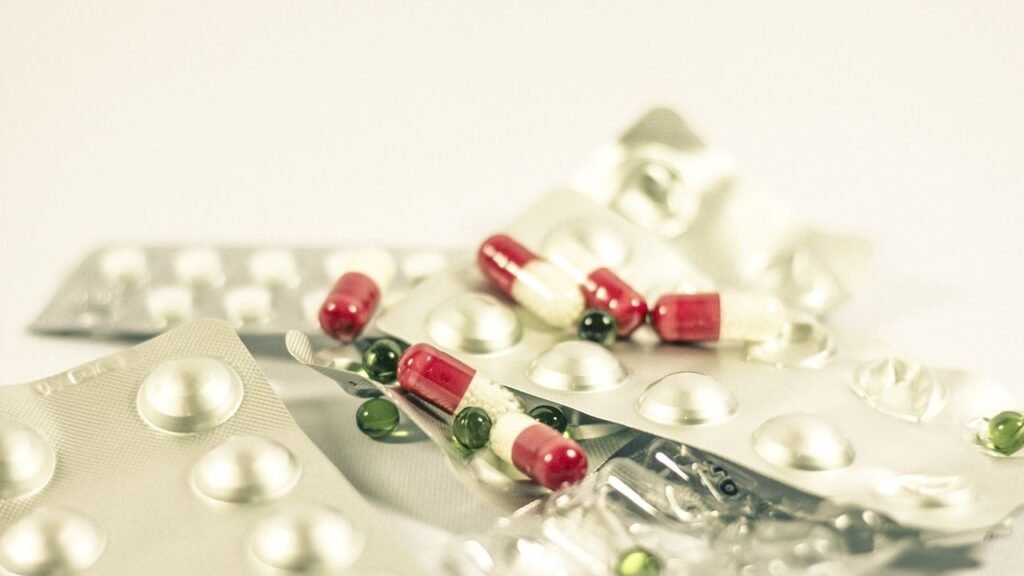
What’s changed the conversation in recent years is the discovery that placebos can still work even when people are told they’re getting a placebo. In some studies on conditions like irritable bowel syndrome or chronic pain, patients who knowingly took “placebo pills” still reported meaningful improvements, as long as the context was respectful and hopeful. That suggests we might be able to use the power of expectation without lies – by explaining that the body has self-healing abilities and that the simple act of participating in a caring ritual can trigger them. It’s not a magic trick; it’s more like cooperative mind‑body teamwork.
Everyday Ways to Harness the Placebo Effect in Your Life

You don’t need to be in a clinical trial to tap into the basic principles behind placebo. Simple things like trusting your doctor, asking clear questions, and choosing a practitioner who actually listens can boost your confidence and expectations, which in turn can improve how you feel. Even how you take your medications matters: turning it into a small daily ritual rather than a rushed afterthought can signal to your brain that something meaningful and helpful is happening.
Beyond medicine, the same forces show up in exercise, sleep, and stress management. Believing that a workout will energize you, or that a calming routine before bed really works, makes it more likely your brain will cooperate. That doesn’t mean you can just “think away” illness, and it certainly doesn’t mean people are to blame when their minds can’t overcome serious disease. It simply means that giving your brain a story of hope, safety, and effectiveness is one of the quietest, cheapest tools you have to nudge your body in a better direction.
What the Placebo Effect Really Teaches Us About Healing

In the end, the placebo effect is less about fake pills and more about what it reveals: that healing has always been a partnership between biology, belief, and human connection. Modern medicine tends to focus on drugs, scans, and procedures, and those are absolutely essential, but the placebo story reminds us that the way care is given – the trust, the time, the reassurance – can powerfully shape outcomes too. Ignoring that dimension is like owning a high‑end stereo system and never turning on one of the speakers.
For me, the most hopeful part of all this is that we don’t have to choose between science and the mind; the best care uses both. Real treatments backed by evidence, delivered in a way that maximizes positive expectations and minimizes fear, might be the closest thing we have to a full-spectrum approach to healing. The placebo effect is not proof that everything is “just in your head”; it is proof that your head is firmly wired into the rest of you. Knowing that, how might you change the way you think about your next pill, appointment, or even the story you tell yourself about your own ability to heal?