Beneath your feet right now, an invisible army of microscopic warriors is working tirelessly to keep our planet alive. These tiny organisms, smaller than the width of a human hair, are performing one of the most crucial chemical transformations on Earth. Without them, the green forests, golden wheat fields, and vibrant gardens that surround us would simply cease to exist. They’re the unsung heroes of life itself, converting the most abundant gas in our atmosphere into a form that every living thing desperately needs to survive.
The Invisible Chemical Factory Beneath Our Feet

Every single breath you take contains roughly 78% nitrogen gas, yet your body can’t use a single molecule of it. This creates one of nature’s greatest paradoxes: we’re surrounded by an essential element we can’t access. The nitrogen in the air exists as N₂, with two nitrogen atoms bound together so tightly that breaking them apart requires enormous amounts of energy.
Think of it like trying to separate two powerful magnets welded together. The triple bond between nitrogen atoms is one of the strongest chemical bonds in nature, requiring temperatures of over 3,000 degrees Celsius or specialized biological machinery to break. This is where our microscopic heroes enter the story, armed with enzymes that can accomplish what even industrial processes struggle to achieve efficiently.
Meet the Nitrogen-Fixing Superstars

Nitrogen-fixing bacteria are the true magicians of the microbial world. These remarkable organisms possess a special enzyme called nitrogenase that can crack open those stubborn nitrogen molecules and transform them into ammonia. This process, called nitrogen fixation, is so energy-intensive that these bacteria must dedicate about 30% of their total energy just to power this single reaction.
The most famous of these bacterial champions belong to the genus Rhizobium, but they’re joined by countless other species including Azotobacter, Clostridium, and cyanobacteria. Each species has evolved unique strategies for surviving in different environments, from scorching deserts to frozen tundra. Some work alone as free-living organisms, while others form intimate partnerships with plants that benefit both parties.
The Root Zone Partnership Revolution

Perhaps the most fascinating nitrogen-fixing relationship occurs in the root systems of legume plants like soybeans, peas, and clover. Here, Rhizobium bacteria don’t just live alongside plant roots – they actually move inside, creating specialized structures called root nodules. These nodules become biological factories where the bacteria receive sugars and protection from the plant in exchange for a steady supply of nitrogen.
This partnership is so sophisticated that the plant actually changes the oxygen levels around the bacteria to optimize nitrogen fixation. The bacteria require an oxygen-free environment to operate their nitrogenase enzyme, so the plant produces special proteins that bind oxygen and keep it away from the bacterial workers. It’s like providing a custom-built workspace with perfect environmental controls.
Ocean Giants Working in Liquid Laboratories

While soil bacteria capture most of the attention, marine nitrogen fixers are equally impressive in their scope and impact. Trichodesmium, often called “sea sawdust,” forms massive floating colonies in tropical oceans that can be seen from space. These cyanobacterial mats fix nitrogen during the day while simultaneously performing photosynthesis, creating a dual-purpose biological system.
Recent discoveries have revealed that ocean nitrogen fixation is far more diverse than previously thought. Tiny bacteria like Crocosphaera work the night shift, fixing nitrogen in darkness to avoid conflicts with their photosynthetic machinery. Scientists estimate that marine nitrogen fixers contribute roughly 140 million tons of biologically available nitrogen to ocean ecosystems annually.
The Energy Crisis That Drives Innovation

Nitrogen fixation is one of the most energy-expensive biological processes on Earth, requiring 16 molecules of ATP (cellular energy currency) to fix just one molecule of nitrogen gas. To put this in perspective, that’s enough energy to power a bacterial cell’s basic metabolism for several minutes. This enormous energy cost has driven the evolution of incredibly sophisticated regulatory systems.
Many nitrogen-fixing bacteria have developed internal “energy management systems” that only activate nitrogen fixation when absolutely necessary. They can sense nitrogen levels in their environment and shut down the expensive fixation process when cheaper nitrogen sources become available. Some species even have backup energy systems, like specialized photosynthetic apparatus, to help fuel their nitrogen-fixing operations.
Ancient Engines That Shaped Earth’s History
Nitrogen-fixing bacteria aren’t newcomers to Earth – they’ve been operating for at least 3.2 billion years, making them among the planet’s oldest biochemical engineers. Fossil evidence suggests that early cyanobacteria were simultaneously fixing nitrogen and producing oxygen through photosynthesis, fundamentally altering Earth’s atmospheric composition. This ancient microbial activity helped set the stage for complex life forms to evolve.
The geological record shows that periods of enhanced nitrogen fixation coincided with major evolutionary leaps, including the development of complex multicellular organisms. Some researchers propose that early nitrogen-fixing bacteria were essential for creating the nutrient-rich conditions that allowed life to diversify and colonize terrestrial environments.
Temperature Warriors Surviving Extreme Conditions

Nitrogen-fixing bacteria have colonized virtually every environment on Earth, including places that would quickly kill most other life forms. Hyperthermophilic nitrogen fixers thrive in volcanic hot springs at temperatures exceeding 80°C, while psychrophilic species continue working in Antarctic soils at temperatures well below freezing. Some species have even been found fixing nitrogen in the highly radioactive zones around nuclear disasters.
These extremophile nitrogen fixers often possess unique adaptations, such as heat-resistant versions of nitrogenase enzyme or specialized protective compounds that shield their cellular machinery from harsh conditions. Their success in extreme environments suggests that nitrogen fixation might be possible on other planets with harsh conditions, expanding our understanding of where life might exist in the universe.
The Chemical Symphony of Nitrogen Cycling

Nitrogen fixation is just the opening movement in a complex biochemical symphony that cycles nitrogen through various forms in the environment. After bacteria fix atmospheric nitrogen into ammonia, other specialized microorganisms take over different parts of the process. Nitrifying bacteria convert ammonia to nitrites and then nitrates, while denitrifying bacteria eventually return nitrogen gas to the atmosphere.
This nitrogen cycle involves dozens of different bacterial species, each with specialized roles and optimal conditions. The entire system operates like a finely tuned orchestra, with different microbial “musicians” playing their parts at precisely the right times. Disruptions to any part of this cycle can have cascading effects throughout entire ecosystems.
Industrial Mimicry and the Haber-Bosch Revolution

Human attempts to replicate bacterial nitrogen fixation led to one of the most important industrial processes in history: the Haber-Bosch process. Developed in the early 1900s, this method uses extreme heat (around 500°C) and pressure (200 atmospheres) to force nitrogen and hydrogen gases together, creating ammonia for fertilizer production. While revolutionary, this industrial process consumes roughly 1-2% of the world’s total energy production.
The contrast between industrial and biological nitrogen fixation is striking. Where human technology requires massive energy inputs and extreme conditions, bacteria accomplish the same transformation at ambient temperature and pressure using elegant enzyme systems. This has inspired decades of research into developing more efficient artificial nitrogen fixation systems based on biological principles.
Symbiotic Partnerships Beyond Legumes

While the relationship between legumes and Rhizobium bacteria is well-known, nitrogen-fixing partnerships extend far beyond this classic example. Alder trees host Frankia bacteria in specialized root nodules, allowing these trees to thrive in nitrogen-poor soils and pioneer disturbed landscapes. Rice plants maintain relationships with nitrogen-fixing bacteria that live on their root surfaces, contributing significantly to rice productivity in traditional farming systems.
Even more surprising are the nitrogen-fixing bacteria found living inside the tissues of sugarcane, sweet potato, and other non-legume crops. These endophytic bacteria provide their plant hosts with nitrogen while receiving protection and nutrients in return. Scientists are now exploring ways to enhance these natural partnerships or introduce nitrogen-fixing bacteria into crops that don’t naturally host them.
Climate Change and Microbial Adaptation

Rising global temperatures and changing precipitation patterns are significantly affecting nitrogen-fixing bacterial communities worldwide. Some species are expanding their ranges into previously unsuitable areas, while others face challenges from heat stress and altered soil conditions. Arctic regions are experiencing particularly dramatic changes, with nitrogen-fixing bacteria becoming more active as permafrost thaws and temperatures rise.
Research indicates that warmer temperatures can increase nitrogen fixation rates in some environments while inhibiting them in others. The complex interactions between temperature, moisture, and nitrogen availability create feedback loops that scientists are still working to understand. These changes could fundamentally alter ecosystem productivity and plant community composition in the coming decades.
Genetic Engineering and Enhanced Nitrogen Fixation

Scientists are now using genetic engineering techniques to enhance nitrogen fixation capabilities in bacteria and potentially transfer these abilities to crop plants. Recent breakthroughs include developing Rhizobium strains that can fix nitrogen more efficiently and work with a broader range of plant species. Some researchers are even attempting to engineer the nitrogen fixation pathway directly into major crops like wheat and corn.
These efforts face significant challenges, as nitrogen fixation requires multiple genes working in precise coordination and consumes enormous amounts of cellular energy. However, successful development of nitrogen-fixing crops could revolutionize agriculture by reducing dependence on synthetic fertilizers and lowering the environmental impact of food production.
Soil Health and Microbial Communities

The health and diversity of nitrogen-fixing bacterial communities serve as excellent indicators of overall soil ecosystem health. Healthy soils typically host diverse populations of nitrogen-fixing bacteria that work alongside countless other microorganisms to cycle nutrients and support plant growth. Agricultural practices that maintain soil organic matter and minimize chemical inputs tend to support more robust nitrogen-fixing communities.
Modern soil management increasingly recognizes the importance of protecting and nurturing these microbial communities. Cover cropping with nitrogen-fixing plants, reduced tillage, and organic amendments all help maintain the complex soil ecosystems that nitrogen-fixing bacteria require to thrive. This biological approach to soil fertility offers sustainable alternatives to purely chemical fertilization strategies.
Medical Applications and Biotechnology Breakthroughs
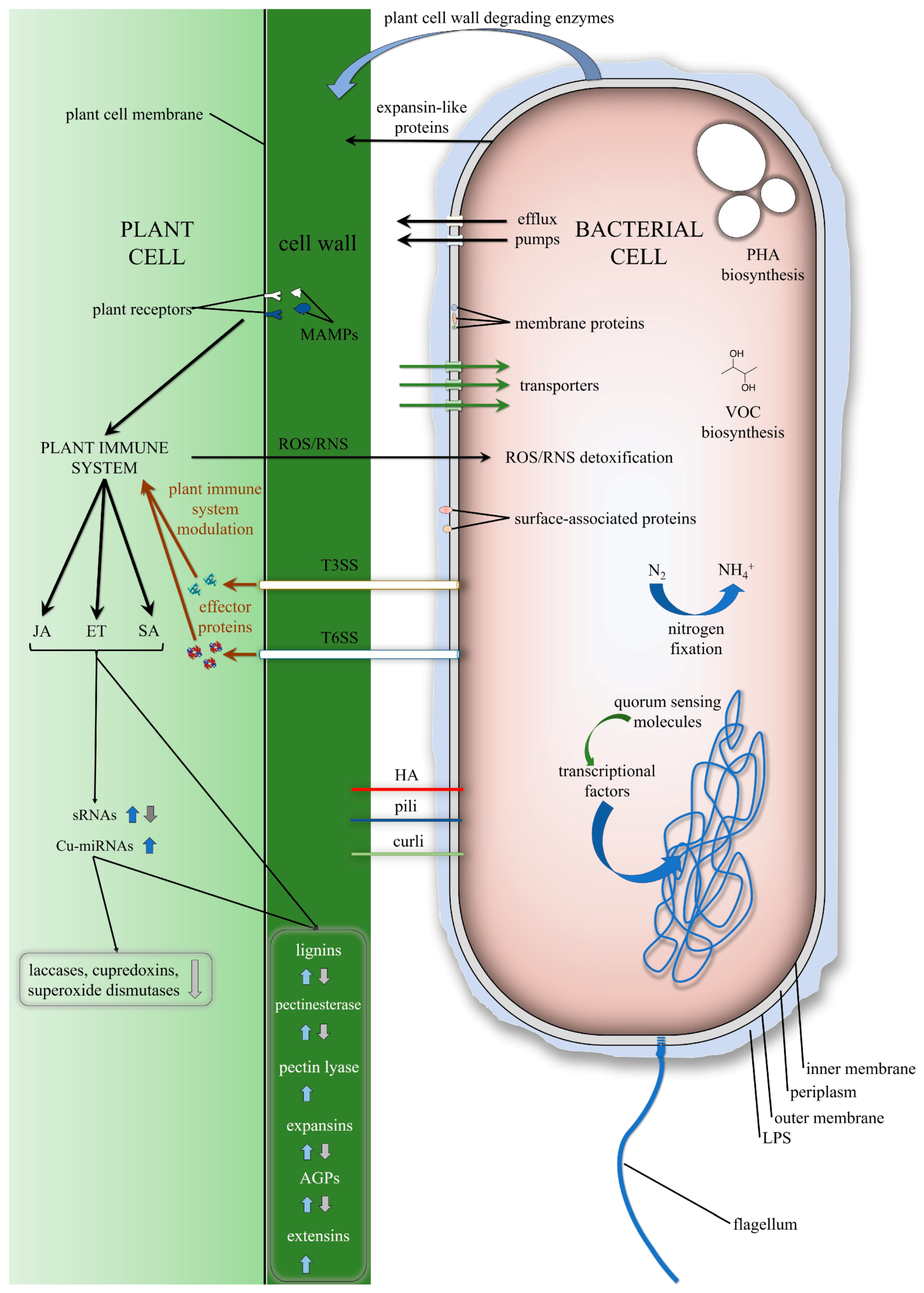
Beyond agriculture, nitrogen-fixing bacteria are finding applications in medicine and biotechnology. Some species produce bioactive compounds with antimicrobial properties, while others are being engineered to produce pharmaceuticals or industrial chemicals. The enzymes involved in nitrogen fixation are also being studied for potential applications in renewable energy production and carbon dioxide reduction.
Researchers have discovered that some nitrogen-fixing bacteria can also break down environmental pollutants, leading to applications in bioremediation. These versatile microorganisms demonstrate remarkable metabolic flexibility, often possessing multiple pathways for energy production and chemical transformation that can be harnessed for various industrial applications.
Future Frontiers in Nitrogen Science

Emerging research is revealing previously unknown aspects of nitrogen fixation that could reshape our understanding of this fundamental process. Scientists are discovering new nitrogen-fixing species in unexpected environments, from deep ocean sediments to the upper atmosphere. Advanced molecular techniques are uncovering the genetic mechanisms that control nitrogen fixation and revealing how bacteria coordinate this process with other cellular functions.
The development of synthetic biology approaches promises to create entirely new nitrogen-fixing systems designed for specific applications. Researchers envision engineered bacteria that could fix nitrogen more efficiently, work in challenging environments, or produce valuable byproducts alongside ammonia. These advances could lead to revolutionary changes in agriculture, environmental management, and industrial biotechnology.
Conservation Challenges and Ecosystem Protection

Many nitrogen-fixing bacterial species and their ecological partnerships face threats from habitat destruction, pollution, and climate change. The loss of native legume plants eliminates specific Rhizobium strains that have co-evolved with particular plant species over thousands of years. Chemical fertilizers and pesticides can disrupt soil microbial communities, reducing the diversity and effectiveness of nitrogen-fixing bacteria.
Conservation efforts increasingly focus on protecting entire soil ecosystems rather than individual species, recognizing that nitrogen-fixing bacteria function as part of complex community networks. Seed banks are beginning to preserve not just plant seeds but also their associated microbial partners, ensuring that these crucial biological relationships can be restored in degraded ecosystems.
The microscopic nitrogen-fixing bacteria operating beneath our feet represent one of nature’s most elegant solutions to a fundamental chemical challenge. These tiny organisms have sustained life on Earth for billions of years, transforming atmospheric nitrogen into the building blocks of proteins and DNA that make all life possible. Their sophisticated biochemical machinery, evolved over eons, continues to outperform human industrial processes in efficiency and environmental compatibility.
As we face growing challenges in sustainable agriculture and environmental protection, understanding and harnessing the power of nitrogen-fixing bacteria becomes increasingly crucial. These remarkable microorganisms offer pathways to reduced fertilizer dependence, improved soil health, and more sustainable food production systems. Their continued study and protection ensures that Earth’s nitrogen engine will keep running, supporting the incredible diversity of life that depends on their invisible but essential work.
What would happen to our world if these microscopic engineers suddenly stopped working their chemical magic?