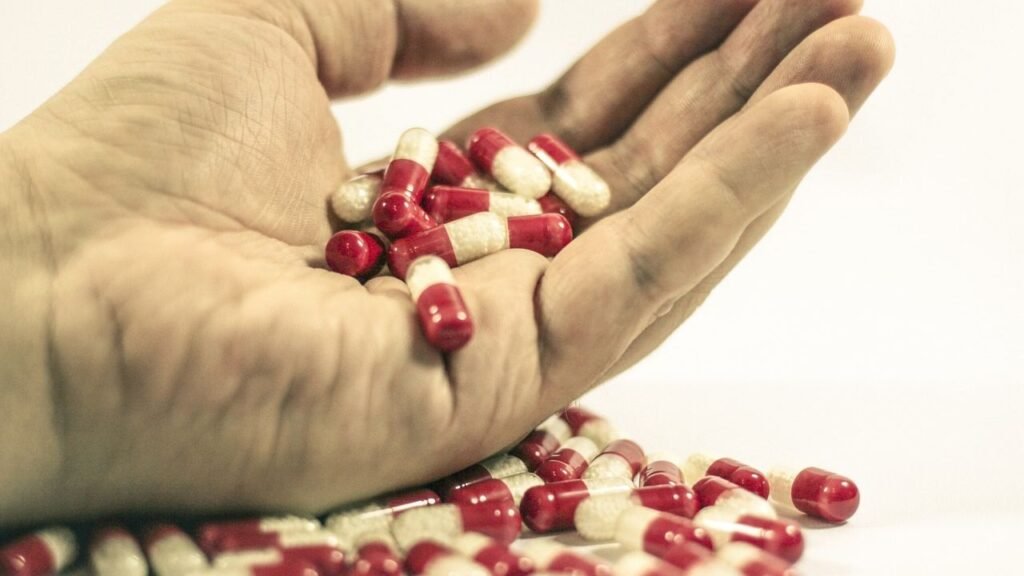

Have you ever felt better after taking a pill, only to discover later it contained nothing more than sugar? It sounds crazy, honestly, but it’s far more common than you might think. Your mind possesses an extraordinary ability to trigger genuine physical healing simply through the power of belief and expectation.
The phenomenon we’re talking about here isn’t just wishful thinking or imagination. The placebo effect demonstrates that the mind’s anticipation of healing can trigger genuine physiological changes in the body. Think about that for a second. Your brain can actually produce measurable biological responses that improve your health, even when you’re taking something completely inactive.
More Than Just Being in Your Head
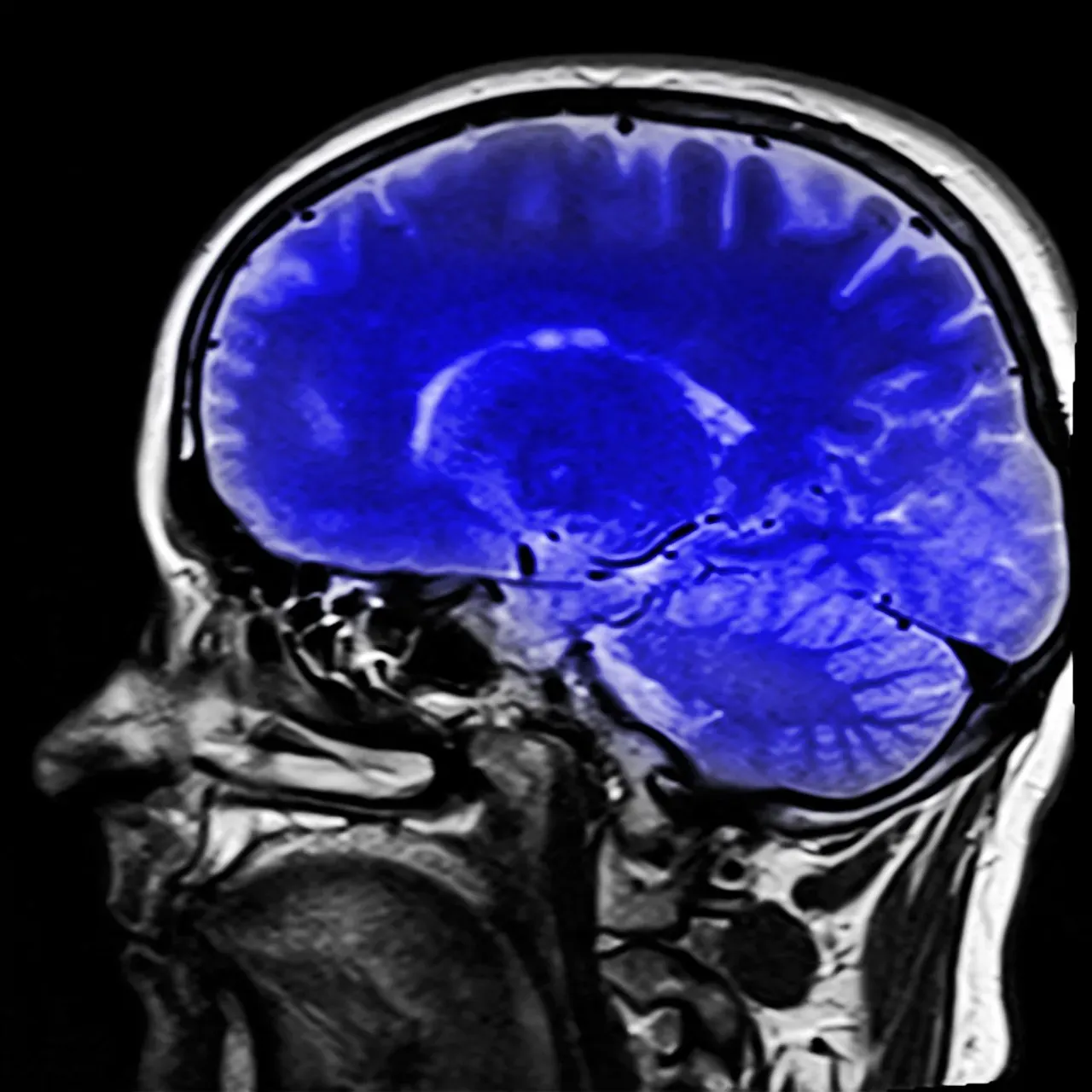
Let’s be real: when someone says something is “all in your head,” it usually feels dismissive. The placebo effect turns that idea on its head entirely. The placebo effect is actually a powerful, measurable psychobiological event.
Placebos work through a complex neurobiological reaction that includes everything from increases in feel-good neurotransmitters, like endorphins and dopamine, to greater activity in certain brain regions linked to moods, emotional reactions, and self-awareness. Your brain isn’t fooling you when it responds to placebos. It’s actively engaging healing systems within your body through legitimate biological pathways.
Scientists have used advanced brain imaging to watch what happens during placebo responses. The results are remarkable, showing concrete changes in brain chemistry and activity patterns.
The Brain Chemistry Behind the Magic
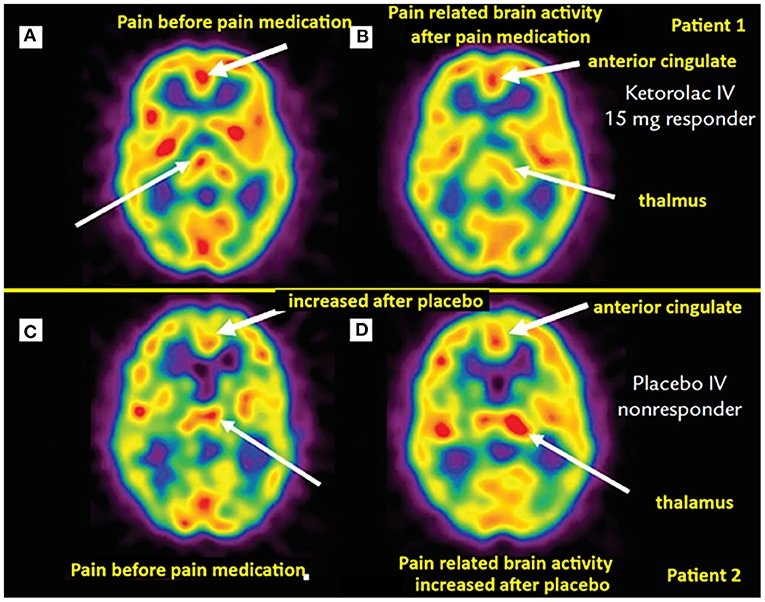
So what’s actually happening inside your skull when you respond to a placebo? The mechanisms are more sophisticated than most people realize. There’s probably around 30 neurotransmitters and hormones involved in this effect. We’re talking about a complex orchestra of brain chemicals working together.
Studies have shown that placebo-induced analgesia, for example, involves the release of endorphins and other natural painkillers in the brain, which can reduce pain perception like that of actual analgesic drugs. Think of it this way: your brain has its own pharmacy, and positive expectations can unlock it. The neurochemical systems implicated in placebo analgesia include opioid, dopamine, serotonin, cholecystokinin, and oxytocin systems.
The fact that scientists continue discovering new neurochemicals involved in placebo effects tells you something important. We’re still scratching the surface of understanding how powerful your mind truly is.
Where Expectations Become Medicine
When a patient expects to get better, the brain initiates a cascade of cognitive and neural processes to match that expectation, recruiting the prefrontal cortex to modulate pain processing before the medicine even dissolves. Your expectations literally shape your physical reality.
Consider this fascinating finding: Research discovered that the placebo was 50% as effective as the real drug to reduce pain after a migraine attack. That’s a substantial effect from something with zero active ingredients. Using Pavlovian principles, we are conditioned to associate medical rituals with relief, and over a lifetime, these cues automatically trigger physiological relaxation and symptom relief, independent of the drug itself.
The ritual matters almost as much as the belief. Taking a pill at the same time every day, visiting a doctor’s office, wearing a hospital gown – all these contextual factors prime your brain for healing.
The Surprising Truth About Open-Label Placebos
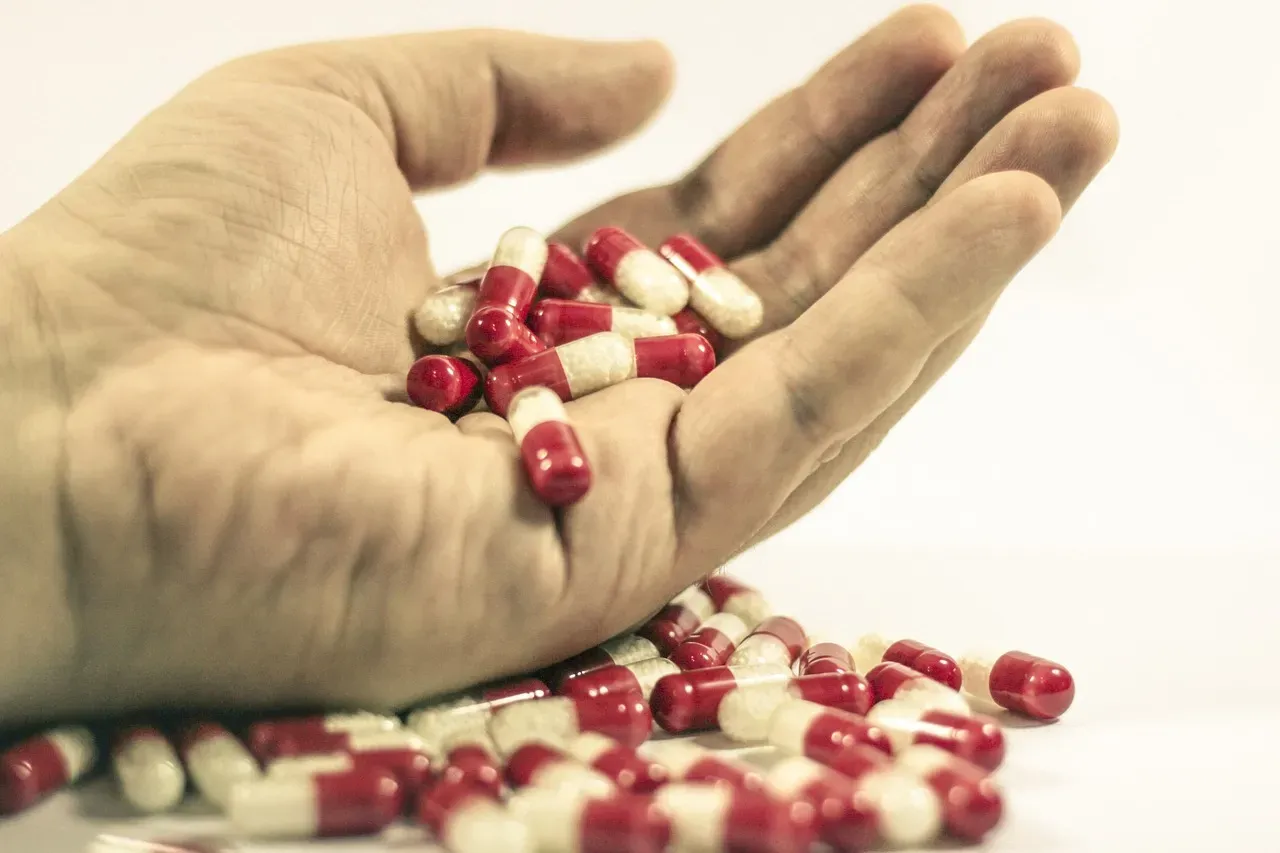
Here’s where things get really interesting. For decades, everyone assumed you had to be fooled for a placebo to work. Turns out that’s not entirely true. Studies show that open-label placebos still provide significant relief for conditions like Irritable Bowel Syndrome and chronic back pain.
People who received the open-label placebo experienced improvements that were significantly greater than those reported by participants assigned to a no-pill control group, with no difference in symptom improvement between those who received open-label or double-blind placebos. Let that sink in for a moment. You can know you’re taking a sugar pill and still experience real, measurable health benefits.
This suggests that the ritual of taking a pill and the body’s subconscious conditioning are powerful enough to bypass the need for deception. The act itself, combined with your understanding of how placebos work, can activate your body’s healing systems. It’s almost like your brain is in on the trick but plays along anyway.
What Placebos Can and Cannot Do
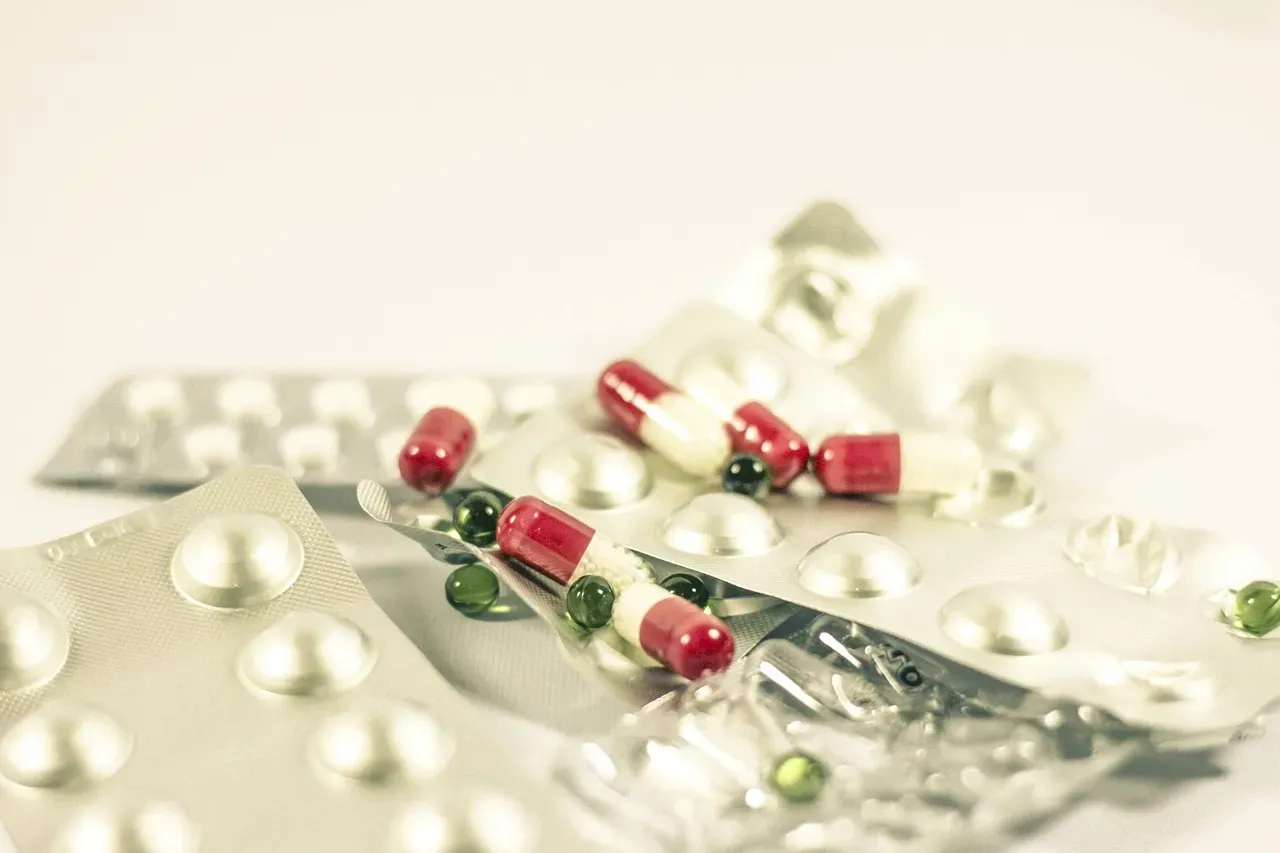
Placebos won’t lower your cholesterol or shrink a tumor; instead, placebos work on symptoms modulated by the brain, like the perception of pain, and they have been shown to be most effective for conditions like pain management, stress-related insomnia, and cancer treatment side effects like fatigue and nausea.
Depression, pain, fatigue, allergies, irritable bowel syndrome, Parkinson’s disease and even osteoarthritis of the knee are just a few of the conditions that respond positively to placebos. The pattern becomes clear when you look at which conditions improve. They’re generally subjective symptoms that involve your brain’s interpretation of what’s happening in your body.
Think of placebos as symptom managers rather than disease curers. They won’t fix underlying pathology, but they can dramatically improve your quality of life.
The Dark Side: When Expectations Hurt

Just as positive expectations can heal, negative expectations can harm through what’s known as the Nocebo Effect, and if a patient is warned about potential side effects or distrusts the clinician, they are significantly more likely to experience those negative symptoms, even if given an inert substance.
In healthy volunteers, negative expectations exert stronger and longer-lasting effects on pain than positive expectations. This asymmetry makes sense from an evolutionary perspective. Negative information or expectations about harm may have carried more evolutionary significance, making individuals more sensitive to nocebo suggestions, a tendency often referred to as ‘better safe than sorry’.
Have you ever noticed yourself developing a headache after reading about side effects on a medication insert? That’s the nocebo effect in action. Your brain takes warnings seriously, sometimes too seriously.
Harnessing the Power Without Pills
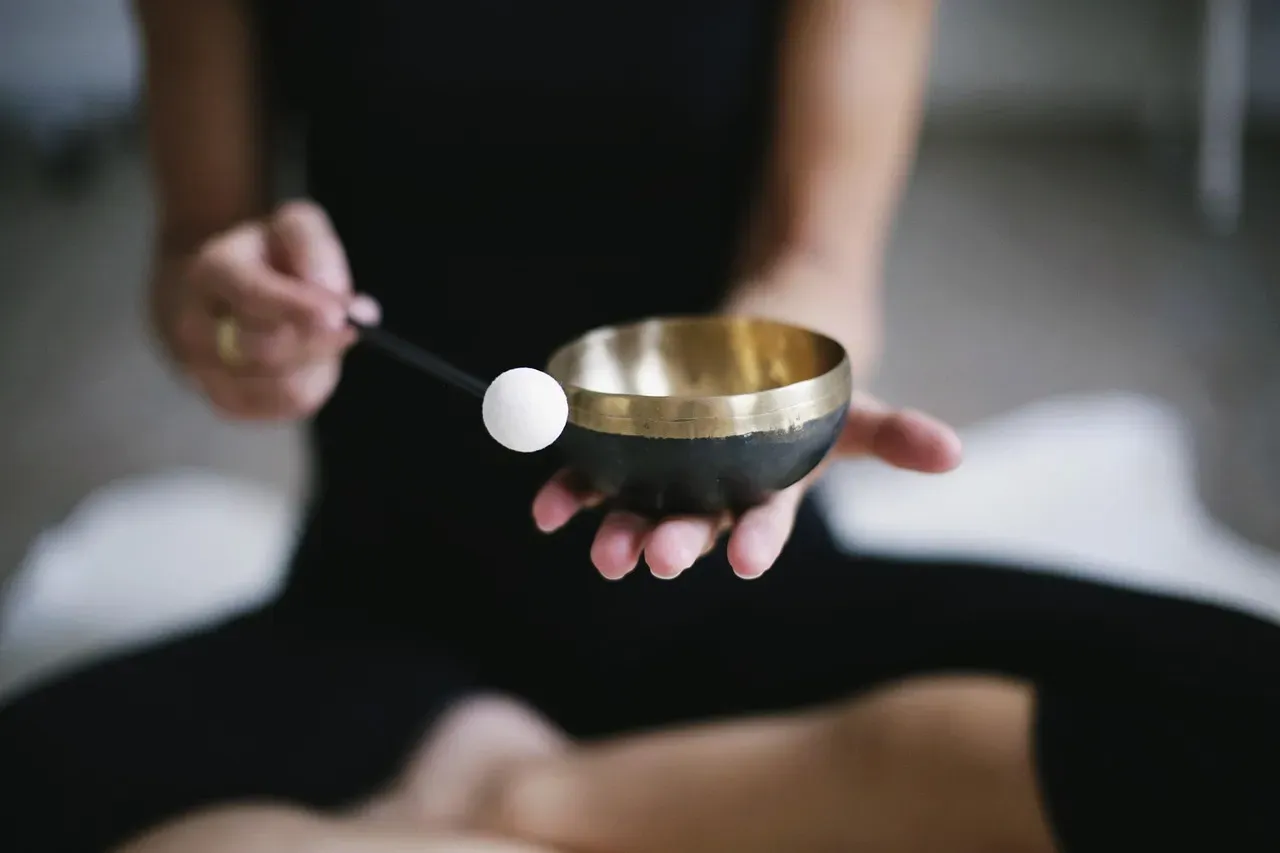
You don’t need fake pills to activate your mind’s healing potential. Engaging in the ritual of healthy living – eating right, exercising, yoga, quality social time, meditating – probably provides some of the key ingredients of a placebo effect, and while these activities are positive interventions in their own right, the level of attention you give can enhance their benefits.
Mental imagery, paying attention to your body, and feeling in control might be the keys to unlocking the potential for self-induced placebo effects. Athletes have known this for years. Visualization techniques work partly because they activate the same neural pathways as actual performance.
The attention and emotional support you give yourself matters profoundly. Creating rituals around self-care, believing in their effectiveness, and maintaining positive expectations can all amplify benefits beyond the interventions themselves.
The Future of Mind-Body Medicine
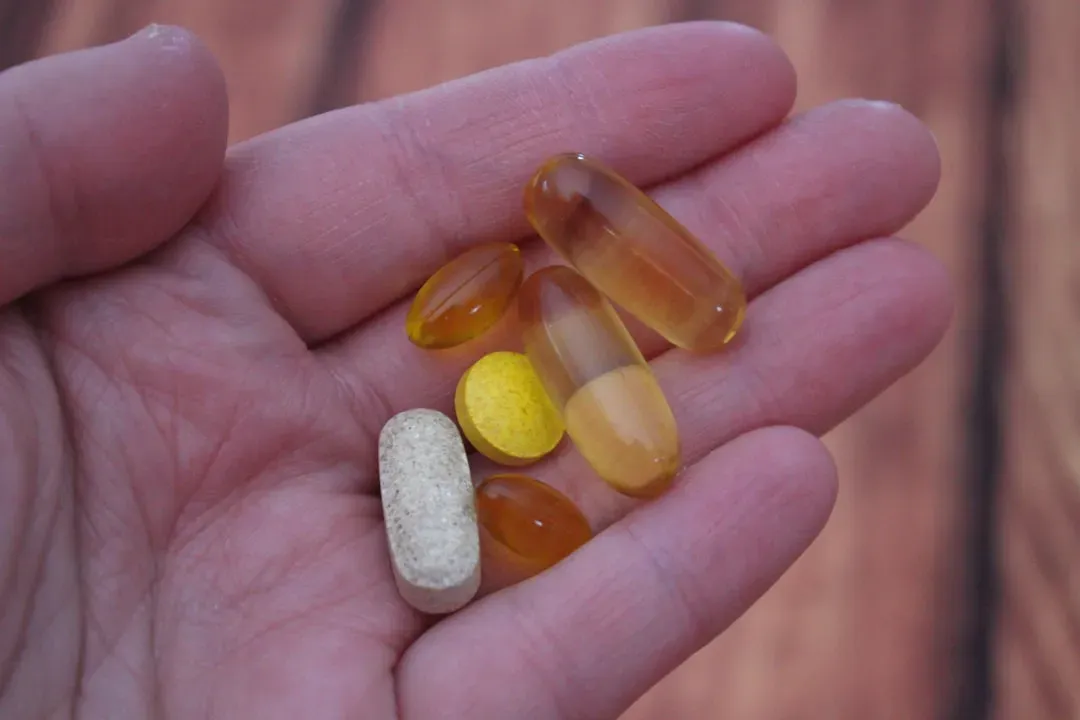
Once regarded primarily as a methodological nuisance, the placebo effect is now recognized as a genuine mind-body phenomenon with significant therapeutic relevance, and evidence consistently shows that placebo responses yield real, measurable changes in symptoms.
The placebo effect is recognized as being powerful enough that the American Medical Association considers it ethical to use placebos to enhance healing on their own or with standard medical treatments if the patient agrees to it. We’re moving toward a healthcare model that embraces rather than dismisses these effects.
If reconceived not as deception but as a legitimate element of care rooted in human experience, the placebo effect opens the door to holistic, patient-centered medicine. Imagine doctors deliberately cultivating positive expectations, optimizing the rituals of care, and teaching patients how to activate their own healing systems. That future isn’t far off.
Your Mind, Your Medicine

The placebo effect reveals something profound about human biology: Placebos activate existing systems of healing within the mind and body, and elements of the body once thought to be outside of an individual’s control are now known to be modifiable. You have more agency over your health than traditional medicine once believed.
Different social stimuli, such as words and rituals of the therapeutic act, may change the chemistry and circuitry of the patient’s brain. Every interaction with healthcare providers, every health-related decision you make, every belief you hold about treatment shapes your body’s response.
This isn’t about abandoning evidence-based medicine. It’s about recognizing that your mind is part of the treatment equation. The most effective healing likely combines the best of both worlds: proven medical interventions enhanced by optimized expectations and mind-body practices. Your thoughts, beliefs, and expectations aren’t separate from your physical health – they’re fundamental to it.
What do you think about the power of your own mind to influence your healing? Have you experienced anything like this yourself?