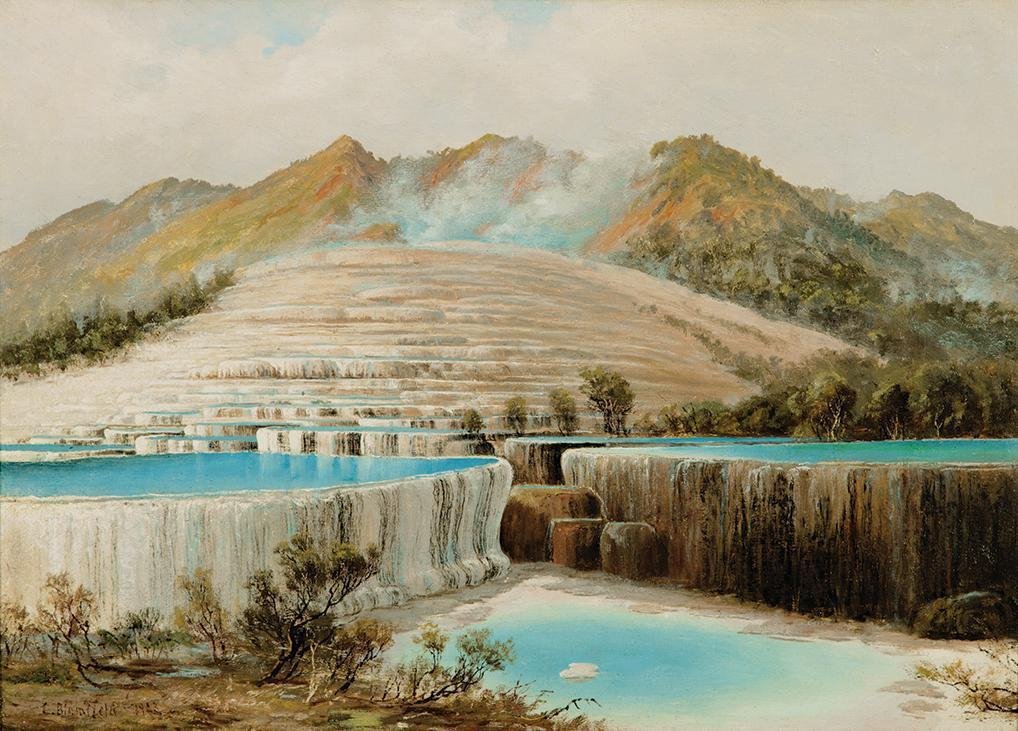

Nestled in the heart of New Zealand, the Pink and White Terraces once stood as a testament to nature’s unparalleled artistry. Known locally as Te Otukapuarangi and Te Tarata, these natural wonders were hailed as the ‘Eighth Wonder of the World’ due to their breathtaking beauty and unique formation. The terraces were a series of geothermal sinter formations located on the shores of Lake Rotomahana, and they attracted tourists from across the globe in the 19th century. They were considered the largest silica sinter deposits on Earth, and their vibrant hues and cascading pools were a sight to behold. However, their existence was tragically cut short by a catastrophic volcanic eruption in 1886, which buried them beneath layers of ash and mud, leaving only memories and historical accounts of their grandeur.
The Formation and Geology of the Terraces
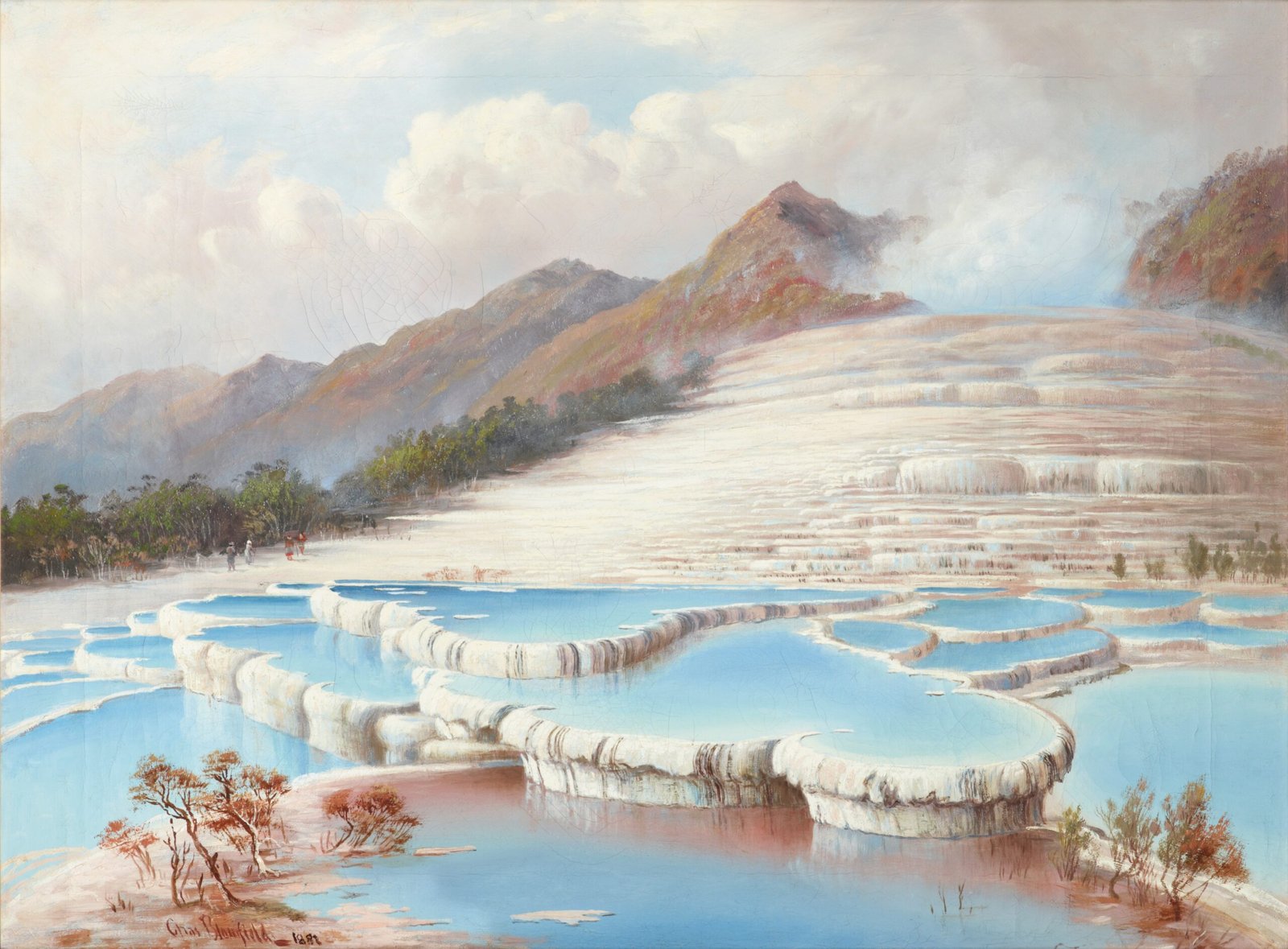
The Pink and White Terraces were formed over thousands of years through a natural process involving geothermal activity. Hot water, rich in silica, bubbled up from deep within the Earth, depositing layers of silica on the surface as it cooled. Over time, these deposits built up to form the terraces, creating a stunning staircase effect. The Pink Terraces were located on the western side of Lake Rotomahana and were known for their soft pastel hues, while the White Terraces were on the eastern side, characterized by their pristine, snow-like appearance. The interplay of geothermal activity and mineral deposits created a mesmerizing landscape that seemed almost otherworldly.
The Cultural Significance to the Maori People
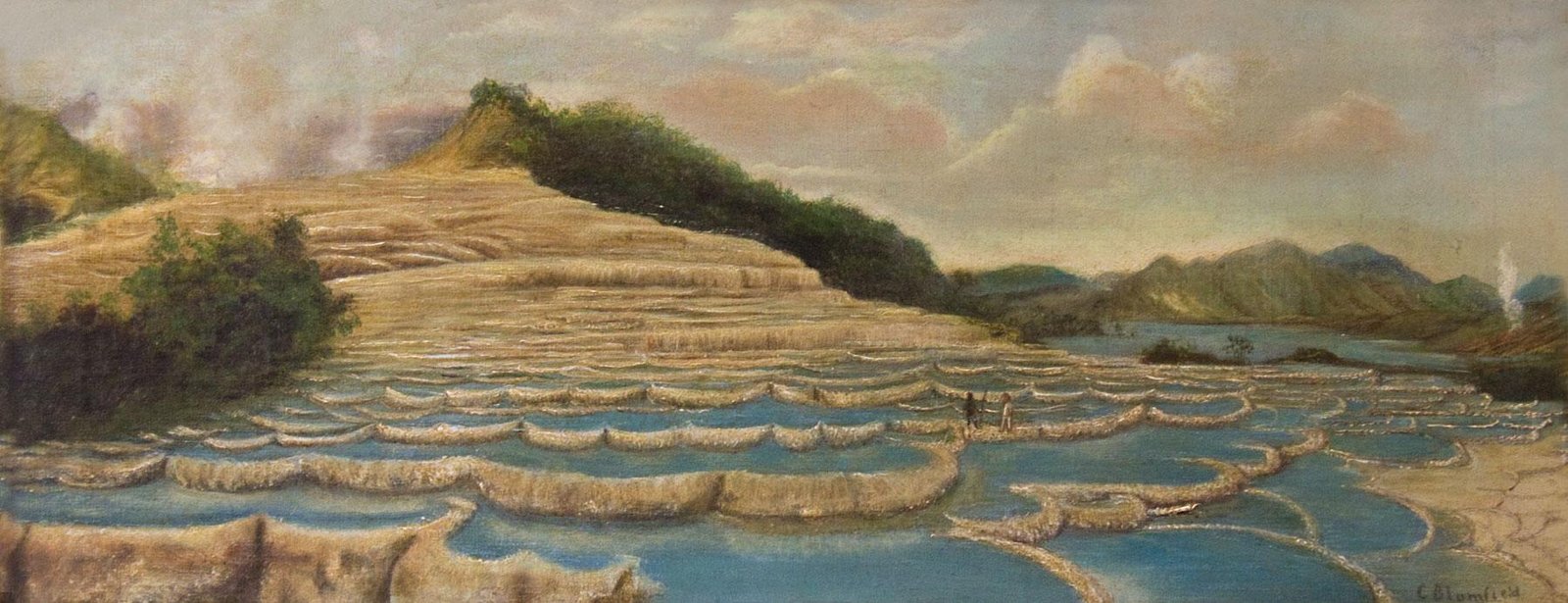
For the indigenous Maori people, the terraces held profound cultural and spiritual significance. They were seen as a sacred space, a gift from the gods, and were deeply intertwined with Maori mythology and tradition. The terraces were not only a source of natural beauty but also a place of healing and reflection. The warm, mineral-rich waters were believed to possess therapeutic qualities, and many Maori people would travel great distances to bathe in them. The terraces also served as a gathering place for storytelling and cultural rituals, making them an integral part of Maori heritage and identity.
The Global Fascination and Tourism Boom
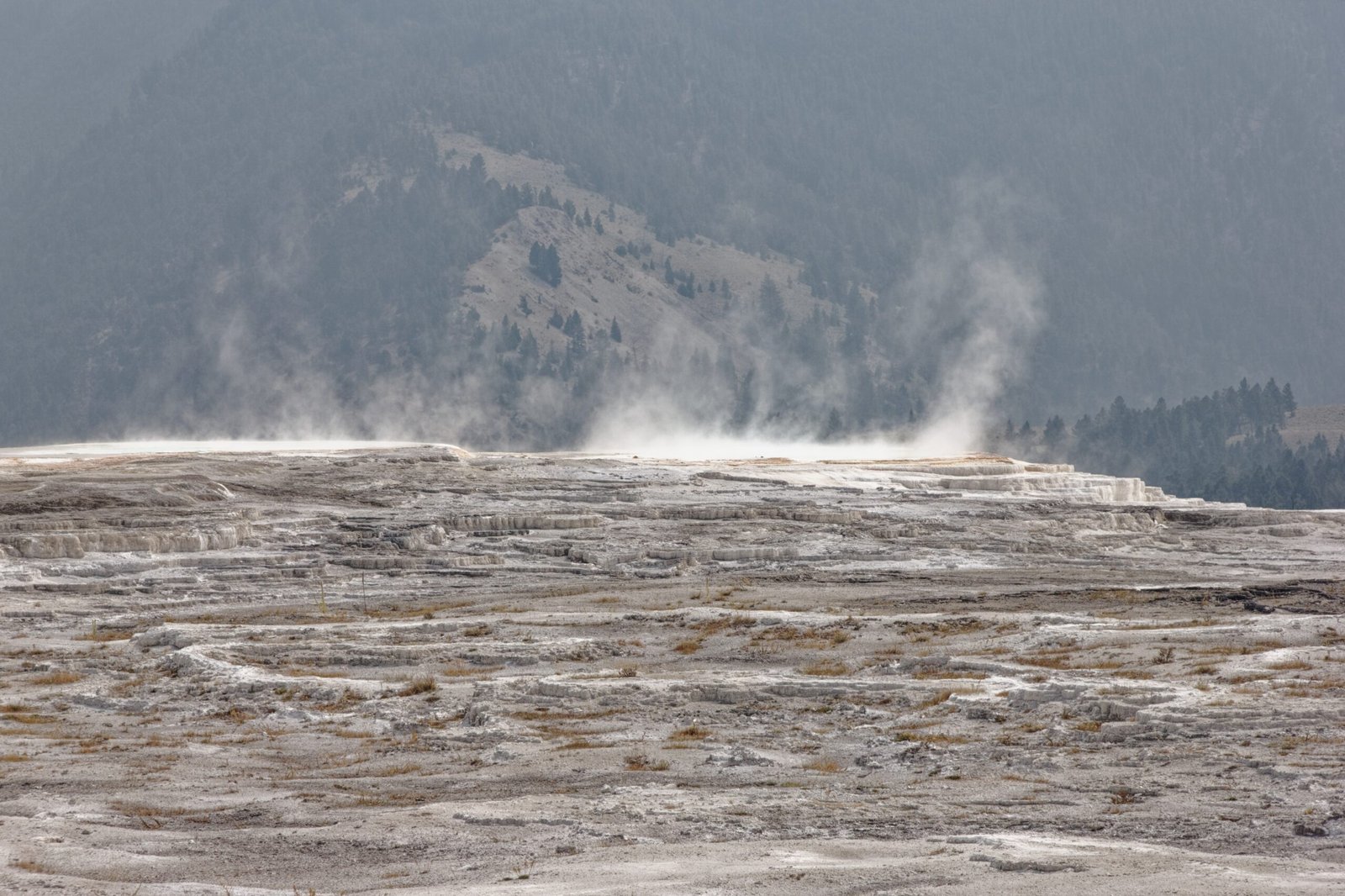
In the 19th century, the Pink and White Terraces became a global sensation, attracting tourists, scientists, and artists from around the world. Adventurous travelers would embark on long journeys to witness the terraces’ splendor firsthand, often documenting their experiences through sketches, paintings, and writings. The terraces were a popular subject for photographers and artists, who sought to capture their ethereal beauty in their work. The influx of tourists contributed to the growth of the local economy and established the terraces as a must-see destination for nature enthusiasts and explorers alike.
The Devastating Eruption of Mount Tarawera
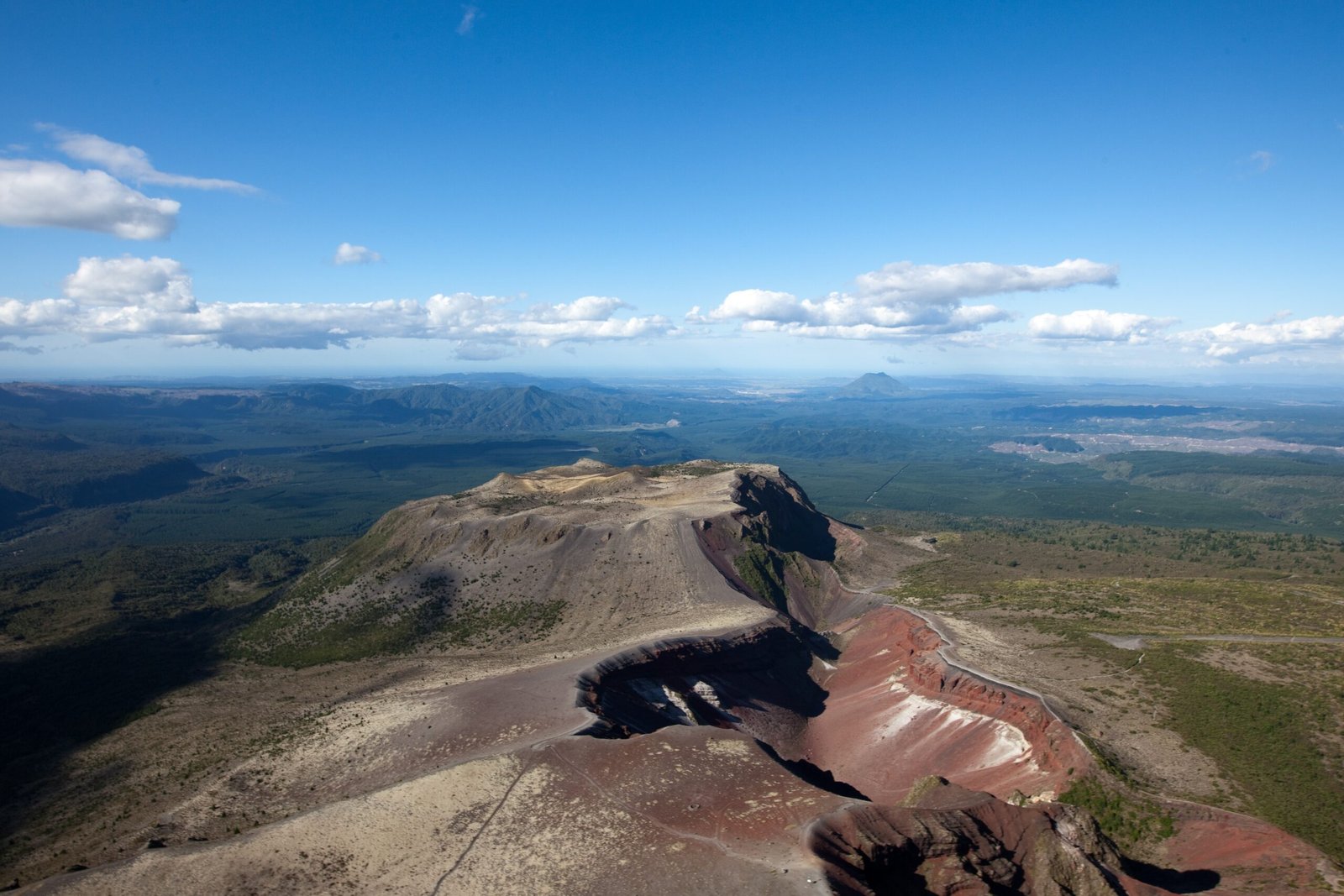
On June 10, 1886, disaster struck when Mount Tarawera erupted with devastating force. The eruption was one of New Zealand’s most violent volcanic events, lasting several hours and causing widespread destruction. The eruption sent plumes of ash and pumice high into the sky, and the surrounding landscape was engulfed in darkness. The Pink and White Terraces, along with nearby villages, were buried under meters of volcanic debris. The eruption claimed the lives of over 120 people and left a lasting impact on the region, forever altering its geological and cultural landscape.
The Lost Treasures: Searching for the Terraces
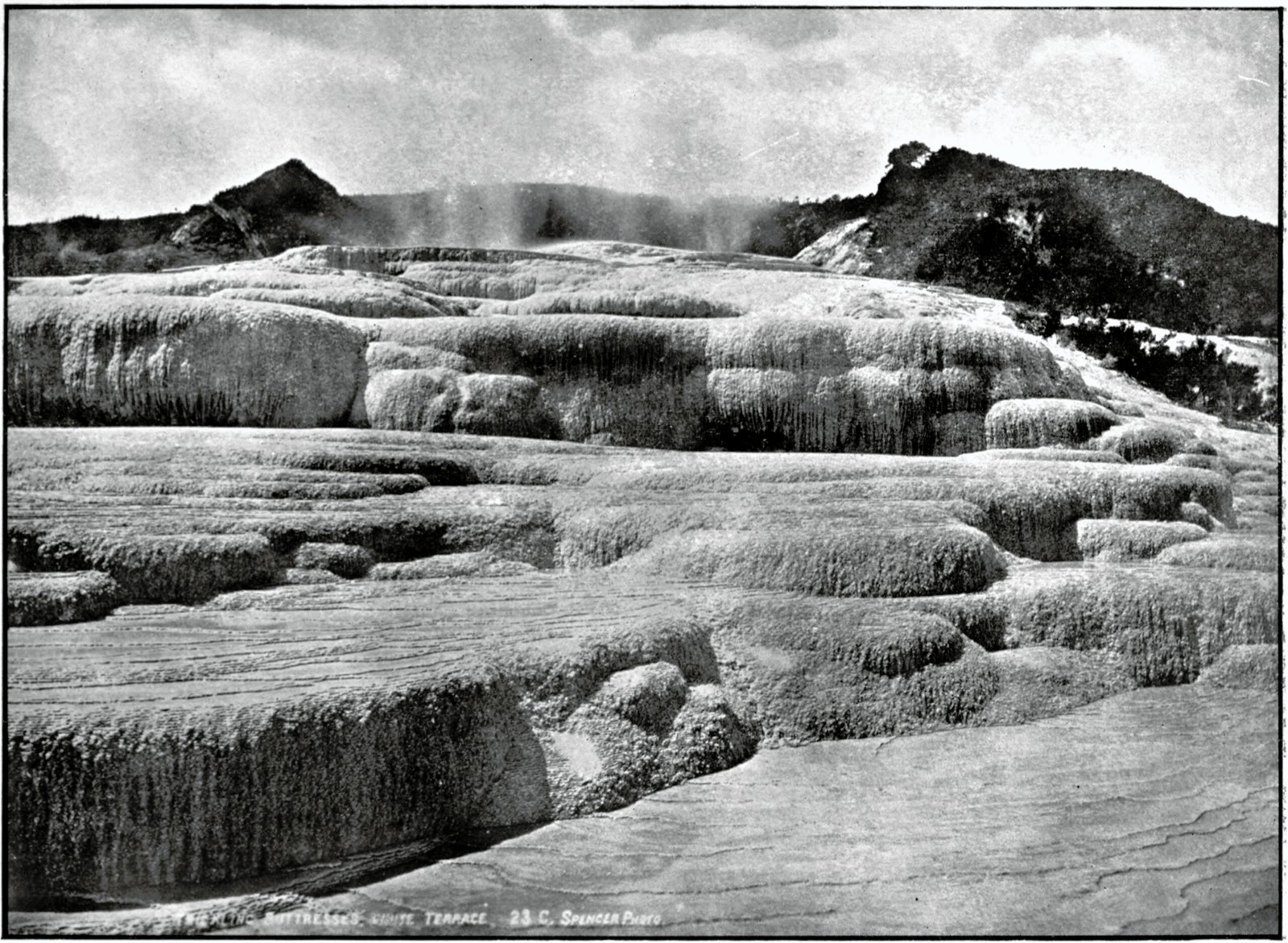
For many years, the exact location of the Pink and White Terraces remained a mystery, shrouded in myths and speculation. Scientists and researchers embarked on numerous expeditions to uncover the terraces, using modern technology to map the lakebed and search for remnants of the lost wonder. In recent years, there have been promising discoveries, with some researchers claiming to have found evidence of the terraces buried beneath Lake Rotomahana. These findings have reignited interest in the terraces and sparked hope that they may one day be rediscovered.
Preservation and the Legacy of the Terraces
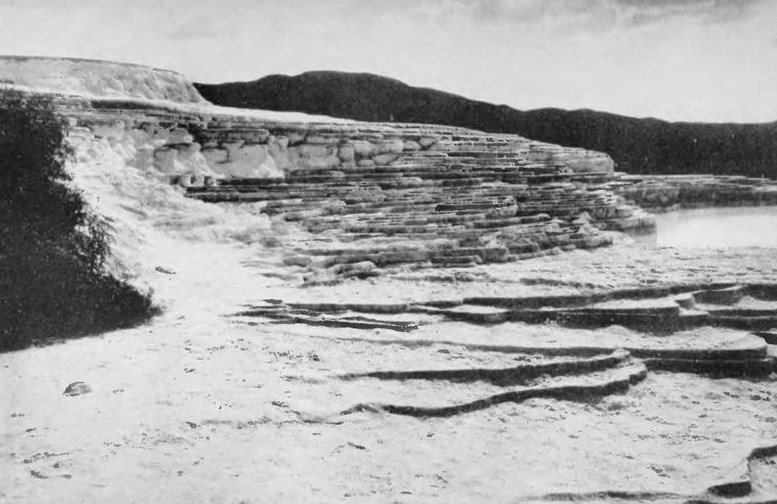
While the physical terraces may be lost to time, their legacy lives on through historical accounts, photographs, and the stories passed down through generations. Efforts to preserve the memory of the Pink and White Terraces have been undertaken by historians, conservationists, and the local Maori community. Museums and cultural centers in New Zealand showcase artifacts and exhibits dedicated to the terraces, ensuring that their story continues to inspire future generations. The terraces serve as a poignant reminder of the power of nature and the importance of preserving our natural and cultural heritage.
The Terraces in Popular Culture
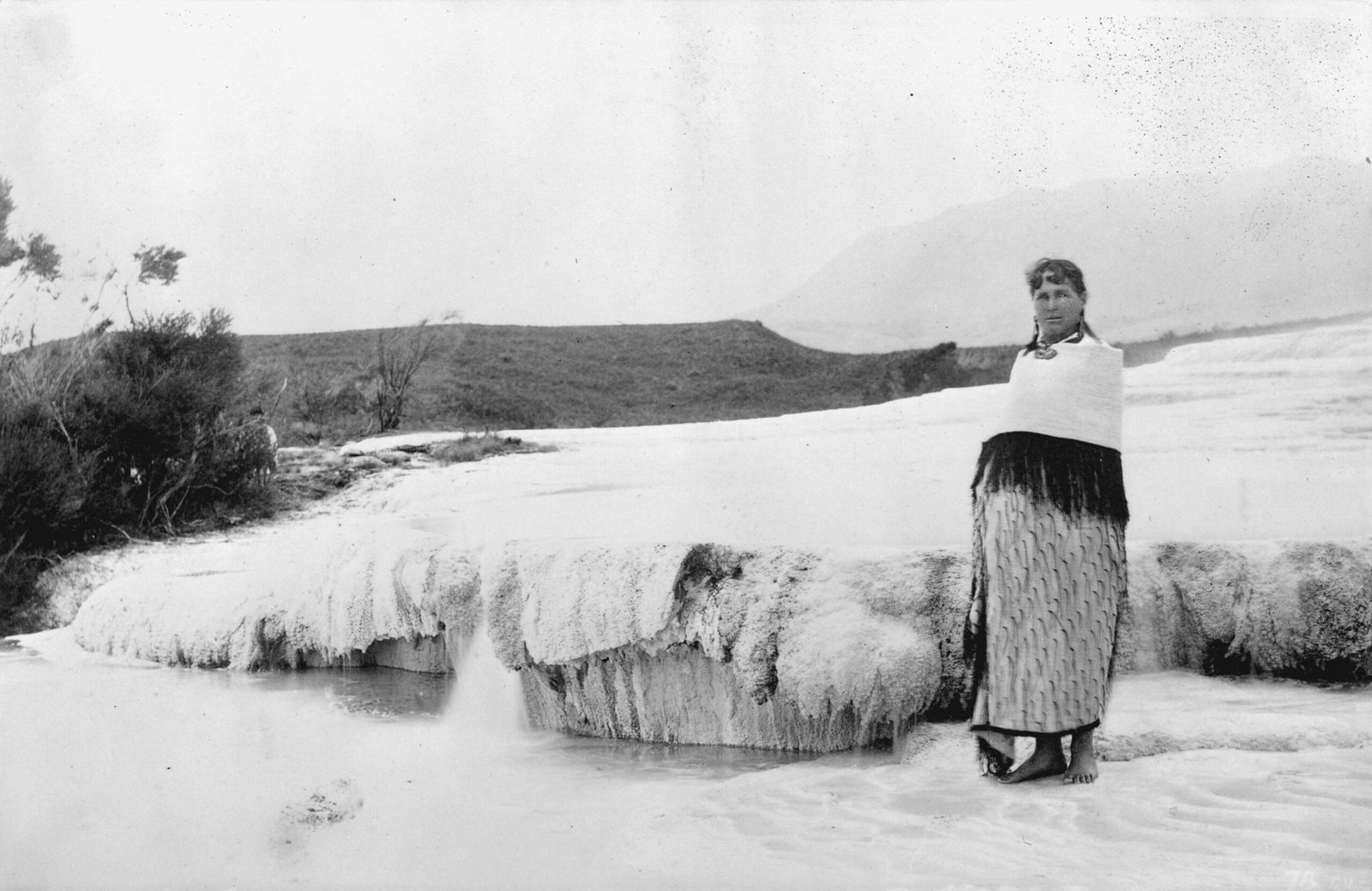
The Pink and White Terraces have captured the imagination of artists, writers, and filmmakers, cementing their place in popular culture. They have been featured in numerous works of literature, documentaries, and films, often portrayed as a symbol of lost beauty and mystery. The terraces have inspired countless creative endeavors, from paintings to poetry, each attempting to capture their essence and allure. They continue to be a source of fascination and wonder, drawing people into their story and sparking curiosity about the natural world.
Scientific Insights and Lessons Learned
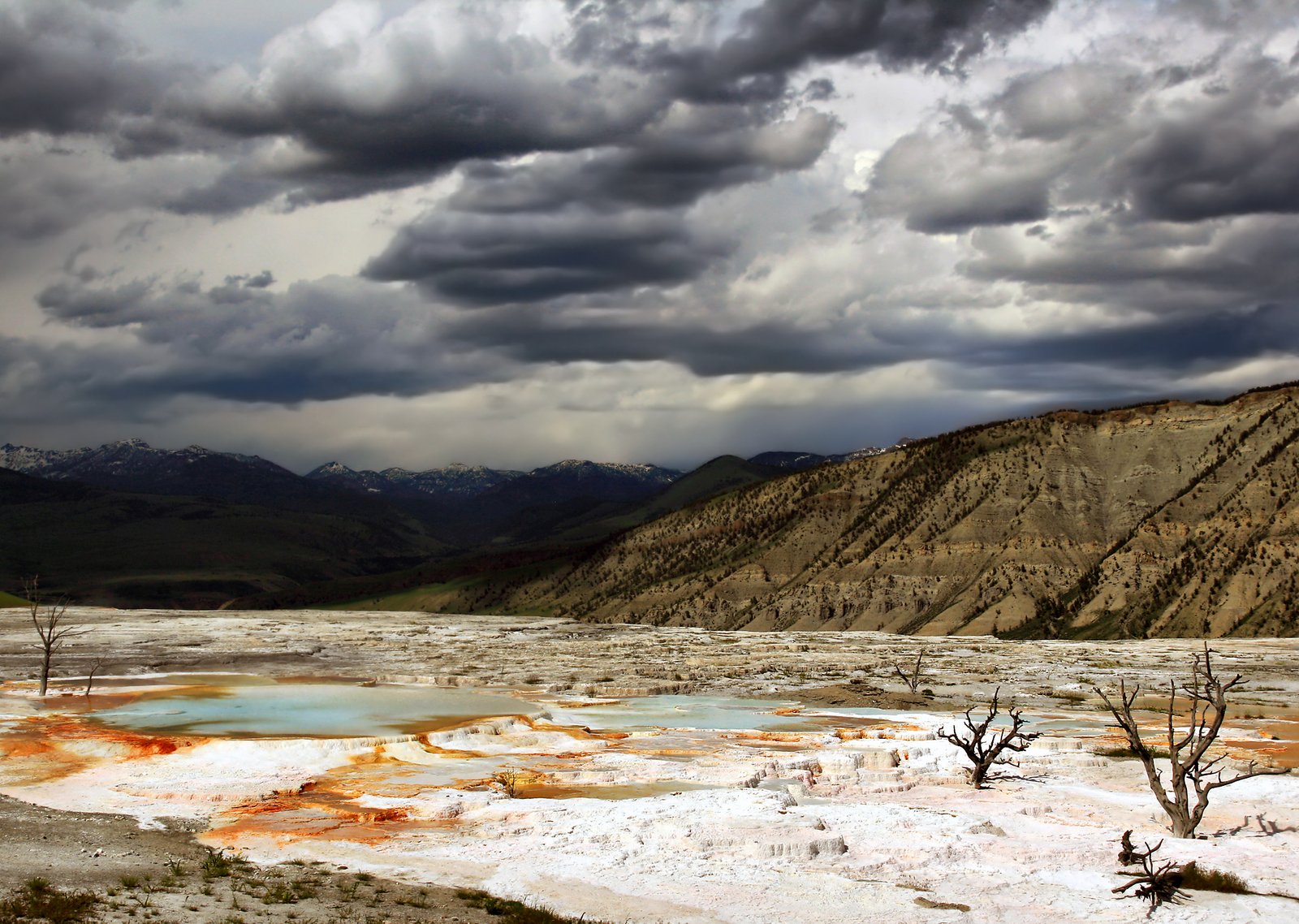
The study of the Pink and White Terraces has provided valuable insights into geothermal processes and the formation of sinter terraces. Researchers have gained a deeper understanding of the complex interactions between heat, water, and minerals that give rise to such formations. The terraces also offer important lessons about the fragility of natural wonders and the impact of geological events on the environment. The loss of the terraces serves as a reminder of the need for continued research and conservation efforts to protect and preserve Earth’s natural treasures.
The Emotional Impact and Legacy
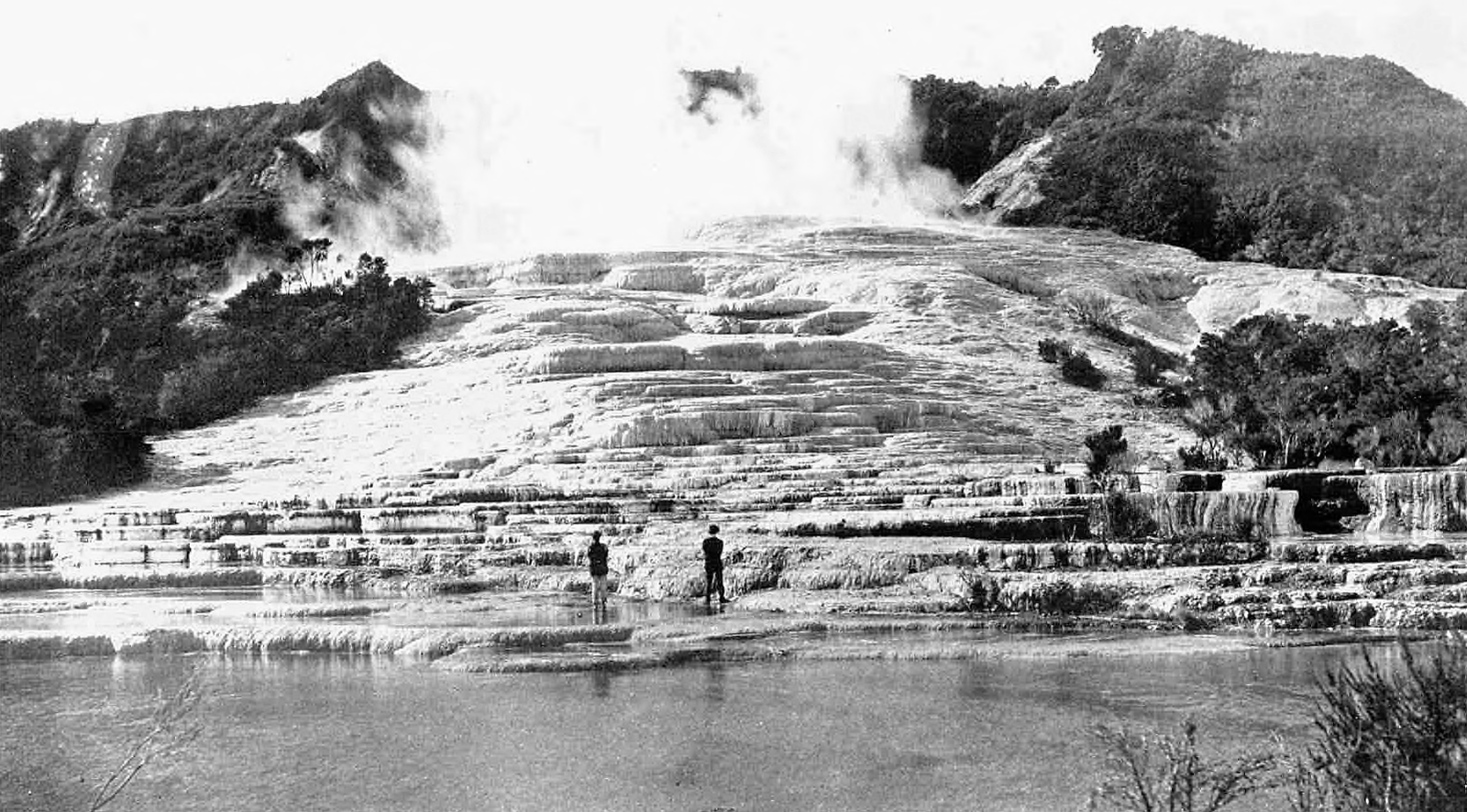
The story of the Pink and White Terraces evokes a sense of wonder, loss, and nostalgia. For those who were fortunate enough to witness their beauty, the terraces hold a special place in their hearts. The emotional impact of their loss is felt not only by the local community but also by nature lovers and travelers worldwide. The terraces represent a connection to the past and a reminder of the fleeting nature of beauty. Their legacy endures through the stories and memories shared by those who continue to be inspired by their magnificence.
Reflections on Nature’s Wonders

The Pink and White Terraces remind us of the awe-inspiring power and beauty of nature. They challenge us to appreciate and protect the natural world, recognizing the delicate balance that sustains it. As we reflect on the terraces’ story, we are prompted to consider the importance of preserving our planet’s unique landscapes and the cultural heritage they embody. The terraces serve as a call to action, urging us to be stewards of the environment and to cherish the wonders that enrich our world.