
Ask a textbook how things fly, and you’ll get neat curves and clean equations. Watch a gull elbow through a gust or a hummingbird hang like a living helicopter, and those tidy rules start to fray. Across forests, coastlines, and city canyons, birds keep rewriting the margins of aerodynamics with feathered tricks that engineers are only starting to decode. Their wings shift shape mid‑air, summon tiny tornadoes, and cheat stalls that would down a model plane. This isn’t just a pretty spectacle; it’s a blueprint for the next era of flight.
The Hidden Clues
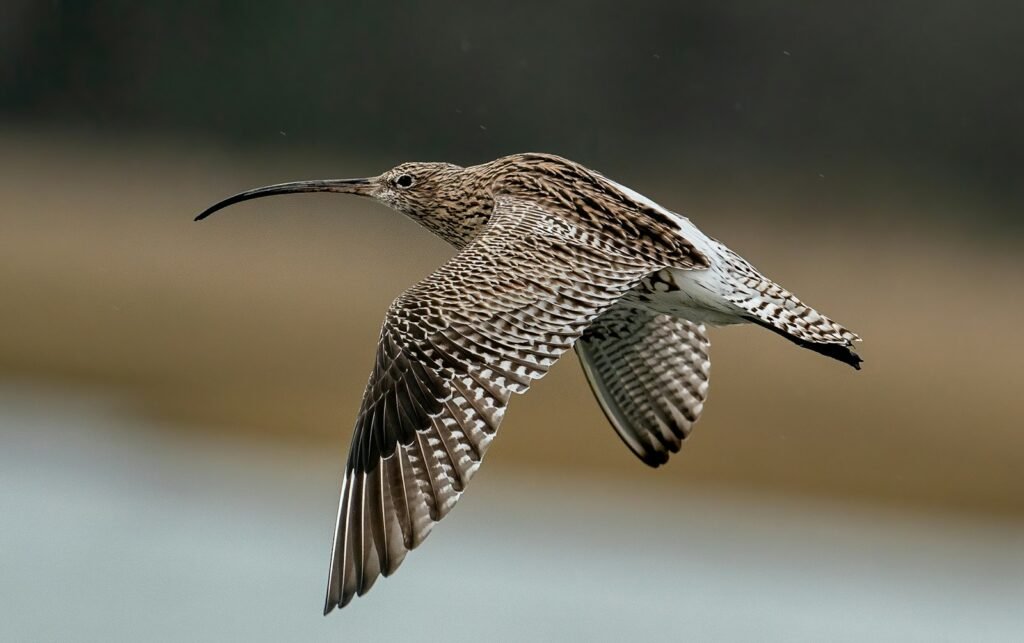
The most surprising secret of bird flight is how messy air can be, and how birds make that mess work. Instead of fearing turbulence, many species harvest it, folding and unfurling feathers to ride eddies like skateboarders surfing a wake. A swallow angles steep into a turn that should stall, yet a stable spiral of low‑pressure air clings to its wing and keeps it aloft. Even the gaps between feathers matter, acting like tiny valves that delay separation when the angle gets aggressive. The air is noisy and complex, but birds turn that chaos into control.
I remember standing on a pier watching a gull hover over a trash bin in a crosswind that had my jacket flapping. It barely flapped, just flexed its primaries and twitched its tail as if playing a fine instrument. That twitch wasn’t random; it was a precise correction tuned to keep a vortex parked on the wing’s leading edge. The physics looked almost cheeky, like the bird was breaking a rule everyone else has to follow. Moments like that make you realize how much skycraft we still have to learn.
From Ancient Tools to Modern Science
For a long time, flight science leaned on wind tunnels, smooth models, and equations built for fixed wings. That gave us strong foundations, but it missed the softness and speed of real feathers in real weather. Now, high‑speed cameras, tiny on‑bird sensors, and particle‑image velocimetry are revealing the hidden rivers and whirlpools in the air. Drones pace alongside hawks to map their wake, while computational models finally flex wings mid‑simulation. The new picture is not a straight line; it’s a dance chart written in vortices.
These tools keep confirming patterns field watchers suspected for years. Swifts hold a leading‑edge vortex in slow flight, hummingbirds re‑capture their own wake between strokes, and albatrosses yo‑yo through wind shear without paying much energy. Engineers translate those moves into code, then into morphing prototypes that bend, twist, and feather like living wings. The boundary between biology and machinery is thinning, and it’s happening in the slipstream of birds.
Wing Morphing: The Shape‑Shifter Advantage
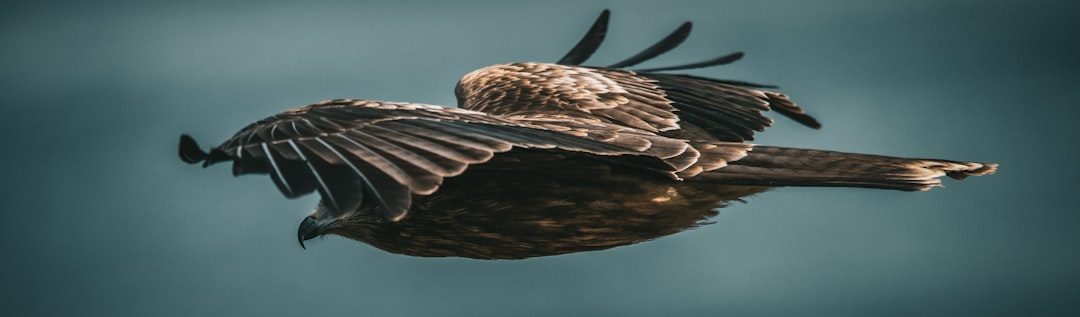
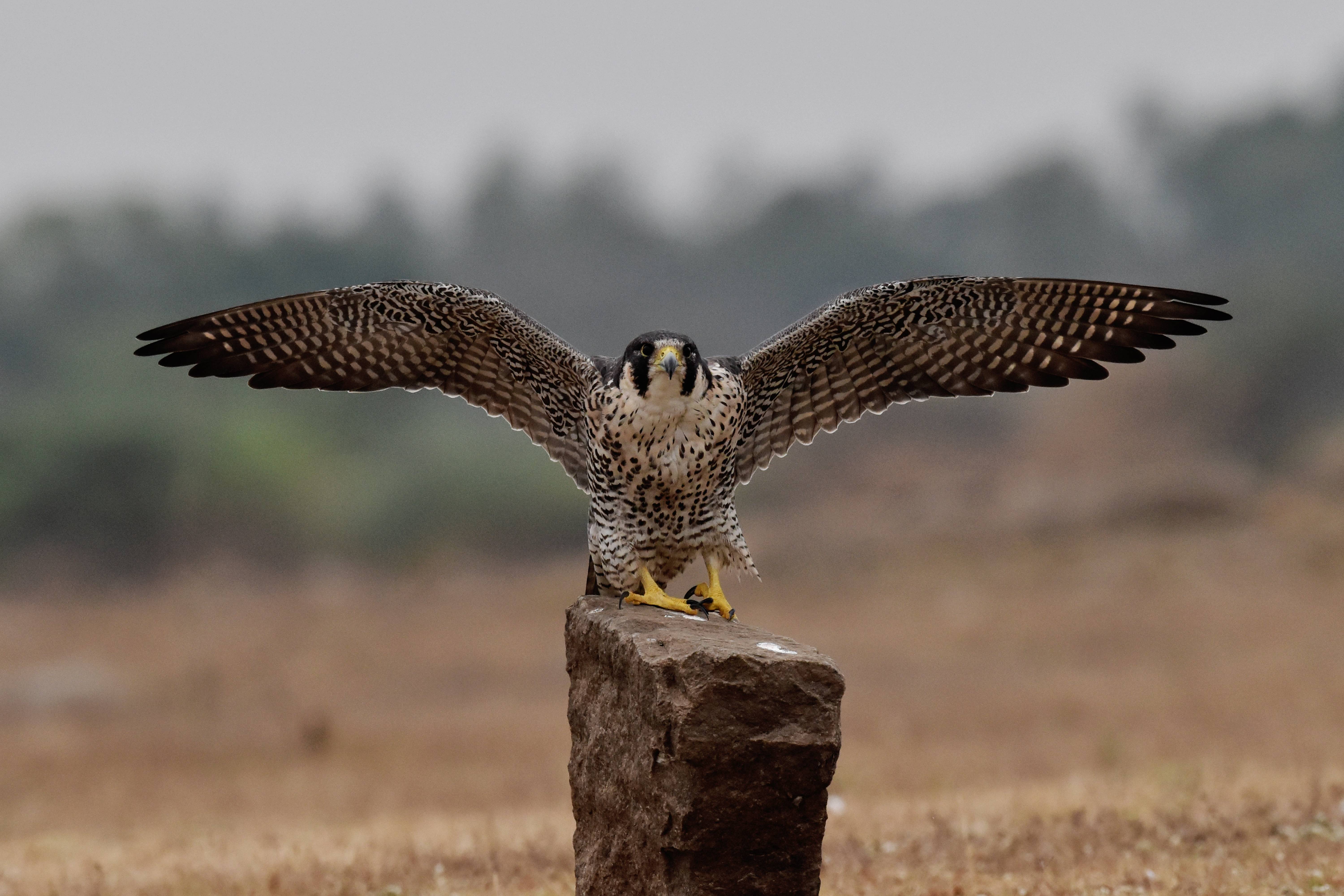
Birds don’t fly on fixed airfoils; they fly on wings that morph from root to tip in milliseconds. A falcon tucks for speed, then fans its tail to brake, changing lift and drag as if selecting gears. Rooks and crows splay their primaries to create fingered wingtips that bleed off vortices and cut induced drag. Those slots, combined with subtle wrist bends, let them pivot tightly without spiraling into a stall. Shape, not just surface area, is the secret sauce.
When roboticists copy that shape‑shifting, they see immediate gains. A flexible trailing edge smooths gusts the way shock absorbers smooth potholes. A bendable leading edge delays stall at high angle of attack, buying extra maneuvering space. Even small changes pay off, like a tiny alula‑like flap near the wrist that stabilizes slow flight. The message is simple: the best wing is the one that can become many wings.
Riding the Invisible: Vortices, Wake Capture, and the Alula
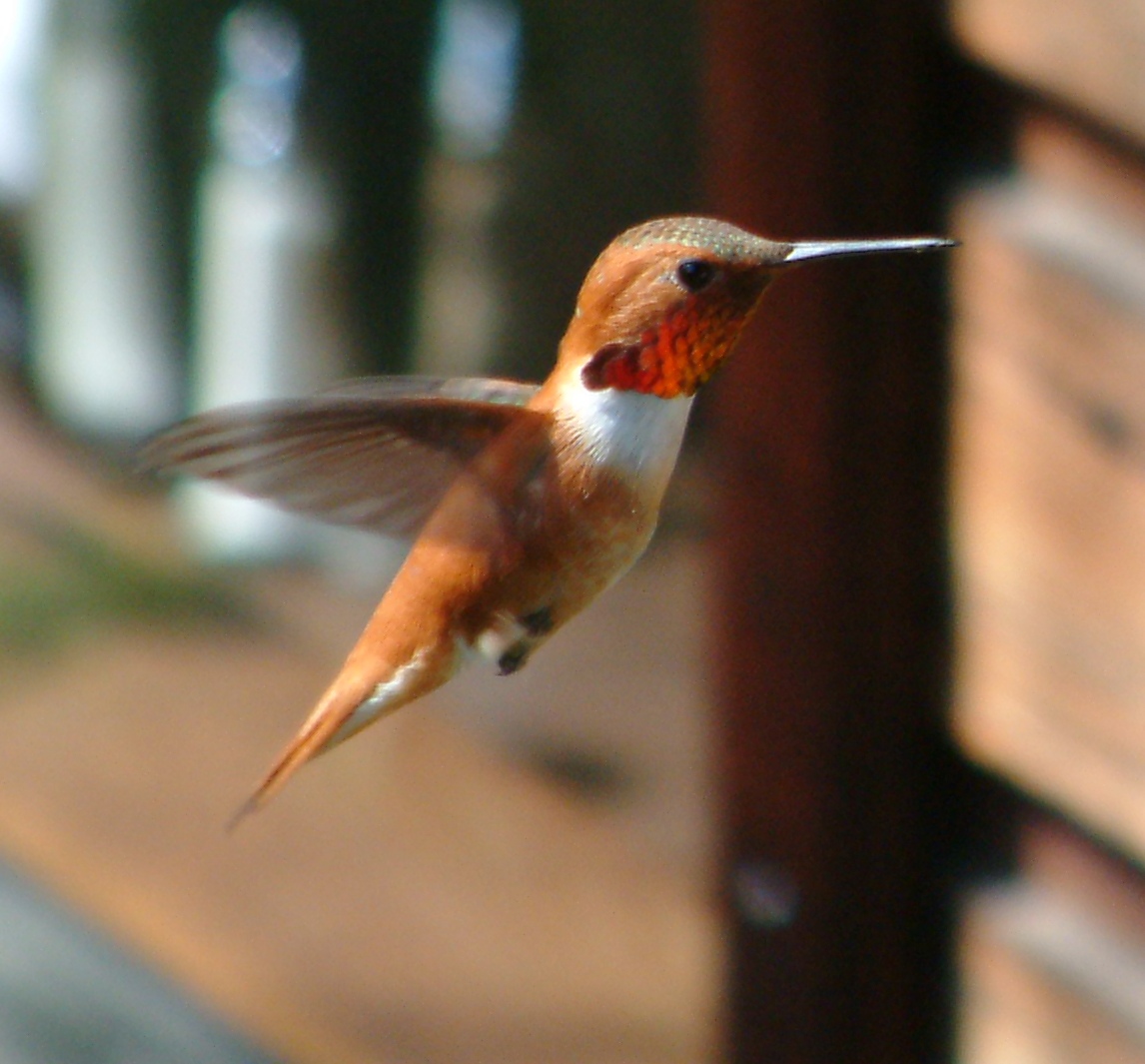
Many birds summon a tight, spinning tube of air along the front of the wing – the leading‑edge vortex – and ride it for extra lift. Hummingbirds are masters here, drawing that vortex on both the downstroke and upstroke, then reclaiming energy from their own wake like a runner drafting behind themselves. Swifts and terns use a similar trick during slow turns and steep climbs, keeping that vortex attached longer than a rigid foil could. The alula, a thumb‑like flap, acts like a smart spoiler to keep flow from peeling away. It’s a small piece of anatomy with a huge aerodynamic paycheck.
Wake capture sounds like fiction, but it’s simply clever timing. A bird sweeps through air it stirred a split second earlier, tipping leftover swirl into useful lift. Done right, it lowers the metabolic cost of hovering or braking in tight quarters. That economy adds up through a day of foraging or migration. If you’ve seen a small bird pivot around a feeder, you’ve watched wake banking in action.
Power at the Edge: High Angles Without the Stall
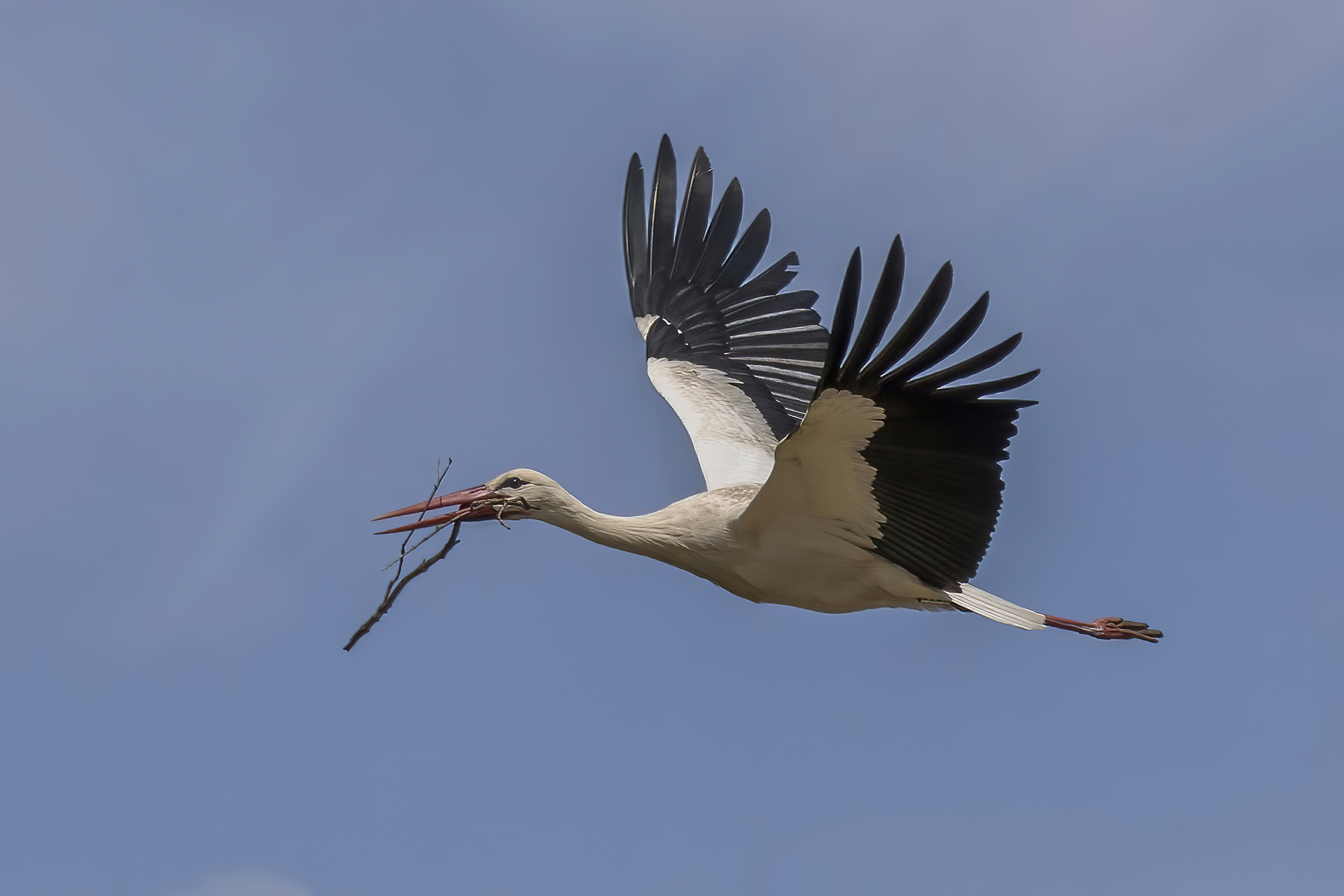
Textbook wings stall when pushed too steep, but birds flirt with that edge and often skate past it. They do it with roughness that re‑energizes the boundary layer, feathers that open like pressure relief valves, and rapid pitch changes that delay separation. At perching speeds, many species fly “over‑stalled” in short bursts yet avoid falling out of the sky. Their trick is unsteady lift: they make lift appear and vanish in pulses instead of expecting it to be steady. In practice, that means sharp, well‑timed wing rotations are as important as wing shape.
Even body posture matters. Tilting the tail or head shifts the center of mass to keep the whole system balanced during aggressive maneuvers. Some raptors flare like parachutes, then snap into a dive without a hiccup. It looks like rule‑breaking, but it’s really rule‑bending with exquisite timing. The clock, as much as the wing, is part of the design.
Silent Stealth: Owl Feathers and Roughness That Works
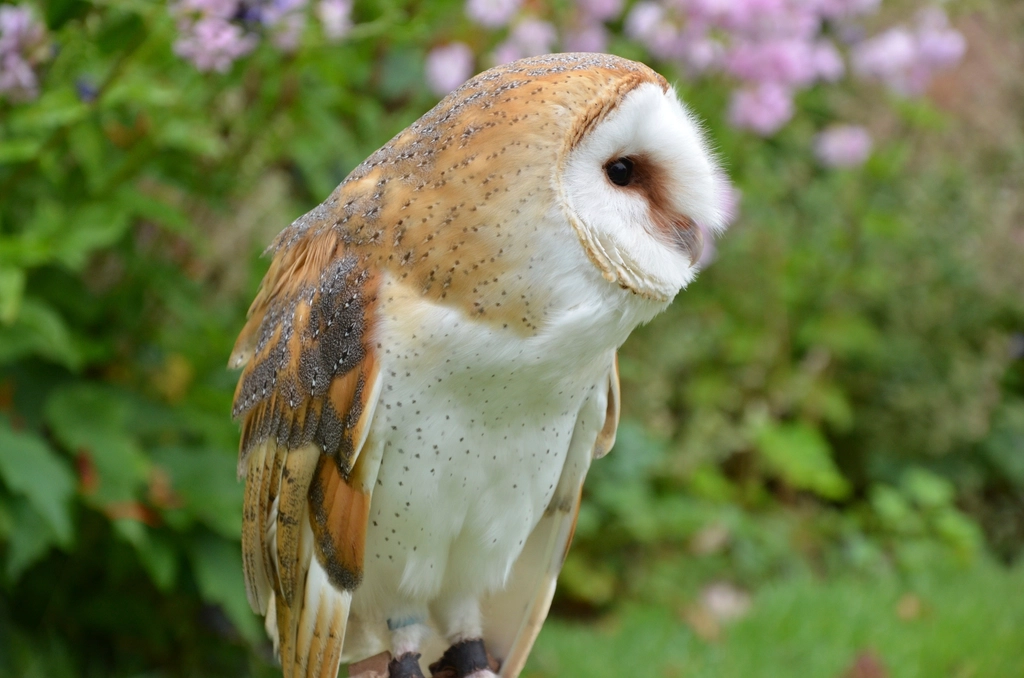
Owls fly in a different physics class, trading raw efficiency for stealth that trips up our expectations. Serrated leading edges, a downy surface, and a soft fringe at the trailing edge shred big vortices into smaller, quieter ones. That dampens the pressure fluctuations that our ears read as sound, making their approach eerily muted. The same features also smooth flow, which keeps lift steadier when an owl slows to thread trees. Quiet, in other words, doubles as control.
Engineers borrow these ideas for fans, wind turbines, and even quieter drones. A saw‑tooth edge can lower noise without gutting performance, and a fuzzy coating tames turbulence at low speeds. The gains aren’t magic, but they are real, especially near stall or in gusts. Silent flight isn’t only for stalking prey; it’s valuable wherever people want machines to share the sky unobtrusively. Cities, wind farms, and wildlife reserves all stand to benefit.
Why It Matters
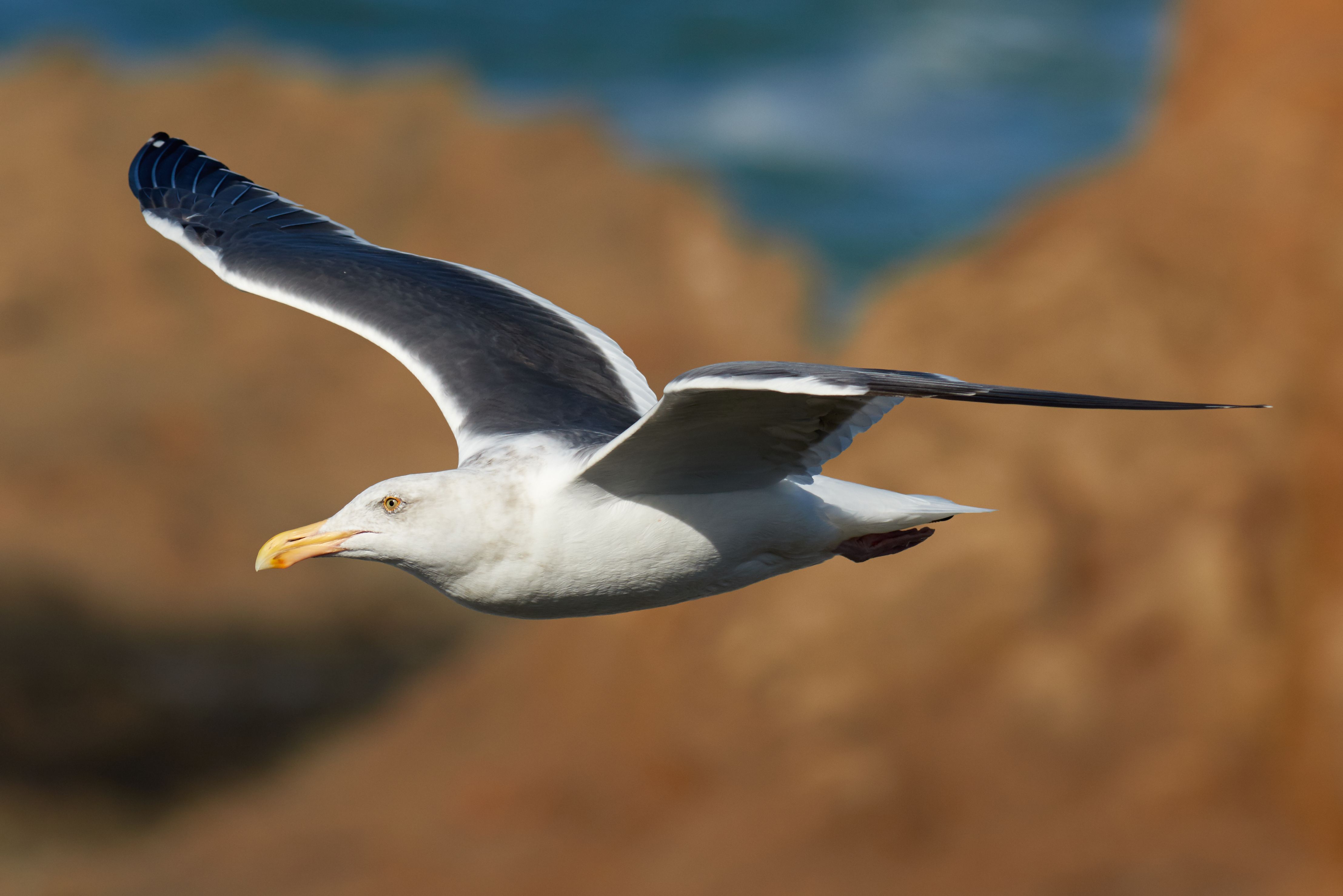
Bird flight challenges the aircraft rules many of us learned, and that friction is productive. Traditional aerodynamics excels at steady conditions, but the natural world is anything but steady, especially close to the ground. Birds show that agility, not just cruise efficiency, is the gold standard for survival. When you’re landing on a twig or threading a skyline, being able to steer lift on a dime is priceless. That’s a different design target than cruising at altitude on a metal wing.
The payoff reaches beyond curiosity. Agile, gust‑hardy drones can inspect bridges, deliver medicine, and monitor fires when helicopters are grounded. Morphing wings and vortex‑smart control could reduce energy use in stop‑and‑go missions by a meaningful amount. And by understanding how birds exploit turbulence, we can better design urban spaces that are kinder to wildlife and safer for small aircraft. The more we read from feathers, the better we can write the next pages of flight.
Global Perspectives: Lessons From Skies Around the World
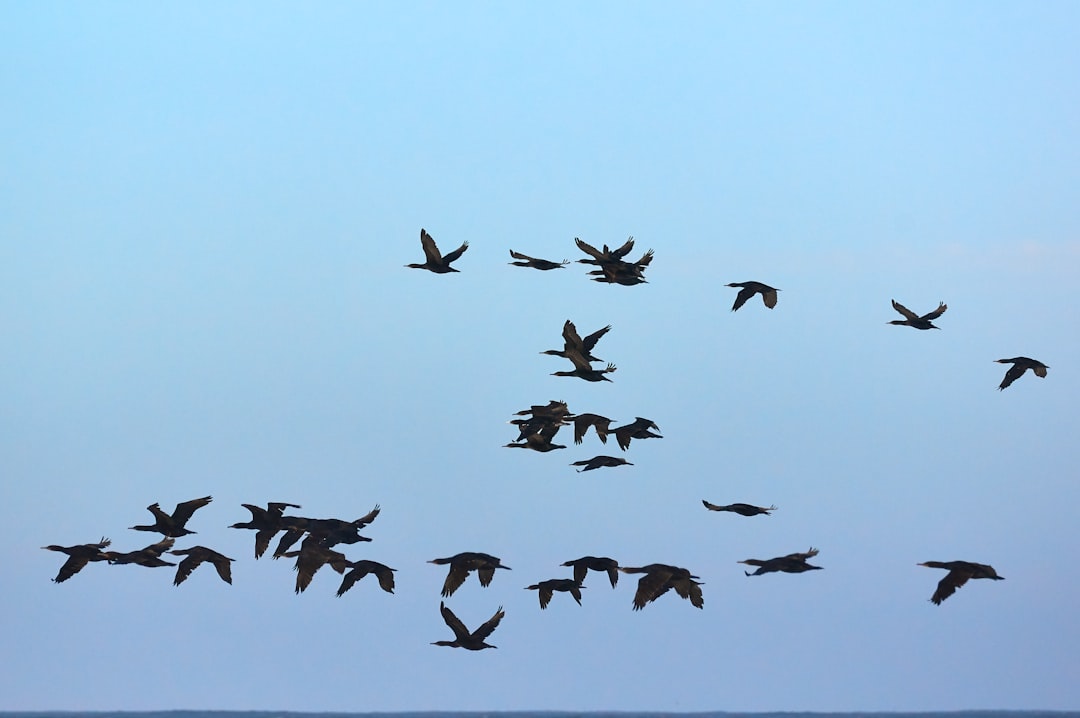
Open oceans teach one set of rules, forests another, and cities yet another. Albatrosses trace lazy S‑curves through wind shear over waves, tapping free energy so efficiently that flapping becomes rare. Condors ride mountain thermals like elevators, saving precious muscle for takeoff and landing. Swifts practically live in the air, sleeping and courting on the wing, which pushes their endurance aerodynamics to the limit. Each landscape pressures birds into a different optimization strategy.
Urban birds add a modern twist, weaving wakes between buildings and trucks. Pigeons and gulls learn to surf bus‑induced upwash the way cyclists draft a peloton. Starlings use neighbor‑tuned spacing to save effort in those mesmerizing murmurations. Even small tweaks – like changing gap size between primaries – can yield outsized benefits when wind gets weird. The world is a wind tunnel with cliffs, corners, and surprises.
The Future Landscape: Bio‑Inspired Flight and New Frontiers
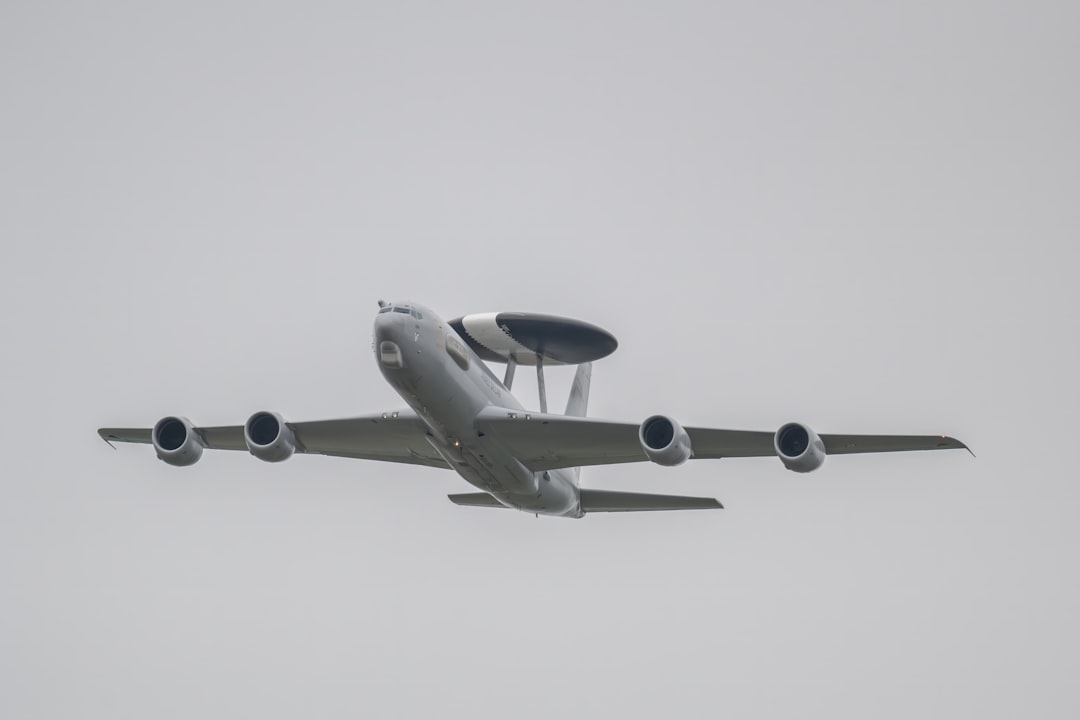
Researchers are turning bird lessons into hardware: hinged wingtips that finger the air, soft spines that flex like a wrist, and control systems that aim for pulses of lift instead of steady glide. New materials let wings bend without breaking, and lightweight sensors watch flow in real time to trigger micro‑adjustments. The dream is a craft that can loiter in gusts, hover in clutter, and land on a railing without drama. It won’t look like a bird, but it will think like one.
There are hurdles. Morphing parts complicate maintenance, and algorithms that juggle unsteady aerodynamics must be robust against failure. Wildlife safety matters too; machines that mimic birds need to avoid harassing them or stealing their airspace. Regulation will have to keep up with designs that don’t fit old categories. Still, the trajectory is clear: smarter wings, thriftier energy use, and gentler footprints in the sky.
From Numbers to Nerves: The Human Connection
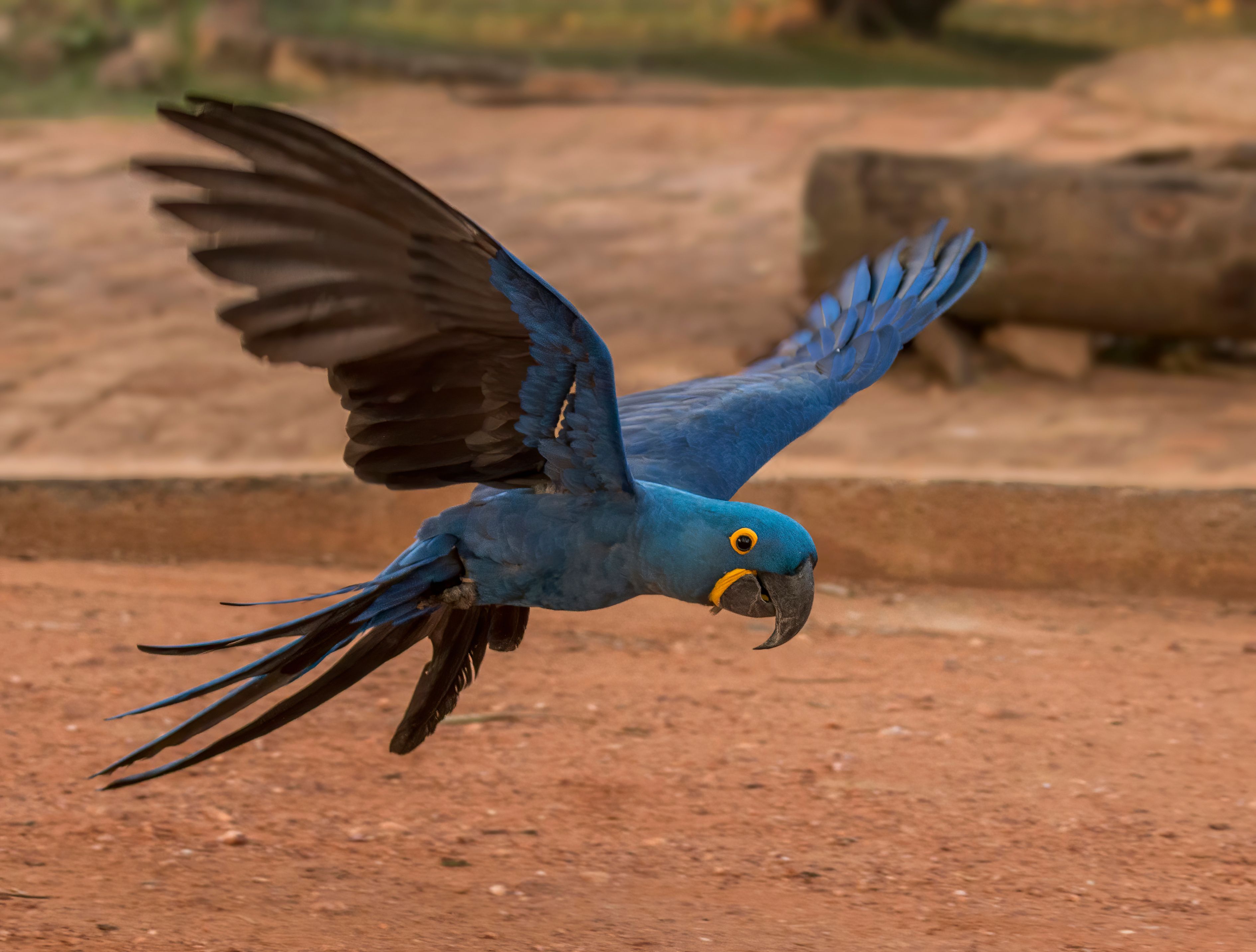
Flight is physics, but it’s also feel, and birds never forget that. Their sensors – eyes, skin, inner ear – feed rapid decisions that equations alone can’t predict. Pilots talk about “seat‑of‑the‑pants” flying; birds live there, blending numbers with nerves. That union hints at future cockpits and autopilots that focus on tactile cues and unsteady cues, not just speed and altitude. We’ll need machines that read the air the way fingers read Braille.
Here’s the kicker: some of the biggest wins come from small changes. A tiny flap, a subtle twist, a smarter delay in wing rotation – those micro‑moves add up to macro control. I think that’s why watching birds never gets old; they’re masters of nuance. Every bank and flare is a reminder that precision beats brute force. That lesson translates well beyond aviation.
Field Notes: Simple Tests You Can See
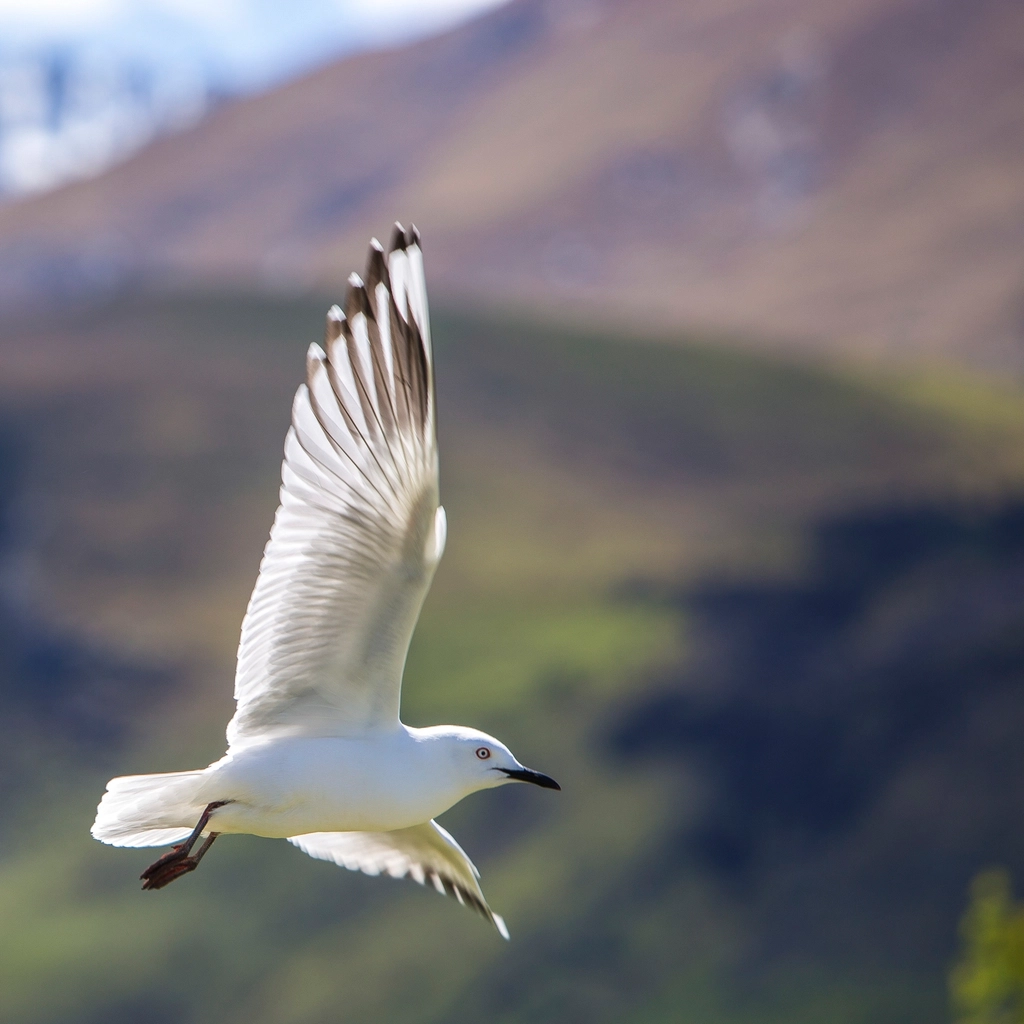
You don’t need a lab to spot aerodynamics in action. Watch a duck land and see how it flares tail and wings to balloon lift at the last second. Notice how a kestrel faces the wind and “hovers” by balancing thrust and drag while tipping the wing just enough to keep a vortex alive. On windy days, gulls splay their primaries like fingers; on calm days, they tuck them tighter to clean up drag. Even backyard sparrows show wake tricks when they brake into a hedge.
Next time a storm clears, scan the edges of buildings where upwash forms. Birds will stack along those invisible escalators, saving effort the way hikers use switchbacks. Look for subtle tail flicks that cue big changes in attitude. You’ll start to read the air the way surfers read a swell. It’s addictive, and it makes every walk a field trip.
What You Can Do
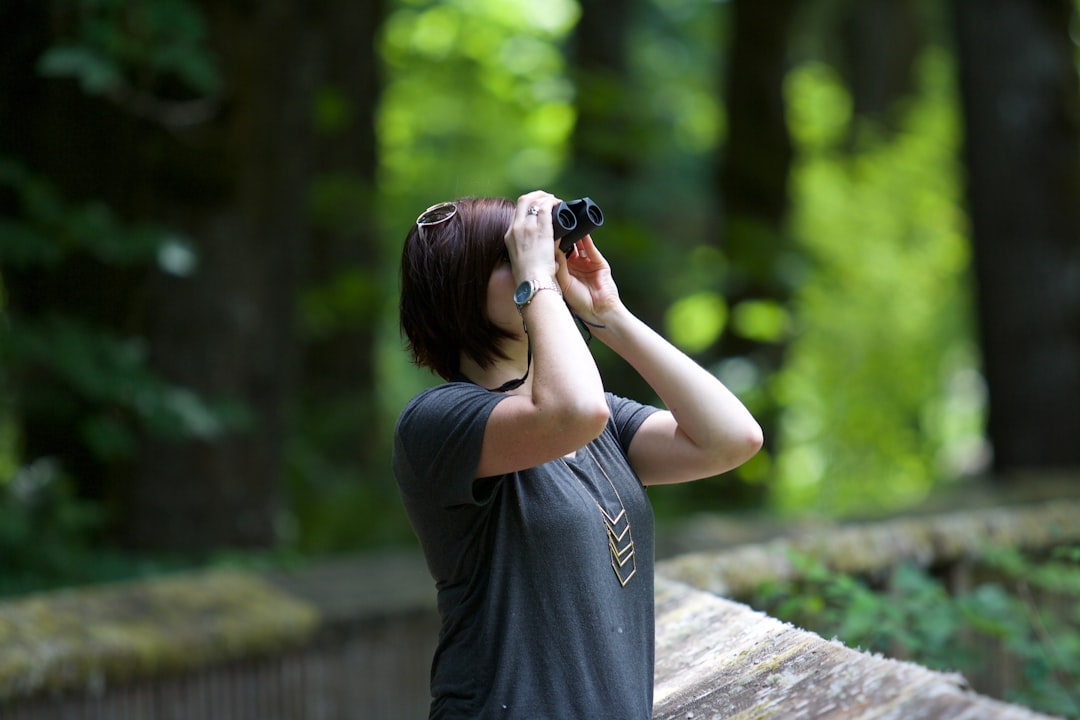
Support the science that keeps decoding these skyborne puzzles. Citizen‑science platforms that log flight behavior, urban habitat projects that preserve breezeways, and local policies that protect roosts all help. If you fly drones, choose times and distances that avoid nesting and migration corridors, and use quieter props modeled on owl‑inspired edges. Simple steps like keeping windows visible to birds and planting native shrubs reduce collisions and give them safer approaches. Small actions compound, just like small wing tweaks.
Share what you notice, because every observation sharpens the picture. Teach kids to watch the wind, not just the bird, and the physics comes alive without a chalkboard. When we learn to see the hidden currents, we fly a little smarter too. The next breakthrough may start with someone looking up at the right moment and asking a simple question. What will you see on your next windy day?
Suhail Ahmed is a passionate digital professional and nature enthusiast with over 8 years of experience in content strategy, SEO, web development, and digital operations. Alongside his freelance journey, Suhail actively contributes to nature and wildlife platforms like Discover Wildlife, where he channels his curiosity for the planet into engaging, educational storytelling.
With a strong background in managing digital ecosystems — from ecommerce stores and WordPress websites to social media and automation — Suhail merges technical precision with creative insight. His content reflects a rare balance: SEO-friendly yet deeply human, data-informed yet emotionally resonant.
Driven by a love for discovery and storytelling, Suhail believes in using digital platforms to amplify causes that matter — especially those protecting Earth’s biodiversity and inspiring sustainable living. Whether he’s managing online projects or crafting wildlife content, his goal remains the same: to inform, inspire, and leave a positive digital footprint.