A bird that rises from its own ashes—just reading that phrase stirs something deep and primal inside us. The very image of the phoenix, glowing with fiery feathers and soaring through smoke, has captivated human imagination for thousands of years. This legendary creature is not just a myth; it is a symbol that has danced across continents and centuries, leaving its trail in stories, art, and even science. Why do so many cultures, separated by oceans and language, tell tales of a bird that dies in flames only to be born anew? The answer lies at the heart of what it means to hope, to endure, and to transform. Get ready to embark on an extraordinary journey into the meaning of the phoenix, where science meets myth and rebirth becomes more than just a word—it becomes a powerful force that unites us all.
The Ancient Egyptian Bennu: Dawn of the Phoenix Legend

Long before the word “phoenix” was uttered in Greek, ancient Egyptians revered the Bennu bird—a heron-like creature that rose each morning with the sun god Ra. The Bennu represented not just the daily cycle of sunrise and sunset, but the very essence of regeneration and creation. Egyptians believed the Bennu played a role in shaping the world, embodying the life-giving power of the Nile’s floods and the continuity of the pharaoh’s rule. Hieroglyphs often showed the Bennu perched on a sacred stone, radiating light and life. This early myth laid the foundation for later phoenix legends, showing how natural cycles inspired people to imagine something miraculous—a creature that could conquer death itself. The Bennu’s story is still etched on ancient temple walls, a reminder of humanity’s earliest fascination with the mysteries of renewal.
Greek Mythology and the Burning Phoenix
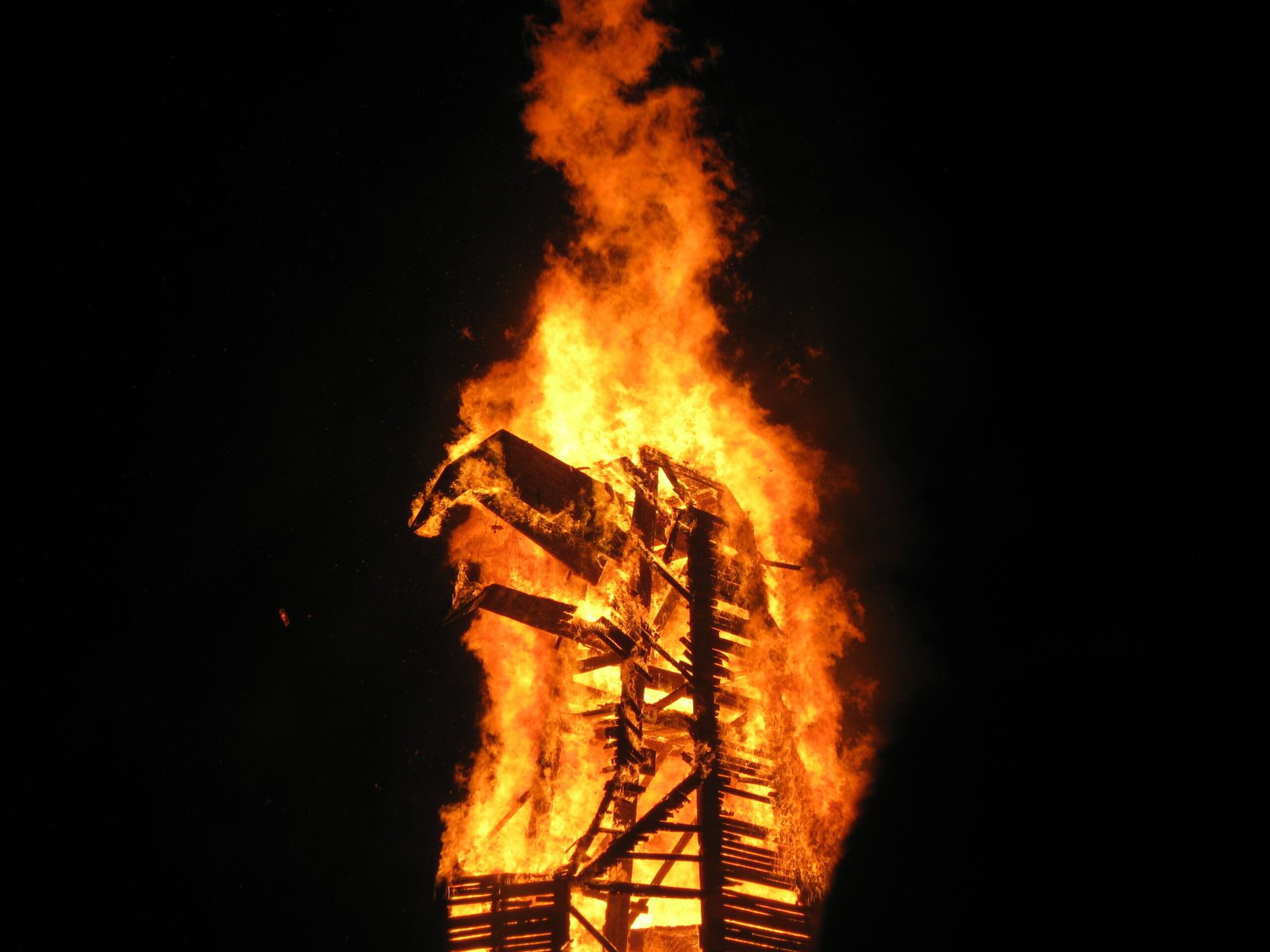
In Greek mythology, the phoenix truly came alive in blazing color. Described as an eagle-sized bird with red and gold feathers, the Greek phoenix lived for centuries before building a nest of spices and setting itself ablaze. From the ashes, a new phoenix would emerge, vibrant and young. The Greeks saw the phoenix as a symbol of immortality, closely tied to the sun and the endless cycle of time. Ancient scholars like Herodotus and Ovid wrote about this magical bird, weaving it into poems, philosophical debates, and even political metaphors. The story of the phoenix burning and rising again became a way to explain not just personal transformation, but the rise and fall of empires. It was a story so powerful that it survived long after the last temple crumbled, echoing through Western culture for generations.
The Chinese Fenghuang: Harmony and Virtue

Far from the deserts of Egypt and the marble halls of Greece, the Chinese phoenix—known as the Fenghuang—took on a different role. Rather than a bird of fire and ashes, the Fenghuang symbolized peace, prosperity, and the union of yin and yang. Its feathers shimmered with every color of the rainbow, each hue representing a different virtue like loyalty, honesty, and benevolence. The Fenghuang was believed to appear only during times of peace or when a wise ruler ascended the throne. Chinese artists and poets used its image to celebrate harmony and the beauty of nature. Unlike its fiery Western cousin, the Fenghuang’s rebirth came not through destruction, but through the restoration of balance and moral order. This subtle difference reveals how cultures shape their myths to reflect their deepest values.
The Phoenix in Persian and Middle Eastern Lore
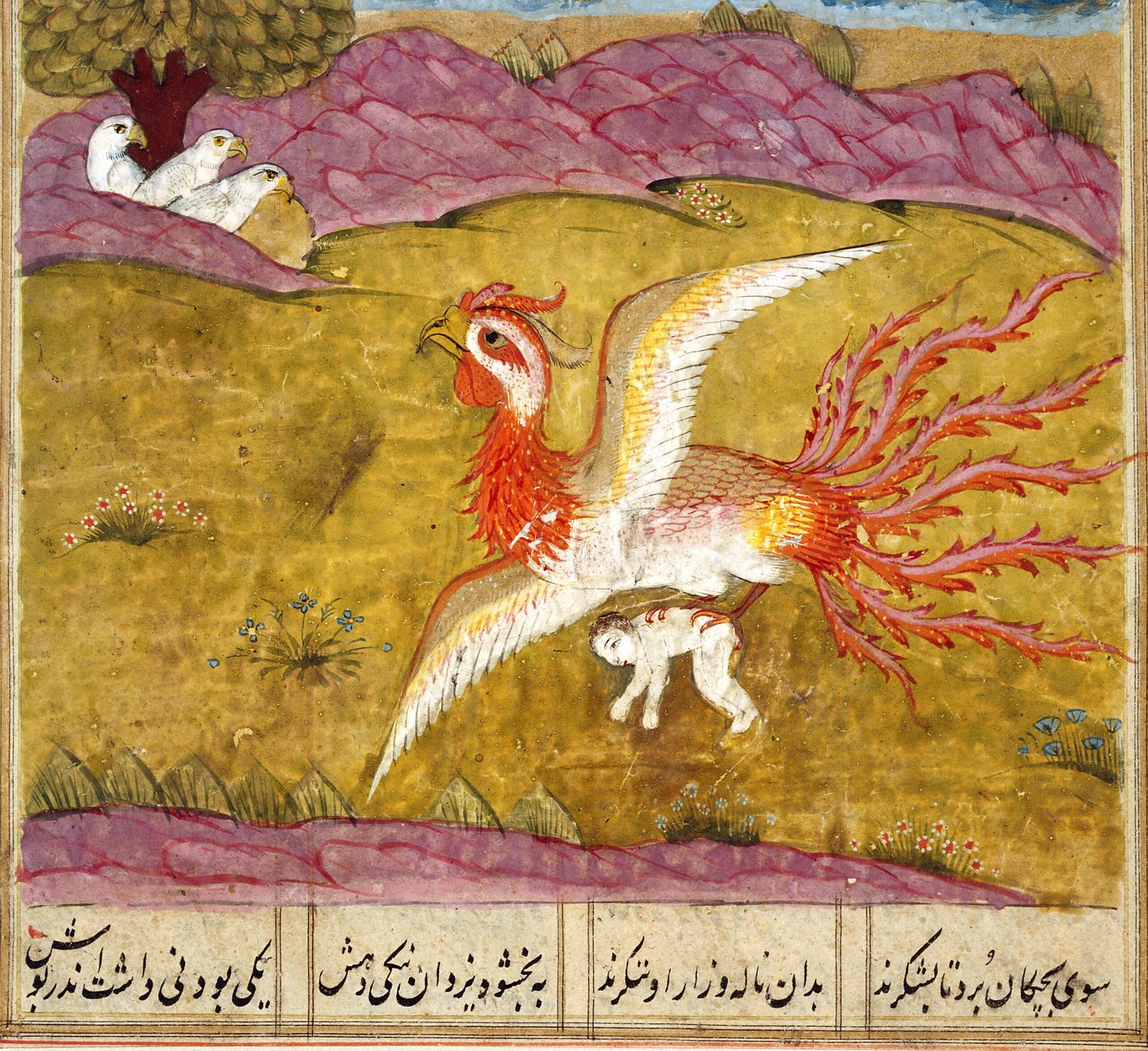
In ancient Persia, the phoenix took on the name Simurgh—a magnificent bird large enough to carry an elephant. The Simurgh lived for thousands of years and was said to possess healing powers, wisdom, and the ability to purify the land. Persian stories described the Simurgh as a bridge between Earth and heaven, often appearing in times of great need to guide heroes or heal the sick. The phoenix motif also found its way into Jewish folklore, where it became the Milkhāmāh or the immortal Hol. These birds echoed the themes of endurance and divine intervention, reminding people that even in the darkest times, hope and healing could take flight. The Simurgh’s enduring presence in poetry and illuminated manuscripts speaks to the universal need for symbols of renewal and guidance.
Phoenix Imagery in Early Christianity
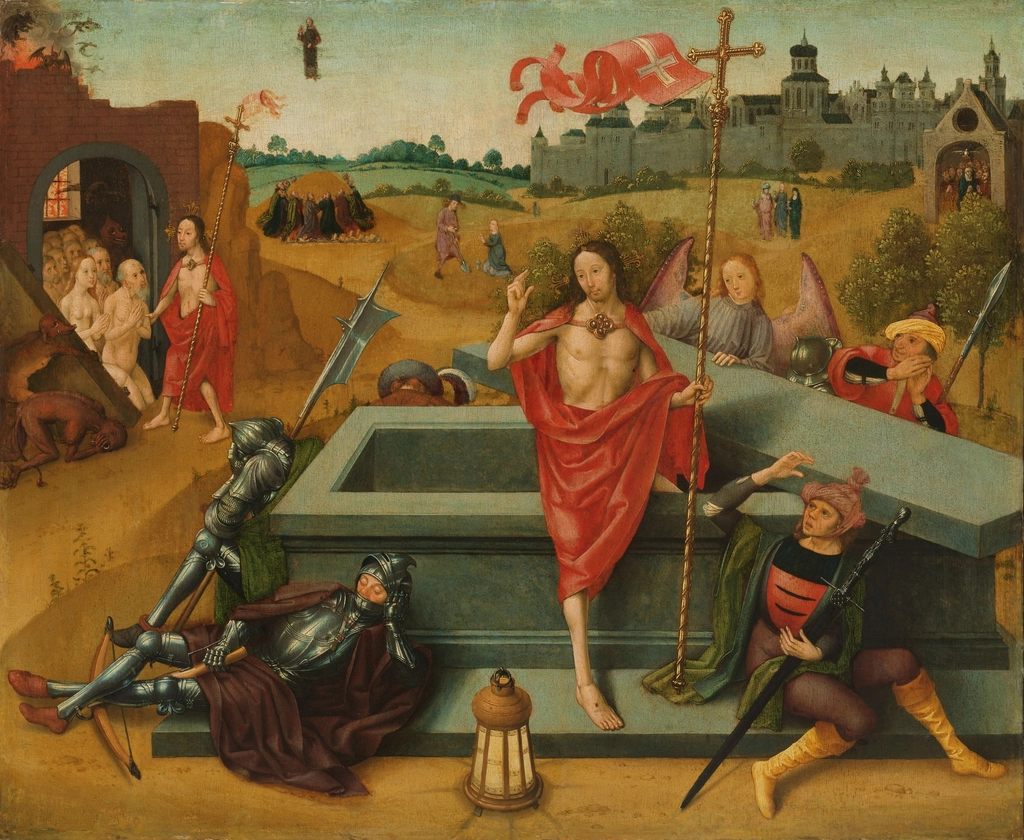
When Christianity spread across the Roman Empire, the phoenix was reborn once more—this time as a symbol of Christ’s resurrection and eternal life. Early Christian writers described the phoenix’s cycle of death and rebirth as a metaphor for Jesus rising from the tomb. Artists carved phoenixes onto tombstones and church walls to offer comfort and inspire faith in the promise of life after death. The bird’s miraculous revival became a powerful visual shorthand for redemption, hope, and the soul’s journey beyond the grave. In an age filled with persecution and uncertainty, the phoenix’s image brought solace and reminded believers that even after the darkest night, a new dawn would come. This legacy still lingers in religious art and literature, a testament to the enduring power of myth to shape spiritual belief.
Modern Literature and Popular Culture

Today, the phoenix has spread its wings into novels, movies, and even comic books, captivating new generations with its fiery story. From the magical world of Harry Potter, where the phoenix Fawkes saves and inspires, to the X-Men’s Jean Grey, whose transformation into the Phoenix represents overwhelming power and rebirth, the bird continues to evolve with each retelling. Writers and filmmakers use the phoenix to explore themes of sacrifice, transformation, and second chances. Its image has become a favorite tattoo, logo, and symbol for those overcoming adversity. The modern phoenix is more than a myth—it is a living metaphor for resilience and the human capacity to rise, no matter how fierce the flames.
Scientific Parallels: Nature’s Real-Life Phoenixes

While science has yet to discover a bird that literally rises from ashes, the natural world is full of phoenix-like stories. Forests devastated by wildfire often spring back with new life, as seeds that require heat to germinate burst open and green shoots push through the blackened earth. Certain species, like the Australian fire beetle, depend on flames to find mates and lay eggs. Even in the animal kingdom, creatures such as the axolotl can regenerate lost limbs, echoing the theme of renewal. Scientists study these processes, hoping to unlock secrets that could lead to breakthroughs in medicine and ecology. Nature’s ability to recover and adapt is a reminder that transformation is not just a myth—it is a fundamental part of life on Earth.
Phoenix Symbolism in Personal Growth

For many people, the phoenix is more than just a story—it is a guiding symbol during tough times. The idea that one can emerge stronger and wiser after hardship brings comfort and motivation. People facing illness, loss, or major life changes often turn to the image of the phoenix as a source of hope. Self-help books and therapists encourage us to “rise from the ashes” and embrace change as an opportunity for growth. The phoenix reminds us that failure and heartbreak are not the end, but the start of something new. This message resonates deeply in a world where change is constant and challenges are inevitable.
The Phoenix in Art and Architecture

Across the world, artists have been inspired by the phoenix’s beauty and meaning. Ancient mosaics in Rome, delicate Chinese porcelain, and vibrant Persian miniatures all feature images of this legendary bird. In modern times, statues of phoenixes rise from parks and city centers, especially in places that have endured disaster or renewal. The phoenix’s sweeping wings and bold colors make it a favorite subject for painters and sculptors. Its form is also woven into architecture—rooftop decorations, stained glass, and even entire building designs echo the theme of rebirth. Through art, the phoenix’s story becomes a shared memory, inviting viewers to reflect on their own journeys of transformation.
Psychological Insights: Why We Need the Phoenix

Psychologists suggest that symbols like the phoenix meet a deep human need to find meaning in suffering and change. The idea of rising from ashes speaks to our desire for a second chance, a fresh start, or a way to make sense of loss. During times of crisis, people often seek stories that reassure them that pain can lead to renewal. The phoenix offers a narrative of hope that is both personal and collective. It helps individuals cope with trauma and motivates communities to rebuild after tragedy. Studies show that people who believe in the possibility of transformation are more resilient and optimistic. The phoenix, then, is not just a myth—it is a psychological tool that fuels our will to survive and thrive.
Phoenix Festivals and Rituals Worldwide
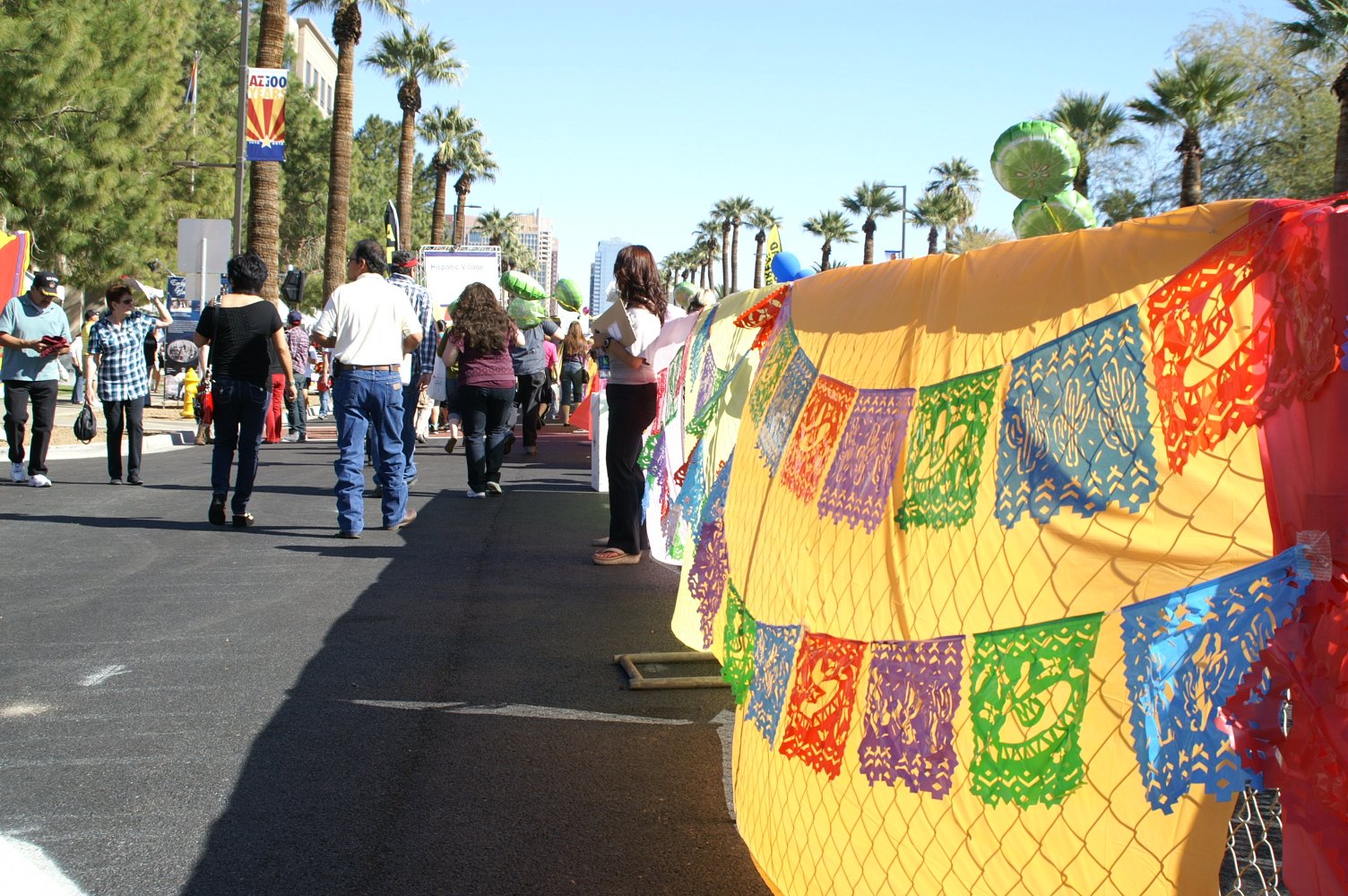
All over the globe, people celebrate the phoenix through festivals and rituals that honor the cycle of destruction and renewal. In China, the Fenghuang appears in New Year parades, symbolizing good fortune for the months ahead. Some cultures light bonfires to mark the end of winter, echoing the phoenix’s fiery rebirth. In modern times, cities devastated by fire or war have chosen the phoenix as an emblem of recovery, organizing public ceremonies to unveil statues or murals. These gatherings foster a sense of unity, reminding participants that even after devastation, new life can emerge. The phoenix’s presence in celebrations connects people across time and place, weaving a tapestry of hope that stretches around the world.
The Enduring Power of the Phoenix
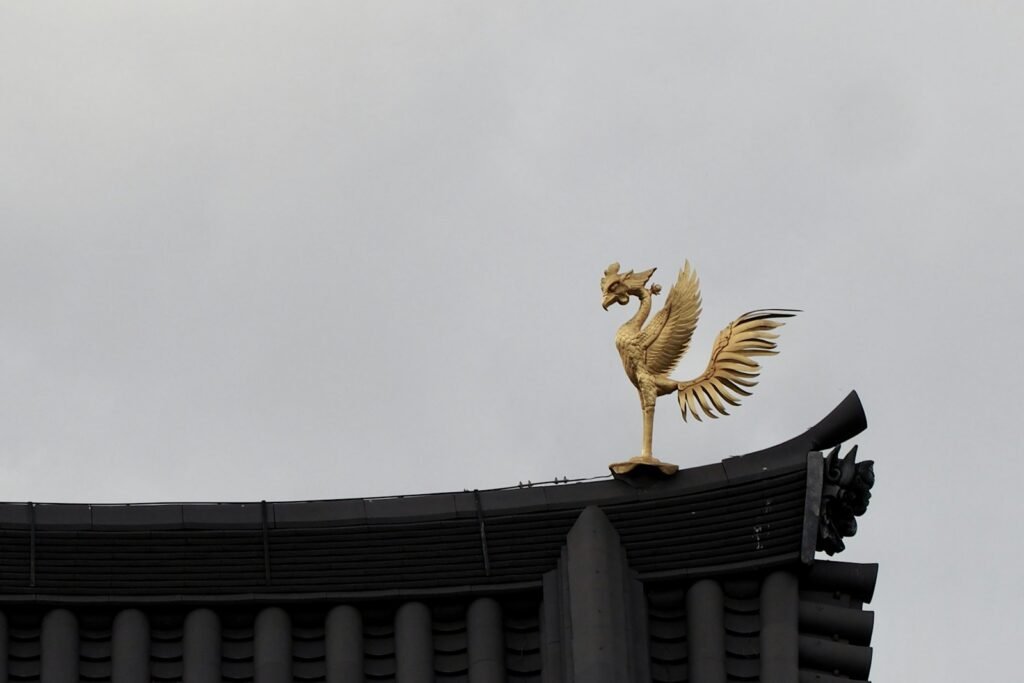
The phoenix’s journey through myth, art, and science reveals something profound about the human spirit. Across cultures and centuries, this legendary bird has offered solace in grief, courage in adversity, and inspiration for transformation. Its story is a mirror reflecting our deepest fears and brightest hopes. As long as people face challenges and dream of new beginnings, the phoenix will continue to soar. What does the phoenix mean to you?