
Imagine a world where the ground trembles under the feet of miniature elephants, and the undergrowth rustles not with the patter of small rodents, but with the heavy steps of giant rats the size of dogs. It sounds like something straight out of a fantasy novel, yet this was the astonishing reality of the Philippines long before humans set foot on its shores. The islands, now famous for their dazzling beaches and vibrant wildlife, once played host to a menagerie of creatures that stretched the limits of our imagination. This is the incredible story of how the Philippines, formed by the forces of nature, became a super-island teeming with giants and dwarfs, and how these remarkable animals reveal the secrets of evolution, isolation, and survival.
The Birth of a Super-Island

Millions of years ago, the landscape of Southeast Asia looked dramatically different from today. The Philippines, now a scattered archipelago, was once a single vast landmass—sometimes called a “super-island”—that rose from the ocean as tectonic plates collided and volcanoes erupted. This expansive land bridge connected isolated patches of rainforest, rivers, and mountains, creating a unique environment for life to flourish. During periods of low sea levels, animals could travel across the land with ease, while rising seas would later trap them, forcing them to adapt or disappear. This ever-changing geography set the stage for one of the most spectacular evolutionary experiments in the region’s history.
Island Gigantism and Dwarfism: Evolution’s Wild Card

When animals find themselves marooned on islands, strange things can happen to their bodies. Scientists call this phenomenon “island gigantism and dwarfism.” On these isolated patches of land, limited resources and lack of predators can drive animals to shrink or grow in surprising ways. Over thousands of generations, small mammals might balloon into giants, while massive beasts dwindle down to a fraction of their former size. In the Philippines, this evolutionary rulebook was rewritten in spectacular fashion, producing creatures that defy what we think is possible.
Giant Rats: The Unexpected Kings of the Forest

One of the most astonishing discoveries in the fossil record of the Philippines is the presence of giant rats. These rodents were nothing like the ones that scurry through city streets today. Some species grew as large as small dogs, with strong jaws and sharp teeth capable of gnawing through tough vegetation. Their bones, unearthed from ancient caves, tell a story of adaptation, where being big meant survival in a world with few natural enemies. These giant rats likely filled ecological roles similar to those of ground-dwelling herbivores elsewhere, munching on roots and shoots, shaping the forests with every bite.
Tiny Elephants: Nature’s Miniature Marvels

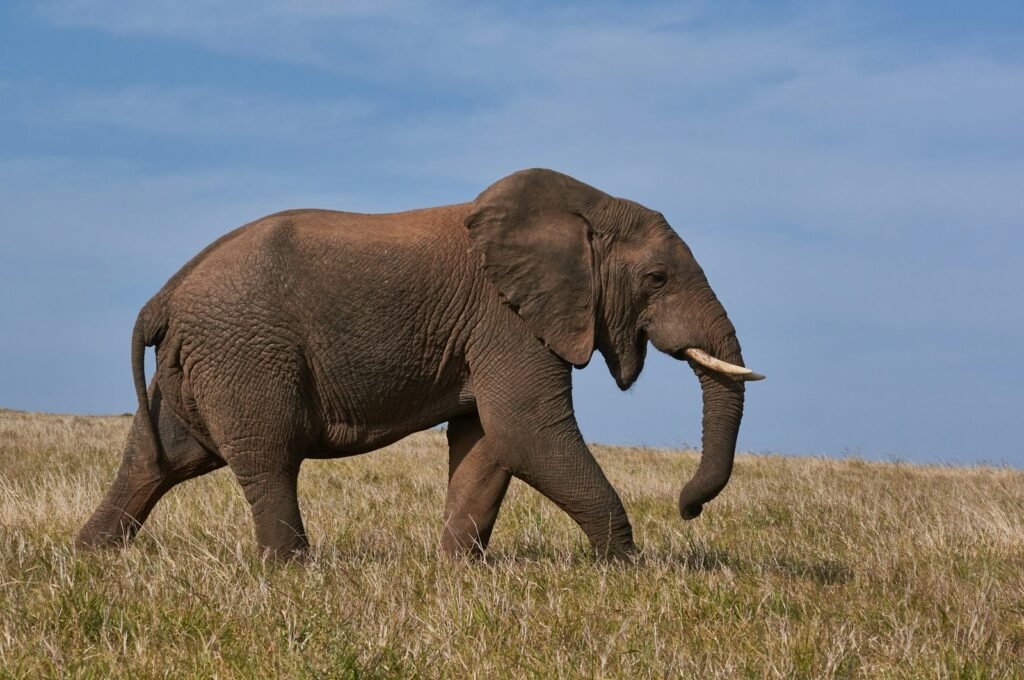
If giant rats sound surprising, the existence of tiny elephants is even more astonishing. Fossilized remains reveal that ancient elephants—known as stegodons and later, true elephants—once roamed the Philippines, but not in the towering forms seen in Africa or Asia today. Instead, they shrank dramatically, some to the size of large pigs. Stranded on an island with limited food and space, these elephants evolved to become smaller and more efficient, a perfect example of island dwarfism. Walking among the dense forests, they nimbly navigated the landscape, their smaller size helping them survive in a world where every calorie counted.
The Science of Isolation: Why Islands Create Oddities

Islands are like natural laboratories for evolution. When animals become isolated, they face a different set of challenges than their mainland cousins. Without large predators, there’s less need to be big or fierce. Scarcity of food means that smaller bodies are often an advantage. Over time, these pressures lead to rapid changes in size, shape, and behavior. The Philippines, with its shifting coastlines and frequent isolation events, became a hotbed for such evolutionary experiments. Scientists study these patterns to better understand how species adapt and how new forms of life emerge from old ones.
Fossil Clues: Uncovering the Lost Giants and Miniatures

The evidence for this prehistoric menagerie lies buried in caves, riverbanks, and rock formations across the islands. Paleontologists have uncovered bones and teeth that reveal the existence of creatures long vanished from the earth. Each fossil tells a story—not just of the animal, but of the environment it lived in. The discovery of a giant rat skull, for example, hints at a forest thick with undergrowth, while the teeth of a tiny elephant suggest a diet of tough leaves and bark. These ancient remains are like puzzle pieces, helping scientists reconstruct a world that disappeared thousands of years ago.
Why Did They Disappear? The Mystery of Extinction

Despite their remarkable adaptations, the giant rats and tiny elephants of the Philippines eventually vanished. The reasons for their extinction are still debated, but several factors likely played a role. Climate change brought dramatic shifts in temperature and rainfall, transforming forests into grasslands and drying up water sources. Rising sea levels split the super-island into smaller pieces, isolating animal populations even further. And just as crucially, the arrival of humans brought new predators, competition, and hunting pressures that the native wildlife could not withstand. In the end, these forces combined to erase an entire chapter of the Philippines’ natural history.
Modern Survivors: Relatives in the Shadows

While the giant rats and tiny elephants are gone, their distant relatives still roam the Philippines today. The cloud rat, for example, is a fluffy rodent that lives high in the treetops and is considered one of the world’s largest rats. Meanwhile, the Philippines’ forests are home to pygmy animals, like the Philippine tarsier and the world’s smallest deer—the Philippine mouse-deer. These creatures carry echoes of the island’s ancient past, reminders that the story of evolution is never truly finished, just constantly rewriting itself.
Lessons from the Super-Island: Evolution in Action

The story of the Philippines’ super-island era teaches us powerful lessons about adaptation, survival, and the fragility of life. Evolution is not a straight line but a twisting path, shaped by chance, geography, and time. The rise and fall of giant rats and tiny elephants show how quickly nature can change, and how even the most extraordinary creatures can be lost forever. Studying these vanished animals helps scientists prepare for the future, offering clues about how today’s wildlife might respond to a changing world.
The Ongoing Search for Lost Worlds

Scientists continue to explore the caves and forests of the Philippines, hoping to unearth new fossils and piece together more of this ancient puzzle. Each discovery is a reminder that the stories of our planet are far from complete. Modern technologies, like DNA analysis and advanced dating methods, are giving researchers new tools to peer into the past and uncover secrets hidden for millennia. With every dig and every bone unearthed, the incredible saga of the Philippines’ super-island era grows richer and more fascinating.
What If These Giants and Miniatures Still Existed?

It’s almost impossible not to wonder what the Philippines would be like if its giant rats and tiny elephants still wandered the forests. Would they have become symbols of national pride, protected and celebrated like pandas in China or kangaroos in Australia? Would ecotourism have flourished around these living relics, drawing visitors from around the world? Their absence is a poignant reminder of how much has been lost, but also a call to cherish and protect the unique wildlife that remains.
The Philippines’ ancient super-island world was a place where the rules of nature were rewritten, where giant rats and tiny elephants roamed free and evolution danced to its own wild rhythm. The echoes of that lost world still shape the islands today, urging us to listen, learn, and never forget the marvels that once were.